
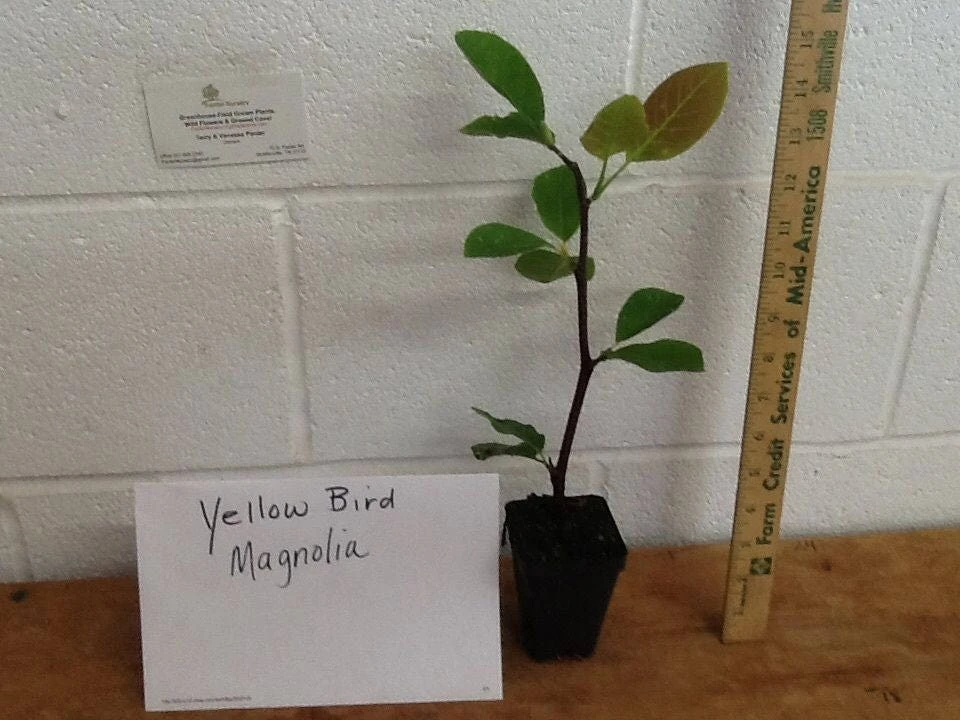
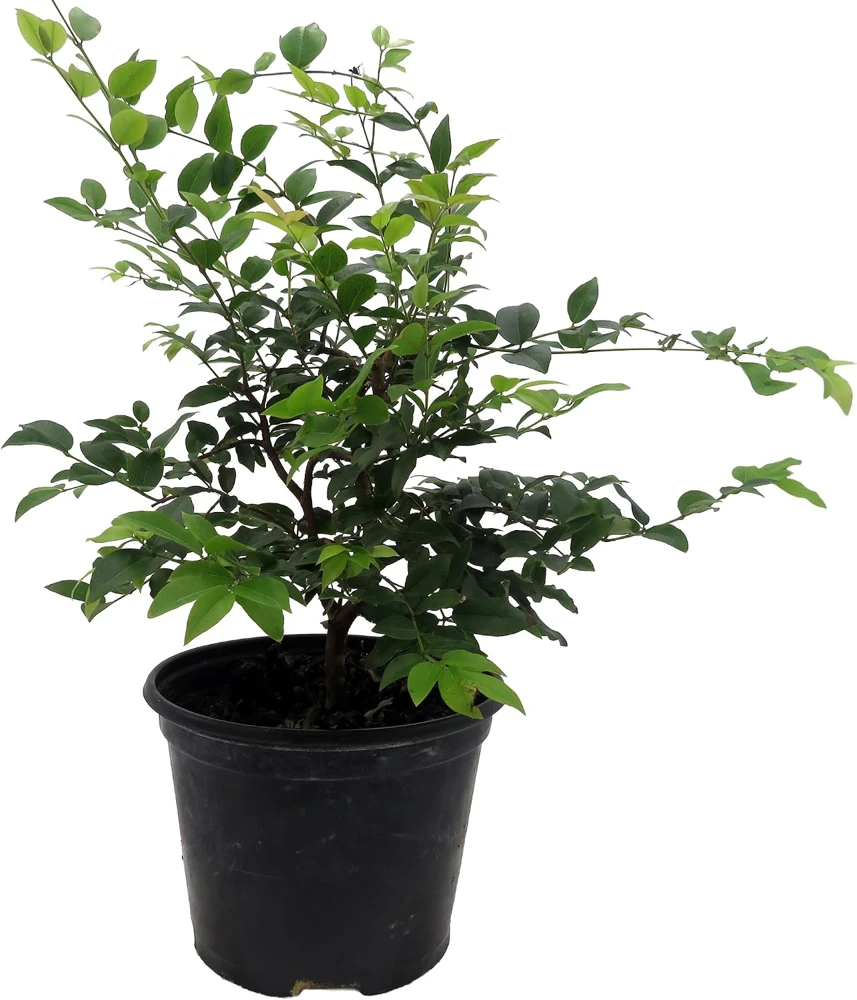
Yellow Bird Magnolia Live Plant 6-12″ Tall – 2.5″ Pot – Full Sun to Partial Shade Outdoor Tree
Original price was: $51.99.$31.99Current price is: $31.99.
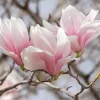
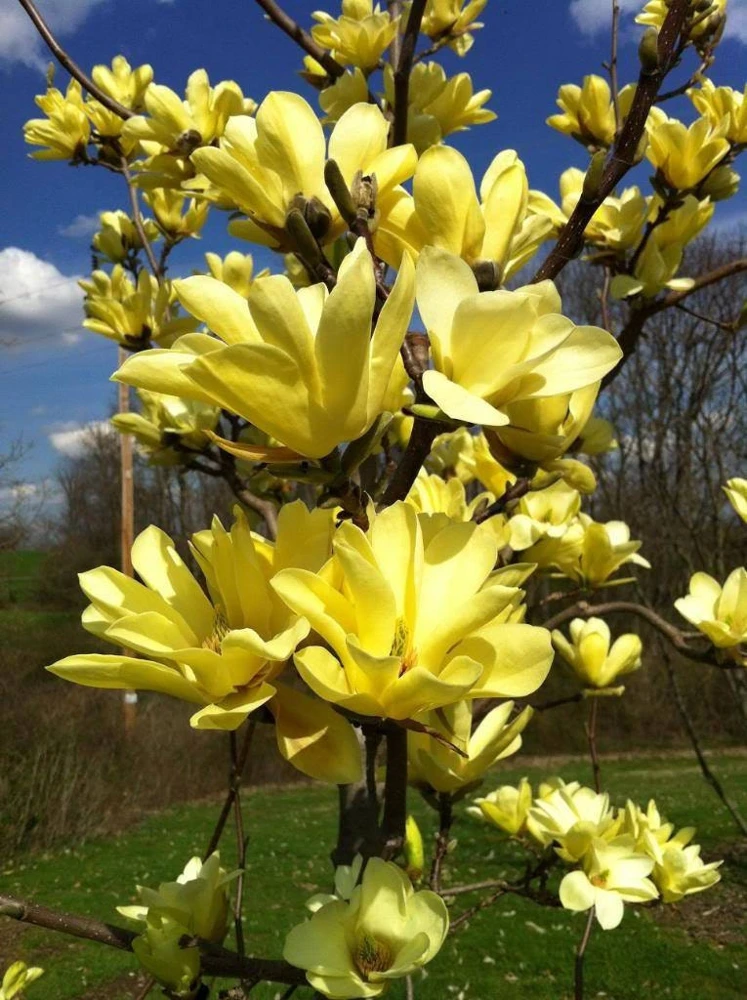
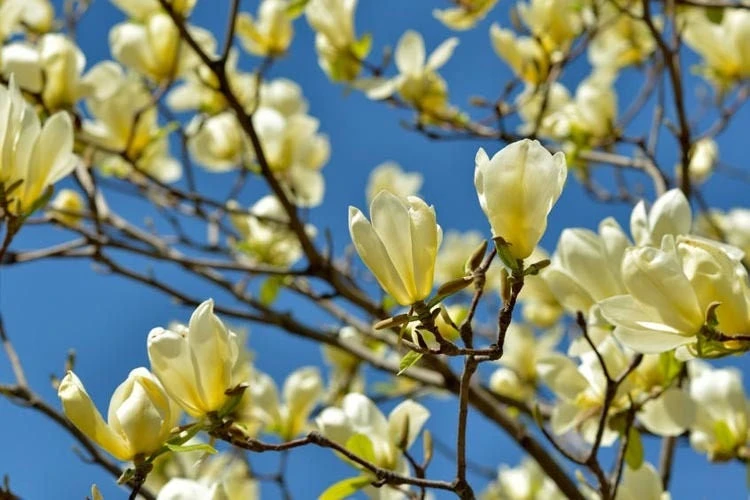
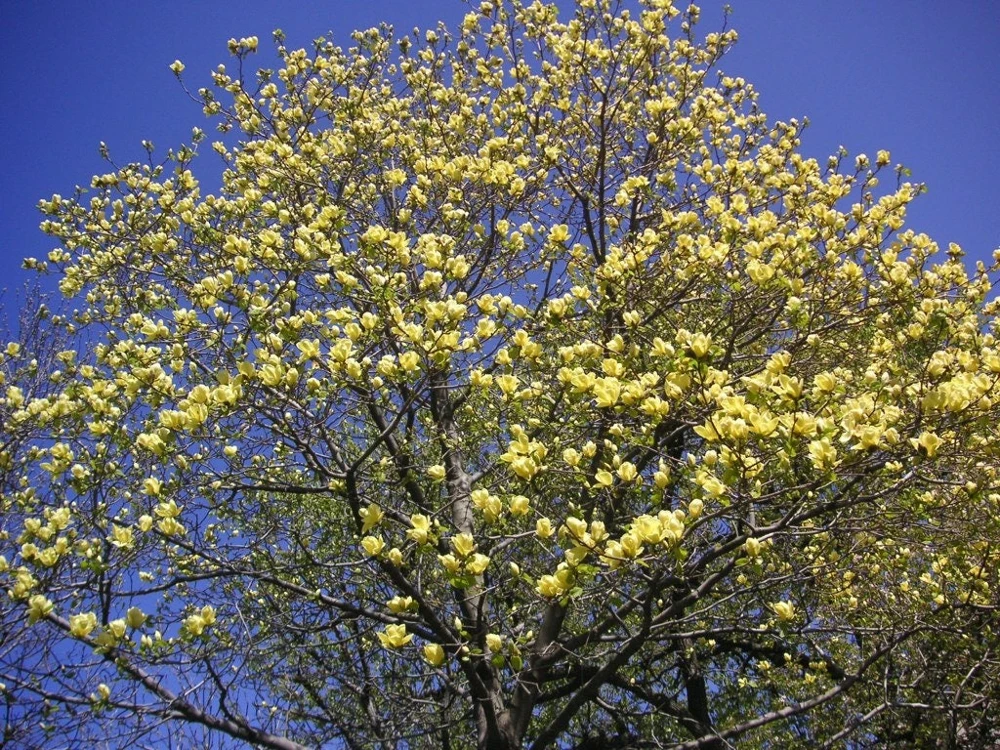
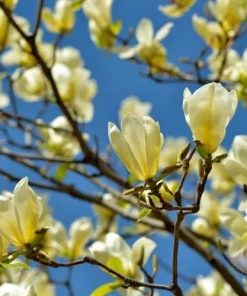
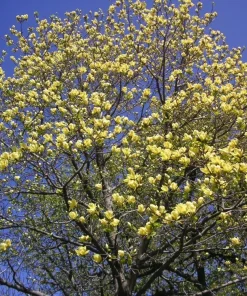
Add a burst of color to your landscape with the beautiful yellow bird magnolia live plant. This fast-growing tree produces stunning canary yellow flowers in late spring, emerging with its foliage. Ideal for full sun to partial shade, it’s a perfect specimen plant or for combining with other summer bloomers.
Estimated arrival
Sep 20
Sep 25 - Sep 27
Sep 30 - Oct 04
Shop With Confidence
30-Day Plant Health Guarantee
Arrives damaged? We’ll replace it free — see our return policy.
Responsive Support
Email us anytime, we reply within 1 business day.
Expert Packaging
Temperature-controlled shipping to protect your plants in transit.
Secure Checkout
Pay safely with Visa, Mastercard, PayPal.
Plant Specifications
-
USDA Hardiness Zone
5-9 -
Soil Type
Acidic, loamy, well-draining soil -
Sunlight Exposure
Full sun to partial shade -
Expected Planting Period
Early spring or early fall
Overview
Bring vibrant beauty to your garden with the exquisite yellow bird magnolia live plant. This particular magnolia variety is celebrated for its striking, large, canary yellow flowers that make a bold statement in any landscape. Unlike some other magnolias, the flowers of the yellow bird magnolia live plant emerge later in spring, often with the foliage, which helps protect them from late frosts and ensures a more consistent display of color. As a fast-growing magnolia, it quickly establishes itself, transforming your outdoor space into a captivating haven. Whether you’re looking for a standout specimen tree or an exceptional addition to a mixed planting, this magnolia offers unparalleled charm and elegance. Its unique bloom time and impressive growth habit make it a favorite among gardeners seeking both beauty and resilience.
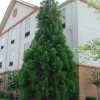
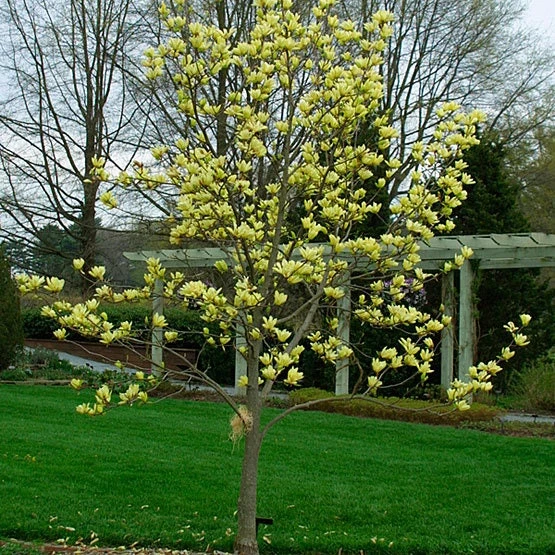
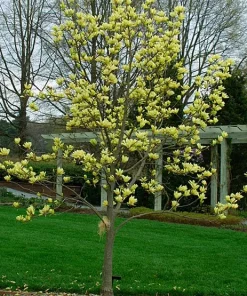
The yellow bird magnolia live plant is a deciduous tree known for its upright, pyramidal to oval shape when young, maturing into a broader, rounded form. It’s a hybrid magnolia (Magnolia acuminata ‘Yellow Bird’) prized for its vigorous growth and consistent flowering. This live plant will arrive ready for planting, allowing you to quickly enjoy its benefits. Its cheerful yellow blooms provide a welcome splash of color, signaling the arrival of warmer weather and offering a delightful contrast to traditional pink or white magnolias. This hardy plant is an excellent choice for adding vertical interest and a touch of sophistication to your garden design.
Key Benefits
The yellow bird magnolia live plant offers a multitude of benefits, making it a highly desirable addition to any garden. Its unique characteristics provide both aesthetic appeal and practical advantages for the discerning gardener.
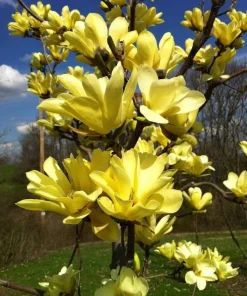
- Stunning Canary Yellow Blooms: Enjoy large, bright canary yellow flowers that create a dramatic visual impact. These unique blooms set it apart from other magnolia varieties, adding a cheerful and exotic touch to your landscape. The vibrant color is sure to be a focal point.
- Frost-Tolerant Flowering: The flowers emerge later in spring, often with the foliage, which significantly reduces the risk of damage from late frosts. This ensures a more reliable and consistent display of its beautiful yellow blossoms year after year.
- Fast Growth Rate: This magnolia is known for its vigorous growth, allowing it to establish quickly and reach its mature size sooner than many other ornamental trees. You won’t have to wait long to enjoy the full splendor of your yellow bird magnolia live plant.
- Versatile Landscape Use: Perfect as a single specimen plant to anchor a garden bed, or exceptional when combined with other plants that offer summer flowers. Its adaptable nature makes it suitable for various garden designs, from formal to informal.
- Adaptable to Pruning: While it can grow quite tall, the yellow bird magnolia live plant can be kept pruned to a desired height, allowing it to be maintained as a large shrub or a smaller tree, fitting diverse garden spaces and needs.
- Hardy and Resilient: Thriving in USDA Zones 5-9, this magnolia is robust and well-suited to a wide range of climates, demonstrating good resistance to common pests and diseases, making it a relatively low-maintenance choice.
- Attracts Pollinators: The showy flowers can attract beneficial pollinators to your garden, contributing to a healthy ecosystem and supporting local biodiversity.
Plant Care & Growing Tips
Caring for your yellow bird magnolia live plant is straightforward, especially when you understand its basic needs. This resilient tree thrives with proper attention to its environmental conditions. It prefers acidic, loamy, well-drained soils. Good drainage is crucial to prevent root rot, so avoid heavy clay soils that retain too much moisture. If your soil is dense, consider amending it with organic matter like compost to improve its structure and drainage. A soil pH between 5.5 and 6.5 is ideal for optimal nutrient uptake and growth of your yellow magnolia tree.
When it comes to sunlight, the yellow bird magnolia live plant needs full sun to partial shade, meaning it prefers a minimum of 4 hours of direct sunlight each day. Full sun (6+ hours) will generally result in the most prolific flowering. In hotter climates, some afternoon shade can be beneficial to protect the foliage from scorching. Watering should be consistent, especially during dry periods and in its first few years of establishment. The soil should be kept evenly moist but not waterlogged. Once established, it becomes more drought-tolerant. Fertilize in early spring with a balanced, slow-release granular fertilizer formulated for acid-loving plants. Avoid over-fertilizing, which can burn the roots.
This fast growing magnolia is hardy in USDA zones 5 through 9. It can reach up to 30 feet tall in some areas, though 15 feet is more common, and it can be kept smaller with regular pruning. Pruning is best done after flowering to maintain its shape and size, or to remove any dead or crossing branches. Minimal pruning is usually required, focusing on shaping and removing spent flowers if desired. Monitor for common issues like leaf spots or powdery mildew in humid conditions, and address them with appropriate organic or chemical treatments if necessary. Overall, with these care tips, your yellow bird magnolia live plant will flourish and provide years of beautiful blooms.
Size & Details
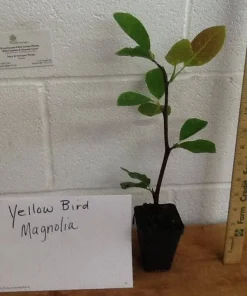
You are purchasing one yellow bird magnolia live plant, typically measuring 6-12 inches in height, and it will arrive in a 2.5-inch nursery pot. This size is ideal for planting directly into your garden or a larger container upon arrival, allowing for strong root establishment. The yellow bird magnolia live plant is known for its relatively fast growth rate, quickly developing into a substantial specimen. While it can reach heights of up to 30 feet in optimal conditions, it more commonly grows to about 15 feet tall in most garden settings. Its natural growth habit is upright, forming an attractive pyramidal shape when young, which gradually broadens with age. This makes it a versatile choice for various landscape designs, from a prominent focal point to a background tree.
This deciduous tree will lose its leaves in the fall, preparing for a spectacular spring display of its bright yellow flowers. The blooms typically appear in late spring, often coinciding with the emergence of its foliage, which helps protect the delicate flowers from late frosts. With proper care, you can expect your yellow bird magnolia live plant to begin flowering within a few years of planting. The plant ships as a well-rooted, healthy specimen, ready to thrive in your garden. Its mature spread can range from 10 to 20 feet, so ensure you provide adequate space for its growth. Regular pruning can help maintain a more compact, shrub-like form if desired, making it adaptable to smaller gardens as well.
Frequently Asked Questions
- Q: How big does this yellow bird magnolia live plant get? A: The yellow bird magnolia live plant can reach up to 30 feet tall in some areas, but more commonly grows to about 15 feet tall. Its spread can be between 10 to 20 feet at maturity. You can prune it to maintain a desired height and shape, even keeping it more shrub-like.
- Q: What size pot does it come in? A: The yellow bird magnolia live plant you are purchasing comes in a 2.5-inch nursery pot, and the plant itself is typically 6-12 inches tall, ready for planting.
- Q: Is this an indoor or outdoor plant? A: The yellow bird magnolia live plant is an outdoor flowering tree. It thrives in garden settings and is hardy in USDA Zones 5-9. It is not suitable for long-term indoor cultivation.
- Q: How much sunlight does it need? A: This magnolia requires full sun to partial shade, meaning it needs a minimum of 4 hours of direct sunlight daily. Full sun exposure often leads to the best flowering performance for your yellow magnolia tree.
- Q: Is this plant easy to care for? A: Yes, the yellow bird magnolia live plant is considered relatively easy to care for once established. It requires well-drained, acidic soil and consistent moisture, especially during its initial growth period. Basic care involves proper watering and occasional fertilization.
- Q: What condition will it arrive in? A: Your fast growing magnolia will arrive as a healthy, well-rooted live plant in its 2.5-inch nursery pot. It will be carefully packaged to ensure safe transit and readiness for planting.
- Q: When is the best time to plant a yellow bird magnolia live plant? A: The best time to plant a yellow bird magnolia live plant is in early spring or early fall. This allows the plant to establish its root system before the stress of extreme summer heat or winter cold.
- Q: Will it survive winter in my zone? A: The yellow bird magnolia live plant is hardy in USDA Zones 5-9. If you are within these zones, it should successfully survive winter conditions with proper care and establishment.
- Q: Does this magnolia attract pollinators? A: Yes, the large, showy flowers of the yellow bird magnolia live plant can attract various pollinators, including bees, contributing to the biodiversity of your garden.
- Q: What kind of soil does this magnolia prefer? A: It prefers acidic, loamy, well-drained soils. Avoid heavy clay or waterlogged conditions, as good drainage is essential for its health and growth.
Be the first to review “Yellow Bird Magnolia Live Plant 6-12″ Tall – 2.5″ Pot – Full Sun to Partial Shade Outdoor Tree”
People Also Viewed
Reviews
There are no reviews yet.