

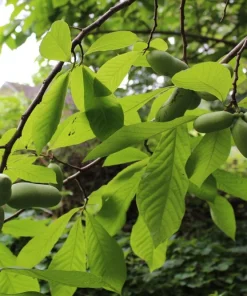
Paw Paw Indian Banana Tree – 1 Gallon Live Plant, 6-12 inch Tall, Zones 5-8
Original price was: $70.99.$50.99Current price is: $50.99.
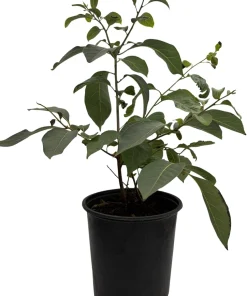
Bring a touch of the tropics to your garden with a paw paw indian banana tree. This 1-gallon live plant, standing 6-12 inch tall, produces unique, banana-flavored fruit and boasts beautiful bell-shaped flowers in spring. Enjoy vibrant yellow fall foliage and cold hardiness down to -25°F. Perfect for USDA Zones 5-8.
Estimated arrival
Sep 20
Sep 25 - Sep 27
Sep 30 - Oct 04
Shop With Confidence
30-Day Plant Health Guarantee
Arrives damaged? We’ll replace it free — see our return policy.
Responsive Support
Email us anytime, we reply within 1 business day.
Expert Packaging
Temperature-controlled shipping to protect your plants in transit.
Secure Checkout
Pay safely with Visa, Mastercard, PayPal.
Plant Specifications
-
USDA Hardiness Zone
5-8 -
Soil Type
Rich, well-draining soil -
Sunlight Exposure
Full sun to partial shade -
Expected Planting Period
Spring or Fall
Overview
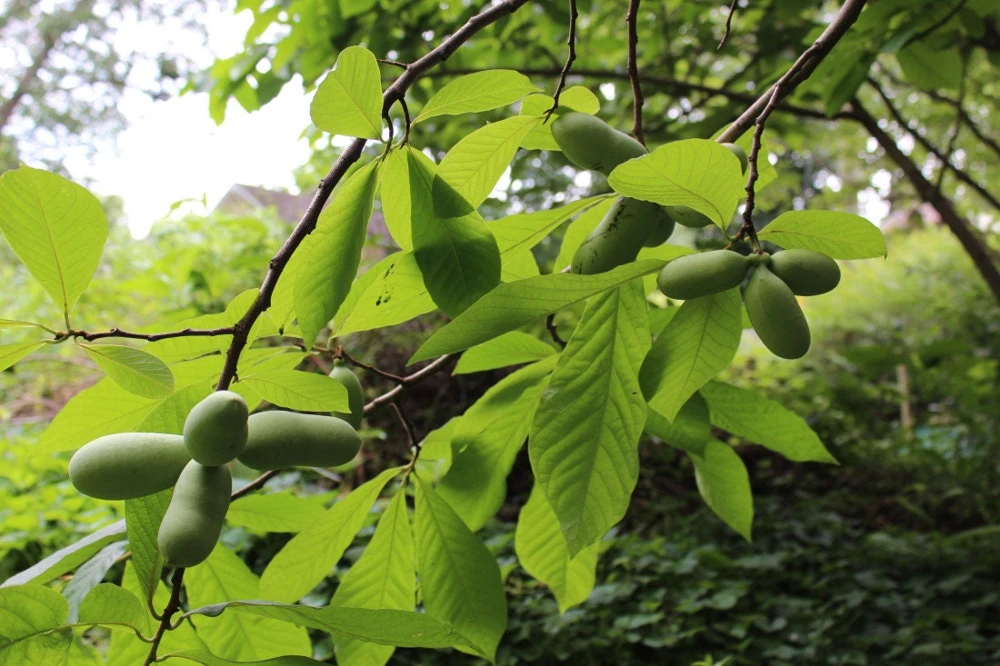
Discover the unique charm of the paw paw indian banana tree, a fascinating and resilient addition to any garden. This live plant, also known by its botanical name Asimina triloba, offers a delightful combination of ornamental beauty and delicious, exotic fruit. Often described as having a banana-like flavor, the paw paw fruit is a true North American native, bringing a taste of the tropics to temperate climates. Our 1-gallon paw paw indian banana tree is typically 6-12 inch tall, ready to establish itself and begin its journey of growth in your landscape. It’s a wonderful choice for gardeners seeking something out of the ordinary, providing both visual interest and a unique culinary experience.
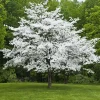
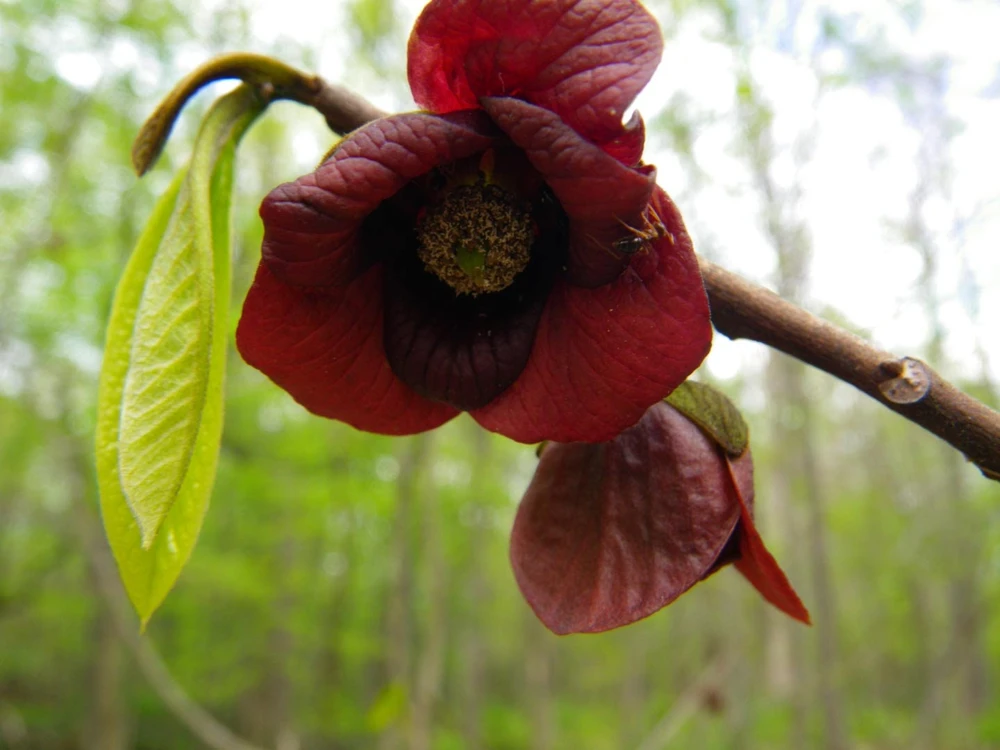
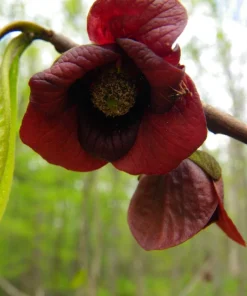
The paw paw indian banana tree is not just about its fruit; it’s a multi-season wonder. In spring, it graces your garden with charming, bell-shaped flowers, followed by broad, tropical-looking leaves that provide excellent shade. Come autumn, these leaves transform into a brilliant golden yellow, adding a spectacular display of fall color. This hardy tree thrives in a wide range of conditions, making it an excellent choice for many regions. If you’re looking for a low-maintenance, fruit-bearing tree that offers year-round appeal, the paw paw indian banana tree is an exceptional option.
Key Benefits
The paw paw indian banana tree offers a multitude of benefits for the home gardener, combining aesthetic appeal with practical advantages. This versatile tree is a fantastic investment for anyone looking to enhance their outdoor space with a unique and rewarding plant.
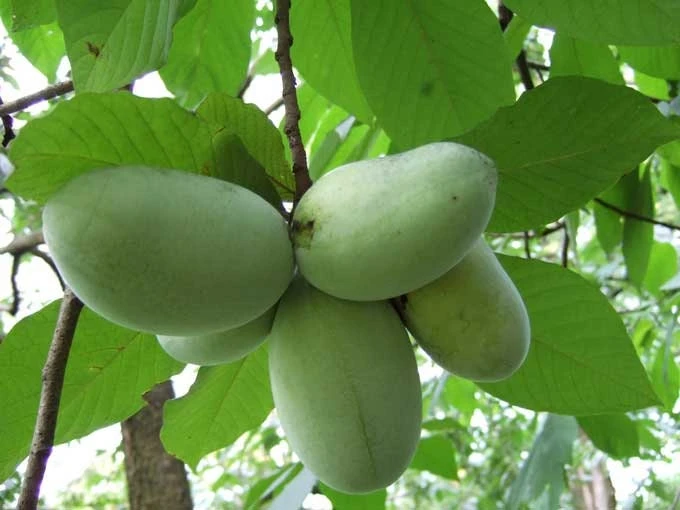
- Unique Edible Fruit: Enjoy the distinct, creamy, banana-like flavor of fresh paw paw fruit, a rare treat not typically found in grocery stores. Growing your own ensures a fresh, organic supply of this delightful native American fruit.
- Ornamental Beauty: From its tropical-looking foliage to its intriguing bell-shaped spring flowers and brilliant yellow fall leaves, the paw paw indian banana tree provides year-round visual interest and enhances garden aesthetics.
- Exceptional Cold Hardiness: Unlike many tropical-looking plants, the paw paw can withstand surprisingly cold temperatures, thriving in USDA Zones 5-8, making it suitable for a broad range of climates.
- Wildlife Attraction: The fruit is a favorite of local wildlife, and the tree itself can serve as a host plant for certain butterfly species, contributing to local biodiversity.
- Low Maintenance: Once established, paw paw tree care is relatively straightforward. These trees are naturally resilient and require minimal intervention compared to many other fruit trees.
- Adaptable to Light Conditions: While preferring full sun for best fruit production, the paw paw can tolerate partial shade, offering flexibility in planting location within your garden.
- Native Plant Benefits: As a native species, Asimina triloba is well-adapted to local ecosystems, requiring less water and fewer pesticides once established, making it an eco-friendly choice.
Plant Care & Growing Tips
Caring for your paw paw indian banana tree is a rewarding experience, leading to bountiful harvests and beautiful seasonal displays. While generally low-maintenance, understanding its specific needs will ensure optimal growth and fruit production. This hardy tropical plant is surprisingly adaptable but thrives best with certain conditions. For successful establishment, ensure proper planting and consistent care during its early years.
When it comes to sunlight, young paw paw indian banana tree plants prefer some shade, especially in hotter climates, as direct afternoon sun can scorch their leaves. As they mature, they require more sunlight for optimal fruit production, ideally at least 6-8 hours of full sun per day. They can tolerate partial shade, but fruit yield may be reduced. Soil requirements are crucial; paw paws prefer rich, well-draining soil with a slightly acidic to neutral pH (5.5-7.0). Amend heavy clay soils with organic matter to improve drainage and aeration. Consistent moisture is important, especially during dry spells and when the fruit is developing. However, avoid waterlogging, which can lead to root rot. Mulching around the base of the tree helps retain soil moisture and suppress weeds. The paw paw fruit tree is remarkably cold hardy, tolerating temperatures as low as -25°F, making it suitable for USDA Zones 5-8.
Fertilization can begin a year after planting. Use a balanced, slow-release fertilizer in early spring. Avoid high-nitrogen fertilizers, which can promote leafy growth at the expense of fruit. Pruning is generally minimal, focusing on removing dead, damaged, or crossing branches to maintain good air circulation and tree shape. The asimina triloba plant usually requires cross-pollination from another genetically different paw paw tree to produce fruit, so planting at least two different varieties is recommended for best yields. Protect young trees from deer and other pests if they are prevalent in your area. With thoughtful attention to these care guidelines, your paw paw indian banana tree will flourish.
Size & Details
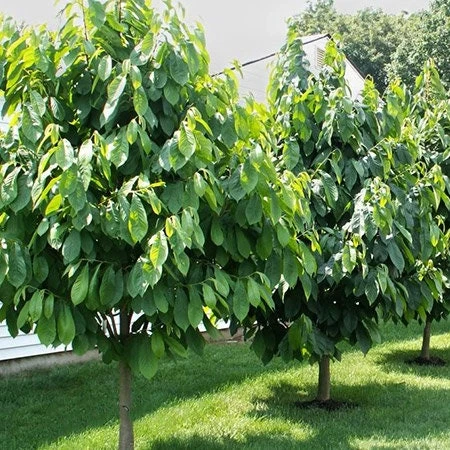
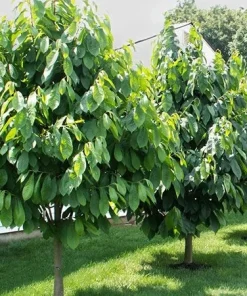
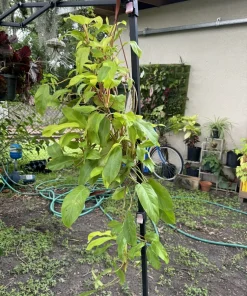
This offering is for one paw paw indian banana tree, a live plant typically standing 6-12 inch tall from the base of the pot to the top of the foliage. It is shipped in a 1-gallon trade pot, providing a well-established root system for successful transplanting into your garden. The tree exhibits a medium growth rate, eventually reaching a mature height of 15-20 feet with a similar spread, creating a beautiful, rounded canopy. While fruit production can begin in 3-5 years, significant yields are usually seen as the tree matures, around 5-7 years after planting. The tree will arrive carefully packaged to ensure its health during transit, ready for immediate planting in its permanent location.
The paw paw fruit tree is deciduous, meaning it will lose its leaves in the fall and enter dormancy for the winter months. This natural cycle is crucial for its hardiness and prepares it for spring growth and flowering. The 1-gallon pot size is ideal for providing a sturdy young plant that can quickly adapt to its new environment. Remember that for optimal fruit set, you will typically need two different varieties of asimina triloba plant for cross-pollination. This ensures a healthy harvest of the delicious, unique fruit. The plant’s robust nature and established root system make it an excellent choice for both novice and experienced gardeners.
Frequently Asked Questions
- Q: How big does this paw paw indian banana tree get? A: This paw paw indian banana tree typically reaches a mature height of 15-20 feet and can have a similar spread, forming a medium-sized, ornamental tree in your landscape. It has a medium growth rate, establishing itself well over several years.
- Q: What size pot does it come in? A: The paw paw indian banana tree you are purchasing is a live plant shipped in a 1-gallon trade pot, ensuring a healthy and established root system for successful planting.
- Q: Is this an indoor or outdoor plant? A: The paw paw indian banana tree is an outdoor plant, hardy in USDA Zones 5-8. It requires outdoor conditions to thrive and produce fruit, though very young saplings may benefit from temporary winter protection in colder zones.
- Q: How much sunlight does it need? A: Mature paw paw fruit tree plants thrive in full sun (6-8 hours daily) for best fruit production. Young plants, however, prefer partial shade, especially protection from intense afternoon sun, to prevent leaf scorch.
- Q: Is this plant easy to care for? A: Once established, the paw paw indian banana tree is considered relatively easy to care for. It’s a low-maintenance native tree that is disease and pest resistant, making paw paw tree care quite manageable.
- Q: What condition will it arrive in? A: Your asimina triloba plant will arrive as a live, healthy plant with its root ball intact within the 1-gallon pot, carefully packaged to minimize stress during transit.
- Q: When is the best time to plant a paw paw tree? A: The best time to plant your paw paw indian banana tree is in early spring or fall when temperatures are mild. This allows the tree to establish its roots before the stress of summer heat or winter cold.
- Q: Will it survive winter in my zone? A: Yes, the paw paw indian banana tree is exceptionally cold hardy and will survive winters in USDA Zones 5-8, tolerating temperatures down to -25°F.
- Q: Do I need more than one paw paw tree to get fruit? A: Yes, for successful fruit production, you generally need to plant at least two genetically different paw paw fruit tree varieties for cross-pollination.
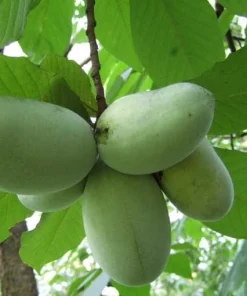
- Q: What does the paw paw fruit taste like? A: The fruit of the paw paw indian banana tree has a unique, creamy texture and a flavor often described as a blend of banana, mango, and pineapple, offering a truly tropical taste.
Be the first to review “Paw Paw Indian Banana Tree – 1 Gallon Live Plant, 6-12 inch Tall, Zones 5-8”
People Also Viewed
Houseplants
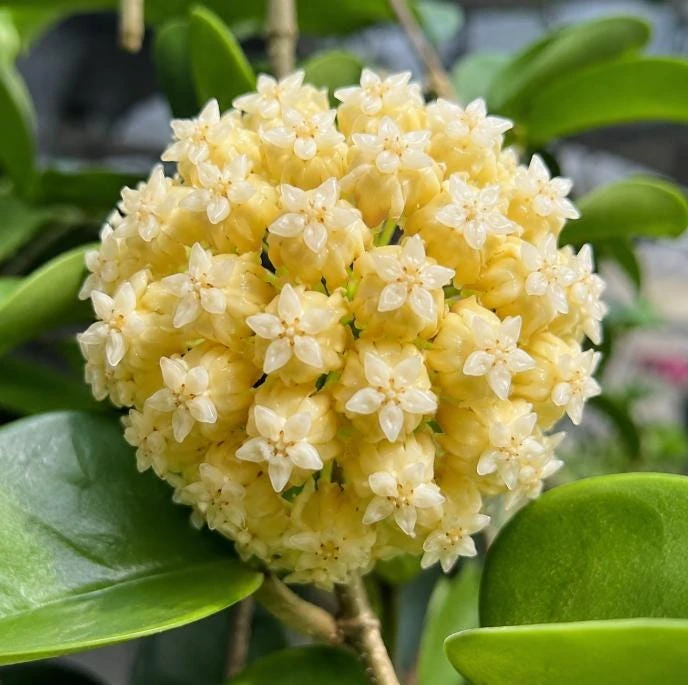
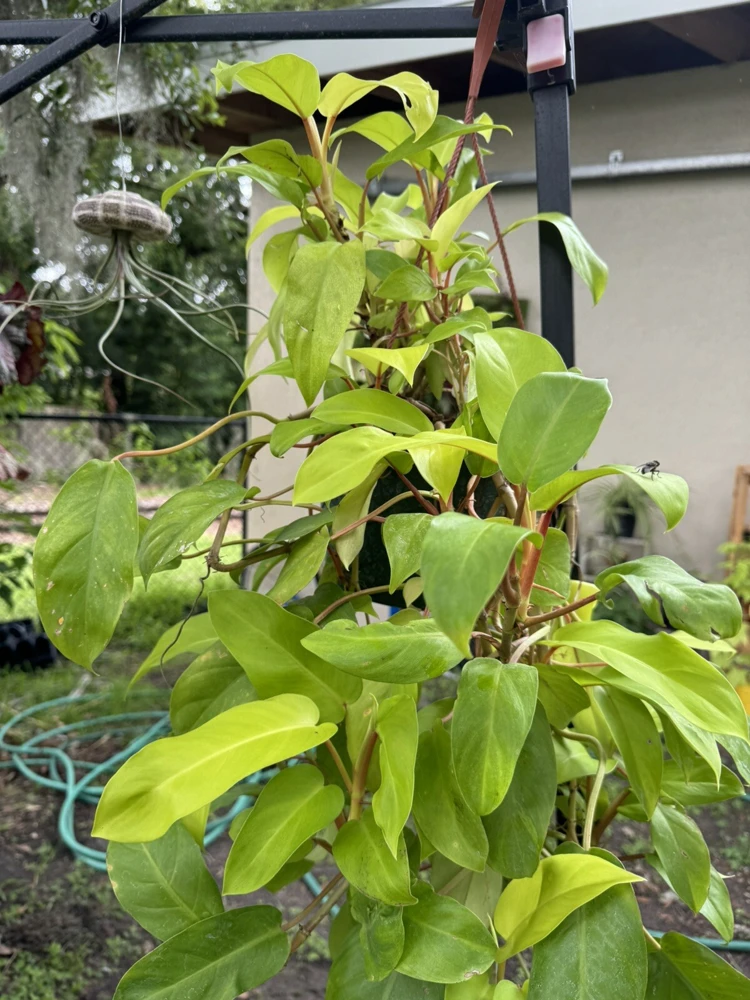
Hoya Incrassata Live Plant – Tropical Wax Plant – 4 Inch Pot – Indoor Trailing Houseplant
Flower Seeds
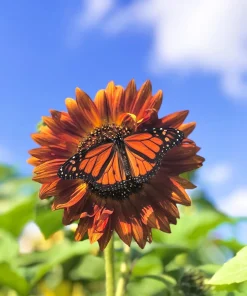
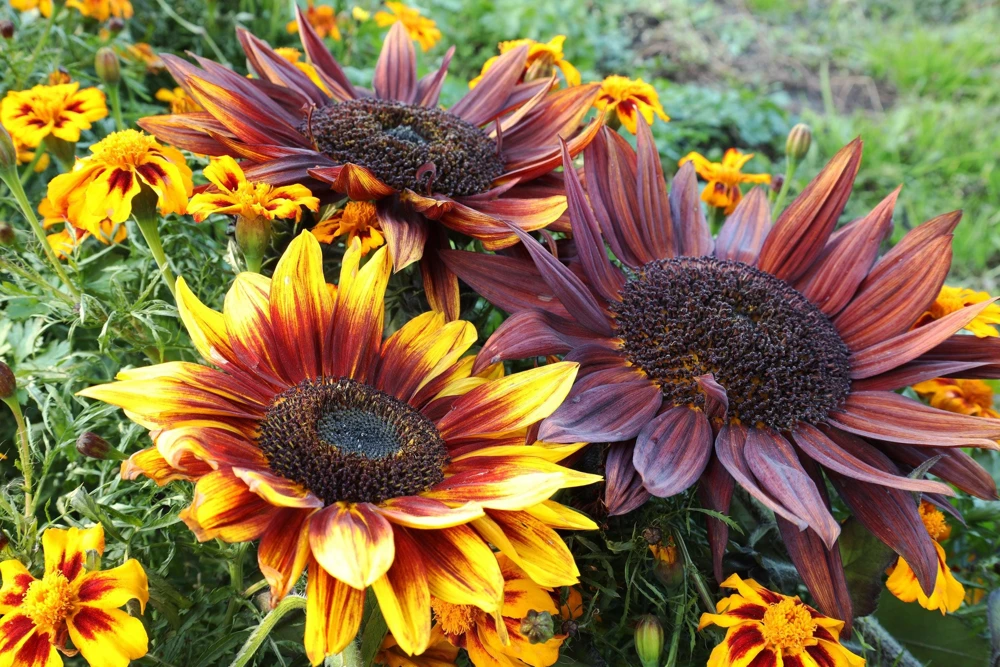
Evening Colors Sunflower Seeds – 100 Count, Mixed Gold & Orange Blooms, Helianthus Annuus
Trees
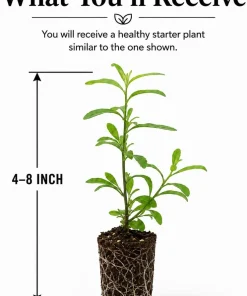
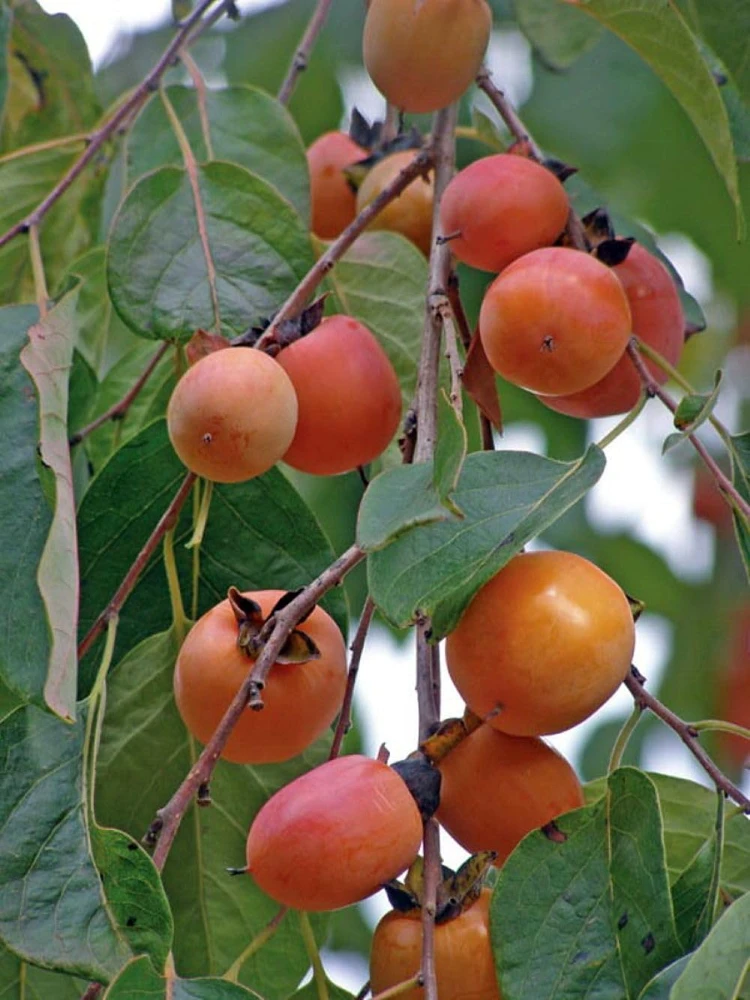
American Persimmon Tree Live Plant – Diospyros virginiana – Gallon Pot – Edible Fruit, Zones 5-8
Reviews
There are no reviews yet.