
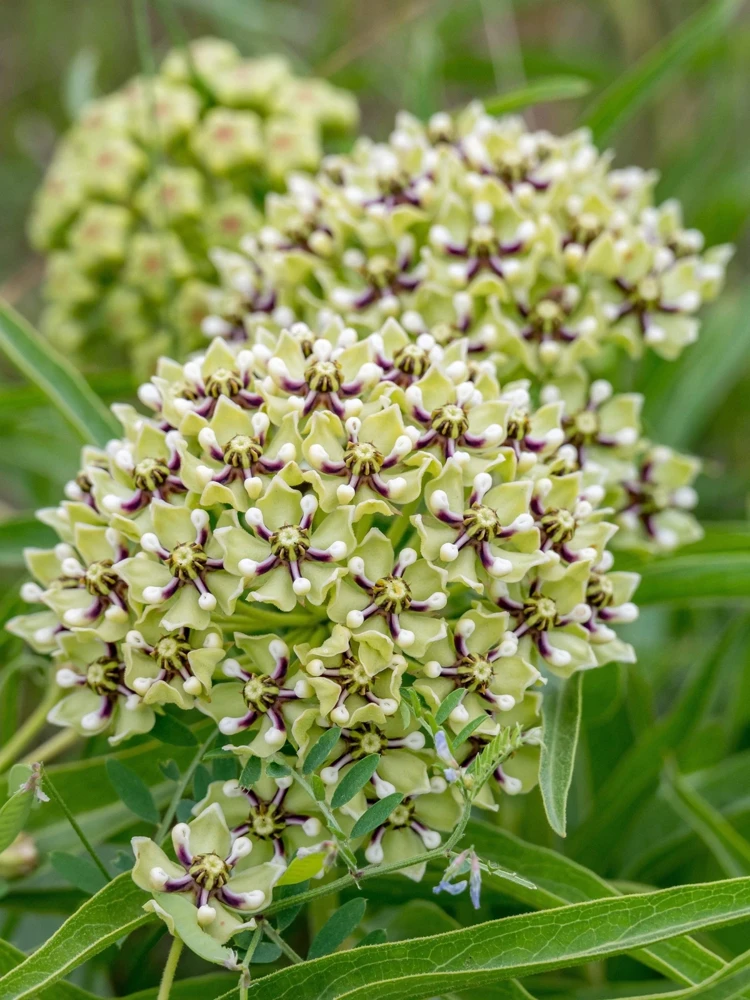
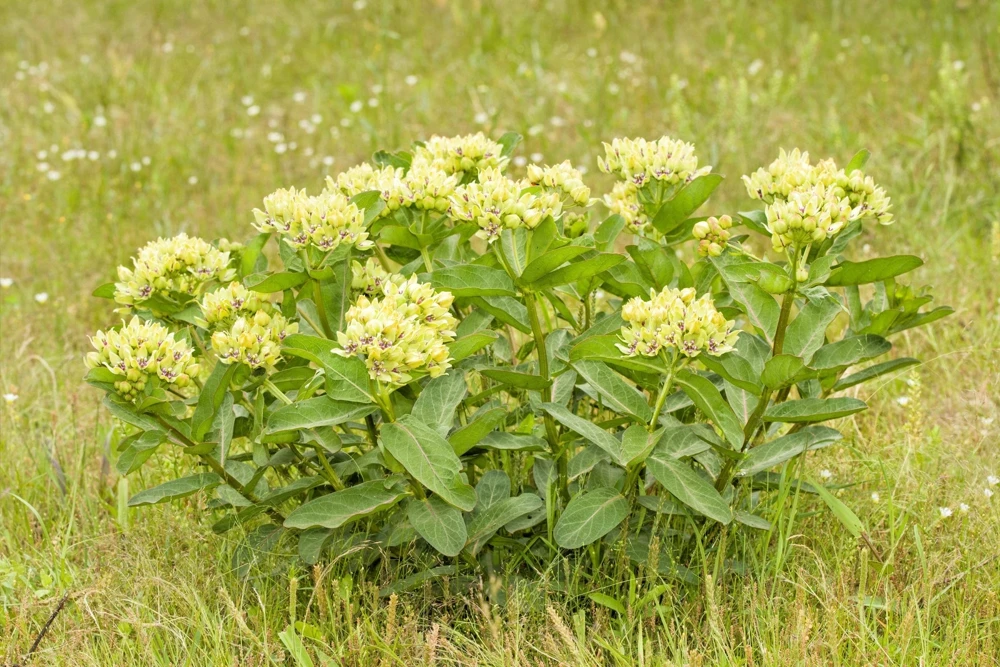
20 Green Spider Milkweed Seeds – Asclepias Viridis – White Purple Flowers
Original price was: $37.99.$17.99Current price is: $17.99.
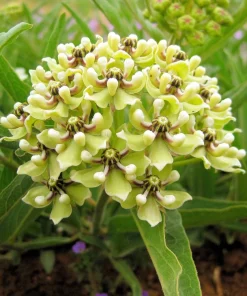
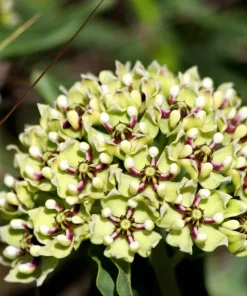
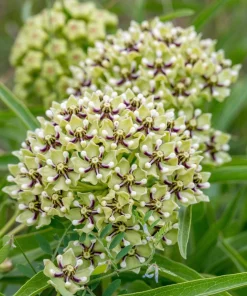
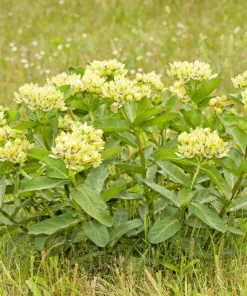
Cultivate a pollinator-friendly garden with 20 Green Spider Milkweed seeds (Asclepias Viridis). These native seeds produce unique white and purple flowers, essential for attracting and supporting monarch butterfly plant populations. Ideal for creating a vibrant, ecological landscape.
Estimated arrival
Sep 17
Sep 22 - Sep 24
Sep 27 - Oct 01
Shop With Confidence
30-Day Plant Health Guarantee
Arrives damaged? We’ll replace it free — see our return policy.
Responsive Support
Email us anytime, we reply within 1 business day.
Expert Packaging
Temperature-controlled shipping to protect your plants in transit.
Secure Checkout
Pay safely with Visa, Mastercard, PayPal.
Plant Specifications
-
USDA Hardiness Zone
USDA zones 4-9 -
Soil Type
Well-draining sandy, loamy, or clay soil -
Sunlight Exposure
Full sun (6-8+ hours direct sunlight) -
Expected Planting Period
Late fall or early spring after cold stratification
Overview
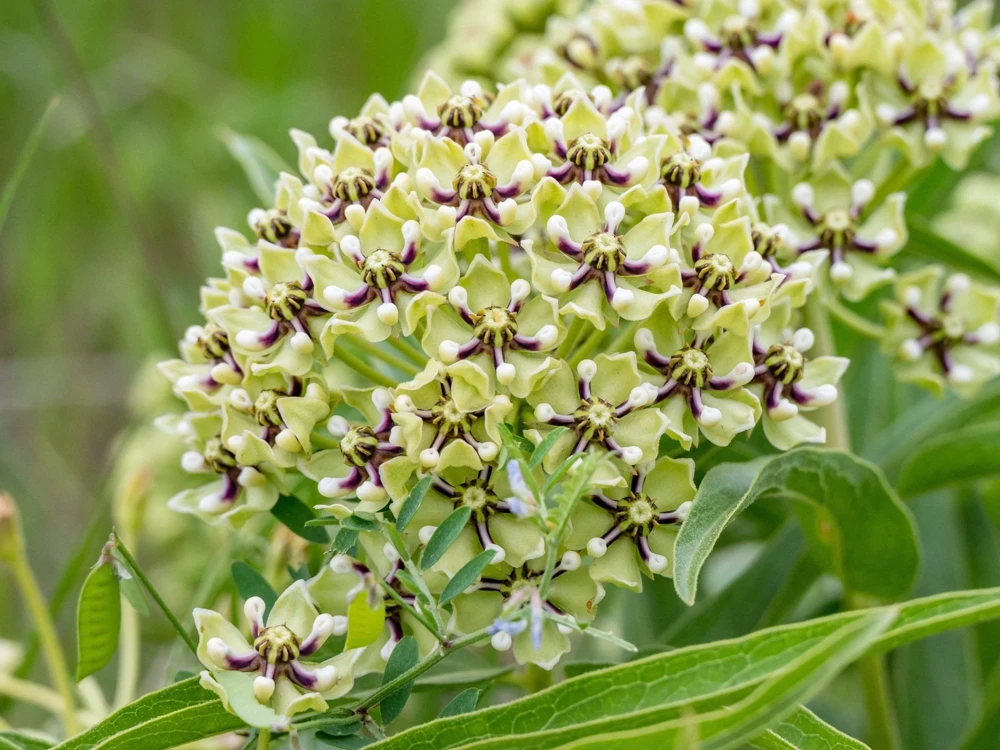
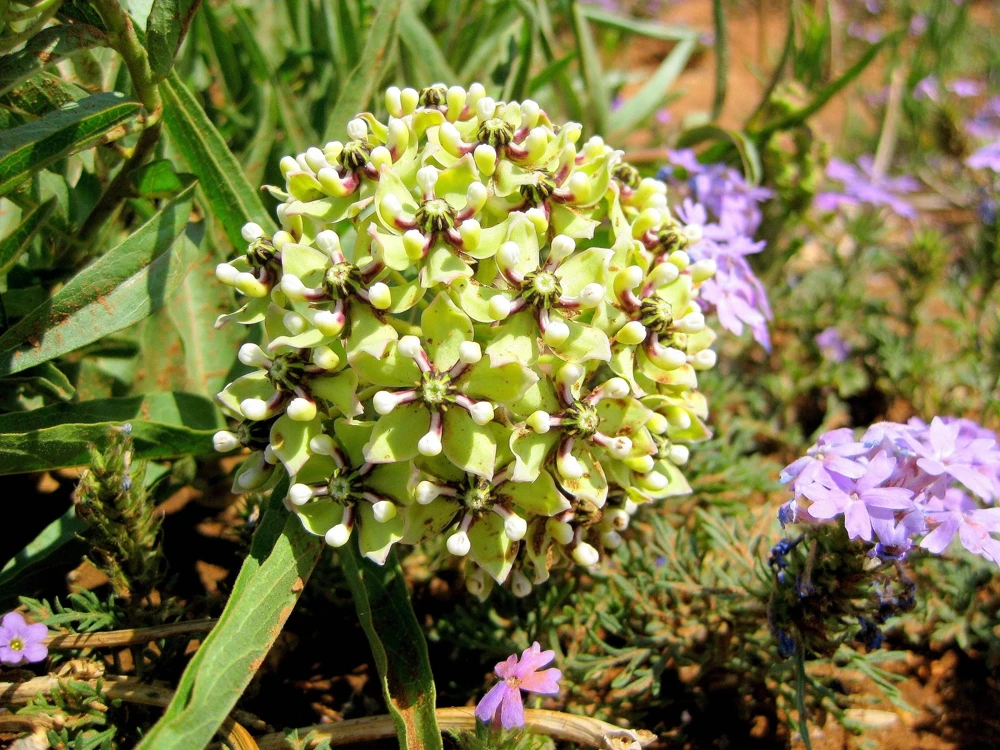
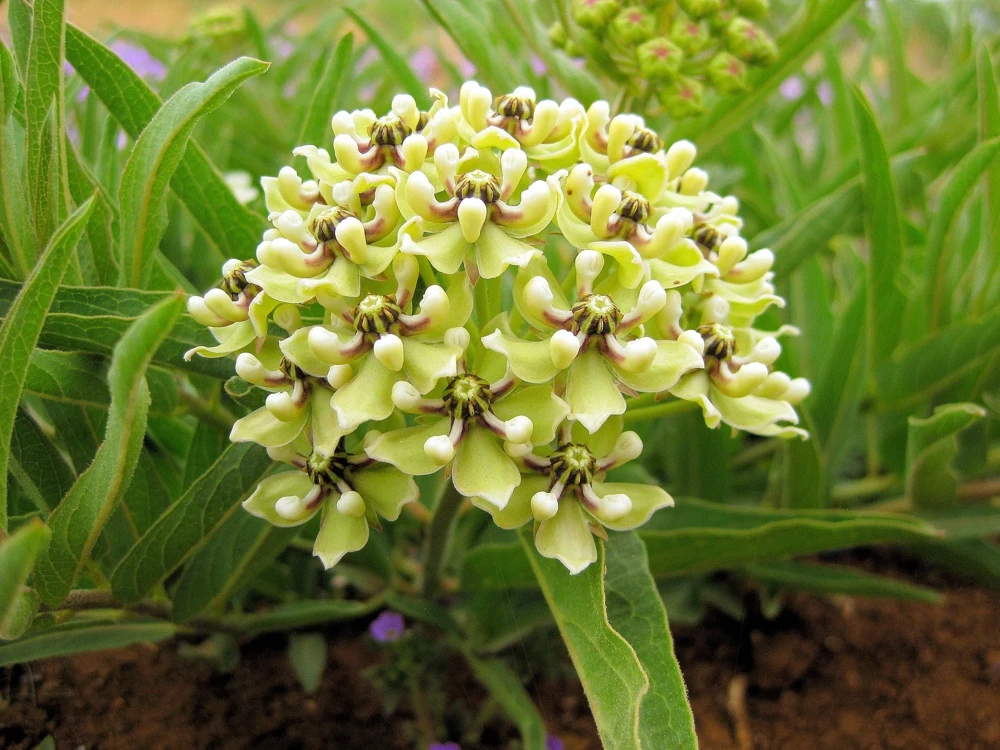
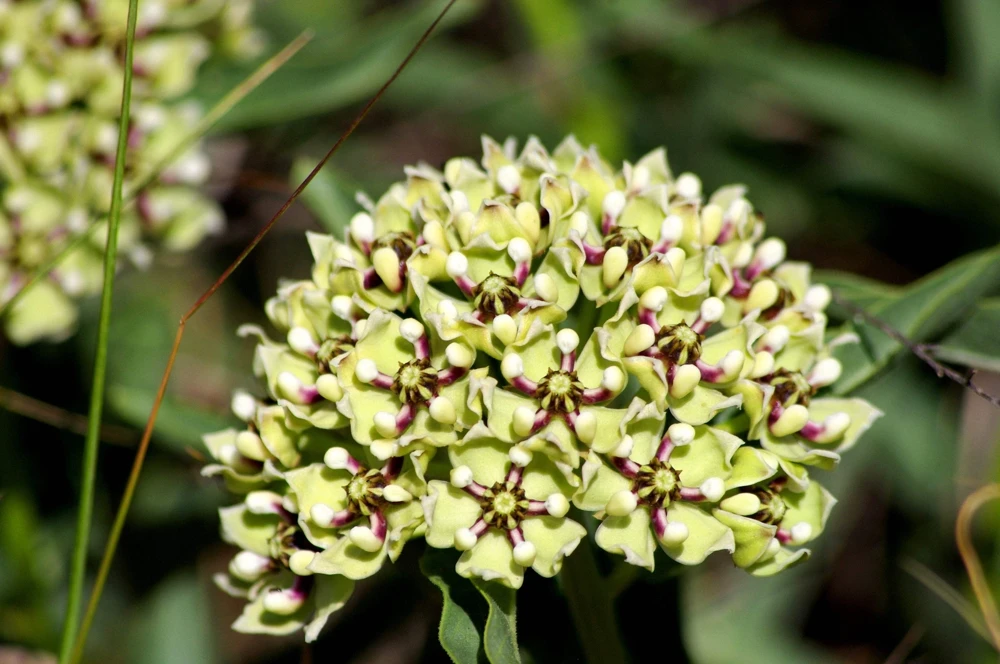
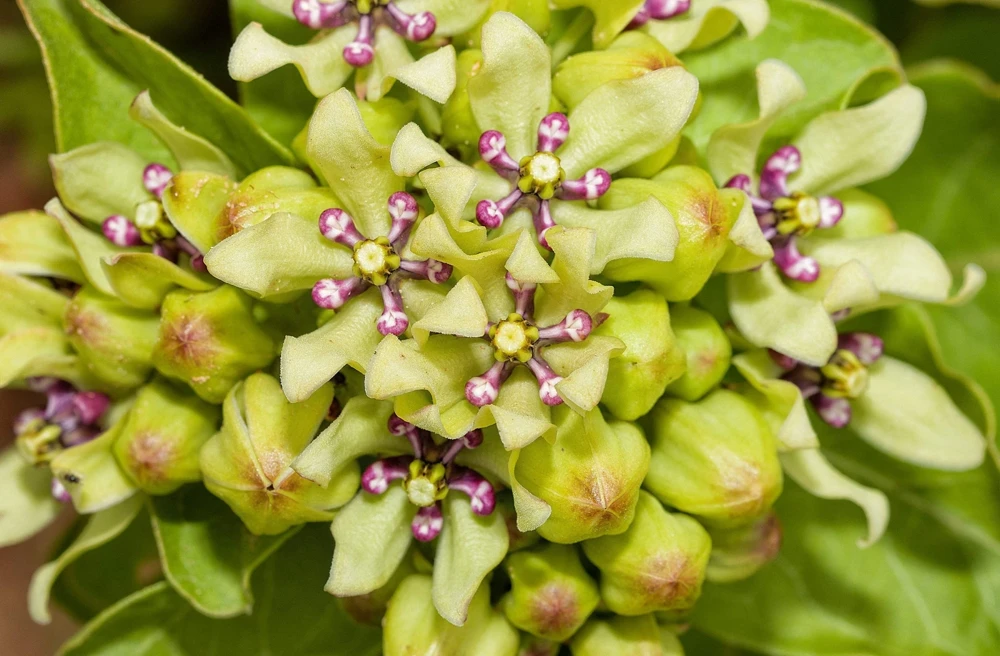
Transform your garden into a haven for pollinators with these high-quality green spider milkweed seeds. Also known by its botanical name, Asclepias Viridis, this native perennial is a crucial host plant for the beloved Monarch butterfly, making it an indispensable addition to any ecological garden or wildlife sanctuary. Each packet contains 20 viable seeds, ready to sprout into robust plants featuring distinctive greenish-white to pale purple flowers. Unlike some of its more flamboyant relatives, the green spider milkweed seeds offer a subtle beauty that perfectly complements a naturalized setting, providing both visual interest and vital support for local ecosystems. Growing to a modest height, it’s suitable for various garden sizes and styles, from expansive meadows to more contained perennial beds, all while playing a significant role in the lifecycle of the monarch butterfly plant.
Key Benefits
Planting green spider milkweed seeds offers a multitude of benefits for both your garden and the environment. These native seeds are an excellent choice for gardeners looking to make a positive impact:
- Monarch Butterfly Host Plant: Asclepias Viridis is a primary food source for Monarch butterfly caterpillars, essential for their survival and metamorphosis. By planting these seeds, you directly contribute to the conservation of this iconic species, making your garden a true monarch butterfly plant sanctuary.
- Pollinator Magnet: Beyond Monarchs, the unique flowers of the asclepias viridis attract a diverse array of other beneficial pollinators, including bees and other butterflies, enhancing biodiversity in your outdoor space.
- Drought Tolerant: Once established, green spider milkweed is remarkably resilient and tolerant of dry conditions, requiring less supplemental watering than many other garden plants. This makes it a sustainable choice for water-wise gardening.
- Low Maintenance: This native plant is naturally adapted to many North American climates, meaning it generally requires minimal care, fertilizer, or pest management once established. It’s an easy-to-grow option for both novice and experienced gardeners.
- Native Ecosystem Support: Integrating native milkweed varieties like Asclepias Viridis helps restore natural habitats, supporting local wildlife and contributing to the ecological balance of your region.
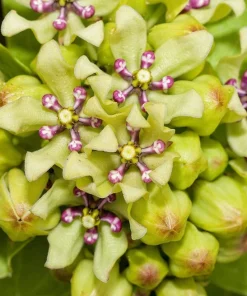
- Unique Aesthetic Appeal: While not as brightly colored as some milkweeds, the greenish-white to pale purple blooms offer a subtle, intricate beauty that adds a naturalistic charm to garden designs, especially in a naturalized or prairie-style landscape.
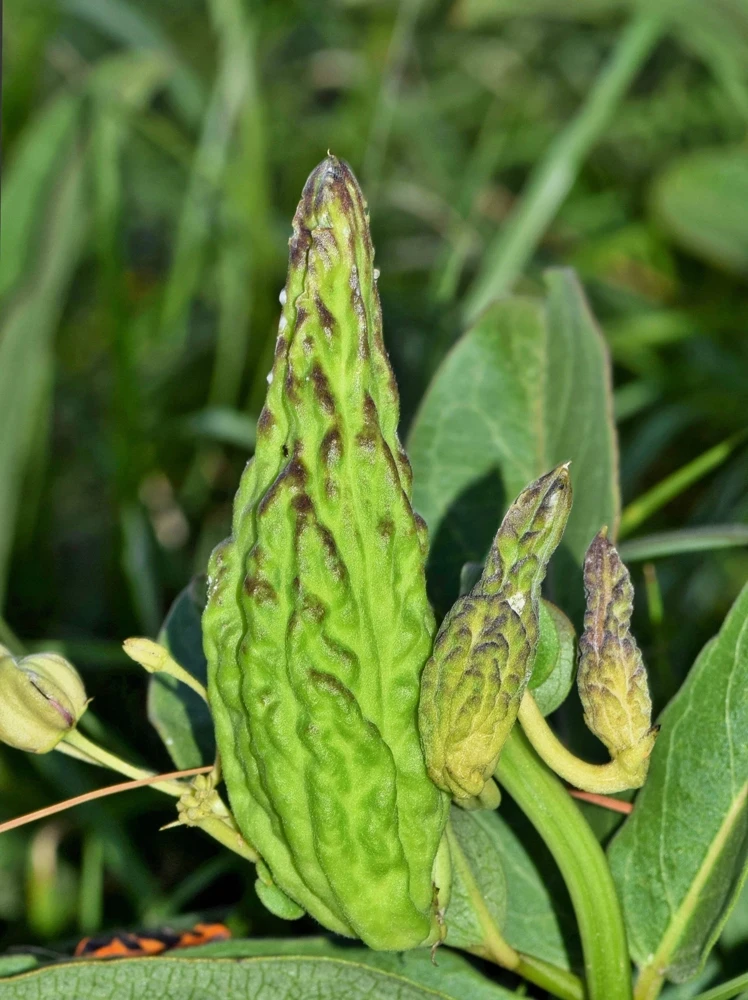
- Seed Production for Future Generations: Established plants will produce seed pods, allowing you to harvest and share seeds, further expanding the reach of this vital milkweed for pollinators.
Plant Care & Growing Tips
Growing green spider milkweed seeds successfully involves understanding their natural preferences to ensure robust growth and abundant blooms. This species, asclepias viridis, thrives in conditions that mimic its native habitat. For optimal germination, a period of cold stratification is often beneficial. You can achieve this by placing the seeds in a moist paper towel inside a plastic bag in your refrigerator for 30-60 days before planting. Once stratified, sow the seeds directly outdoors in late fall or early spring, or start them indoors a few weeks before the last frost.
Sunlight requirements for green spider milkweed seeds are straightforward: they prefer full sun, meaning at least 6-8 hours of direct sunlight per day. While they can tolerate some partial shade, too little sun may result in leggy growth and fewer flowers. When it comes to watering schedule and soil moisture preferences, these plants are quite drought-tolerant once established. Water regularly during their first growing season to help them establish strong root systems. After that, they typically only need watering during extended dry spells. Soil type and drainage requirements are crucial; they thrive in well-draining soils, including sandy, loamy, or clay soils, as long as drainage is adequate. Avoid heavy, waterlogged soils. The ideal temperature range and USDA hardiness zone for native milkweed like Asclepias Viridis typically spans USDA zones 4-9, making it suitable for a wide range of climates. Fertilization schedule and type are generally minimal; in most garden soils, supplemental fertilizer is not needed. If your soil is very poor, a light application of a balanced, slow-release fertilizer in spring can be beneficial. Watch out for common milkweed pests like aphids, which can be managed with a strong spray of water or insecticidal soap. By following these guidelines, your green spider milkweed seeds will flourish, providing a vital resource for the milkweed for pollinators community in your garden.
Size & Details
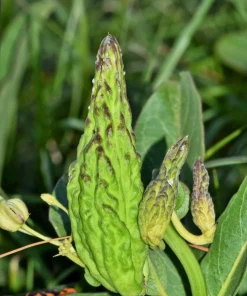
These green spider milkweed seeds will develop into plants that typically reach a height of 1 to 2 feet (30-60 cm) and spread about 1 foot (30 cm) wide, forming an upright, somewhat bushy habit. The growth rate is moderate, with plants generally flowering in their second year when grown from seed. Each packet contains 20 green spider milkweed seeds, providing a good quantity for establishing a significant patch or distributing throughout your garden. The seeds are shipped in a protective packet to ensure viability upon arrival. The unique greenish-white to pale purple flowers appear in clusters, usually from late spring to mid-summer, followed by distinctive seed pods in late summer and fall. These pods eventually split open to release seeds with silky tufts, ready for dispersal. This asclepias viridis variety is a clumping plant, meaning it tends to grow in a concentrated area rather than aggressively spreading via rhizomes, making it easier to manage in a cultivated garden setting. Its moderate size makes it suitable for perennial borders, native plant gardens, or even larger containers, where it can still serve as a vital monarch butterfly plant.
Frequently Asked Questions
- Q: How big does this plant get? A: Green spider milkweed (Asclepias Viridis) typically grows to a height of 1 to 2 feet (30-60 cm) and spreads about 1 foot (30 cm) wide. Its compact size makes it versatile for various garden settings.
- Q: Is this an indoor or outdoor plant? A: This plant is primarily an outdoor perennial, best suited for gardens, meadows, and naturalized areas where it can receive ample sunlight and support local wildlife. It is not typically grown as an indoor houseplant.
- Q: How much sunlight does it need? A: Asclepias Viridis thrives in full sun, requiring at least 6-8 hours of direct sunlight daily for optimal growth and flowering. It can tolerate some partial shade, but full sun is preferred.
- Q: Is this plant easy to care for? A: Yes, once established, green spider milkweed is considered low-maintenance. It is drought-tolerant and generally resistant to pests and diseases, making it a good choice for both novice and experienced gardeners looking for a robust native milkweed.
- Q: What condition will the seeds arrive in? A: The green spider milkweed seeds will arrive in a protective packet designed to maintain their viability. We recommend proper storage and stratification upon receipt for best germination results.
- Q: How long until it blooms? A: When grown from seed, Asclepias Viridis typically blooms in its second year. The flowers usually appear from late spring to mid-summer, providing a crucial food source for the milkweed for pollinators community.
- Q: Will it survive winter in my zone? A: Green spider milkweed seeds are suitable for USDA Hardiness Zones 4-9. In these zones, the plant is perennial and will die back to the ground in winter, re-emerging in spring.
- Q: What is cold stratification, and do these seeds need it? A: Cold stratification is a process where seeds are exposed to cold, moist conditions to break dormancy. Yes, these green spider milkweed seeds benefit from 30-60 days of cold stratification for improved germination rates.
- Q: Can I grow this plant in a container? A: Yes, you can grow green spider milkweed in a large container with good drainage, ensuring it receives full sun. This can be a good option for smaller spaces or for creating a dedicated monarch butterfly plant habitat on a patio.
- Q: Is this a good plant for attracting other pollinators besides Monarchs? A: Absolutely! While crucial for Monarchs, the flowers of asclepias viridis also attract various other beneficial insects, including native bees, wasps, and other butterfly species, contributing to overall garden biodiversity.
Be the first to review “20 Green Spider Milkweed Seeds – Asclepias Viridis – White Purple Flowers”
People Also Viewed


Vegetable Seeds
Reviews
There are no reviews yet.