


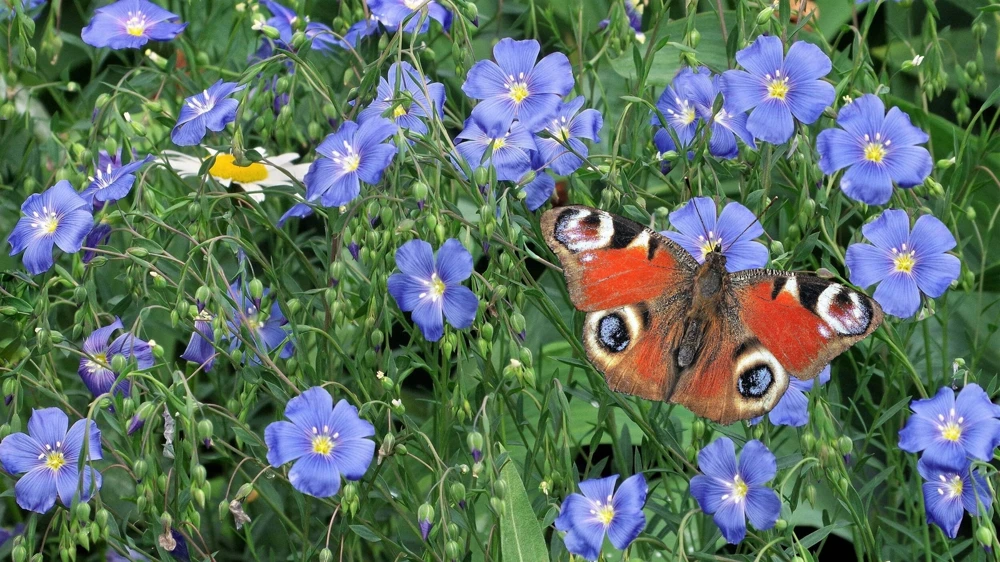
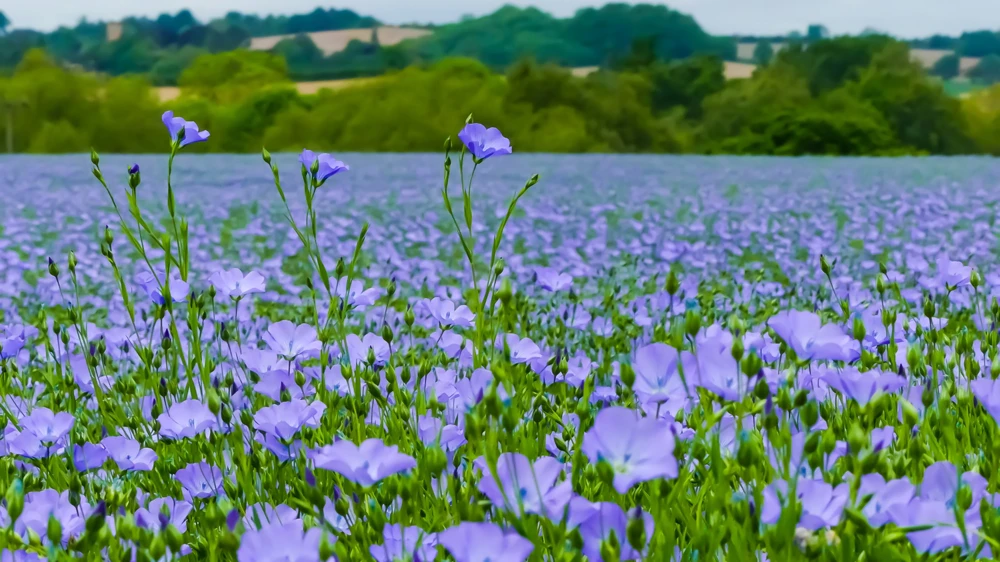
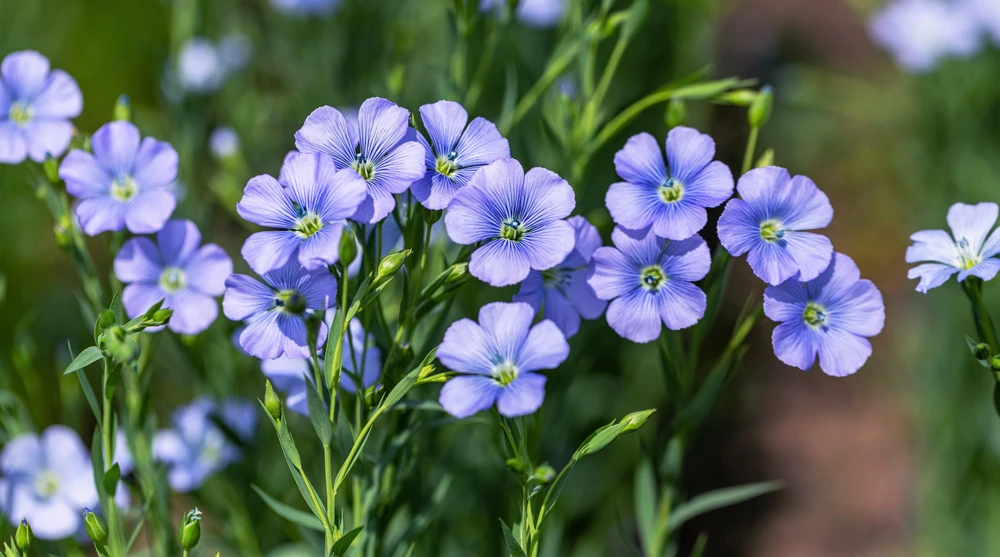
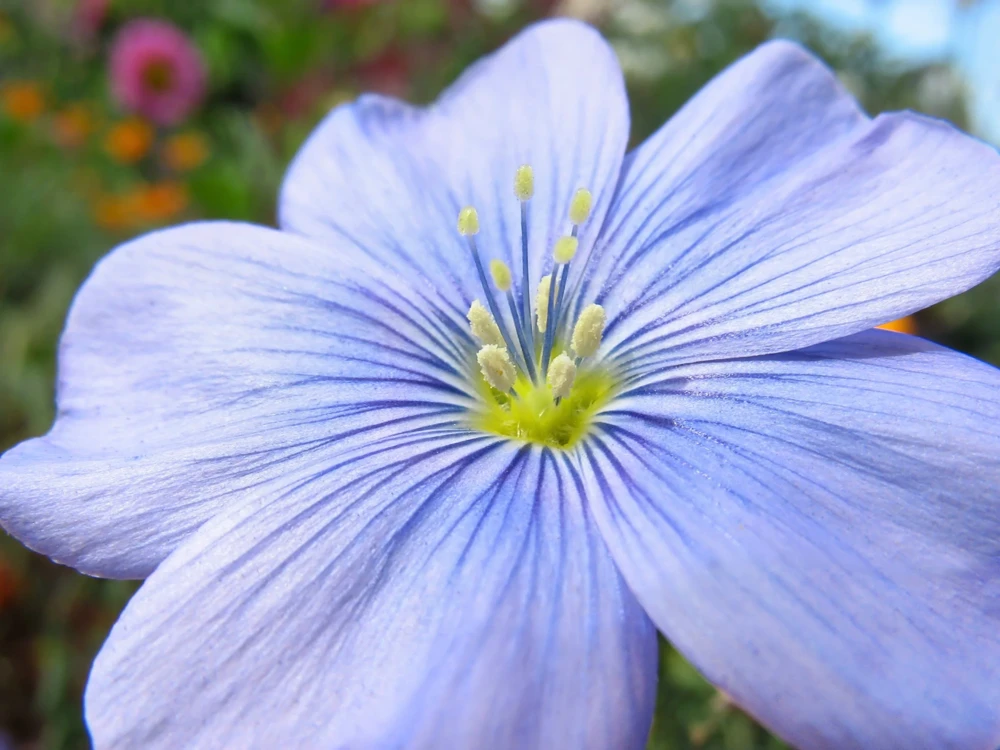
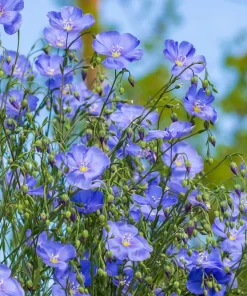
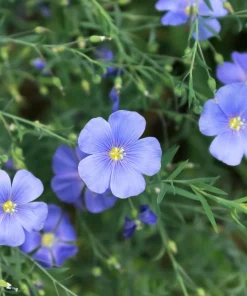
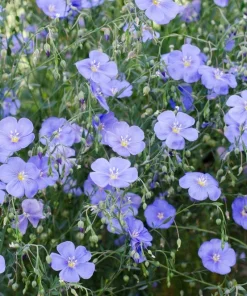
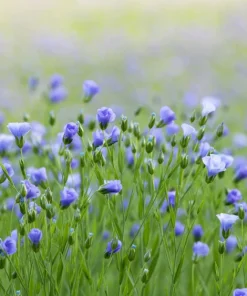
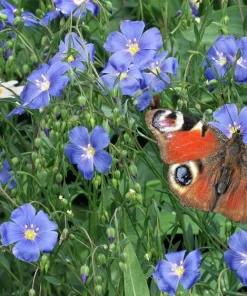
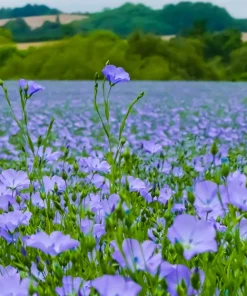
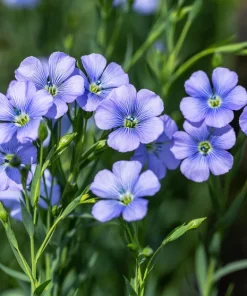
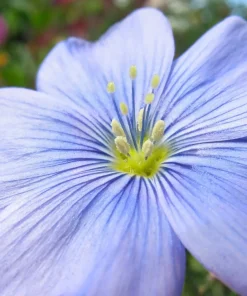
100 Blue Flax Seeds (Linum Perenne Lewisii) – Prairie Lewis Blue Flax Flower Seeds
Original price was: $37.99.$17.99Current price is: $17.99.
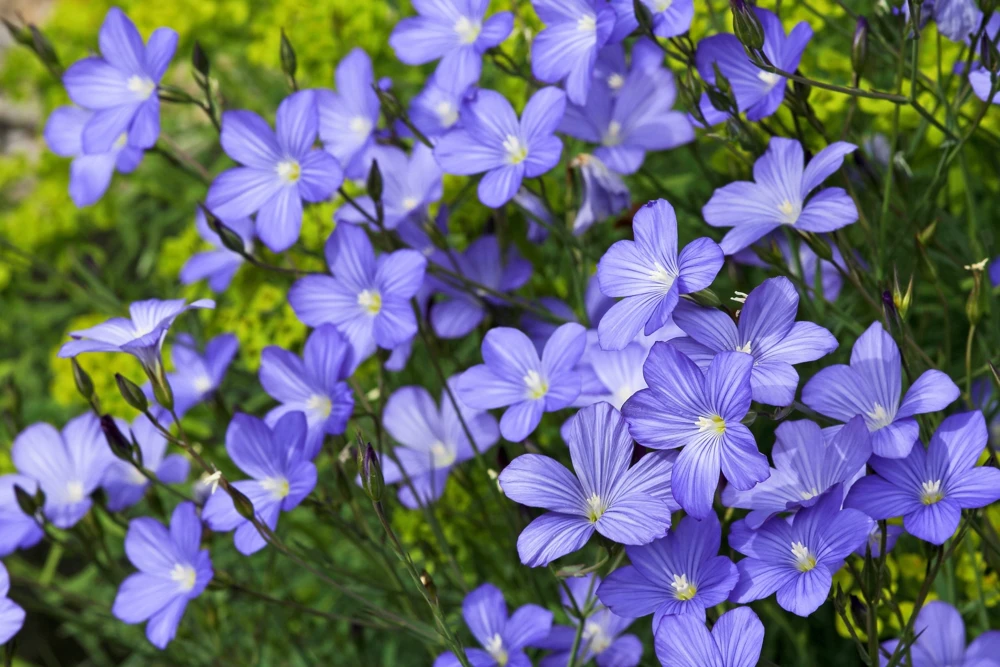
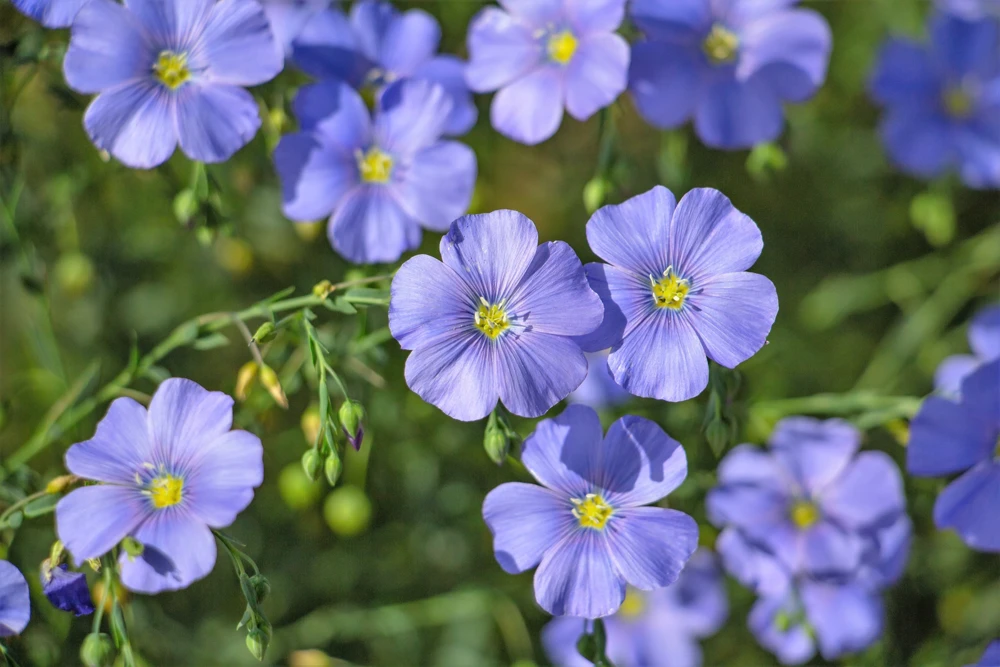
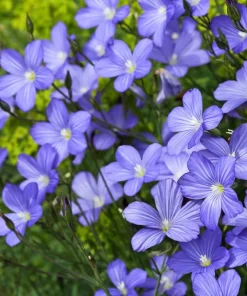
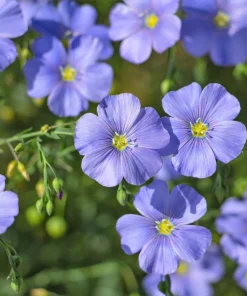
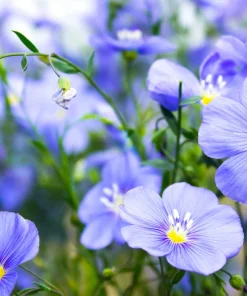
Cultivate stunning landscapes with our blue flax seeds. This packet contains 100 Linum perenne Lewisii flower seeds, also known as prairie flax, producing delicate blue blooms perfect for naturalizing or garden beds. Enjoy the serene beauty of Lewis blue flax with these easy-to-grow perennial flower seeds.
Estimated arrival
Sep 17
Sep 22 - Sep 24
Sep 27 - Oct 01
Shop With Confidence
30-Day Plant Health Guarantee
Arrives damaged? We’ll replace it free — see our return policy.
Responsive Support
Email us anytime, we reply within 1 business day.
Expert Packaging
Temperature-controlled shipping to protect your plants in transit.
Secure Checkout
Pay safely with Visa, Mastercard, PayPal.
Plant Specifications
-
USDA Hardiness Zone
USDA Zones 2-9 -
Soil Type
Well-draining soil, adaptable to poor or sandy soil -
Sunlight Exposure
Full sun -
Expected Planting Period
Early spring or late fall
Overview
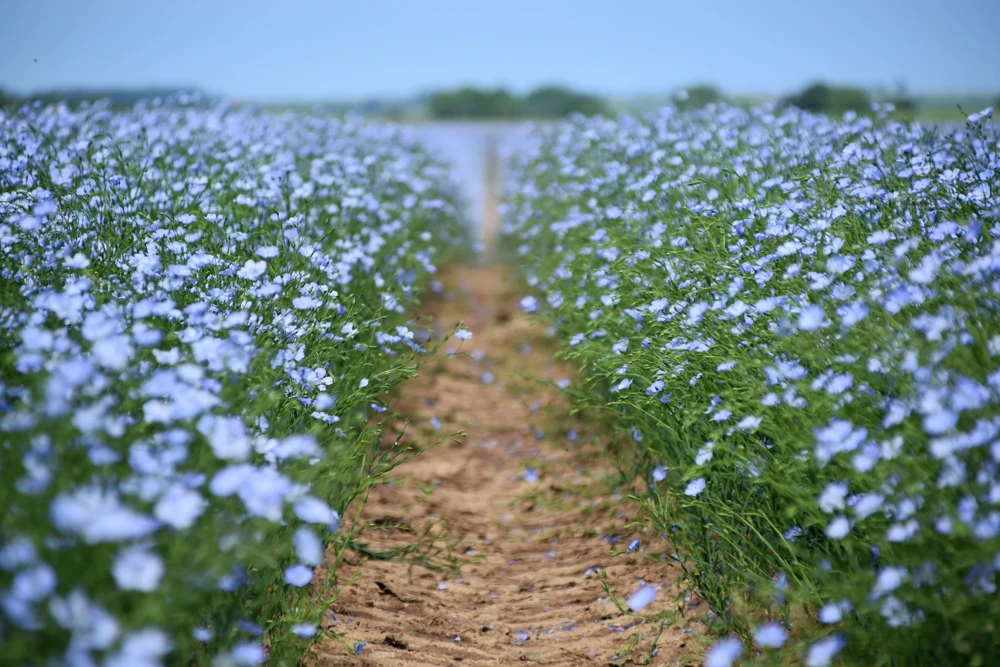
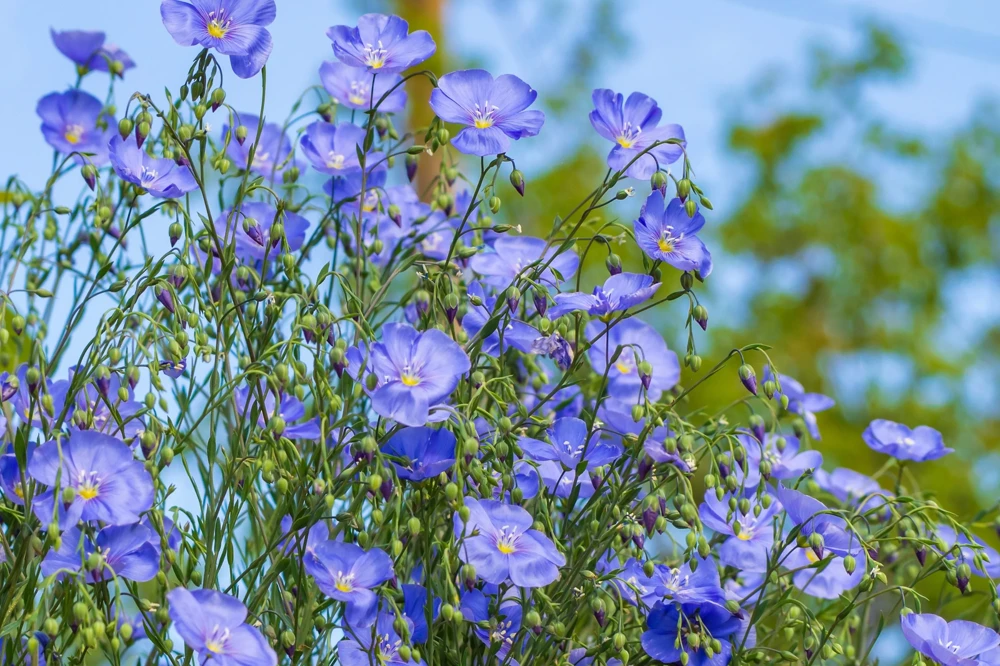
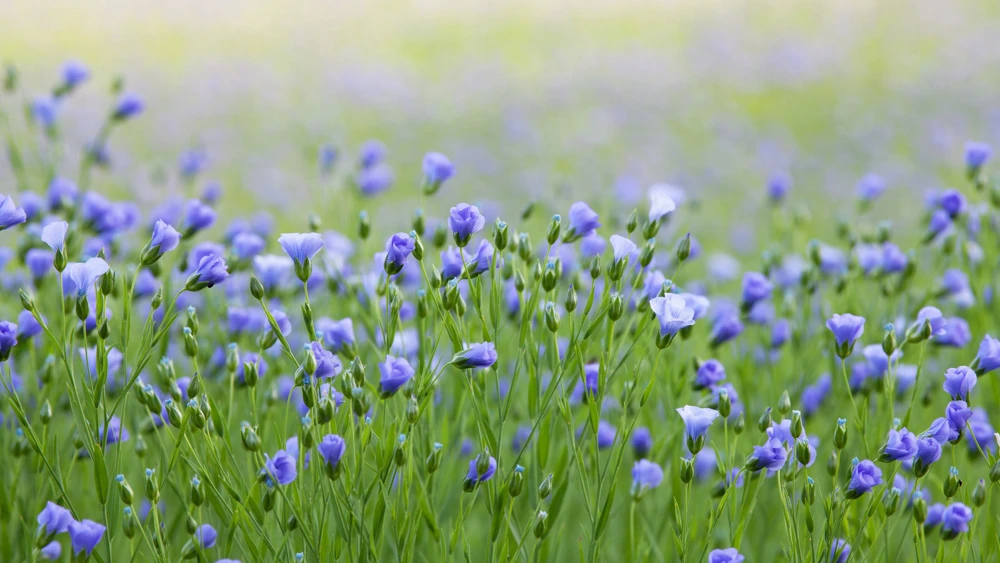
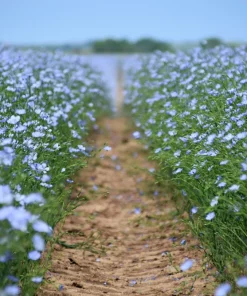
Transform your garden into a serene prairie landscape with our premium blue flax seeds. This offering includes 100 high-quality Linum perenne Lewisii flower seeds, perfect for cultivating a patch of delicate, sky-blue blossoms. Often referred to as prairie flax or Lewis blue flax, this native wildflower is celebrated for its ethereal beauty and graceful, airy appearance. Ideal for naturalizing, rock gardens, or adding a touch of wild elegance to borders, these seeds promise a rewarding growing experience for both novice and experienced gardeners. The plants are known for their fine texture and profusion of short-lived, yet continuously blooming, flowers throughout the growing season.
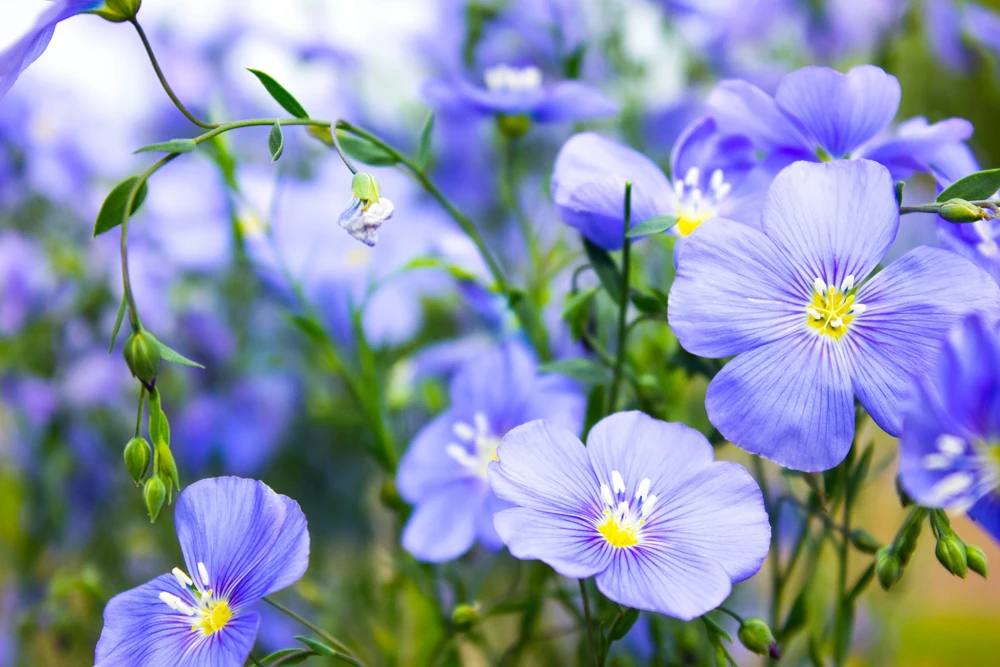
Each packet contains 100 individual seeds, providing ample opportunity to establish a vibrant display. These perennial flower seeds are a fantastic choice for creating a low-maintenance, drought-tolerant garden that attracts beneficial pollinators. The slender stems and small leaves provide a delicate backdrop for the striking blue flowers, which open in the morning and often fall by the afternoon, only to be replaced by new blooms the next day. This continuous cycle ensures a prolonged period of color and interest in your garden.
Our blue flax seeds are carefully sourced to ensure viability and robust growth, helping you achieve a thriving patch of these charming wildflowers. Embrace the natural beauty and ecological benefits of planting Linum perenne Lewisii in your outdoor space.
Key Benefits
Planting blue flax seeds offers a multitude of advantages for any garden, combining aesthetic appeal with ecological benefits. This versatile plant is a true asset to various landscape designs.
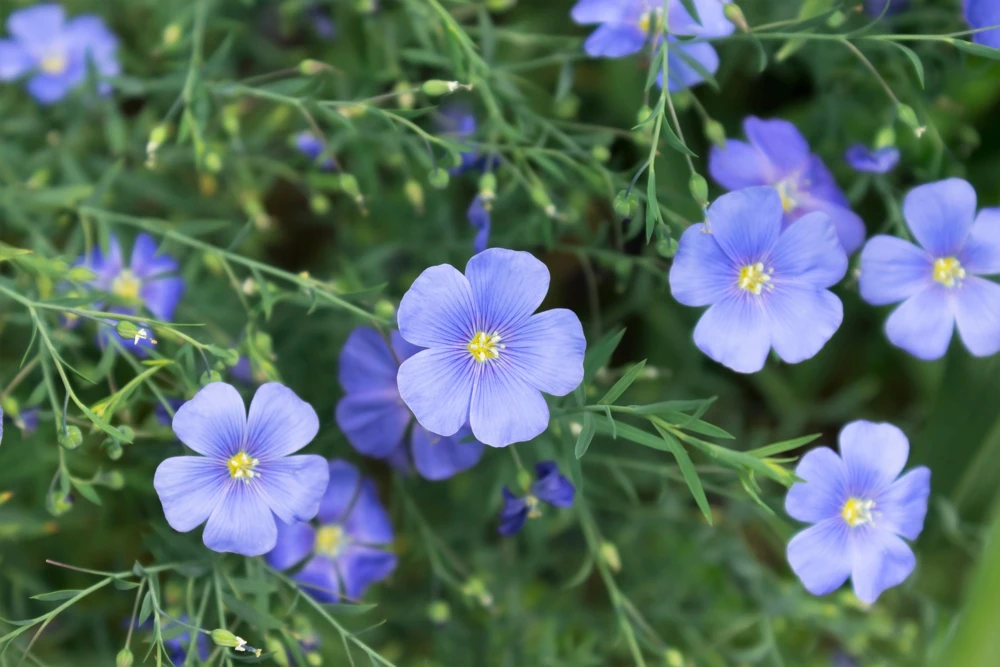
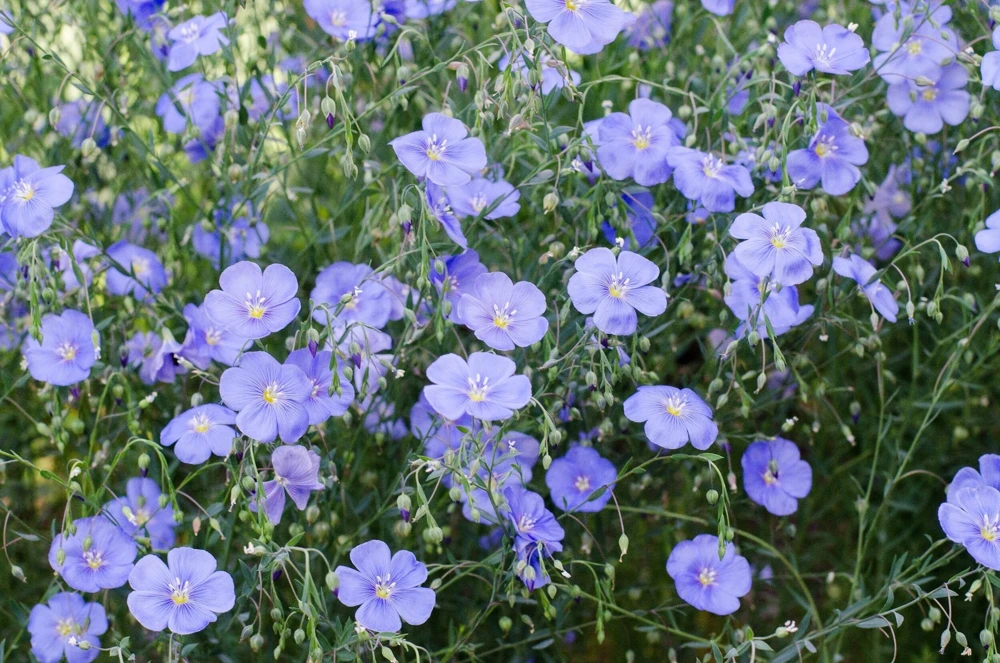
- Ethereal Blue Blooms: Enjoy a prolonged display of delicate, sky-blue flowers that add a tranquil and natural aesthetic to any garden setting. The vibrant color of Linum perenne Lewisii creates a calming visual impact.
- Drought Tolerance: Once established, prairie flax is remarkably drought-tolerant, making it an excellent choice for xeriscaping or gardens in drier climates, reducing the need for frequent watering.
- Attracts Pollinators: The charming blue flowers are a magnet for bees and other beneficial pollinators, contributing to the health and biodiversity of your local ecosystem. This makes Lewis blue flax an eco-friendly choice.
- Low Maintenance: These perennial flower seeds grow into plants that require minimal care, thriving with little intervention once established, perfect for busy gardeners or naturalized areas.
- Versatile Landscaping Use: Ideal for rock gardens, borders, meadows, naturalized areas, or mixed perennial beds, offering flexibility in garden design.
- Deer Resistant: Generally not favored by deer, providing a beautiful option for gardens where deer browse can be an issue.
- Fine Texture: The delicate foliage and slender stems add a fine texture to the garden, complementing bolder plants and creating a soft, airy feel.
Plant Care & Growing Tips
Growing blue flax seeds successfully requires understanding their basic needs, which are generally quite simple. This hardy perennial is relatively low-maintenance, making it a joy to cultivate. For optimal growth and prolific blooming of your Linum perenne Lewisii, consider the following care guidelines.
Sunlight Requirements:Prairie flax thrives in full sun, meaning it needs at least 6-8 hours of direct sunlight per day. While it can tolerate some partial shade, especially in hotter climates, too much shade will result in fewer flowers and leggy growth. Ensure your planting location receives ample sunlight throughout the day for the best performance from your Lewis blue flax plants.
Watering Schedule and Soil Moisture: Once established, blue flax is very drought-tolerant and prefers dry to medium soil moisture. Water regularly after planting until the seedlings are well-established. After that, supplemental watering is usually only necessary during prolonged dry spells. Avoid overwatering, as this can lead to root rot. Good drainage is crucial for these perennial flower seeds to flourish.
Soil Type and Drainage: This plant is not particular about soil type and can grow in poor, sandy, or rocky soils, as long as they are well-draining. Heavy clay soils should be amended with organic matter and grit to improve drainage. A slightly acidic to neutral pH (6.0-7.0) is ideal. The most important factor for healthy blue flax seeds is excellent drainage.
Temperature Range and USDA Hardiness Zone:Blue flax is a cold-hardy perennial, typically thriving in USDA Hardiness Zones 2-9. It can withstand cold winters and hot summers. In very hot climates, a little afternoon shade might be beneficial, but generally, it’s a resilient plant. It’s important to plant these perennial flower seeds at the right time for your zone.
Fertilization Schedule:Linum perenne Lewisii generally does not require fertilization, especially if planted in reasonably fertile soil. In fact, too much fertilizer can lead to lush foliage at the expense of flowers. If your soil is very poor, a light application of a balanced, slow-release granular fertilizer in spring can be beneficial. Avoid high-nitrogen fertilizers.
Common Problems and Solutions:Blue flax is relatively pest and disease-free. Occasionally, powdery mildew can occur in humid conditions or if plants are too crowded; ensure good air circulation. Slugs and snails might be an issue for young seedlings; use organic slug baits or hand-pick them. Overall, this is a robust and resilient plant, making it a great choice for low-maintenance gardening.
Size & Details
Our offering consists of 100 viable blue flax seeds, ready for planting. Once germinated and established, Linum perenne Lewisii plants typically grow to a height of 1 to 2 feet (30-60 cm) with a similar spread, forming a delicate, airy mound. The plants have a medium growth rate, establishing themselves well within their first season and blooming profusely from late spring through summer. These perennial flower seeds will produce slender, upright stems adorned with small, needle-like green leaves.
The seeds are supplied in a protective packet, ensuring their integrity during transit. When planted, expect germination within 10-20 days under ideal conditions. The first blooms can appear in the first year if sown early, but a more substantial display is usually seen in the second year as the plant establishes its root system. The delicate blue flowers are approximately 1 inch (2.5 cm) in diameter, creating a stunning visual effect when in mass plantings. These prairie flax plants are perfect for adding a naturalistic touch without becoming overly aggressive.
Frequently Asked Questions
- Q: How big does this plant get? A: Blue flax plants typically grow to a height of 1 to 2 feet (30-60 cm) with a similar spread. They form a delicate, airy clump, adding a soft texture to your garden without becoming too large or invasive.
- Q: How much sunlight does Linum perenne Lewisii need? A: This plant thrives in full sun, requiring at least 6-8 hours of direct sunlight per day for the best flowering. While it can tolerate some partial shade, especially in hot climates, full sun is generally preferred.
- Q: Is this plant easy to care for? A: Yes, prairie flax is considered a very easy-to-care-for plant. Once established, it is drought-tolerant and requires minimal maintenance, making it suitable for beginners and busy gardeners alike.
- Q: What condition will the blue flax seeds arrive in? A: Your blue flax seeds will arrive in a sealed, protective packet to ensure their viability and quality. They are ready for immediate planting upon arrival.
- Q: When is the best time to plant Lewis blue flax seeds? A: The best time to plant Lewis blue flax seeds is in early spring after the last frost, or in late fall in warmer climates. Fall planting allows the seeds to stratify naturally over winter for spring germination.
- Q: Will these perennial flower seeds survive winter in my zone? A: Blue flax is hardy in USDA Zones 2-9, meaning it can withstand cold winter temperatures in most regions of the United States and will return year after year.
- Q: What type of soil is best for blue flax? A: Blue flax prefers well-draining soil and can tolerate poor, sandy, or rocky conditions. Good drainage is more important than soil fertility for this plant.
- Q: How long until the blue flax seeds bloom? A: If sown early in spring, you might see some blooms in the first year. However, a more robust and abundant flowering display typically occurs in the second year as the plant fully establishes itself.
- Q: Do these flowers attract pollinators? A: Absolutely! The delicate blue flowers of Linum perenne Lewisii are highly attractive to bees and other beneficial pollinators, contributing to a healthy garden ecosystem.
- Q: Is prairie flax deer resistant? A: Yes, prairie flax is generally considered deer resistant, making it a good choice for gardens in areas where deer browse is a concern.
Be the first to review “100 Blue Flax Seeds (Linum Perenne Lewisii) – Prairie Lewis Blue Flax Flower Seeds”
People Also Viewed
Vegetable Seeds
Long Grain Rice Seeds – Brown & White Oryza Sativa – 100 Seeds
Reviews
There are no reviews yet.