
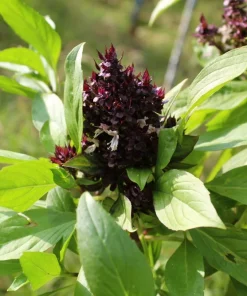
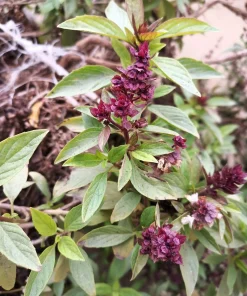
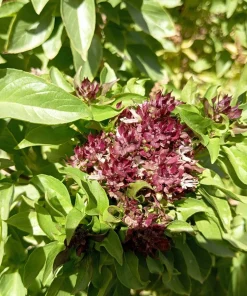
250 Thai Basil Seeds – Siam Queen Ocimum Thyrsiflora Herb Seeds
Original price was: $37.99.$17.99Current price is: $17.99.
Cultivate your own delicious Thai Basil seeds with this generous pack of Siam Queen basil. These aromatic herb seeds are perfect for adding authentic flavor to your dishes and a beautiful fragrance to your garden. Easy to grow for both beginners and experienced gardeners.
Estimated arrival
Sep 18
Sep 23 - Sep 25
Sep 28 - Oct 02
Shop With Confidence
30-Day Plant Health Guarantee
Arrives damaged? We’ll replace it free — see our return policy.
Responsive Support
Email us anytime, we reply within 1 business day.
Expert Packaging
Temperature-controlled shipping to protect your plants in transit.
Secure Checkout
Pay safely with Visa, Mastercard, PayPal.
Plant Specifications
-
USDA Hardiness Zone
Annual in most zones; Perennial in USDA zones 10-11 -
Soil Type
Well-draining, fertile soil with pH 6.0-7.0 -
Sunlight Exposure
Full sun (6-8 hours direct sunlight daily) -
Expected Planting Period
Late spring to early summer (after last frost)
Overview
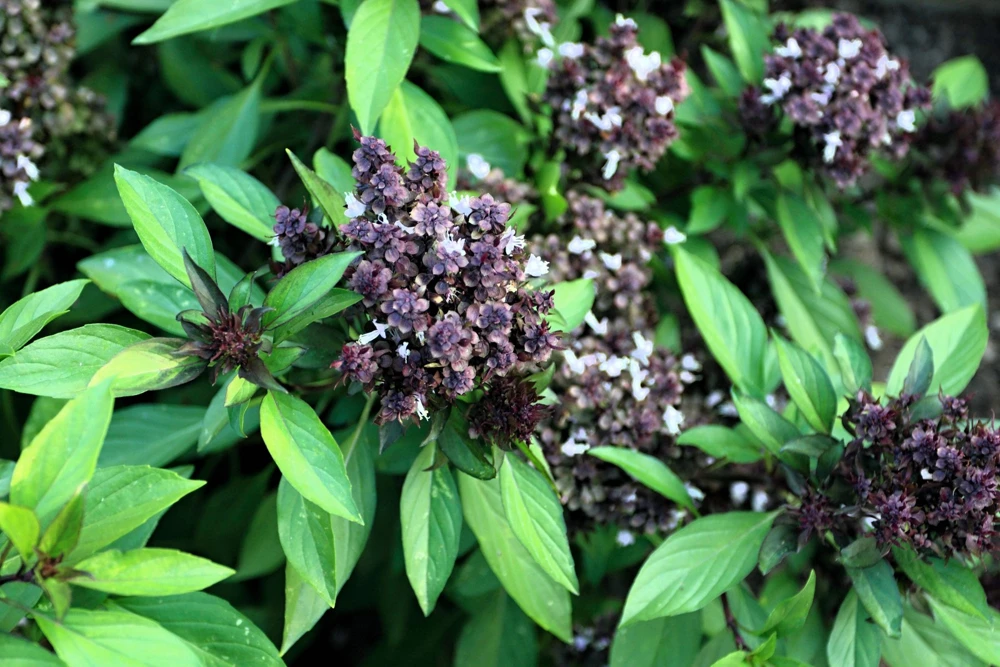
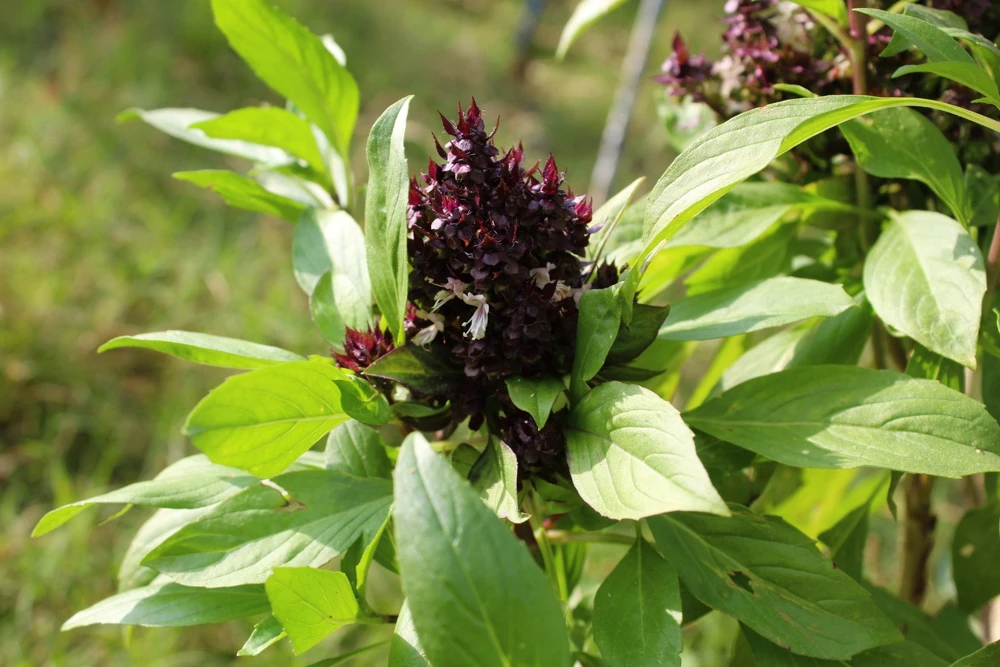
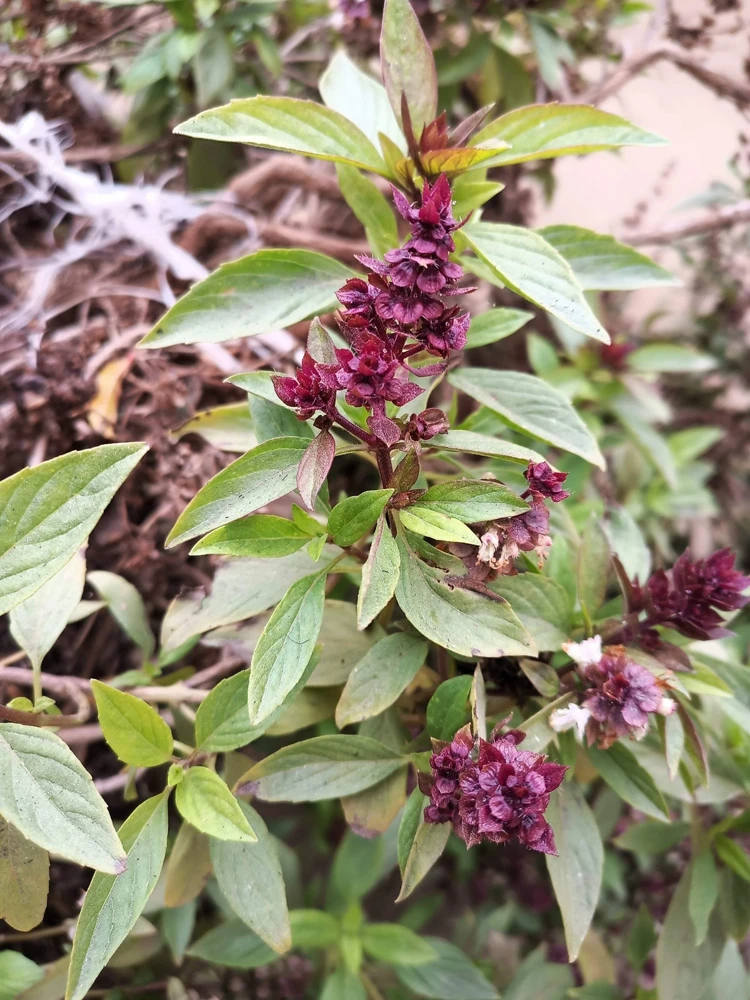
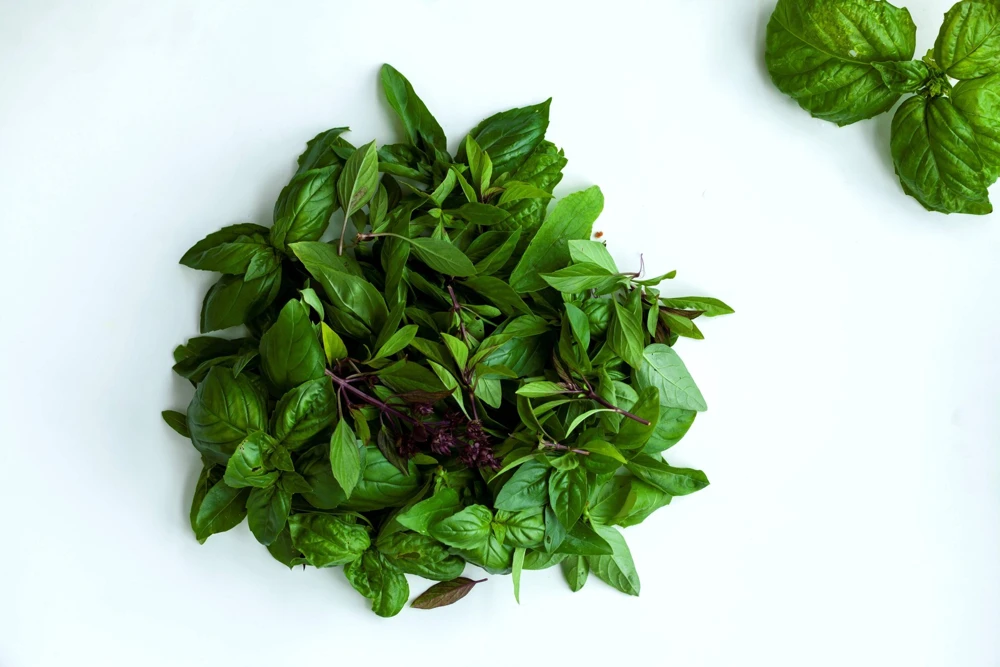
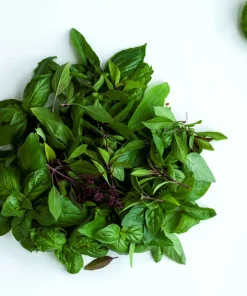
Transform your garden and kitchen with our premium Thai Basil seeds. This pack contains 250 seeds of the renowned Siam Queen basil variety, known for its vibrant green leaves, purple stems, and distinctive anise-like aroma with a hint of spice. Ocimum Thyrsiflora, as it’s scientifically known, is a culinary staple in many Southeast Asian cuisines, adding an authentic and irreplaceable flavor to curries, stir-fries, and fresh salads. Growing your own Thai Basil seeds allows you to enjoy the freshest possible herbs, ensuring a potent flavor profile that store-bought varieties often lack. These seeds are carefully selected to provide high germination rates, making it easier for you to cultivate a thriving patch of this beloved herb.
Whether you are a seasoned gardener or just starting your herb-growing journey, these Siam Queen basil seeds offer a rewarding experience. The plants are robust and relatively easy to care for, providing a continuous harvest throughout the growing season. Beyond its culinary uses, Thai Basil also makes an attractive addition to ornamental gardens with its striking appearance and fragrant blooms. Prepare to embark on a flavorful adventure as you sow, grow, and harvest your very own aromatic Ocimum Thyrsiflora seeds.
Key Benefits
Cultivating Thai Basil seeds offers a multitude of advantages, from enhancing your culinary creations to enriching your garden’s biodiversity. Here are some of the key benefits you can expect:
- Authentic Culinary Flavor:Siam Queen basil delivers a unique, slightly spicy, and anise-like flavor that is essential for authentic Thai and Vietnamese dishes. Having fresh leaves on hand ensures your meals are always bursting with genuine taste.
- Aromatic Garden Addition: The plants emit a delightful fragrance, making your garden or patio a more pleasant place to relax. The aroma is particularly strong when the leaves are brushed or crushed.
- Easy to Grow: These Thai Basil seeds are known for their strong germination rates and vigorous growth, making them suitable for gardeners of all experience levels. They thrive with minimal fuss, given the right conditions.
- Continuous Harvest: With proper care and regular harvesting, Thai Basil plants will continue to produce fresh leaves throughout the growing season, providing a steady supply for your kitchen.
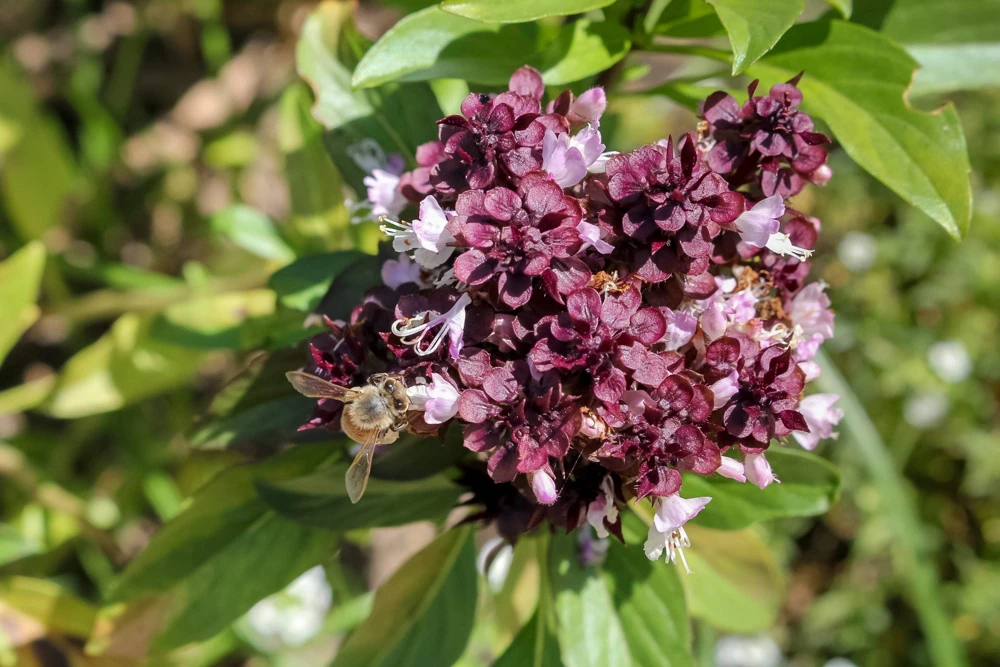
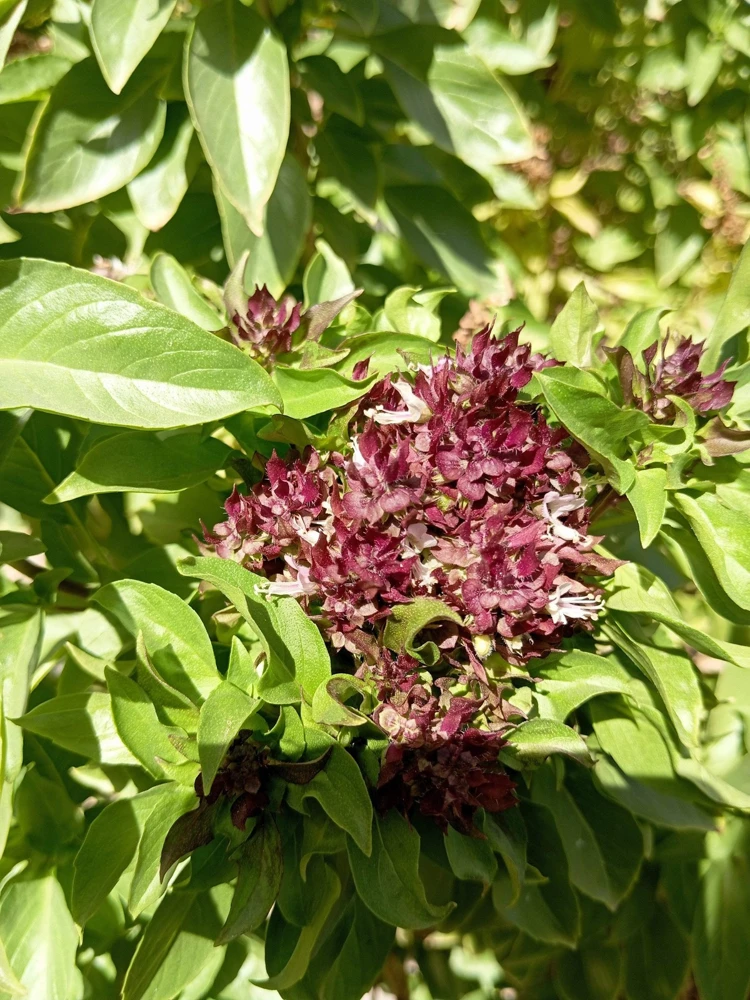
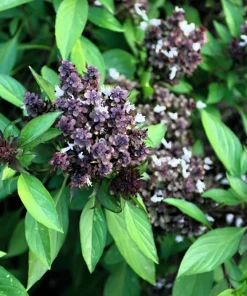
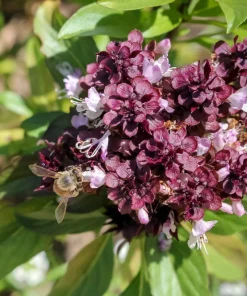
- Attracts Pollinators: The beautiful purple flowers of the Siam Queen basil variety are attractive to bees and other beneficial pollinators, contributing to a healthy garden ecosystem.
- Versatile Use: Beyond cooking, fresh Thai Basil can be used to make refreshing beverages, herbal teas, or even as a garnish to elevate the presentation of your dishes.
- Space-Efficient: Thai Basil plants can be grown in containers, making them ideal for small gardens, balconies, or even indoors if sufficient light is provided. You can easily grow Thai basil in compact spaces.
Plant Care & Growing Tips
To successfully grow Thai basil from Thai Basil seeds, understanding its basic care requirements is crucial. Thai Basil thrives in warm conditions and requires plenty of sunlight to produce its signature flavor and vibrant foliage. Aim for at least 6-8 hours of direct sunlight per day. If growing indoors, place it near a south-facing window or supplement with a grow light to ensure adequate light exposure. Proper light is key to robust growth and preventing leggy stems.
When it comes to watering, consistency is vital. Keep the soil consistently moist but never waterlogged. Overwatering can lead to root rot, while underwatering can cause the leaves to wilt and the plant to stress. Check the soil moisture daily by sticking your finger about an inch deep into the soil; if it feels dry, it’s time to water. Good drainage is essential, so use pots with drainage holes and a well-draining potting mix. For outdoor planting, amend heavy clay soils with compost to improve drainage. The ideal soil pH for Siam Queen basil is between 6.0 and 7.0.
Thai Basil prefers warm temperatures, ideally between 65°F and 80°F (18°C-27°C). It is sensitive to frost, so plant outdoors after all danger of frost has passed. In most regions, this means planting in late spring or early summer. Fertilize your basil plants every 2-4 weeks with a balanced liquid fertilizer, especially if you are harvesting frequently. Pinching off the top sets of leaves regularly encourages bushier growth and prevents the plant from flowering too early, which can cause the leaves to lose flavor. If you want to grow Thai basil for its leaves, it’s best to remove flower buds as soon as they appear. Common pests include aphids and slugs, which can be managed with organic insecticidal soap or by hand-picking. These tips will help you cultivate healthy and productive Ocimum Thyrsiflora seeds into thriving plants.
Size & Details
This package contains 250 Thai Basil seeds of the Siam Queen basil variety. These seeds are ideal for starting your own herb garden, whether in containers on a patio, a dedicated herb bed, or as part of a larger vegetable patch. When mature, Thai Basil plants typically reach a height of 18-24 inches (45-60 cm) and spread about 12-18 inches (30-45 cm) wide, forming attractive, bushy mounds. The leaves are generally 2-3 inches long, with a distinct pointed shape and a deep green color, often accompanied by striking purple stems and flower spikes. The seeds are shipped in a protective packet to ensure their viability upon arrival. Expect germination to occur within 7-14 days under optimal conditions. Plants typically reach maturity and are ready for their first harvest in about 60-70 days after planting. Regular harvesting will encourage new growth and extend the productive life of the plant. Growing Ocimum Thyrsiflora seeds is a rewarding process that yields flavorful results.
Frequently Asked Questions
- Q: How big does this plant get? A: Siam Queen basil plants typically grow to a height of 18-24 inches (45-60 cm) and can spread about 12-18 inches (30-45 cm) wide. Its bushy growth habit makes it a good choice for both garden beds and containers.
- Q: What size pot does it come in? A: This product contains Thai Basil seeds, not a live plant. You will receive 250 seeds, which you can then sow in your preferred size of pot or directly into your garden bed.
- Q: Is this an indoor or outdoor plant? A: Thai Basil can be grown both indoors and outdoors. It thrives outdoors in warm climates during the growing season, but can also be successfully grown indoors year-round if provided with ample sunlight or supplemental grow lights. It’s an excellent choice if you want to grow Thai basil inside.
- Q: How much sunlight does it need? A: Thai Basil requires at least 6-8 hours of direct sunlight per day to flourish. For indoor growing, a bright, south-facing window is ideal, or consider using a full-spectrum grow light.
- Q: Is this plant easy to care for? A: Yes, Thai Basil is generally considered easy to care for, making it suitable for beginner gardeners. It requires consistent watering, plenty of sunlight, and occasional fertilization to thrive.
- Q: What condition will it arrive in? A: Your order will arrive as a packet of 250 high-quality Thai Basil seeds, carefully packaged to ensure their viability and safe transit.
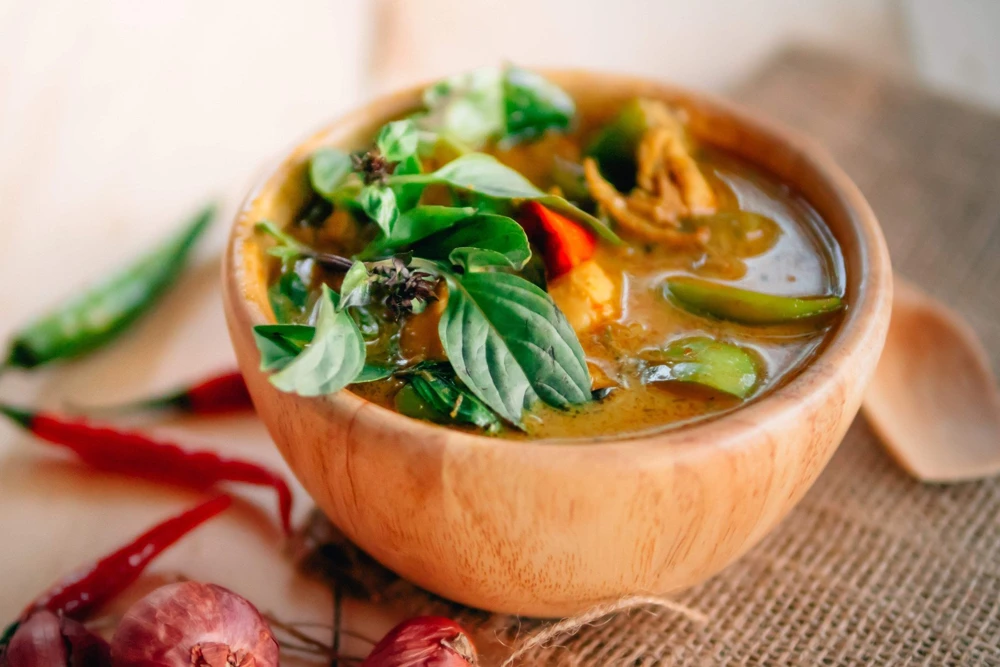
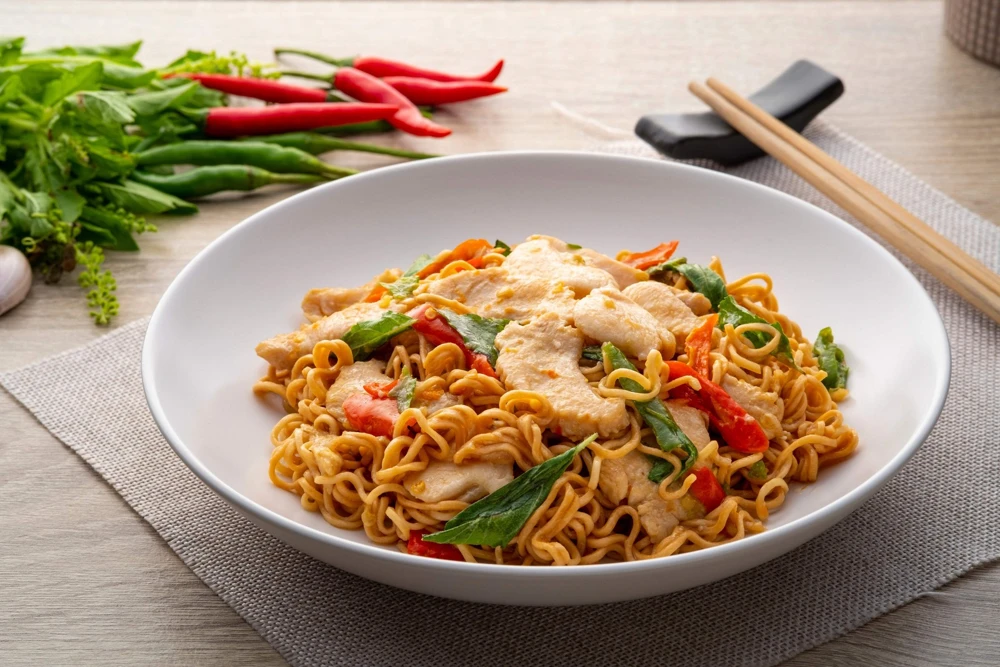
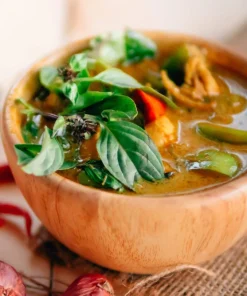
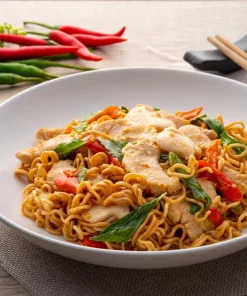
- Q: Can I use Thai Basil in cooking? A: Absolutely! Siam Queen basil is highly prized for its unique, anise-like flavor and is a staple in many Southeast Asian cuisines, perfect for curries, stir-fries, and salads. It’s the primary reason many choose to grow Thai basil.
- Q: Is it pet-safe? A: While basil is generally considered non-toxic to cats and dogs in small amounts, large quantities might cause mild digestive upset. It’s always best to consult with a veterinarian regarding specific concerns about your pets.
- Q: How long until it blooms? A: Thai Basil plants typically start to produce flowers around 60-70 days after planting. Pinching off the flower buds will encourage more leaf production and maintain the flavor of the leaves.
- Q: What’s the minimum temperature it can tolerate? A: Thai Basil is very sensitive to cold and frost. It prefers temperatures above 65°F (18°C) and will not tolerate temperatures below 50°F (10°C). It is best grown as an annual in most climates.
- Q: When is the best time to plant these Ocimum Thyrsiflora seeds? A: The best time to plant Ocimum Thyrsiflora seeds is in late spring or early summer, after all danger of frost has passed and soil temperatures have warmed up. For indoor growing, you can start seeds any time of year.
Be the first to review “250 Thai Basil Seeds – Siam Queen Ocimum Thyrsiflora Herb Seeds”
People Also Viewed
Uncategorized
Reviews
There are no reviews yet.