
Pink Bleeding Heart Flower Seeds – 10 Old Fashioned Dicentra Formosa
Original price was: $40.99.$20.99Current price is: $20.99.
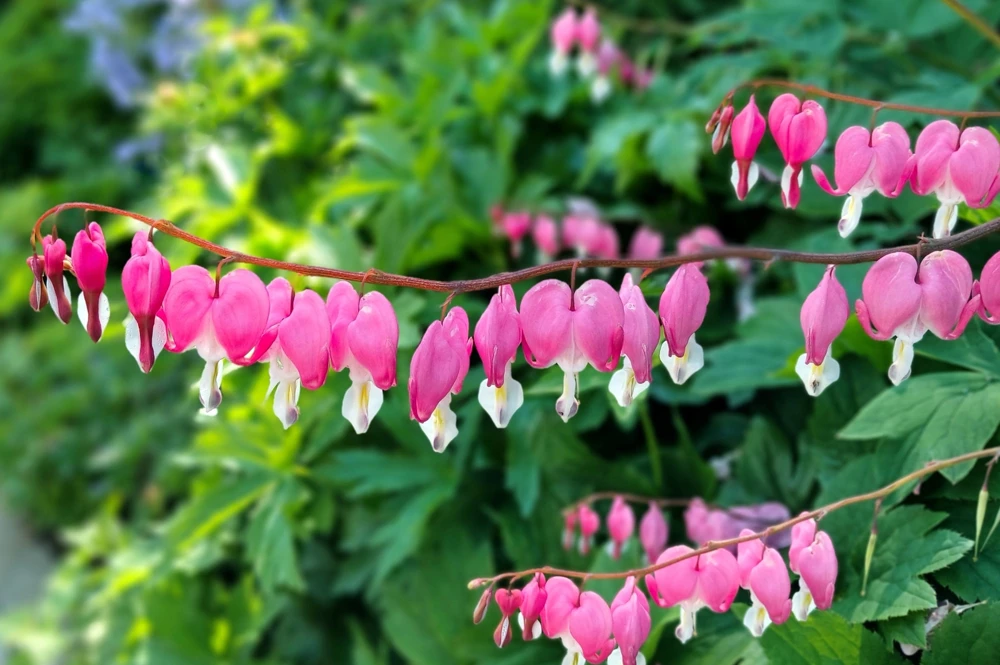
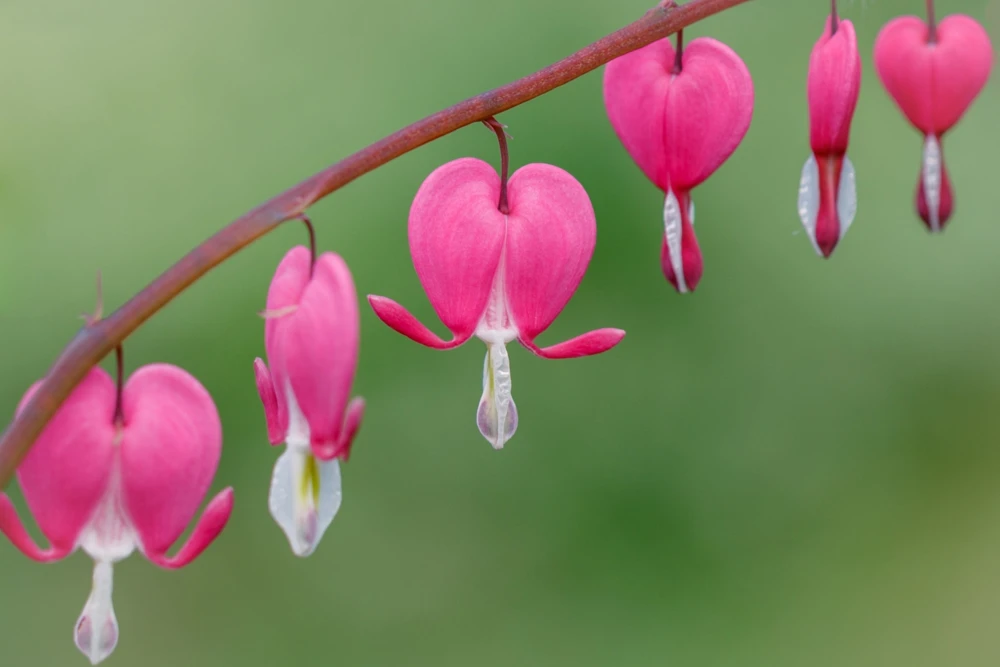
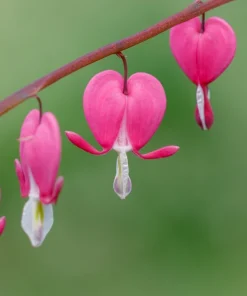
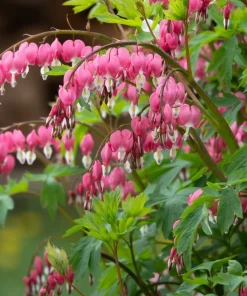
Discover the charm of pink bleeding heart seeds and bring timeless beauty to your garden. These dicentra formosa seeds grow into classic, shade-loving perennials, perfect for creating an enchanting woodland feel. Enjoy delicate, heart-shaped blossoms year after year.
Estimated arrival
Sep 18
Sep 23 - Sep 25
Sep 28 - Oct 02
Shop With Confidence
30-Day Plant Health Guarantee
Arrives damaged? We’ll replace it free — see our return policy.
Responsive Support
Email us anytime, we reply within 1 business day.
Expert Packaging
Temperature-controlled shipping to protect your plants in transit.
Secure Checkout
Pay safely with Visa, Mastercard, PayPal.
Plant Specifications
-
USDA Hardiness Zone
USDA zones 3-9 -
Soil Type
Rich, moist, well-draining soil -
Sunlight Exposure
Partial to full shade -
Expected Planting Period
Late fall (outdoors) or late winter/early spring (indoors)
Overview
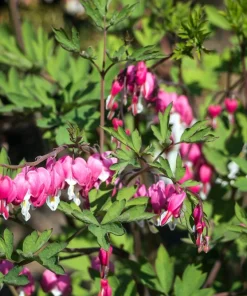
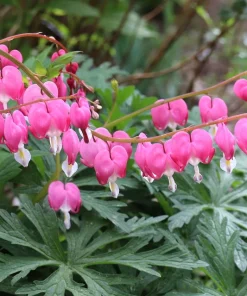
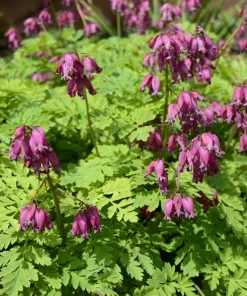
Cultivate the romantic allure of a classic garden with our premium pink bleeding heart seeds. Each packet contains 10 Bleeding Heart seeds of the Old Fashioned Dicentra Formosa variety, renowned for its delicate, heart-shaped flowers and elegant foliage. These enchanting perennials are a favorite among gardeners for their unique beauty and their ability to thrive in shaded areas, bringing vibrant life and color to parts of the garden where other flowers struggle. The Dicentra Formosa, commonly known as the Pacific Bleeding Heart or Western Bleeding Heart, is a charming addition to woodland gardens, shaded borders, or beneath deciduous trees, creating a serene and picturesque landscape. Growing these dicentra formosa seeds allows you to experience the full life cycle of this magnificent plant, from germination to its spectacular spring bloom.
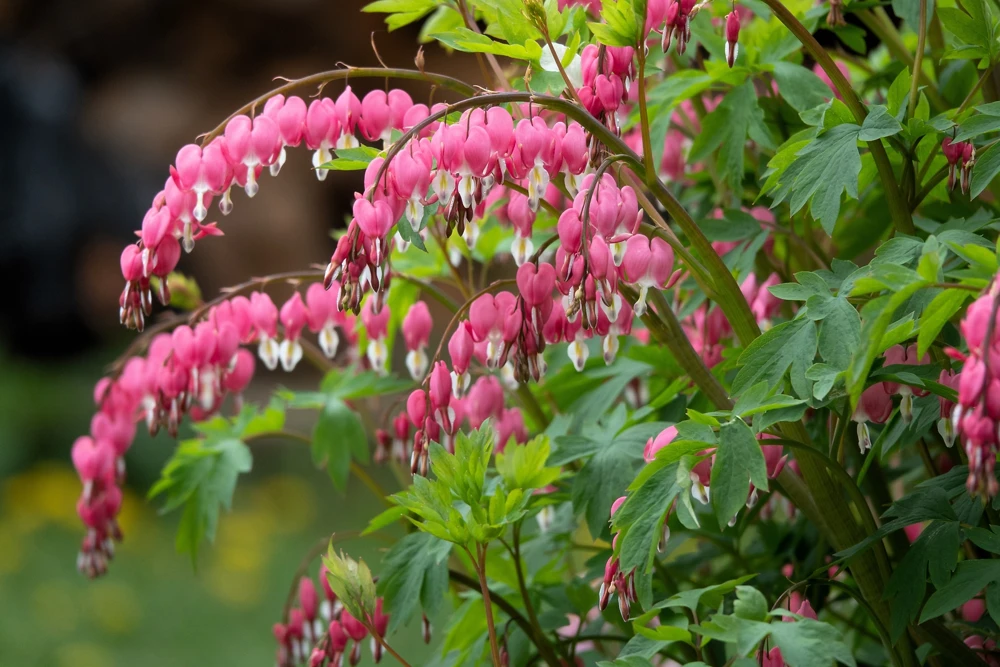
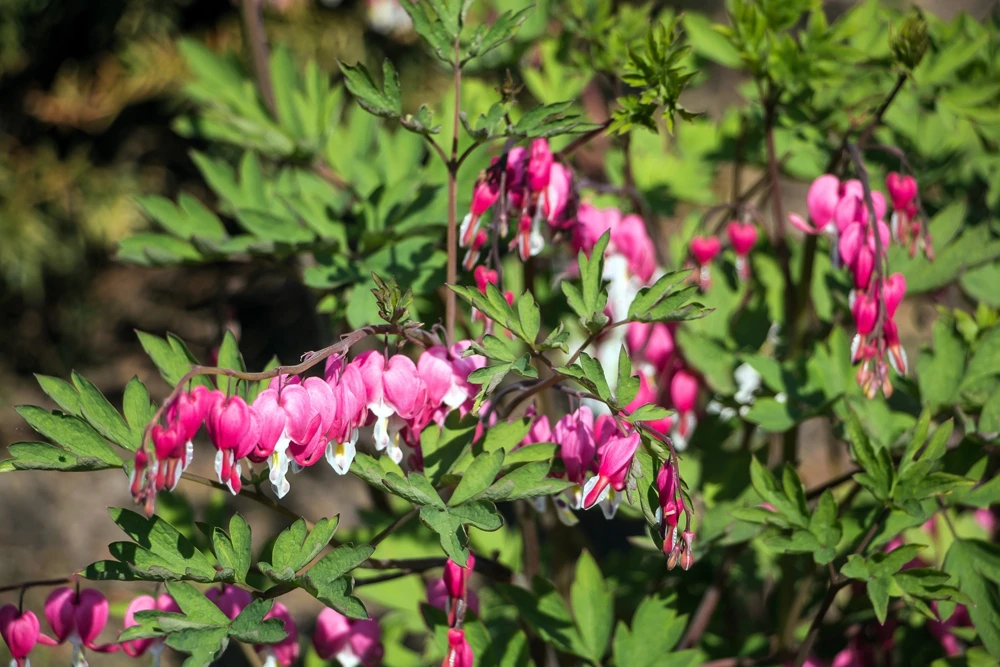
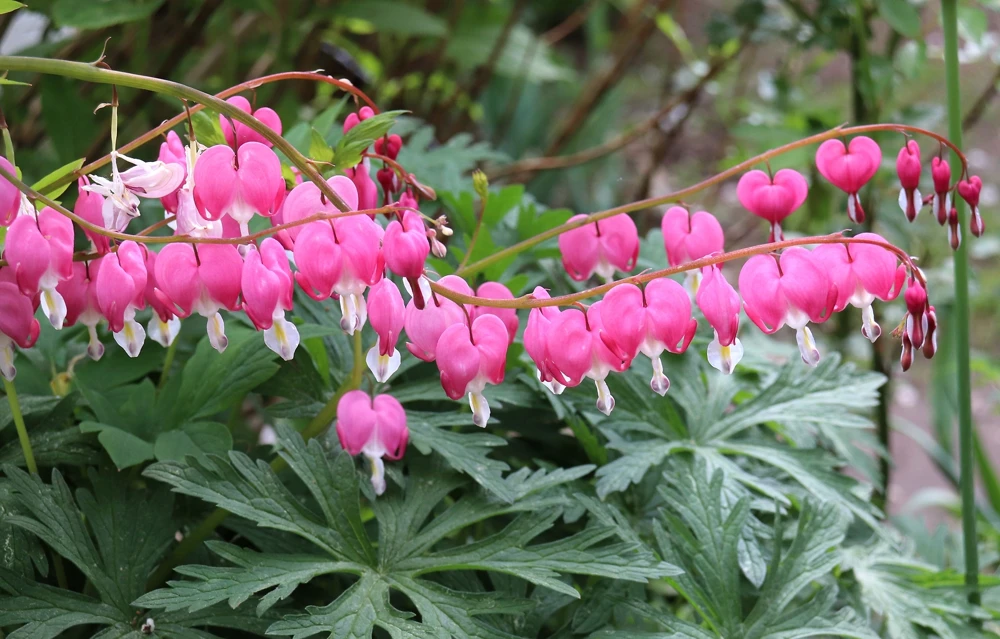
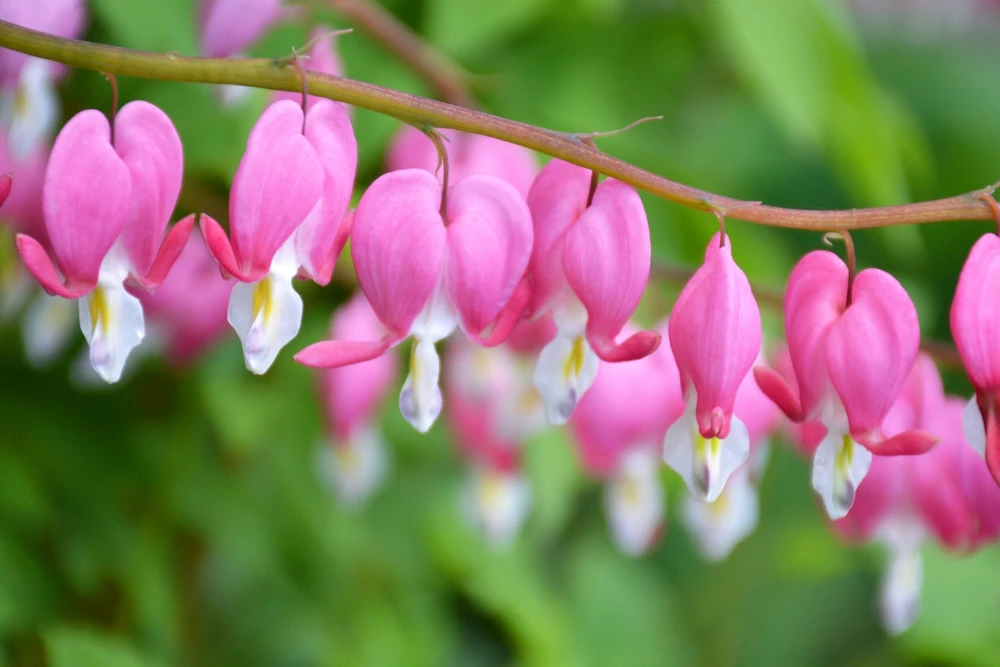
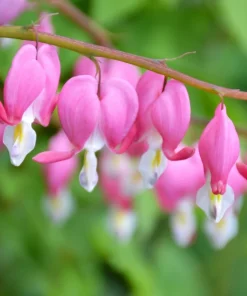
Our old fashioned bleeding heart seeds promise to deliver robust plants that will become a focal point in your garden. The distinctive pink blossoms, dangling gracefully from arching stems, are truly a sight to behold, evoking a sense of nostalgia and fairytale charm. These flowers are not only beautiful but also attract beneficial pollinators like hummingbirds, adding dynamic life to your garden ecosystem. Planting shade flower seeds like these is an excellent way to maximize the beauty of every corner of your outdoor space, transforming dim areas into captivating havens.
Key Benefits
Planting pink bleeding heart seeds offers a multitude of benefits, both aesthetic and practical, for any garden enthusiast. These exquisite flowers are more than just pretty faces; they contribute significantly to the overall health and beauty of your landscape.
- Enchanting Garden Aesthetics: The unique, heart-shaped pink flowers of the Dicentra Formosa add unparalleled charm and elegance to any garden setting, especially in shaded areas. They create a focal point and a sense of whimsy that is hard to achieve with other plants.
- Shade-Loving Perennial: Unlike many flowers that demand full sun, the old fashioned bleeding heart thrives in partial to full shade, making it perfect for brightening up dim corners, under trees, or along north-facing walls. This allows for diverse planting options in your garden.
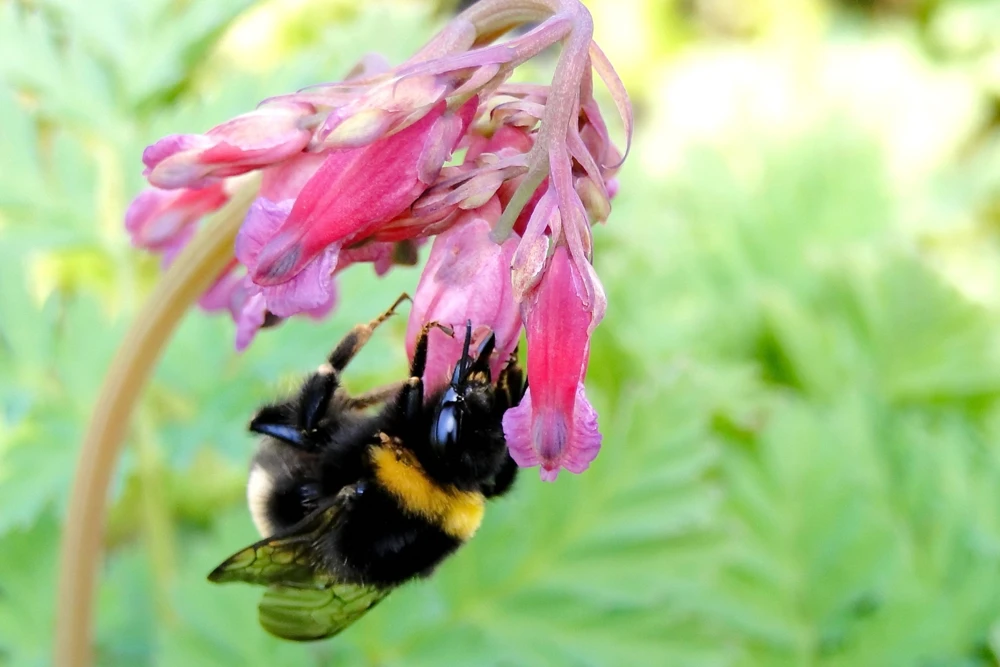
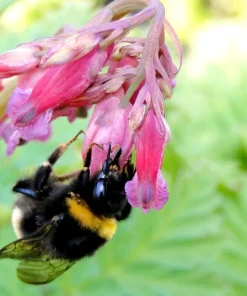
- Attracts Pollinators: The delicate blossoms are a favorite of hummingbirds, providing a nectar source and encouraging these beautiful creatures to visit your garden, contributing to local biodiversity.
- Low Maintenance: Once established, these plants are relatively low-maintenance, requiring minimal fuss to produce their stunning blooms year after year. They are a resilient choice for both novice and experienced gardeners.
- Early Spring Bloom: Enjoy vibrant color early in the season when many other plants are just beginning to emerge. The pink bleeding heart seeds will grow into plants that provide a refreshing burst of color after the long winter.
- Excellent for Woodland Gardens: Their natural habitat and growth habit make them ideal for creating a naturalistic, serene woodland garden feel, complementing ferns, hostas, and other shade-loving plants.
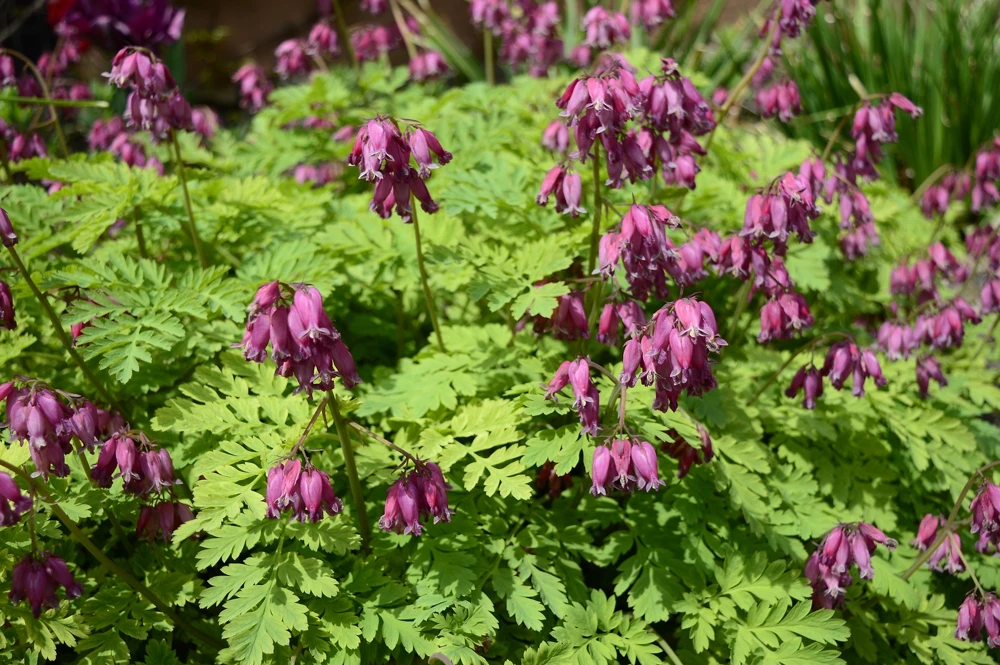
- Long-Lasting Foliage: Beyond the flowers, the delicate, fern-like foliage remains attractive throughout much of the growing season, providing texture and greenery even after the blooms fade.
Plant Care & Growing Tips
Growing pink bleeding heart seeds successfully requires understanding their specific needs, particularly regarding light, soil, and moisture. These dicentra formosa seeds prefer a location with partial to full shade. While they can tolerate some morning sun, intense afternoon sun can scorch their delicate foliage and shorten their blooming period. Aim for a spot that receives dappled light throughout the day or full shade. Good air circulation is also beneficial to prevent fungal diseases. When starting your perennial flower seeds, it’s often best to sow them indoors 6-8 weeks before the last frost date or directly outdoors in late fall for natural stratification.
The ideal soil for old fashioned bleeding heart is rich, moist, and well-draining, with a slightly acidic to neutral pH (6.0-7.0). Amend heavy clay soils with organic matter like compost or peat moss to improve drainage and fertility. Consistent moisture is crucial, especially during the growing and blooming season. The soil should never be allowed to dry out completely, but also avoid waterlogging, which can lead to root rot. A layer of mulch can help retain soil moisture and regulate soil temperature. Fertilize sparingly in early spring with a balanced, slow-release granular fertilizer or a liquid feed at half strength. These plants are generally hardy in USDA zones 3-9.
Once established, shade flower seeds like these grow into plants that are quite resilient. Pests are rarely a major issue, but watch out for slugs and snails, especially on young plants. Division can be done in early spring or fall if the plants become overcrowded or you wish to propagate them. Deadhead spent flowers to encourage new blooms, though it’s not strictly necessary as they are self-cleaning to some extent. With proper care, your pink bleeding heart seeds will reward you with years of captivating blooms.
Size & Details
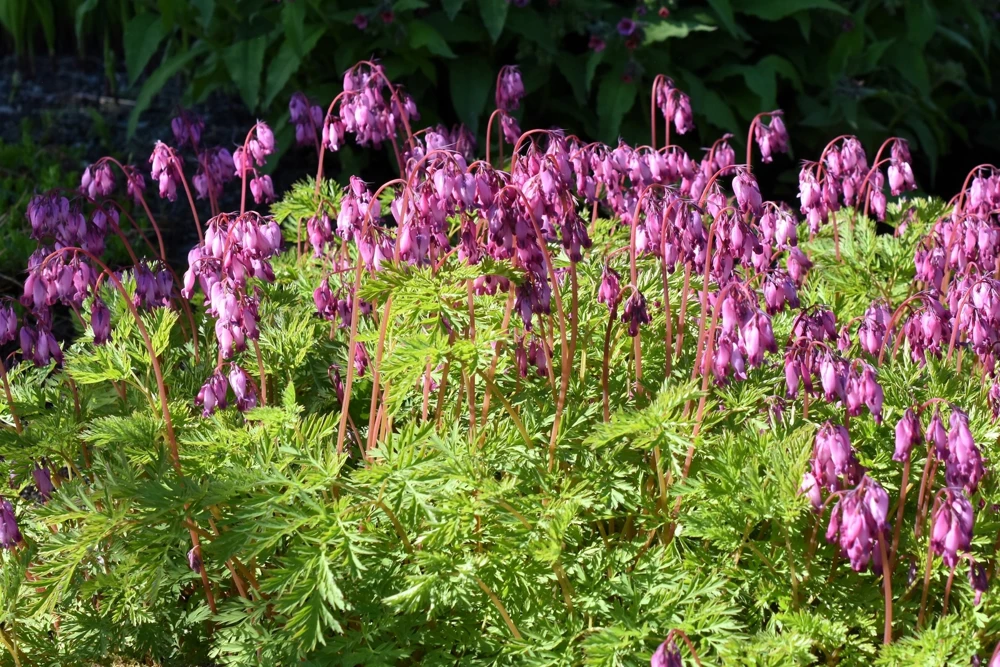
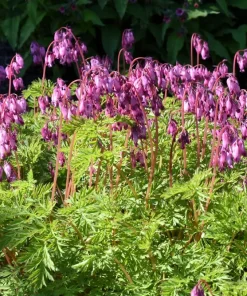
Our offering includes 10 Bleeding Heart seeds, specifically the Old Fashioned Dicentra Formosa variety. When mature, these beautiful plants typically reach a height of 24-36 inches (60-90 cm) and spread about 18-24 inches (45-60 cm) wide, forming an attractive, mounding clump of fern-like foliage. The delicate, heart-shaped pink flowers appear in early to mid-spring, often before many other perennials have begun to bloom, providing a welcome splash of color to the awakening garden. These dicentra formosa seeds will grow into plants that are shipped as dormant seeds, ready for stratification and planting. Expect blooms in their second year after planting, as perennials often establish their root systems in the first year.
The growth rate is moderate, with plants establishing themselves well within the first season. The blooming period can last several weeks, depending on local conditions and climate, typically from April to May. While the foliage of some Dicentra varieties tends to die back in hot summer weather, Dicentra Formosa generally maintains its attractive leaves throughout the summer, especially in cooler climates or with consistent moisture. These perennial flower seeds offer a long-term investment in your garden’s beauty and appeal, providing a reliable display year after year.
Frequently Asked Questions
- Q: How big does this plant get? A: The plants grown from these pink bleeding heart seeds typically reach a height of 24-36 inches (60-90 cm) and spread about 18-24 inches (45-60 cm) wide, forming a lovely, mounding clump.
- Q: Is this an indoor or outdoor plant? A: These dicentra formosa seeds are intended for outdoor cultivation. The plants thrive in garden beds, shaded borders, and woodland settings, establishing themselves as hardy perennials.
- Q: How much sunlight does it need? A: The old fashioned bleeding heart prefers partial to full shade. It can tolerate some morning sun but should be protected from harsh afternoon sun, which can damage its foliage.
- Q: Is this plant easy to care for? A: Yes, once established, plants grown from these shade flower seeds are considered relatively low-maintenance. They require consistent moisture and well-draining soil but are otherwise quite resilient.
- Q: What condition will it arrive in? A: You will receive 10 Bleeding Heart seeds in a protective packet, ready for planting. These are dormant seeds, not live plants.
- Q: How long until it blooms? A: As with many perennials grown from seed, you can typically expect the first blooms in the second year after planting. The first year is primarily for root establishment.
- Q: When is the best time to plant these perennial flower seeds? A: For best results, sow pink bleeding heart seeds outdoors in late fall for natural cold stratification over winter, or start them indoors 6-8 weeks before the last expected frost date in spring.
Be the first to review “Pink Bleeding Heart Flower Seeds – 10 Old Fashioned Dicentra Formosa”
People Also Viewed
Reviews
There are no reviews yet.