

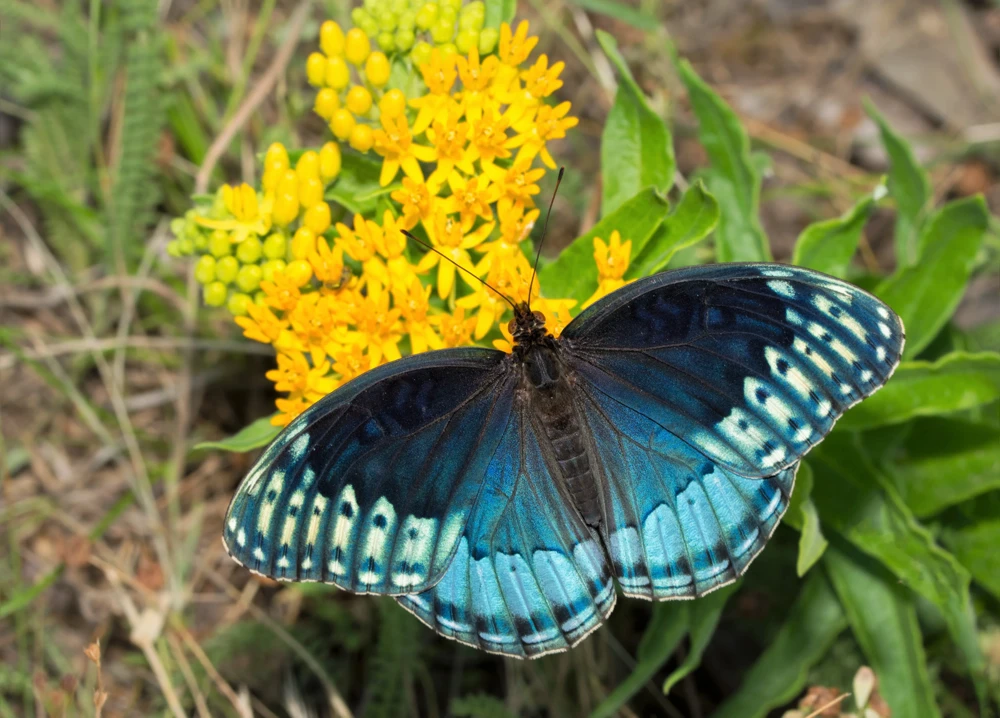
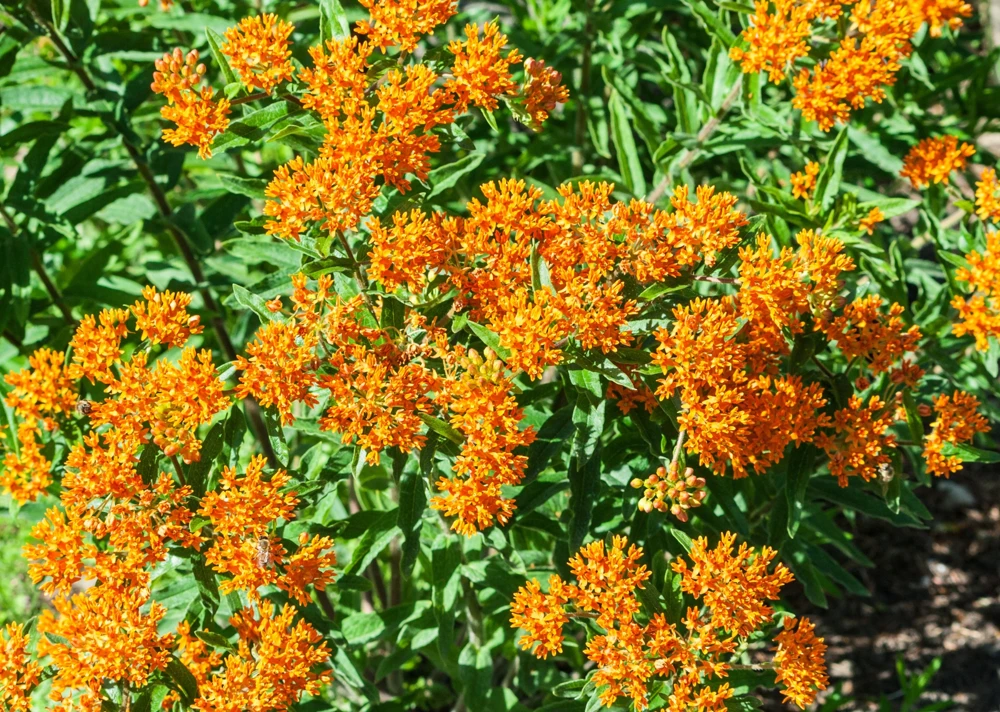
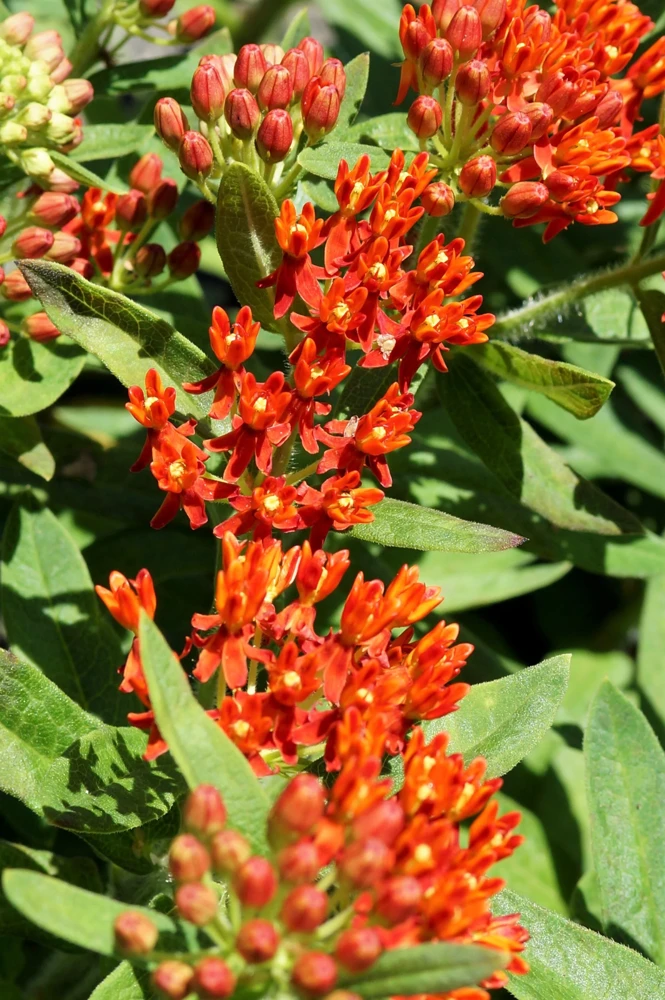
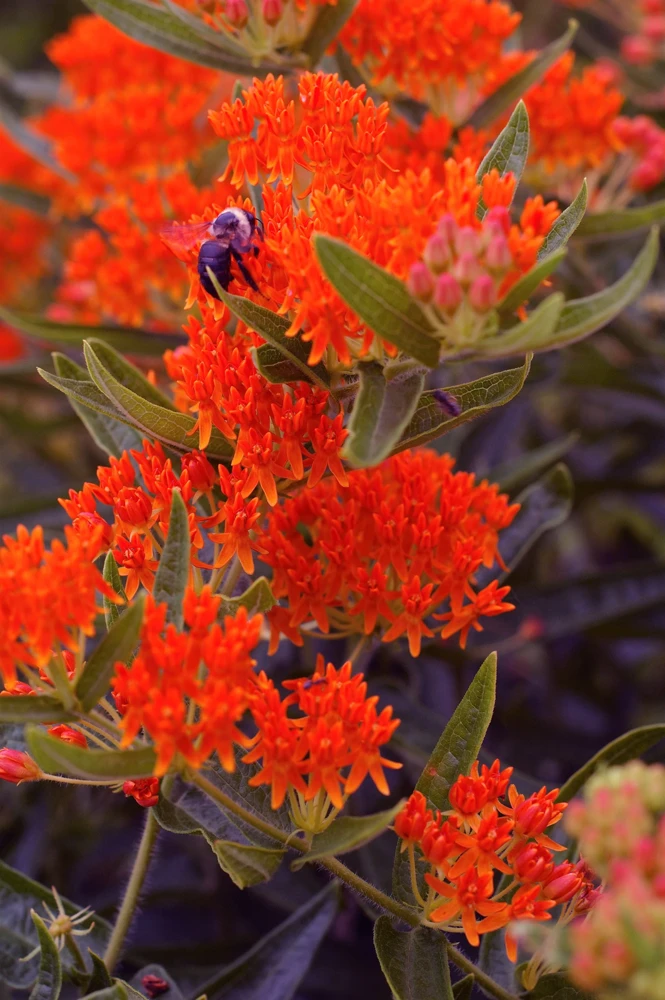
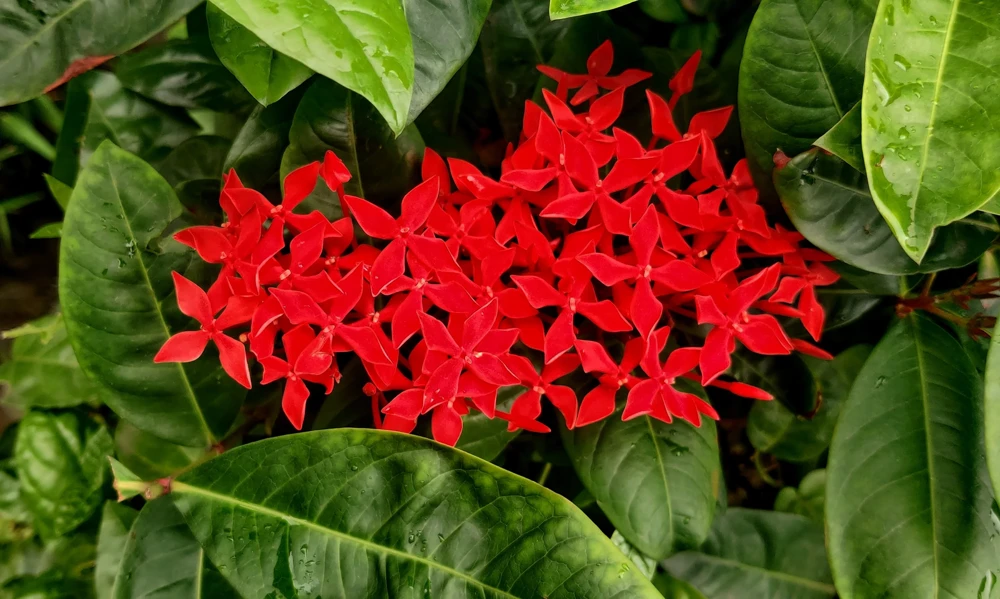
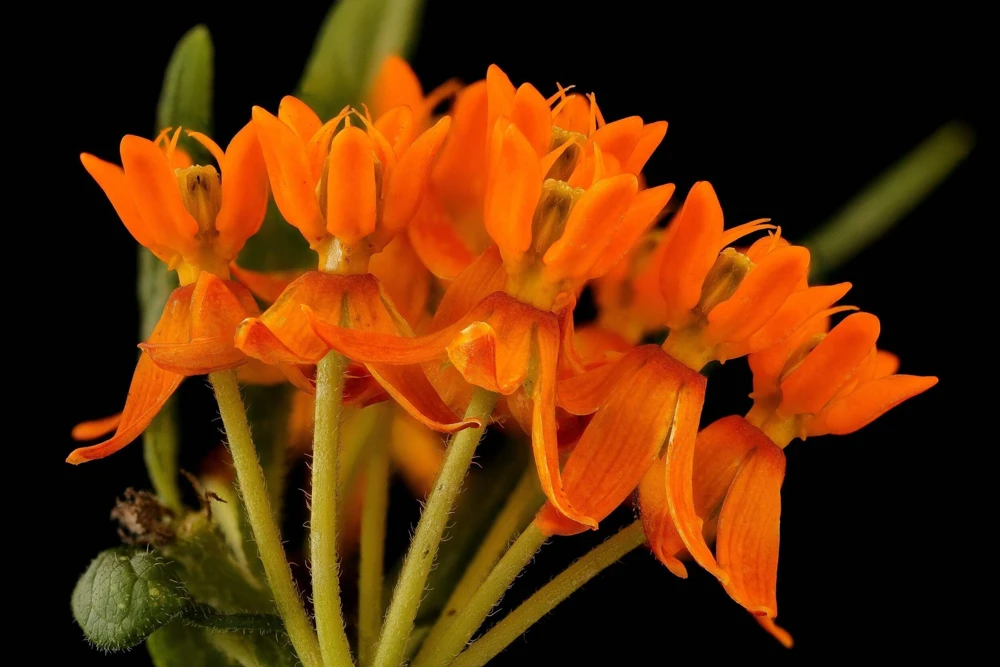
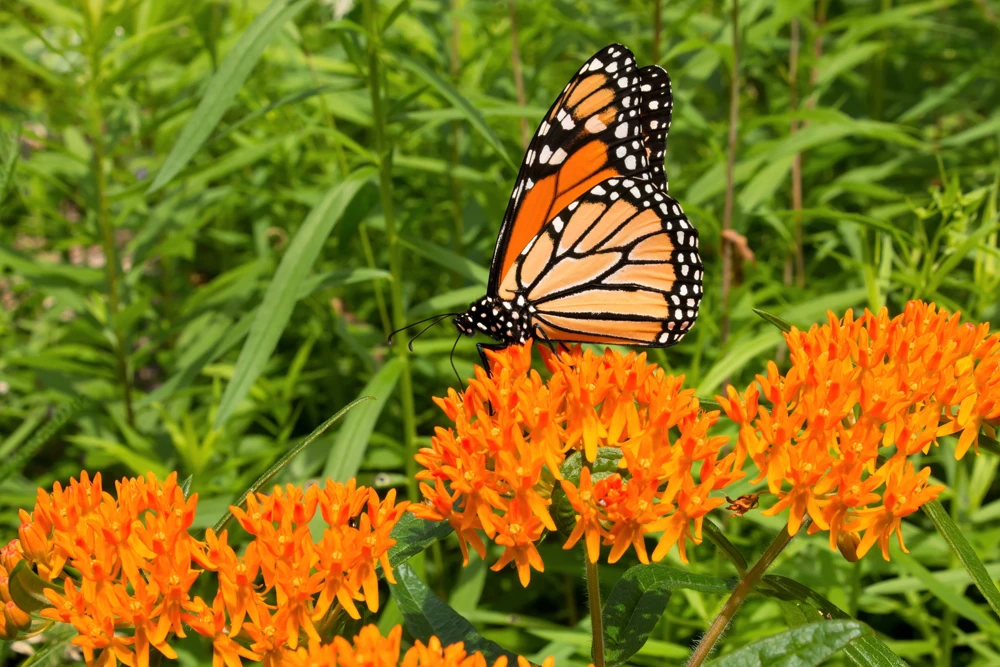
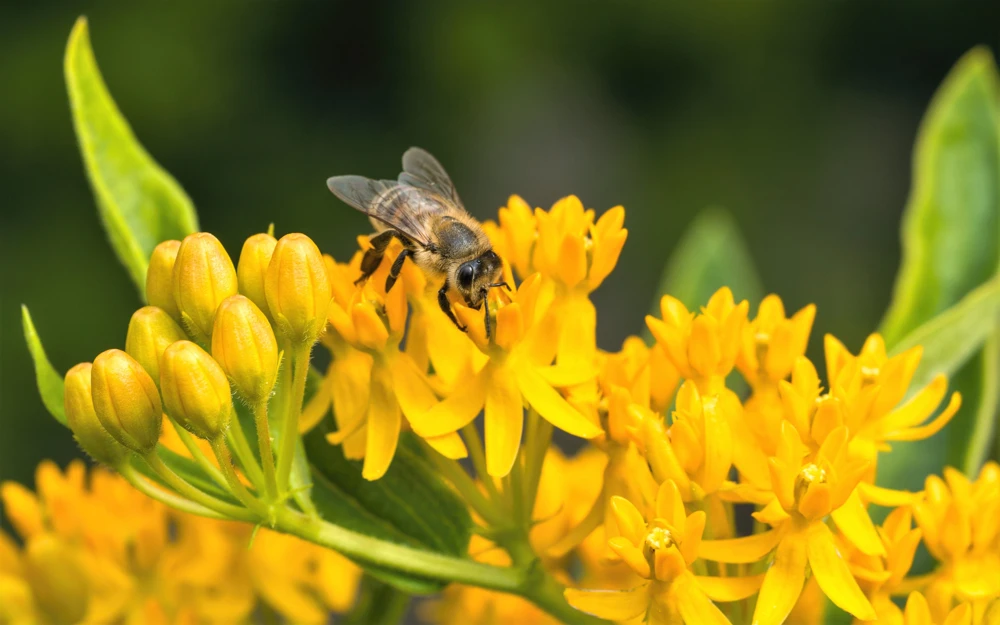
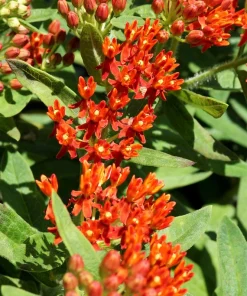
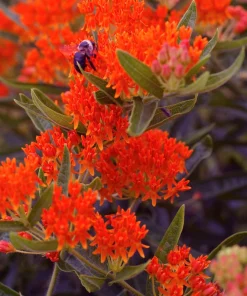
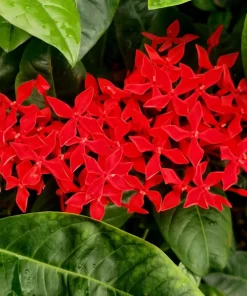
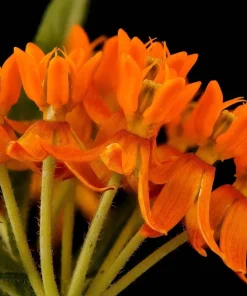
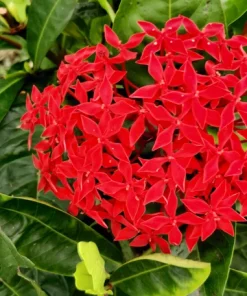
Milkweed Seeds – 10 Pack Red Yellow Orange Mix Asclepias Tuberosa for Butterflies
Original price was: $37.99.$17.99Current price is: $17.99.
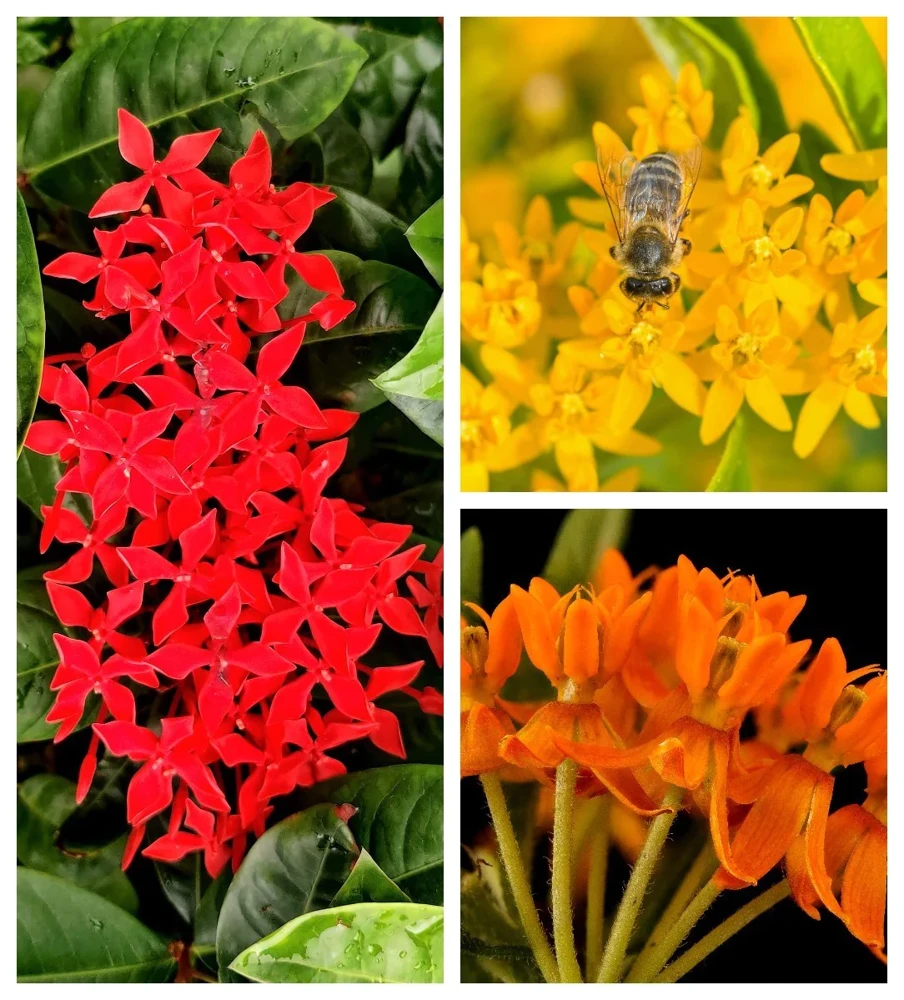
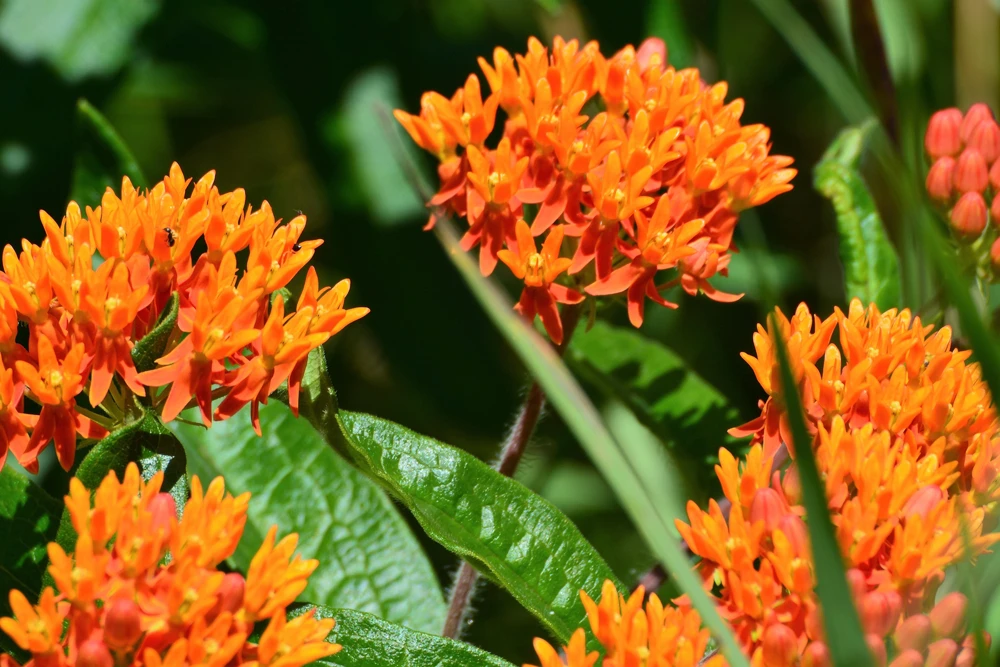
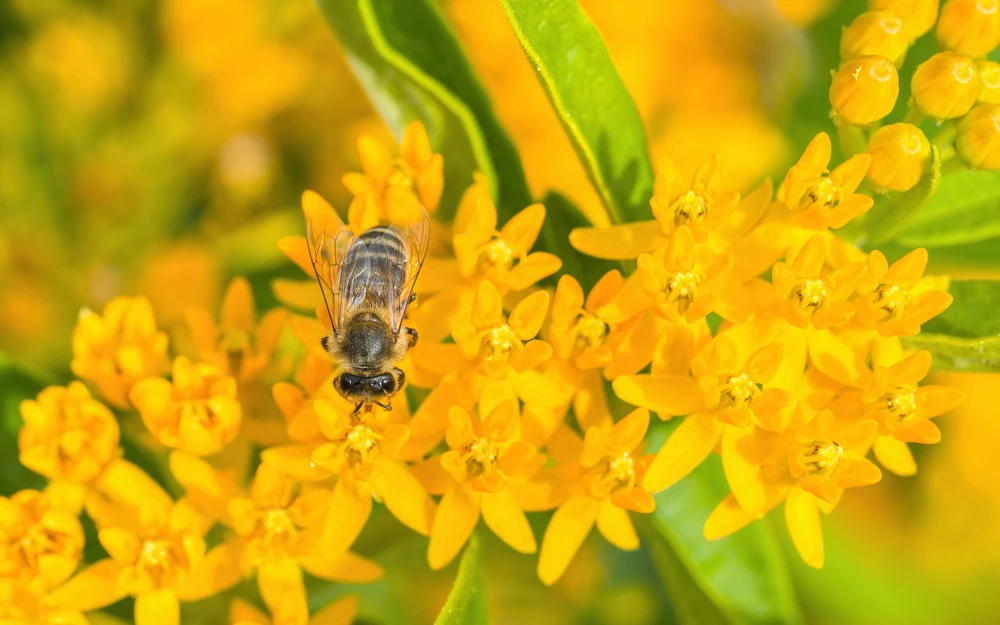
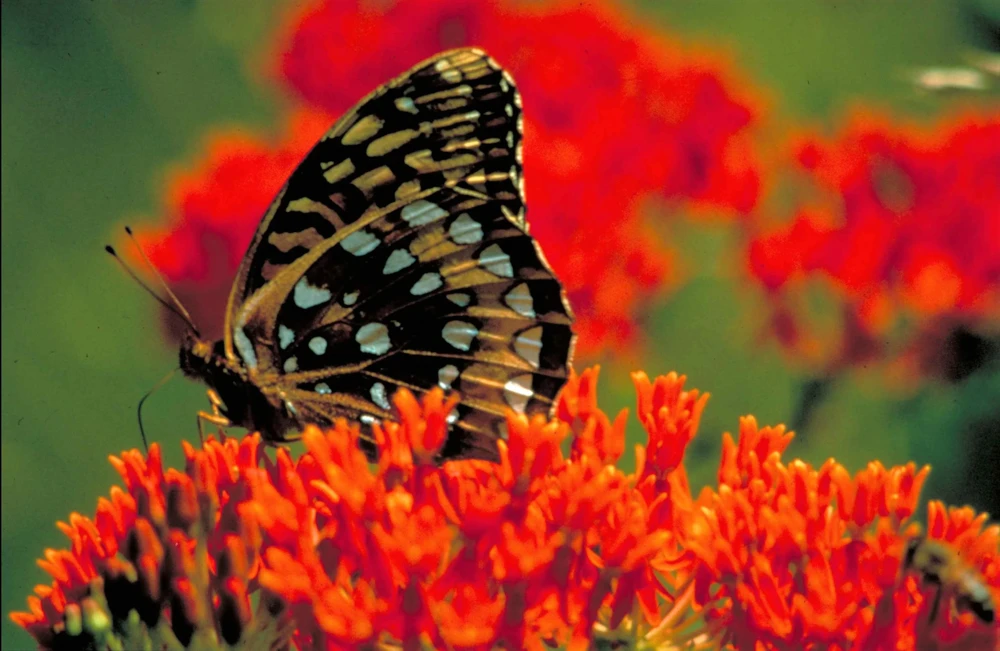
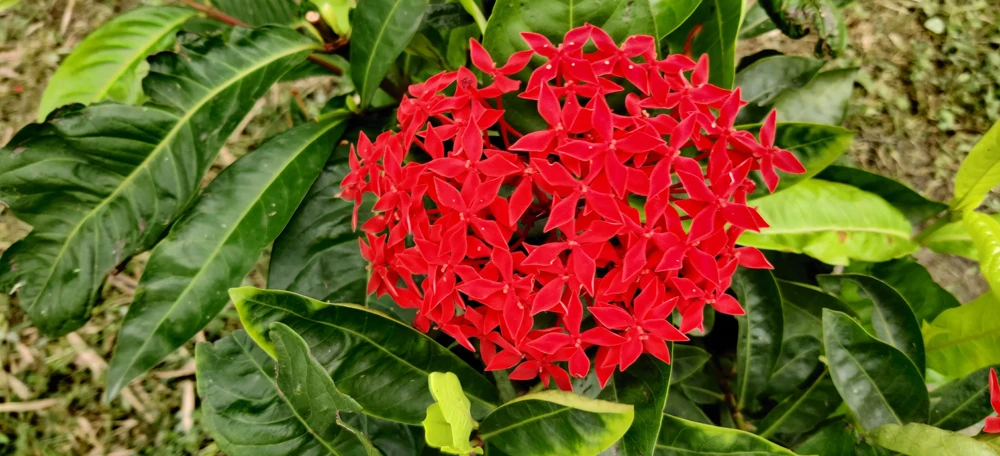
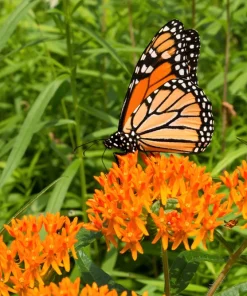
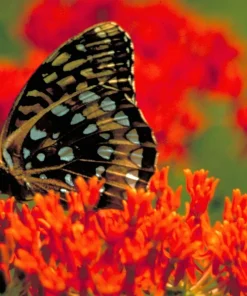
Cultivate a vibrant haven for butterflies with our milkweed flower seeds mix. This pack contains 10 seeds of Asclepias Tuberosa, showcasing a beautiful blend of red, yellow, and orange blooms. Perfect for attracting pollinators and creating a stunning garden display.
- Attracts butterflies and other pollinators
- Easy to grow and maintain
- Vibrant red, yellow, and orange flowers
- Ideal for native plant gardens
Estimated arrival
Sep 17
Sep 22 - Sep 24
Sep 27 - Oct 01
Shop With Confidence
30-Day Plant Health Guarantee
Arrives damaged? We’ll replace it free — see our return policy.
Responsive Support
Email us anytime, we reply within 1 business day.
Expert Packaging
Temperature-controlled shipping to protect your plants in transit.
Secure Checkout
Pay safely with Visa, Mastercard, PayPal.
Plant Specifications
-
USDA Hardiness Zone
USDA Zones 3-9 -
Soil Type
Well-draining soil -
Sunlight Exposure
Full sun (6-8+ hours daily) -
Expected Planting Period
Early spring after last frost (after cold stratification)
Overview
Transform your garden into a pollinator paradise with our premium milkweed flower seeds. This special mix features Asclepias Tuberosa seeds, commonly known as Butterfly Milkweed, renowned for its dazzling red, yellow, and orange blossoms. These native perennial wildflowers are crucial for the survival of monarch butterflies, as their leaves are the sole food source for monarch caterpillars. Growing Asclepias Tuberosa milkweed seeds is a rewarding experience, providing essential habitat while adding spectacular color to your landscape. Whether you’re a seasoned gardener or a beginner, these easy-to-grow seeds offer a sustainable way to support local ecosystems and enjoy the beauty of nature right in your backyard.
Our collection of milkweed flower seeds is carefully selected to ensure high germination rates and robust plant growth. The vibrant hues of red, yellow, and orange create a stunning visual impact, making your garden a focal point of beauty and biodiversity. By planting these asclepias tuberosa seeds, you contribute directly to the conservation of monarch butterflies and other beneficial insects, fostering a healthier environment. Prepare to be enchanted by the fluttering wings and buzzing activity that these beautiful flowers will attract, turning your garden into a living canvas of nature’s wonders.
Key Benefits
Planting milkweed flower seeds offers a multitude of benefits, enhancing both the aesthetic appeal of your garden and its ecological value. These plants are not only beautiful but also play a vital role in supporting wildlife.
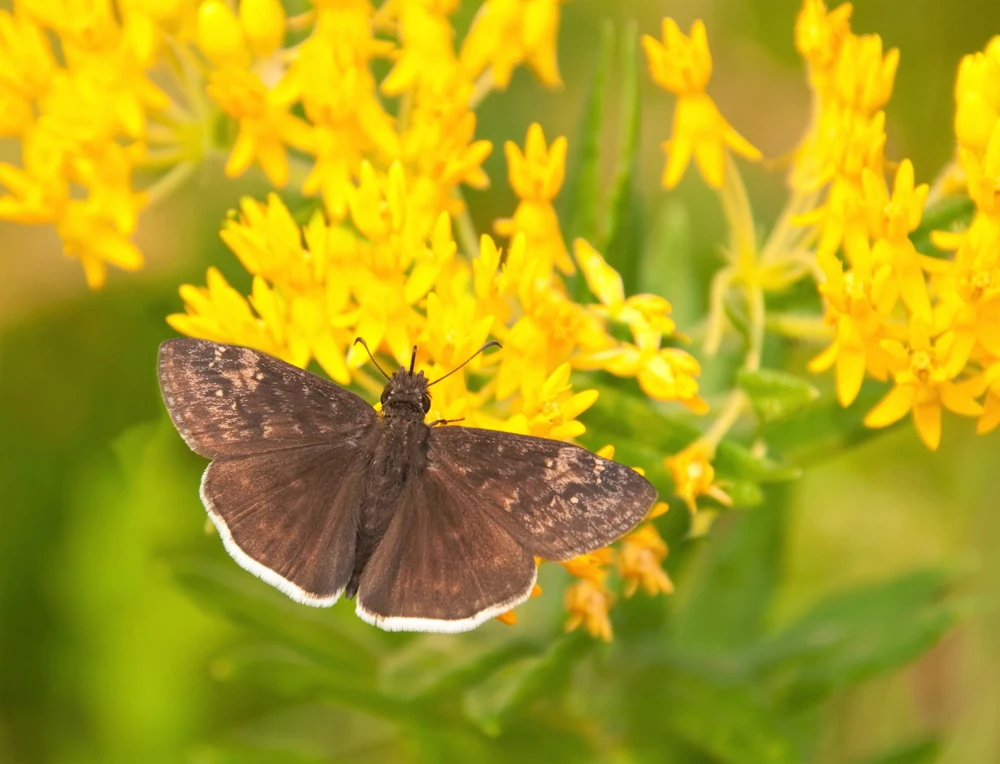
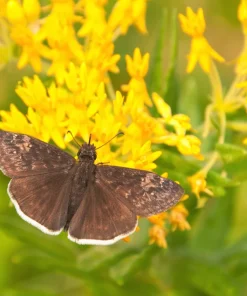
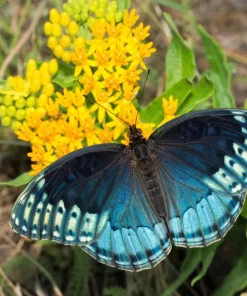
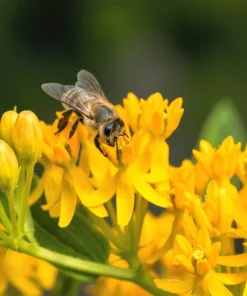
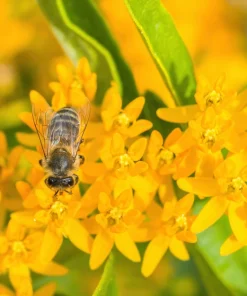
- Pollinator Attraction: These asclepias tuberosa seeds are specifically chosen to grow plants that are irresistible to monarch butterflies, as well as other beneficial pollinators like bees and hummingbirds, making your garden a thriving ecosystem.
- Monarch Butterfly Host Plant: As the exclusive food source for monarch caterpillars, planting these monarch milkweed seeds is a direct and impactful way to support the monarch butterfly population during their migratory journey.
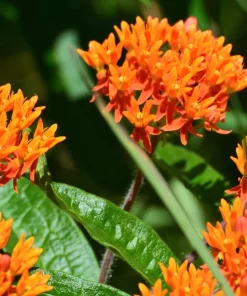
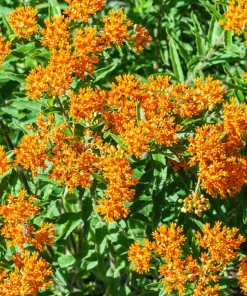
- Vibrant Garden Display: Enjoy a spectacular show of red yellow orange milkweed blooms from summer through fall, adding a burst of continuous color and visual interest to your outdoor spaces.
- Low Maintenance: Once established, Butterfly Milkweed is remarkably drought-tolerant and requires minimal care, making it an excellent choice for gardeners seeking beauty without constant upkeep.
- Native Plant Benefits: Being a native species, Asclepias Tuberosa is well-adapted to local conditions, requiring less water and fertilizer compared to non-native alternatives, promoting a more sustainable garden.
- Educational Value: Observe the fascinating life cycle of monarch butterflies up close, providing an enriching and educational experience for families and nature enthusiasts.
- Erosion Control: The strong root systems of milkweed plants can help stabilize soil and prevent erosion, especially in naturalized areas or on slopes.
Plant Care & Growing Tips
Growing milkweed flower seeds is straightforward, ensuring a successful and vibrant addition to your garden. For optimal germination, cold stratification is often recommended. Place seeds in a moist paper towel inside a plastic bag and refrigerate for 3-6 weeks before planting. Once stratified, sow seeds directly outdoors in early spring after the last frost, or start them indoors 6-8 weeks before transplanting. Plant seeds about 1/4 inch deep and 6-12 inches apart. Ensure the soil remains consistently moist until germination, which typically occurs within 10-20 days.
Asclepias Tuberosa thrives in full sun, requiring at least 6-8 hours of direct sunlight daily to produce the most abundant blooms and support monarch caterpillars effectively. It prefers well-draining soil and can tolerate a variety of soil types, including sandy or rocky soils, as long as they are not waterlogged. Once established, these plants are quite drought-tolerant, but regular watering during prolonged dry spells will encourage healthier growth and more prolific flowering. Avoid over-fertilizing, as milkweed generally performs well in lean to moderately fertile soils. Deadheading spent flowers can encourage a longer blooming period, and leaving some seed pods at the end of the season allows for natural reseeding and provides food for birds.
This particular red yellow orange milkweed variety is generally hardy in USDA zones 3-9. In colder zones, the plants will die back to the ground in winter and re-emerge in spring. In warmer climates, they may retain some foliage. Watch out for common pests like aphids, which can be managed with a strong spray of water or insecticidal soap. Providing ample space for air circulation can help prevent fungal issues. By following these care tips, your asclepias tuberosa seeds will flourish, providing a beautiful and vital resource for monarch butterflies and other pollinators.
Size & Details
This offering includes 10 high-quality milkweed flower seeds, specifically the vibrant Asclepias Tuberosa variety. These seeds are ready for planting to establish beautiful perennial plants that typically grow to a height of 1-3 feet (30-90 cm) with a similar spread. The plants exhibit an upright, bushy growth habit, making them an excellent choice for borders, meadows, and pollinator gardens. Each plant produces numerous clusters of bright orange, red, or yellow flowers, creating a striking visual display throughout the summer and early fall.
The growth rate for asclepias tuberosa seeds is moderate; while germination can occur relatively quickly, the plants may take a full season to establish robust root systems and reach their mature size. Flowering generally begins in the second year from seed, providing abundant blooms for many years to come. These seeds are ideal for creating a lasting habitat for monarch butterflies and other pollinators, contributing to biodiversity for seasons to come. The mature plants will form strong clumps, enhancing your garden’s structure and appeal. Expect these milkweed flower seeds to develop into resilient and beautiful plants, perfect for any garden seeking to support local wildlife.
Frequently Asked Questions
- Q: How do I prepare these milkweed flower seeds for planting? A: For best results, cold stratify the seeds by refrigerating them in a moist paper towel inside a plastic bag for 3-6 weeks before sowing. This mimics natural winter conditions and helps break dormancy.
- Q: When is the best time to plant these asclepias tuberosa seeds? A: After cold stratification, sow the seeds directly outdoors in early spring after the last frost, or start them indoors 6-8 weeks before your local last frost date. They thrive when planted in well-drained soil and full sun.
- Q: How much sunlight do these milkweed flower seeds need to grow well? A: Asclepias Tuberosa requires full sun, meaning at least 6-8 hours of direct sunlight per day. This ensures robust growth and abundant flowering, which is essential for attracting monarch butterflies.
- Q: Are these monarch milkweed seeds suitable for containers? A: While they can be grown in large containers, Butterfly Milkweed prefers to spread its roots in garden beds. If using containers, choose pots at least 12 inches deep and wide to accommodate their root system.
- Q: What kind of soil is best for red yellow orange milkweed? A: These plants prefer well-draining soil and are tolerant of various soil types, including sandy or rocky soils. Avoid heavy, clay soils that retain too much moisture, which can lead to root rot.
- Q: How tall do the plants from these asclepias tuberosa seeds typically get? A: Mature plants usually reach a height of 1-3 feet (30-90 cm) with a similar spread, forming a bushy and upright clump in your garden.
- Q: What is the USDA hardiness zone for this type of milkweed? A: Asclepias Tuberosa is hardy in USDA Zones 3-9, meaning it can withstand a wide range of winter temperatures and will typically return year after year in these regions.
- Q: How long does it take for these milkweed flower seeds to bloom? A: While germination is relatively quick, plants grown from seed typically establish their root system in the first year and begin to bloom in their second year, providing years of continuous beauty.
- Q: Is this milkweed variety deer-resistant? A: Yes, Asclepias Tuberosa is generally considered deer and rabbit resistant due to the milky sap found in its stems and leaves, which can be bitter to grazing animals.
- Q: Will these seeds attract other pollinators besides monarch butterflies? A: Absolutely! While crucial for monarchs, the nectar-rich flowers of Asclepias Tuberosa also attract a wide array of other beneficial pollinators, including various bee species, wasps, and hummingbirds.
Be the first to review “Milkweed Seeds – 10 Pack Red Yellow Orange Mix Asclepias Tuberosa for Butterflies”
People Also Viewed
Shrubs
Mapleleaf Viburnum Live Plant – Viburnum acerifolium ‘Mapleleaf’ – 16+ Inches Tall – Outdoor Shrub

Flower Seeds
Reviews
There are no reviews yet.