
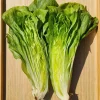
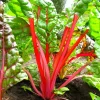
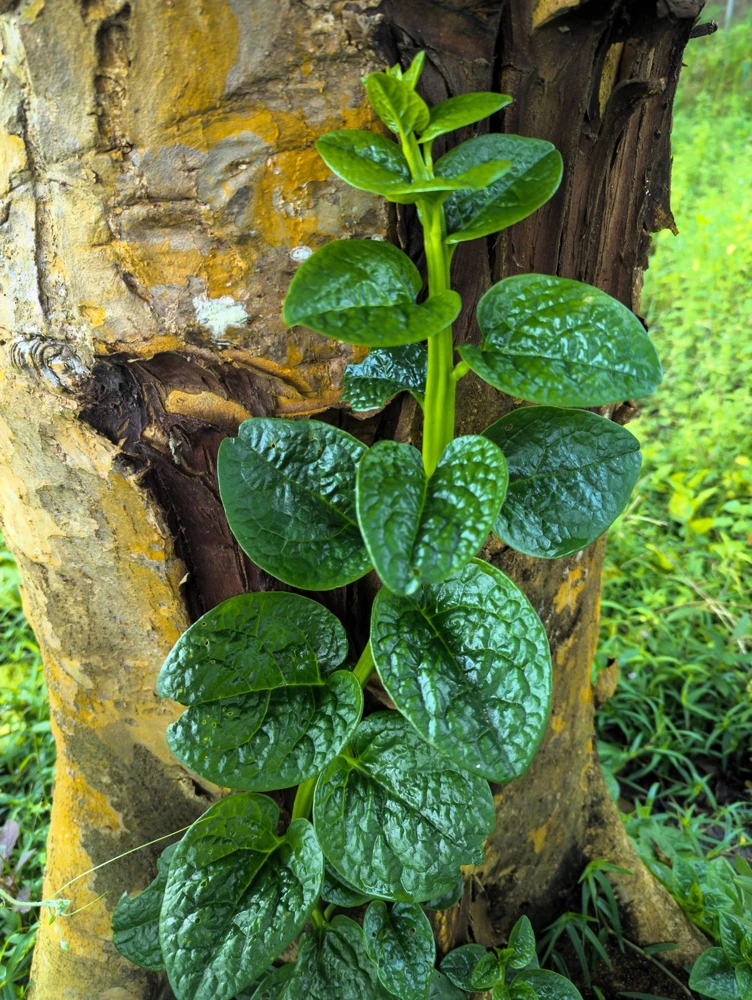
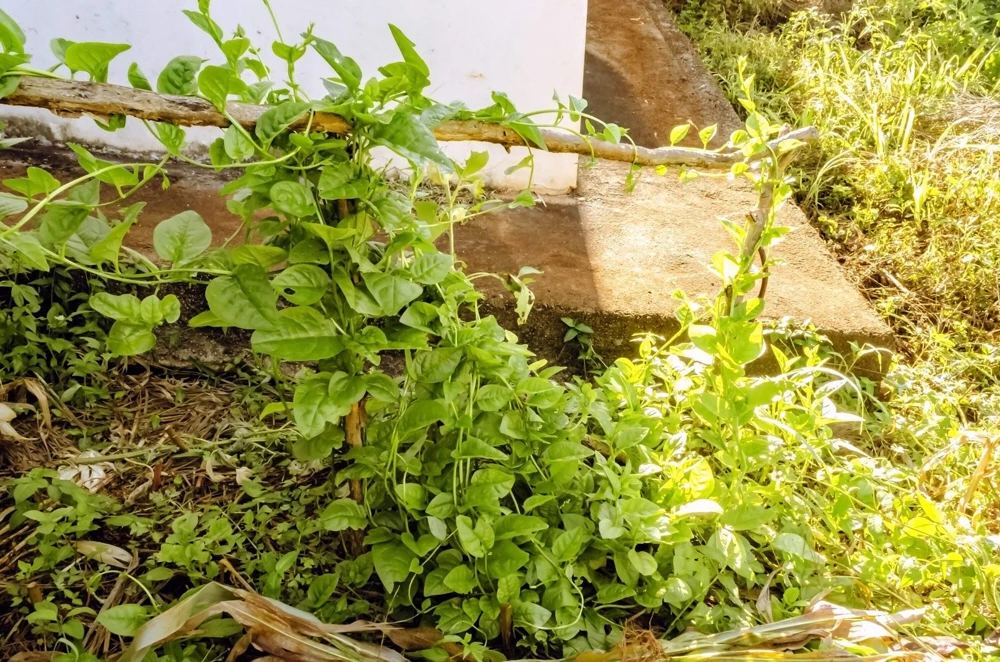
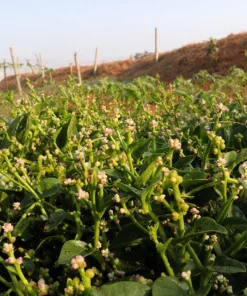
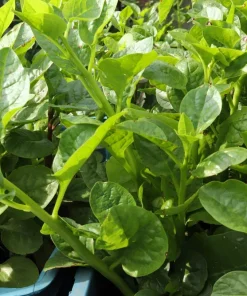
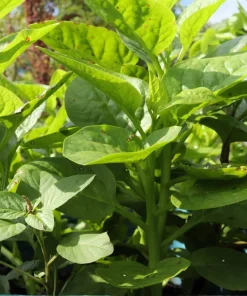
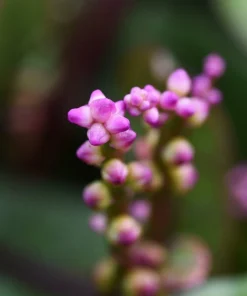
50 Malabar Spinach Seeds – Ceylon Basella Alba Vegetable Seeds for Garden
Original price was: $40.99.$20.99Current price is: $20.99.
Cultivate delicious and nutritious malabar spinach seeds in your home garden. This pack contains 50 Ceylon Basella Alba vegetable seeds, known for their heat tolerance and vibrant green leaves. Enjoy fresh, edible leafy greens throughout the warmer months with these easy-to-grow seeds.
Estimated arrival
Sep 17
Sep 22 - Sep 24
Sep 27 - Oct 01
Shop With Confidence
30-Day Plant Health Guarantee
Arrives damaged? We’ll replace it free — see our return policy.
Responsive Support
Email us anytime, we reply within 1 business day.
Expert Packaging
Temperature-controlled shipping to protect your plants in transit.
Secure Checkout
Pay safely with Visa, Mastercard, PayPal.
Plant Specifications
-
USDA Hardiness Zone
USDA zones 9-11 (as perennial), annual elsewhere -
Soil Type
Rich, well-draining soil -
Sunlight Exposure
Full sun to partial shade -
Expected Planting Period
Late spring to early summer
Overview
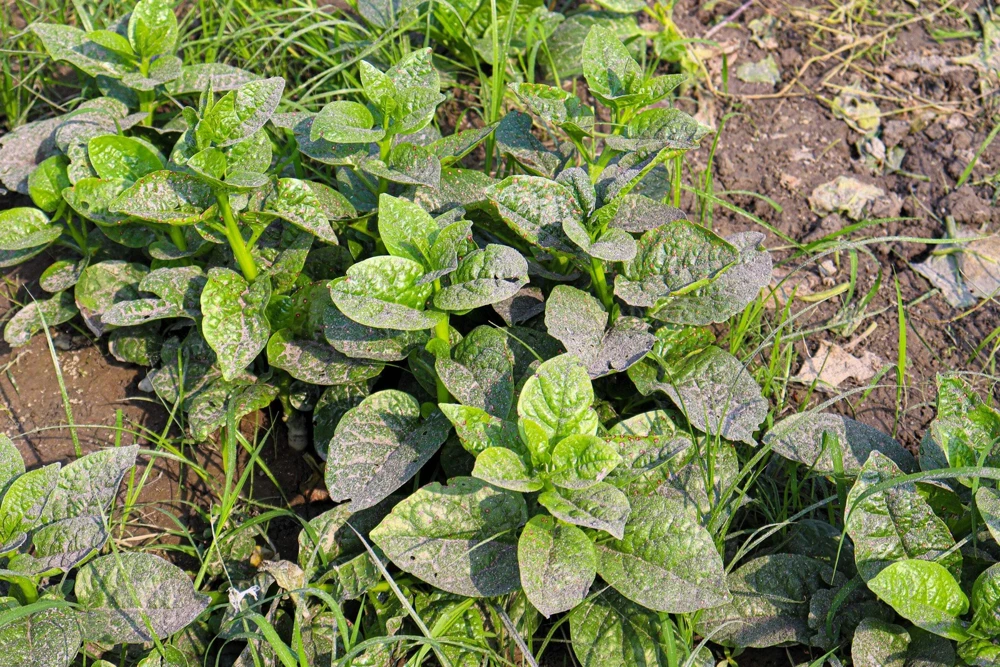
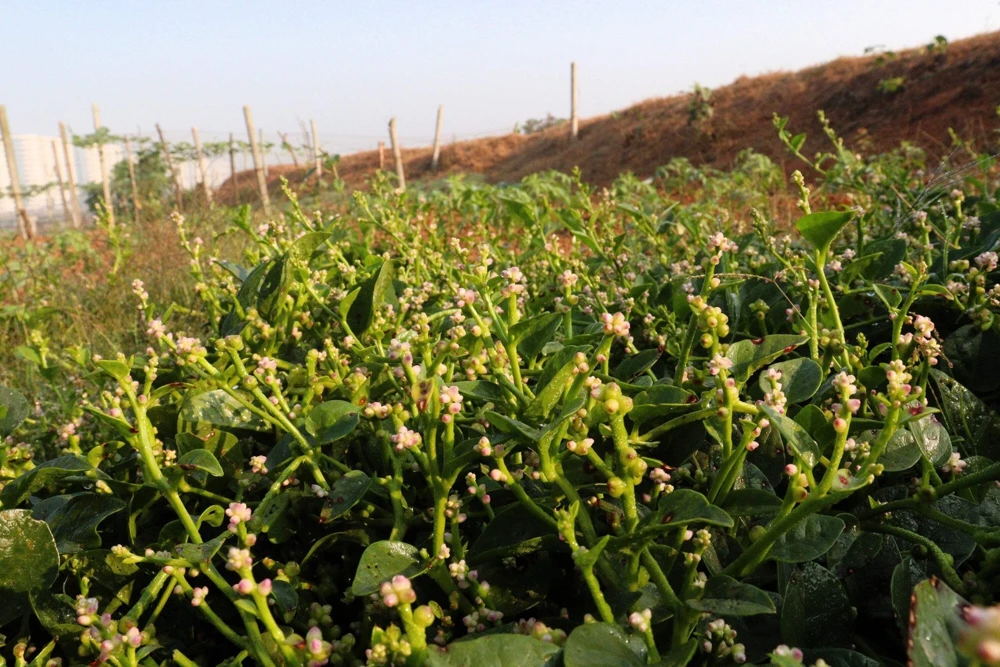
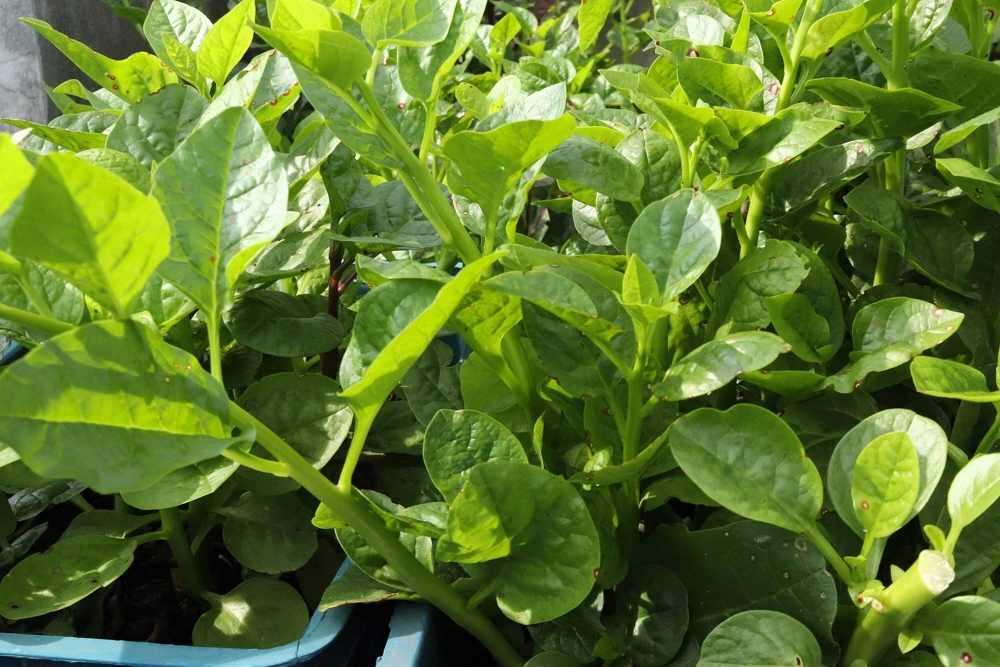
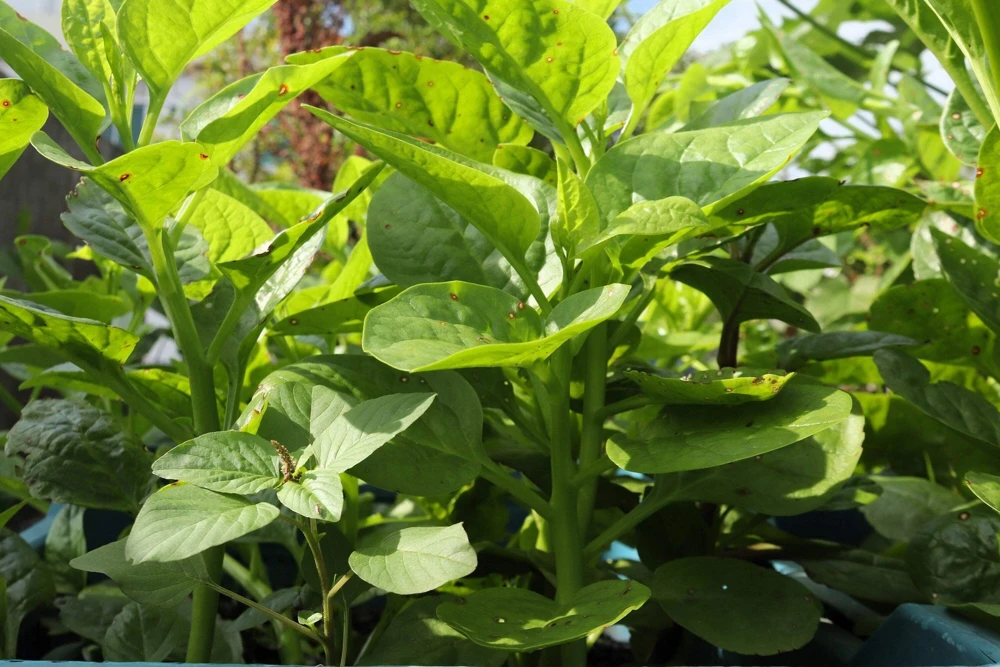
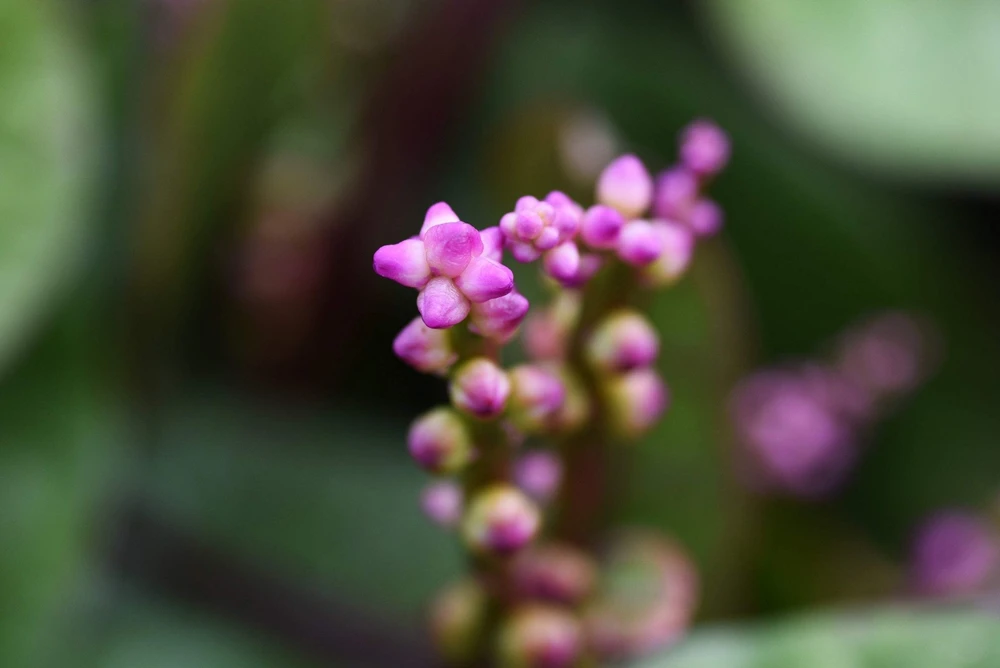
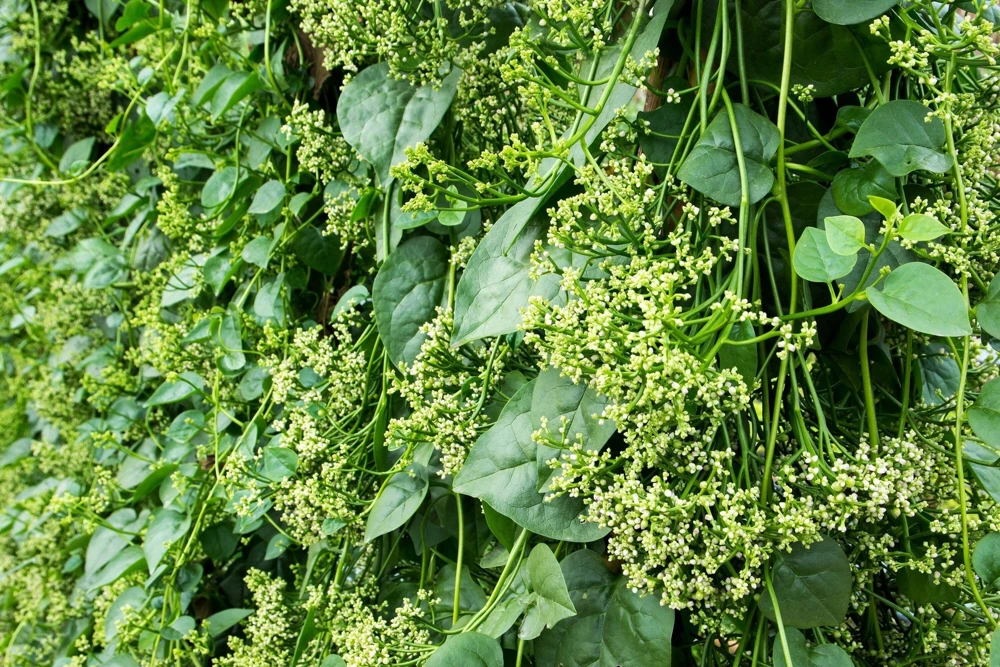
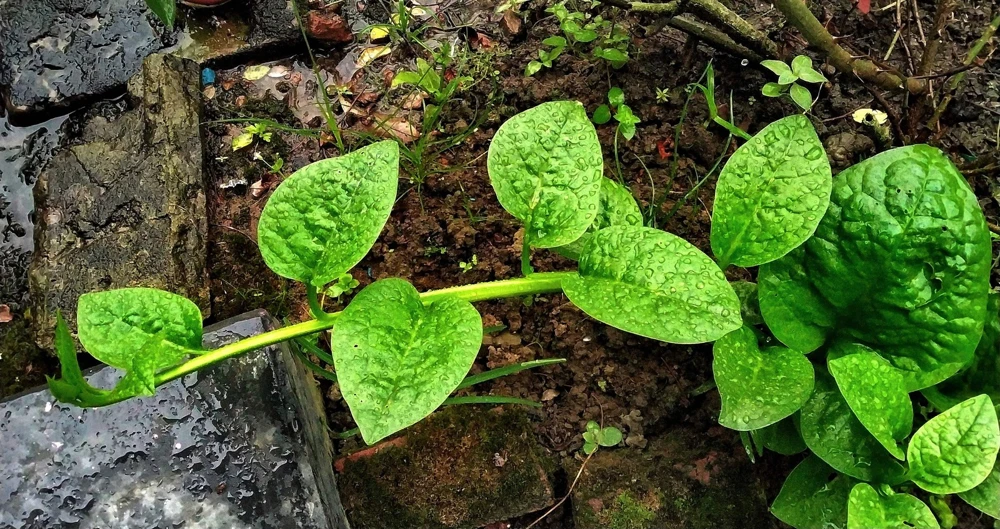
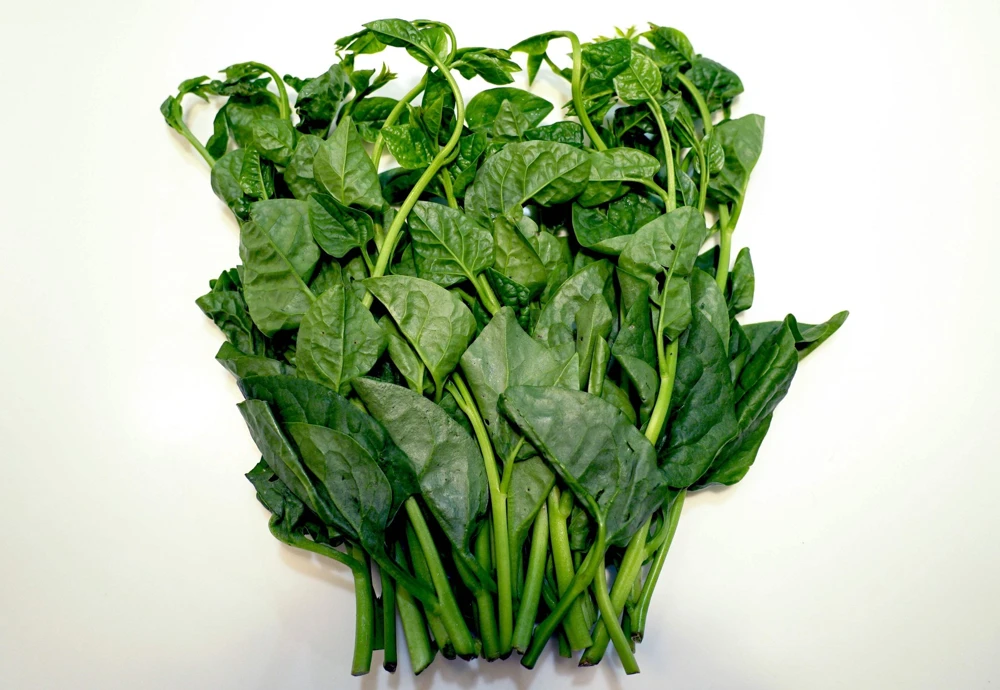
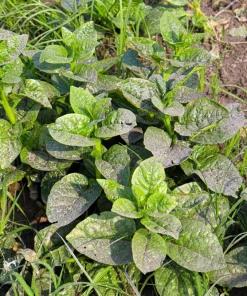
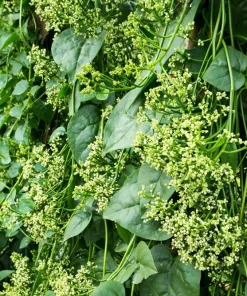
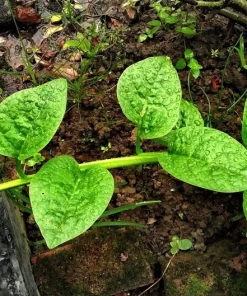
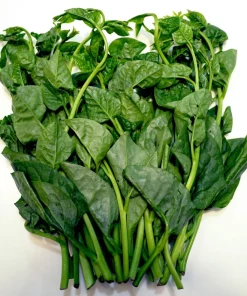
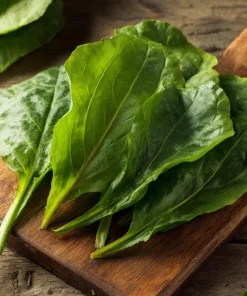
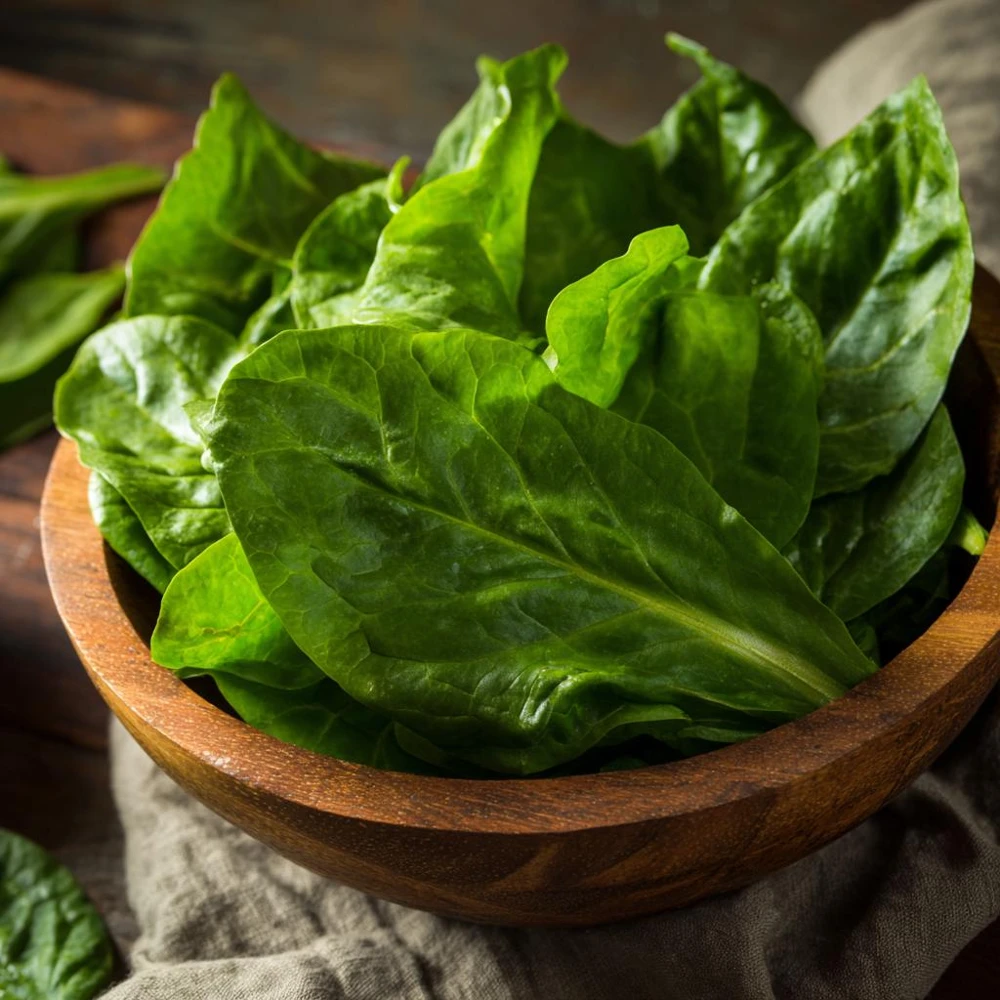
Embark on a rewarding gardening journey with our premium pack of malabar spinach seeds. Specifically, these are 50 Ceylon Basella Alba vegetable seeds, offering a fantastic opportunity to grow a unique and highly nutritious leafy green in your own backyard or container garden. Malabar Spinach, despite its name, is not a true spinach but a heat-loving vine that thrives in warm climates where traditional spinach struggles. Known for its succulent stems and thick, glossy leaves, Basella Alba is a vigorous grower that provides a continuous harvest of tender greens, perfect for salads, stir-fries, and soups. Its mild flavor and slightly mucilaginous texture make it a versatile addition to many culinary dishes, while its beautiful vining habit also adds an ornamental touch to your garden space.
These ceylon spinach seeds are carefully selected to ensure high germination rates and healthy, productive plants. Whether you’re an experienced gardener looking to expand your edible landscape or a beginner eager to try something new, Malabar Spinach is an excellent choice. It’s a robust plant that can tolerate various soil conditions and requires minimal fuss once established, making it a sustainable and enjoyable crop for home growers.
Key Benefits
Growing your own malabar spinach seeds offers a multitude of benefits, both for your health and your garden:
- Nutrient-Rich Edible Greens: Malabar Spinach is packed with vitamins A and C, iron, and calcium, contributing to a healthy diet. Enjoy fresh, home-grown nutrients.
- Heat Tolerant & Vigorous Growth: Unlike traditional spinach, Malabar Spinach thrives in hot, humid weather, making it an ideal summer green. It’s a fast grower, providing abundant harvests.
- Versatile Culinary Use: The mild flavor and unique texture of Basella Alba leaves make them perfect for a wide range of dishes, from fresh salads to cooked preparations. Discover the many ways to enjoy these edible leafy greens seeds.
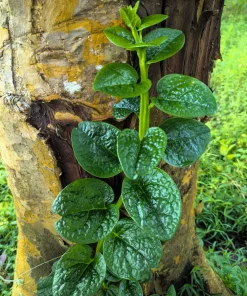
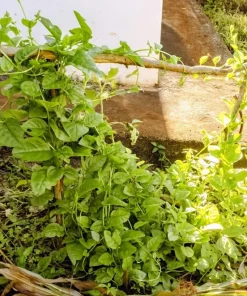
- Attractive Vining Plant: Its lush green foliage and vining habit make it an attractive plant for trellises, fences, or as a ground cover, adding beauty to your garden.
- Easy to Grow: These ceylon spinach seeds are relatively low-maintenance and forgiving, suitable for both novice and experienced gardeners. They adapt well to various growing conditions.
- Continuous Harvest: With proper care, Malabar Spinach provides a continuous supply of fresh leaves throughout the growing season, simply by pinching off the tips and leaves.
- Supports Healthy Eating: Having fresh, organic greens readily available encourages a healthier lifestyle and reduces reliance on store-bought produce.
Plant Care & Growing Tips
To successfully grow malabar spinach seeds, understanding their specific needs is key. Malabar Spinach (Basella Alba) is a warm-season crop that truly excels when temperatures are consistently above 75°F (24°C). Start your seeds indoors 4-6 weeks before the last frost date, or sow directly outdoors once all danger of frost has passed and the soil has warmed. Soak the seeds in warm water for 24 hours prior to planting to improve germination rates. Plant seeds about 1/2 inch deep and 3-6 inches apart in rows 12-18 inches apart. Once seedlings are established, thin them to 6-12 inches apart to allow for proper air circulation and growth.
Sunlight: Malabar Spinach prefers full sun, meaning at least 6-8 hours of direct sunlight per day. While it can tolerate partial shade, especially in extremely hot climates, full sun will result in the most vigorous growth and highest yields. Soil: This plant thrives in rich, well-draining soil with a pH between 6.5 and 7.0. Amend your garden beds with compost or other organic matter to improve fertility and drainage before planting. Watering: Keep the soil consistently moist, especially during dry spells, but avoid waterlogging. Regular, deep watering encourages lush foliage. Fertilization: Malabar Spinach is a heavy feeder. Fertilize every 3-4 weeks with a balanced organic fertilizer or a compost tea to support its rapid growth. Provide a trellis or other support structure for the vines to climb, as they can reach lengths of 6-10 feet. Pinching back the growing tips will encourage bushier growth and more tender leaves. Watch out for common pests like aphids and leaf miners, and address them with organic pest control methods if necessary. Harvesting can begin when leaves are young and tender, typically 50-70 days after planting these basella alba seeds.
Size & Details
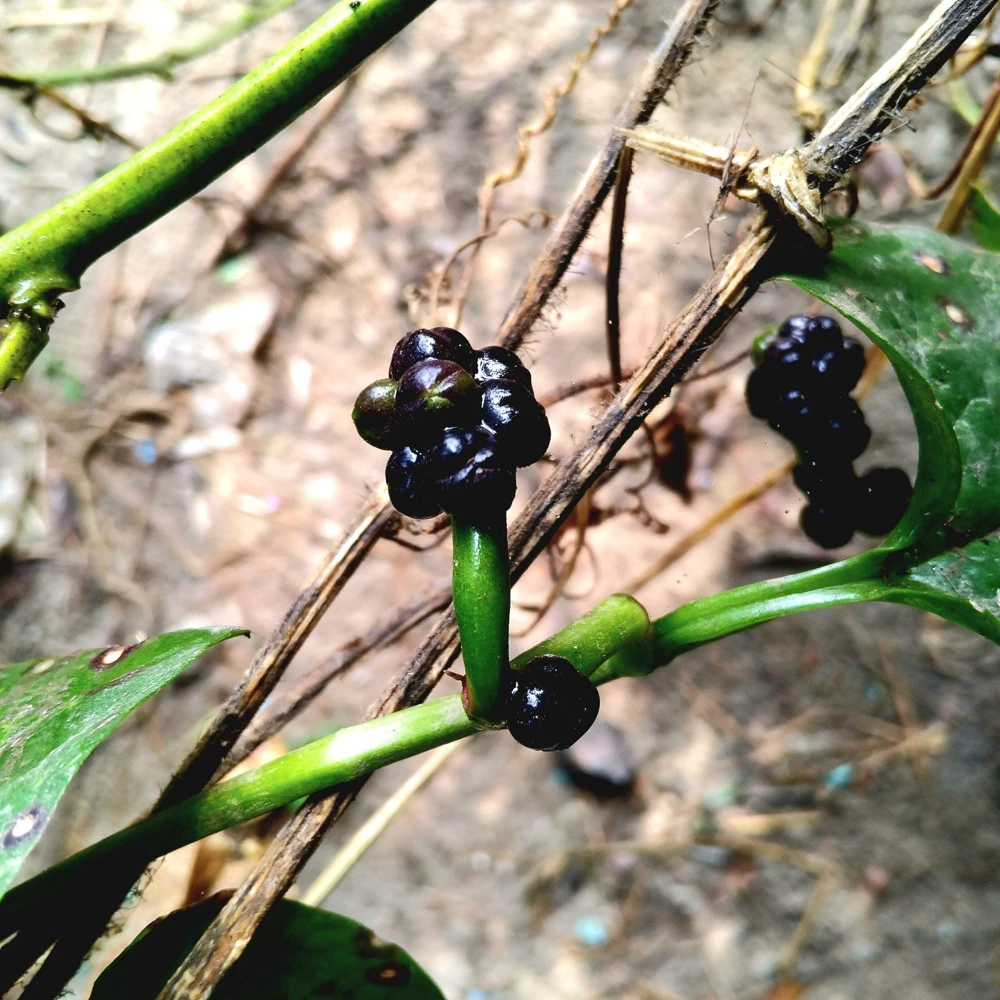
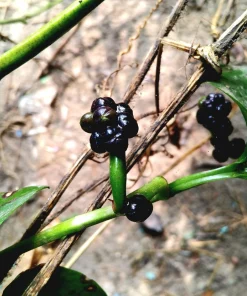
This package contains 50 Ceylon Basella Alba vegetable seeds, providing ample opportunity to establish a thriving patch of Malabar Spinach in your garden. The seeds are intended for planting to grow into mature vining plants. Once established, Malabar Spinach vines typically grow to a length of 6 to 10 feet, making them ideal for vertical gardening on trellises, fences, or poles. The leaves themselves can vary in size, growing up to 4-6 inches long when mature, though they are often harvested when younger for a more tender texture. This plant has a fast growth rate, with the first harvest usually possible within 50-70 days from sowing these how to grow malabar spinach seeds. It will continue to produce leaves throughout the warm season, often until the first frost. The seeds are small and dark, ensuring a generous quantity in each pack for multiple planting cycles or a larger crop.
Frequently Asked Questions
- Q: How many Malabar Spinach seeds are included in this pack? A: This pack contains 50 Ceylon Basella Alba vegetable seeds, providing a good quantity for planting a significant patch or for multiple plantings throughout the season.
- Q: What is the best time to plant Malabar Spinach seeds? A: The best time to plant malabar spinach seeds is after all danger of frost has passed and soil temperatures have warmed, typically late spring or early summer. You can also start them indoors 4-6 weeks before the last frost.
- Q: How much sunlight does Malabar Spinach need? A: Malabar Spinach thrives in full sun, requiring at least 6-8 hours of direct sunlight daily for optimal growth and yield. It can tolerate partial shade in very hot climates.
- Q: Is Malabar Spinach an indoor or outdoor plant? A: While primarily grown outdoors as a warm-season annual, Malabar Spinach can be grown indoors in a large container with adequate light and support, especially in regions with short growing seasons.
- Q: What kind of soil is best for growing Malabar Spinach? A: Malabar Spinach prefers rich, well-draining soil with a neutral to slightly alkaline pH. Amending the soil with compost or organic matter is highly beneficial.
- Q: How tall does Malabar Spinach grow? A: This vining plant can reach lengths of 6 to 10 feet, requiring a trellis or other support structure to climb. Its vigorous growth is a hallmark of these basella alba seeds.
- Q: Is Malabar Spinach difficult to grow for beginners? A: No, Malabar Spinach is relatively easy to grow and is a great choice for beginners due to its heat tolerance and robust nature. Just ensure it gets enough sun and water.
- Q: Can I harvest leaves continuously from Malabar Spinach? A: Yes, you can continuously harvest leaves from Malabar Spinach. Pinching off the young leaves and growing tips encourages the plant to produce more foliage throughout the growing season.
- Q: How long does it take for Malabar Spinach to mature from seed? A: You can typically start harvesting young, tender leaves from your malabar spinach seeds within 50-70 days of planting.
- Q: What are the culinary uses for Malabar Spinach? A: The leaves of Malabar Spinach are versatile and can be used raw in salads, cooked in stir-fries, soups, curries, or steamed like traditional spinach. It’s a great choice for edible leafy greens seeds.
Be the first to review “50 Malabar Spinach Seeds – Ceylon Basella Alba Vegetable Seeds for Garden”
People Also Viewed
Houseplants

Reviews
There are no reviews yet.