
300 Ruby Red Swiss Chard Seeds – Beta Vulgaris Cicla – Vegetable Seeds
Original price was: $37.99.$17.99Current price is: $17.99.
Cultivate delicious and visually striking ruby red swiss chard seeds in your home garden. These beta vulgaris cicla seeds promise a bountiful harvest of nutritious leaves, also known as perpetual spinach seeds, for continuous enjoyment.
Estimated arrival
Aug 03
Aug 08 - Aug 10
Aug 13 - Aug 17
Shop With Confidence
30-Day Plant Health Guarantee
Arrives damaged? We’ll replace it free — see our return policy.
Responsive Support
Email us anytime, we reply within 1 business day.
Expert Packaging
Temperature-controlled shipping to protect your plants in transit.
Secure Checkout
Pay safely with Visa, Mastercard, PayPal.
Plant Specifications
-
USDA Hardiness Zone
USDA zones 4-10 (as an annual) -
Soil Type
Well-draining, rich in organic matter -
Sunlight Exposure
Full sun to partial shade -
Expected Planting Period
Early spring to late summer
Overview
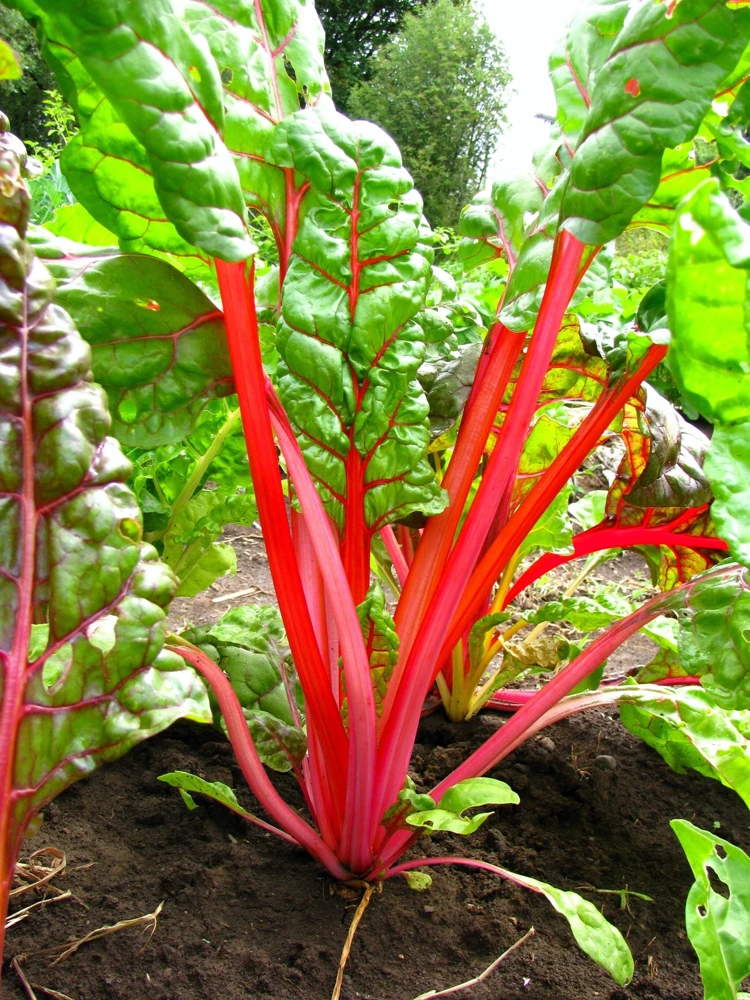
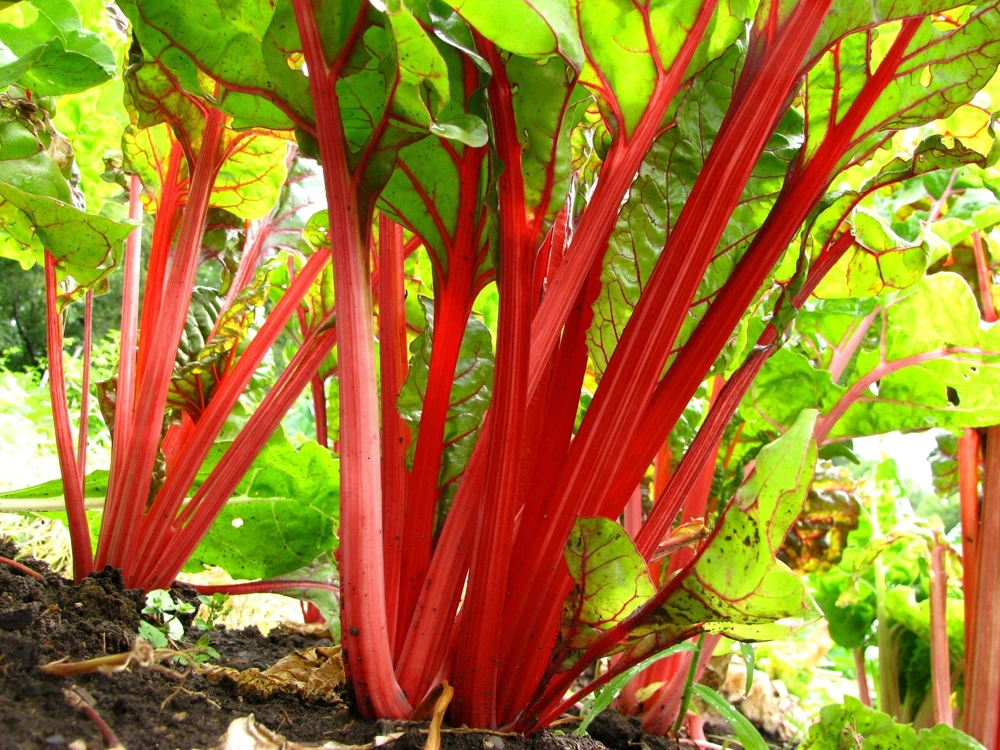
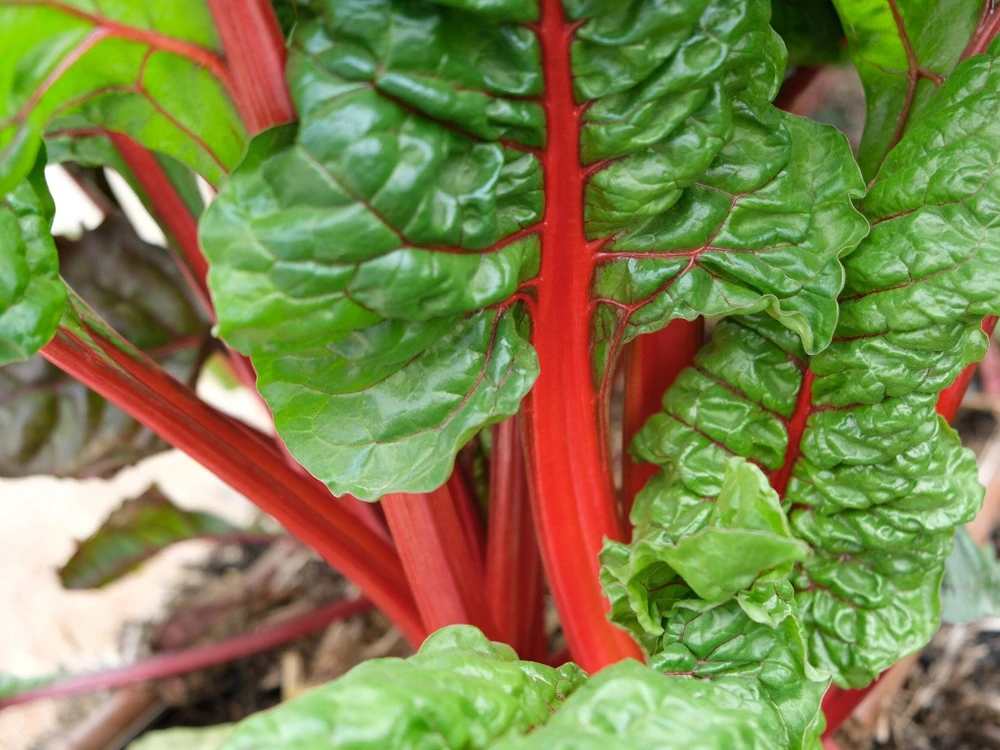
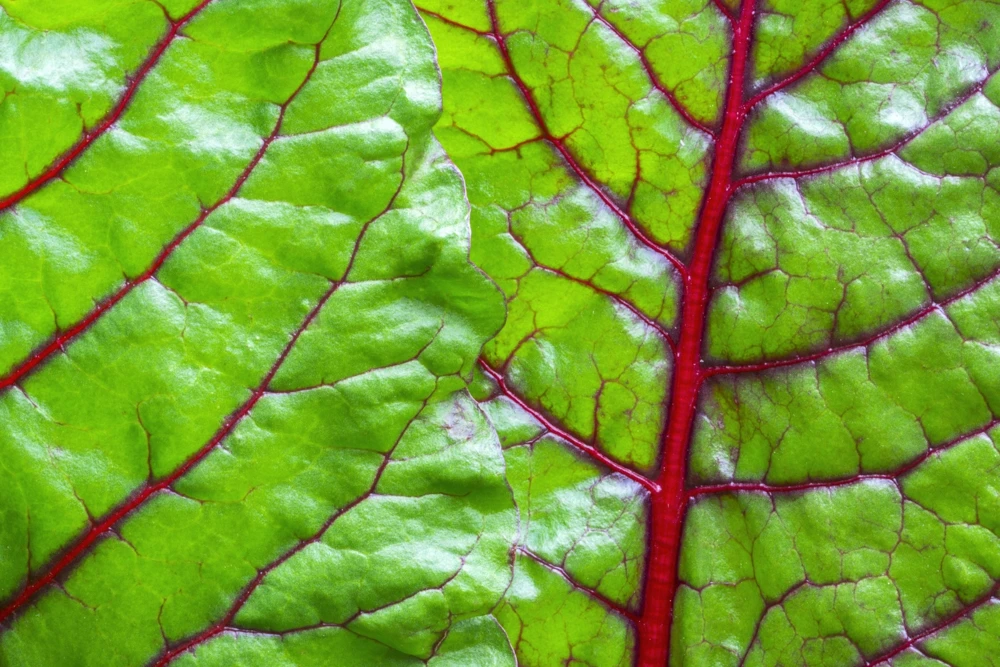
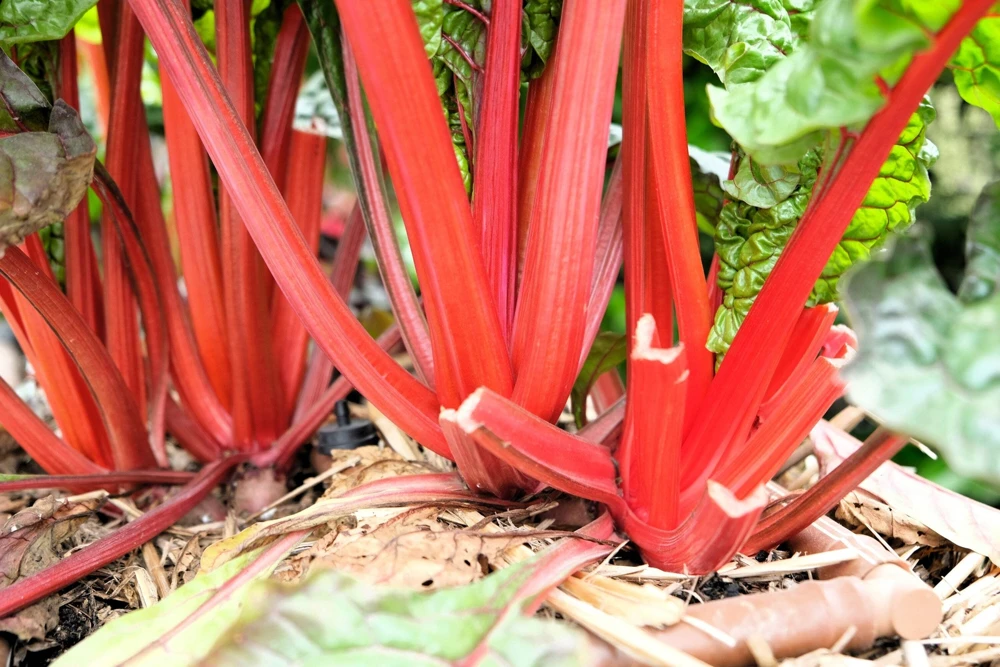
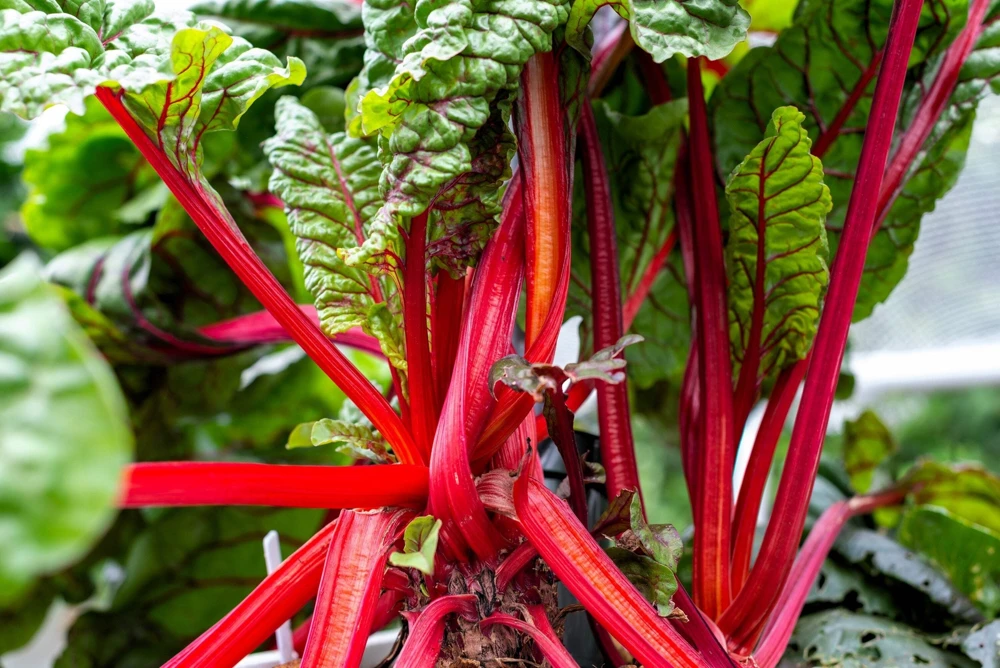
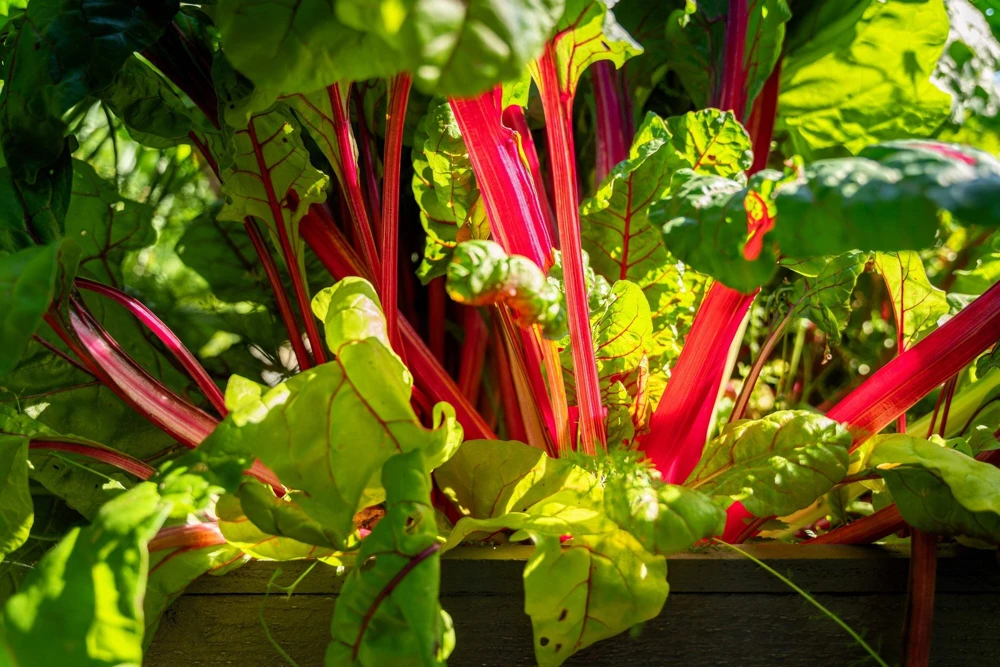
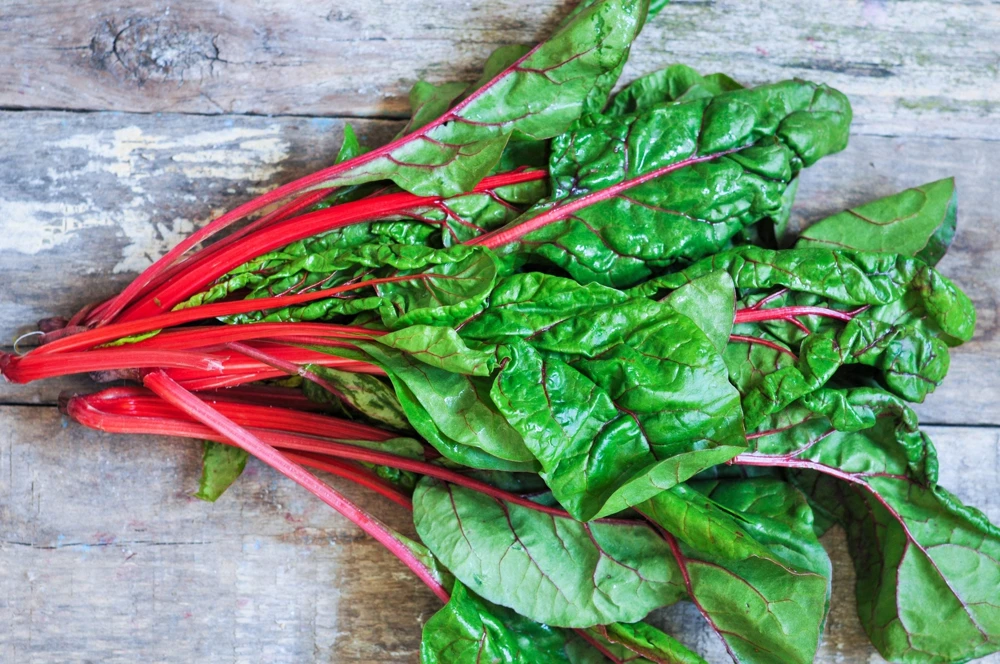
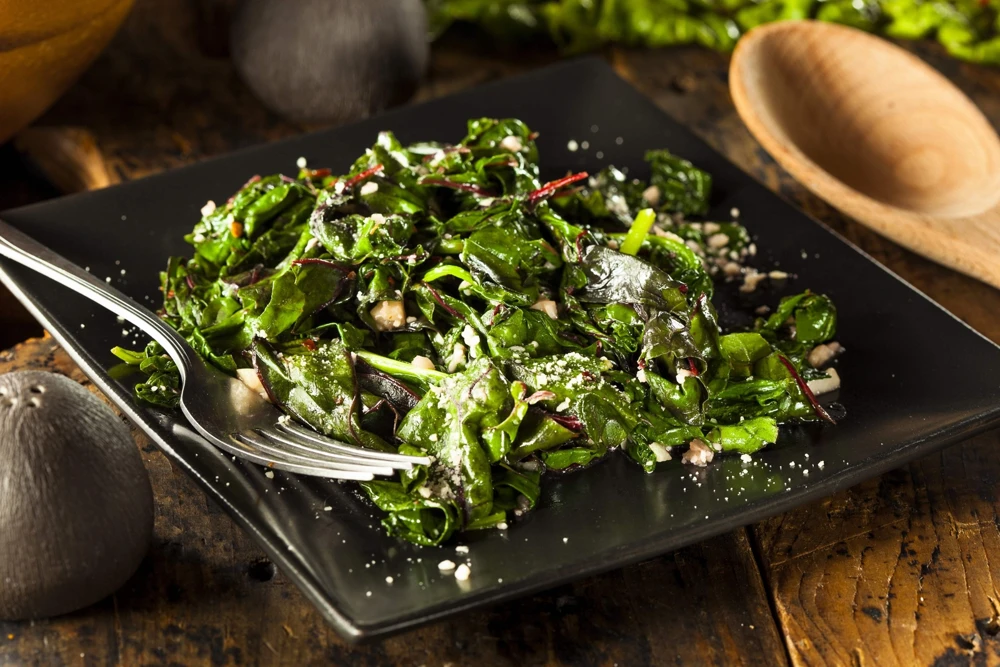
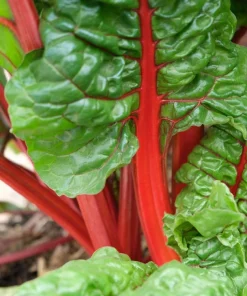
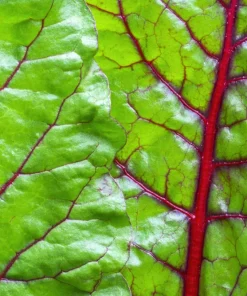
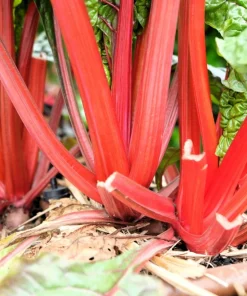
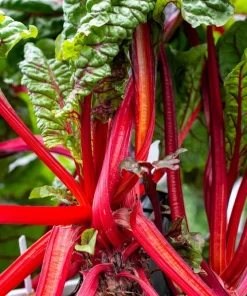
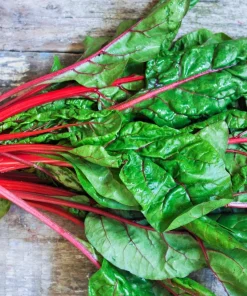
Embark on a rewarding gardening journey with these premium ruby red swiss chard seeds. Known for its vibrant crimson stems and deep green, crinkled leaves, Swiss Chard ‘Ruby Red’ (botanically known as Beta Vulgaris Cicla) is not only a beautiful addition to any garden but also a powerhouse of nutrition. This variety is often referred to as perpetual spinach seeds due to its continuous harvest nature, providing fresh greens throughout the growing season. Perfect for both novice and experienced gardeners, these seeds offer a straightforward path to cultivating a delicious and healthy vegetable that thrives in various climates. With 300 ruby red swiss chard seeds, you’ll have ample opportunity to grow a lush, productive patch that enhances your culinary creations and garden aesthetics.
Growing ruby red swiss chard from seed allows you to experience the full life cycle of this remarkable plant. From tiny seed to mature, harvestable leaves, the process is both educational and deeply satisfying. This particular variety stands out for its ornamental appeal, making it an excellent choice for edible landscaping. Imagine rows of brilliant red stems contrasting with rich green foliage, providing both visual interest and a constant supply of fresh vegetables. Our high-quality red chard vegetable seeds are selected to ensure robust growth and excellent yields, giving you the best chance for a successful harvest.
Key Benefits
Growing your own ruby red swiss chard seeds offers numerous advantages, from culinary versatility to garden beauty and nutritional value. This easy-to-grow vegetable is a must-have for any home gardener.
- Nutritional Powerhouse:Ruby Red Swiss Chard is packed with vitamins A, C, and K, as well as essential minerals like magnesium, potassium, and iron. Incorporating it into your diet can boost overall health and well-being.
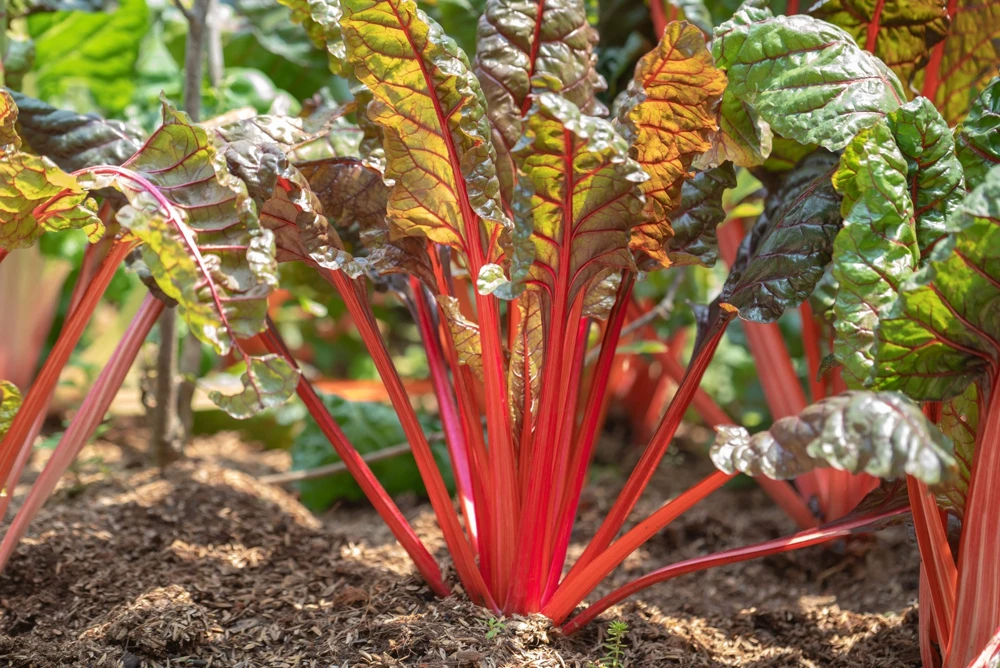
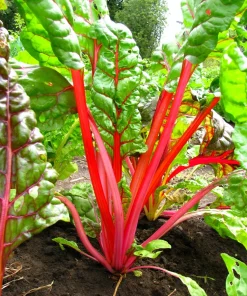
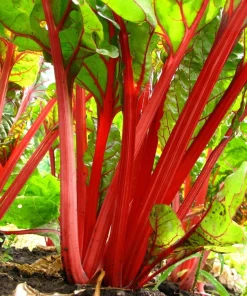
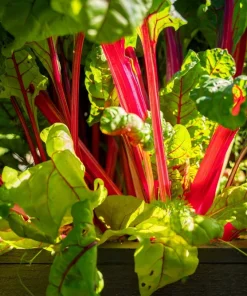
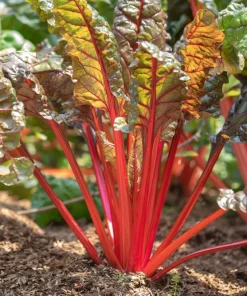
- Stunning Visual Appeal: The vibrant red stems and dark green leaves make this chard an incredibly attractive plant, perfect for adding color and texture to vegetable beds, containers, or even ornamental borders.
- Continuous Harvest: As its alternative name, perpetual spinach seeds, suggests, this chard variety allows for multiple harvests from a single planting. Simply pick the outer leaves, and the plant will continue to produce new growth throughout the season.
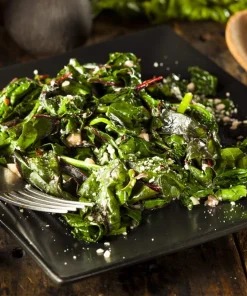
- Versatile Culinary Use: The leaves and stems can be used in a wide array of dishes, from sautéing and steaming to adding raw to salads. Its mild, earthy flavor complements many cuisines, making ruby red swiss chard a flexible ingredient.
- Relatively Easy to Grow: Swiss chard is known for its resilience and adaptability, making it an excellent choice for gardeners of all skill levels. It tolerates a range of soil conditions and can withstand some heat and light frost.
- Space-Efficient: Even with its generous leaf production, ruby red swiss chard doesn’t require vast amounts of space, making it suitable for smaller gardens or container planting.
- Pest and Disease Resistance: This variety generally exhibits good resistance to common garden pests and diseases, requiring less intervention and making the growing process smoother.
Plant Care & Growing Tips
Successfully cultivating ruby red swiss chard seeds begins with proper planting and attentive care. Swiss chard is a relatively forgiving plant, but understanding its basic needs will ensure a bountiful harvest of delicious leaves. To grow swiss chard from seed effectively, consider starting seeds indoors for an early crop or directly sowing them into the garden once the danger of hard frost has passed.
For optimal growth, ruby red swiss chard prefers full sun to partial shade. In hotter climates, some afternoon shade can prevent bolting and extend the harvesting period. The soil should be well-draining, rich in organic matter, and have a pH between 6.0 and 6.8. Before planting your beta vulgaris cicla seeds, amend the soil with compost or well-rotted manure to provide essential nutrients. Sow seeds about ½ inch deep and 2-4 inches apart in rows 18-24 inches apart. Once seedlings emerge, thin them to 6-12 inches apart to allow for proper air circulation and growth. Consistent moisture is crucial for tender, flavorful leaves; aim for about 1 inch of water per week, either from rainfall or irrigation. Avoid letting the soil dry out completely, as this can lead to tough, bitter leaves.
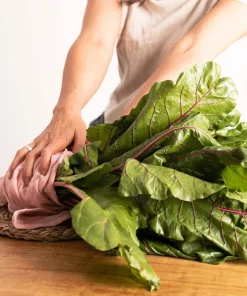
Fertilize ruby red swiss chard every 4-6 weeks with a balanced organic fertilizer, especially if you are continuously harvesting. Regular feeding supports vigorous growth and ensures a steady supply of nutrients for the plant. Protect young plants from extreme cold with row covers if unseasonal frosts are expected. While generally pest-resistant, keep an eye out for common garden pests like aphids or leaf miners and address them with organic solutions if necessary. Harvesting can begin when leaves are 6-8 inches tall, typically 50-60 days after planting your red chard vegetable seeds. Pick outer leaves, allowing the inner leaves to continue growing, which is why it’s also known as perpetual spinach seeds. This method ensures a continuous supply of fresh greens for your kitchen.
Size & Details
This offering includes approximately 300 ruby red swiss chard seeds, providing a generous quantity for planting a substantial garden bed or multiple successions. Each seed is carefully selected to ensure high germination rates and robust plant development. Mature ruby red swiss chard plants typically reach a height of 18-24 inches and spread about 12-18 inches wide, forming a compact yet productive bush of vibrant foliage. The stems are a striking ruby red, complementing the deep green, slightly crinkled leaves.
These beta vulgaris cicla seeds are suitable for planting in a variety of garden settings, including raised beds, in-ground gardens, and large containers. The growth rate is moderate, with initial harvests possible in about 50-60 days from sowing. The plants are known for their ‘cut-and-come-again’ nature, allowing for continuous harvesting throughout the growing season, often from spring through fall, and even into mild winters. Expect a consistent supply of fresh, tender leaves and stems, perfect for culinary use. The seeds are packaged to maintain viability and are ready for planting upon arrival, ensuring you can easily grow swiss chard from seed.
Frequently Asked Questions
- Q: How many ruby red swiss chard seeds are included in this pack? A: This pack contains approximately 300 ruby red swiss chard seeds, providing a generous quantity for multiple plantings or a large garden area.
- Q: Is ruby red swiss chard an indoor or outdoor plant? A: Ruby Red Swiss Chard is primarily an outdoor plant, thriving in garden beds or large containers. It can be grown indoors in very large pots with adequate light, but typically performs best outdoors.
- Q: How much sunlight does ruby red swiss chard need? A: Swiss chard prefers full sun (6+ hours) to partial shade (4-6 hours). In hotter climates, some afternoon shade can help prevent bolting and extend the harvest.
- Q: Is this plant easy to care for, especially for beginners? A: Yes, ruby red swiss chard is considered an easy-to-grow vegetable, making it an excellent choice for beginner gardeners. It’s resilient and adaptable to various conditions.
- Q: What condition will the seeds arrive in? A: The ruby red swiss chard seeds will arrive in a sealed packet, ensuring their freshness and viability for planting. They are ready to be sown directly into your garden or started indoors.
- Q: Can I use ruby red swiss chard in cooking? A: Absolutely! Ruby Red Swiss Chard is highly versatile in the kitchen. Both the leaves and stems can be sautéed, steamed, added to soups, stir-fries, or enjoyed raw in salads.
- Q: How long until I can harvest the chard after planting these beta vulgaris cicla seeds? A: You can typically start harvesting the outer leaves of your ruby red swiss chard in about 50-60 days after sowing the seeds. Regular harvesting encourages more growth.
- Q: What’s the best time to plant these red chard vegetable seeds? A: The ideal time to plant red chard vegetable seeds is in early spring for a summer harvest, or in late summer for a fall and early winter harvest. It can tolerate light frost.
- Q: What type of soil is best for growing ruby red swiss chard? A: Ruby Red Swiss Chard thrives in well-draining soil that is rich in organic matter. A pH between 6.0 and 6.8 is ideal for optimal growth.
- Q: Is this plant known by any other names? A: Yes, ruby red swiss chard is also commonly known as perpetual spinach seeds due to its ability to produce multiple harvests from the same plant, and sometimes simply as red chard.
Be the first to review “300 Ruby Red Swiss Chard Seeds – Beta Vulgaris Cicla – Vegetable Seeds”
People Also Viewed


Reviews
There are no reviews yet.