





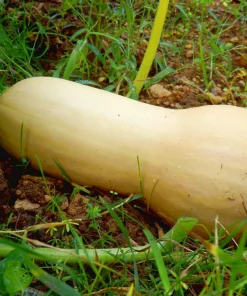
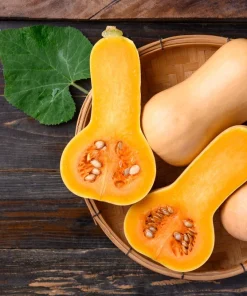
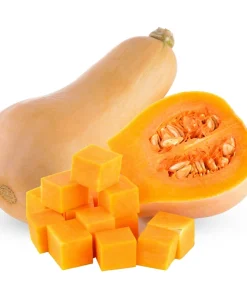




50 Waltham Butternut Squash Seeds – Winter Cucurbita Moschata Vegetable
Original price was: $37.99.$17.99Current price is: $17.99.
Cultivate robust and flavorful Waltham Butternut Squash seeds in your home garden. These winter squash seeds are perfect for growing delicious, nutritious vegetables, offering a rewarding harvest experience.
Estimated arrival
Sep 18
Sep 23 - Sep 25
Sep 28 - Oct 02
Shop With Confidence
30-Day Plant Health Guarantee
Arrives damaged? We’ll replace it free — see our return policy.
Responsive Support
Email us anytime, we reply within 1 business day.
Expert Packaging
Temperature-controlled shipping to protect your plants in transit.
Secure Checkout
Pay safely with Visa, Mastercard, PayPal.
Plant Specifications
-
USDA Hardiness Zone
USDA zones 3-10 -
Soil Type
Well-draining, fertile loam -
Sunlight Exposure
Full sun (6-8+ hours) -
Expected Planting Period
Late spring to early summer
Overview
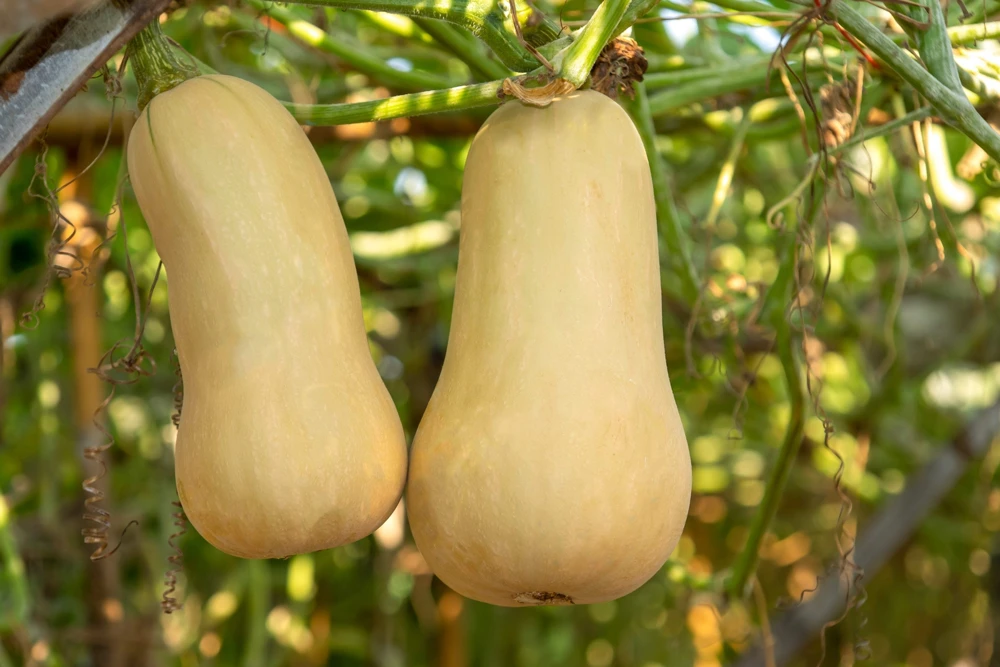
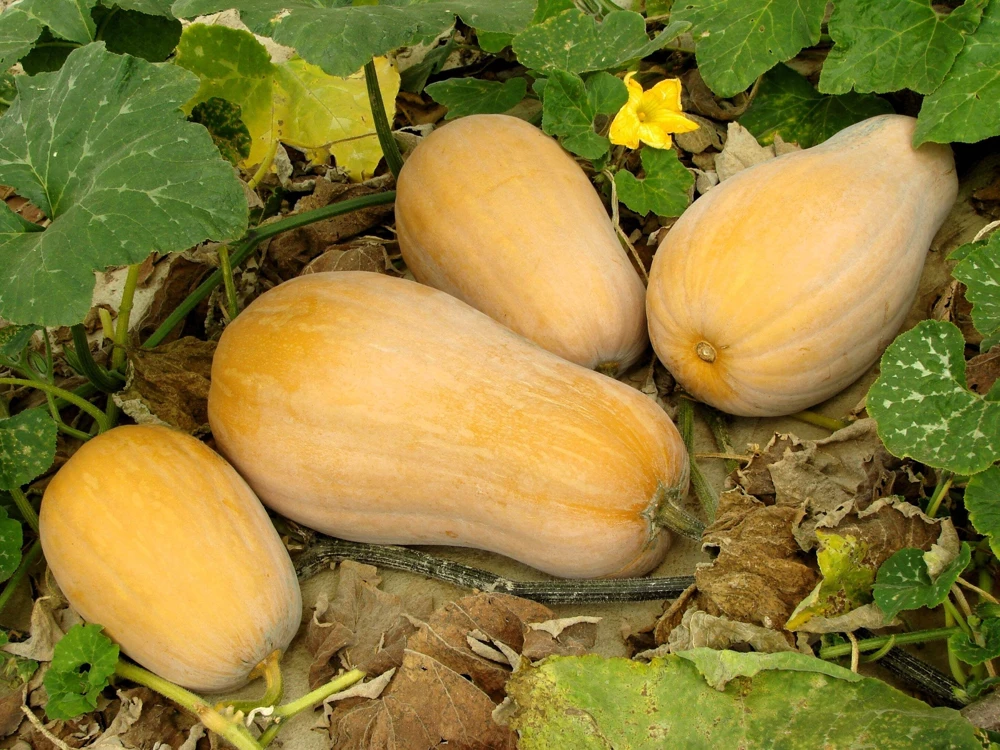
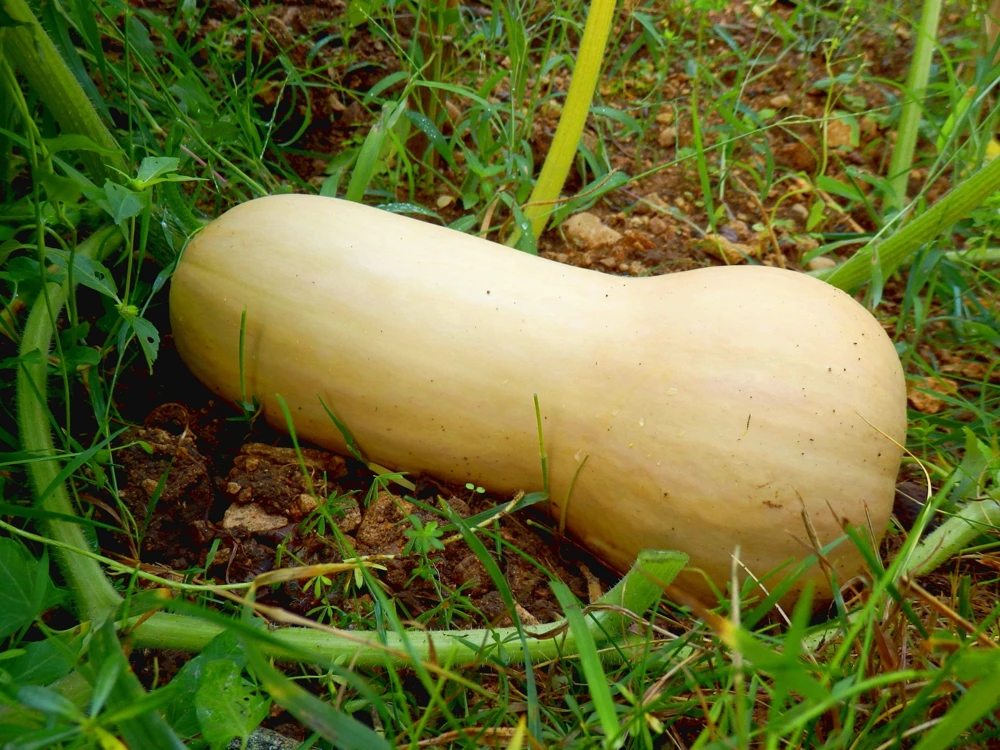
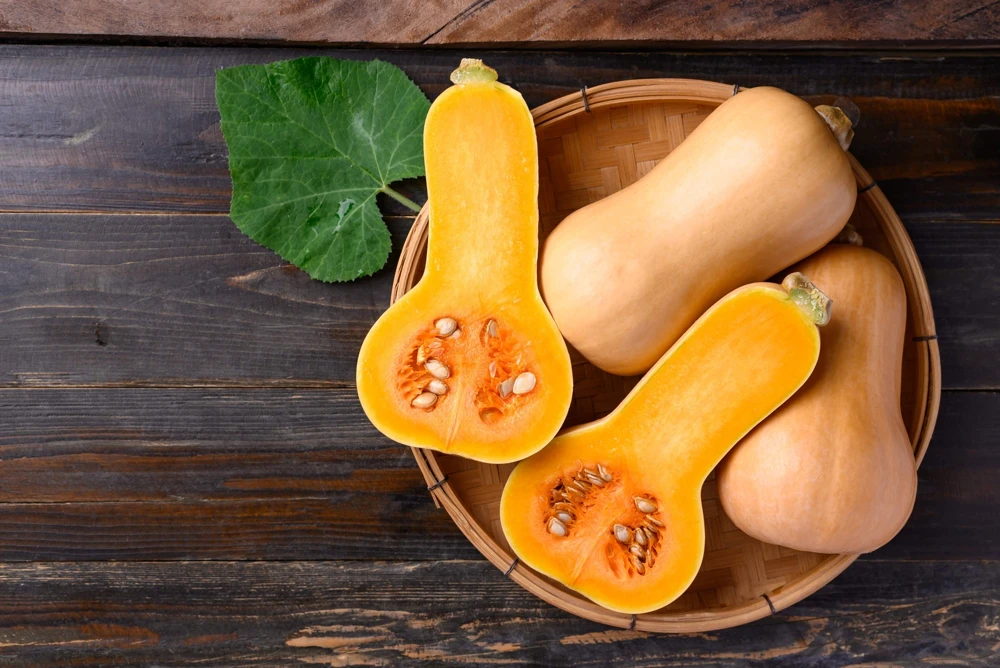
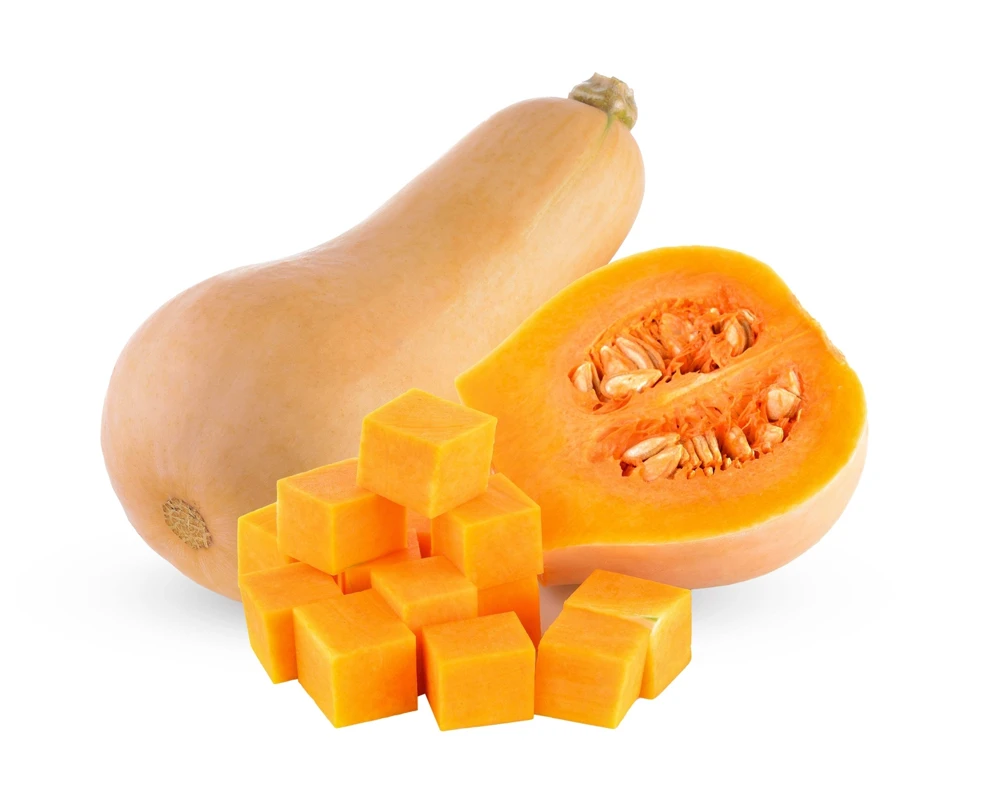
Embark on a rewarding gardening journey with our premium Waltham Butternut Squash seeds. This classic winter squash, scientifically known as Cucurbita moschata, is celebrated for its sweet, nutty flavor and smooth texture, making it a favorite for roasting, soups, and purees. Growing your own Waltham Butternut Squash seeds allows you to enjoy fresh, organic produce right from your backyard. These seeds promise a bountiful harvest of uniform, tan-skinned, pear-shaped squash that stores exceptionally well through the colder months, providing wholesome meals long after the growing season ends. Whether you are an experienced gardener or just starting, these high-quality seeds are an excellent choice for a productive and delicious yield.
The Waltham Butternut variety is particularly esteemed for its disease resistance and reliable performance, ensuring a successful crop. Each packet contains 50 Waltham Butternut Squash seeds, providing ample opportunity to cultivate a thriving patch of this beloved winter vegetable. Discover the joy of gardening and the unparalleled taste of homegrown squash with these exceptional seeds.
Key Benefits
Cultivating winter squash seeds offers numerous advantages for both your garden and your kitchen. These benefits extend beyond just fresh produce, enriching your lifestyle and culinary endeavors.
- Abundant Harvest: Each plant grown from our Waltham Butternut Squash seeds yields multiple large, flavorful squash, ensuring a plentiful supply for your family and friends throughout the fall and winter.
- Exceptional Flavor & Nutrition: Enjoy the rich, sweet, and nutty taste of homegrown butternut squash, packed with essential vitamins, minerals, and dietary fiber, making it a healthy addition to any meal.
- Long Storage Life: One of the most significant advantages of this variety is its excellent storage capability. Properly cured Waltham Butternut Squash can be stored for several months in a cool, dry place, providing fresh vegetables during the colder seasons.
- Versatile Culinary Use: From creamy soups and hearty stews to roasted side dishes and baked goods, the versatility of this squash makes it a kitchen staple. Explore countless recipes with your fresh harvest.
- Disease Resistance: The Waltham Butternut variety is known for its robust nature and resistance to common squash diseases, ensuring a more reliable and successful growing experience for gardeners of all levels.
- Supports Local Ecosystem: Growing your own vegetables, including these Cucurbita moschata seeds, contributes to biodiversity and supports pollinators in your local environment, fostering a healthier garden ecosystem.
- Gardening Satisfaction: Experience the profound satisfaction of nurturing plants from seed to harvest. There’s nothing quite like serving dishes made with vegetables you’ve grown yourself, especially when using high-quality Waltham Butternut Squash seeds.
Plant Care & Growing Tips
Successfully growing Waltham Butternut Squash seeds requires attention to a few key factors to ensure a bountiful and healthy harvest. Start by selecting a site that receives full sun, meaning at least 6-8 hours of direct sunlight per day. Butternut squash are warm-season crops and thrive in well-draining, fertile soil rich in organic matter. Amend heavy clay soils with compost or well-rotted manure to improve drainage and nutrient content. The ideal soil pH for growing winter squash seeds ranges from 6.0 to 7.0.
Plant Cucurbita moschata seeds directly into the garden after all danger of frost has passed and the soil temperature has reached at least 65°F (18°C). Sow seeds about 1 inch deep and 3-4 feet apart in rows, or in hills of 3-5 seeds, with hills spaced 4-6 feet apart. Thin seedlings to 2-3 strong plants per hill once they have developed a few true leaves. Consistent watering is crucial, especially during flowering and fruit development. Aim for about 1 inch of water per week, either from rainfall or irrigation. Avoid overhead watering to prevent fungal diseases; instead, water at the base of the plants. Fertilize every 3-4 weeks with a balanced organic fertilizer, ensuring adequate nutrients for the vigorous growth of your Waltham Butternut Squash seeds. Keep the area weed-free to reduce competition for nutrients and water. Watch for common pests like squash bugs and vine borers, and address them promptly with organic pest control methods if necessary. Harvest when the squash skin is hard and uniformly tan, and the stem is dry and woody, typically 85-100 days after planting. Cure the harvested squash in a warm, sunny spot for 7-10 days to enhance flavor and prolong storage life.
Size & Details
These Waltham Butternut Squash seeds will mature into robust plants producing medium to large, pear-shaped squash. Each fruit typically weighs between 2-3 pounds and measures approximately 8-10 inches in length, with a diameter of 4-5 inches at the base. The vines are vigorous and can spread up to 6-8 feet, requiring ample space or trellising for optimal growth. The seeds are provided in a packet containing 50 individual seeds, ensuring a generous planting quantity for most home gardens. Expect a harvest approximately 85-100 days after planting, with the best yields occurring in late summer to early fall. The squash flesh is a deep orange, indicative of its high beta-carotene content, and offers a sweet, rich flavor. This variety is known for its uniform fruit size and excellent storage qualities, making it a reliable choice for gardeners seeking delicious and long-lasting winter squash.
Frequently Asked Questions
- Q: How big do Waltham Butternut Squash plants get? A: Waltham Butternut Squash plants are vigorous vining types. Their vines can spread extensively, typically reaching lengths of 6 to 8 feet, so ensure they have plenty of room or a sturdy trellis to climb.
- Q: How much sunlight does Waltham Butternut Squash need? A: For optimal growth and fruit production, Waltham Butternut Squash seeds require full sun, meaning at least 6 to 8 hours of direct sunlight per day. This ensures the fruits ripen properly and develop their full flavor.
- Q: Is this plant easy to care for? A: Waltham Butternut Squash is generally considered easy to grow, making it suitable for both beginner and experienced gardeners. Consistent watering, good soil, and adequate sunlight are key to a successful harvest.
- Q: When is the best time to plant Waltham Butternut Squash seeds? A: The best time to plant winter squash seeds is after the last danger of frost has passed in your region, typically in late spring or early summer, when soil temperatures have warmed to at least 65°F (18°C).
- Q: How long does it take for Waltham Butternut Squash to mature? A: From planting the Cucurbita moschata seeds, Waltham Butternut Squash typically takes about 85 to 100 days to reach maturity and be ready for harvest.
- Q: Can I grow Waltham Butternut Squash in containers? A: While possible, Waltham Butternut Squash vines are quite large, so they require very large containers (at least 15-20 gallons) and strong support for the vines and fruits. Compact bush varieties are generally better suited for container gardening.
- Q: How do I know when to harvest my Waltham Butternut Squash? A: Harvest when the squash skin is uniformly tan and hard, and the stem connecting the squash to the vine has dried and become woody. A good test is if you can’t easily pierce the skin with your thumbnail.
- Q: What are the best uses for Waltham Butternut Squash? A: Waltham Butternut Squash is incredibly versatile. It’s excellent for roasting, making soups, purees, baking into pies or muffins, and can be used in various savory and sweet dishes.
- Q: Are these organic butternut squash seeds? A: While this listing specifies high-quality seeds, for specific organic certification, please refer to the product packaging or seller details. However, these seeds are excellent for growing your own delicious produce.
- Q: What USDA zones are suitable for growing Waltham Butternut Squash? A: Waltham Butternut Squash thrives in USDA Hardiness Zones 3-10, as it is a warm-season annual that completes its life cycle within one growing season.
Be the first to review “50 Waltham Butternut Squash Seeds – Winter Cucurbita Moschata Vegetable”
People Also Viewed
Reviews
There are no reviews yet.