
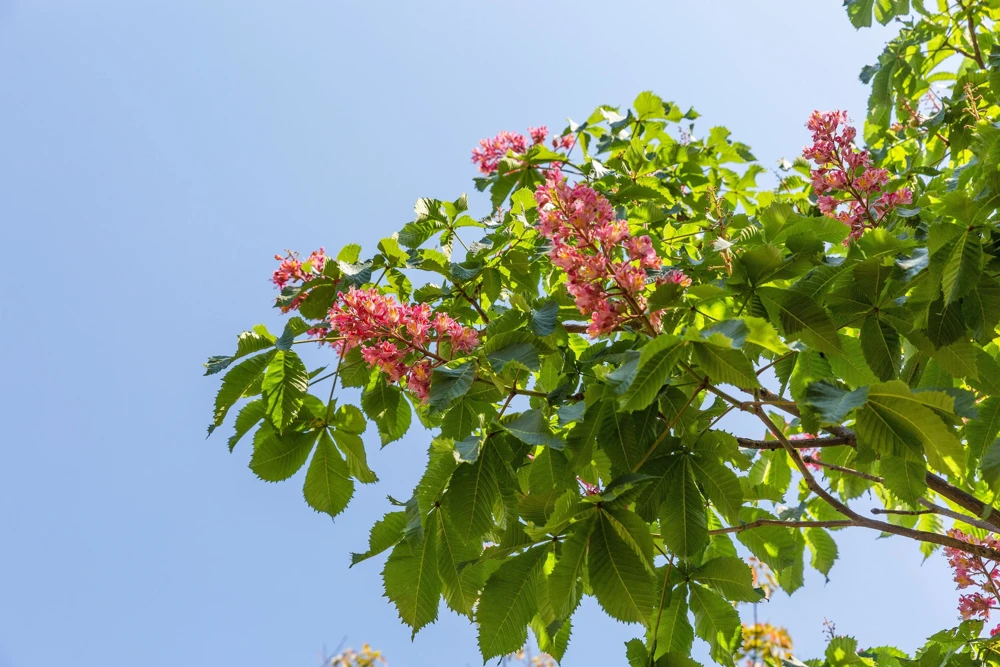
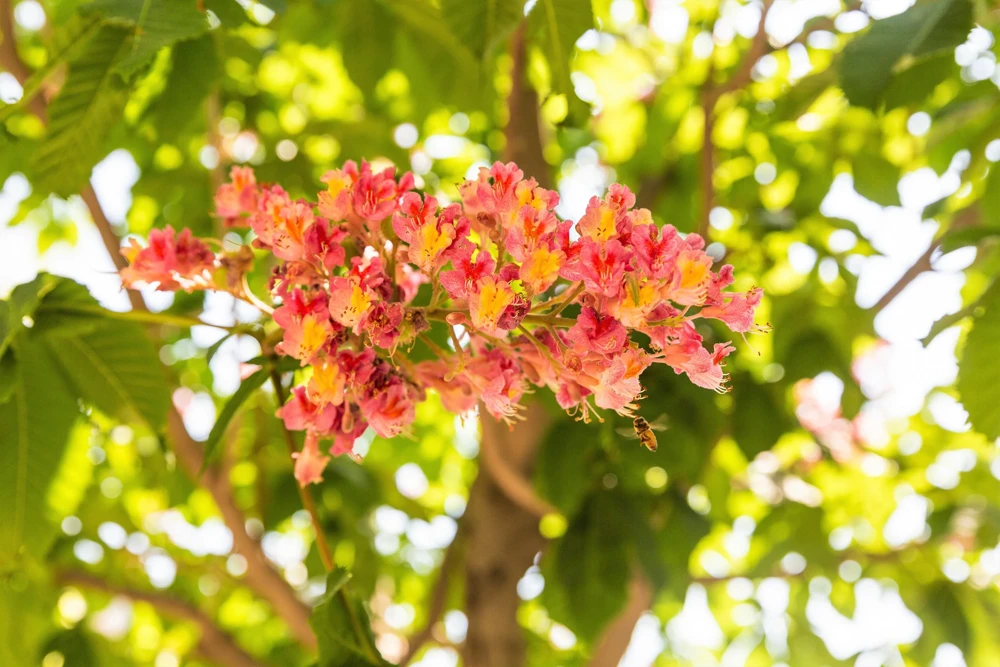
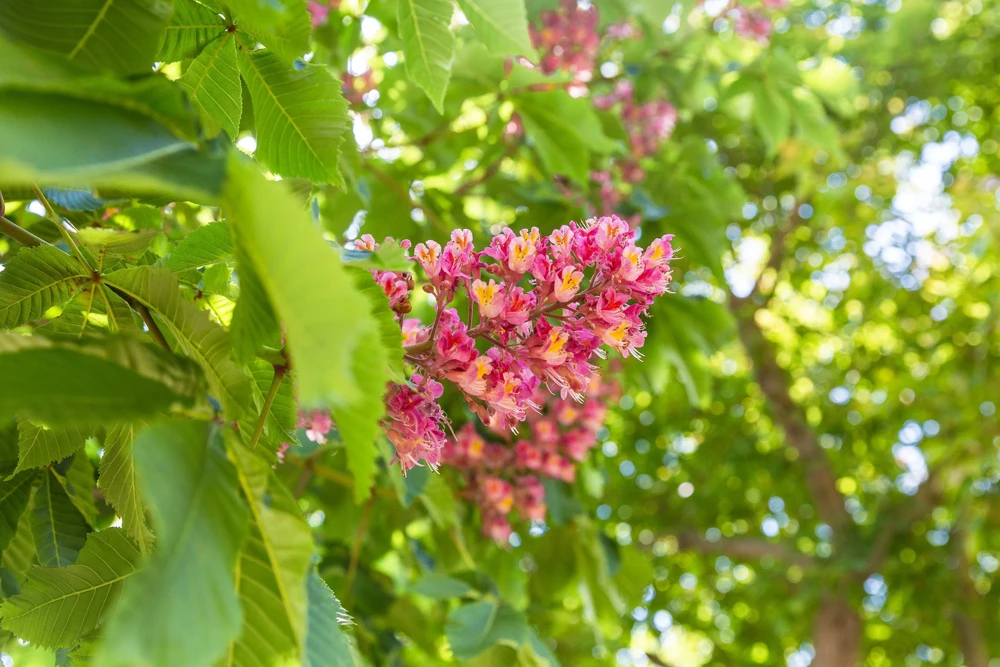
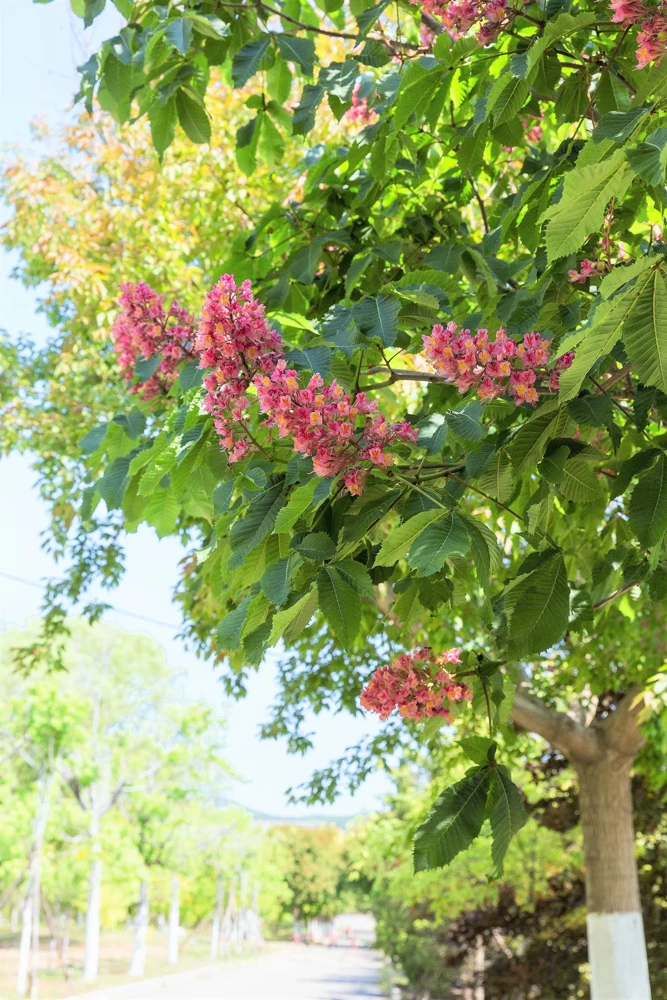
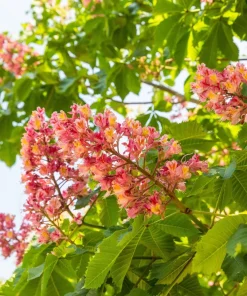
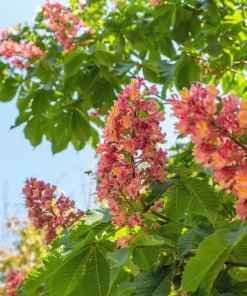
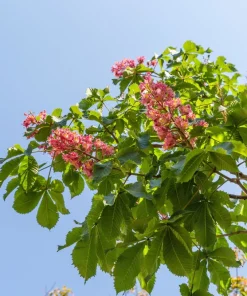
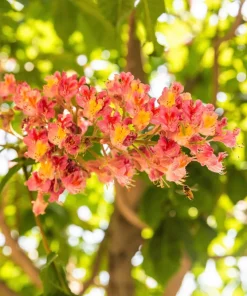
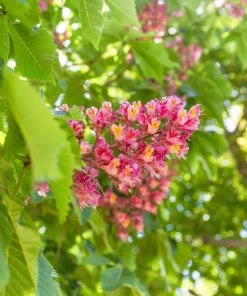
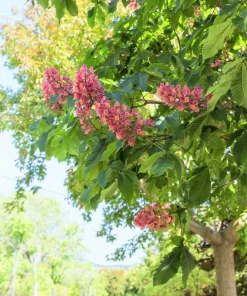
20 East Indian Almond Tree Seeds Terminalia Myriocarpa Hollock Yellow Pink Flower
Original price was: $39.99.$19.99Current price is: $19.99.
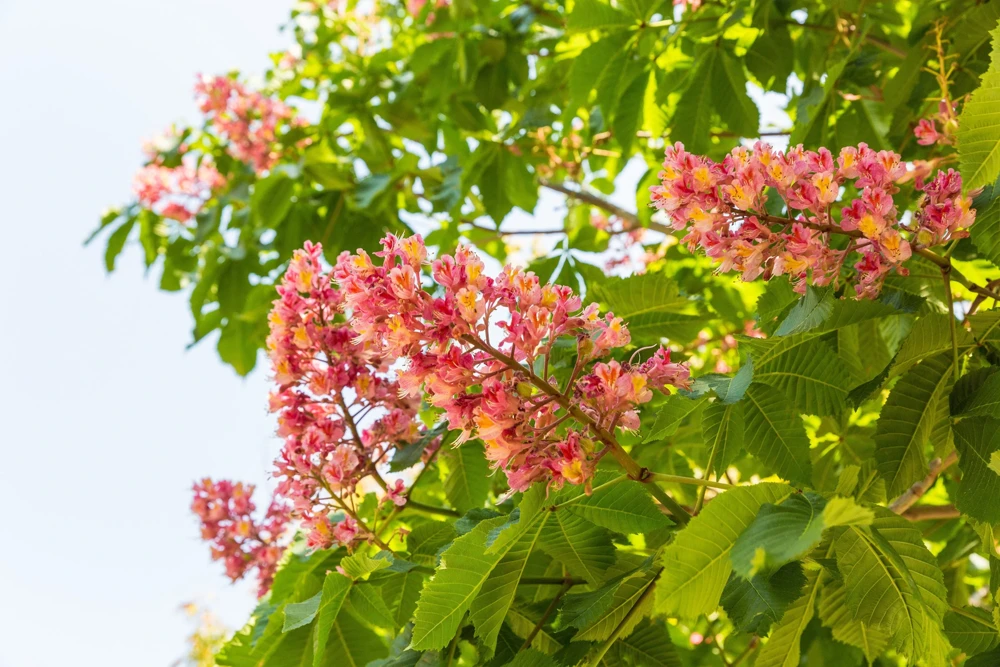
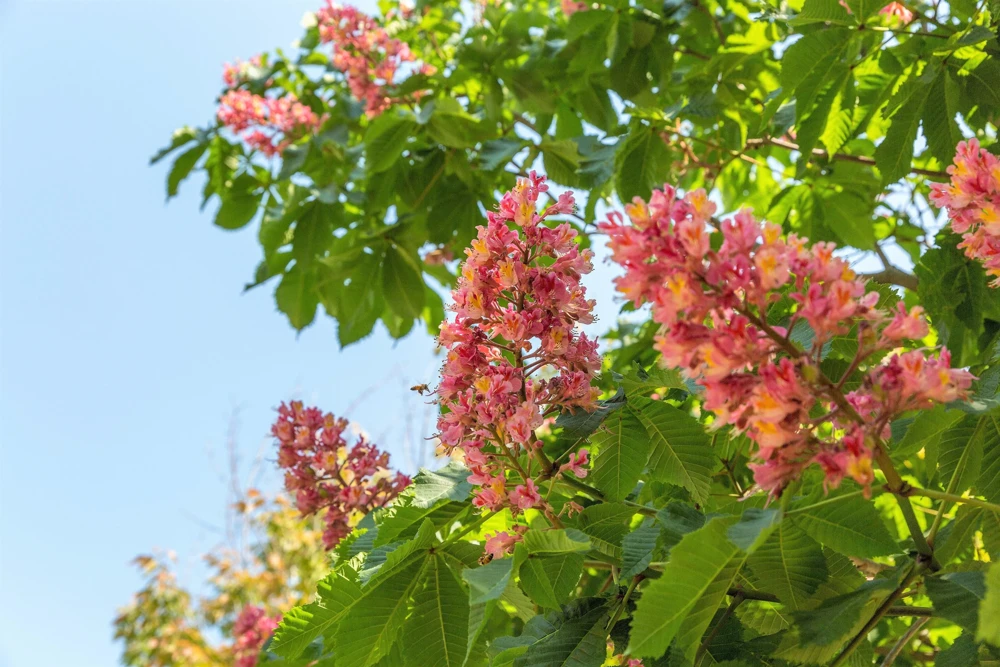
Cultivate a beautiful shade tree with these East Indian Almond Tree seeds. Known botanically as Terminalia Myriocarpa seeds, these seeds will grow into a magnificent tree featuring attractive yellow and pink flowers. Perfect for adding a tropical touch to your landscape.
Estimated arrival
Sep 17
Sep 22 - Sep 24
Sep 27 - Oct 01
Shop With Confidence
30-Day Plant Health Guarantee
Arrives damaged? We’ll replace it free — see our return policy.
Responsive Support
Email us anytime, we reply within 1 business day.
Expert Packaging
Temperature-controlled shipping to protect your plants in transit.
Secure Checkout
Pay safely with Visa, Mastercard, PayPal.
Plant Specifications
-
USDA Hardiness Zone
USDA zones 10-12 (for outdoor planting) -
Soil Type
Well-draining sandy loam soil -
Sunlight Exposure
Full sun -
Expected Planting Period
Year-round in tropical climates; late spring/early summer in subtropical regions
Overview
Embark on a rewarding gardening journey with our premium East Indian Almond Tree seeds. These high-quality seeds, scientifically known as Terminalia Myriocarpa seeds, offer the unique opportunity to cultivate a magnificent tree in your own garden. The East Indian Almond Tree, often referred to as Hollock, is celebrated for its rapid growth and ornamental value, making it a popular choice for landscaping and reforestation projects in tropical and subtropical regions. Originating from Southeast Asia, this tree is not only visually appealing with its distinctive yellow and pink flowers but also provides excellent shade. Growing your own Hollock tree seeds allows you to witness the full life cycle of this impressive botanical specimen, from germination to a mature, towering tree that enhances any outdoor space.
The East Indian Almond Tree is a versatile and resilient species, capable of thriving in various conditions once established. It’s an excellent choice for those looking to add a touch of exotic beauty and ecological benefit to their environment. Whether you’re an experienced horticulturist or a budding enthusiast, these seeds provide a fascinating project and a lasting addition to your landscape. Learn how to grow East Indian Almond trees with ease using our comprehensive guide.
Key Benefits
Cultivating the East Indian Almond Tree from seeds offers a multitude of benefits, transforming your garden into a vibrant, shaded oasis.
- Stunning Ornamental Value: The tree produces delicate yellow and pink flowers, adding a splash of vibrant color and visual interest to your landscape, especially during its blooming season. These blossoms are a beautiful sight and attract pollinators.
- Excellent Shade Provider: With its broad canopy and fast growth rate, the East Indian Almond Tree quickly develops into a robust shade tree, offering relief from the sun and creating comfortable outdoor living spaces.
- Rapid Growth: These Terminalia Myriocarpa seeds are known for their vigorous growth, meaning you won’t have to wait long to see significant development and enjoy the benefits of a maturing tree.
- Ecological Contributions: As a large tree, it provides habitat and food sources for various wildlife, contributing positively to local biodiversity and supporting the ecosystem.
- Resilience and Adaptability: Once established, the East Indian Almond Tree is relatively hardy and can tolerate a range of soil types and environmental conditions, making it a robust choice for many gardeners.
- Unique Foliage: Beyond its flowers, the foliage of the East Indian Almond Tree seeds offers a distinct tropical aesthetic, with large, attractive leaves that contribute to its overall grandeur.
- Sustainable Gardening: Growing trees from seeds is a rewarding and sustainable practice, allowing you to propagate beautiful species and contribute to a greener planet.
Plant Care & Growing Tips
To successfully cultivate your East Indian Almond Tree seeds, understanding their specific care requirements is crucial. These trees thrive in tropical and subtropical climates, preferring warm temperatures and ample sunlight. For optimal germination, sow the seeds in a well-draining, sandy loam soil mix. Prior to planting, it’s often beneficial to scarify the seeds by gently nicking the outer shell or soaking them in warm water for 24-48 hours to encourage germination. Plant the seeds about 1 inch deep in individual pots or a seed tray, ensuring good moisture without waterlogging.
Once germinated, the young seedlings require consistent moisture but are susceptible to root rot if overwatered. Gradually acclimate them to direct sunlight. As they grow, transplant them to a location with full sun exposure, ideally receiving at least 6-8 hours of direct sunlight daily. The Terminalia Myriocarpa seeds will develop into trees that prefer consistently moist, but not soggy, soil. Regular watering is essential during dry periods, especially for young trees. While mature trees can tolerate some drought, consistent moisture will promote healthier and more vigorous growth. Fertilize sparingly with a balanced, slow-release fertilizer during the growing season to support their rapid development. Protecting young trees from strong winds can also aid in their establishment. Understanding how to grow East Indian Almond trees effectively involves patience and attention to these environmental factors.
Size & Details
This package contains 20 East Indian Almond Tree seeds, providing a generous quantity to start your tree cultivation project. Each seed has the potential to grow into a large, impressive tree, typically reaching heights of 50 to 80 feet (approximately 15 to 25 meters) at maturity, with a broad, spreading canopy. The growth rate is generally fast, allowing you to enjoy a substantial tree within a few years under ideal conditions. The trees develop a straight trunk and strong branches, making them excellent choices for shade. These tropical tree seeds are supplied in their raw, natural state, ready for your planting efforts. Expected blooming time for the beautiful yellow and pink flowers will vary depending on climate and growing conditions, but typically occurs once the tree has reached a certain level of maturity, usually within 3-5 years after planting.
Frequently Asked Questions
- Q: How big does this tree get from these 20 East Indian Almond Tree seeds? A: The East Indian Almond Tree is a large species, typically growing to heights of 50 to 80 feet (15 to 25 meters) with a wide, spreading canopy once mature. Its size makes it an excellent shade tree for larger landscapes.
- Q: Is this an indoor or outdoor plant? A: The East Indian Almond Tree is primarily an outdoor tree, best suited for tropical and subtropical climates. Young seedlings can be started indoors in controlled environments before transplanting outside.
- Q: How much sunlight do these Terminalia Myriocarpa seeds need to grow into a tree? A: Once germinated and established, the tree requires full sun exposure, ideally 6-8 hours of direct sunlight per day, to thrive and achieve its full growth potential.
- Q: Is this plant easy to care for? A: While germinating Hollock tree seeds requires some initial care and attention, mature East Indian Almond Trees are relatively low-maintenance and robust, especially in their preferred climates.
- Q: What condition will the seeds arrive in? A: The tropical tree seeds will arrive in a dry, viable state, ready for planting. We recommend following scarification and soaking instructions for best germination results.
- Q: How long until the tree blooms? A: The East Indian Almond Tree typically begins to produce its beautiful yellow and pink flowers once it reaches a certain maturity, usually within 3-5 years after successful planting and growth from seed.
- Q: What’s the best soil type for these seeds? A: These seeds prefer well-draining soil, ideally a sandy loam. Good drainage is crucial to prevent root rot, especially for young seedlings and established trees.
Be the first to review “20 East Indian Almond Tree Seeds Terminalia Myriocarpa Hollock Yellow Pink Flower”
People Also Viewed
Houseplants
Shrubs
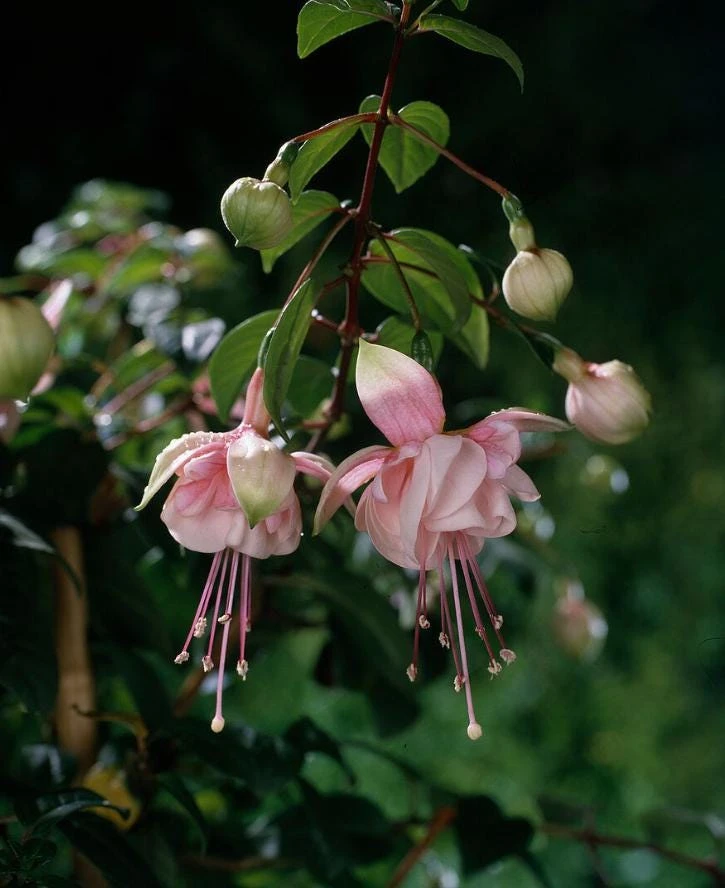
Southgate Fuchsia Live Plant – 5″ Pot – Pink & White Blooms – Attracts Hummingbirds – Outdoor Shrub
Reviews
There are no reviews yet.