



5 Tamarind Tree Seeds – Tamarindus Indica – Grow Your Own Fruit Plant
Original price was: $40.99.$20.99Current price is: $20.99.
Start your own tamarind tree seeds collection and cultivate the exotic tamarindus indica seeds. These seeds allow you to grow a beautiful and productive tamarind plant, bringing a unique tropical flavor to your garden or home.
Estimated arrival
Sep 17
Sep 22 - Sep 24
Sep 27 - Oct 01
Shop With Confidence
30-Day Plant Health Guarantee
Arrives damaged? We’ll replace it free — see our return policy.
Responsive Support
Email us anytime, we reply within 1 business day.
Expert Packaging
Temperature-controlled shipping to protect your plants in transit.
Secure Checkout
Pay safely with Visa, Mastercard, PayPal.
Plant Specifications
-
USDA Hardiness Zone
USDA zones 9-11 (outdoors) or indoors year-round -
Soil Type
Well-draining sandy loam -
Sunlight Exposure
Full sun (6-8+ hours direct light) -
Expected Planting Period
Year-round indoors; spring to early summer outdoors in warm climates
Overview
Embark on a rewarding gardening journey by cultivating your very own tamarind tree seeds. Sourced from the highly sought-after Tamarindus indica species, these seeds offer the exciting opportunity to grow a magnificent fruit-bearing tree right from your home. The tamarind tree, known for its dense foliage and delicious pods, is a staple in many tropical and subtropical regions. Growing your own tamarind tree seeds allows you to experience the full life cycle of this incredible plant, from germination to fruit production. Whether you’re an experienced gardener or just starting, these seeds provide a unique and satisfying project, culminating in fresh, homegrown tamarind fruit.
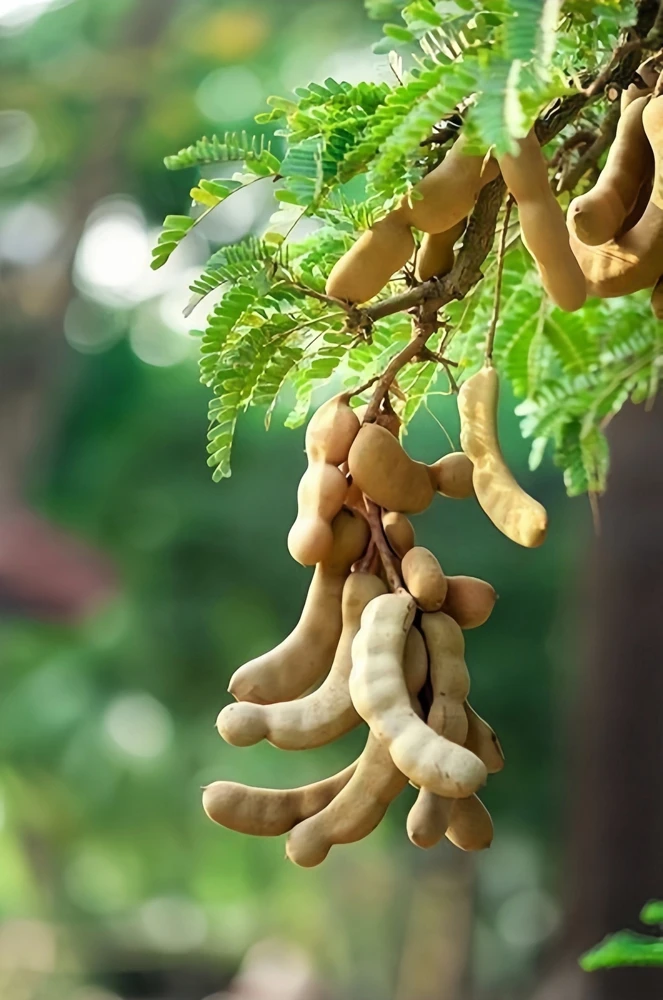
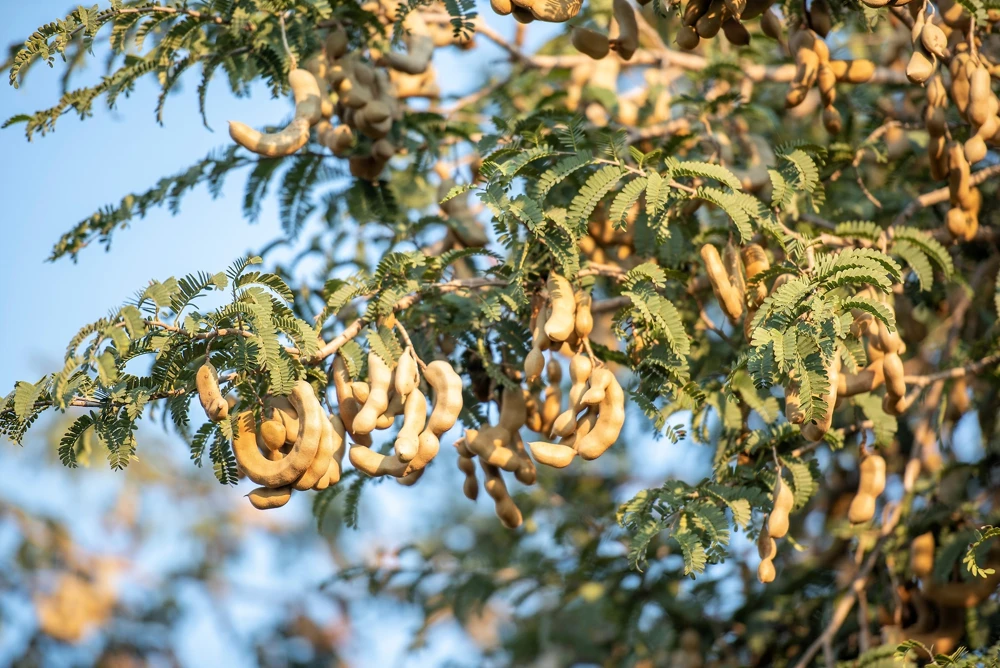
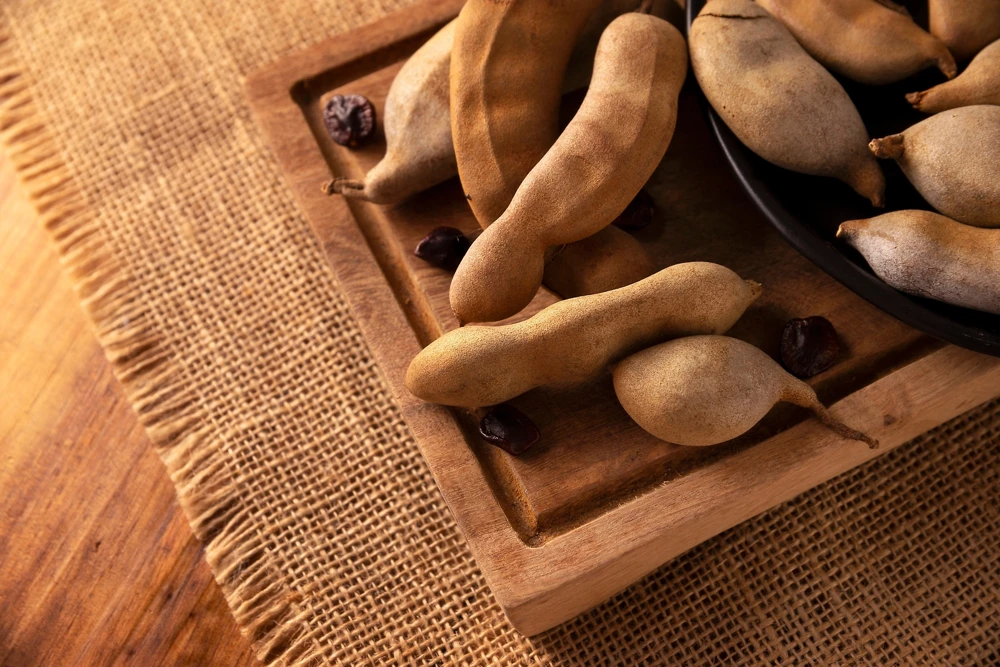
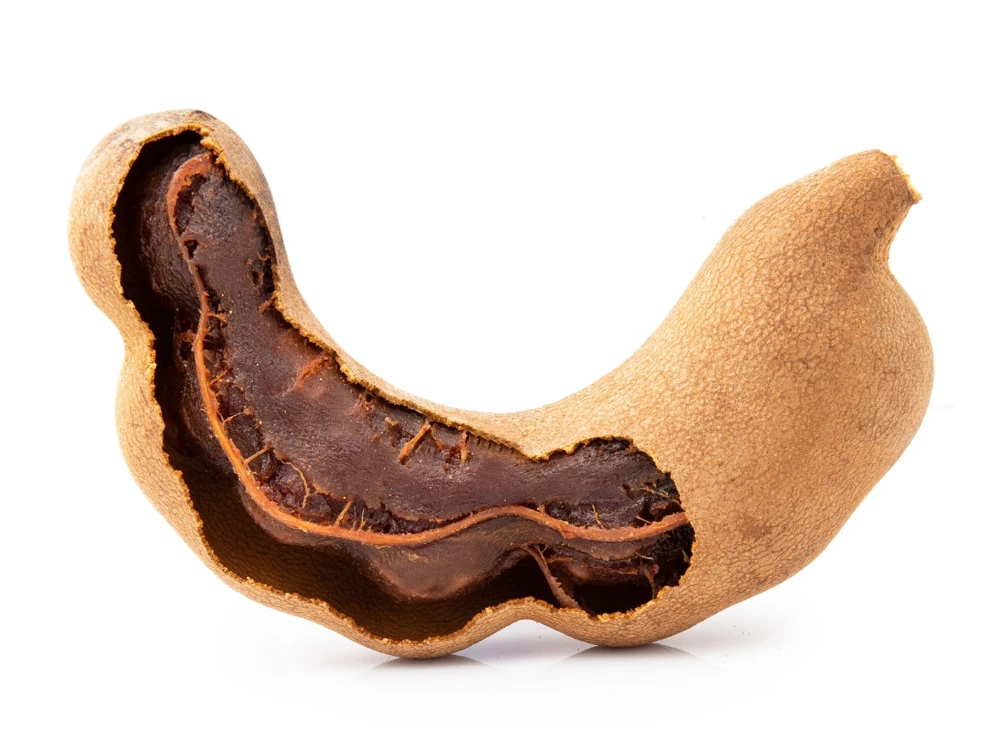
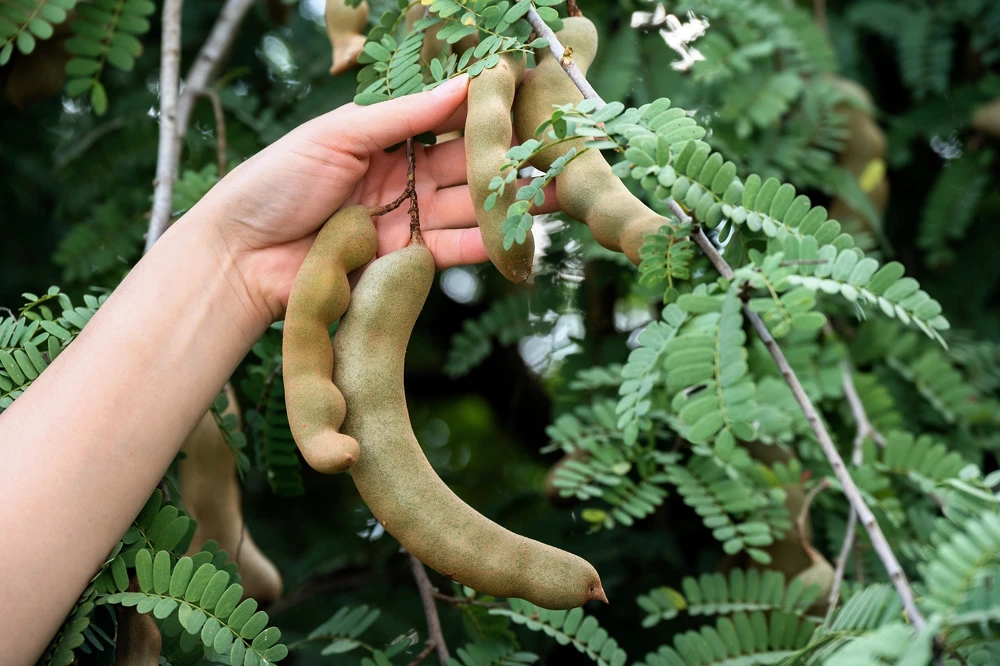
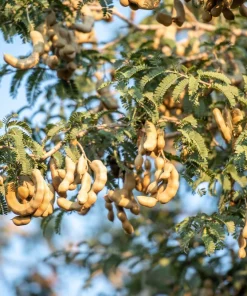
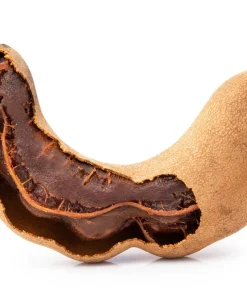
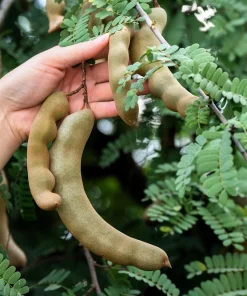
The tamarind tree (Tamarindus indica) is a long-lived, medium-growth tree, which can reach up to 60 feet in height under ideal conditions. It produces distinctive brown, pod-like fruits that contain a sweet-sour pulp, widely used in cuisines around the world, as well as in traditional medicine. By planting these tamarindus indica seeds, you’re not just growing a plant; you’re cultivating a piece of tropical heritage that will provide shade, beauty, and delicious fruit for many years to come. Prepare to be amazed as your tamarind tree seeds transform into a vibrant, productive tree.
Key Benefits
Growing your own tamarind from seed offers a multitude of benefits, from the satisfaction of nurturing a plant to enjoying its delicious harvest. These tamarind tree seeds are an excellent choice for anyone looking to add an exotic touch to their garden or indoor plant collection.
- Exotic Fruit Production: Cultivate your own supply of fresh tamarind fruit, perfect for cooking, beverages, and desserts. The unique sweet and sour flavor is unmatched by store-bought alternatives.
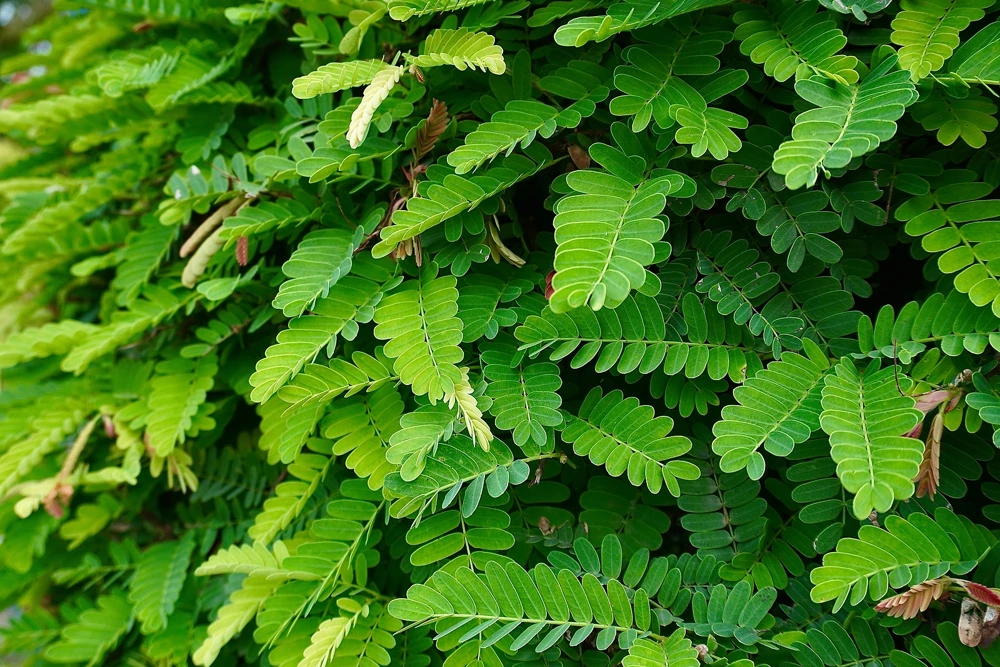
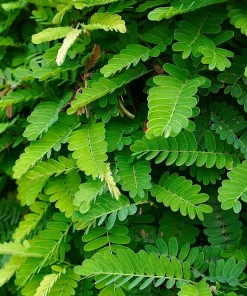
- Beautiful Ornamental Tree: The tamarind tree is not just productive; it’s also highly ornamental, with attractive feathery foliage that provides ample shade and a tropical aesthetic to any landscape.
- Rewarding Growing Experience: Experience the joy and satisfaction of watching a tree grow from a tiny seed. Learning how to grow tamarind from seed is a fulfilling project for gardeners of all levels.
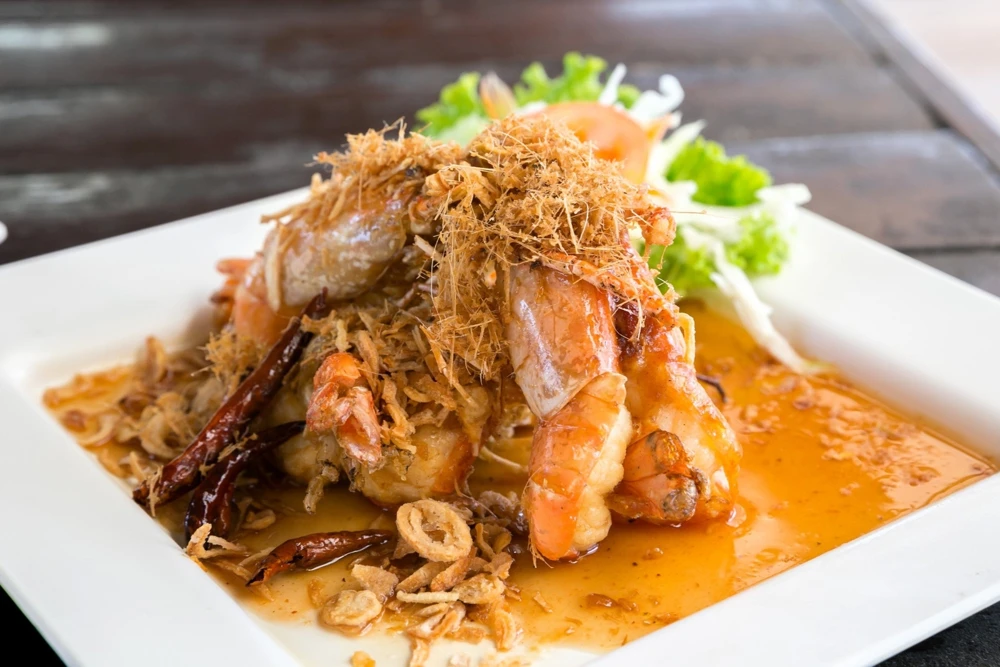
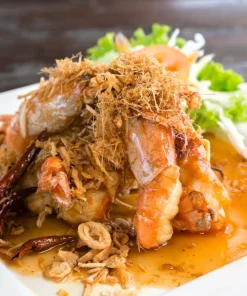
- Culinary Versatility: The pulp from the tamarind fruit is incredibly versatile, used in curries, chutneys, sauces, candies, and refreshing drinks across various global cuisines.
- Potential Health Benefits: Tamarind is known for its rich nutritional profile, including vitamins, minerals, and antioxidants, contributing to a healthy diet.
- Adaptable to Various Settings: While preferring warm climates, tamarindus indica seeds can be grown in containers in cooler regions, allowing for indoor protection during colder months.
- Long-Term Investment: A well-cared-for tamarind tree can live for many decades, providing a continuous supply of fruit and beauty for generations.
Plant Care & Growing Tips
To successfully grow tamarind tree seeds into a thriving plant, understanding its specific care requirements is crucial. Tamarind (Tamarindus indica) thrives in warm, sunny environments, mimicking its native tropical habitat. Before planting, scarify the seeds by gently rubbing them with sandpaper or nicking them with a knife, then soak them in warm water for 24 hours to aid germination. Plant the seeds about 1 inch deep in well-draining soil, ideally in a warm spot with consistent temperatures between 70-85°F (21-29°C).
Once your tamarind plant sprouts, it will require full sun exposure, meaning at least 6-8 hours of direct sunlight daily. If growing indoors, place it near a south-facing window or use grow lights. Water regularly, allowing the top inch of soil to dry out slightly between waterings, but avoid waterlogging. Tamarind trees prefer slightly acidic to neutral soil (pH 6.0-7.0) with good drainage. A sandy loam mix is ideal. Fertilize young trees with a balanced, slow-release fertilizer every 2-3 months during the growing season. As the tree matures, reduce fertilization to twice a year. Protecting young plants from frost is essential; bring container-grown plants indoors if temperatures drop below 40°F (4°C). Learning how to grow tamarind successfully involves patience and attention to these environmental factors.
Pruning should be done to maintain shape and encourage fruit production, typically in late winter or early spring. Watch out for common pests like aphids or scale insects, treating them with organic insecticidal soap if necessary. With proper care, your tamarind tree seeds will develop into a robust tree that can provide delicious fruit for years to come. Understanding tamarind plant care is key to a healthy and productive tree.
Size & Details
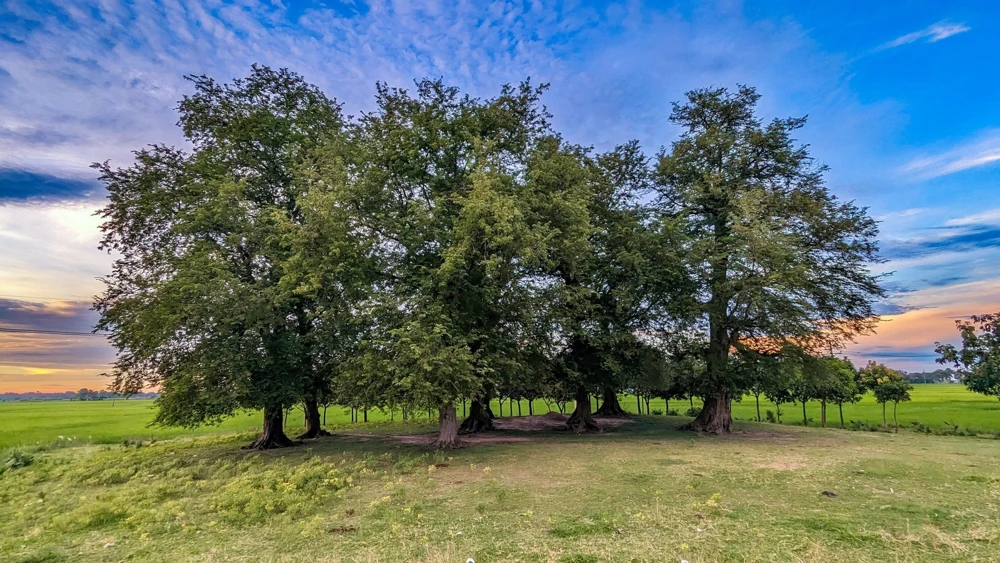
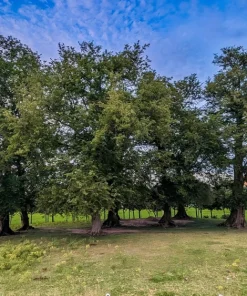
This offering includes 5 tamarind tree seeds of the species Tamarindus indica, ready for planting. Each seed has the potential to grow into a large, majestic tree, though its size can be managed through pruning, especially when grown in containers. In its natural habitat, a tamarind tree can reach heights of 40-60 feet with a spread of 30-50 feet, developing a dense canopy. When grown in a pot, the tree’s size will be significantly more compact, making it suitable for indoor cultivation or smaller outdoor spaces.
The germination period for tamarindus indica seeds typically ranges from 1-3 weeks, depending on environmental conditions and pre-treatment. Young trees exhibit a moderate growth rate. Fruit production usually begins within 3-6 years from seed, reaching full maturity and peak production around 8-12 years. The seeds are shipped in a protective packet to ensure viability upon arrival, providing you with a strong start to cultivate your very own tamarind plant.
Frequently Asked Questions
- Q: How big does a tamarind tree get? A: In its natural outdoor environment, a tamarind tree can grow up to 60 feet tall with a wide canopy. When grown in a container, its size can be managed through pruning, typically staying much smaller, around 6-10 feet.
- Q: What is the best way to germinate tamarind tree seeds? A: To improve germination rates for tamarind tree seeds, lightly scarify the hard outer shell with sandpaper or a file, then soak the seeds in warm water for 24 hours before planting.
- Q: Is this an indoor or outdoor plant? A: Tamarind trees thrive in tropical and subtropical climates and can be grown outdoors in USDA Zones 9-11. In cooler climates, they can be grown indoors in a bright location or as a container plant that is moved inside during winter.
- Q: How much sunlight does a tamarind plant need? A: A tamarind plant requires full sun, meaning at least 6-8 hours of direct sunlight per day, for optimal growth and fruit production.
- Q: Is growing tamarind from seed difficult for beginners? A: While germinating tamarindus indica seeds requires some pre-treatment, the overall care for a tamarind plant is relatively straightforward for beginners, especially with proper sunlight and watering.
- Q: How long until the tamarind tree bears fruit? A: A tamarind tree grown from seed typically begins to bear fruit within 3 to 6 years, with significant production often starting around 8-12 years.
- Q: What kind of soil is best for tamarind tree seeds? A: Tamarind tree seeds and young plants prefer well-draining, slightly acidic to neutral soil, such as a sandy loam. Good drainage is crucial to prevent root rot.
- Q: Can I grow a tamarind plant in a pot? A: Yes, tamarind trees can be successfully grown in large pots or containers, especially in regions with colder winters, allowing them to be moved indoors for protection.
- Q: What is the ideal temperature for tamarind plant care? A: Tamarind plants prefer warm temperatures, ideally between 70-90°F (21-32°C). They are sensitive to frost and should be protected if temperatures drop below 40°F (4°C).
- Q: Are these tamarind tree seeds edible? A: While the seeds themselves are not typically eaten, they will grow into trees that produce the edible tamarind fruit pulp, which is widely used in cooking.
Be the first to review “5 Tamarind Tree Seeds – Tamarindus Indica – Grow Your Own Fruit Plant”
People Also Viewed
Herbs
Trailing Rosemary Live Plant – Rosmarinus officinalis – Prostrate Herb – 1 Gallon Pot – Outdoor
Reviews
There are no reviews yet.