
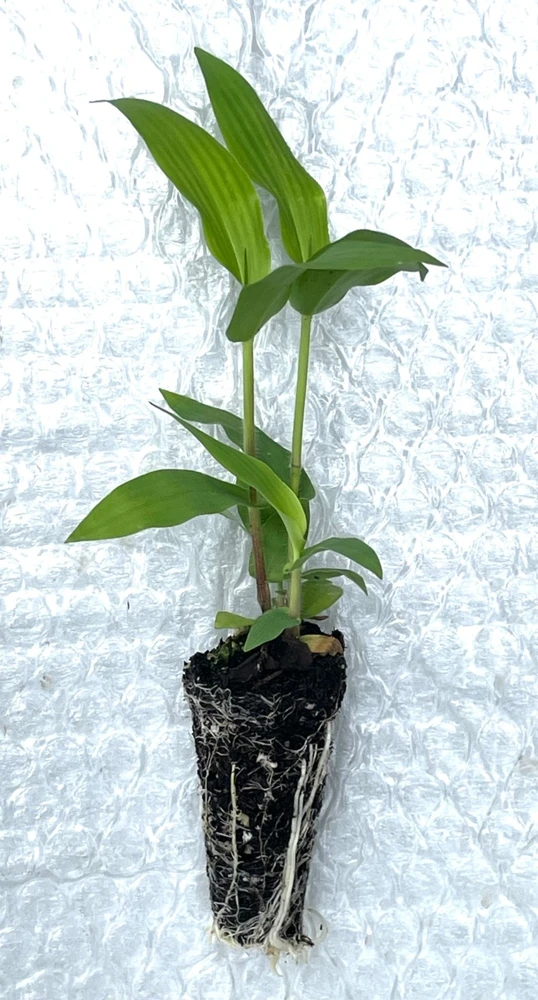

Deertongue Grass Starter Plug-Grown Seedlings (5-Pack) – Native Grass
Original price was: $71.99.$46.99Current price is: $46.99.
Cultivate a vibrant, natural landscape with this Deertongue Grass starter plugs 5-pack. These native grass seedlings are ideal for establishing groundcover, supporting local wildlife, and providing erosion control. Perfect for gardeners seeking low-maintenance, ecologically beneficial plants.
Estimated arrival
Sep 17
Sep 22 - Sep 24
Sep 27 - Oct 01
Shop With Confidence
30-Day Plant Health Guarantee
Arrives damaged? We’ll replace it free — see our return policy.
Responsive Support
Email us anytime, we reply within 1 business day.
Expert Packaging
Temperature-controlled shipping to protect your plants in transit.
Secure Checkout
Pay safely with Visa, Mastercard, PayPal.
Plant Specifications
-
USDA Hardiness Zone
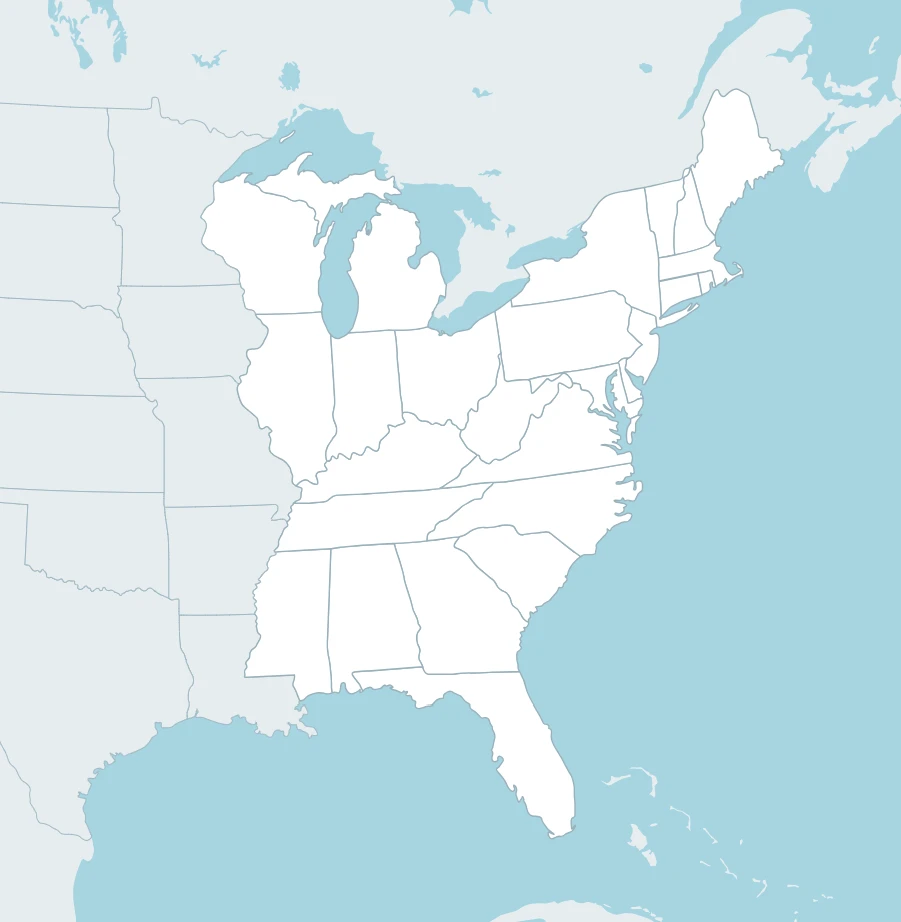
USDA Zones 3-9 -
Soil Type
Well-draining soil, adaptable to various types -
Sunlight Exposure
Full sun to partial shade -
Expected Planting Period
Spring to early summer
Overview
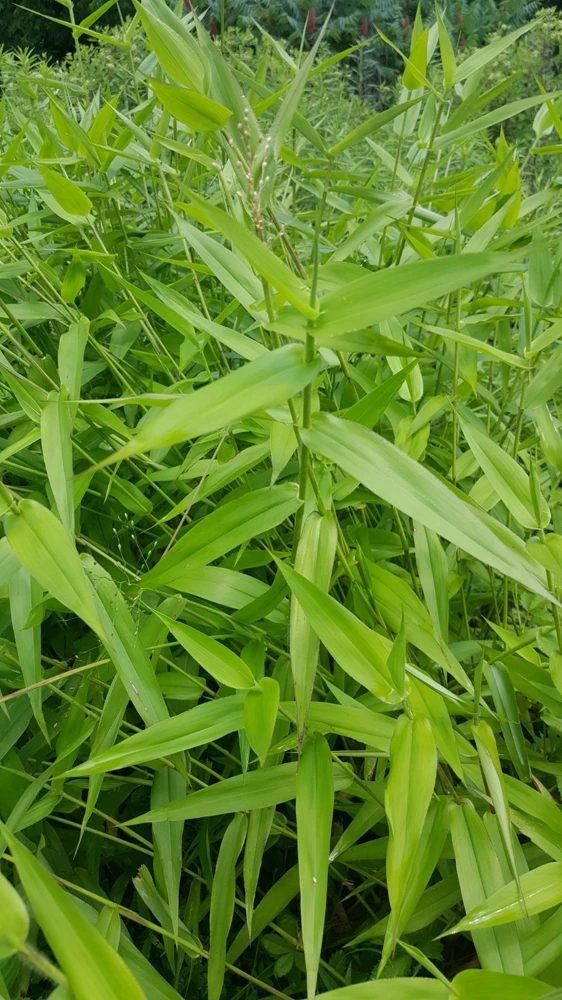
Introduce the beauty and ecological benefits of Deertongue Grass starter plugs to your garden. This offering includes a 5-pack of vigorous, plug-grown seedlings, ready to thrive in a variety of conditions. Known scientifically as Panicum clandestinum, Deertongue Grass is a resilient, warm-season perennial native grass that offers significant environmental advantages. It’s an excellent choice for naturalizing areas, providing groundcover, and creating essential habitats for local wildlife. Unlike many ornamental grasses, Deertongue Grass is particularly valued for its ability to grow in challenging sites, including disturbed soils and areas with fluctuating moisture levels. These starter plugs provide a convenient and effective way to establish a robust stand of this beneficial native.
Key Benefits
Integrating Deertongue Grass starter plugs into your landscape offers a multitude of advantages, contributing to both the aesthetics and ecological health of your outdoor space. These native grass seedlings are a smart choice for sustainable gardening:
- Erosion Control: The fibrous root system of Deertongue Grass is highly effective at stabilizing soil, making it an excellent choice for slopes, banks, and areas prone to erosion. It helps to prevent soil runoff and maintain landscape integrity.
- Wildlife Habitat: This grass provides crucial cover and nesting material for various small mammals and birds. Its seeds are also a food source for many bird species, enhancing biodiversity in your garden.
- Low Maintenance: Once established, Deertongue Grass requires minimal care, tolerating a range of soil types and moisture conditions. It’s drought-tolerant and generally pest and disease resistant, reducing the need for constant attention.
- Adaptable Growth: Thrives in both full sun and partial shade, allowing for flexible placement in diverse garden settings. It can adapt to different soil conditions, from sandy to clay, as long as drainage is adequate.
- Seasonal Interest: Offers attractive green foliage throughout the growing season, turning to warm, appealing shades of tan and bronze in the fall and winter, providing year-round visual appeal.
- Ecological Restoration: Ideal for restoring native ecosystems, meadow plantings, and rain gardens. Its presence supports local flora and fauna, contributing to a healthier environment.
- Natural Aesthetic: Provides a soft, natural texture to the landscape, blending seamlessly with other native plants and creating a serene, wild garden feel.
Plant Care & Growing Tips
Caring for your Deertongue Grass starter plugs is straightforward, making it an excellent choice for both experienced gardeners and beginners. This resilient native grass, Panicum clandestinum, is known for its adaptability and hardiness. To ensure successful establishment and vigorous growth, follow these simple guidelines for Deertongue plant care.
Sunlight Requirements:Deertongue Grass performs best in full sun to partial shade. Aim for at least 4-6 hours of direct sunlight per day for optimal growth. While it can tolerate more shade, growth may be less dense, and flowering might be reduced. In hotter climates, some afternoon shade can be beneficial to prevent stress.
Watering Schedule & Soil Moisture: During the establishment phase, especially in the first few weeks after planting, keep the soil consistently moist but not waterlogged. Once established, Deertongue Grass is quite drought-tolerant and requires minimal supplemental watering. It can handle periods of dry soil but will also tolerate moist conditions, making it suitable for rain gardens or areas with fluctuating water levels. Avoid constantly soggy soil, which can lead to root rot.
Soil Type & Drainage: This grass is highly adaptable to a wide range of soil types, including sandy, loamy, and clay soils. The most critical factor is good drainage. While it tolerates various conditions, well-draining soil is always preferred to prevent water accumulation around the roots. If you have heavy clay soil, consider amending it with organic matter to improve drainage and aeration. For optimal growth, a soil pH between 5.5 and 7.0 is ideal.
Temperature Range & USDA Hardiness Zone:Deertongue Grass is a warm-season grass, meaning it actively grows during the warmer months and goes dormant in winter. It is hardy in USDA Zones 3-9. It can withstand cold winter temperatures in these zones, returning reliably in the spring. In very cold northern regions, mulching around the base in late fall can offer additional protection.
Fertilization: Generally, Deertongue Grass does not require heavy fertilization. In most garden soils, it will thrive without any added nutrients. If your soil is particularly poor or you notice stunted growth, a light application of a balanced, slow-release fertilizer in early spring can be beneficial. Avoid over-fertilizing, as this can lead to excessive leafy growth at the expense of structural integrity.
Common Problems:Deertongue Grass is remarkably resistant to most pests and diseases. The primary issue to watch out for is root rot if planted in consistently waterlogged conditions. Ensure proper drainage to prevent this. It is also generally deer-resistant, making it a good choice for areas where deer browse is a concern, helping to maintain a healthy wildlife habitat grass.
Size & Details
This offering includes a 5-pack of Deertongue Grass starter plugs, providing you with healthy, actively growing seedlings ready for transplanting. Each plug is cultivated to ensure a strong root system, facilitating quick establishment in your garden. While the exact height and width of the plugs upon arrival will vary slightly depending on the season and growth stage, they are typically robust enough to handle shipping and transplanting with ease. As a mature plant, Deertongue Grass typically grows to a height of 2-4 feet and spreads 2-3 feet wide, forming attractive clumps. It has a moderate to fast growth rate once established, quickly filling in areas. The plants are shipped in their plug form, which means they are rooted in a small soil block, offering a less stressful transition than bare-root plants and promoting faster establishment. Expect to see significant growth within the first growing season, with full maturity reached within 2-3 years, creating a beautiful and functional wildlife habitat grass.
Frequently Asked Questions
- Q: How big does this plant get? A: Deertongue Grass typically grows to a mature height of 2-4 feet tall and spreads 2-3 feet wide, forming attractive, dense clumps. Its size can vary slightly based on growing conditions and available sunlight.
- Q: What size pot does it come in? A: This product consists of Deertongue Grass starter plugs, which are small, individual seedlings with established root systems, designed for easy transplanting into your garden or larger pots. They do not come in traditional nursery pots.
- Q: Is this an indoor or outdoor plant? A: Deertongue Grass is an outdoor perennial native grass. It is not suitable for long-term indoor cultivation and thrives best in garden settings, meadows, or naturalized areas.
- Q: How much sunlight does it need? A: For optimal growth and flowering, Deertongue Grass requires full sun to partial shade, meaning at least 4-6 hours of direct sunlight daily. It can tolerate more shade but may not be as dense.
- Q: Is this plant easy to care for? A: Yes, Deertongue Grass is considered a very easy-to-care-for plant. Once established, it is drought-tolerant, adaptable to various soil types, and requires minimal fertilization or ongoing maintenance. Its excellent Deertongue plant care profile makes it ideal for low-effort landscaping.
- Q: What condition will it arrive in? A: Your native grass seedlings will arrive as healthy, actively growing starter plugs with robust root systems, carefully packaged to ensure their safe journey and readiness for planting.
- Q: Is it shipped in soil? A: Yes, the Deertongue Grass starter plugs are shipped with their root systems encased in a small amount of soil, maintaining moisture and protecting the roots during transit.
- Q: When is the best time to plant? A: The best time to plant Deertongue Grass starter plugs is in spring or early summer after the last frost, or in early fall in warmer climates. This allows the plant to establish its root system before extreme temperatures.
- Q: Will it survive winter in my zone? A: Deertongue Grass is hardy in USDA Zones 3-9. It is a warm-season grass that will go dormant in winter in these zones and reliably return in spring.
- Q: What’s the minimum temperature it can tolerate? A: Being hardy in USDA Zone 3, Deertongue Grass can tolerate winter temperatures down to approximately -40°F (-40°C) once established.
Be the first to review “Deertongue Grass Starter Plug-Grown Seedlings (5-Pack) – Native Grass”
People Also Viewed

Vegetable Seeds
Jack O’ Lantern Pumpkin Seeds – 20 Seeds – Classic Halloween Carving Variety – Outdoor


Reviews
There are no reviews yet.