

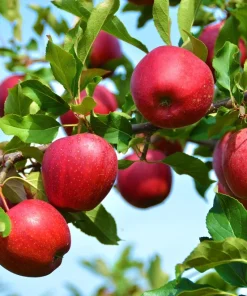
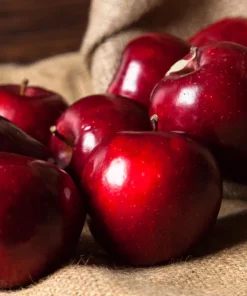
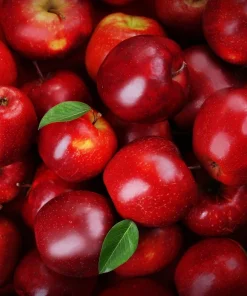
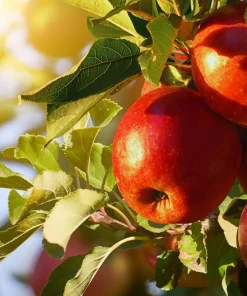
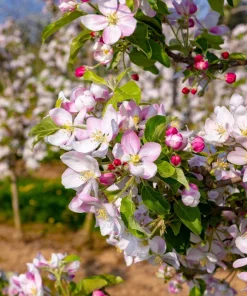
Paradise Apple Tree Seeds – Malus Pumila Domestica – 25 Seeds for Planting
Original price was: $36.99.$16.99Current price is: $16.99.
Cultivate your own apple orchard with these paradise apple tree seeds. Each pack contains 25 malus pumila domestica seeds, perfect for growing unique apple varieties. Experience the joy of nurturing apple trees from seed, ideal for gardeners seeking a rewarding project.
Estimated arrival
Sep 17
Sep 22 - Sep 24
Sep 27 - Oct 01
Shop With Confidence
30-Day Plant Health Guarantee
Arrives damaged? We’ll replace it free — see our return policy.
Responsive Support
Email us anytime, we reply within 1 business day.
Expert Packaging
Temperature-controlled shipping to protect your plants in transit.
Secure Checkout
Pay safely with Visa, Mastercard, PayPal.
Plant Specifications
-
USDA Hardiness Zone
3-9 -
Soil Type
Average, well-draining soil -
Sunlight Exposure
Full sun -
Expected Planting Period
Outdoors after frost / Fall / Cold stratify / Indoors weeks before last frost
Overview
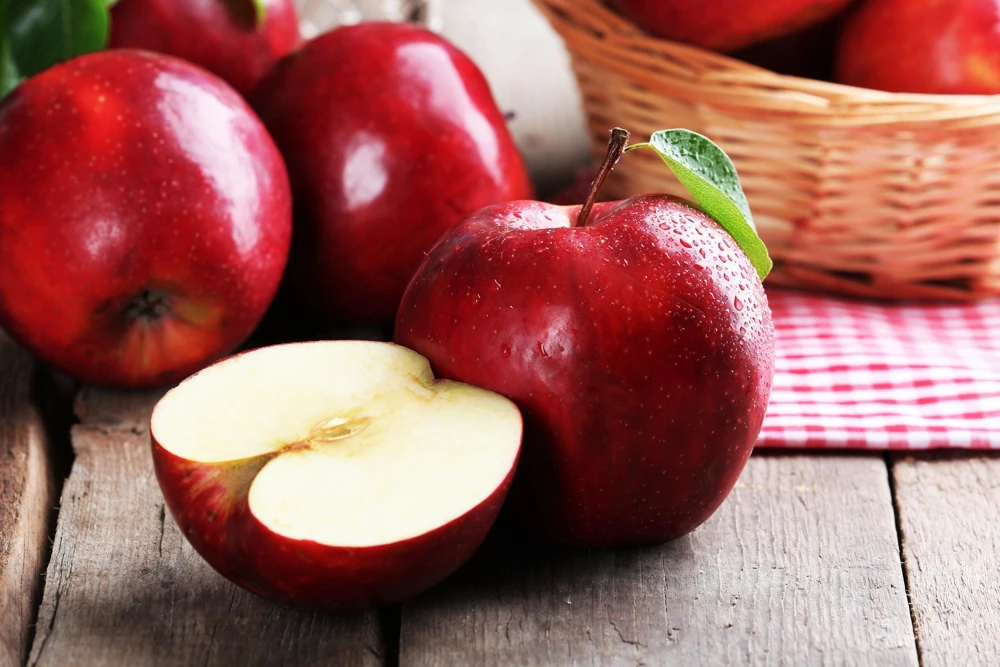
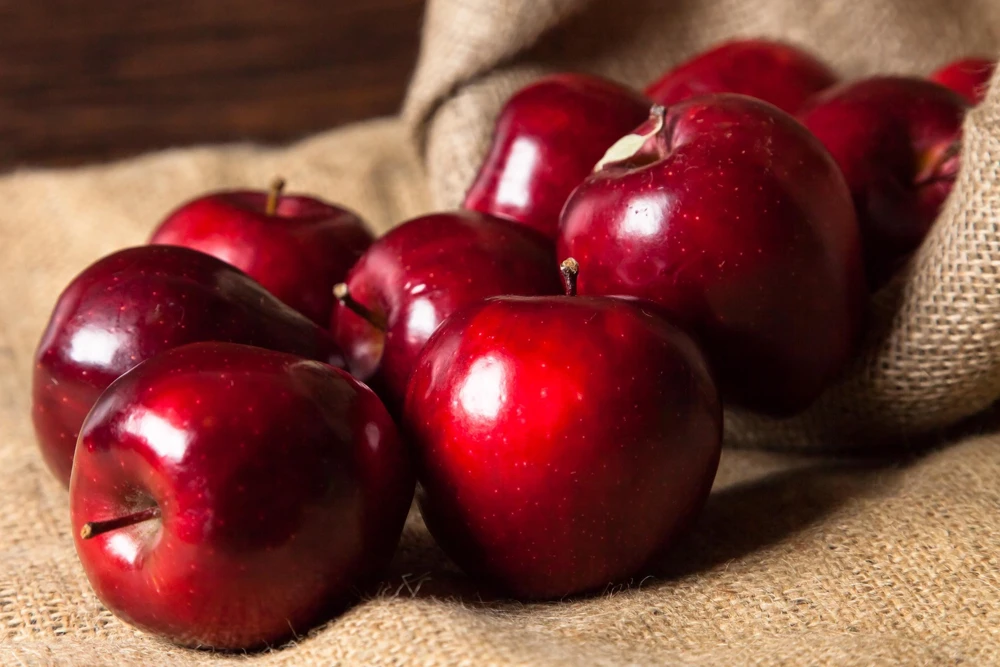
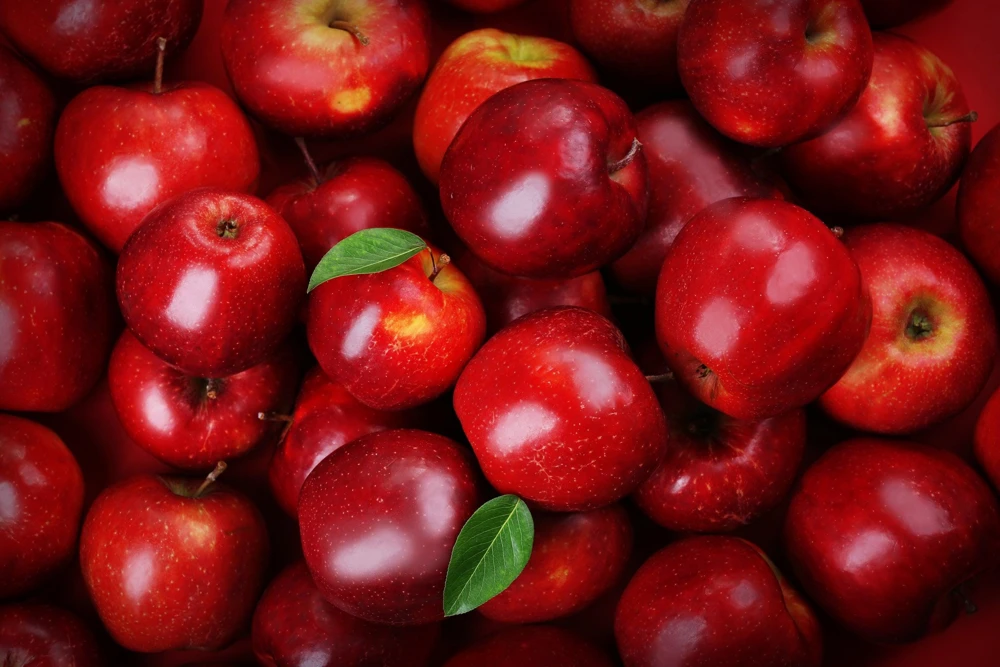
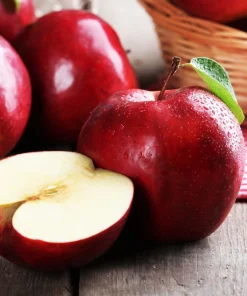
Embark on a delightful gardening journey with our premium paradise apple tree seeds. These seeds, scientifically known as Malus Pumila Domestica, offer a unique opportunity to grow your own apple trees. While harvested from Red Delicious Apples, please note that apples typically do not grow true from seed, meaning the resulting trees and fruit will likely differ from the parent variety. This characteristic makes each tree a one-of-a-kind creation, providing an exciting element of surprise to your orchard. Commonly referred to as Common Apple, these seeds are perfect for both novice and experienced gardeners looking to expand their fruit tree collection and enjoy the process of growing from scratch. Discover the charm of cultivating your own distinct apple varieties with these versatile common apple seeds.
Our malus pumila domestica seeds are carefully selected to ensure viability and provide you with the best possible start. Growing apple trees from seed is a fulfilling project that connects you directly with nature’s cycles. Imagine the satisfaction of harvesting fruit from a tree you nurtured from a tiny seed! These seeds are an excellent choice for educational projects, backyard orchards, or even as rootstock for grafting desired apple varieties later on. With 25 seeds in each pack, you have ample opportunity to experiment and cultivate multiple trees, increasing your chances of success and diverse outcomes. Start your apple-growing adventure today with these exceptional seeds.
Key Benefits
Growing your own apple trees from seed provides numerous benefits, from the personal satisfaction of cultivation to the potential for unique fruit varieties. Our paradise apple tree seeds offer an engaging and rewarding experience for any gardener.
- Unique Apple Varieties: Since apples do not grow true from seed, each tree grown from these paradise apple tree seeds will produce a unique apple variety, offering an exciting surprise with every harvest.
- Sustainable Gardening: Cultivating fruit trees from seeds is an environmentally friendly practice, contributing to biodiversity and reducing your carbon footprint. It’s a great way to engage in sustainable agriculture.
- Educational Experience: Ideal for teaching children about plant life cycles, genetics, and the patience required in gardening. Witnessing the transformation from a tiny seed to a fruit-bearing tree is truly inspiring.
- Potential for Rootstock: The trees grown from these malus pumila domestica seeds can serve as excellent rootstock for grafting known apple varieties, allowing you to propagate specific types of apples while benefiting from the seed-grown root system.
- Long-Term Investment: Apple trees are long-lived, providing beauty, shade, and fruit for many years, making them a valuable long-term addition to your landscape.
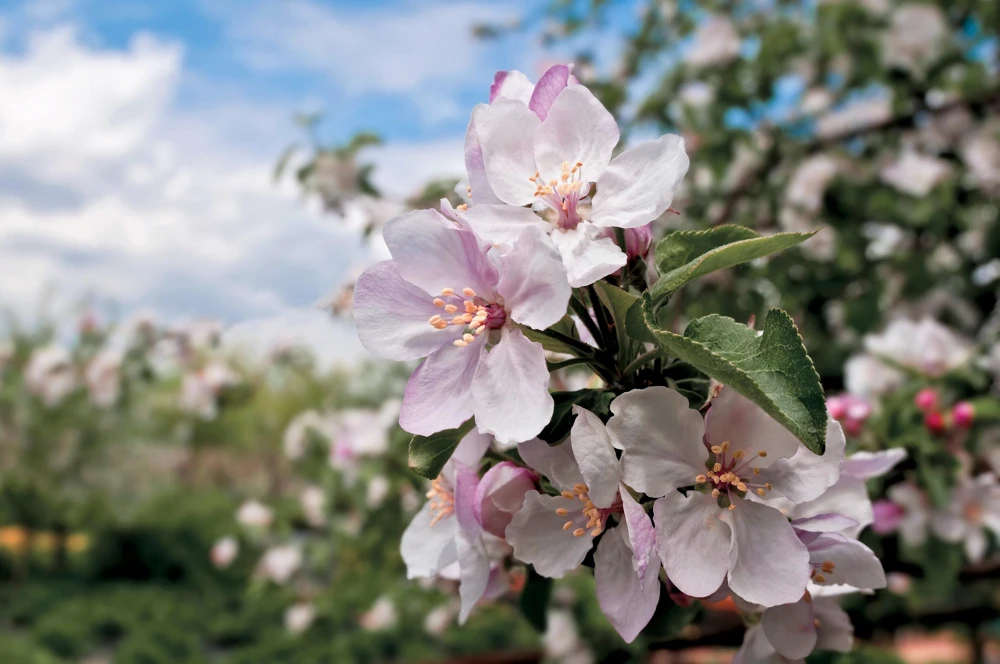
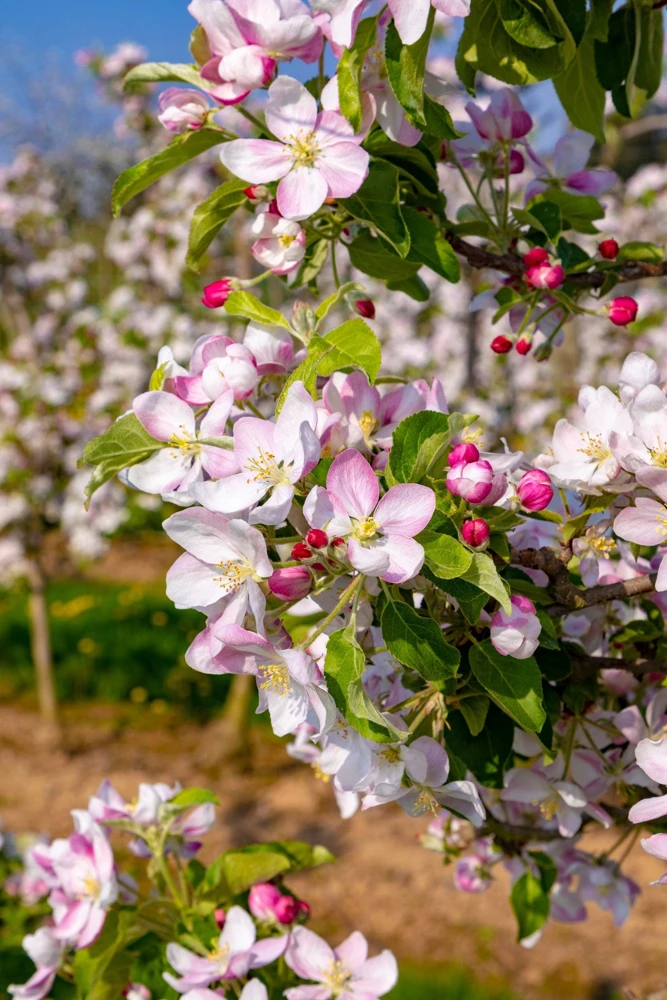
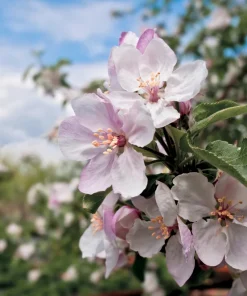
- Beautiful Blooms and Foliage: Enjoy the lovely pink and white flowers in spring and the vibrant yellow fall foliage, adding aesthetic appeal to your garden throughout the seasons.
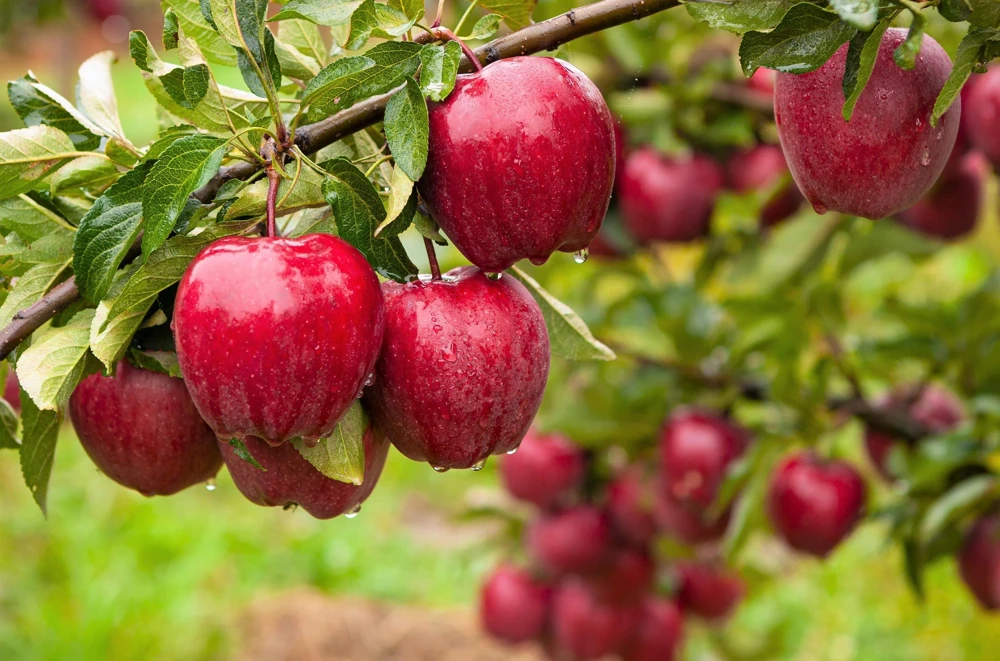
- Fresh, Homegrown Fruit: Experience the unparalleled taste of apples picked fresh from your own trees, offering a delicious and healthy treat. These apple fruit seeds promise future harvests.
Plant Care & Growing Tips
Successfully growing paradise apple tree seeds requires attention to specific conditions. For best results, cold stratification is crucial. This process mimics the natural winter conditions needed to break seed dormancy. You can achieve this by placing the seeds in a moist medium (like peat moss or sand) inside a sealed bag in your refrigerator for 60-90 days. After stratification, you can plant the seeds outdoors after the last frost in spring, or start them indoors several weeks before the last frost for an earlier start. When planting indoors, use a well-draining seed-starting mix in individual pots to prevent root disturbance during transplanting.
Once established, apple trees thrive in full sun, requiring at least 6-8 hours of direct sunlight daily for optimal growth and fruit production. They prefer average, well-draining soil. While specific soil types can vary, a loamy soil with good organic content is generally ideal. Water regularly, especially during dry spells and in the tree’s early years, ensuring the soil remains consistently moist but not waterlogged. Established trees have a moderate water requirement. Fertilize young trees with a balanced fertilizer in spring, following product instructions. Monitor for common apple pests and diseases, and apply organic or conventional treatments as needed. Proper care will help your grow apple trees from seed successfully.
These common apple seeds will eventually grow into trees that are hardy in USDA Zones 3-9, making them suitable for a wide range of climates. Protection from harsh winter winds may be beneficial for very young trees in colder zones. Pruning is essential for shaping the tree, promoting air circulation, and encouraging fruit production. Begin light pruning in the second or third year, focusing on removing dead, damaged, or crossing branches. Aim for an open canopy structure to allow sunlight penetration. With consistent care, your apple fruit seeds will flourish into robust, fruit-bearing trees.
Size & Details
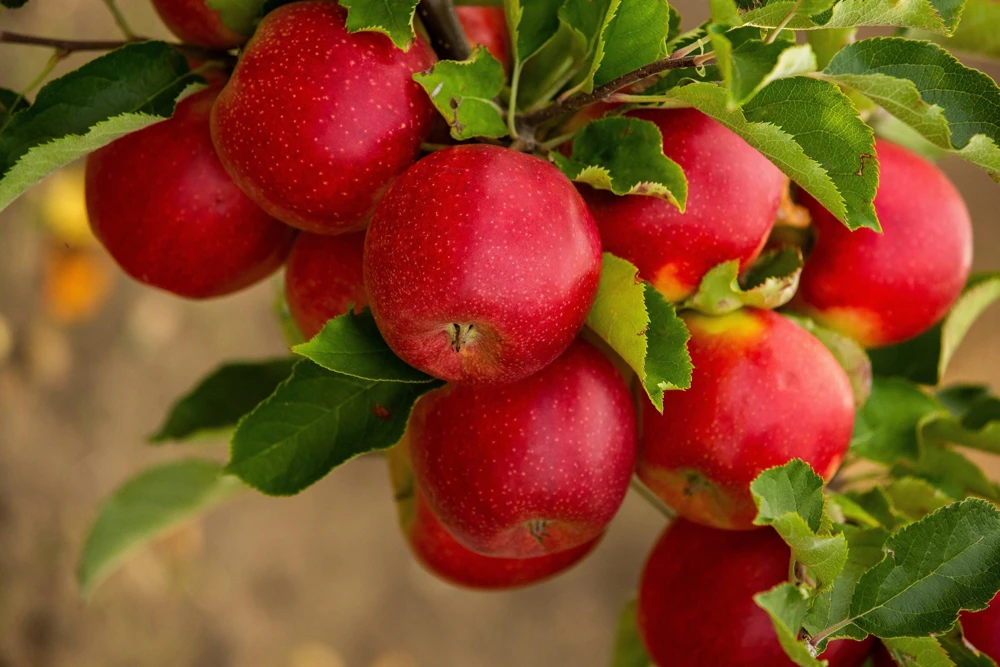
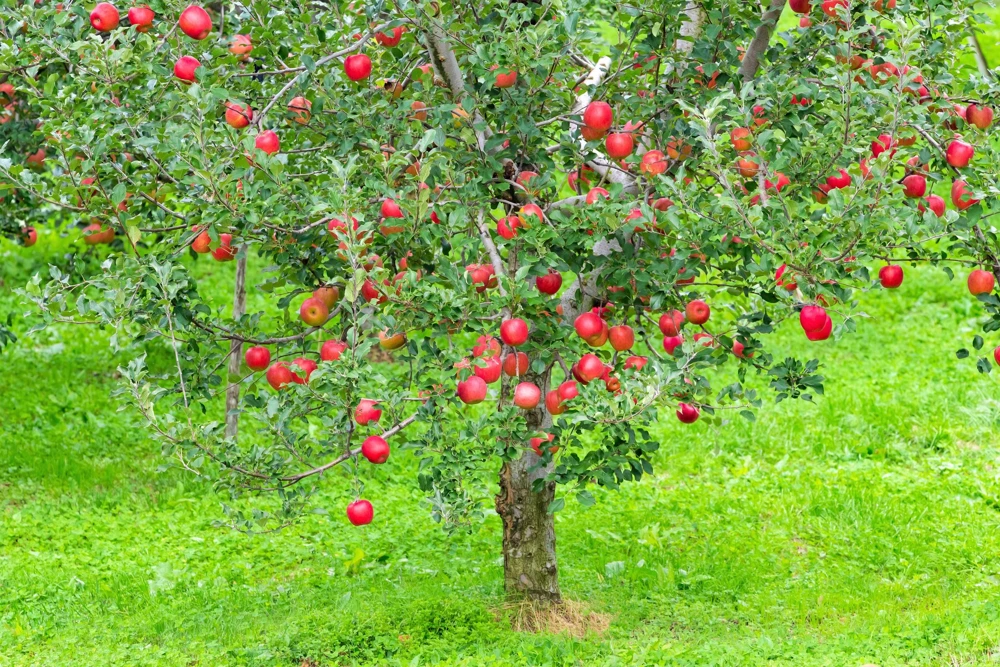
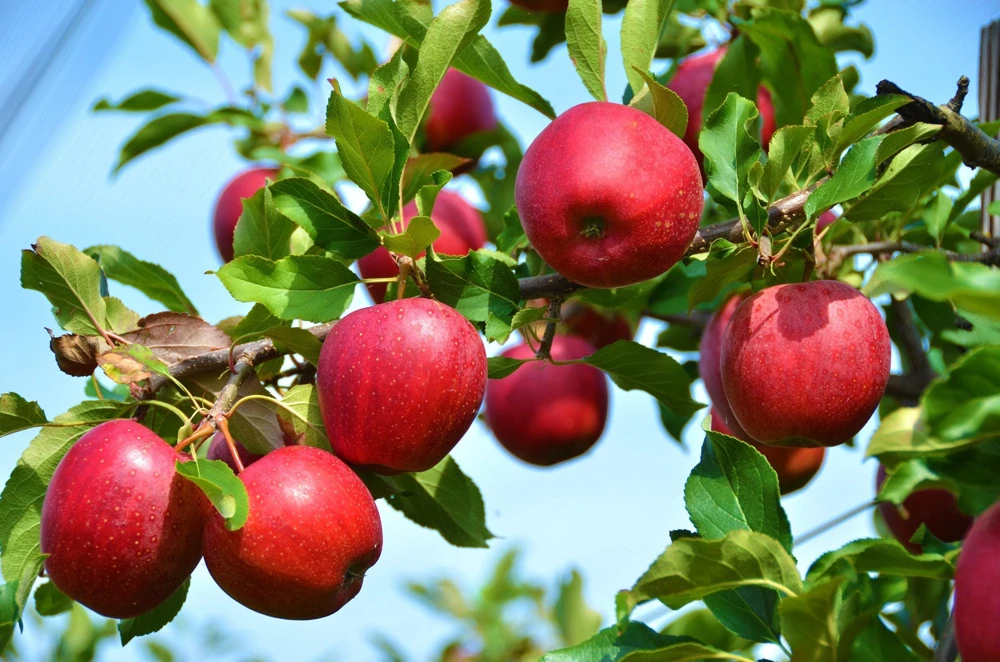
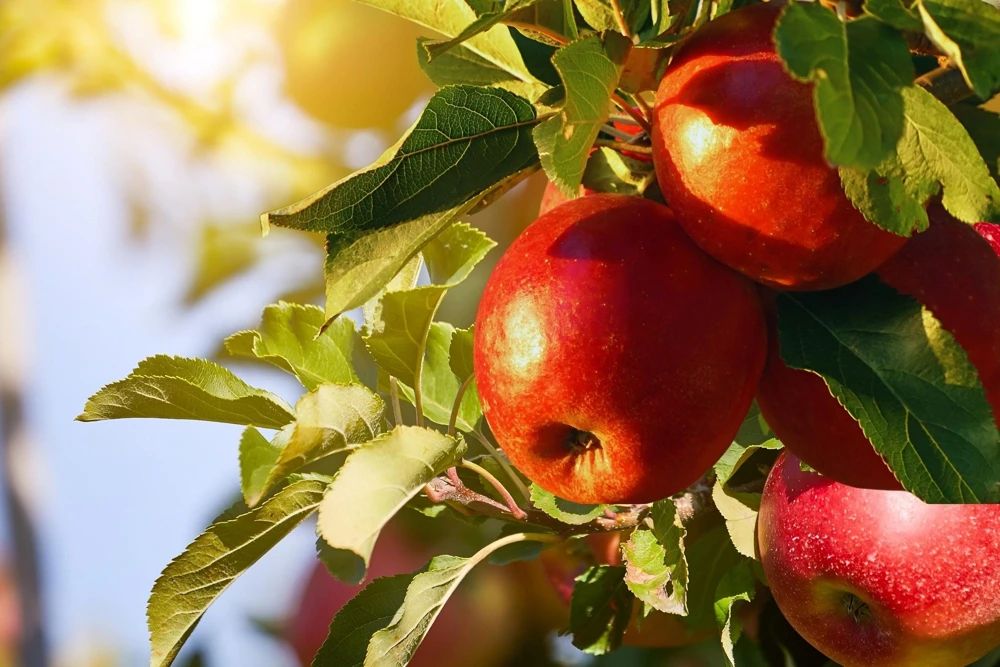
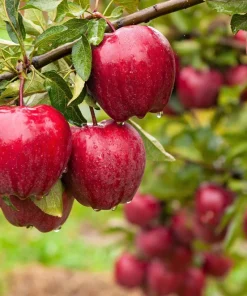
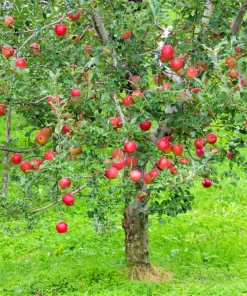
Each pack contains 25 paradise apple tree seeds, providing a generous quantity to start your apple-growing project. The scientific name for these seeds is Malus Pumila, also known by synonyms like Malus Communis, Malus Domestica, or Pyrus Malus Pumila. When mature, these apple trees typically reach a height of 15 to 25 feet, with a similar spread, requiring ample space in your garden. We recommend a planting spacing of 15 to 20 feet between trees to allow for proper growth and air circulation. The trees will produce beautiful pink and white flowers in the spring, followed by red fruit that matures for harvest in late summer to early fall.
The foliage turns a striking yellow in the fall, adding seasonal interest to your landscape. These trees are hardy in USDA Zones 3-9 and prefer full sun exposure with average soil and water preferences. The growth rate is moderate, and while fruit production can begin within a few years, it typically takes 5-8 years for trees grown from apple fruit seeds to reach significant fruit-bearing maturity. The seeds are shipped in a protective packet, ready for cold stratification and planting. Prepare for a long-term, rewarding commitment as you grow apple trees from seed.
Frequently Asked Questions
- Q: How big do these apple trees get? A: Trees grown from these paradise apple tree seeds typically reach a mature height of 15-25 feet and a spread of 15-20 feet, requiring adequate space for growth.
- Q: Is this an indoor or outdoor plant? A: These apple trees are outdoor plants, thriving in full sun and needing ample space to grow into their mature size. They are hardy in USDA Zones 3-9.
- Q: How much sunlight do these apple trees need? A: Apple trees require full sun, meaning at least 6-8 hours of direct sunlight per day, for optimal growth and fruit production.
- Q: Is it easy to grow apple trees from seed? A: Growing apple fruit seeds requires patience and specific steps like cold stratification, but it is a very rewarding process suitable for gardeners of all experience levels.
- Q: What condition will the seeds arrive in? A: The malus pumila domestica seeds will arrive in a protective packet, ready for you to begin the cold stratification process before planting.
- Q: When is the best time to plant these apple seeds? A: After cold stratification, the best time to plant these paradise apple tree seeds outdoors is after the last frost in spring, or indoors several weeks before the last frost.
- Q: How long until these trees bear fruit? A: Apple trees grown from seed typically take 5-8 years to begin producing a significant harvest of fruit.
- Q: Will the fruit be exactly like Red Delicious apples? A: No, apples do not grow true from seed, so the fruit from these trees will likely differ from the Red Delicious parent, offering a unique and often surprising new variety.
- Q: What USDA Hardiness Zones are suitable for these apple trees? A: These apple trees are hardy in USDA Zones 3-9, making them adaptable to a wide range of climates across the United States.
- Q: What kind of soil do these apple trees prefer? A: They prefer average, well-draining soil. A loamy soil with good organic content is generally ideal for growing these common apple seeds.
Be the first to review “Paradise Apple Tree Seeds – Malus Pumila Domestica – 25 Seeds for Planting”
People Also Viewed
Houseplants
Spanish Moss Air Plant Live – Tillandsia Usneoides Giant Clump – Easy Care Indoor/Outdoor
Vegetable Seeds
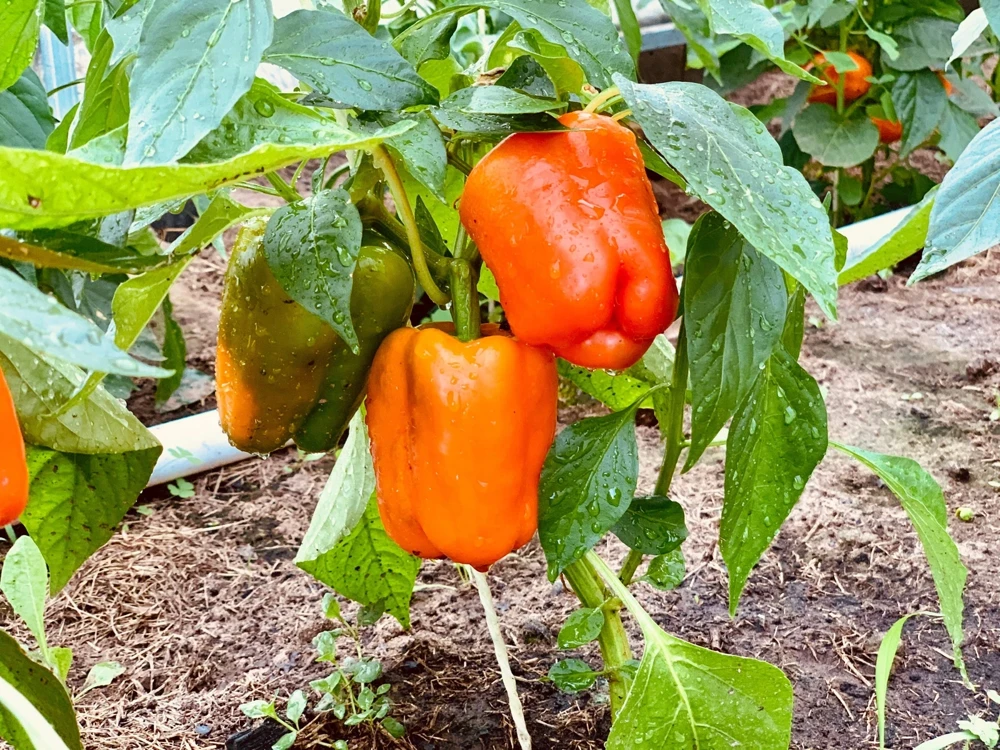
50 Orange Sun Bell Pepper Seeds – Sweet Capsicum Vegetable Seeds
Reviews
There are no reviews yet.