

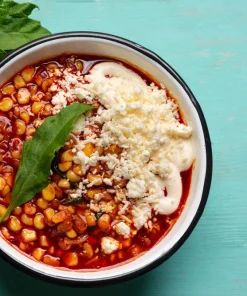
Epazote Seeds – 300 Count Mexican Tea Herb Flower Seeds – Chenopodium Ambrosioides
Original price was: $36.99.$16.99Current price is: $16.99.
Cultivate your own culinary garden with these epazote seeds. Each pack contains 300 epazote herb seeds, perfect for adding authentic Mexican flavor to your dishes. Also known as mexican tea seeds or chenopodium ambrosioides seeds, this versatile herb is easy to grow and thrives in sunny conditions.
Estimated arrival
Sep 17
Sep 22 - Sep 24
Sep 27 - Oct 01
Shop With Confidence
30-Day Plant Health Guarantee
Arrives damaged? We’ll replace it free — see our return policy.
Responsive Support
Email us anytime, we reply within 1 business day.
Expert Packaging
Temperature-controlled shipping to protect your plants in transit.
Secure Checkout
Pay safely with Visa, Mastercard, PayPal.
Plant Specifications
-
USDA Hardiness Zone
8-9 -
Soil Type
Average to dry, well-draining soil -
Sunlight Exposure
Full sun -
Expected Planting Period
Outdoors after frost / Indoors weeks before last frost
Overview
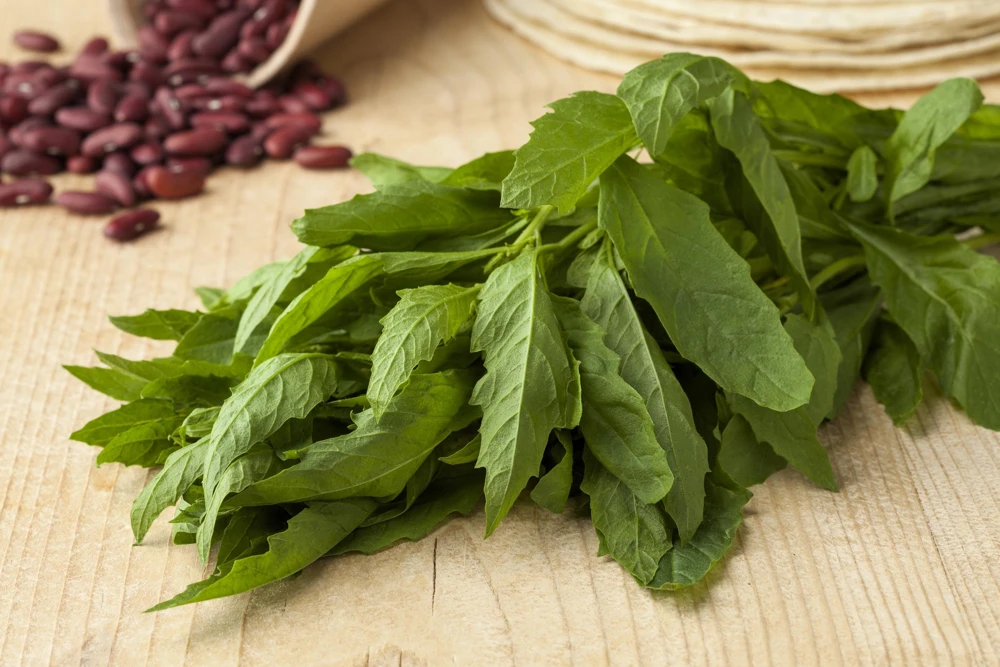
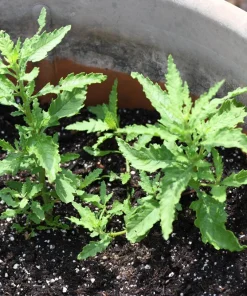
Embark on a culinary adventure by growing your own authentic Mexican herb with these premium epazote seeds. Epazote, scientifically known as Chenopodium Ambrosioides (or Dysphania Ambrosioides), is a renowned herb celebrated for its distinctive flavor and aroma. Often referred to as Mexican tea seeds, this plant is an essential ingredient in traditional Mexican cuisine, particularly in dishes like refried beans, quesadillas, and various chili sauces, where it helps reduce flatulence and enhances taste. These 300 epazote herb seeds offer a generous quantity to start your garden, ensuring a continuous supply of fresh leaves for your kitchen. Growing epazote from seed is a rewarding experience, allowing you to enjoy its fresh, pungent, and slightly minty flavor directly from your garden to your plate. This annual herb is relatively easy to cultivate, making it suitable for both experienced gardeners and those new to growing culinary herbs. If you’re looking to grow epazote, these seeds provide an excellent starting point for a flourishing herb patch.
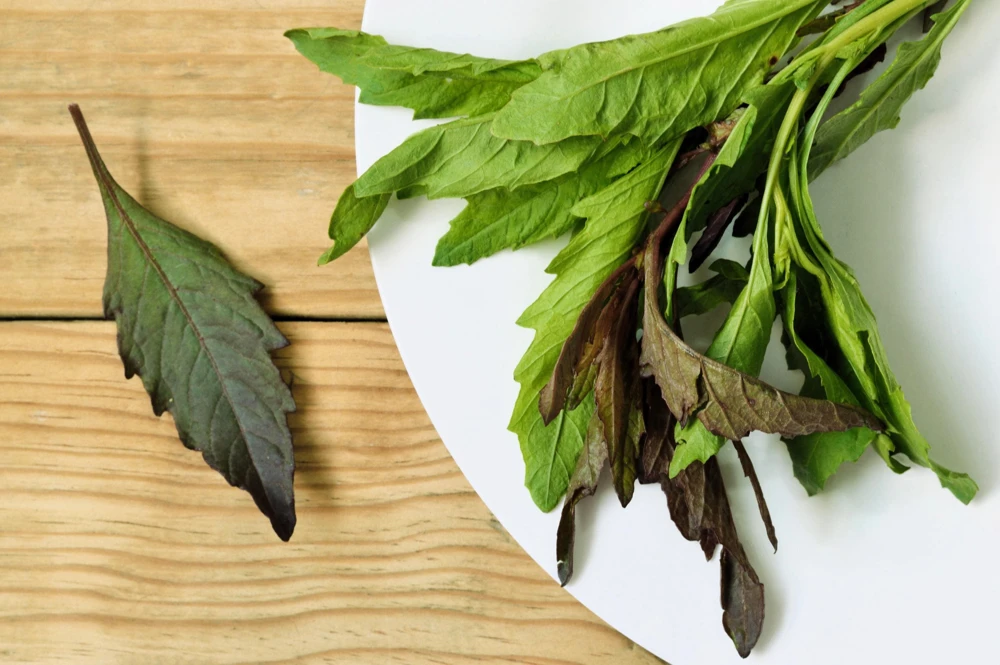
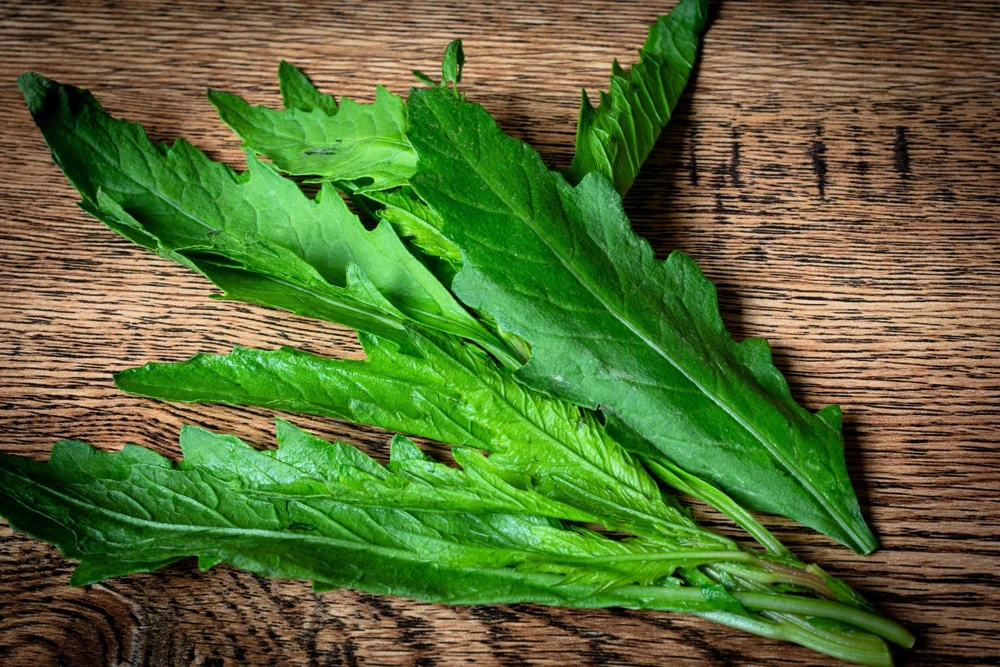
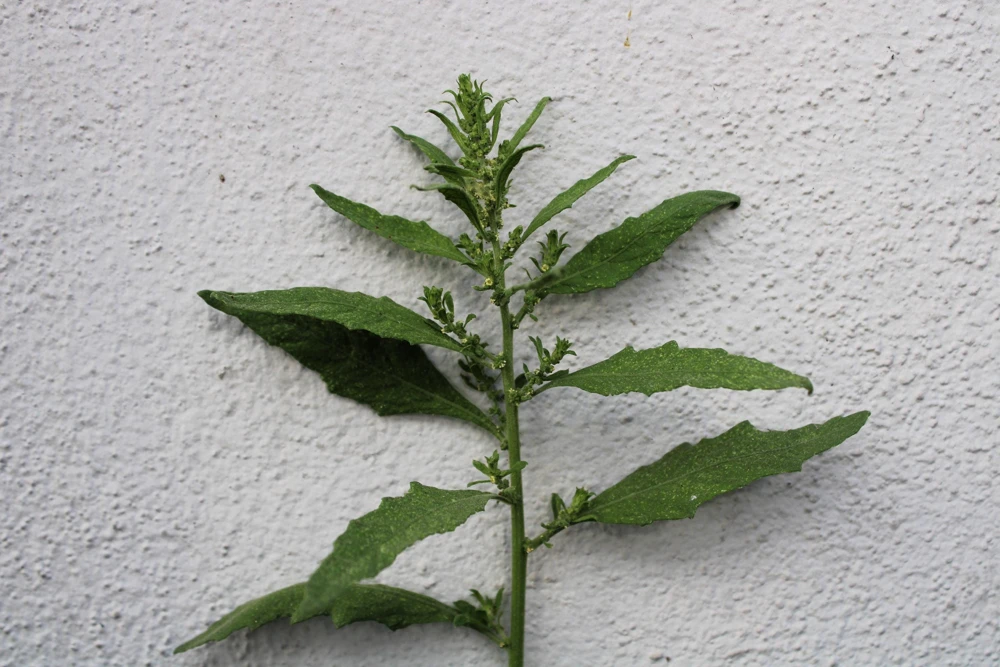
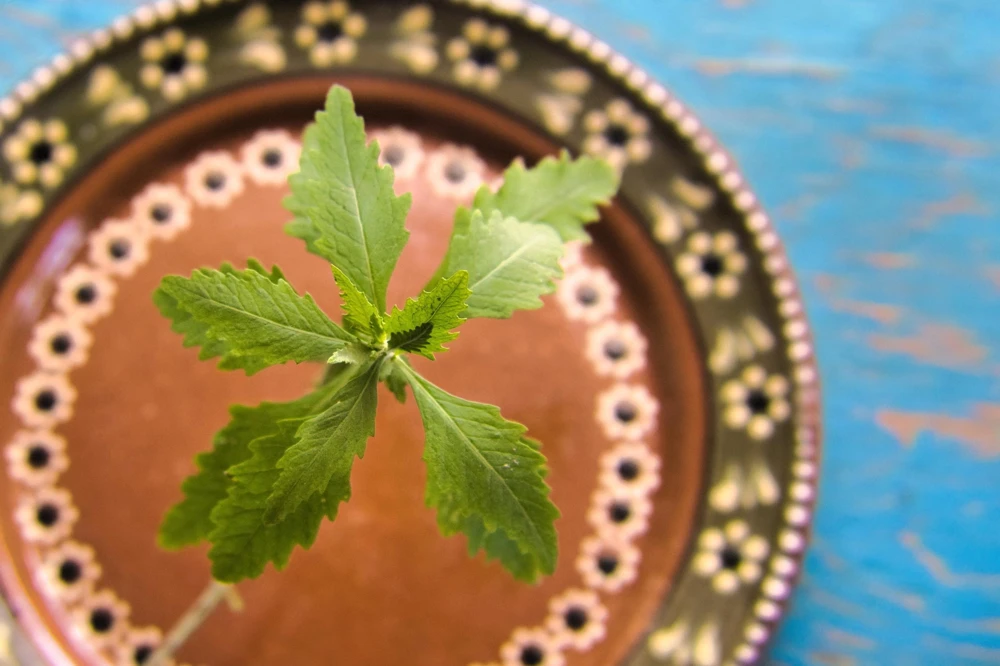
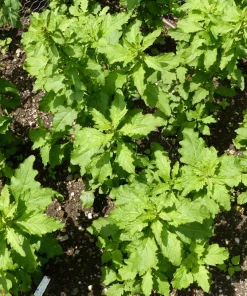
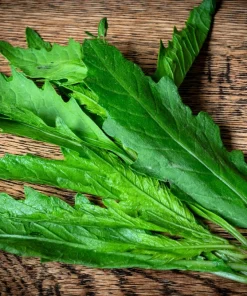
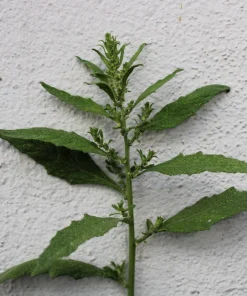
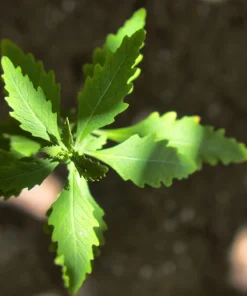
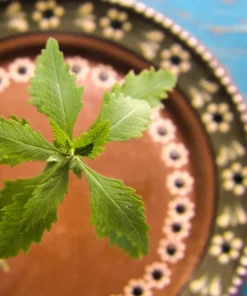
Originating from Central and South America, epazote has been used for centuries, not only for its culinary applications but also for its traditional medicinal properties. Its unique flavor profile is often described as a blend of oregano, anise, citrus, and mint, adding a complex layer to any dish. By planting these epazote seeds, you’re not just growing a plant; you’re cultivating a piece of culinary history. The plant itself is quite attractive, featuring green leaves that grow to a manageable height, making it suitable for various garden sizes or even container gardening. Experience the satisfaction of harvesting your own fresh epazote and elevating your home-cooked meals with its authentic taste.
Key Benefits
Growing your own epazote from seed offers numerous advantages, from culinary enhancement to gardening satisfaction. These epazote seeds provide an opportunity to enrich your garden and kitchen with a unique and beneficial herb.
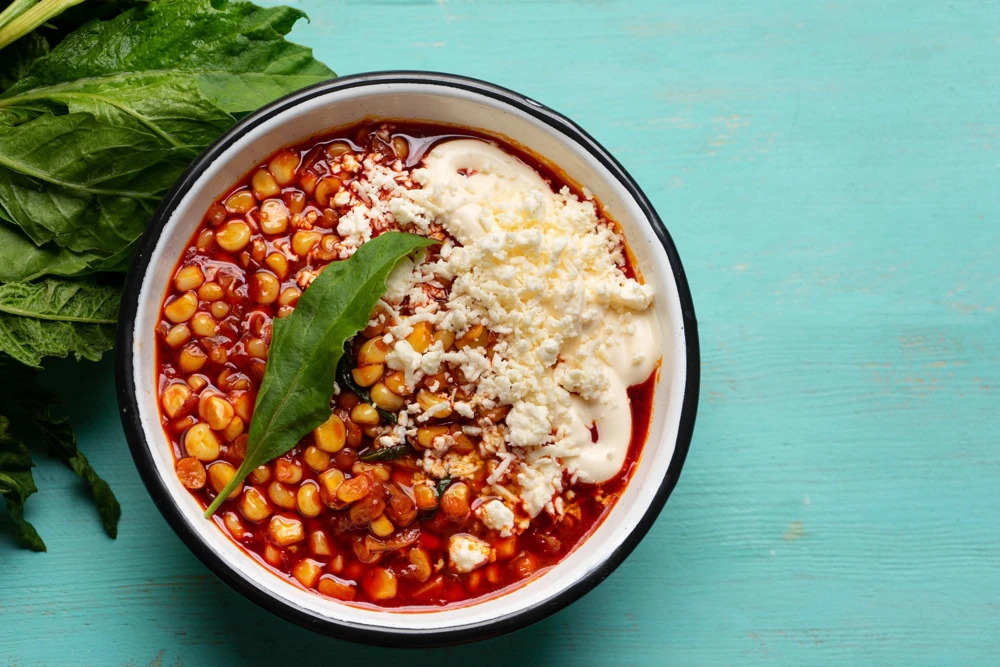
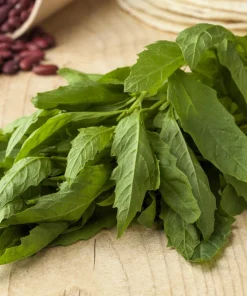
- Authentic Culinary Flavor: Epazote is indispensable for authentic Mexican cuisine, providing a unique, pungent flavor that enhances dishes like beans, tamales, and soups. Freshly harvested leaves from your own plants will offer the most vibrant taste.
- Digestive Aid: Traditionally, epazote is known for its carminative properties, helping to reduce gas and bloating associated with consuming beans and other legumes. Incorporating fresh epazote into your cooking can make these dishes more comfortable to digest.
- Easy to Grow:Epazote herb seeds are relatively simple to cultivate, thriving in various conditions and requiring minimal maintenance once established. This makes them an excellent choice for beginner gardeners or those looking for low-effort, high-reward plants.
- Versatile Usage: Beyond its culinary applications, epazote can be used as a natural insect repellent in the garden. Its strong aroma helps deter pests, making it a beneficial companion plant for your vegetables.
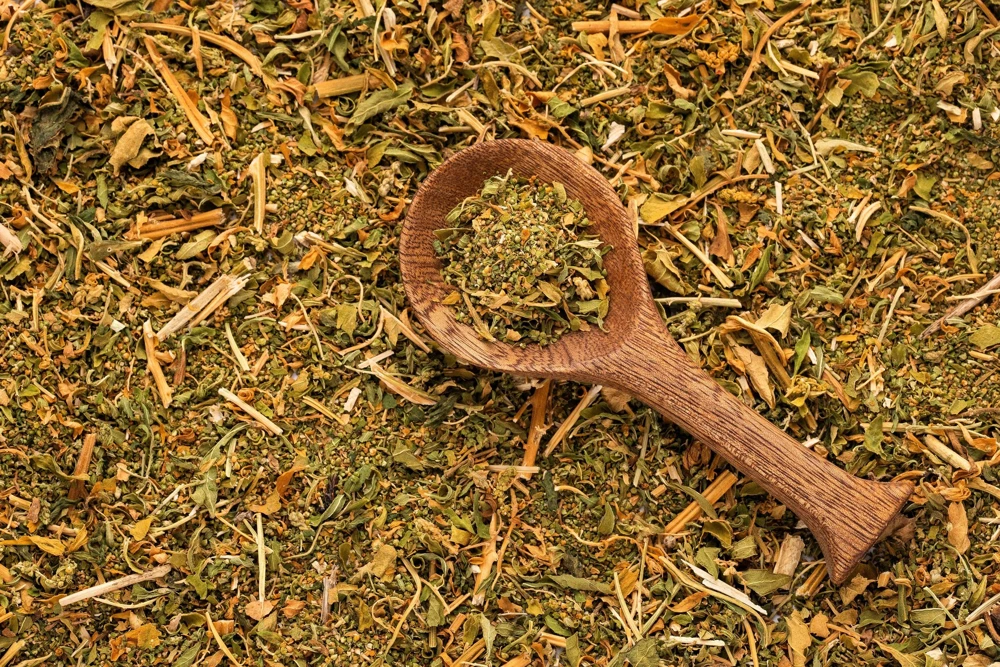
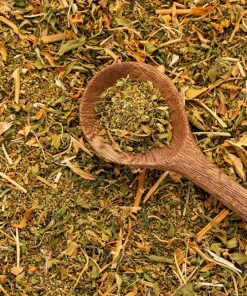
- High Yield: With 300 epazote seeds, you can expect a plentiful harvest. Epazote plants are prolific producers, ensuring you have a steady supply of fresh leaves throughout the growing season. This abundance also allows for drying and storing the herb for later use.
- Reseeds Easily: Once established, epazote often reseeds itself, providing a continuous supply of plants year after year with little intervention. This natural propagation makes it a sustainable addition to your herb garden.
Plant Care & Growing Tips
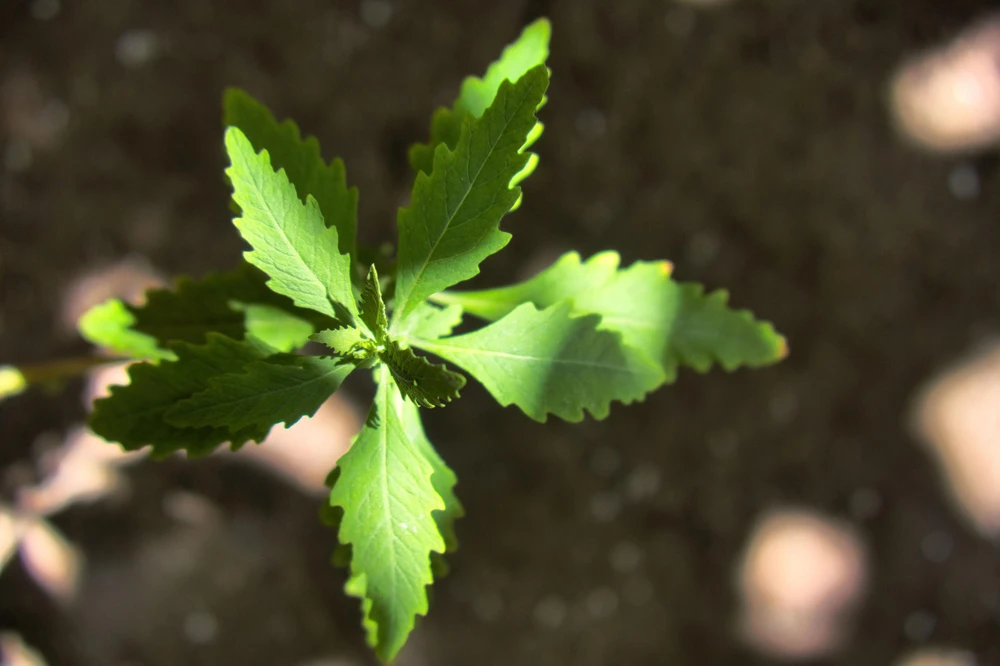
To successfully grow epazote from these epazote seeds, understanding its specific care requirements is crucial. Epazote is a hardy herb, but providing optimal conditions will ensure a robust and productive plant. You can plant epazote seeds outdoors after the danger of frost has passed or start them indoors several weeks before the last frost date for an earlier harvest. Sow the seeds shallowly, about 1/4 inch deep, and keep the soil consistently moist until germination. Germination typically occurs within 7-14 days.
For optimal growth, epazote prefers a location with full sun, meaning at least 6-8 hours of direct sunlight per day. While it can tolerate partial shade, full sun will result in a more vigorous plant with better flavor development. The ideal soil for epazote is average to dry, well-draining soil. It is not particularly fussy about soil type but good drainage is essential to prevent root rot. Once established, epazote is quite drought-tolerant and does not require frequent watering. Water deeply when the top inch or two of soil feels dry to the touch, allowing the soil to dry out slightly between waterings. Epazote is hardy in USDA Zones 8-9 and will readily reseed itself in these climates. In colder zones, it can be grown as an annual. Fertilization is generally not necessary, especially if grown in fertile soil, as too much nitrogen can lead to excessive leafy growth at the expense of flavor. Harvesting can begin approximately 55 days after planting, by simply snipping off the outer leaves as needed.
Size & Details
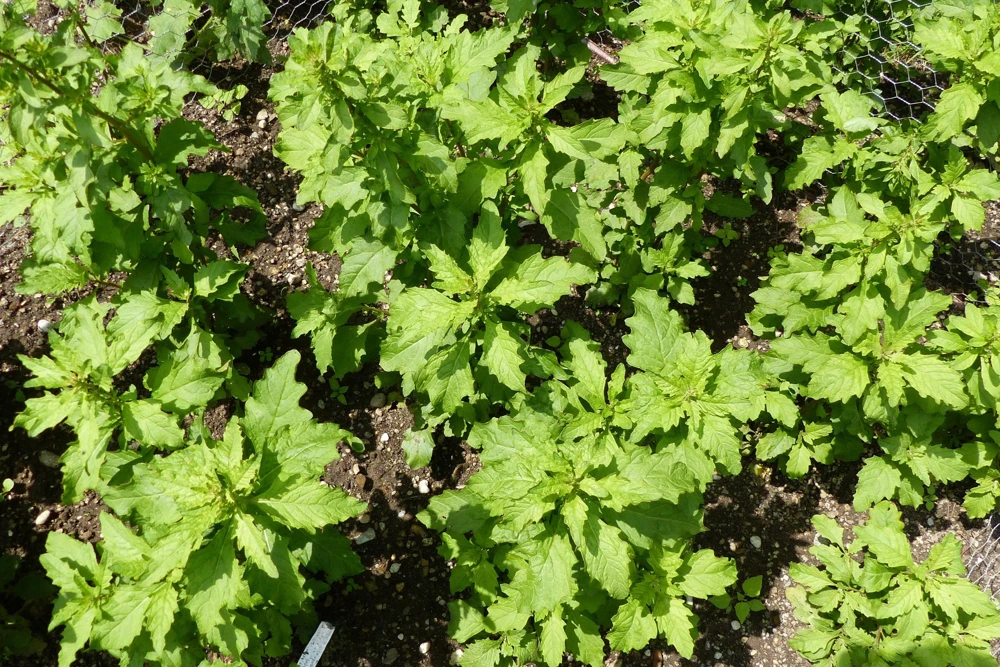
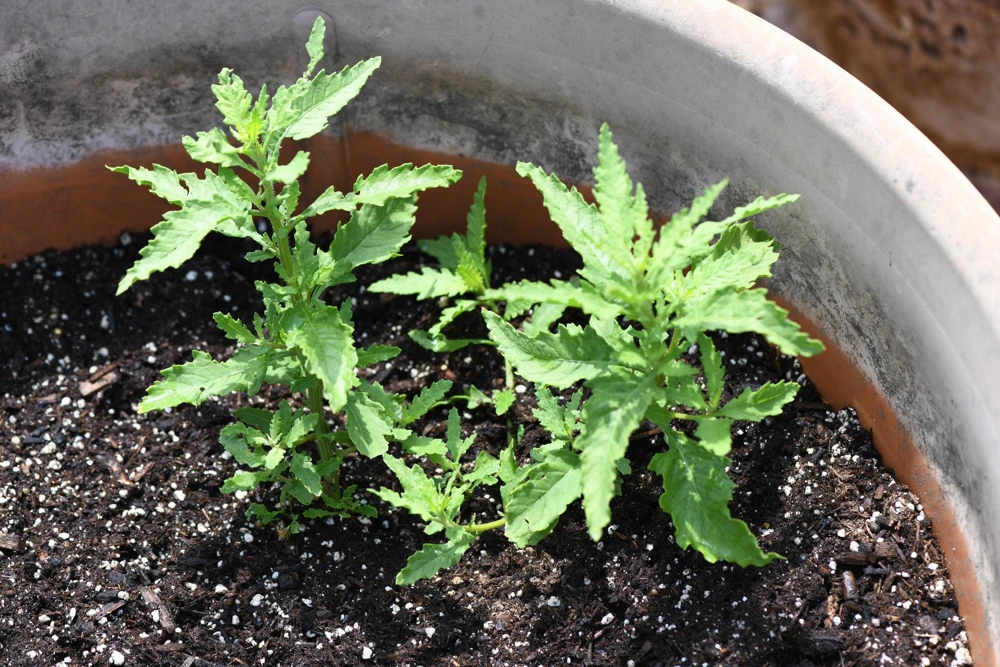
This package contains 300 epazote seeds, providing an ample supply for multiple plantings or a large herb patch. Once mature, epazote herb seeds plants typically reach a height of 12 to 36 inches, with a similar spread of 24 to 36 inches, depending on growing conditions and spacing. This allows for a significant amount of foliage for culinary use. Epazote is known for its relatively fast growth rate, with harvest usually possible around 55 days from planting. The seeds are small and should be sown thinly to allow for proper spacing between plants. These seeds are perfect for starting your own patch of chenopodium ambrosioides seeds, whether in a dedicated herb garden, raised beds, or even large containers. The plants will arrive as seeds, ready for you to plant and cultivate.
Frequently Asked Questions
- Q: How big does the epazote plant get? A: Epazote plants typically grow to a height of 12 to 36 inches and can spread 24 to 36 inches wide. The size can vary based on growing conditions, sunlight, and soil quality.
- Q: Is this an indoor or outdoor plant? A: Epazote can be grown both indoors and outdoors. It thrives outdoors in full sun during warmer months and can be grown indoors in a sunny window or under grow lights, especially in colder climates.
- Q: How much sunlight does epazote need? A: For best results, epazote requires full sun, meaning at least 6-8 hours of direct sunlight per day. It can tolerate partial shade, but growth and flavor may be less robust.
- Q: Is this plant easy to care for? A: Yes, epazote is considered an easy-to-care-for herb, making it suitable for beginners. It tolerates average to dry soil conditions and is relatively drought-tolerant once established.
- Q: How long until I can harvest epazote? A: You can typically start harvesting epazote herb seeds leaves approximately 55 days after planting. Simply snip off the outer leaves as needed for culinary use.
- Q: What is epazote used for in cooking? A: Epazote is a key ingredient in Mexican cuisine, particularly in dishes like refried beans, quesadillas, and various chili sauces. Its unique flavor helps to enhance these dishes and is also believed to aid digestion.
- Q: Will epazote reseed itself? A: Yes, in USDA Hardiness Zones 8-9, epazote often reseeds itself quite easily, providing new plants each year without much effort. This natural reseeding helps to maintain a continuous supply.
- Q: What kind of soil does epazote prefer? A: Epazote seeds prefer average to dry, well-draining soil. It is not particular about soil type but good drainage is crucial to prevent waterlogging and root issues.
Be the first to review “Epazote Seeds – 300 Count Mexican Tea Herb Flower Seeds – Chenopodium Ambrosioides”
People Also Viewed

Flower Seeds
Chocolate Cherry Sunflower Seeds – 25 Helianthus Annuus Seeds, Red & Brown, 6-7′ Tall, Pollen-Free
Vegetable Seeds
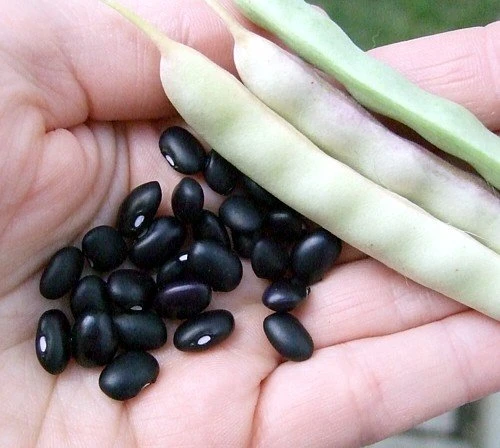
Black Turtle Bean Seeds – Heirloom Bush Type, 25 Seeds, Vigorous
Reviews
There are no reviews yet.