



Nannyberry Sweet Viburnum Lentago Seeds – 20 Count, White Flowers, Edible Blue-Black Berries
Original price was: $36.99.$16.99Current price is: $16.99.
Cultivate the beautiful and productive Nannyberry Viburnum Lentago seeds. These 20 seeds grow into a versatile shrub or tree, offering attractive white flowers, delicious blue-black berries, and stunning fall color. Ideal for gardens in USDA Zones 2-8, providing year-round interest and edible fruit.
Estimated arrival
Sep 17
Sep 22 - Sep 24
Sep 27 - Oct 01
Shop With Confidence
30-Day Plant Health Guarantee
Arrives damaged? We’ll replace it free — see our return policy.
Responsive Support
Email us anytime, we reply within 1 business day.
Expert Packaging
Temperature-controlled shipping to protect your plants in transit.
Secure Checkout
Pay safely with Visa, Mastercard, PayPal.
Plant Specifications
-
USDA Hardiness Zone
2 - 8 -
Soil Type
Average, well-draining soil -
Sunlight Exposure
Sun - Part Shade -
Expected Planting Period
Fall Sow / After Cold Stratification
Overview
Embark on a rewarding gardening journey with our premium nannyberry viburnum seeds. The Nannyberry, scientifically known as Viburnum Lentago, is a remarkable North American native plant cherished for its ornamental beauty and delicious edible fruit. These seeds offer the opportunity to grow a versatile plant that can be cultivated as a multi-stemmed shrub or pruned into an elegant single-trunked tree, reaching heights of 15-25 feet. Known also by the common names Sweet Viburnum and Sheepberry, this plant provides year-round appeal, from its showy spring blossoms to its vibrant fall foliage and persistent, tasty berries. Perfect for home gardeners looking to add a functional and attractive specimen to their landscape, these sweet viburnum seeds are a fantastic choice.
Each pack contains 20 high-quality seeds, ready for fall sowing or cold stratification to ensure optimal germination. Once established, the Nannyberry becomes a resilient and beautiful addition to any garden, providing food for wildlife and a sweet treat for humans. Its adaptability and seasonal interest make it a standout choice for various garden designs, from naturalized areas to more formal plantings. Discover the joy of growing your own edible landscape with these exceptional seeds.
Key Benefits
Growing the Nannyberry from seed offers numerous advantages for both your garden and local ecosystem. This plant is a true multi-season performer, delivering beauty and bounty throughout the year. The nannyberry viburnum seeds promise a rewarding cultivation experience.
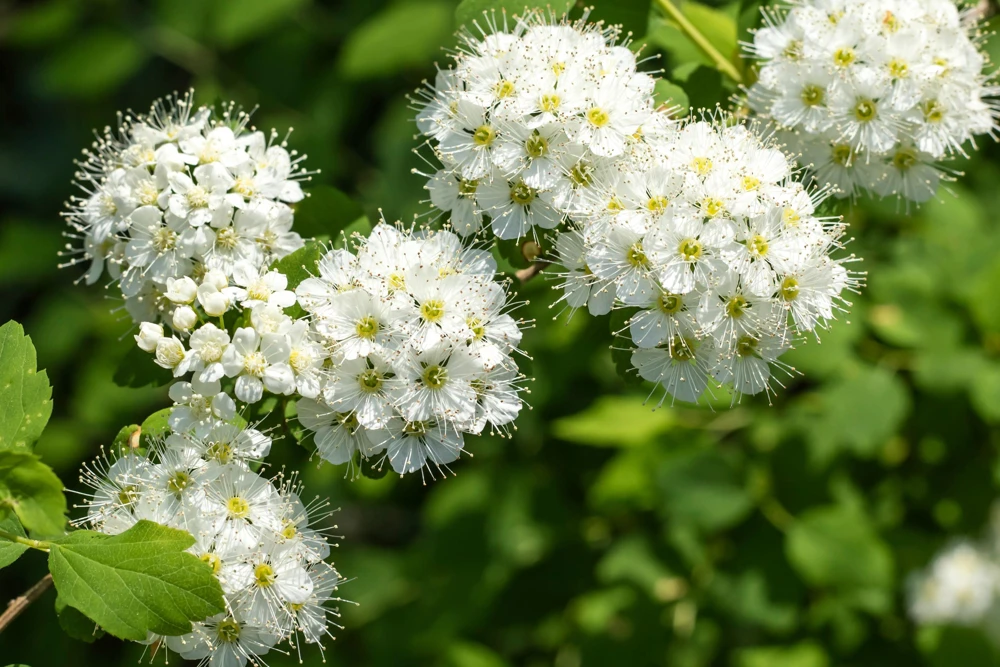
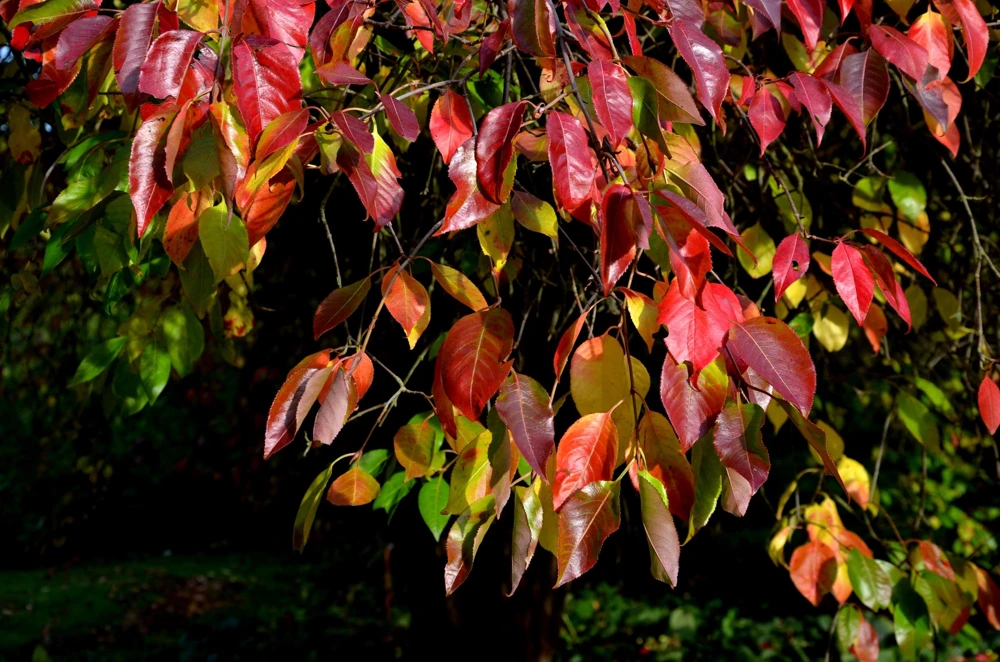
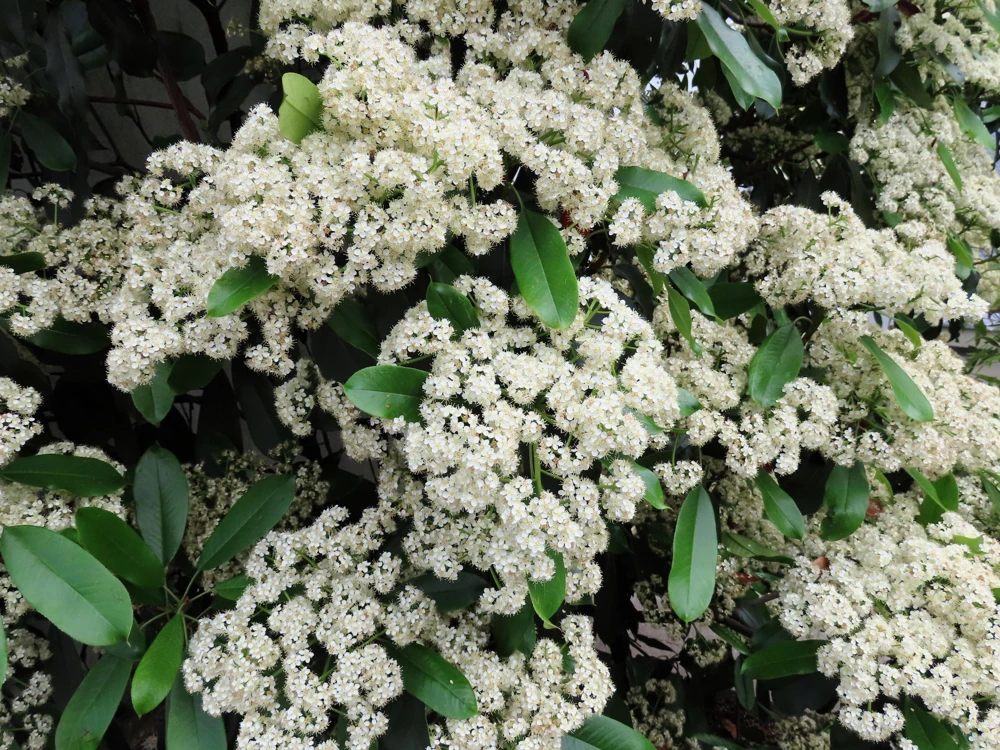
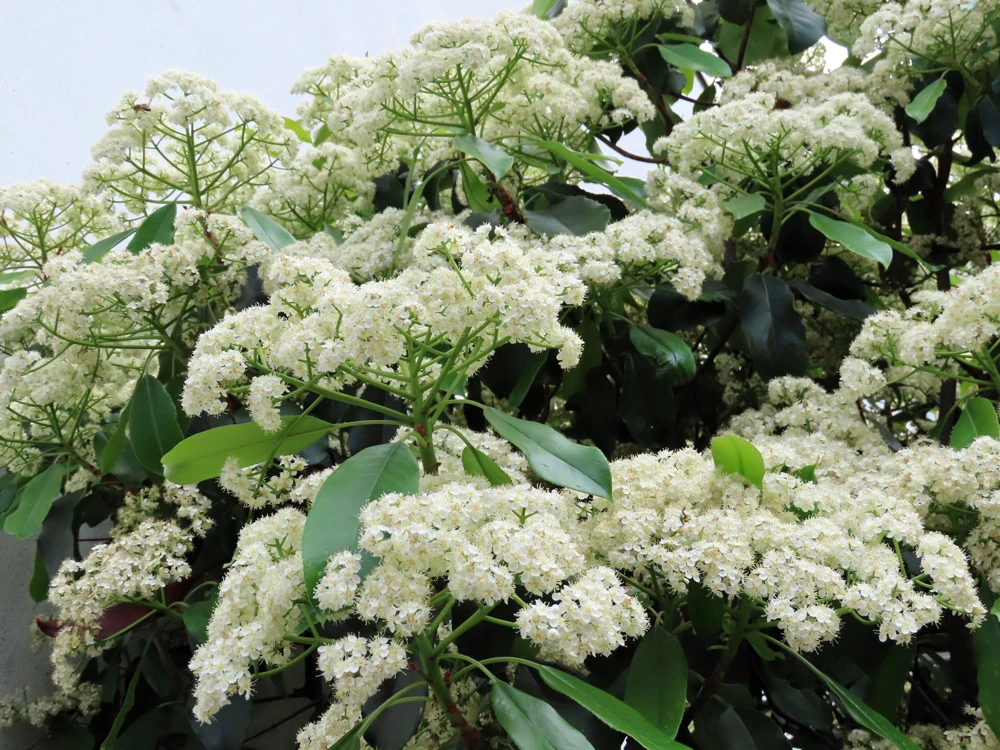
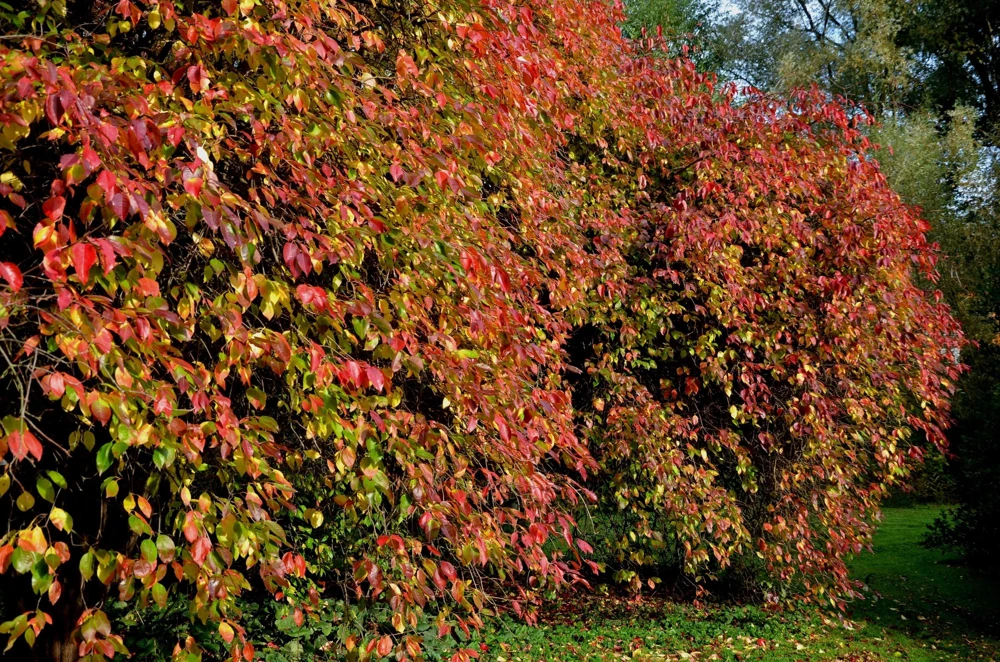
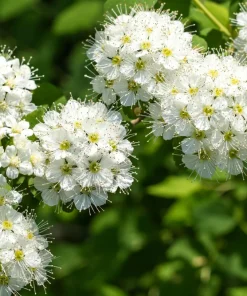
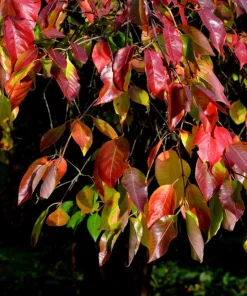
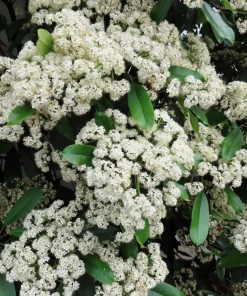
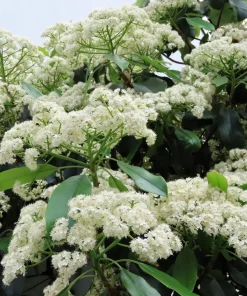
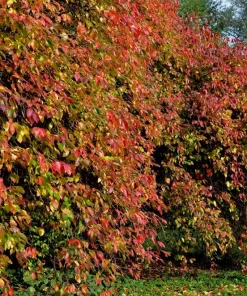
- Attractive Ornamental Value: In spring, the Nannyberry produces large, showy 5-inch clusters of white flowers that are highly attractive to bees and butterflies, adding vibrant life to your garden. Its glossy green leaves turn brilliant shades of yellow, orange, and deep red in the fall, ensuring continuous visual interest.
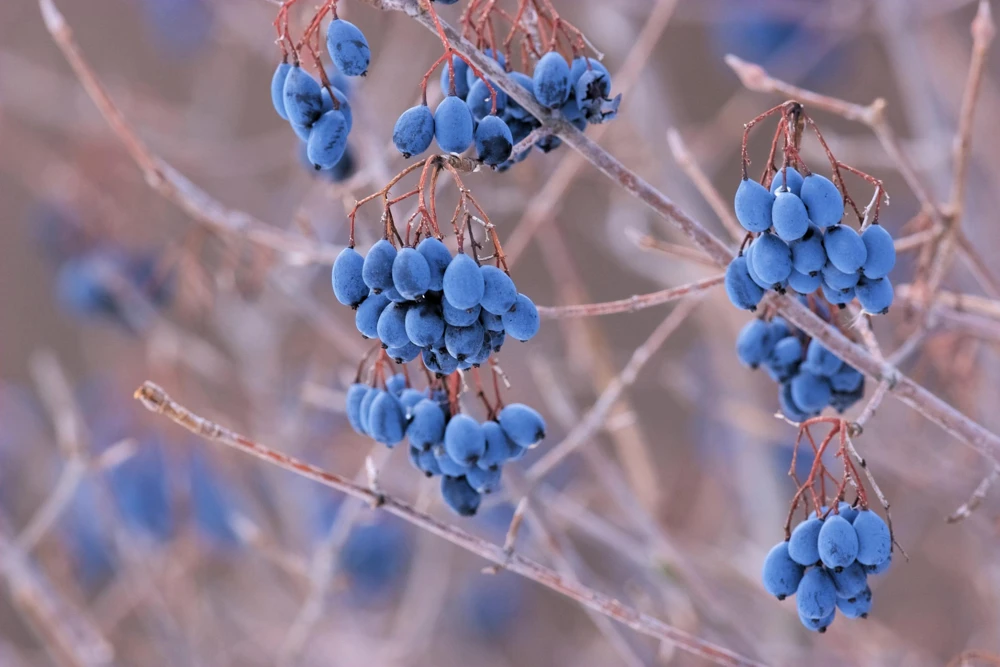
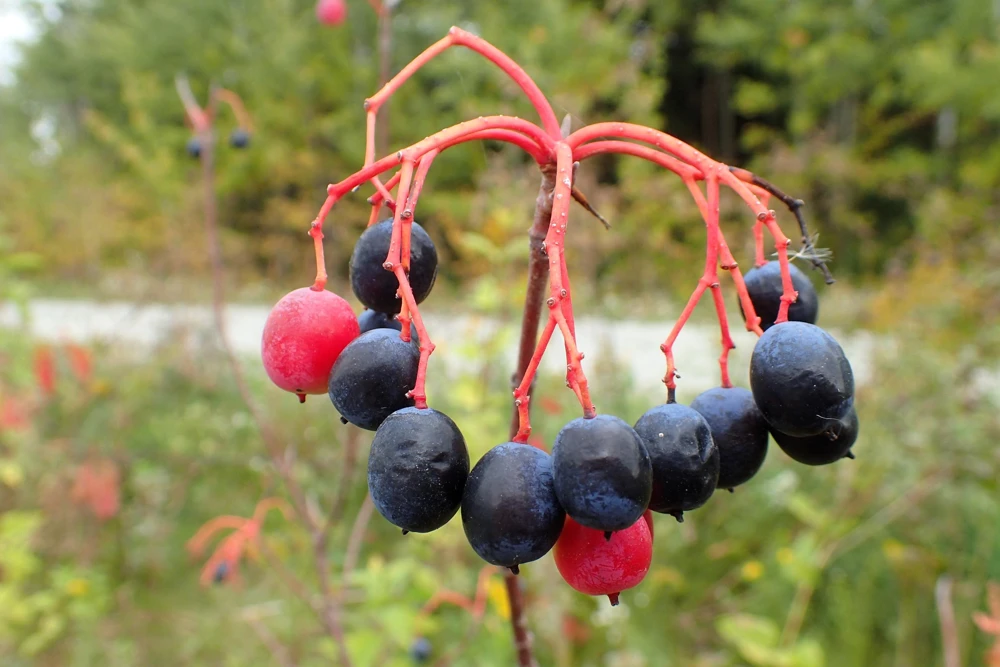
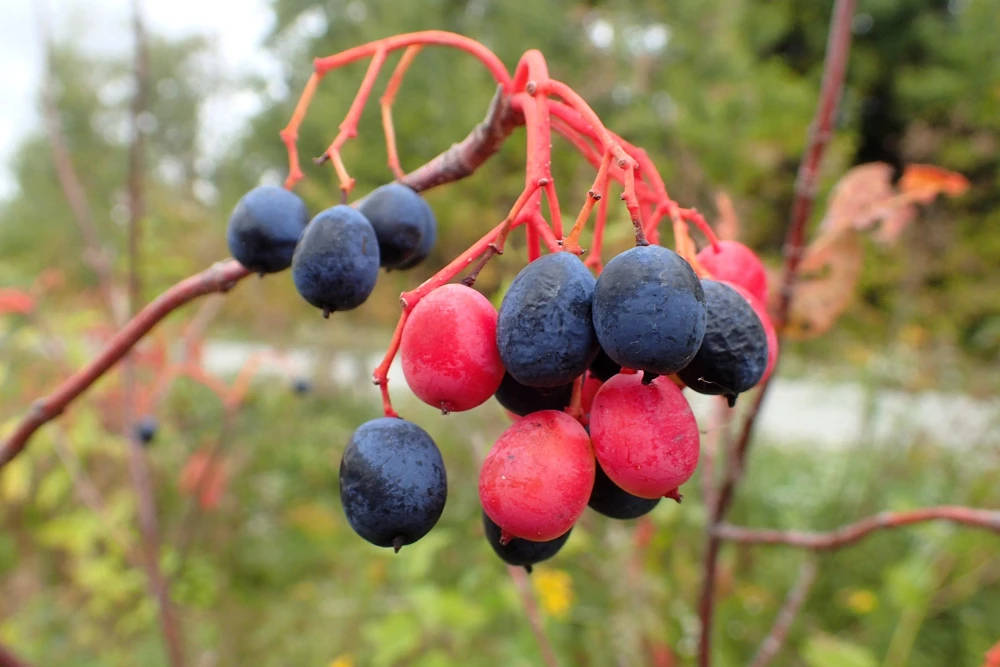
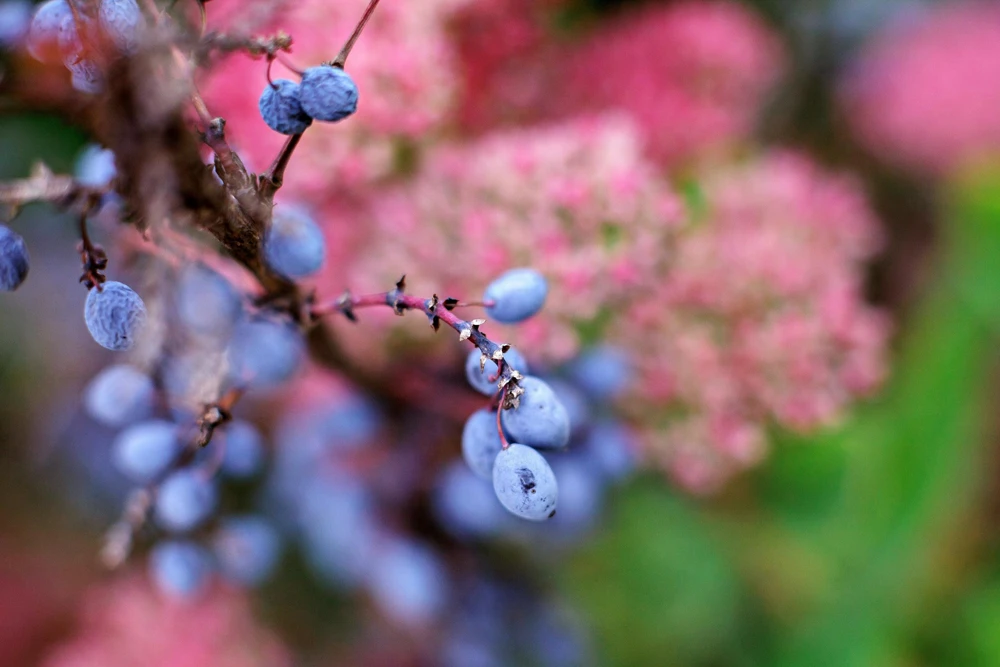
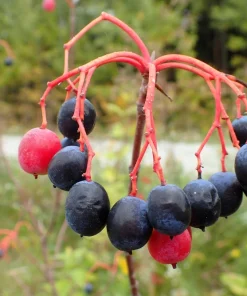
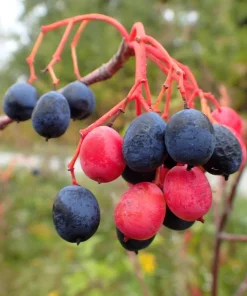
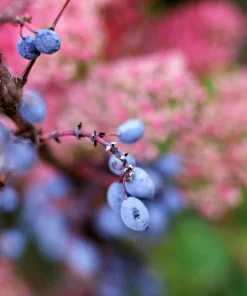
- Delicious Edible Fruit: By fall, the white flowers mature into abundant blue-black (or dark purple) berries that are exceptionally sweet and juicy. These versatile fruits can be enjoyed fresh off the bush, used in jams, pies, or dried for later consumption.
- Wildlife Attractor: The sweet berries are a favorite food source for birds and other critters, making the Nannyberry an excellent choice for supporting local wildlife and enhancing biodiversity in your yard.
- Adaptable Growth Habit: This plant can be allowed to grow as a natural shrub or pruned into a single-trunked tree, offering flexibility in landscape design to suit your specific needs and preferences.
- Hardy & Resilient: With a hardiness range of USDA Zones 2-8, the Nannyberry is remarkably cold-tolerant and adaptable to various climates, making it a reliable choice for many regions. This resilience contributes to the ease of nannyberry plant care.
- Low Maintenance: Once established, the Nannyberry is relatively low-maintenance, thriving in average soil conditions and requiring minimal care, making it suitable for both experienced and novice gardeners.
- Year-Round Interest: From spring blooms and summer foliage to fall color and persistent winter berries, the Nannyberry provides continuous beauty and ecological benefit throughout all four seasons.
Plant Care & Growing Tips
Cultivating nannyberry viburnum seeds into thriving plants is a straightforward process, especially with proper care. These seeds require a period of cold stratification to break dormancy and promote germination. You can achieve this by fall sowing directly outdoors, allowing nature to provide the necessary cold, or by artificially stratifying them in a refrigerator for 90-120 days. Once stratified, sow the seeds about 1/4 inch deep in well-draining soil. Germination can be slow and sporadic, so patience is key.
The Nannyberry thrives in locations receiving full sun to part shade. While it can tolerate a range of light conditions, more sun generally leads to more abundant flowering and fruiting. Average soil is usually sufficient, but ensuring good drainage is important to prevent root rot. Once established, the Nannyberry is quite drought-tolerant, though consistent moisture during dry spells will support healthier growth and better fruit production. Fertilization is generally not heavily required; a balanced, slow-release fertilizer in early spring can be beneficial for young plants or those in nutrient-poor soil. This plant is generally disease and pest resistant, contributing to easy nannyberry plant care. Ensure adequate spacing of 10-15 feet between plants to allow for mature growth. Pruning can be done to shape the plant or maintain its size, typically in late winter or early spring before new growth begins.
Size & Details
This offering includes 20 viburnum lentago seeds, ready for planting. Once mature, the Nannyberry plant typically reaches a height of 15 to 25 feet with a similar spread, forming either a dense shrub or an elegant small tree. The plant’s large, glossy green leaves can grow up to 4 inches long. Flowering occurs in the spring, with prominent white flower clusters measuring about 5 inches across. The berries develop by fall, transforming into a striking blue-black (dark purple) color, approximately 1/4 to 1/2 inch in diameter. These berries are known to persist on the plant well into winter, often improving in flavor after a frost. The Nannyberry is a moderately fast grower, establishing itself well within a few seasons and beginning to produce fruit within 3-5 years of planting from seed. It is cold hardy in USDA Zones 2-8, making it suitable for a wide range of climates.
Frequently Asked Questions
- Q: How big does a Nannyberry plant get? A: A Nannyberry plant typically grows to be 15 to 25 feet tall and can have a similar spread, whether grown as a shrub or a single-trunked tree.
- Q: How much sunlight does the Nannyberry need? A: The Nannyberry thrives in full sun to partial shade. More sunlight generally encourages more flowers and fruit.
- Q: Is this plant easy to care for? A: Yes, once established, the Nannyberry is considered a relatively low-maintenance plant. It tolerates average soil and is quite resilient, making nannyberry plant care manageable for most gardeners.
- Q: What condition will the nannyberry viburnum seeds arrive in? A: The seeds will arrive as dry, viable seeds, packaged for protection. They will require cold stratification before planting.
- Q: Can the berries be eaten? A: Absolutely! The blue-black berries of the Nannyberry are sweet, juicy, and edible. They can be eaten fresh, made into preserves, baked, or dried.
- Q: When is the best time to plant Nannyberry seeds? A: The best time to plant Nannyberry seeds is in the fall for natural cold stratification, or you can cold stratify them artificially in a refrigerator for 3-4 months before spring planting.
- Q: Will the Nannyberry survive winter in my zone? A: The Nannyberry is very cold-hardy, thriving in USDA Hardiness Zones 2 through 8, making it suitable for a wide range of winter climates.
- Q: Do I need more than one Nannyberry plant for fruit production? A: While Nannyberry is self-fertile, planting multiple specimens can sometimes lead to better cross-pollination and a more abundant fruit harvest, especially when growing from these viburnum lentago seeds.
- Q: How long does it take for Nannyberry to produce fruit? A: When grown from seed, Nannyberry plants typically begin to produce fruit within 3 to 5 years after planting.
- Q: What are the best soil conditions for Nannyberry? A: Nannyberry prefers average, well-draining soil. It is adaptable to various soil types but does not thrive in constantly waterlogged conditions.
Be the first to review “Nannyberry Sweet Viburnum Lentago Seeds – 20 Count, White Flowers, Edible Blue-Black Berries”
People Also Viewed


Reviews
There are no reviews yet.