


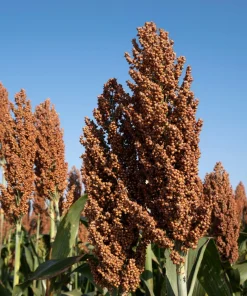
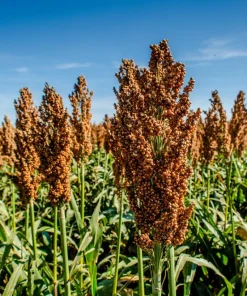
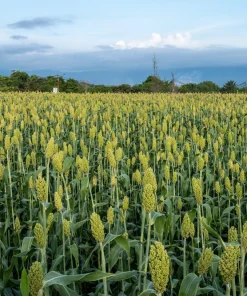
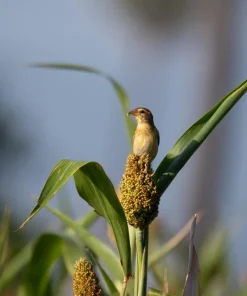


Mennonite Sorghum Seeds – 50 Count Heirloom Sugar Cane Grain Vegetable
Original price was: $36.99.$16.99Current price is: $16.99.
Cultivate your own mennonite sorghum seeds, an heirloom variety known for producing sweet syrup and versatile gluten-free grain. This robust plant is easy to grow, drought-tolerant, and offers multiple uses from culinary to livestock feed.
Estimated arrival
Sep 17
Sep 22 - Sep 24
Sep 27 - Oct 01
Shop With Confidence
30-Day Plant Health Guarantee
Arrives damaged? We’ll replace it free — see our return policy.
Responsive Support
Email us anytime, we reply within 1 business day.
Expert Packaging
Temperature-controlled shipping to protect your plants in transit.
Secure Checkout
Pay safely with Visa, Mastercard, PayPal.
Plant Specifications
-
USDA Hardiness Zone
Grown as an annual in most zones -
Soil Type
Average, well-draining soil -
Sunlight Exposure
Full sun -
Expected Planting Period
Outdoors after last frost / Indoors weeks before last frost
Overview
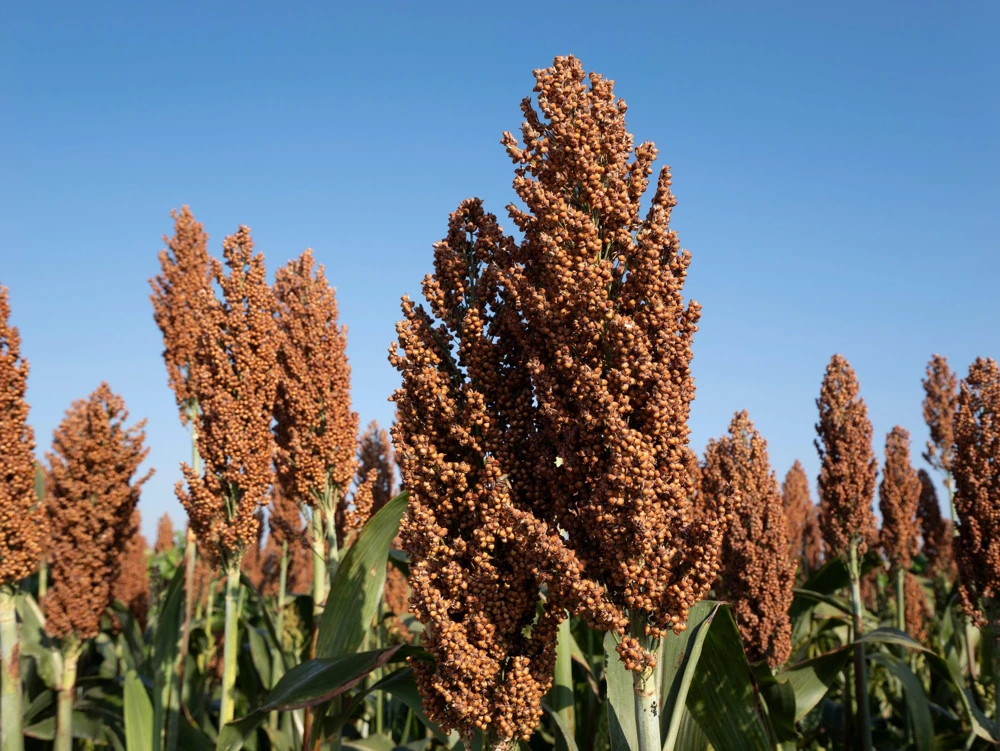
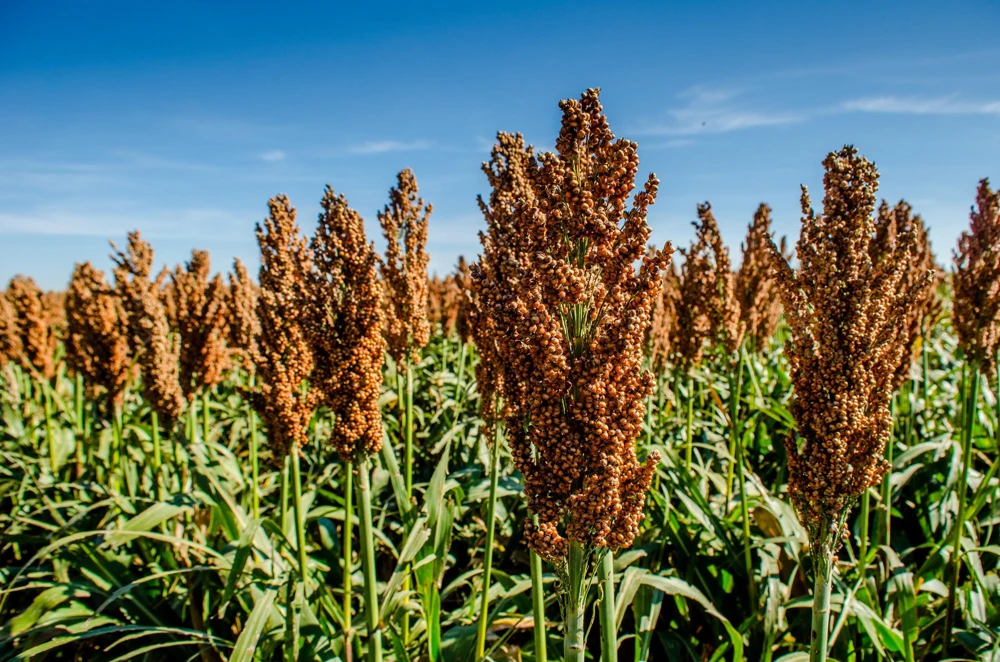
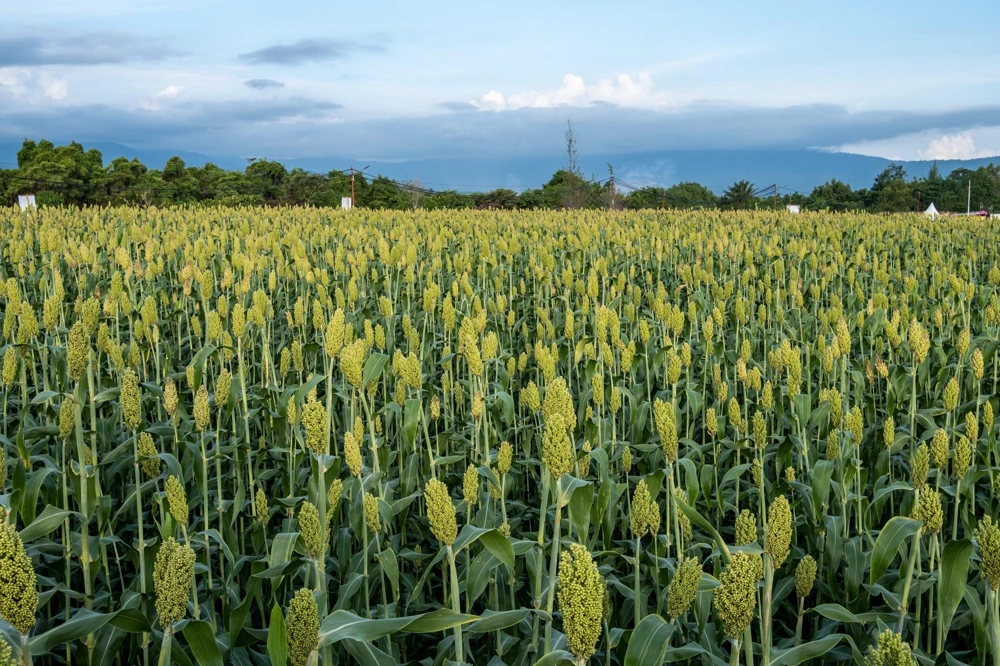
Discover the versatility and heritage of mennonite sorghum seeds, an exceptional heirloom variety perfect for both the home gardener and those interested in sustainable agriculture. This particular strain, scientifically known as Sorghum bicolor, is celebrated for its ability to produce a sweet, light-colored syrup, often compared to molasses in consistency and hue. Beyond its syrup-making capabilities, the grain from these plants can be ground into a nutritious gluten-free flour, making it a valuable alternative to wheat, rye, and barley for various culinary applications. Growing up to 72-96 inches tall, these sturdy plants offer an excellent yield and are surprisingly easy to cultivate, thriving in various conditions and making them a rewarding addition to any garden.
Our mennonite sorghum seeds provide an opportunity to connect with traditional farming practices and enjoy a highly beneficial crop. Whether you’re looking to produce your own natural sweeteners, create gluten-free baked goods, or even provide feed for livestock, this sorghum variety is a fantastic choice. Its robust nature and numerous applications make it a staple in many self-sufficient gardening endeavors. Plant these seeds and watch them transform into a valuable and productive part of your landscape.
Key Benefits
Beyond its historical significance, growing mennonite sorghum seeds offers a wealth of practical benefits for gardeners and homesteaders alike:
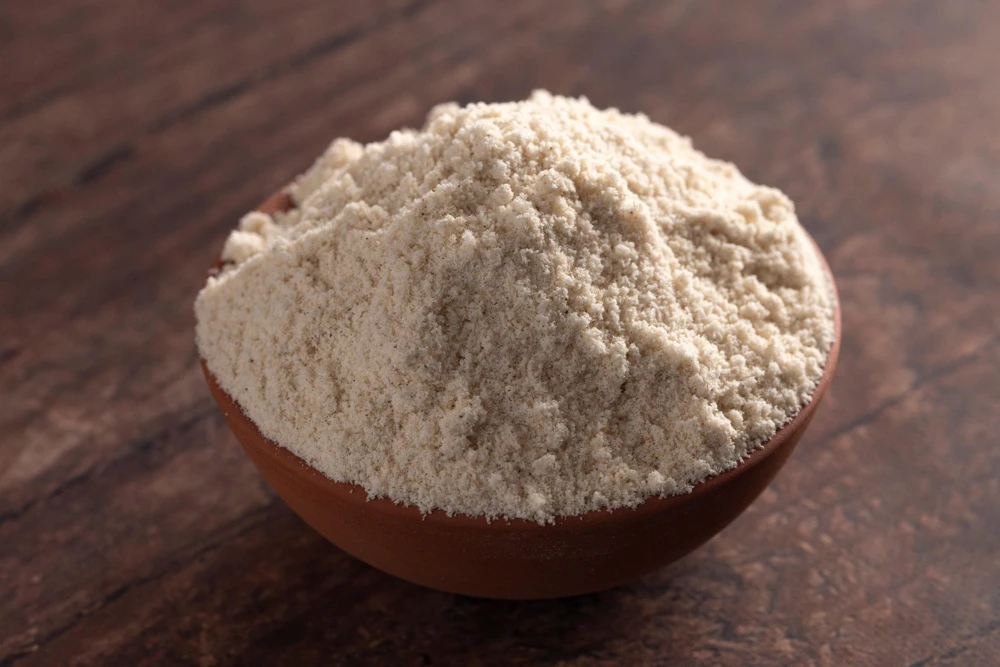
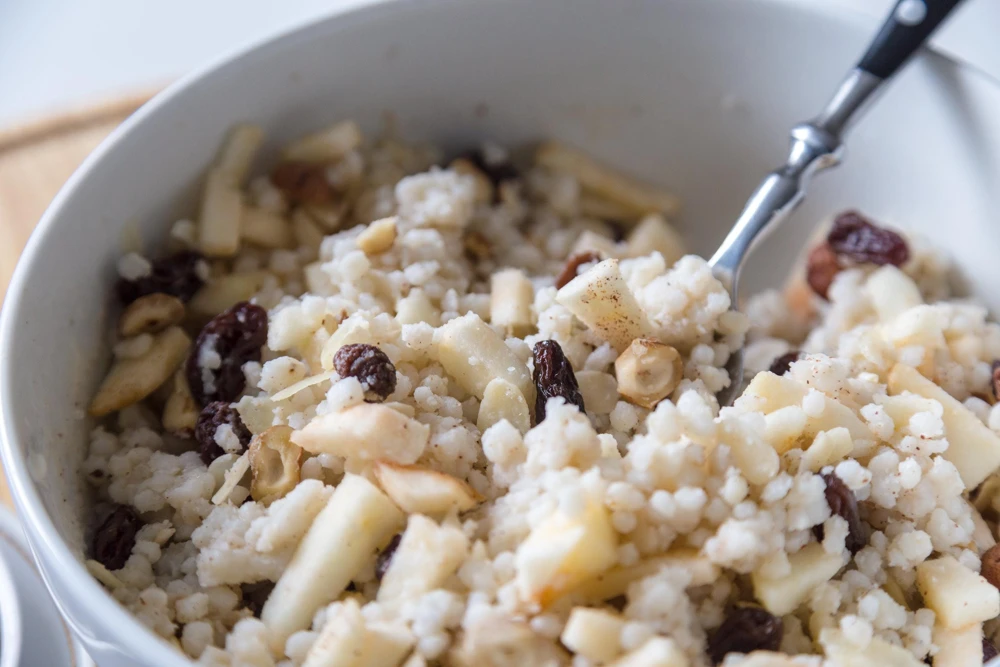
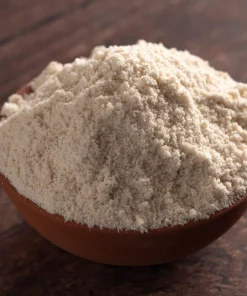
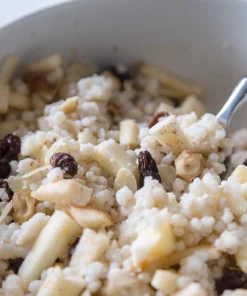
- Versatile Culinary Uses: The primary benefit of this heirloom variety is its dual-purpose nature. It produces a sweet, light-colored syrup from its sturdy stalks, similar to molasses, which can be used as a natural sweetener. Additionally, the grain can be milled into a gluten free sorghum flour, perfect for baking, brewing, or as a whole grain in various dishes.
- Nutritional Powerhouse: Sorghum is naturally gluten-free and packed with essential vitamins, minerals, fiber, and protein. Incorporating it into your diet can contribute to overall health and well-being, especially for those with dietary restrictions.
- Excellent Yield Potential: These plants are known for producing an excellent yield, ensuring a bountiful harvest from your efforts. The sturdy, thick stalks are indicative of a healthy and productive plant.
- Drought and Heat Tolerant: Sorghum is a remarkably resilient crop. It tolerates heat and drought conditions very well, making it an ideal choice for gardens in warmer climates or areas prone to dry spells, requiring less water than many other crops.
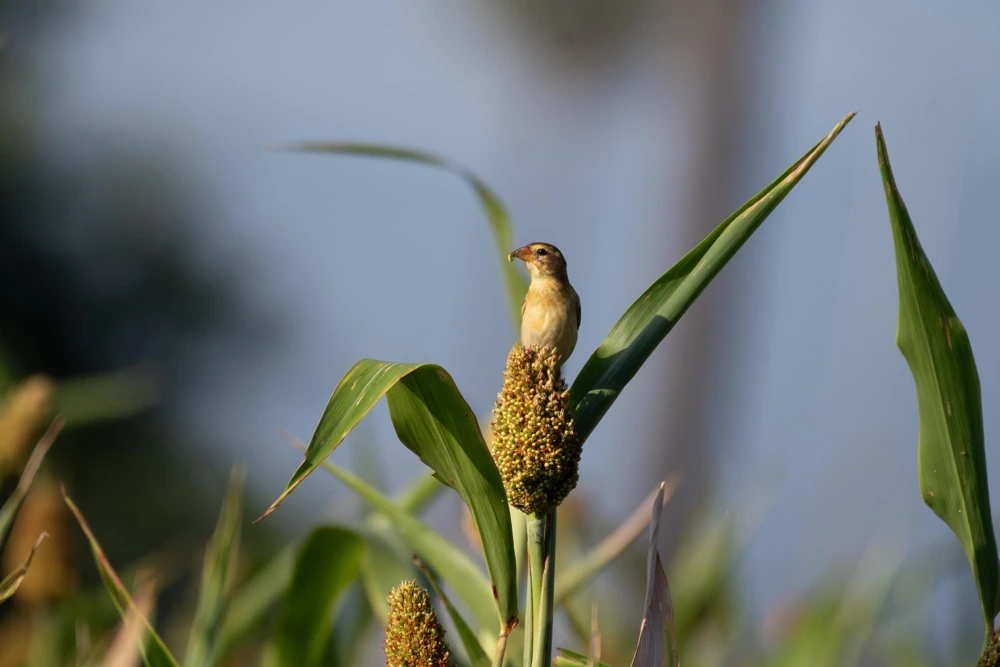
- Sustainable and Eco-Friendly: Sorghum has a wide variety of uses, including biofuel production, and its leaves, stalks, and grain can serve as nutritious livestock feed. This makes it a sustainable choice that supports diverse agricultural needs.
- Easy to Grow: Despite its many benefits, sorghum is not difficult to grow. It grows quickly and thrives in most soil types, making it suitable for beginner and experienced gardeners alike. Learn how to grow sorghum for syrup with ease.
- Heirloom Variety: By planting these heirloom sorghum seeds, you’re preserving agricultural heritage and enjoying a plant that has been valued for generations for its superior qualities and reliability.
Plant Care & Growing Tips
Cultivating mennonite sorghum seeds is a straightforward process, making it an excellent choice for gardeners of all experience levels. These plants are known for their resilience and adaptability. For best results, plant the seeds outdoors after the last frost has passed, ensuring the soil has warmed sufficiently. If you’re eager to get a head start, you can plant seeds indoors a few weeks before the last expected frost and transplant the seedlings once the weather is consistently warm. Sow seeds at a depth of about 1 inch, spacing plants 9-12 inches apart in rows, similar to how corn is traditionally grown. This spacing allows for proper air circulation and root development.
Sunlight requirements: Mennonite Sorghum thrives in full sun, requiring at least 6-8 hours of direct sunlight per day to achieve its full potential and produce the sweetest syrup. Ensure your planting location receives ample sun throughout the growing season. Soil & Water Preferences: These plants prefer average soil conditions but will adapt to most soil types, as long as they are well-draining. While tolerant of drought once established, consistent moisture, especially during germination and early growth, will promote vigorous development. Water regularly but avoid waterlogging the soil. Sorghum is known for its ability to withstand dry periods, making it a low-maintenance option.
The plants typically reach a height of 72-96 inches, so consider their mature size when choosing a location. They are ready for harvest in approximately 112 days. While generally pest and disease resistant, good garden hygiene and proper spacing will help prevent any potential issues. Fertilization is generally not heavily required in average soils, but a balanced, slow-release fertilizer can be applied at planting or once established to encourage robust growth. Understanding how to grow sorghum for syrup successfully involves providing adequate sunlight and ensuring good drainage. For those interested in sorghum grain uses beyond syrup, proper harvesting and drying of the grain heads are crucial.
Size & Details
This offering includes a packet of 50 Mennonite Sorghum Seeds, providing ample opportunity to establish a productive patch in your garden. As an heirloom variety, these seeds will produce plants true to type, ensuring the classic qualities of Mennonite Sorghum. The mature plants will reach an impressive height of 72-96 inches (6-8 feet), showcasing sturdy, thick stalks that are ideal for syrup production. They should be spaced approximately 9-12 inches apart to allow for optimal growth and development. From planting to harvest, you can expect a growing period of about 112 days, allowing you to enjoy a harvest within a single growing season. These seeds are suitable for outdoor planting after the last frost or can be started indoors for an earlier yield, making them versatile for various climates. The resulting plants are not only beneficial for their syrup and grain but also add a striking vertical element to the garden landscape.
Frequently Asked Questions
- Q: How big does this plant get? A: Mennonite Sorghum plants typically grow quite tall, reaching heights between 72 to 96 inches (6 to 8 feet) with sturdy, thick stalks.
- Q: Is this an indoor or outdoor plant? A: These mennonite sorghum seeds are primarily intended for outdoor cultivation. They require full sun and ample space to grow to their full potential.
- Q: How much sunlight does it need? A: Mennonite Sorghum thrives in full sun, needing at least 6-8 hours of direct sunlight per day for optimal growth and syrup production.
- Q: Is this plant easy to care for? A: Yes, sorghum is known for being relatively easy to grow. It’s tolerant of heat and drought and can grow in most soil types, making it suitable for beginners. Learning to grow sorghum for syrup is a rewarding experience.
- Q: What condition will it arrive in? A: You will receive 50 high-quality, viable seeds ready for planting. They are carefully packaged to ensure their integrity during transit.
- Q: When is the best time to plant? A: For outdoor planting, sow seeds after the last frost when the soil has warmed. You can also start them indoors a few weeks before the last frost for an earlier harvest.
- Q: Can I use the grain for gluten-free flour? A: Absolutely! One of the great sorghum grain uses is grinding it into gluten-free flour, which can be used as a substitute for wheat, rye, or barley in various recipes. This is a key benefit of gluten free sorghum.
- Q: Will it survive winter in my zone? A: Mennonite Sorghum is typically grown as an annual crop. It will not survive freezing temperatures, so it’s best to plant it after all danger of frost has passed.
- Q: What are the main uses for Mennonite Sorghum? A: The main uses include producing sweet syrup from the stalks, grinding the grain for gluten-free flour, using the grain as a whole food, and providing livestock feed.
- Q: How long until harvest? A: You can expect to harvest your Mennonite Sorghum approximately 112 days after planting.
Be the first to review “Mennonite Sorghum Seeds – 50 Count Heirloom Sugar Cane Grain Vegetable”
People Also Viewed


Reviews
There are no reviews yet.