
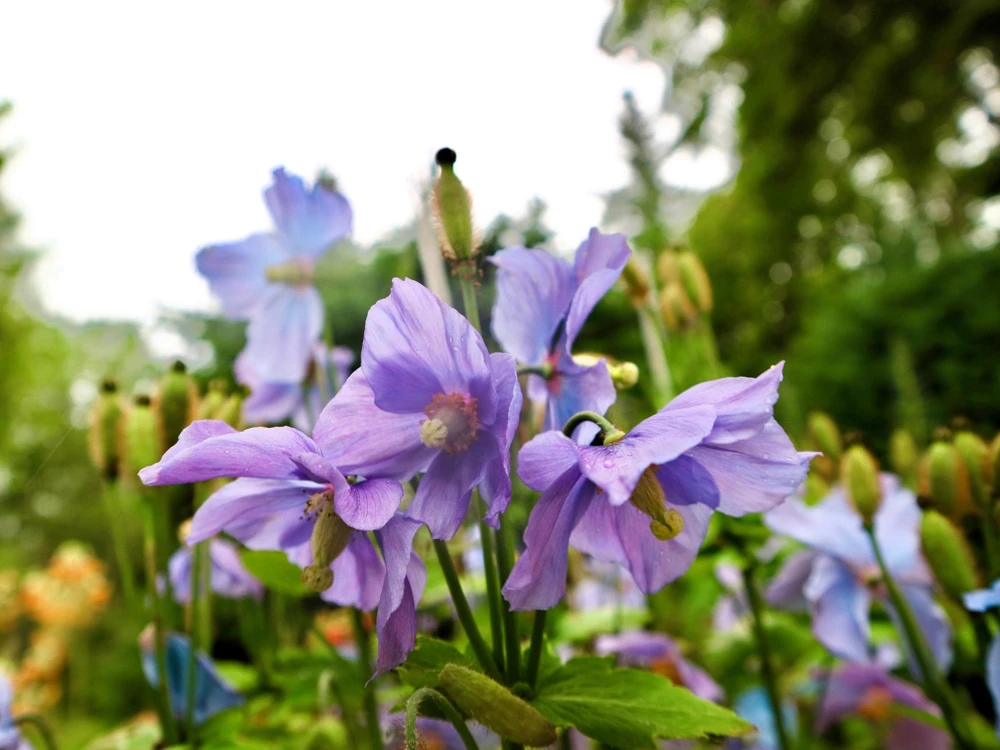
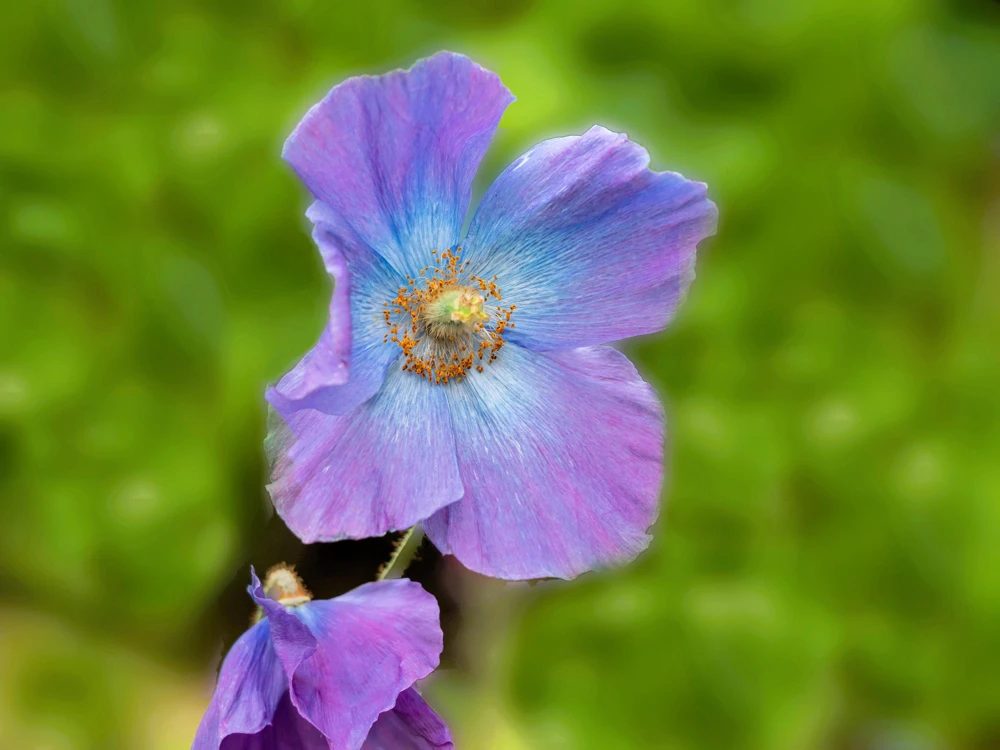
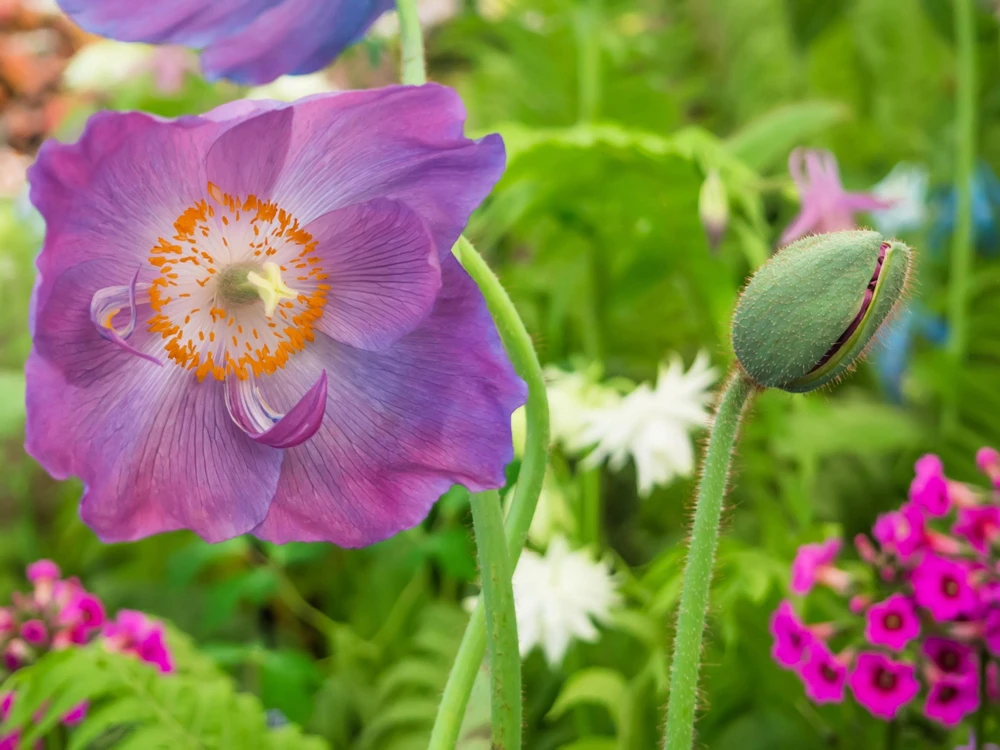
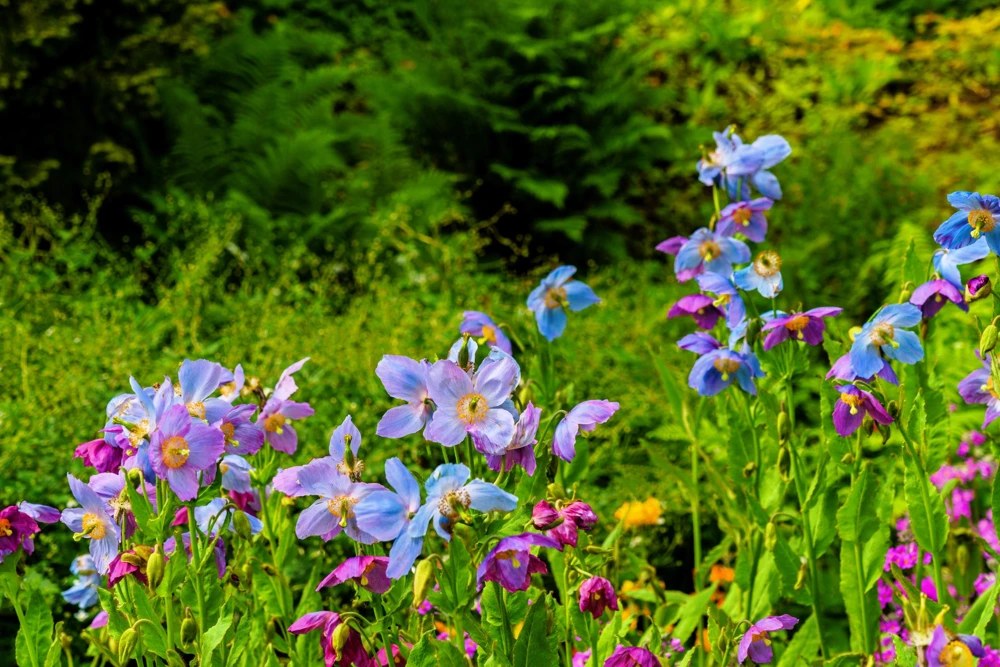
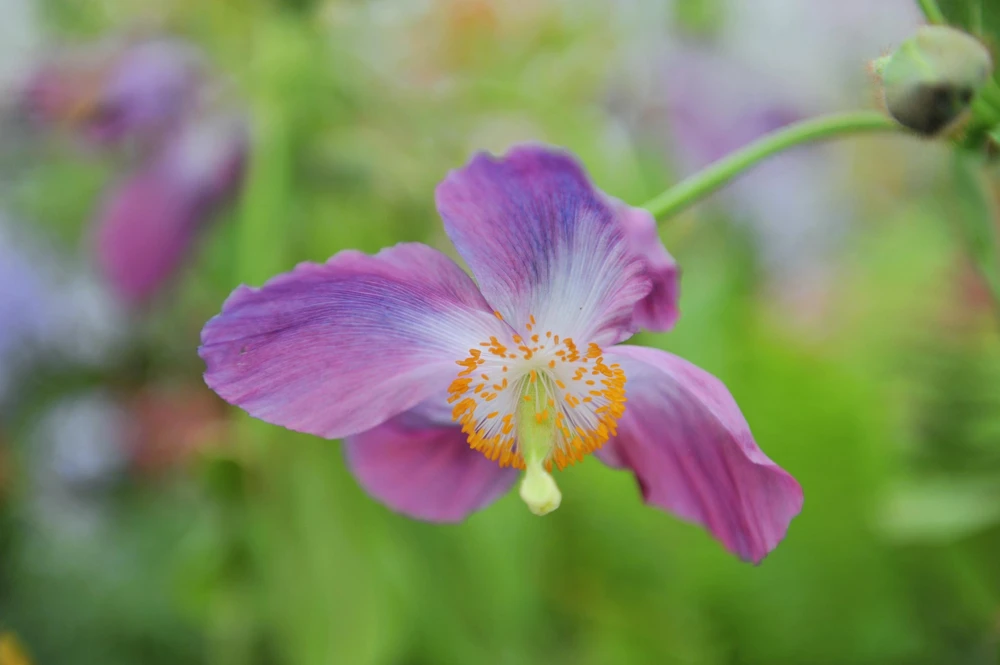
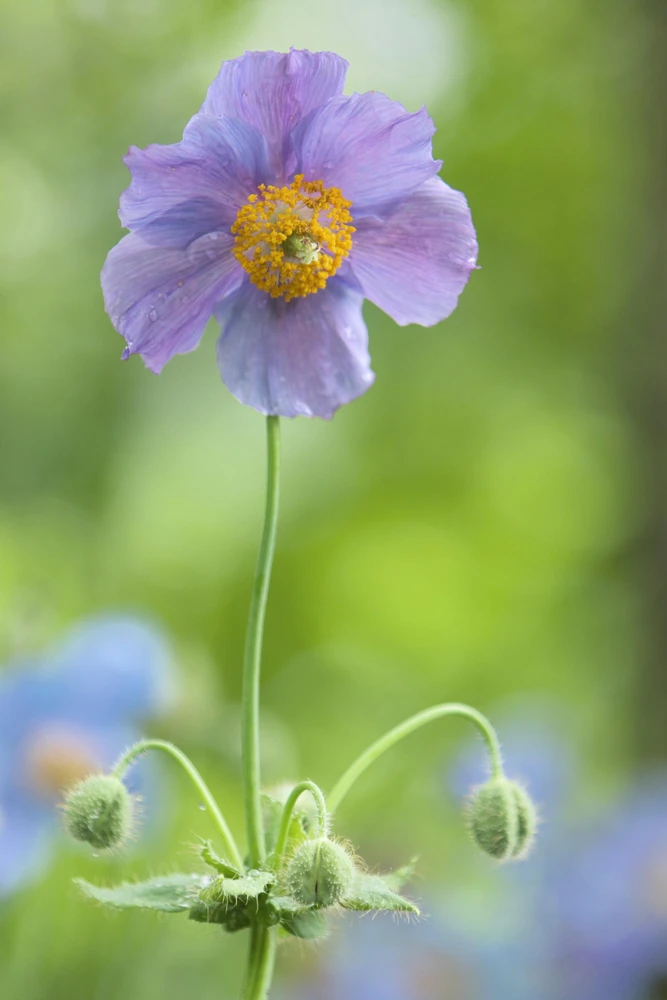
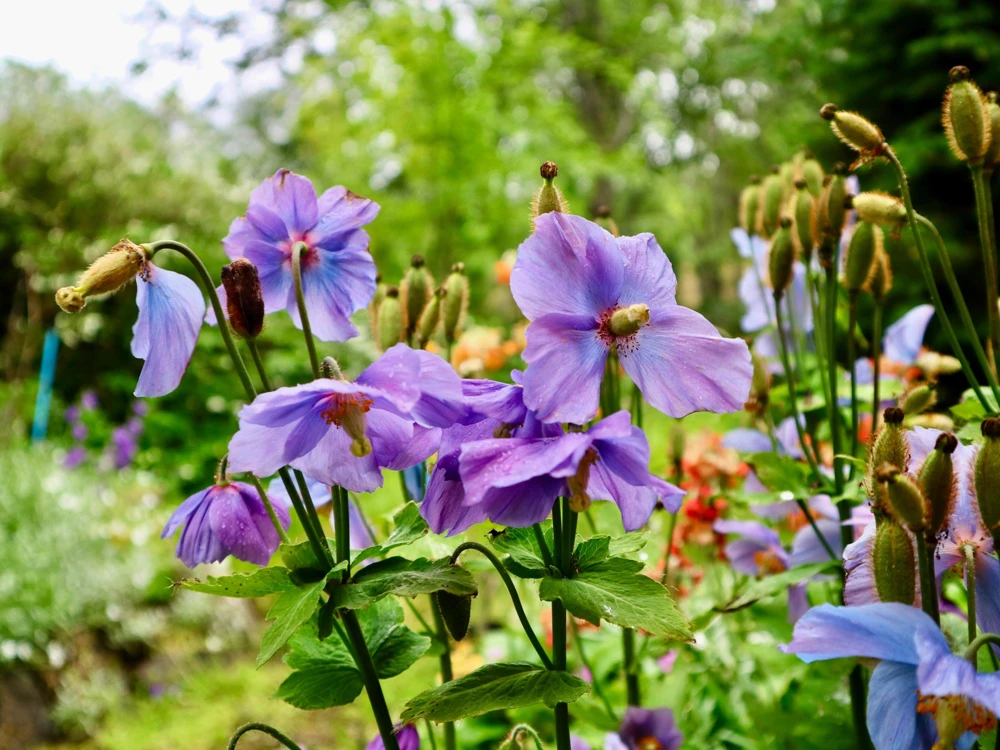
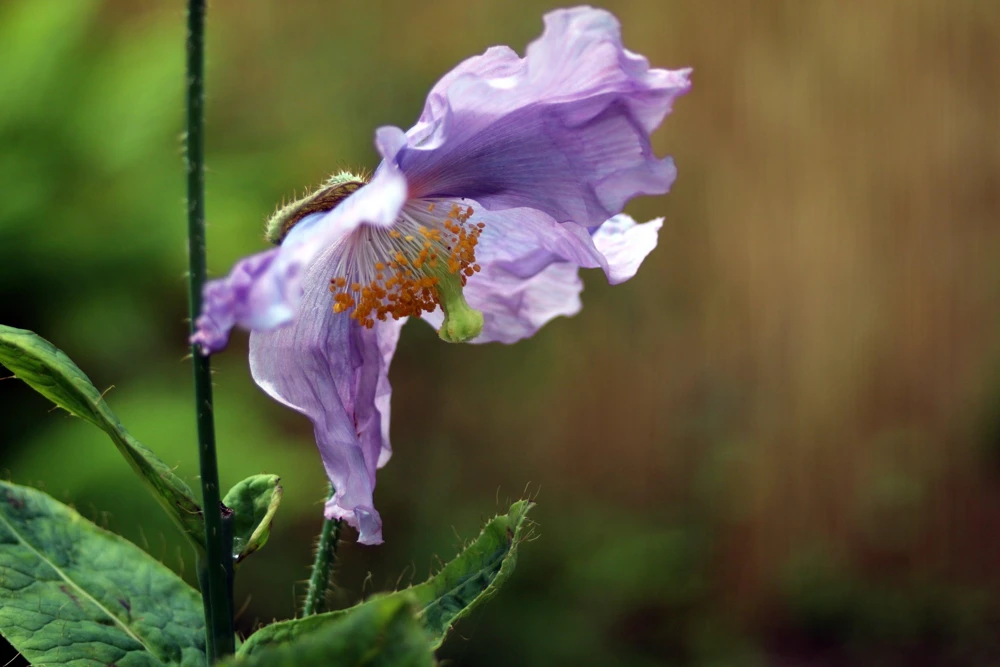
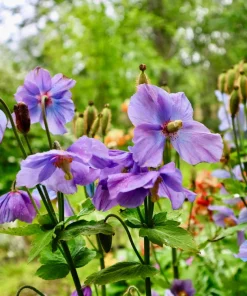
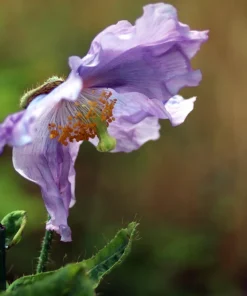
Violet Himalayan Poppy Seeds – 10 Meconopsis Betonicifolia Flower Seeds
Original price was: $41.19.$21.19Current price is: $21.19.
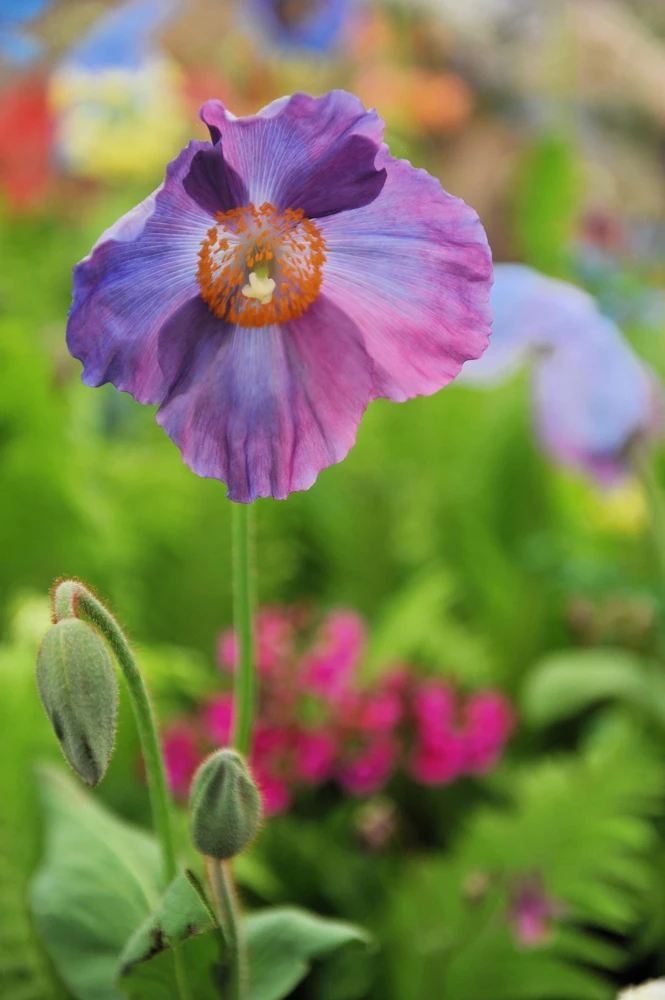
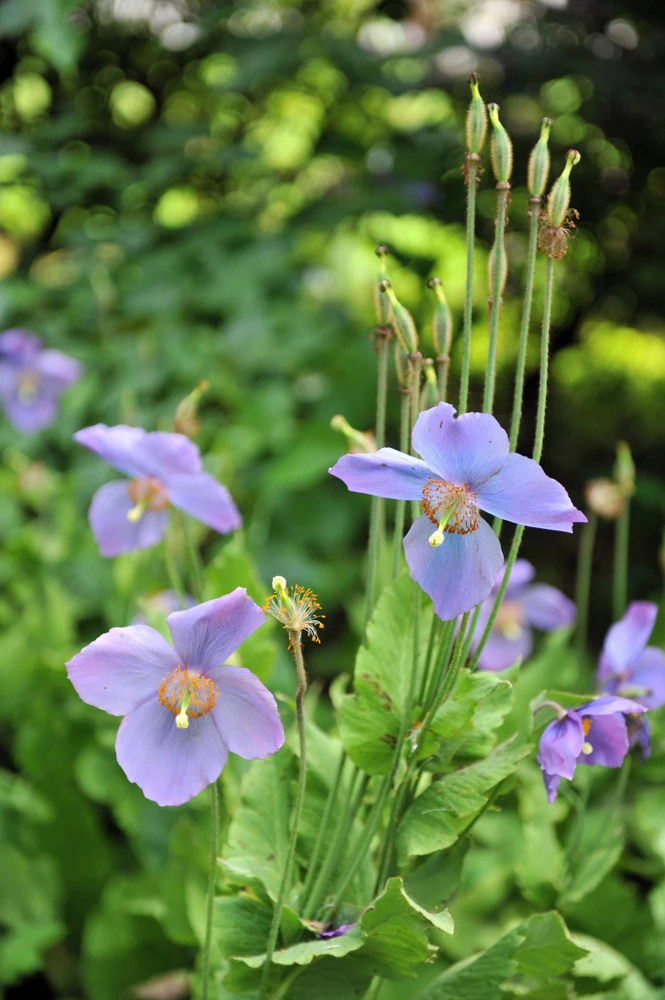
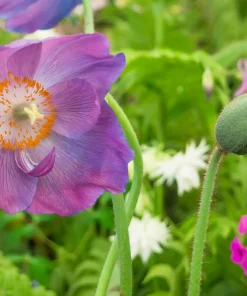
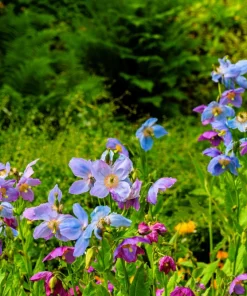
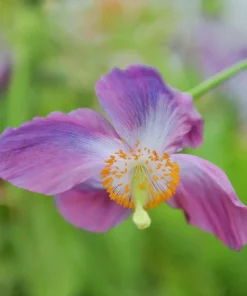
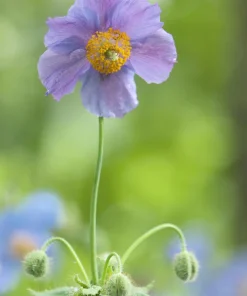
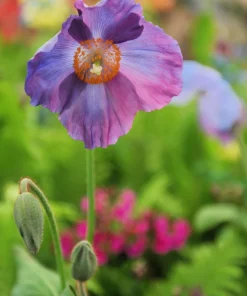
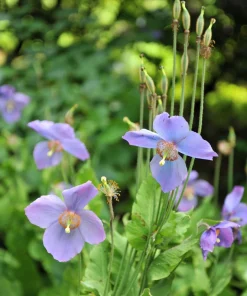
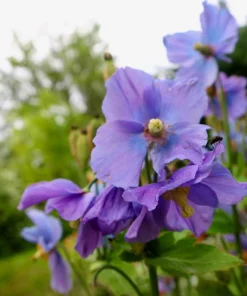
Cultivate the exquisite beauty of the violet himalayan poppy seeds (Meconopsis Betonicifolia Violet) in your garden. These rare flower seeds produce stunning violet blooms, adding a unique and vibrant touch. Perfect for gardeners seeking distinctive and captivating flowers.
Estimated arrival
Sep 17
Sep 22 - Sep 24
Sep 27 - Oct 01
Shop With Confidence
30-Day Plant Health Guarantee
Arrives damaged? We’ll replace it free — see our return policy.
Responsive Support
Email us anytime, we reply within 1 business day.
Expert Packaging
Temperature-controlled shipping to protect your plants in transit.
Secure Checkout
Pay safely with Visa, Mastercard, PayPal.
Plant Specifications
-
USDA Hardiness Zone
3 - 9 -
Soil Type
Average, well-draining soil -
Sunlight Exposure
Full Shade - Part Shade -
Expected Planting Period
Outdoors after frost / Indoors weeks before last frost
Overview
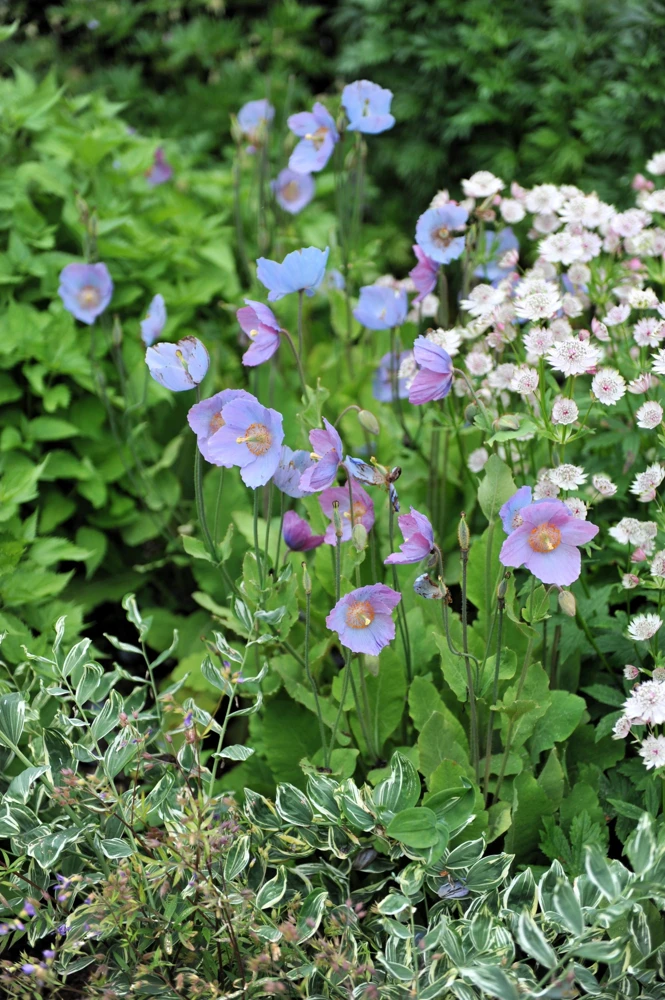
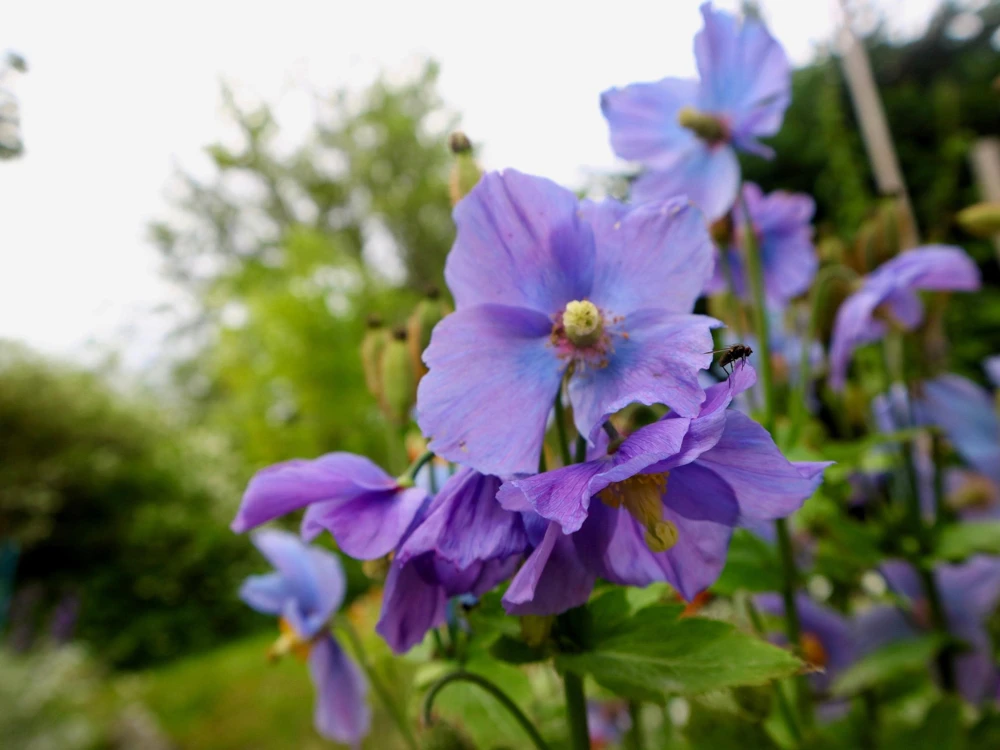
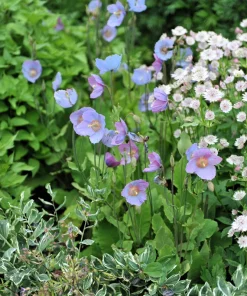
Discover the allure of the violet himalayan poppy seeds, a truly spectacular addition to any garden. These Meconopsis Betonicifolia Violet seeds offer the opportunity to grow one of the most sought-after and beautiful poppies available. Known scientifically as Meconopsis Betonicifolia Violet and sometimes referred to as Hensol Poppy, this variety captivates with its brilliant violet hues. These poppies are highly prized for their rarity and the breathtaking shades they bring to the landscape. Imagine combining them with their blue counterparts for an even more dramatic and unforgettable display. Poppies are also fantastic for attracting beneficial insects like bees, butterflies, and birds, contributing to a vibrant and healthy garden ecosystem. The large, showy blooms, often measuring 3-4 inches wide, make them excellent as cut flowers, and their distinctive seed pods can be used in dried arrangements or various crafts.
Key Benefits
Growing violet himalayan poppy seeds provides a multitude of benefits, both aesthetic and ecological, enhancing your outdoor space with their unique charm. These exceptional flowers are a testament to nature’s artistry.
- Stunning Visual Appeal: The vibrant violet blooms of the Meconopsis Betonicifolia Violet are incredibly striking, offering a rare and captivating color that stands out in any garden setting. They create a focal point with their delicate yet vivid petals.
- Attracts Pollinators: These poppies are known to attract bees, butterflies, and birds, contributing to biodiversity and helping to pollinate other plants in your garden. This makes them a valuable addition for ecological gardening.
- Excellent Cut Flowers: With their large, showy flowers, the violet himalayan poppy seeds produce blooms that are perfect for fresh floral arrangements, bringing their beauty indoors. Their robust stems ensure they last well in vases.
- Unique Dried Arrangements: The distinctive seed pods that follow the blooms are excellent for dried arrangements and crafts, offering an extended period of interest even after the flowering season. This provides year-round decorative potential.
- Rarity and Exclusivity: The Himalayan Poppy, particularly the violet variety, is considered rare and highly sought after by gardeners, allowing you to cultivate a truly special and unique plant. This adds an exclusive touch to your horticultural endeavors.
- Complements Other Varieties: The violet shade pairs beautifully with the traditional blue Himalayan poppies, allowing for breathtaking color combinations and artistic garden designs. This versatility helps create dynamic garden displays.
Plant Care & Growing Tips
Successful cultivation of violet himalayan poppy seeds requires attention to their specific needs, particularly regarding light, soil, and moisture. Understanding these requirements will help ensure a thriving display of these magnificent flowers. For optimal growth, consider the details of himalayan poppy plant care.
These poppies prefer a location with full to part shade, meaning they need protection from intense afternoon sun, especially in warmer climates. Too much direct sunlight can scorch their delicate petals and leaves. They thrive in average, well-draining soil that is consistently moist but not waterlogged. Amend heavy clay soils with organic matter to improve drainage, or sandy soils to enhance moisture retention. Cold stratification is crucial for germination; seeds should be sown outdoors after the last frost or started indoors several weeks before. Ensure the soil remains cool and moist during the germination period. Once established, maintain consistent moisture, especially during dry spells, but avoid overwatering, which can lead to root rot. Fertilize sparingly with a balanced, slow-release fertilizer if needed, but these plants generally do not require heavy feeding. Watch out for slugs and snails, which can be attracted to young seedlings. Proper growing himalayan poppy techniques will lead to robust plants.
Size & Details
These violet himalayan poppy seeds are supplied in a quantity of 10 seeds per pack, providing a good starting point for cultivating these beautiful plants. When mature, the plants typically reach a height of 24 to 36 inches, making them a prominent feature in your garden. A spacing of 18 to 24 inches between plants is recommended to allow for adequate air circulation and growth. They are hardy in USDA Zones 3 through 9, demonstrating a good range of climatic adaptability. These poppies typically bloom in the summer months, offering a spectacular display of color. The plant form is herbaceous perennial, meaning they can return year after year in suitable climates. Expect the huge, showy blooms to be 3-4 inches wide. While germination can take some time due to the need for cold stratification, the reward of these rare and exquisite flowers is well worth the effort.
Frequently Asked Questions
- Q: How big does the violet himalayan poppy seeds plant get? A: These plants typically grow to a height of 24 to 36 inches, creating an impressive vertical element in your garden. They have a spread of 18-24 inches.
- Q: Is this an indoor or outdoor plant? A: The Meconopsis Betonicifolia Violet is primarily an outdoor plant, thriving in garden settings where it can receive the necessary shade and cool, moist conditions. It is not typically grown as an indoor houseplant.
- Q: How much sunlight does it need? A: Himalayan poppy plant care requires full shade to part shade. It prefers protection from intense afternoon sun, which can be too harsh for its delicate foliage and flowers.
- Q: Is this plant easy to care for? A: While not extremely difficult, growing himalayan poppy requires specific conditions, particularly consistent moisture and shade. It’s considered moderately challenging for beginner gardeners but very rewarding for those who meet its needs.
- Q: What condition will the seeds arrive in? A: The product consists of rare flower seeds, which will arrive in a protective packet, ready for planting according to the provided instructions.
- Q: How long until it blooms? A: After successful germination and establishment, the violet himalayan poppy seeds typically bloom in the summer of their second year, as they are often biennial or short-lived perennials.
- Q: When is the best time to plant? A: For best results, sow these seeds outdoors after the last frost in spring, or indoors several weeks before the last frost. Cold stratification is essential for germination.
- Q: Will it survive winter in my zone? A: Yes, these poppies are hardy in USDA Zones 3-9, meaning they can tolerate a range of winter temperatures and will return annually in these zones.
- Q: What type of soil does the violet himalayan poppy seeds prefer? A: They prefer average, well-draining soil that is consistently moist. Amending with organic matter can improve soil structure and moisture retention.
- Q: Do these poppies attract wildlife? A: Yes, these beautiful poppies are known to attract beneficial pollinators such as bees, butterflies, and various birds to your garden.
Be the first to review “Violet Himalayan Poppy Seeds – 10 Meconopsis Betonicifolia Flower Seeds”
People Also Viewed

Vegetable Seeds
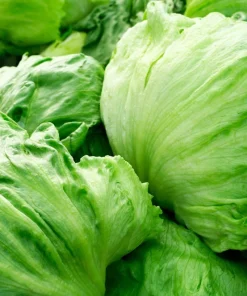
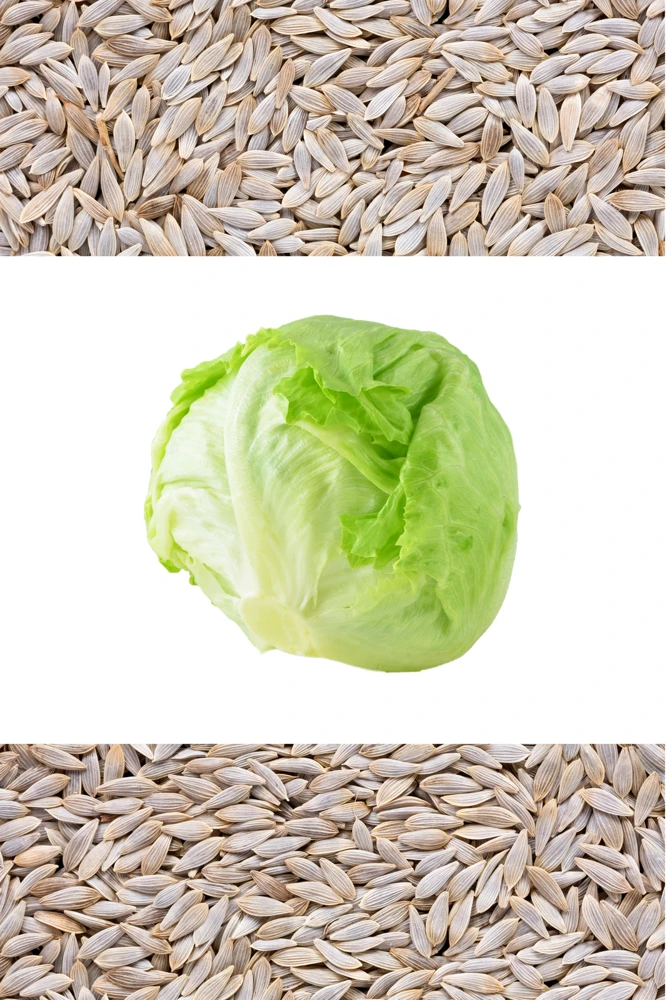
3000 Iceberg Head Lettuce Seeds – Crisp, Classic Vegetable Seeds
Reviews
There are no reviews yet.