

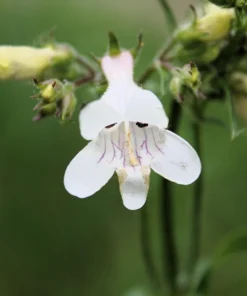
Pale Beardtongue Penstemon Pallidus Flower Seeds – 500 Seeds, White Lavender, Zones 4-8
Original price was: $36.99.$16.99Current price is: $16.99.
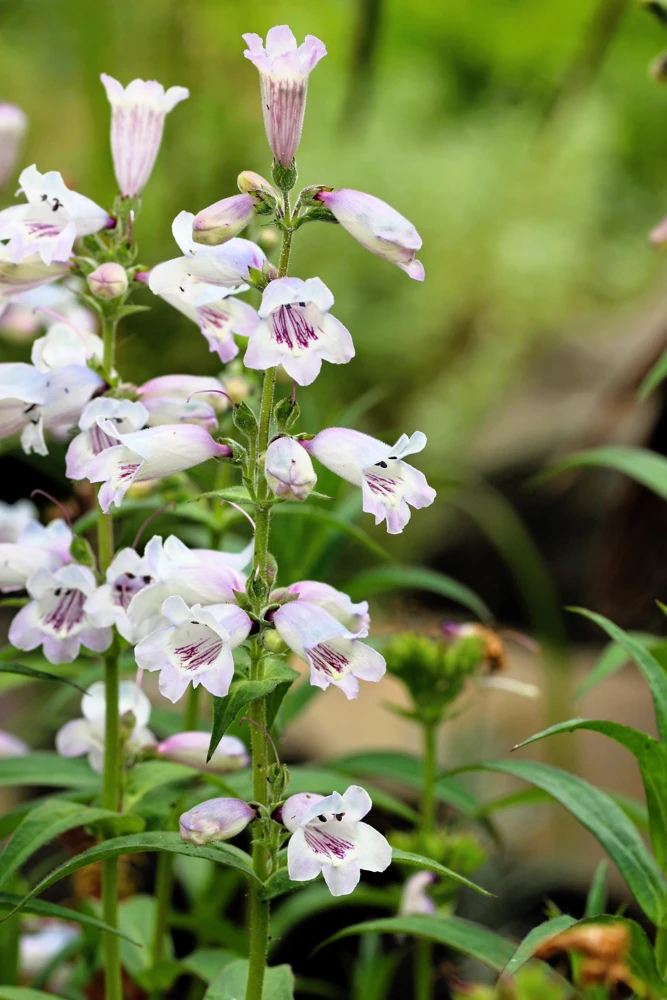
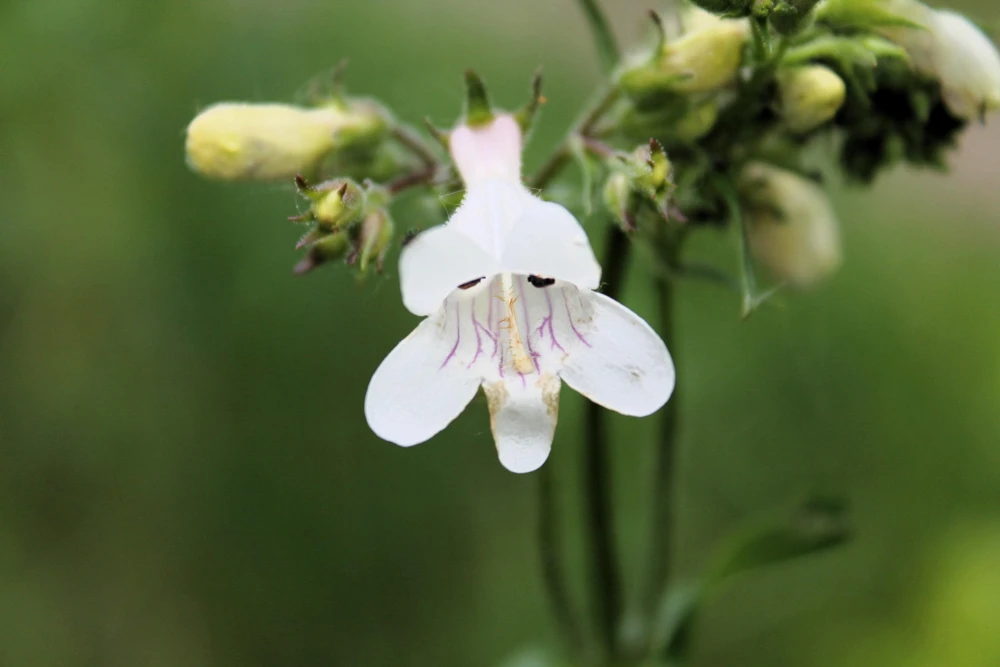
Cultivate charming pale beardtongue seeds (Penstemon pallidus) with this pack of 500 high-quality seeds. These beautiful native wildflowers feature delicate white blooms with subtle lavender markings, creating an elegant display in your garden. Perfect for attracting beneficial pollinators like bees, butterflies, and hummingbirds, they are a fantastic addition to any wildlife-friendly landscape. Enjoy their spring blooms and easy-care nature in USDA hardiness zones 4-8, making them a versatile choice for various climates.
Estimated arrival
Sep 17
Sep 22 - Sep 24
Sep 27 - Oct 01
Shop With Confidence
30-Day Plant Health Guarantee
Arrives damaged? We’ll replace it free — see our return policy.
Responsive Support
Email us anytime, we reply within 1 business day.
Expert Packaging
Temperature-controlled shipping to protect your plants in transit.
Secure Checkout
Pay safely with Visa, Mastercard, PayPal.
Plant Specifications
-
USDA Hardiness Zone
4-8 -
Soil Type
Average to dry, well-draining soil -
Sunlight Exposure
Full sun - Part shade -
Expected Planting Period
Fall / Cold stratify 2-3 months for spring planting
Overview
Discover the beauty of native wildflowers with these premium pale beardtongue seeds. Penstemon pallidus, commonly known as Pale Beardtongue, is a resilient and attractive perennial that brings a touch of understated elegance to any garden setting. This offering includes 500 seeds, providing ample opportunity to establish a thriving patch of these delightful flowers. Native to North America, Pale Beardtongue is celebrated for its delicate, tubular, white flowers often adorned with subtle lavender markings, which emerge in profusion during the spring season. Beyond their aesthetic appeal, these flowers play a crucial role in supporting local ecosystems by attracting a variety of pollinators, including bees, butterflies, and even hummingbirds, making them an excellent choice for a wildlife-friendly garden. Growing from seed allows you to cultivate a robust and naturalized display, enhancing biodiversity and providing a continuous source of nectar for beneficial insects.
These penstemon pallidus seeds are an ideal choice for gardeners looking to create a low-maintenance yet impactful landscape. The Pale Beardtongue is known for its adaptability and ability to thrive in a range of conditions, particularly in average to dry soils and full sun to partial shade exposures. Its hardy nature makes it suitable for USDA zones 4 through 8, ensuring successful growth in many regions across the United States. Whether you are establishing a new wildflower meadow, enhancing an existing perennial border, or simply looking to add a touch of natural beauty to your outdoor space, these seeds offer an accessible and rewarding gardening experience. Embrace the charm and ecological benefits of the Pale Beardtongue by planting these high-quality seeds and watching your garden come alive with vibrant blooms and buzzing visitors.
Key Benefits
Planting pale beardtongue seeds offers numerous advantages, transforming your garden into a haven of beauty and biodiversity. These seeds provide a straightforward path to cultivating a resilient and rewarding perennial.
- Attracts Pollinators: The tubular flowers of Penstemon pallidus are a magnet for bees, butterflies, and hummingbirds, contributing significantly to local pollinator populations and enhancing garden health. This makes them perfect for a pollinator garden seeds collection.
- Low Maintenance: Once established, Pale Beardtongue is remarkably drought-tolerant and requires minimal care, making it an excellent choice for busy gardeners or those seeking sustainable landscape solutions.
- Adaptable to Various Conditions: These plants thrive in a wide range of soil types, from average to dry, and can tolerate both full sun and partial shade, offering great flexibility in garden placement.
- Extended Bloom Time: Enjoy a beautiful display of white and lavender blooms throughout the spring, providing continuous visual interest and a nectar source when many other plants are just beginning to grow.
- Native Wildflower: As a native species, Pale Beardtongue is naturally adapted to local climates and ecosystems, promoting ecological balance and requiring fewer resources to flourish.
- Erosion Control: Its fibrous root system can help stabilize soil, making it beneficial for sloped areas or erosion-prone sites.
- Deer Resistant: Generally unappealing to deer, this plant is a good option for gardens in areas where deer browsing is a concern.
Plant Care & Growing Tips
Cultivating pale beardtongue seeds is a rewarding experience, leading to a resilient and beautiful perennial display. To ensure optimal growth, proper care and planting techniques are essential. These penstemon growing tips will guide you through the process. For successful germination and establishment, it is recommended to plant these seeds in the fall or cold stratify them for 2-3 months prior to spring planting. Cold stratification mimics natural winter conditions, breaking dormancy and promoting uniform germination. Once planted, choose a location that receives full sun to partial shade. Full sun (at least 6 hours of direct sunlight daily) will generally result in the most prolific blooms, but the plant can tolerate some afternoon shade, especially in hotter climates.
When it comes to soil, Penstemon pallidus prefers average to dry conditions and is highly adaptable to various soil types, as long as they are well-draining. Avoid heavy, waterlogged soils, as this can lead to root rot. If your soil is heavy clay, amending it with sand or compost can improve drainage. Watering needs are minimal once the plant is established; it is quite drought-tolerant. Water regularly during the first growing season to help the root system develop, but after that, supplemental watering is rarely needed unless there are prolonged dry spells. These plants are hardy in USDA zones 4 through 8, making them suitable for a wide range of temperate climates. They typically grow to a height of 8-24 inches with a spacing of 3-9 inches between plants, creating a lovely naturalized effect. Fertilization is generally not required, as these native plants are adapted to less fertile soils. Over-fertilizing can lead to lush foliage at the expense of flowers. Watch for common garden pests, though Penstemon pallidus is generally quite resistant. Ensuring good air circulation and proper drainage will prevent most fungal issues.
Size & Details
This package contains 500 pale beardtongue seeds (Penstemon pallidus), providing an ample quantity for establishing a significant planting area or for multiple seasons of sowing. Each seed holds the potential to grow into a robust perennial plant, typically reaching a mature height of 8 to 24 inches. The plant spacing should ideally be between 3 to 9 inches to allow for healthy growth and air circulation, creating a dense yet naturalistic appearance. Blooms are expected in the spring, offering a vibrant burst of white flowers with subtle lavender markings. These native wildflowers are suitable for USDA hardiness zones 4 through 8, indicating their ability to withstand winter temperatures in these regions. The seeds should be planted in the fall or undergo a cold stratification period of 2-3 months before spring planting to ensure successful germination.
Pale beardtongue seeds are shipped in a protective packet, ensuring their viability upon arrival. With proper care and planting, these seeds will develop into mature plants that attract a variety of pollinators, enriching your garden’s ecosystem. The average growth rate is moderate, with established plants forming attractive clumps over time. These plants are not typically grown in pots for their mature size, but seedlings can be started indoors in trays before transplanting. The quantity of 500 seeds allows for broad application, from enhancing borders to creating expansive wildflower areas, offering a sustainable way to introduce beautiful, native flora to your landscape.
Frequently Asked Questions
- Q: How many pale beardtongue seeds are included in this pack? A: This package contains 500 high-quality Pale Beardtongue (Penstemon pallidus) flower seeds, providing a generous quantity for your gardening projects. This amount allows for widespread planting or multiple sowing sessions.
- Q: What is the ideal planting time for penstemon pallidus seeds? A: The ideal time to plant these seeds is in the fall. Alternatively, you can cold stratify them for 2-3 months and then plant them in the spring. Cold stratification helps break dormancy for better germination rates.
- Q: How tall do Pale Beardtongue plants typically grow? A: Pale Beardtongue plants usually reach a height of 8 to 24 inches (20-60 cm) at maturity. Their upright growth habit adds structure and beauty to garden beds and borders.
- Q: What kind of sunlight and soil do these plants prefer? A: These plants thrive in full sun to partial shade conditions. They prefer average to dry, well-draining soil and are quite adaptable to various soil types, making them a versatile choice for many gardens.
- Q: Are these pollinator garden seeds effective at attracting wildlife? A: Yes, Pale Beardtongue flowers are excellent for attracting pollinators. They are known to draw in bees, butterflies, and hummingbirds, contributing to a vibrant and healthy garden ecosystem.
- Q: What USDA hardiness zones are suitable for Pale Beardtongue? A: Pale Beardtongue is hardy in USDA zones 4 through 8. This means it can tolerate winter temperatures within these zones and will return year after year as a perennial.
- Q: Is this plant considered low maintenance? A: Absolutely. Once established, Pale Beardtongue is very low maintenance. It is drought-tolerant and generally doesn’t require extensive care, making it perfect for gardeners seeking easy-care native plants.
- Q: Do I need to fertilize Pale Beardtongue plants? A: Generally, no. As a native wildflower, Penstemon pallidus is adapted to less fertile soils and typically does not require fertilization. Over-fertilizing can sometimes lead to more foliage and fewer blooms.
- Q: How long does it take for these seeds to bloom? A: After planting and successful germination, Pale Beardtongue plants typically bloom in the spring of their second year. Establishing a strong root system in the first year is key to abundant flowering.
- Q: Are there any specific penstemon growing tips for beginner gardeners? A: For beginners, focus on proper seed stratification or fall planting, ensuring well-draining soil, and providing adequate sunlight. Keep the soil consistently moist during germination, but reduce watering once plants are established.
Be the first to review “Pale Beardtongue Penstemon Pallidus Flower Seeds – 500 Seeds, White Lavender, Zones 4-8”
People Also Viewed


Vegetable Seeds
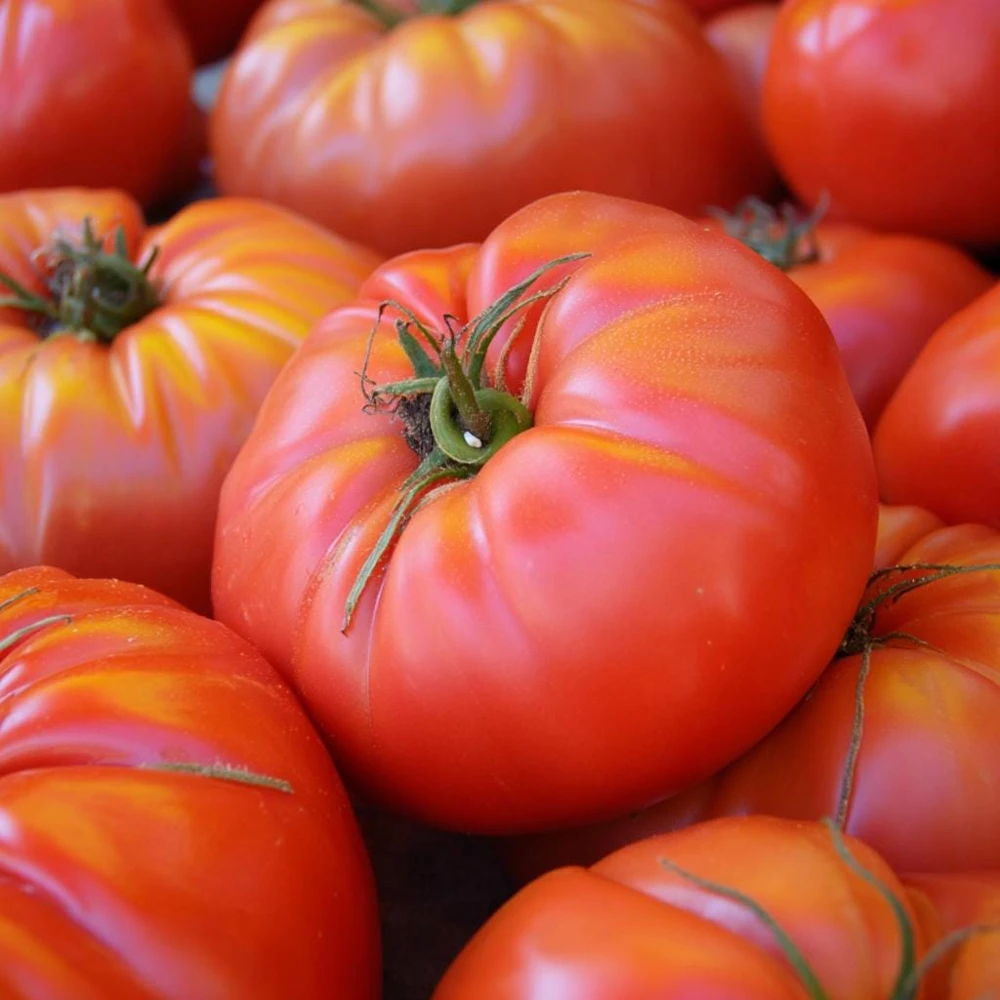
Brandywine Red Tomato Seeds – 30 Heirloom Beefsteak Tomato Seeds

Reviews
There are no reviews yet.