


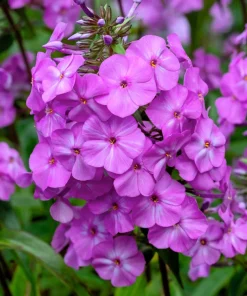

20 Meadow Phlox Maculata Mixed Color Seeds – Wild Sweet William Native Hummingbird Flower
Original price was: $36.99.$16.99Current price is: $16.99.
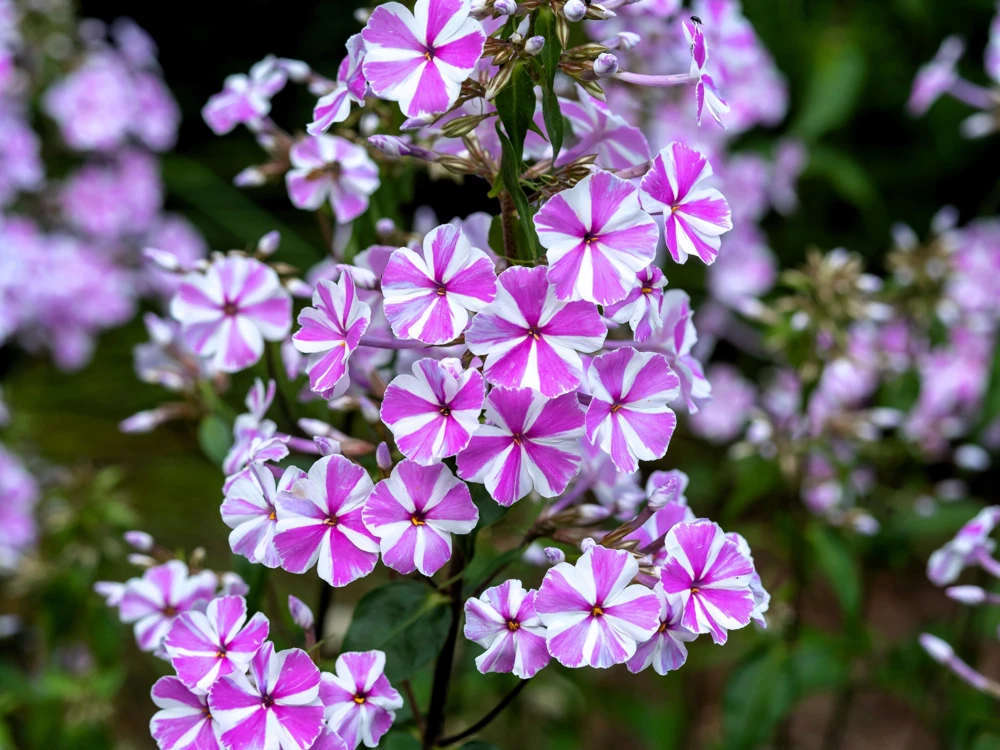
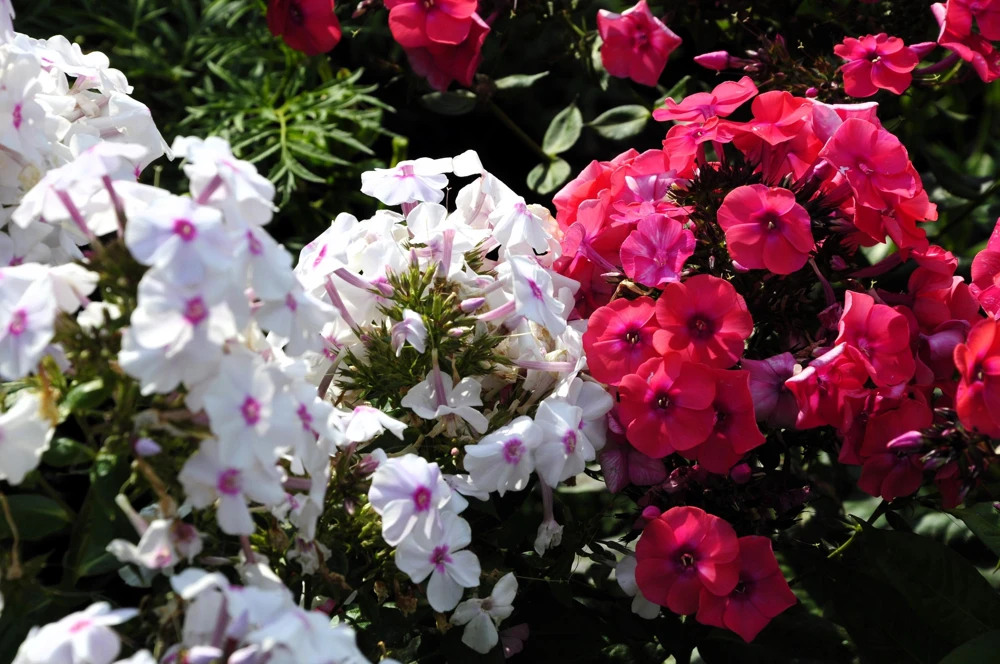
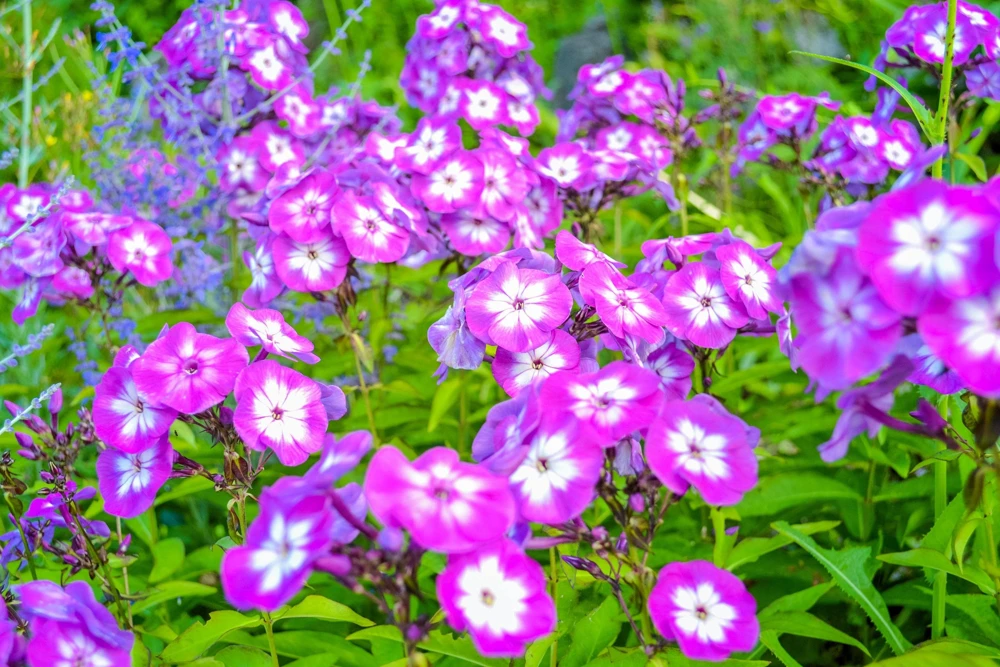
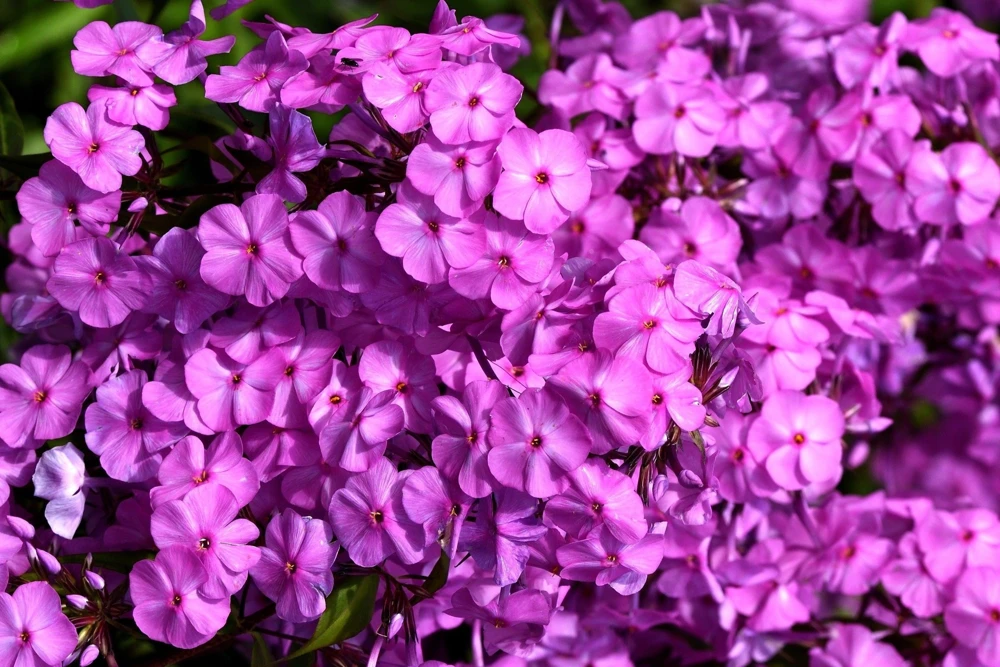
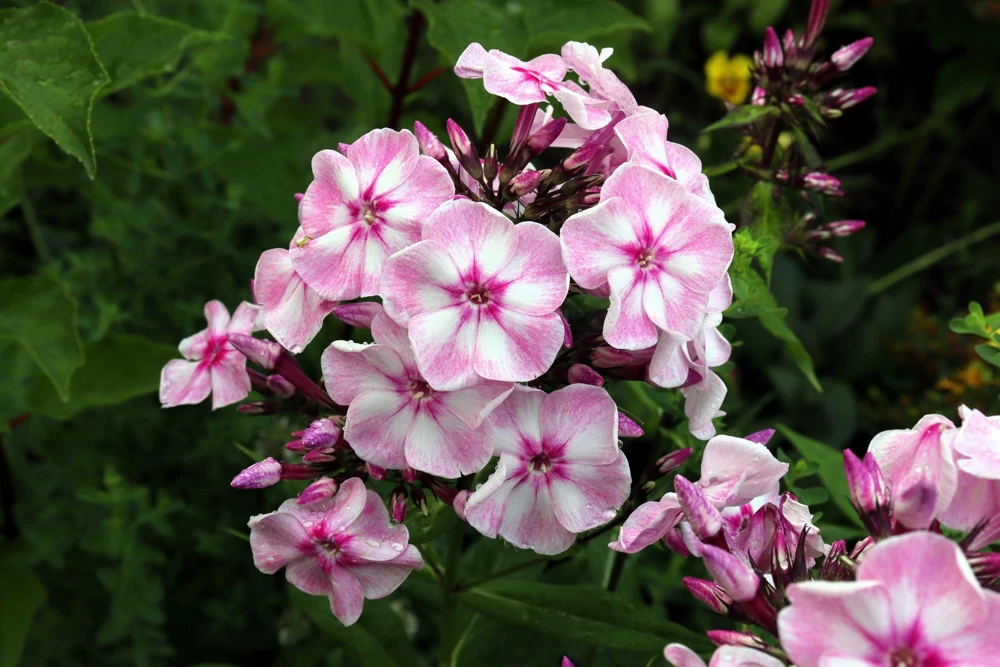
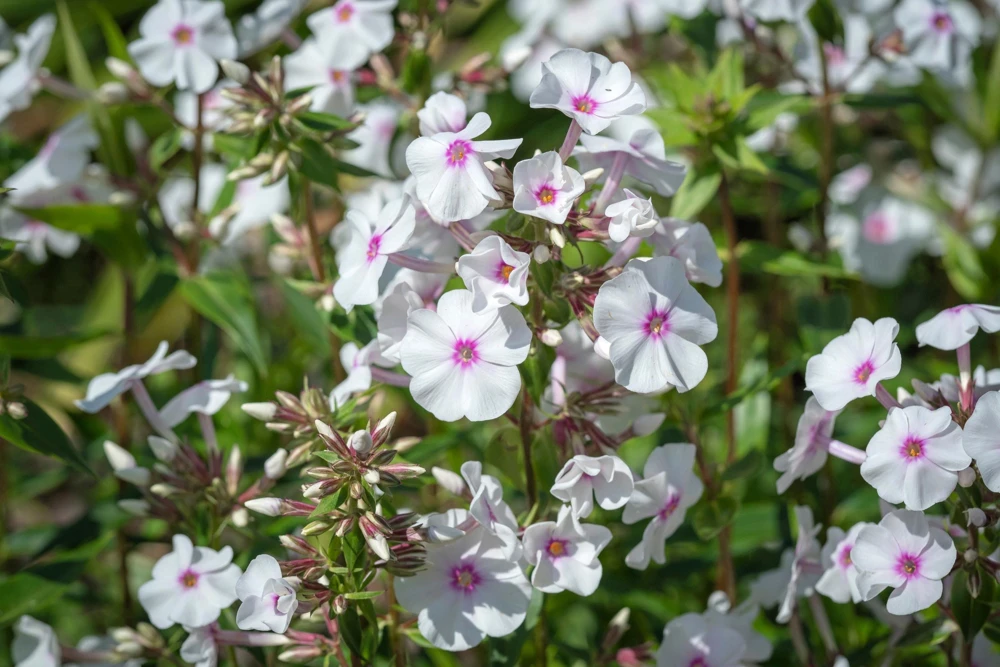
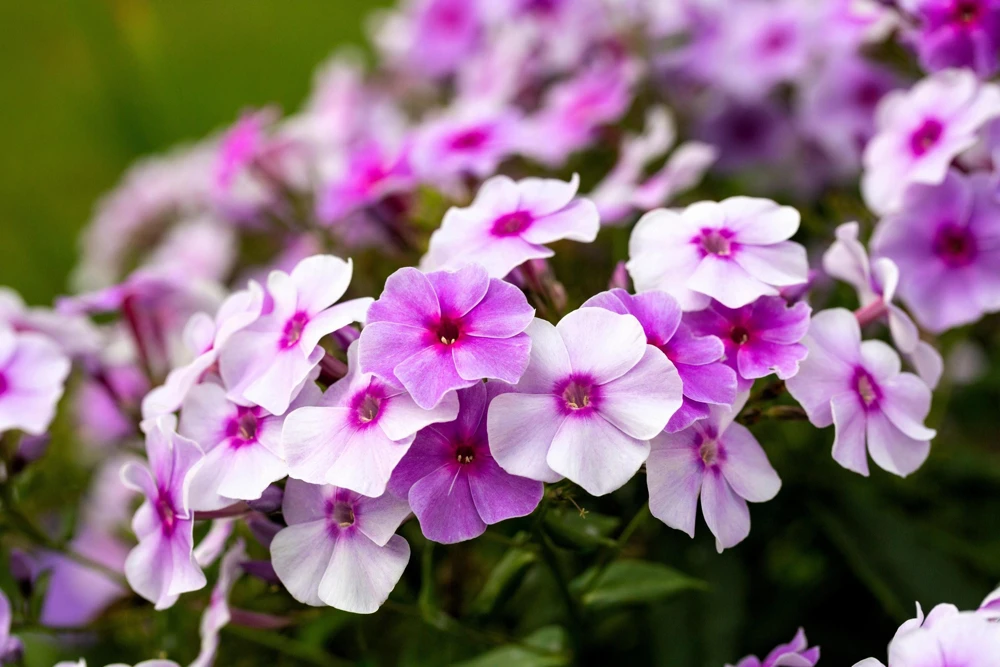
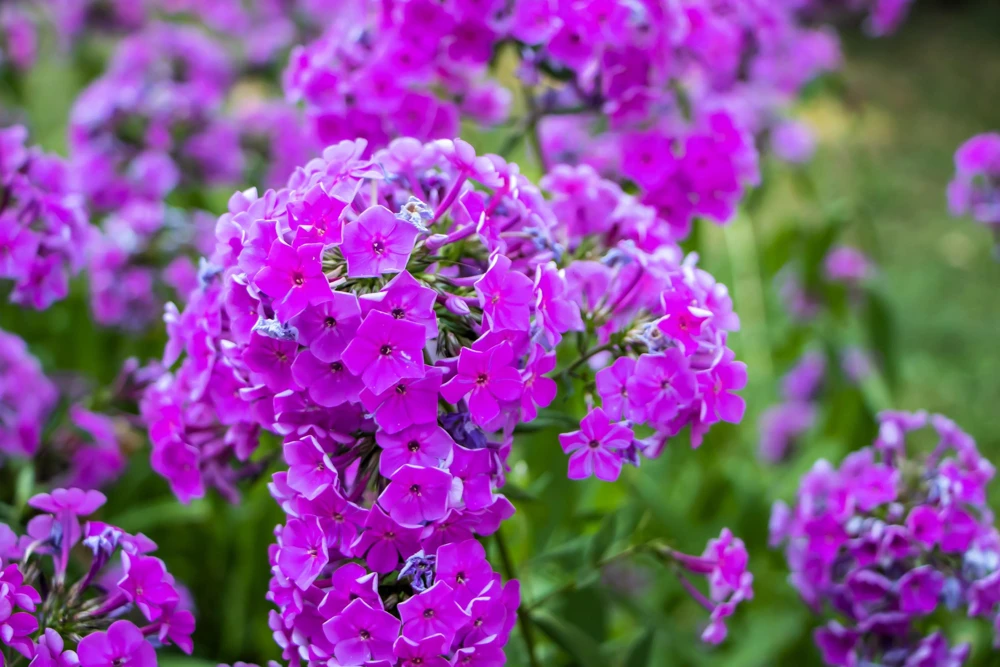
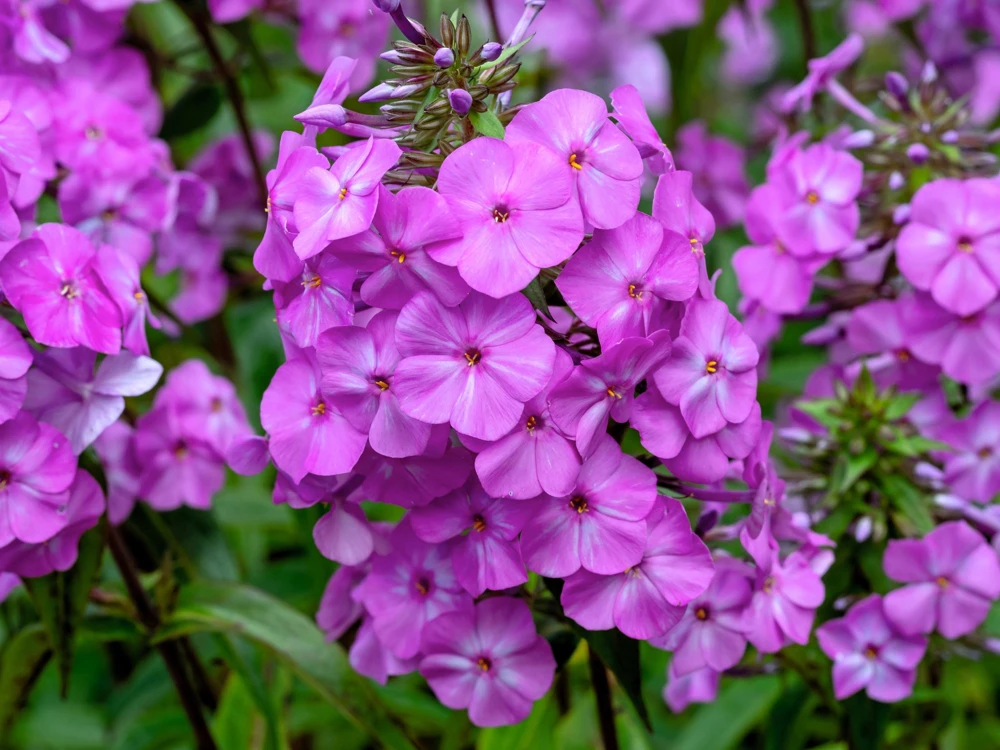
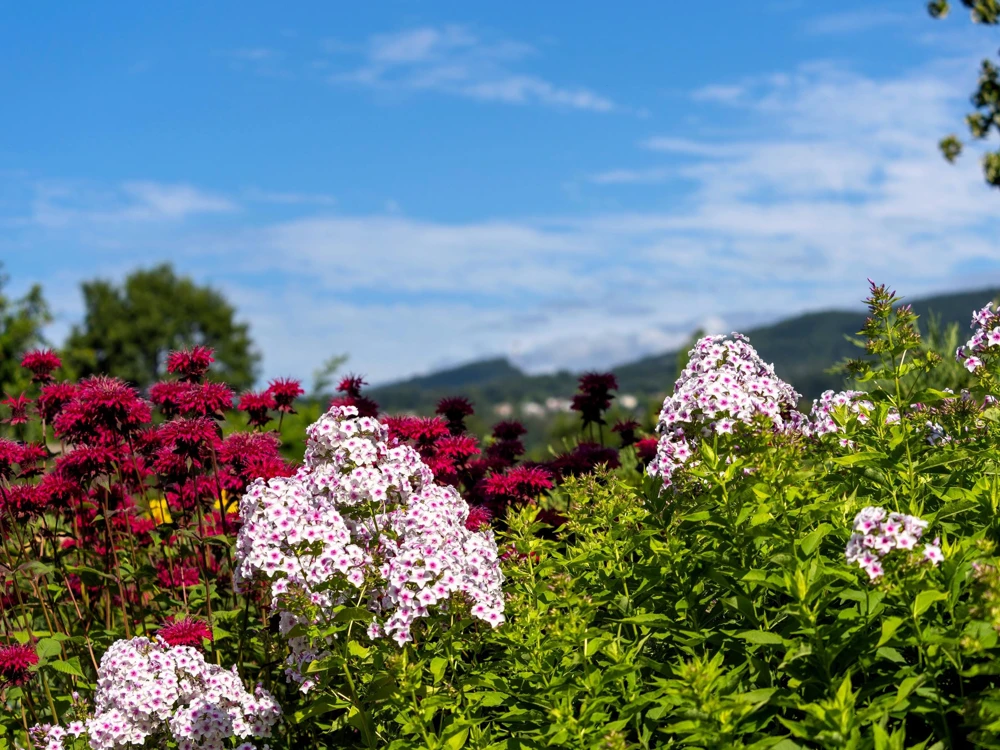
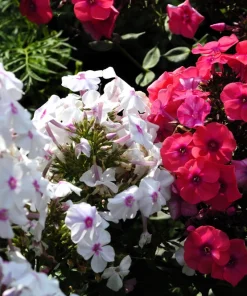
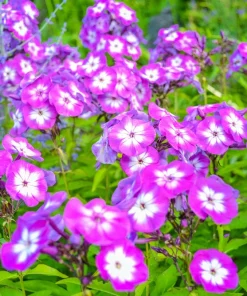
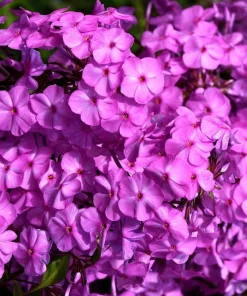
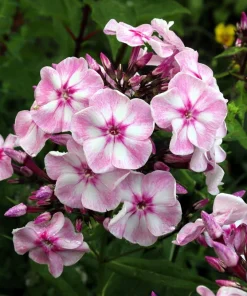
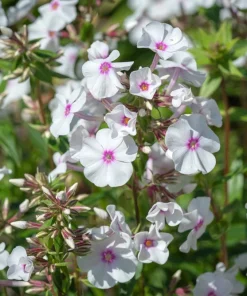
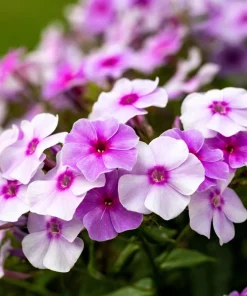
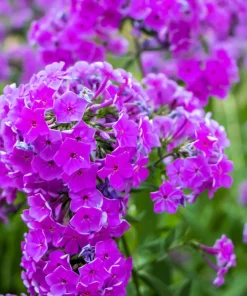
Discover the charm of meadow phlox maculata seeds, perfect for creating a vibrant, mixed-color display in your garden. Also known as Wild Sweet William, these native perennial flowers attract hummingbirds and beneficial pollinators. Each packet contains 20 seeds, ready to transform your landscape with beautiful white, pink, purple, and bicolor blooms.
Estimated arrival
Sep 17
Sep 22 - Sep 24
Sep 27 - Oct 01
Shop With Confidence
30-Day Plant Health Guarantee
Arrives damaged? We’ll replace it free — see our return policy.
Responsive Support
Email us anytime, we reply within 1 business day.
Expert Packaging
Temperature-controlled shipping to protect your plants in transit.
Secure Checkout
Pay safely with Visa, Mastercard, PayPal.
Plant Specifications
-
USDA Hardiness Zone
3 - 8 -
Soil Type
Average, well-draining soil -
Sunlight Exposure
Full sun - Part shade -
Expected Planting Period
Outdoors after frost / Fall / Cold stratify / Indoors weeks before last frost
Overview
Cultivate a breathtaking display of color and attract delightful wildlife with our premium meadow phlox maculata seeds. This offering provides 20 seeds of the enchanting Meadow Phlox Maculata, commonly known as Wild Sweet William or Spotted Phlox. Renowned for its captivating mixed-color blooms, including shades of white, pink, purple, and charming bicolors, this native perennial is a superb choice for gardeners seeking both beauty and ecological benefit. These easy-to-grow seeds will establish robust plants that bring a touch of wild elegance to any garden, flourishing from early summer through late summer with a long bloom period of 4 to 8 weeks. Ideal for borders, meadows, or naturalized areas, the meadow phlox maculata seeds are a fantastic way to introduce vibrant, low-maintenance flora.
The scientific name, Phlox Maculata, highlights its unique spotted stems, adding another layer of interest to this already appealing plant. These flowers are particularly loved by hummingbirds, making them an excellent addition for wildlife enthusiasts. Growing 24-36 inches tall, they create a lovely vertical element in the garden. Whether you’re an experienced gardener or just starting, growing wild sweet william seeds is a rewarding experience that yields stunning results and supports local ecosystems.
Key Benefits
Our meadow phlox maculata seeds offer a multitude of advantages for your garden, blending aesthetic appeal with ecological benefits. Here are some of the key reasons to choose these remarkable flowers:
- Vibrant Mixed Colors: Enjoy a spectacular array of white, pink, purple, and bicolor blooms that provide continuous visual interest throughout the summer. These diverse hues ensure a lively and dynamic garden space that stands out.
- Attracts Hummingbirds and Pollinators: As a native hummingbird flower, Phlox Maculata is a magnet for these tiny, fascinating birds, as well as bees and butterflies, contributing to the biodiversity and health of your garden ecosystem.
- Long Bloom Period: With a bloom time extending from June to August, these flowers provide 4-8 weeks of consistent color, ensuring your garden remains vibrant and attractive for an extended season. This sustained beauty makes them a valuable asset.
- Low Maintenance & Hardy: Once established, wild sweet william seeds develop into robust plants that are relatively easy to care for, tolerant of average soil conditions, and hardy in USDA Zones 3-8, making them suitable for a wide range of climates.
- Native Plant Benefits: Incorporating native plants like meadow phlox maculata seeds supports local wildlife and ecosystems, requiring less water and fewer interventions once established compared to non-native species.
- Versatile Garden Use: Perfect for perennial borders, cottage gardens, naturalized areas, or meadow plantings, these phlox add height and structure while harmonizing with other garden plants. Their adaptability makes them a gardener’s favorite.
- Drought Tolerance: While preferring average moisture, established plants exhibit reasonable drought tolerance, making them a resilient choice for various garden settings.
Plant Care & Growing Tips
Growing meadow phlox maculata seeds successfully involves understanding their basic needs. These adaptable plants thrive in full sun to part shade, ideally receiving at least 6 hours of direct sunlight daily for optimal flowering. In hotter climates, some afternoon shade can prevent scorching and prolong bloom time. Soil preferences are average, but well-draining soil is crucial to prevent root rot. While they can tolerate various soil types, enriching the soil with compost before planting will encourage healthier growth and more abundant blooms.
Watering should be consistent, especially during dry spells and the establishment phase. Aim for evenly moist soil, but avoid overwatering. Once established, Phlox Maculata is moderately drought-tolerant, though supplemental watering during prolonged dry periods will benefit the plant. For best results with your perennial phlox seeds, consider cold stratifying them before planting outdoors after the last frost or in the fall. Indoor sowing can be done several weeks before the last frost. Spacing plants about 18 inches apart allows for good air circulation, which is important for preventing fungal diseases.
Fertilization is generally not heavily required for these native plants if the soil is reasonably fertile. A balanced, slow-release granular fertilizer applied in early spring can boost growth and flowering. Deadheading spent blooms can encourage further flowering and prevent self-seeding if desired. Keep an eye out for powdery mildew, a common issue with phlox, especially in humid conditions or crowded plantings. Ensuring good air circulation and watering at the base of the plant can help mitigate this. With proper care, your phlox maculata care routine will be simple, leading to a vibrant and healthy display.
Size & Details
Each packet contains 20 Meadow Phlox Maculata mixed color seeds, providing a generous quantity to start your garden. These robust perennial plants typically reach a mature height of 24 to 36 inches, making them an excellent choice for adding vertical interest to your garden beds or borders. When planting, aim for a spacing of approximately 18 inches between each plant to allow for proper growth and air circulation, which is vital for the health of your wild sweet william seeds. The plants will develop a spreading habit over time, creating a beautiful mass of color.
The bloom time for these magnificent flowers spans from June through August, offering a long and consistent display of vibrant mixed colors for 4 to 8 weeks. They are hardy in USDA Zones 3-8, indicating their resilience across a broad range of climates. These seeds will germinate and grow into established plants that return year after year, providing enduring beauty. The seeds are shipped in a protective packet, ensuring their viability upon arrival and readiness for planting according to your local climate conditions. Expect healthy, vigorous growth and a stunning floral show once mature.
Frequently Asked Questions
- Q: How big does this plant get? A: Meadow Phlox Maculata typically grows to a height of 24 to 36 inches, making it a medium to tall perennial suitable for various garden designs. Its upright growth habit adds structure and visual interest to your landscape.
- Q: Is this an indoor or outdoor plant? A: This is primarily an outdoor perennial plant. While seeds can be started indoors, the mature meadow phlox maculata seeds are intended for outdoor cultivation in garden beds, borders, or naturalized areas.
- Q: How much sunlight does it need? A: Wild Sweet William thrives in full sun to partial shade. For the best flowering performance and healthiest plants, aim for at least 6 hours of direct sunlight per day. In very hot climates, some afternoon shade can be beneficial.
- Q: Is this plant easy to care for? A: Yes, Phlox Maculata is considered relatively easy to care for once established. It’s a hardy native perennial that tolerates average soil conditions and provides a long season of blooms with minimal intervention.
- Q: What condition will the seeds arrive in? A: Your meadow phlox maculata seeds will arrive in a sealed packet, ensuring they are fresh and viable for planting. They are carefully packaged to protect them during transit.
- Q: How long until it blooms? A: From seed, it typically takes one full growing season for the plants to establish and begin flowering. You can expect your first blooms from June to August in the year following planting, with a long bloom period of 4-8 weeks.
- Q: Will it survive winter in my zone? A: Yes, these perennial phlox seeds are hardy in USDA Zones 3 through 8, meaning they are well-equipped to survive winter conditions within these zones and return year after year.
- Q: What is the best time to plant these seeds? A: You can plant wild sweet william seeds outdoors after the last frost in spring, or in the fall. Cold stratification is often beneficial for germination, and seeds can also be started indoors several weeks before the last expected frost.
- Q: Do these flowers attract pollinators? A: Absolutely! As native hummingbird flowers, they are excellent for attracting hummingbirds, butterflies, and bees, significantly contributing to the pollination and biodiversity of your garden space.
- Q: What kind of soil do these plants prefer? A: Phlox maculata care involves well-draining soil with average fertility. While adaptable, avoid heavy, waterlogged soils to prevent root issues. Amending with compost can improve soil structure and nutrient content.
Be the first to review “20 Meadow Phlox Maculata Mixed Color Seeds – Wild Sweet William Native Hummingbird Flower”
People Also Viewed

Reviews
There are no reviews yet.