

25 Trailing Blackberry Seeds – Pacific Rubus Ursinus Vining Shrub Fruit Seeds
Original price was: $36.99.$16.99Current price is: $16.99.
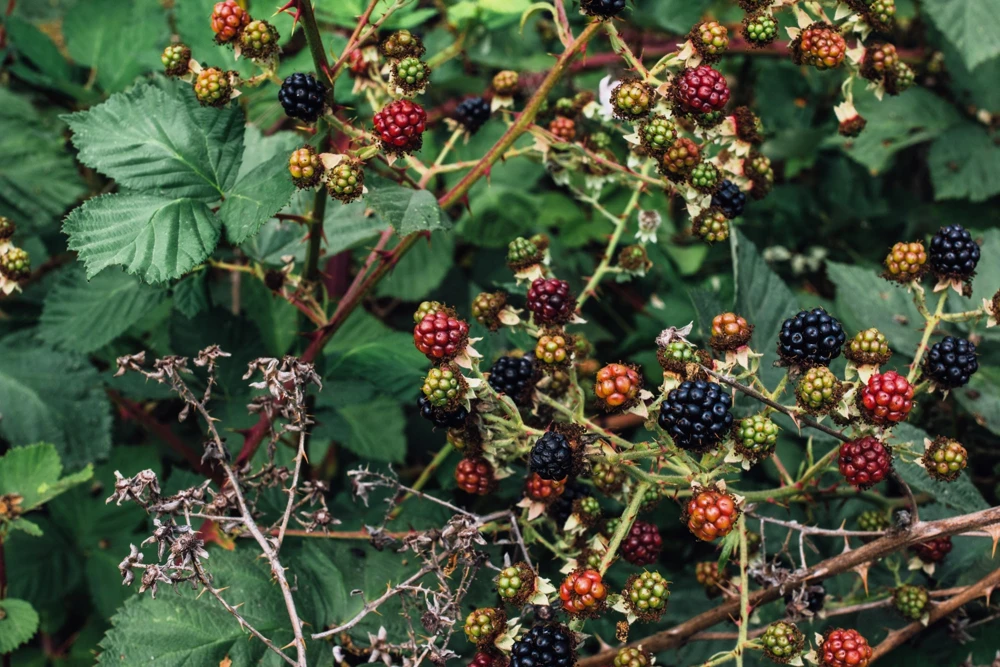
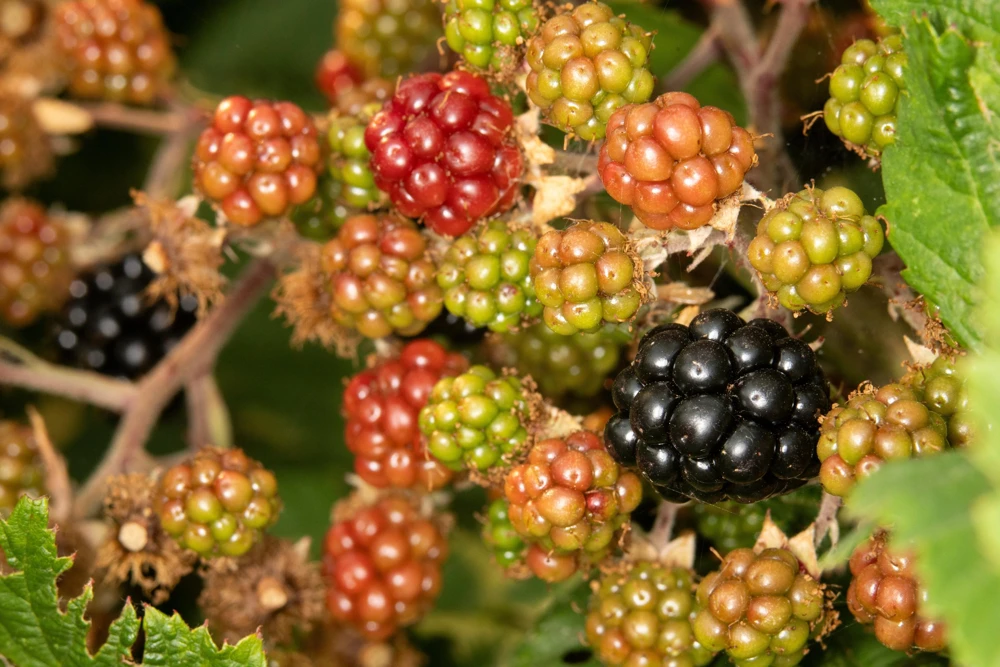
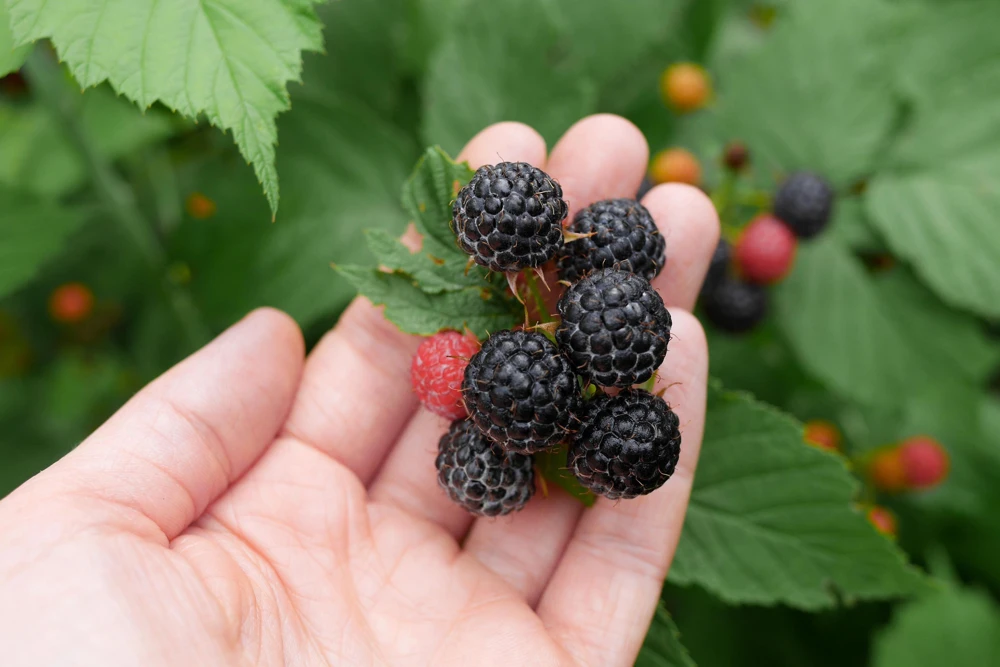
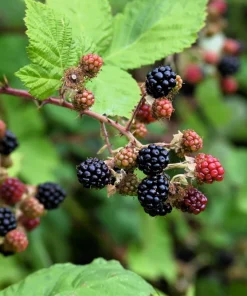
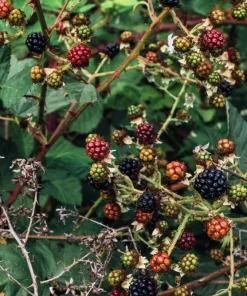
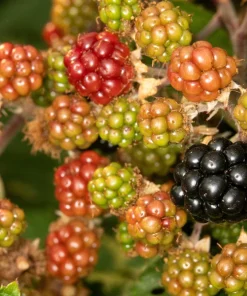
Cultivate your own sweet and aromatic trailing blackberry seeds with this pack of 25 Rubus ursinus seeds. This vining shrub produces white flowers and delicious dark purple to black berries, perfect for fresh eating or desserts. Enjoy this native North American fruit in your garden.
Estimated arrival
Sep 17
Sep 22 - Sep 24
Sep 27 - Oct 01
Shop With Confidence
30-Day Plant Health Guarantee
Arrives damaged? We’ll replace it free — see our return policy.
Responsive Support
Email us anytime, we reply within 1 business day.
Expert Packaging
Temperature-controlled shipping to protect your plants in transit.
Secure Checkout
Pay safely with Visa, Mastercard, PayPal.
Plant Specifications
-
USDA Hardiness Zone
3 - 8 -
Soil Type
Average, well-draining soil -
Sunlight Exposure
Full sun -
Expected Planting Period
Fall (for natural cold stratification) or Spring (after cold stratification)
Overview
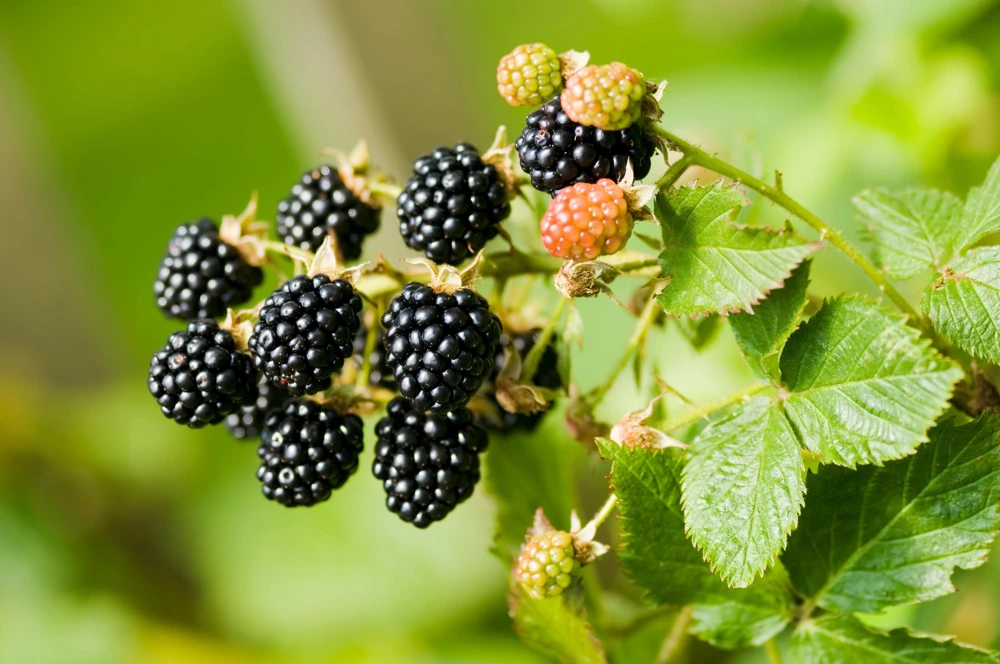
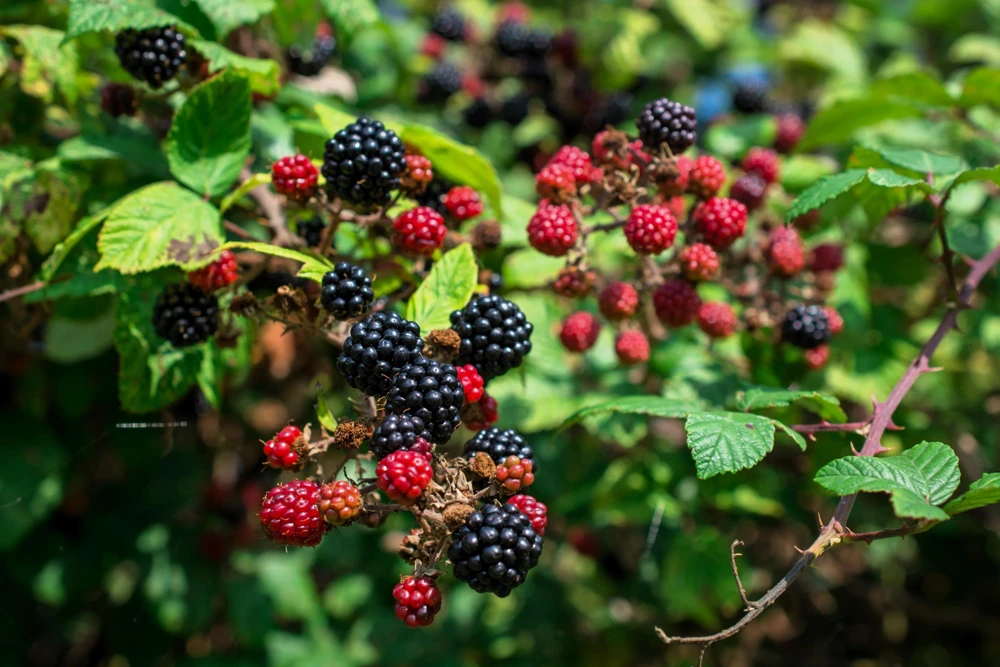
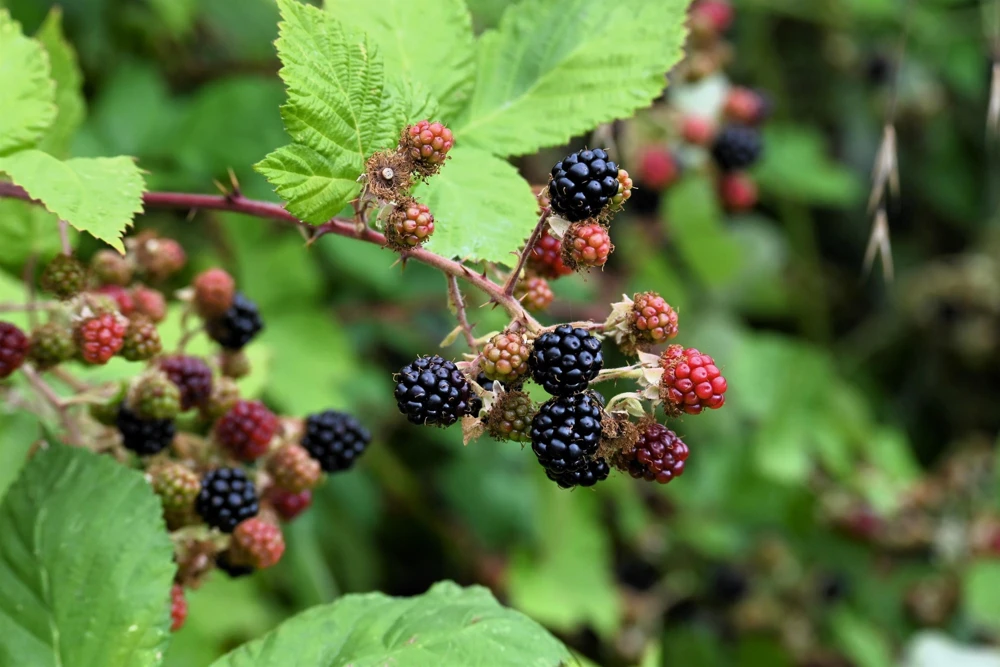
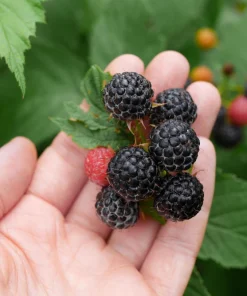
Embark on a rewarding gardening journey with our premium trailing blackberry seeds. This offering includes 25 high-quality seeds of the Pacific Rubus Ursinus, commonly known as the Trailing Blackberry, California Blackberry, or Pacific Dewberry. Native to Western North America, this remarkable vining shrub is celebrated for its evergreen leaves, fragrant white flowers, and exceptionally delicious edible fruit. The berries are aromatic, sweet, and can grow up to an inch long, making them perfect for enjoying fresh, dried, or incorporated into an endless array of culinary creations. Historically significant, this particular variety of blackberry was even chosen as the parent plant for popular hybrids like the loganberry and boysenberry, testament to its superior flavor and characteristics. Planting these seeds allows you to cultivate a robust and productive fruit-bearing plant that will enhance your garden for years to come.
Growing your own trailing blackberry seeds offers a unique opportunity to connect with nature and enjoy fresh, homegrown produce. These seeds will develop into vigorous vining shrubs that not only yield abundant fruit but also provide significant ecological benefits. The plant’s adaptability and natural beauty make it a fantastic addition to various garden styles, from naturalized landscapes to structured fruit patches. Prepare to be delighted by the ease of growing and the generous harvests this plant provides, bringing a taste of the wild directly to your backyard.
Key Benefits
Cultivating trailing blackberry seeds in your garden offers a multitude of advantages, both for you and the local ecosystem. This vining shrub is a true garden asset, providing beauty, sustenance, and vital support for wildlife.
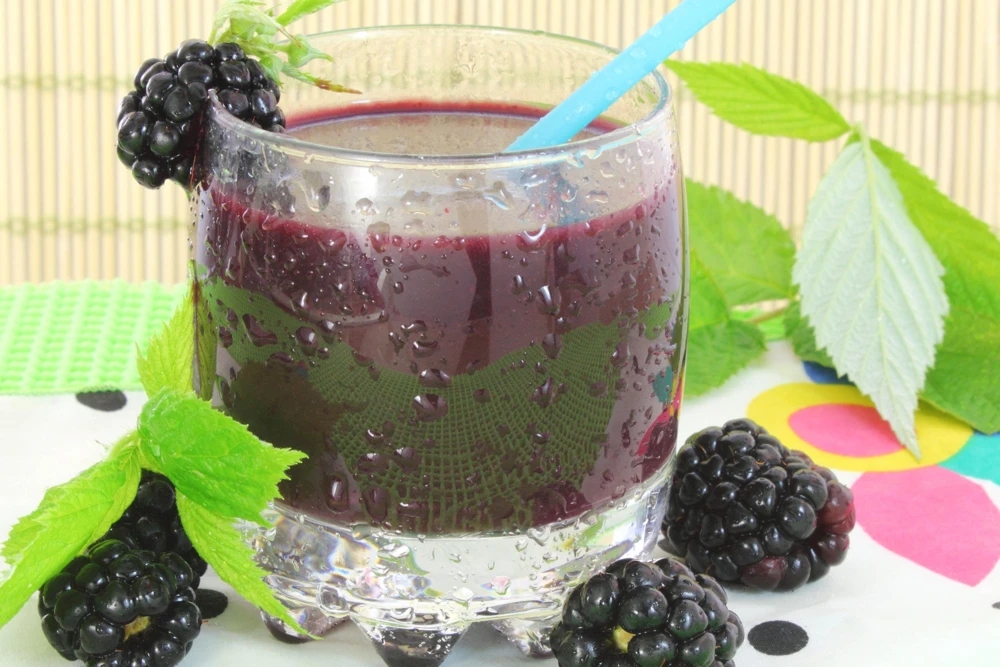
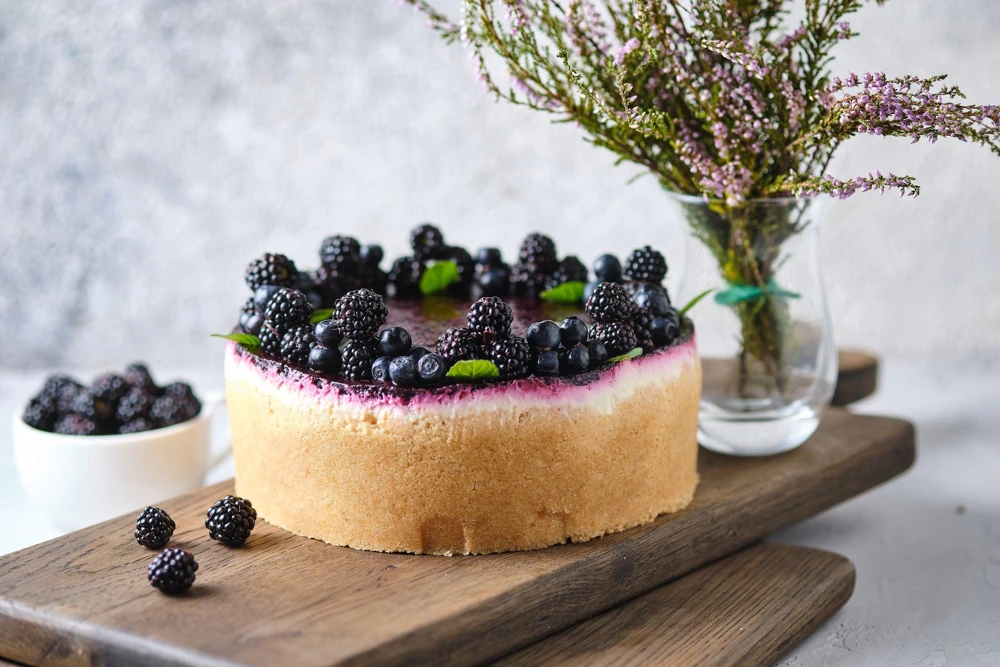
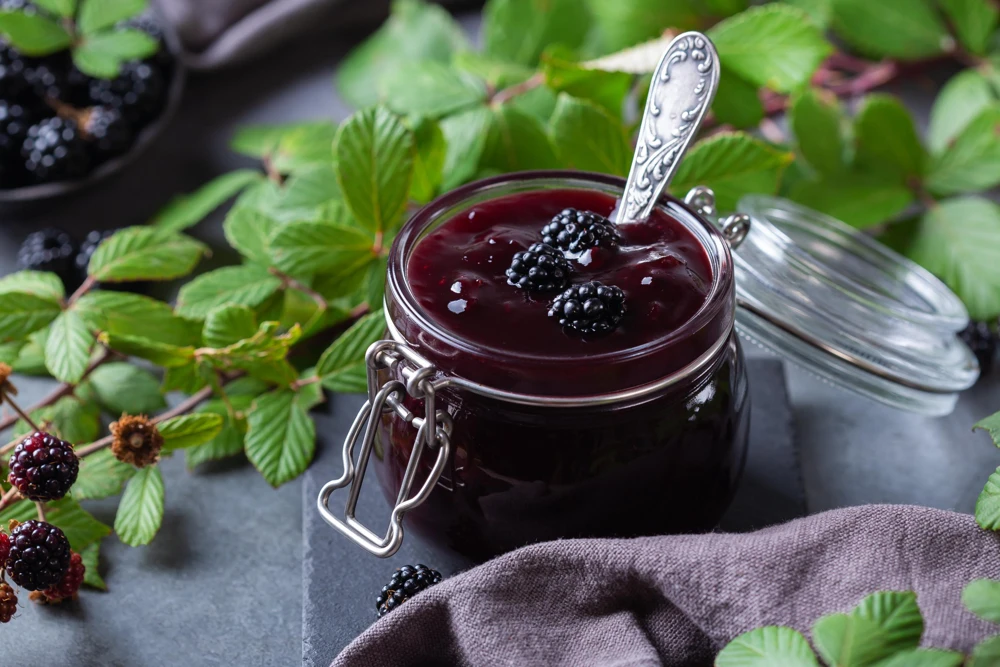
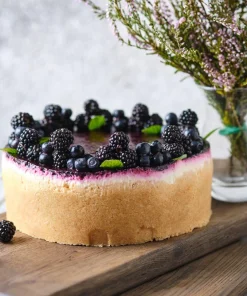
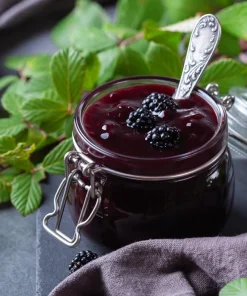
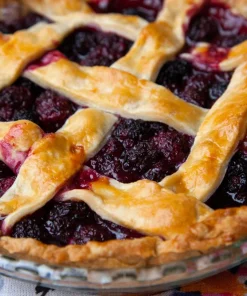
- Delicious Edible Fruit: Enjoy an abundant harvest of sweet, aromatic, dark purple to black berries. These juicy fruits are perfect for fresh consumption, baking, jams, jellies, or drying, offering a versatile culinary ingredient directly from your garden.
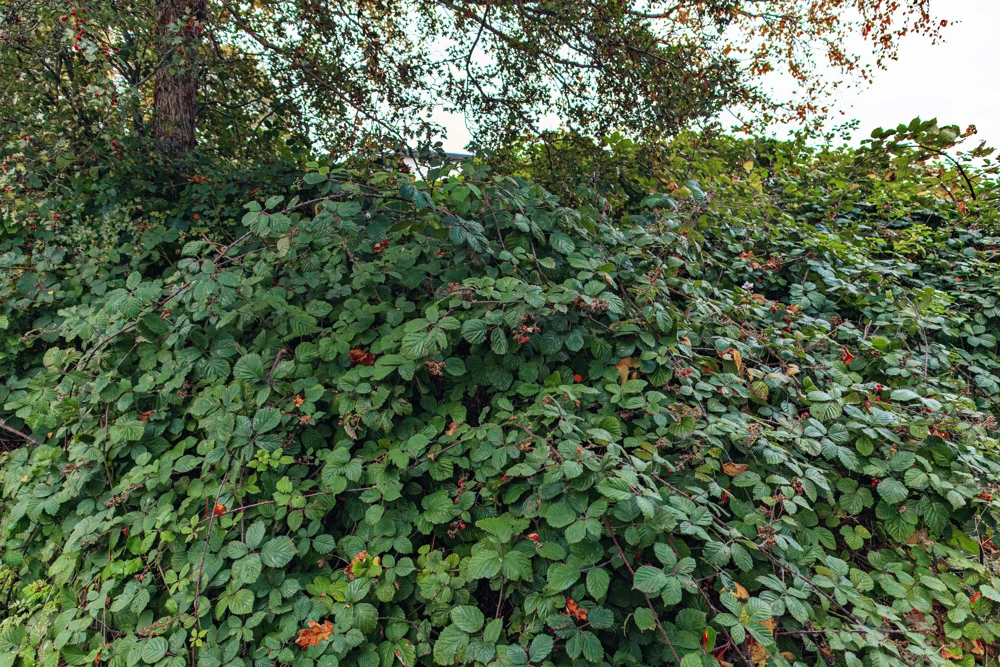
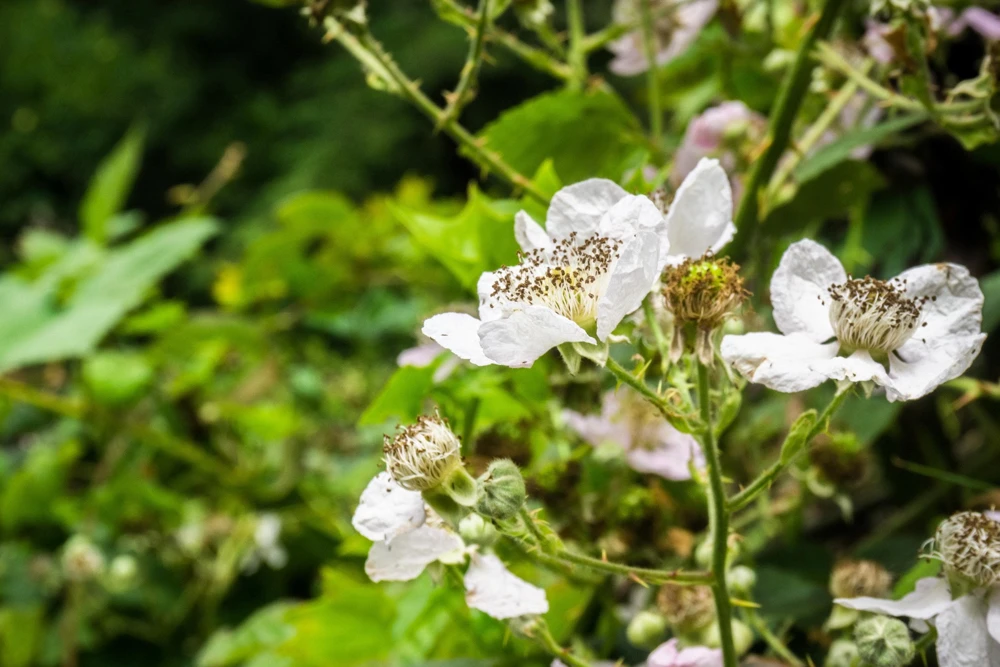
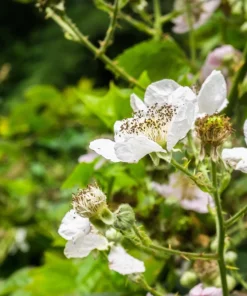
- Attractive Vining Shrub: The Trailing Blackberry is an aesthetically pleasing plant with evergreen leaves and fragrant white flowers that bloom in spring, adding visual appeal to your landscape. Its vining habit can be utilized for ground cover or trained along trellises.
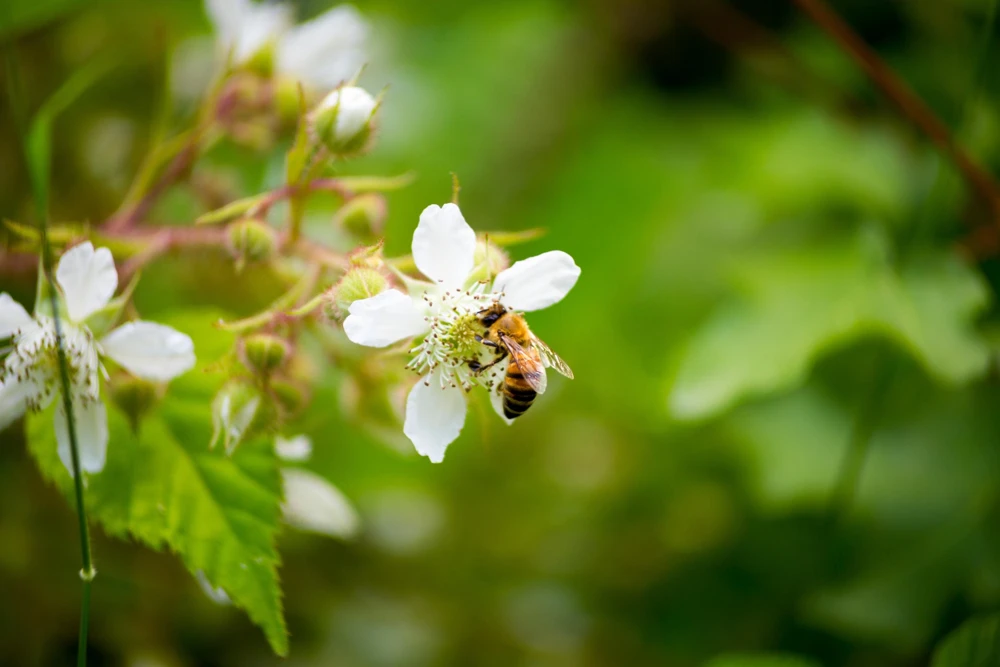
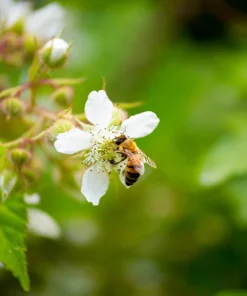
- Wildlife Support: This plant serves as a valuable host for Swallowtail and Mourning Cloak butterflies, providing essential nectar and habitat. It also offers pollen and nesting material for bees, and its branches provide shelter for birds and other small animals. The berries are a favorite food source for woodland creatures.
- Hardy and Adaptable: Thrives across USDA Hardiness Zones 3-8, demonstrating excellent resilience to varying climates. It prefers full sun and average soil conditions, making it a relatively low-maintenance choice for many gardeners looking to grow pacific blackberry plant varieties.
- Historical Significance: As the parent plant of renowned loganberries and boysenberries, this variety carries a legacy of superior flavor and growth characteristics, ensuring a high-quality fruit experience.
- Sustainable Gardening: Growing your own fruit reduces your carbon footprint and provides a fresh, organic food source, contributing to a more sustainable lifestyle.
- Easy to Grow from Seed: With proper fall sowing or cold stratification, these rubus ursinus seeds are straightforward to germinate and establish, making it accessible for gardeners of all experience levels to enjoy a productive berry patch.
Plant Care & Growing Tips
Successfully growing trailing blackberry seeds requires understanding their specific needs, particularly regarding light, soil, and planting techniques. For optimal germination, fall sowing is highly recommended, allowing the seeds to undergo natural cold stratification during winter. Alternatively, you can artificially cold stratify the seeds by placing them in a moist medium (like sand or peat moss) in a refrigerator for 2-3 months before planting in spring. Once germinated, provide consistent moisture to young seedlings.
Trailing blackberry plants thrive in full sun, meaning they need at least 6-8 hours of direct sunlight daily to produce the best fruit yields. While they can tolerate some partial shade, berry production may be reduced. The ideal soil is average, well-draining, and moderately fertile. Avoid heavy, waterlogged soils, as this can lead to root rot. Once established, these plants are relatively drought-tolerant but will benefit from regular watering during dry spells, especially when fruit is developing. They are hardy in USDA Zones 3-8, making them suitable for a wide range of climates. Pruning is essential for managing growth and promoting fruit production. Remove dead or weak canes annually, and prune back fruiting canes after harvest to encourage new growth.
Fertilize your vining blackberry plants in early spring with a balanced slow-release fertilizer or compost to support vigorous growth and abundant fruiting. Monitor for common pests and diseases, though Trailing Blackberries are generally robust. Good air circulation and proper spacing (about 72 inches apart) can help prevent fungal issues. With diligent care, your pacific blackberry plant will reward you with years of delicious fruit and a thriving green space. Learning how to grow blackberries from seed is a fulfilling experience that yields tangible, tasty results.
Size & Details
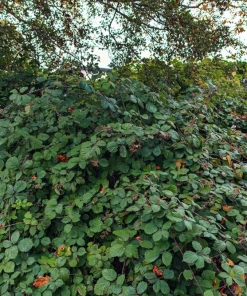
This offering includes 25 Trailing Blackberry seeds (Rubus Ursinus), providing a generous quantity to start your berry patch. Once established, these vining shrubs typically reach a height of 24 to 60 inches, with a spread of approximately 72 inches, making them excellent for ground cover or training on supports. The plant blooms with white flowers in the spring, and fruit harvest typically occurs from summer through fall. The berries themselves are dark purple to black and can grow to almost an inch long, offering a substantial and flavorful yield. These seeds are best planted via fall sowing or cold stratification, ensuring vigorous growth and a productive harvest in subsequent seasons. This is an unbranded seed product, focusing solely on the quality and viability of the seeds themselves.
Frequently Asked Questions
- Q: How big does this plant get? A: The trailing blackberry plant typically grows to a height of 24 to 60 inches, with a spread of approximately 72 inches. Its vining nature means it can cover a significant area if not trained or pruned.
- Q: Is this an indoor or outdoor plant? A: The Trailing Blackberry (Rubus Ursinus) is an outdoor plant, best suited for gardens and naturalized areas. It requires full sun and space to grow its vining canes.
- Q: How much sunlight does it need? A: This plant thrives in full sun, requiring at least 6-8 hours of direct sunlight per day for optimal growth and fruit production. It can tolerate partial shade, but berry yields may be lower.
- Q: Is this plant easy to care for? A: Once established, the Trailing Blackberry is relatively easy to care for. It requires average soil, consistent watering during dry periods, and annual pruning to maintain health and productivity. Learning to grow blackberries from seed is a rewarding process.
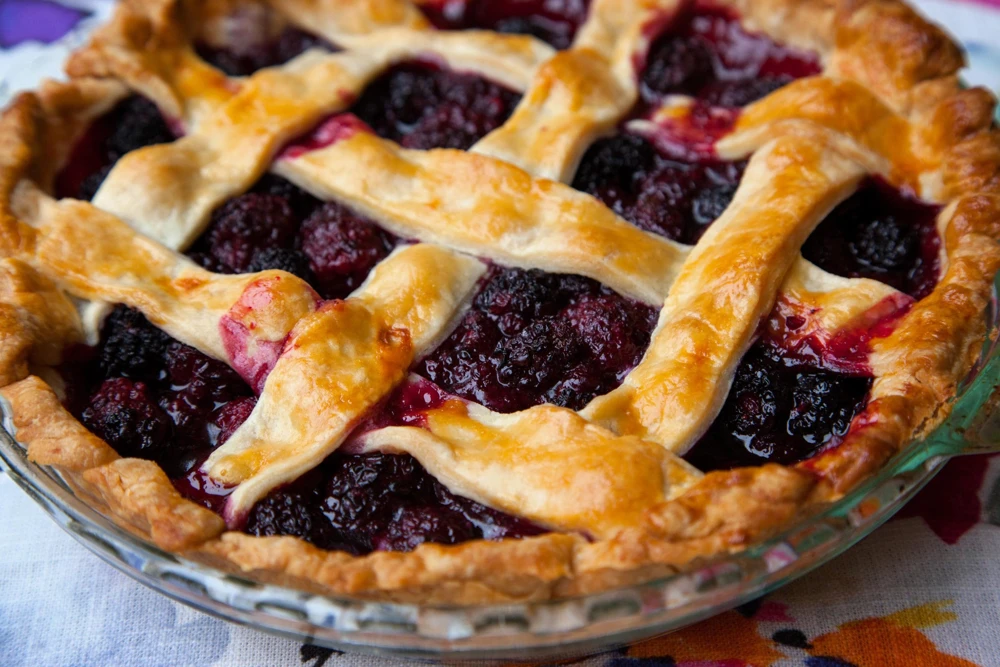
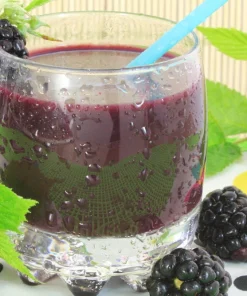
- Q: Can I use these berries in cooking? A: Absolutely! The berries from your pacific blackberry plant are delicious and highly versatile. They can be enjoyed fresh, dried, or used in pies, jams, jellies, smoothies, and other desserts and dishes.
- Q: How long until it blooms and produces fruit? A: Trailing Blackberry plants typically begin to bloom in the spring, usually in their second year after planting from seed. Fruit harvest can be expected in the summer and fall of the second or third year, depending on growing conditions.
- Q: Will it survive winter in my zone? A: Yes, the Trailing Blackberry is quite hardy and thrives in USDA Hardiness Zones 3-8. It is well-adapted to survive cold winters within this range, making it a reliable choice for many regions.
- Q: What is the best way to germinate these rubus ursinus seeds? A: For best results, either fall sow the seeds directly outdoors in prepared soil, allowing natural cold stratification, or perform artificial cold stratification by chilling seeds in a moist medium in the refrigerator for 2-3 months before spring planting.
Be the first to review “25 Trailing Blackberry Seeds – Pacific Rubus Ursinus Vining Shrub Fruit Seeds”
People Also Viewed

Flower Seeds
Flowers
Shampoo Ginger Rhizomes – Zingiber Zerumbet Pine Cone Ginger Tropical Plant – Perennial, Easy Care
Reviews
There are no reviews yet.