

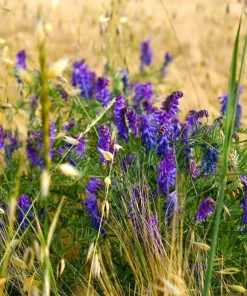
Hairy Vetch Seeds – 100 Vicia Villosa Purple Flower Vine Seeds, Cover Crop
Original price was: $36.99.$16.99Current price is: $16.99.
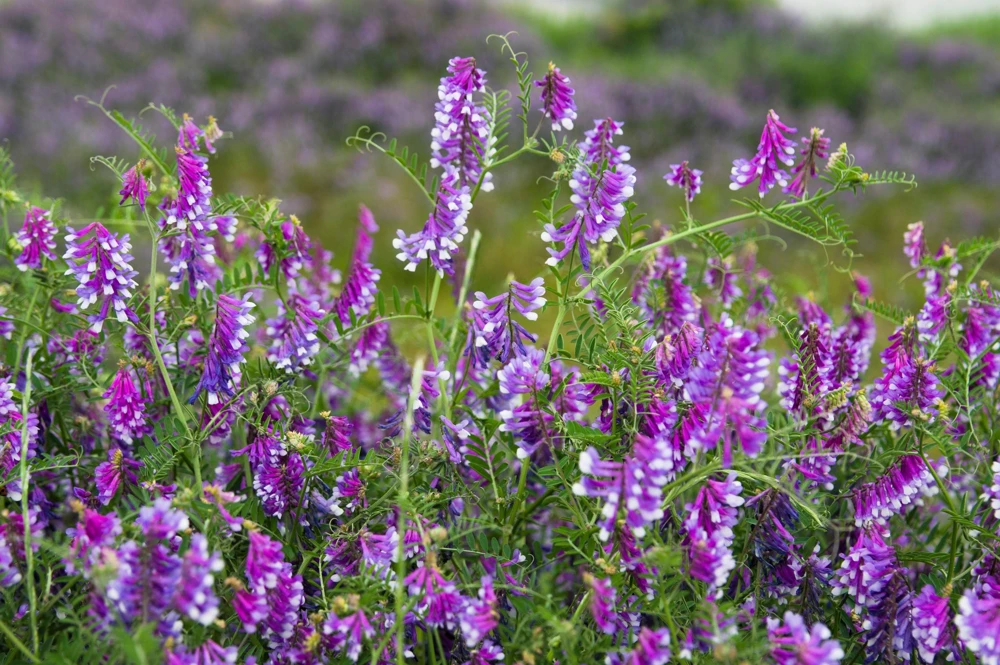
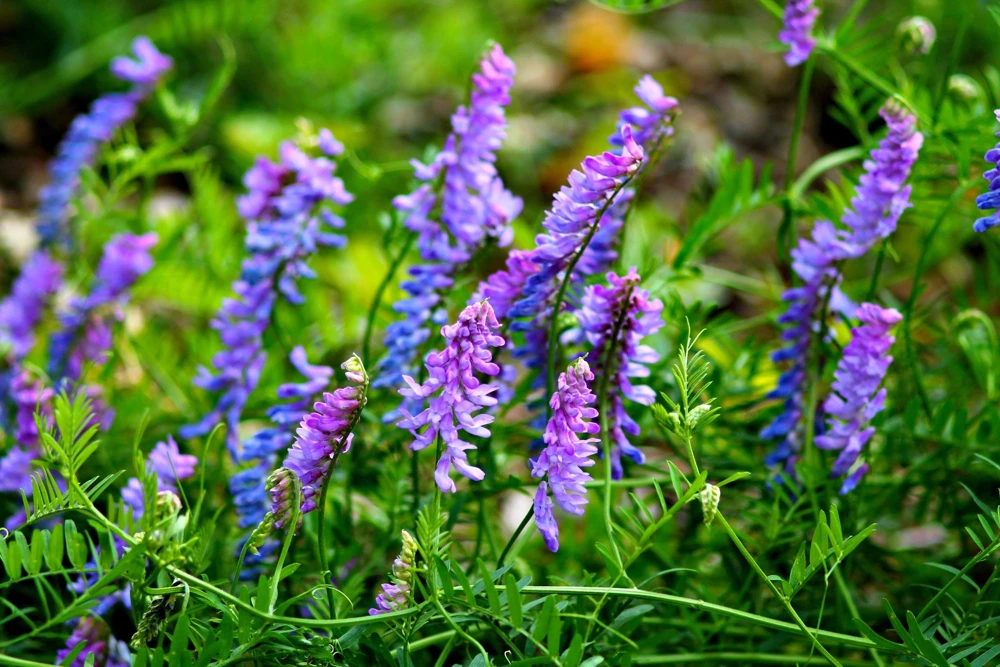
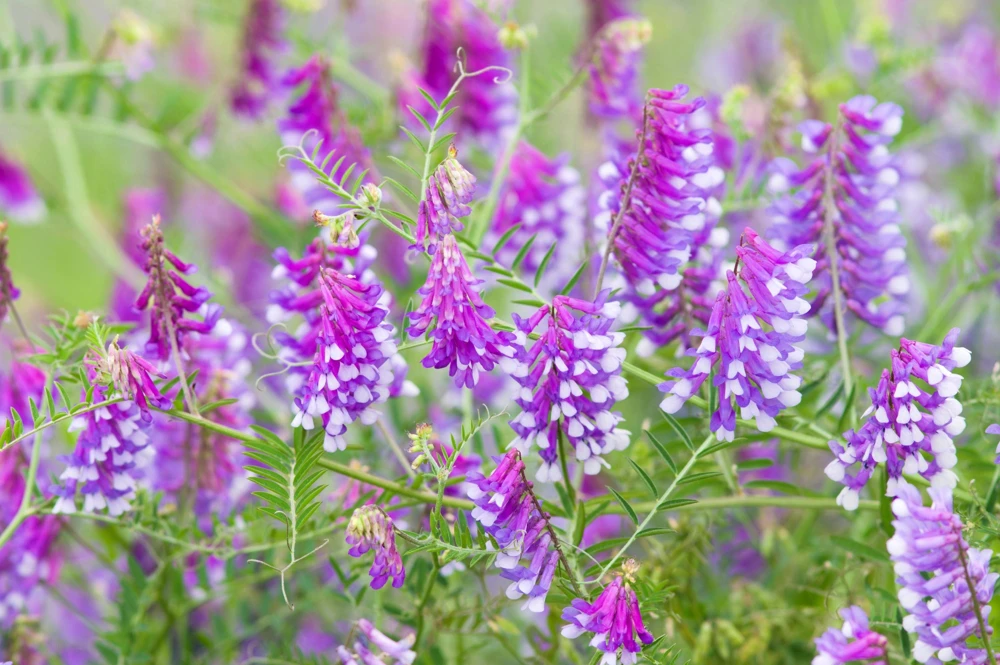
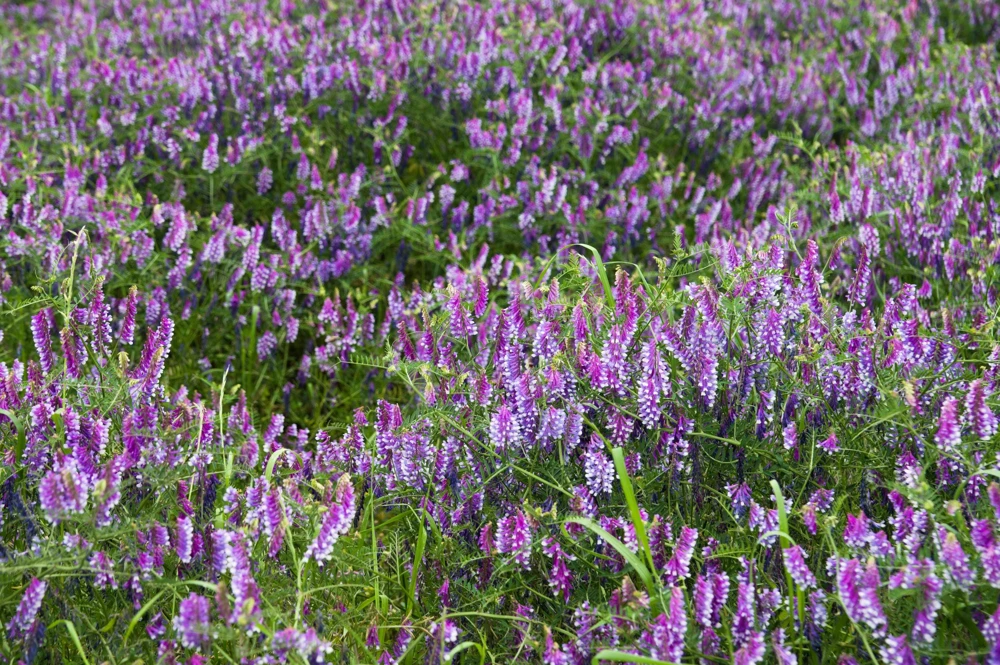
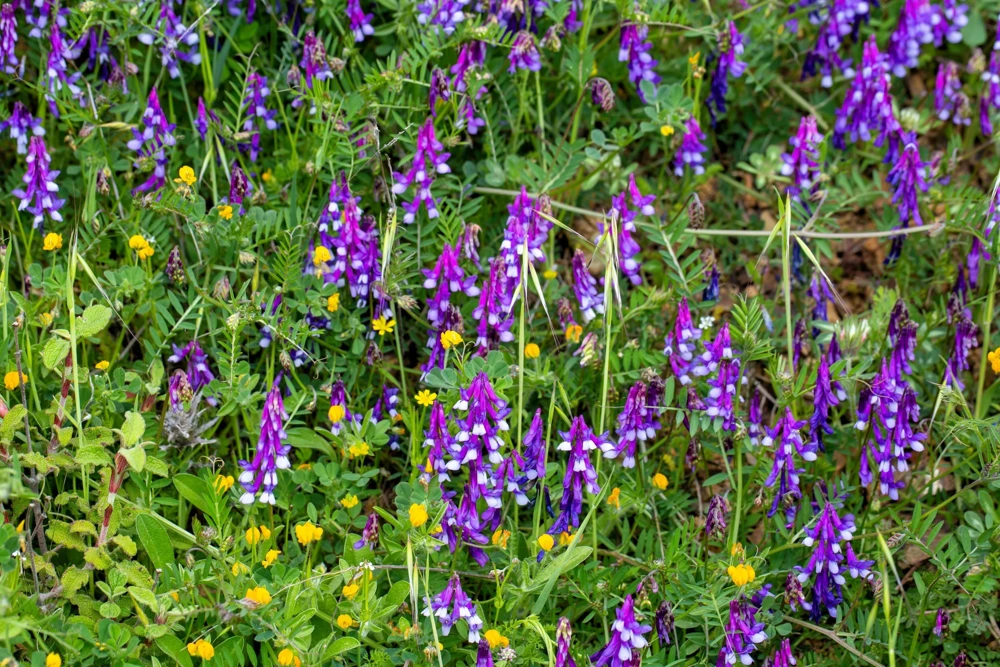
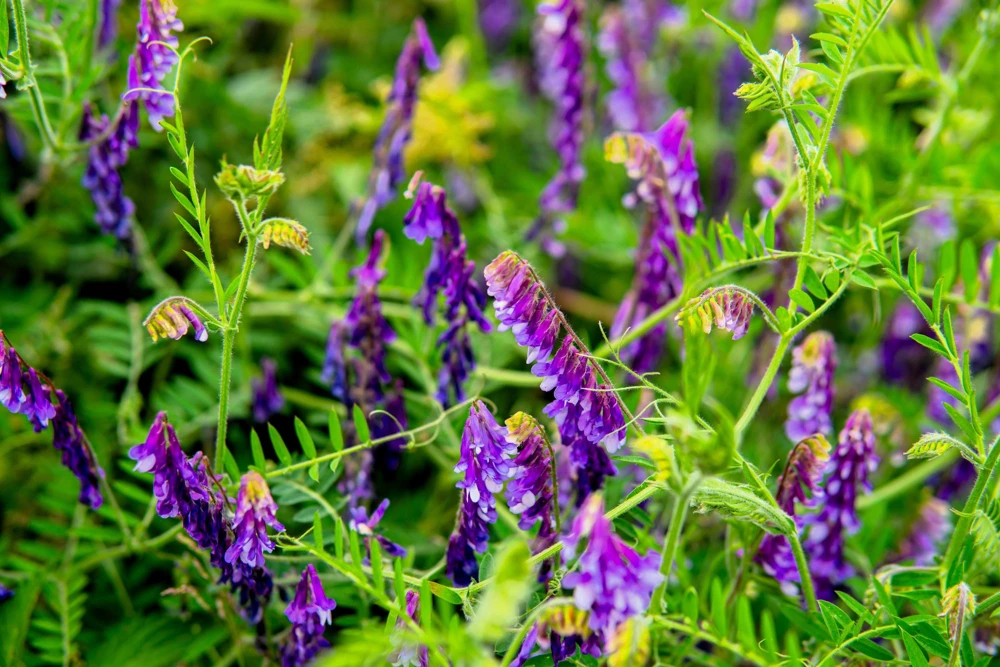
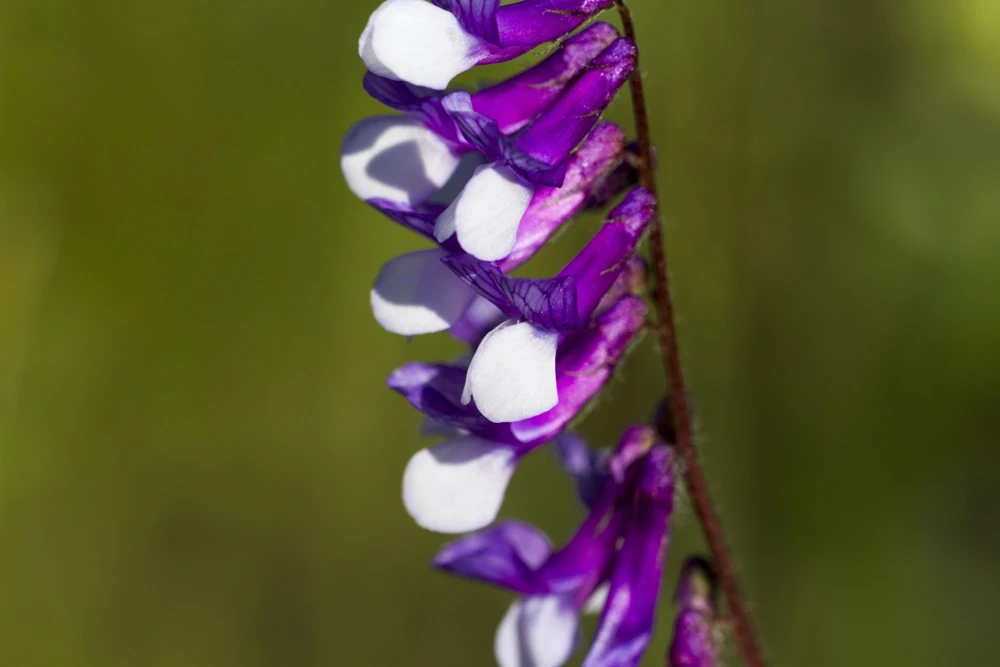
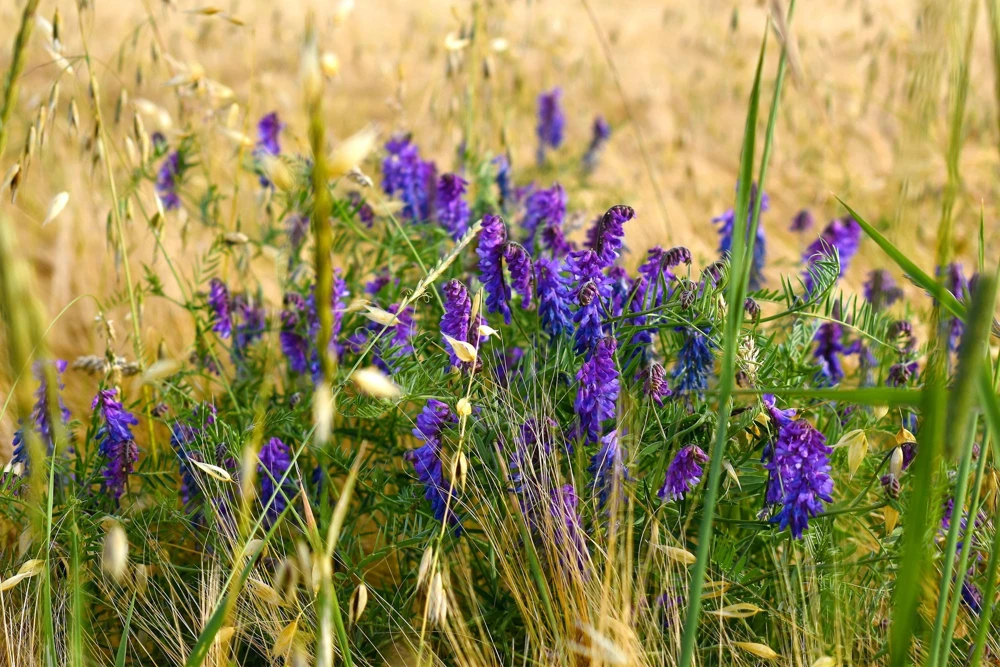
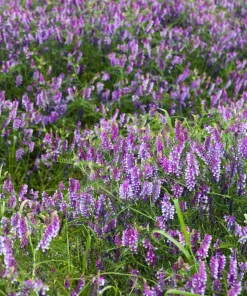
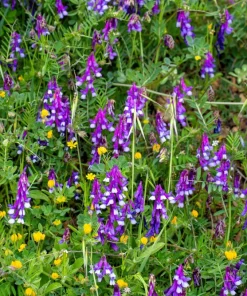
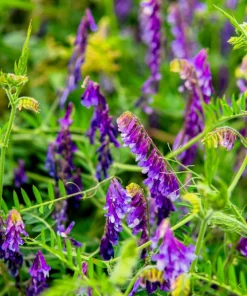
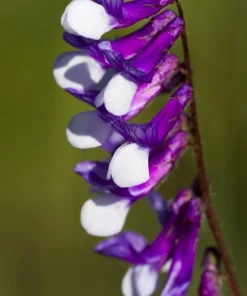
Cultivate hairy vetch seeds (Vicia Villosa) for a versatile plant that serves as both a beautiful purple flowering vine and an excellent cover crop. This legume enriches soil and is easy to establish in various conditions, making it ideal for gardeners seeking sustainable solutions. Plant 100 vicia villosa seeds for robust growth and vibrant blooms.
Estimated arrival
Sep 17
Sep 22 - Sep 24
Sep 27 - Oct 01
Shop With Confidence
30-Day Plant Health Guarantee
Arrives damaged? We’ll replace it free — see our return policy.
Responsive Support
Email us anytime, we reply within 1 business day.
Expert Packaging
Temperature-controlled shipping to protect your plants in transit.
Secure Checkout
Pay safely with Visa, Mastercard, PayPal.
Plant Specifications
-
USDA Hardiness Zone
4-10 -
Soil Type
Average - Dry, Well-draining soil -
Sunlight Exposure
Full Sun - Partial Shade -
Expected Planting Period
Fall
Overview
Cultivate a vibrant and beneficial garden with hairy vetch seeds. These vicia villosa seeds offer a dual purpose, functioning as an attractive flowering vine and an incredibly effective cover crop. Known by the common name Russian Vetch, this legume is celebrated for its ability to improve soil health by fixing nitrogen, enhancing soil structure, and suppressing weeds. Planting hairy vetch seeds is an excellent choice for gardeners and farmers looking to implement sustainable practices while adding a touch of purple beauty to their landscape. Whether you aim to support pollinators, prevent soil erosion, or simply enjoy its vigorous growth, Hairy Vetch is a resilient and rewarding plant.
This offering includes 100 seeds, providing a generous quantity to establish a significant patch of this versatile plant. Hairy vetch seeds are easy to sow and require minimal maintenance, making them suitable for both experienced gardeners and those new to cover cropping. Its adaptability to various soil types and light conditions further solidifies its reputation as a reliable choice for diverse planting projects. Discover the numerous advantages of incorporating vicia villosa seeds into your gardening strategy.
Key Benefits
The benefits of planting hairy vetch seeds extend far beyond their aesthetic appeal. This remarkable plant contributes significantly to ecological balance and garden productivity:
- Soil Enrichment: As a legume, Hairy Vetch is a powerful nitrogen fixer, drawing nitrogen from the air and converting it into a form usable by other plants. This natural fertilization reduces the need for synthetic inputs, leading to healthier, more fertile soil.
- Weed Suppression: The dense growth of Hairy Vetch effectively smothers weeds, preventing them from competing with desired crops for nutrients and water. This natural weed control is particularly valuable in organic gardening systems.
- Erosion Control: Its extensive root system helps to bind soil particles, protecting against erosion caused by wind and rain. This is especially beneficial on sloped areas or in gardens prone to soil loss.
- Pollinator Attraction: The beautiful purple flowers produced by Hairy Vetch are a magnet for bees, butterflies, and other beneficial pollinators, contributing to biodiversity and supporting local ecosystems.
- Green Manure: When tilled into the soil, Hairy Vetch acts as an excellent green manure, adding organic matter that improves soil structure, water retention, and overall fertility. This makes it an ideal choice if you want to grow hairy vetch as a soil amendment.
- Versatile Growth Habit: It can be grown as a ground cover, allowed to vine and climb, or incorporated into mixed plantings. This versatility makes it suitable for various garden designs and purposes.
- Drought Tolerance: Once established, Hairy Vetch exhibits good drought tolerance, making it a resilient choice for regions with limited rainfall or for gardeners seeking water-wise plants.
Plant Care & Growing Tips
Growing hairy vetch seeds is straightforward, making it an excellent option for beginners and seasoned gardeners alike. The optimal time to plant purple vetch seeds is in the fall, allowing the plants to establish a strong root system before winter and provide early spring growth. However, spring planting is also possible in some regions. For successful germination and vigorous growth, ensure the seeds are sown in well-draining soil. While Hairy Vetch is highly adaptable, it prefers average to dry conditions and can tolerate a range of soil types, including poor soils.
When you grow hairy vetch, you’ll find it thrives in locations receiving full sun to partial shade, demonstrating good heat tolerance. Plant the seeds at a depth of about 1/2 inch, spacing them approximately 12-15 inches apart, or broadcast them more densely for a thick cover crop. Keep the soil consistently moist until germination occurs, which typically happens within 7-14 days. Once established, Hairy Vetch is relatively low-maintenance, requiring minimal supplemental watering unless experiencing prolonged dry spells. Fertilization is generally not needed due to its nitrogen-fixing capabilities. Monitor for common garden pests, though Hairy Vetch is usually quite resistant. For optimal results as a cover crop, consider mowing or tilling it into the soil before it goes to seed, typically in late spring or early summer, to prevent self-seeding and maximize its green manure benefits.
Size & Details
This package contains 100 hairy vetch seeds (Vicia Villosa), providing ample quantity for planting a beneficial cover crop or creating an attractive flowering display. The seeds are ready for fall planting, which is ideal for establishing robust plants that will emerge vigorously in the spring. Once mature, Hairy Vetch typically reaches a height of 24 to 36 inches, often forming a dense mat or climbing on available supports. The plant spacing should be approximately 12-15 inches to allow for optimal growth and air circulation. Expect beautiful purple blooms from spring through summer, adding color and attracting pollinators to your garden. This plant is hardy in USDA Zones 4-10, showcasing its broad adaptability across various climates. Its rapid growth rate makes it an effective choice for quick soil improvement and weed suppression, offering significant benefits within a single growing season.
Frequently Asked Questions
- Q: How many hairy vetch seeds are included in this package? A: This package contains 100 hairy vetch seeds, providing a good quantity for planting a substantial area or for multiple smaller projects in your garden.
- Q: How tall does Hairy Vetch typically grow? A: Hairy Vetch plants generally grow to a height of 24 to 36 inches (2-3 feet). They can also vine and climb if given support.
- Q: Is Hairy Vetch suitable for beginners? A: Yes, grow hairy vetch is considered very easy to grow and maintain, making it an excellent choice for gardeners of all experience levels. It’s quite forgiving of different soil and light conditions.
- Q: When is the best time to plant vicia villosa seeds? A: The ideal time to plant vicia villosa seeds is in the fall. This allows the plants to establish before winter and provides early growth and benefits in the spring. Spring planting is also possible.
- Q: What kind of sunlight does Hairy Vetch need? A: Hairy Vetch prefers full sun to partial shade. It is known for its tolerance to heat, making it adaptable to various light exposures.
- Q: What kind of soil does Hairy Vetch prefer? A: While adaptable to many soil types, Hairy Vetch thrives in average to dry, well-draining soil. It can even improve poor soil conditions.
- Q: Can these purple vetch seeds be used as a cover crop? A: Absolutely! Hairy Vetch is widely recognized and used as an excellent cover crop due to its nitrogen-fixing properties and ability to suppress weeds and prevent soil erosion.
- Q: Will these seeds attract pollinators? A: Yes, the purple flowers of Hairy Vetch are very attractive to bees, butterflies, and other beneficial pollinators, contributing to a healthy garden ecosystem.
- Q: What hardiness zones are suitable for Hairy Vetch? A: Hairy Vetch is hardy in USDA Zones 4 through 10, making it suitable for a wide range of climates across the United States.
- Q: How long does it take for hairy vetch seeds to germinate? A: Under optimal conditions, hairy vetch seeds typically germinate within 7 to 14 days after planting.
Be the first to review “Hairy Vetch Seeds – 100 Vicia Villosa Purple Flower Vine Seeds, Cover Crop”
People Also Viewed

Trees
Sweetbay Magnolia Live Plant – Fragrant White Flowers – 6-12 Inch Tall – Quart Pot – Outdoor Tree

Reviews
There are no reviews yet.