
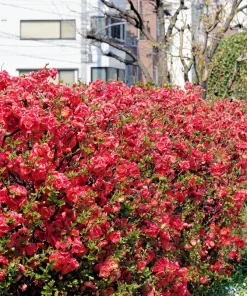
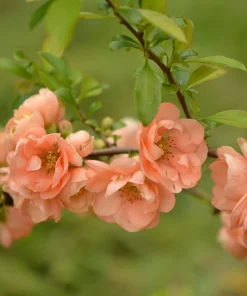
Flowering Quince Seeds – 30 Count – Pink, Red, White, Orange Shrub – Chaenomeles Speciosa
Original price was: $36.99.$16.99Current price is: $16.99.
Cultivate stunning flowering quince seeds for your garden. These chaenomeles speciosa seeds produce beautiful shrubs with vibrant pink, red, white, and orange flowers, followed by delicious edible fruit. Ideal for USDA Zones 4-8, bringing ornamental beauty and a unique harvest.
Estimated arrival
Sep 17
Sep 22 - Sep 24
Sep 27 - Oct 01
Shop With Confidence
30-Day Plant Health Guarantee
Arrives damaged? We’ll replace it free — see our return policy.
Responsive Support
Email us anytime, we reply within 1 business day.
Expert Packaging
Temperature-controlled shipping to protect your plants in transit.
Secure Checkout
Pay safely with Visa, Mastercard, PayPal.
Plant Specifications
-
USDA Hardiness Zone
4 - 8 -
Soil Type
Average, well-draining soil -
Sunlight Exposure
Full sun - Part shade -
Expected Planting Period
Fall sow / Cold stratify / Indoors before last frost / Outdoors after danger of frost
Overview
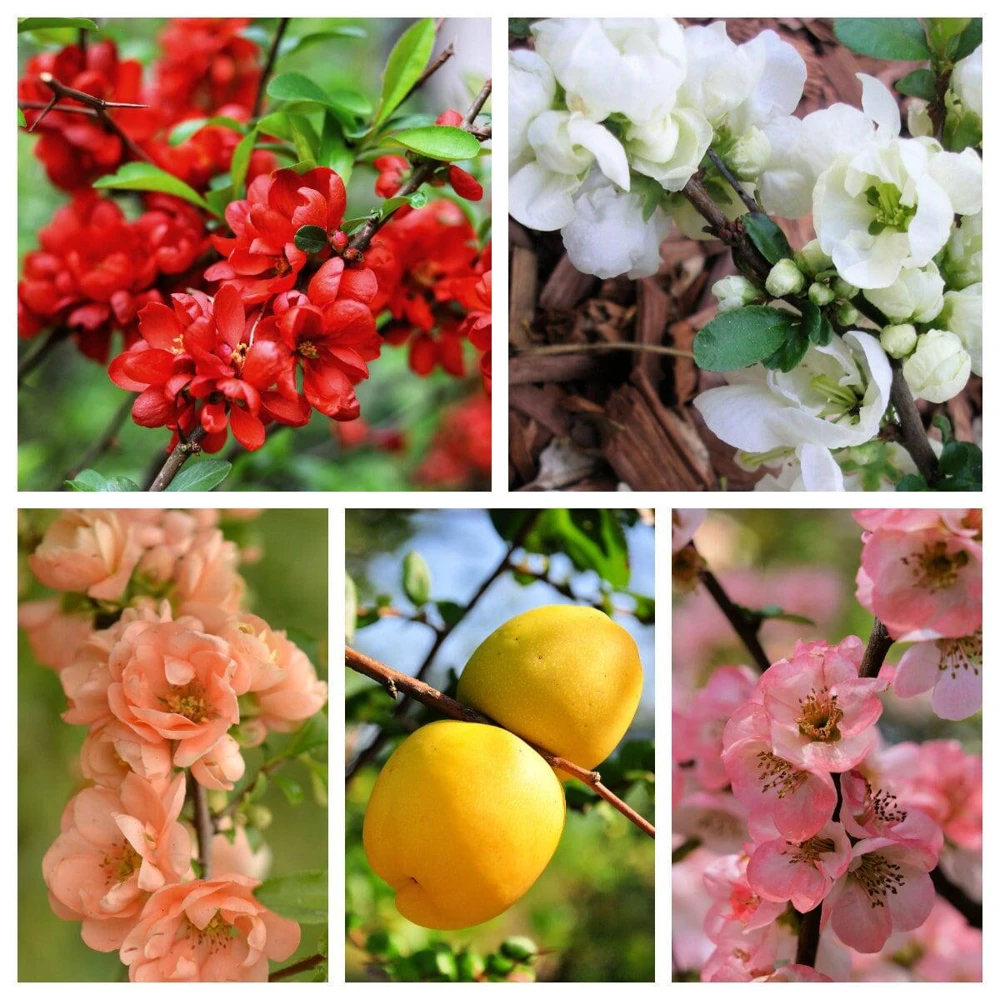
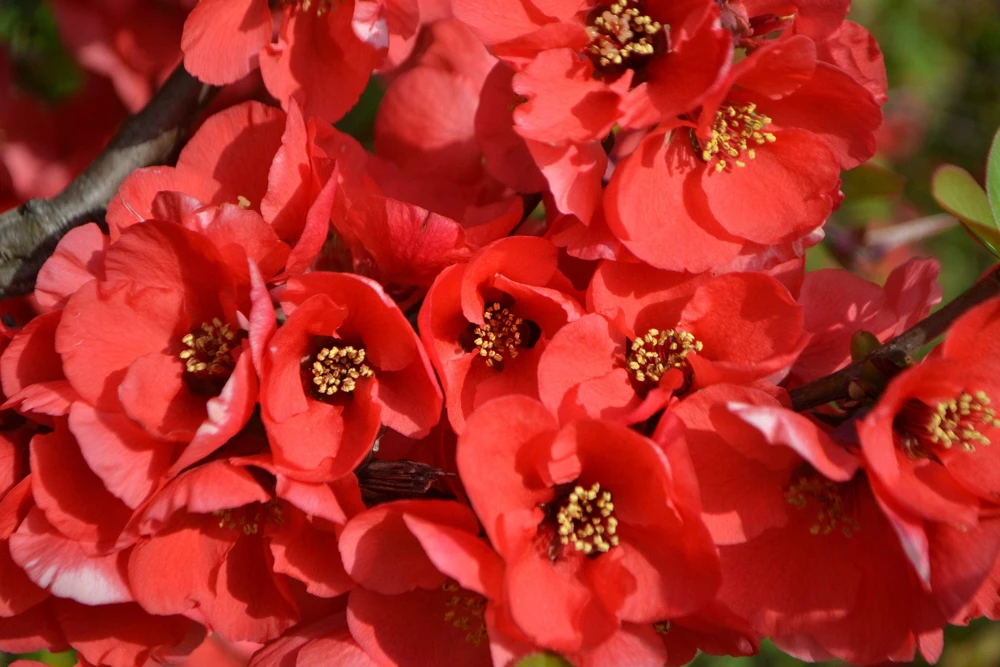
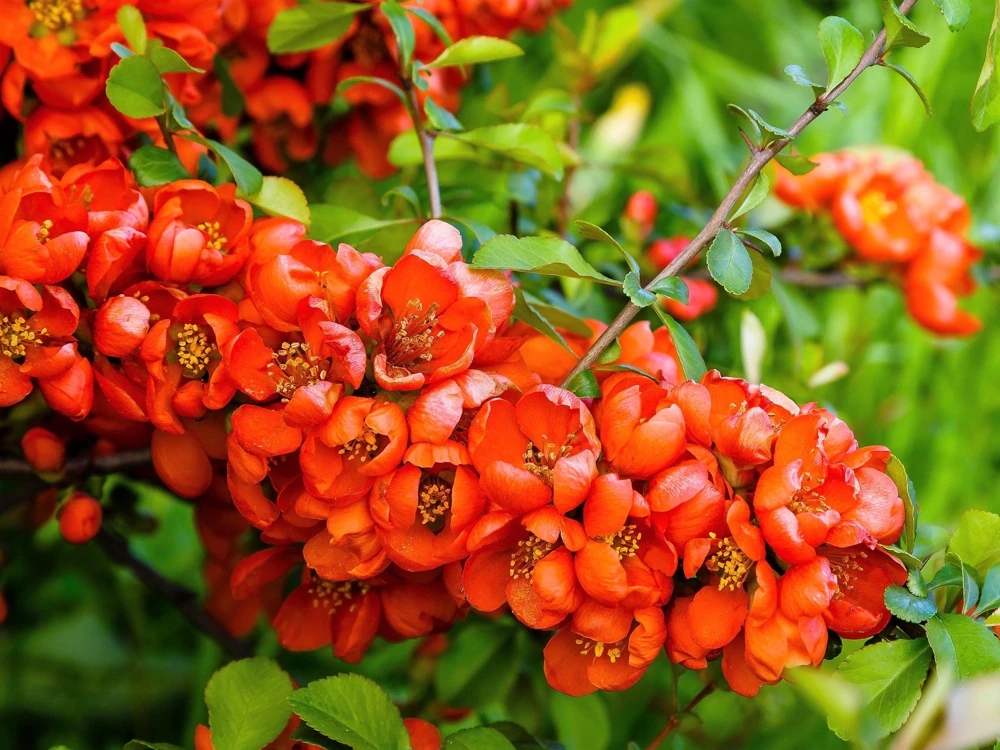
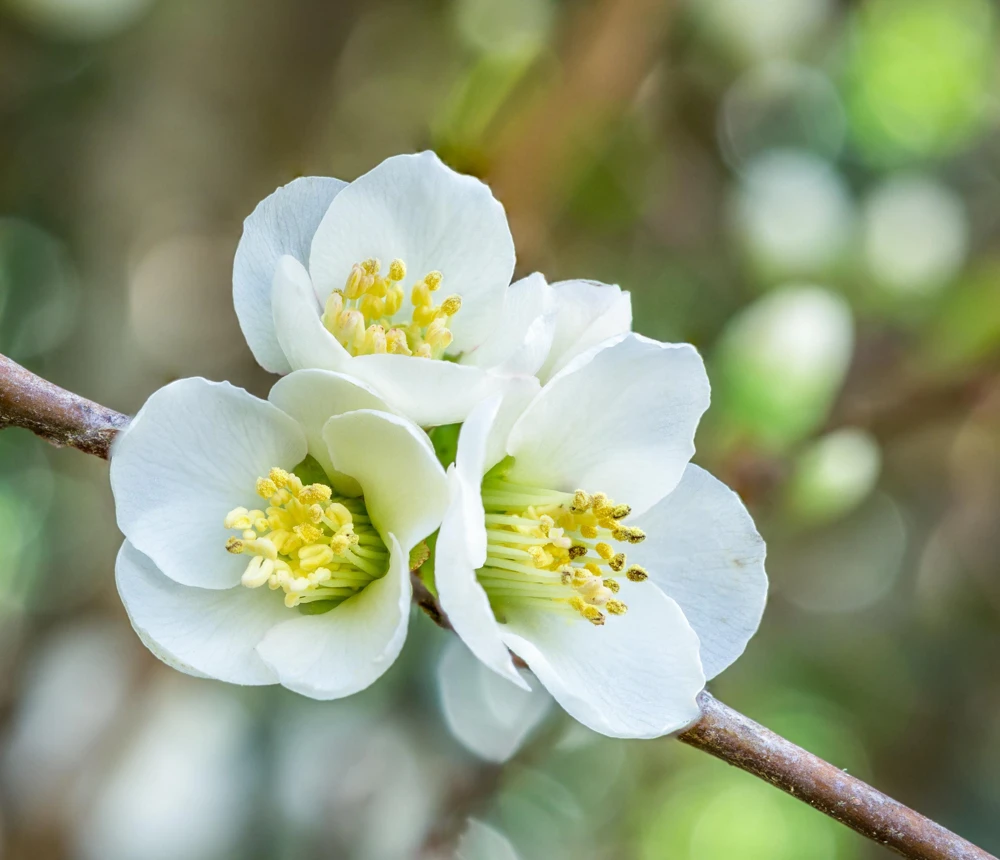
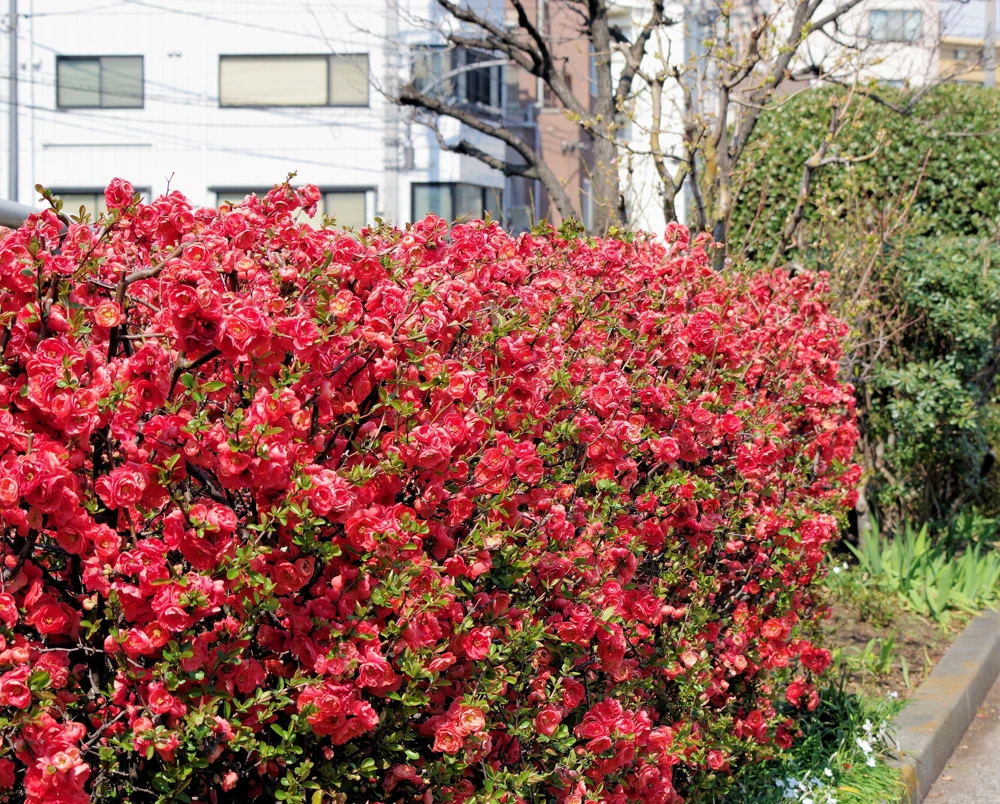
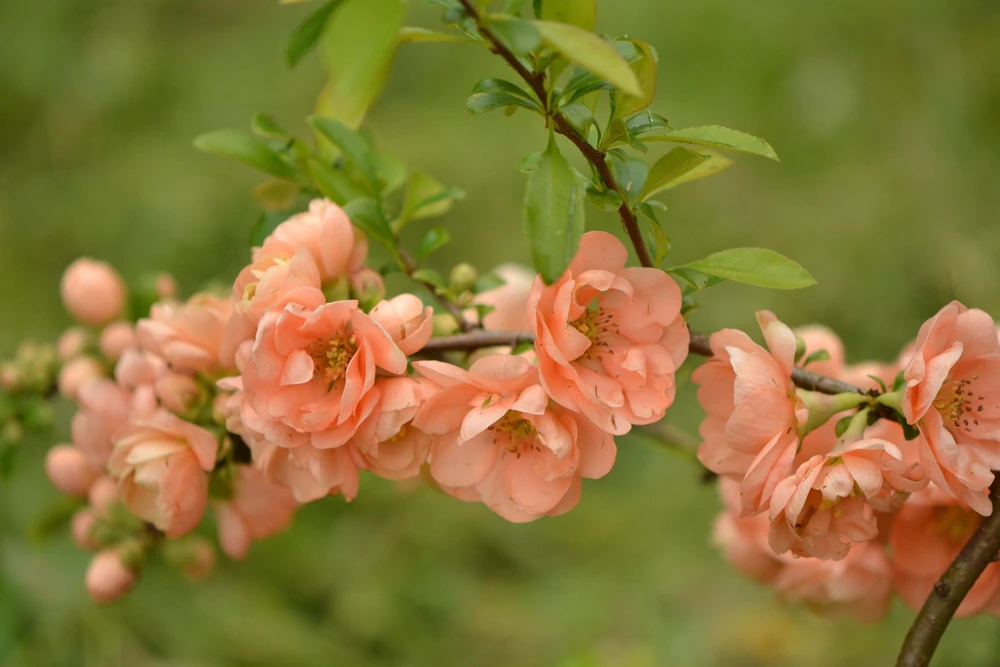
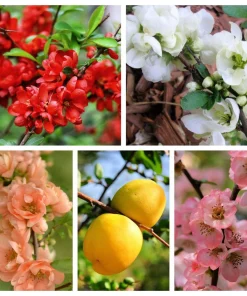
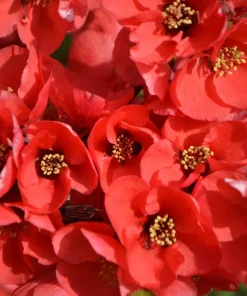
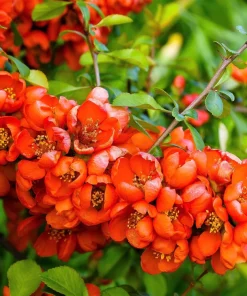
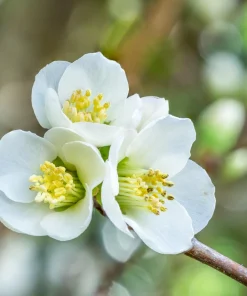
Embark on a rewarding gardening journey with our premium flowering quince seeds. This offering includes 30 high-quality seeds of the Chaenomeles Speciosa, commonly known as Flowering Quince, Japanese Quince, or Chinese Quince. These versatile shrubs are celebrated for their early spring blooms, displaying a spectacular array of colors including pink, red, white, orange, scarlet, and peach. Beyond their ornamental appeal, these resilient plants also produce delicious, edible fruit in the fall, adding a unique and functional element to any landscape. Growing your own flowering quince seeds allows you to cultivate a robust and beautiful shrub that will be a focal point in your garden for years to come.
The flowering quince (Chaenomeles Speciosa) is a deciduous shrub that offers year-round interest. In early spring, often before other plants have awakened, it bursts into a profusion of colorful flowers. These blooms are not only visually stunning but also attract pollinators. As the season progresses, the plant develops glossy green foliage, and in the fall, it yields small, apple-like fruits that are excellent for jellies and preserves. These chaenomeles speciosa seeds are a fantastic way to introduce a resilient, beautiful, and productive plant into your outdoor space.
Key Benefits
Adding flowering quince seeds to your garden offers a multitude of advantages, blending aesthetic appeal with practical benefits. These shrubs are known for their hardiness and low maintenance requirements, making them suitable for both experienced gardeners and beginners.
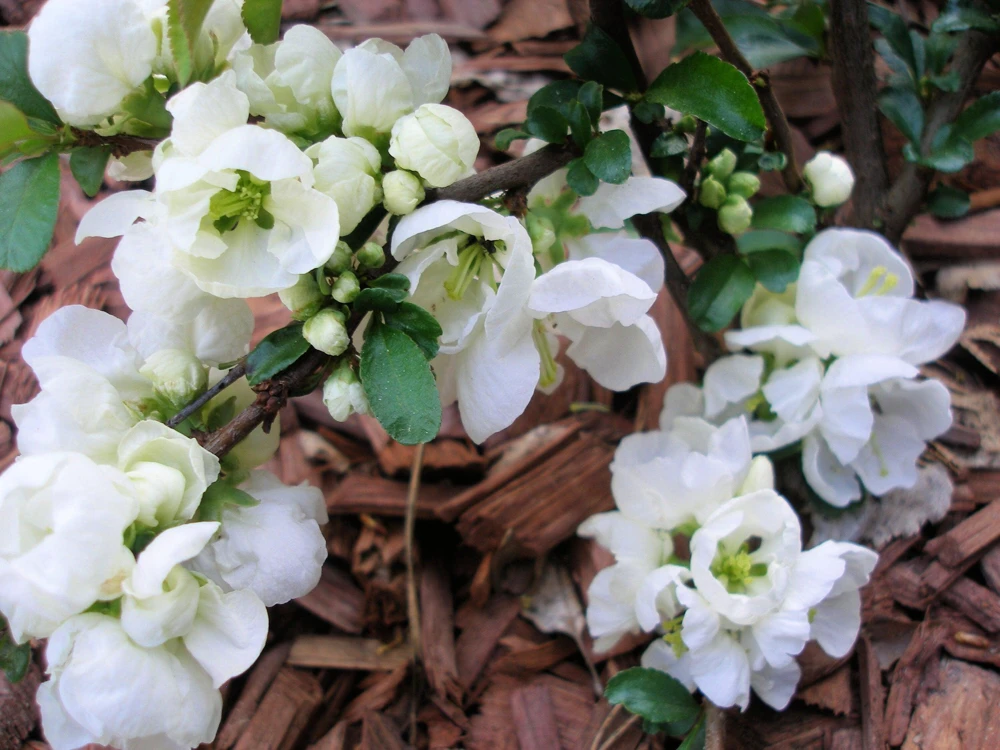
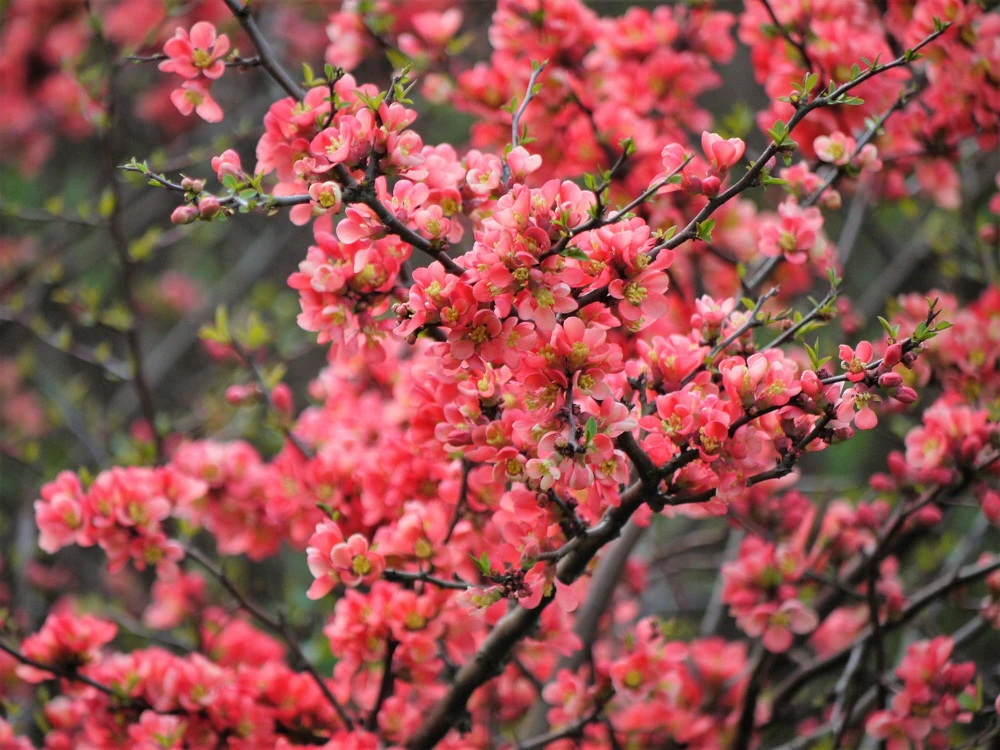
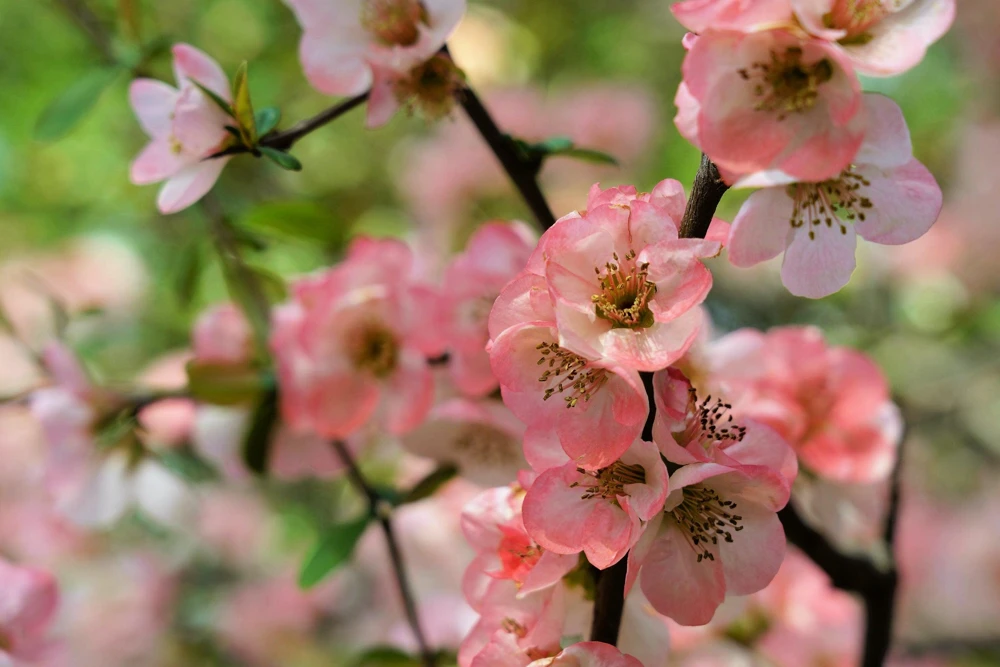
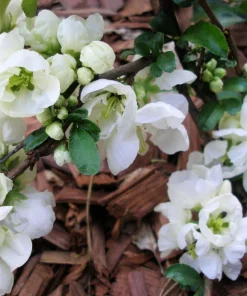
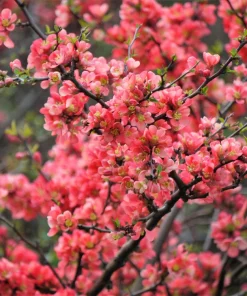
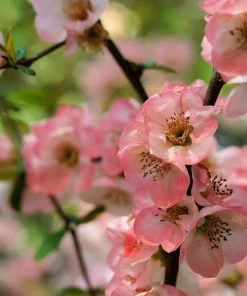
- Spectacular Early Spring Blooms: Enjoy a vibrant display of pink, red, white, orange, scarlet, and peach flowers that emerge in early spring, often before other plants, providing much-needed color after winter. These beautiful blooms are a highlight of the flowering quince.
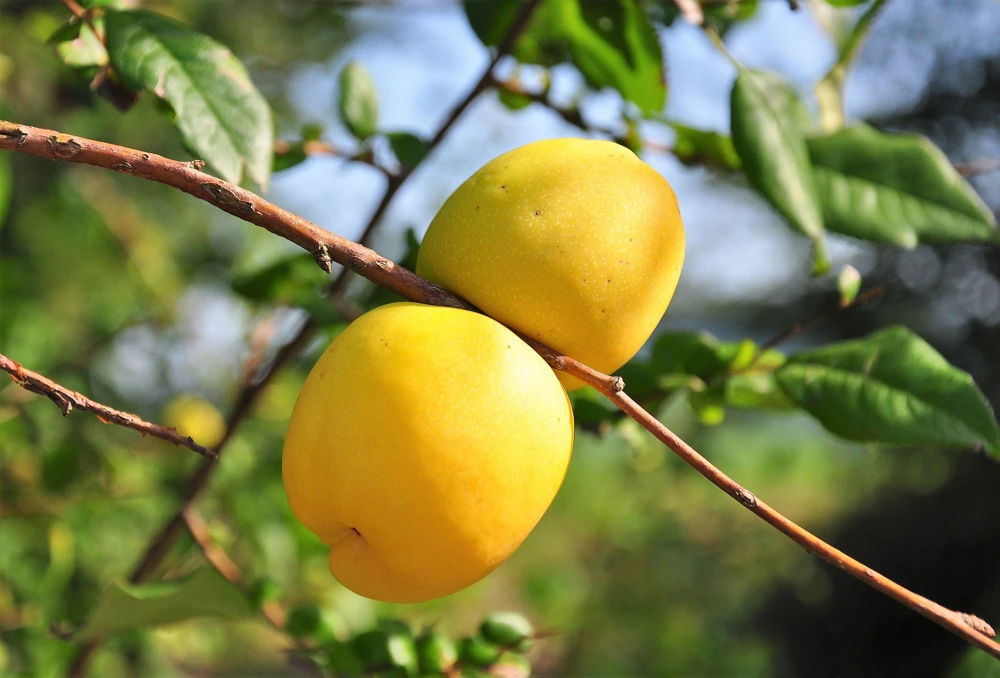
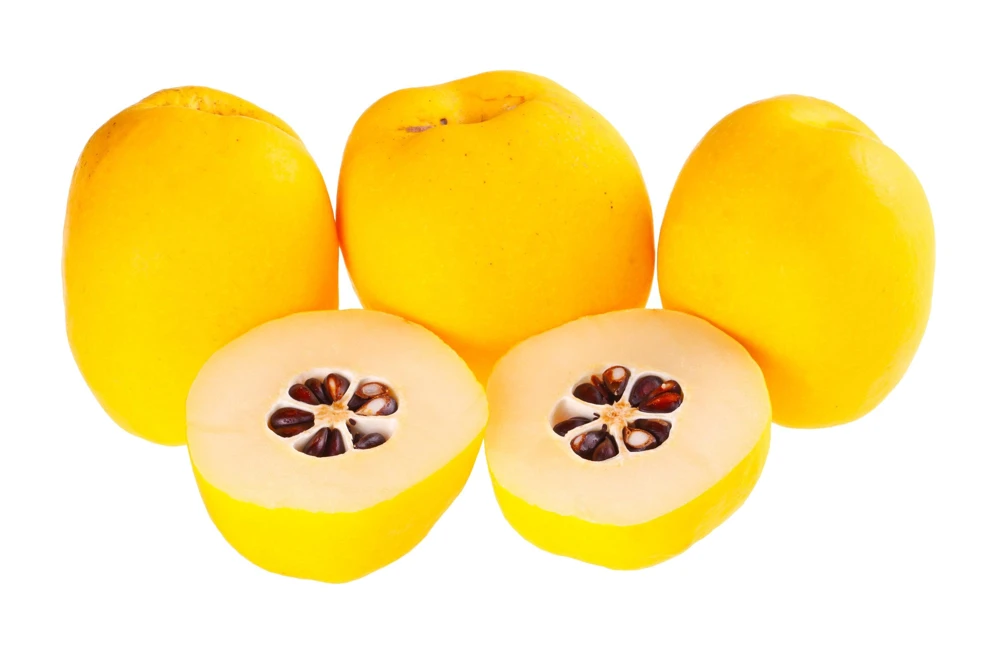
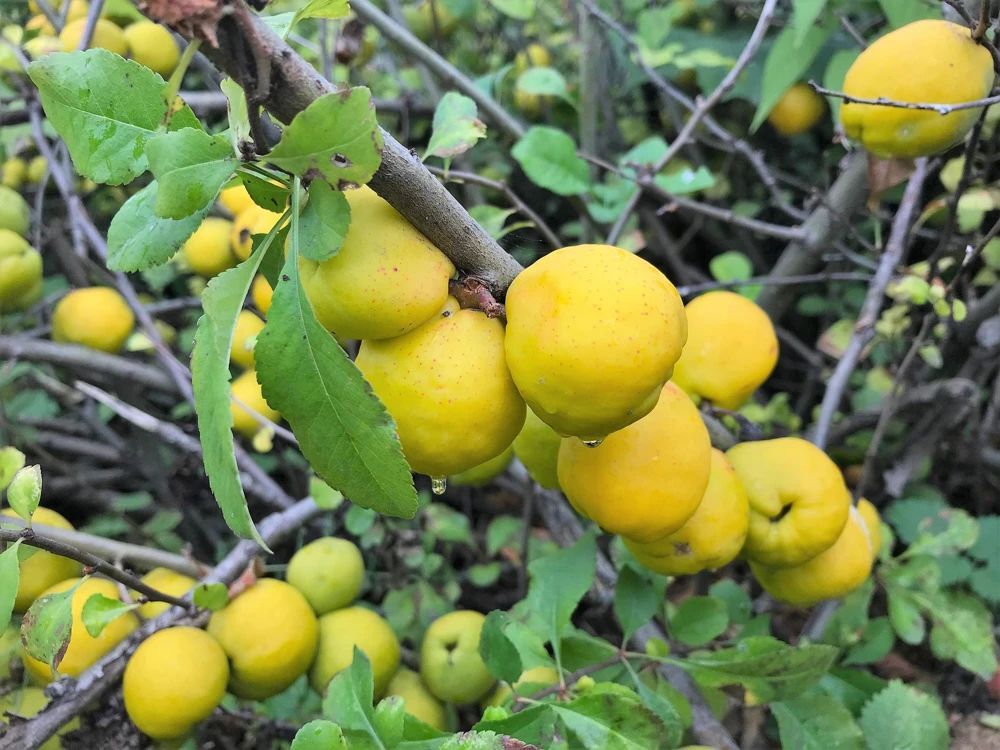
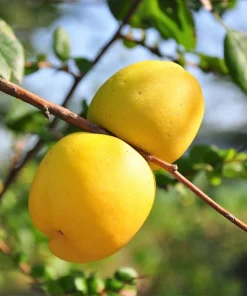
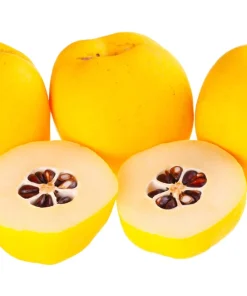
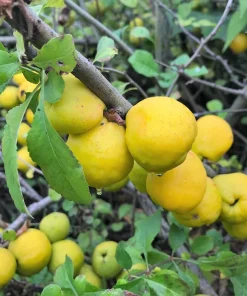
- Edible & Culinary Fruit: Harvest tart, aromatic fruits in the fall that are perfect for making jellies, preserves, and pies. This dual-purpose plant offers both ornamental beauty and a delicious yield, enhancing the value of your garden. You can enjoy the unique flavor of the edible quince fruit.
- Attracts Pollinators: The early blooms provide a valuable nectar source for bees and other beneficial insects, contributing to a healthy garden ecosystem.
- Drought Tolerant & Hardy: Once established, Flowering Quince is remarkably resilient, tolerating a range of soil conditions and periods of drought, making it a sustainable choice for many climates.
- Versatile Landscaping Use: Ideal for hedges, borders, foundation plantings, or as a stand-alone specimen. Its dense growth and thorny branches also make it an effective barrier plant.
- Low Maintenance: Requires minimal care once established, thriving with basic watering and occasional pruning to maintain shape and encourage blooming. Growing flowering quince seeds means less work for you.
- Four-Season Interest: Offers attractive flowers in spring, lush foliage in summer, edible fruit in fall, and interesting branch structure in winter.
Plant Care & Growing Tips
Successfully growing flowering quince seeds requires attention to specific conditions to ensure robust growth and abundant blooms. The Chaenomeles Speciosa is a relatively easy-to-care-for shrub, but understanding its basic needs will lead to the best results. For optimal germination, it’s recommended to fall sow the seeds or cold stratify them before planting. If starting indoors, do so before the last frost, and transplant outdoors after the danger of frost has passed. This preparation is key to successfully grow flowering quince.
These shrubs thrive in a location with full sun to part shade. Full sun exposure will generally lead to the most prolific flowering and fruit production. They are adaptable to average soil conditions but prefer well-draining soil. Avoid overly wet or waterlogged conditions, as this can harm the roots. Once established, flowering quince is quite drought tolerant, but consistent watering during prolonged dry spells, especially when the plant is young, will promote healthier growth. The ideal hardiness zone for this plant is 4-8, indicating its resilience to various climates. Pruning can be done after flowering to maintain shape and encourage new growth, which will ensure a continuous supply of edible quince fruit.
When considering how to grow flowering quince, remember that proper spacing is crucial. Plant these shrubs 5-10 feet apart to allow for their mature size, which typically ranges from 6-10 feet in height. Fertilization is generally not heavily required; a balanced, all-purpose fertilizer in early spring can be beneficial but is often not strictly necessary in fertile soils. Keep an eye out for common pests or diseases, though flowering quince is generally quite resistant. Ensuring good air circulation around the plant can help prevent fungal issues. These tips will help you cultivate healthy and vibrant shrubs from your chaenomeles speciosa seeds.
Size & Details
Our offering includes 30 flowering quince seeds, providing ample opportunity to establish multiple shrubs or share with fellow gardeners. These seeds will mature into a shrub typically reaching a height of 6 to 10 feet with a similar spread, creating a substantial and impactful presence in your landscape. The growth rate is moderate, allowing for a noticeable development within a few years. Each seed carries the potential for a beautiful plant that will bloom from March to April, followed by a fall harvest of the distinctive yellow fruit. These japanese quince seeds are packaged to ensure viability upon arrival, ready for your planting efforts.
The mature size of the flowering quince makes it suitable for various garden applications, from creating a thorny barrier hedge to serving as a striking specimen plant. The fruit, while tart, is highly prized for its pectin content, making it excellent for culinary applications. When you grow flowering quince, you’re not just planting a decorative shrub; you’re cultivating a source of unique, homegrown produce. These chaenomeles speciosa seeds represent an investment in both the beauty and bounty of your garden.
Frequently Asked Questions
- Q: How big does the flowering quince plant get? A: The flowering quince typically grows to a height of 6 to 10 feet and can spread equally wide. Proper spacing of 5-10 feet between plants is recommended to allow for their mature size and healthy development.
- Q: Is this an indoor or outdoor plant? A: Flowering Quince (Chaenomeles Speciosa) is an outdoor shrub. It thrives in temperate climates and is hardy in USDA Zones 4-8, making it suitable for a wide range of outdoor garden settings.
- Q: How much sunlight does it need? A: For the best flowering and fruit production, the flowering quince prefers full sun exposure. It can tolerate partial shade, but blooming may be less prolific in shadier conditions.
- Q: Is this plant easy to care for? A: Yes, once established, the flowering quince is considered a low-maintenance shrub. It is quite hardy and drought-tolerant, making it a good choice for gardeners looking for an easy-to-grow plant from flowering quince seeds.
- Q: When is the best time to plant flowering quince seeds? A: It is best to fall sow the flowering quince seeds directly outdoors or to cold stratify them. If starting indoors, plant them before the last frost and then transplant them outdoors after all danger of frost has passed in your area.
- Q: Can I eat the fruit from the flowering quince? A: Yes, the fruit of the flowering quince is edible, though it is quite tart when raw. It is typically used in cooked preparations such as jellies, jams, preserves, and pies due to its high pectin content and unique flavor. This is one of the benefits of growing edible quince fruit.
- Q: Will it survive winter in my zone? A: The flowering quince is hardy in USDA Zones 4-8. If you live within these zones, your plant should successfully survive winter conditions and return each spring with new growth and blooms.
- Q: What are the main color variations of the flowers? A: The flowers of the flowering quince come in a beautiful range of colors, including various shades of pink, red, white, orange, scarlet, and peach, providing a vibrant display in early spring.
- Q: What type of soil does the flowering quince prefer? A: Flowering quince prefers average, well-draining soil. It is adaptable to a variety of soil types but will not thrive in waterlogged conditions.
- Q: Why should I choose chaenomeles speciosa seeds? A: Choosing chaenomeles speciosa seeds allows you to cultivate a beautiful, hardy, and productive shrub that offers early spring blooms and delicious edible fruit, making it a valuable addition to any garden.
Be the first to review “Flowering Quince Seeds – 30 Count – Pink, Red, White, Orange Shrub – Chaenomeles Speciosa”
People Also Viewed
Reviews
There are no reviews yet.