

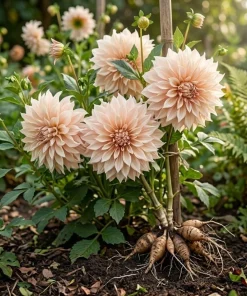
2 Dinnerplate Dahlia Tubers – Beige Blooms up to 10″ Wide – Perennial Flower Bulbs
Original price was: $33.98.$16.99Current price is: $16.99.
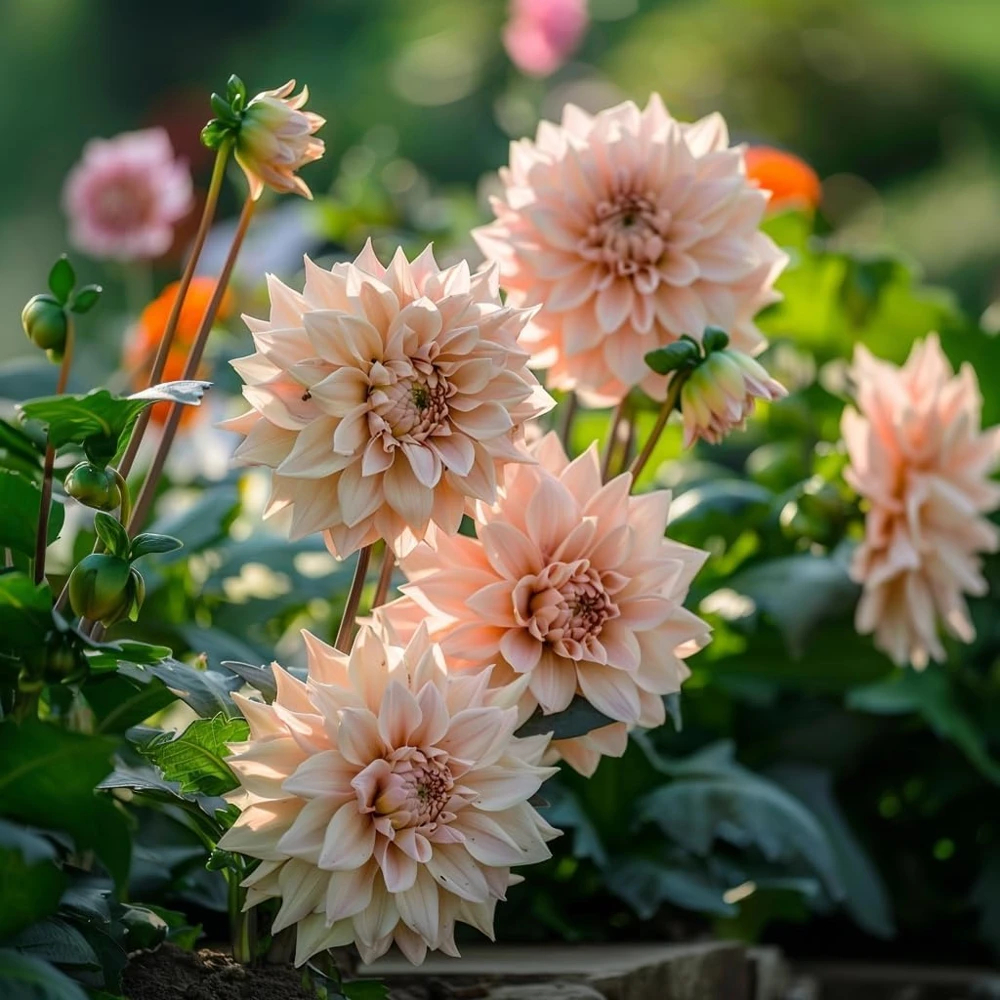
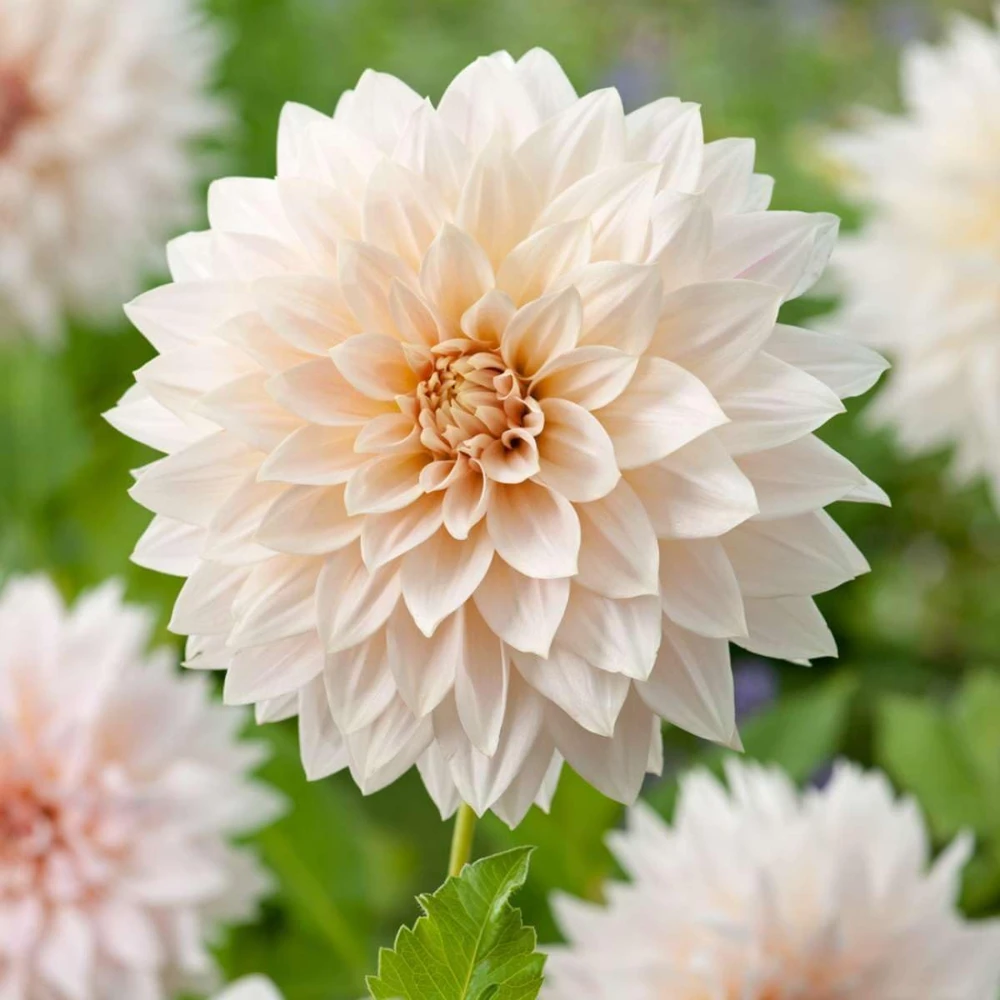
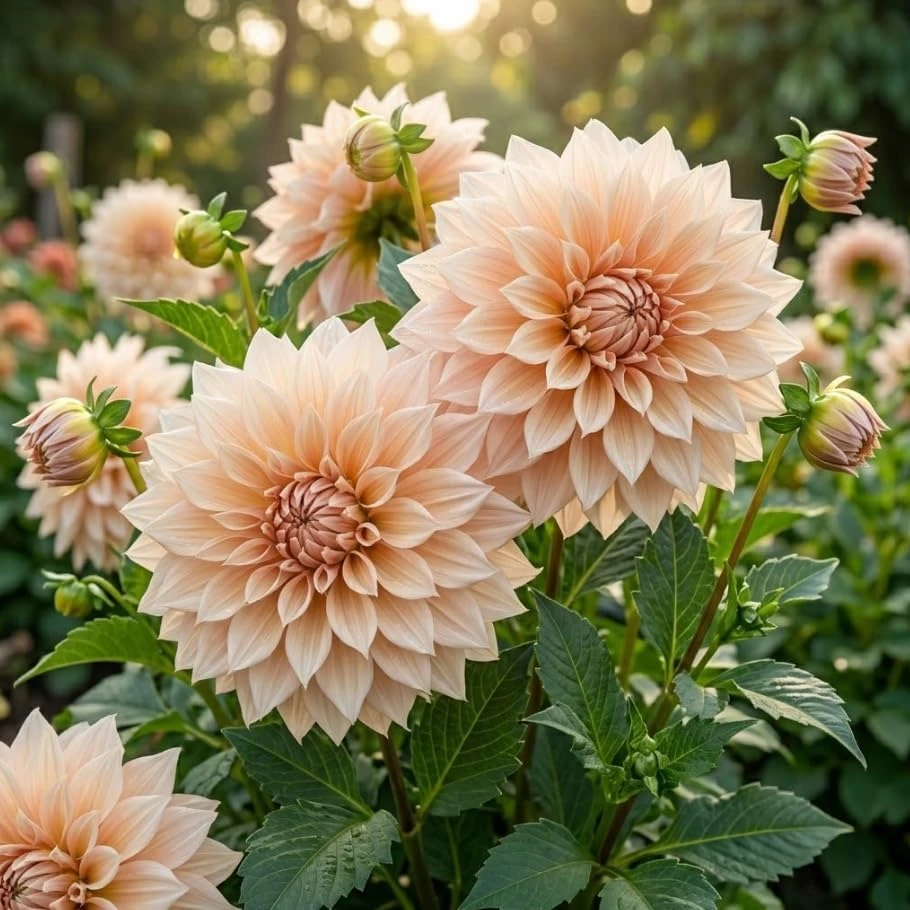
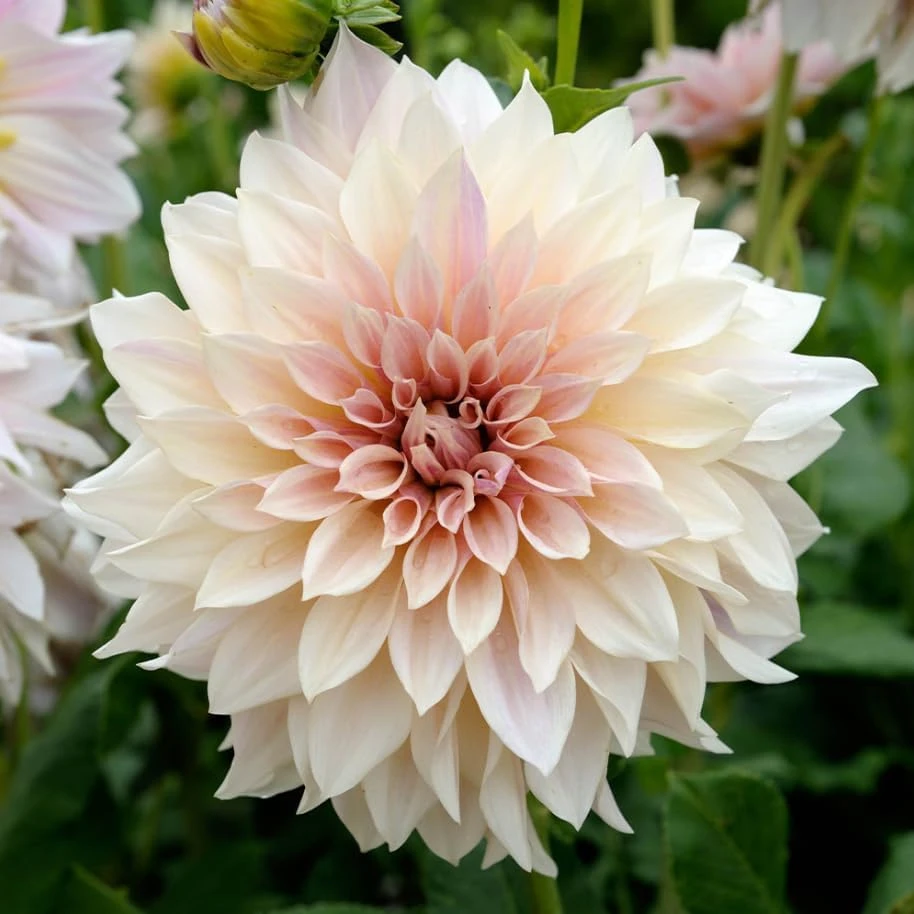
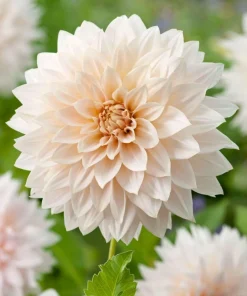
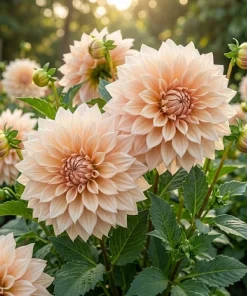
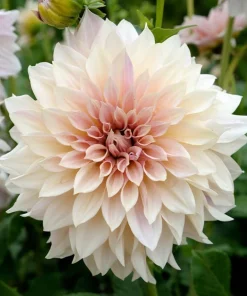
Cultivate magnificent dinnerplate dahlia tubers, producing huge creamy-beige blooms up to 10 inches wide. These beige dahlia bulbs are perennial, offering stunning large dahlia flowers year after year. Ideal for garden beds and containers, they thrive in full sun for abundant late-summer displays.
Estimated arrival
Oct 13
Oct 18 - Oct 20
Oct 23 - Oct 27
Shop With Confidence
30-Day Plant Health Guarantee
Arrives damaged? We’ll replace it free — see our return policy.
Responsive Support
Email us anytime, we reply within 1 business day.
Expert Packaging
Temperature-controlled shipping to protect your plants in transit.
Secure Checkout
Pay safely with Visa, Mastercard, PayPal.
Plant Specifications
-
USDA Hardiness Zone
USDA zones 8-11 (perennial), Zones 2-7 (annual or lifted) -
Soil Type
Well-draining, rich, slightly acidic to neutral soil -
Sunlight Exposure
Full sun (6-8+ hours daily) -
Expected Planting Period
Spring, after last frost
Overview
Introduce breathtaking beauty to your garden with these premium dinnerplate dahlia tubers. Each order includes two fresh tubers, ready to produce spectacular blooms that can reach an impressive 10 inches in diameter. Known for their dramatic size and elegant creamy-beige hue, these dahlias are a favorite among gardeners looking to make a bold statement. As perennial flower bulbs, they promise a return of their magnificent display season after season, transforming your outdoor space into a vibrant tapestry of color and texture. These particular dahlias are celebrated for their ‘dinnerplate’ size, a term used to describe varieties with exceptionally large flower heads, making them true showstoppers in any landscape.
These dahlia tubers are an excellent choice for creating striking focal points in garden beds, adding vertical interest to borders, or bringing a touch of sophistication to large patio containers. Their robust growth habit ensures a lush display of foliage before the grand emergence of their expansive flowers. Perfect for cutting, these large dahlia flowers also make exquisite additions to floral arrangements, bringing the splendor of your garden indoors. With proper care, you’ll enjoy a continuous flush of these glorious blooms from mid-summer until the first frost, providing a prolonged period of enjoyment and visual delight.
Key Benefits
Cultivating these dinnerplate dahlia tubers offers a multitude of benefits, enhancing both the aesthetic and ecological value of your garden:
- Spectacular Blooms: Enjoy truly enormous flowers, often measuring up to 10 inches across, creating an unforgettable visual impact. Their creamy-beige color adds a touch of classic elegance to any garden palette.
- Perennial Beauty: As a perennial, these perennial dahlia roots will return year after year in suitable climates, offering a sustainable and ever-growing source of beauty without the need for annual replanting.
- Versatile Planting: Thrives equally well in garden beds, raised beds, or large containers, providing flexibility for various garden designs and spaces. They are perfect for adding height and drama.
- Excellent Cut Flowers: The substantial size and sturdy stems of these dahlias make them ideal for cutting. Create stunning, long-lasting floral arrangements that will brighten any indoor space and impress guests.
- Attracts Pollinators: While not their primary function, the vibrant blooms can attract beneficial pollinators like bees and butterflies to your garden, contributing to a healthier ecosystem.
- Dramatic Garden Impact: With their colossal size and rich color, these dahlias serve as magnificent focal points, drawing the eye and adding a luxurious, high-end feel to your landscape design.
- Summer to Fall Color: These dahlias bloom profusely from mid-summer through late autumn, providing a continuous splash of color when many other garden plants are starting to fade.
Plant Care & Growing Tips
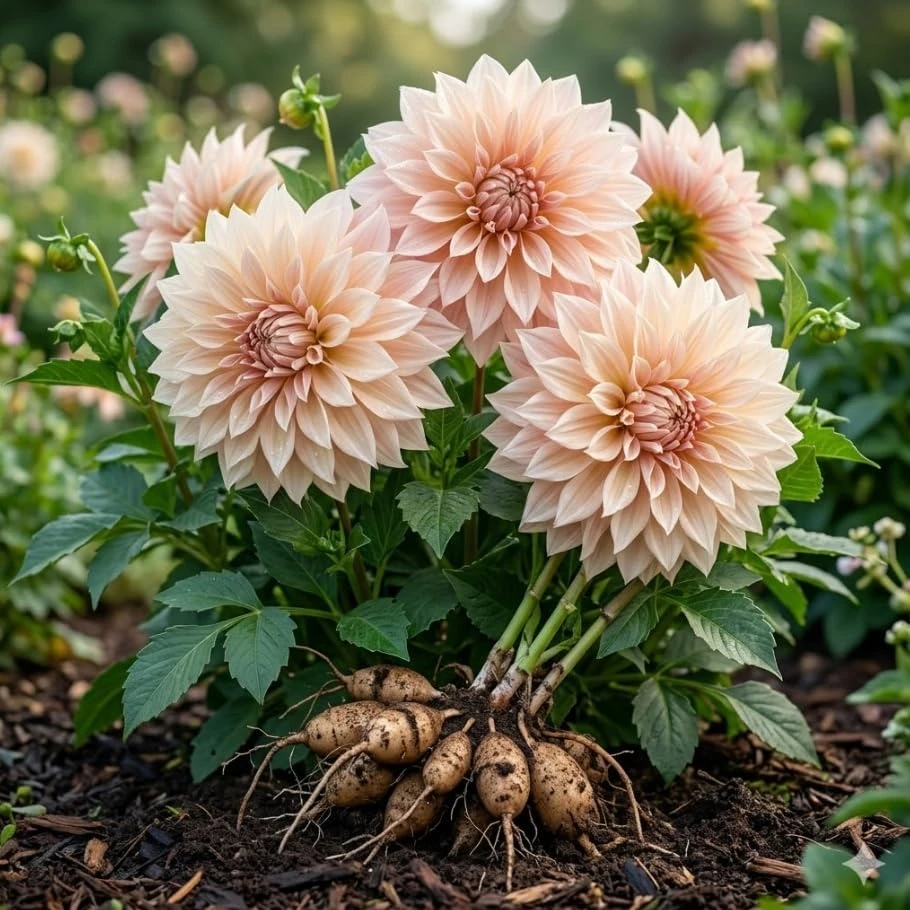
Successful cultivation of your dinnerplate dahlia tubers begins with proper planting and attentive care. Dahlias are sun-loving plants, requiring at least 6-8 hours of direct sunlight daily to produce their best blooms. Choose a location in your garden that receives full sun, ensuring adequate air circulation to prevent fungal issues. Plant the tubers in spring after all danger of frost has passed, typically when the soil temperature has reached around 60°F (15°C). Dig a hole approximately 6 inches deep and lay the tuber horizontally with the ‘eye’ (the growing point) facing upwards. Cover with soil and water thoroughly. For container planting, select a large pot, at least 12-15 inches in diameter, to accommodate the growth of these substantial plants.
Dahlias prefer well-draining, rich, and slightly acidic to neutral soil (pH 6.5-7.0). Amend heavy clay soils with compost or peat moss to improve drainage and fertility. Consistent moisture is crucial, especially during dry spells and when the plants are actively blooming. Water deeply 2-3 times per week, ensuring the soil remains evenly moist but never waterlogged. Avoid overhead watering to minimize the risk of mildew. Fertilize every 3-4 weeks with a low-nitrogen fertilizer once the plants are established and beginning to bud. Too much nitrogen can promote lush foliage at the expense of flowers. Pinching back the central stem when the plant is about 12 inches tall can encourage bushier growth and more blooms.
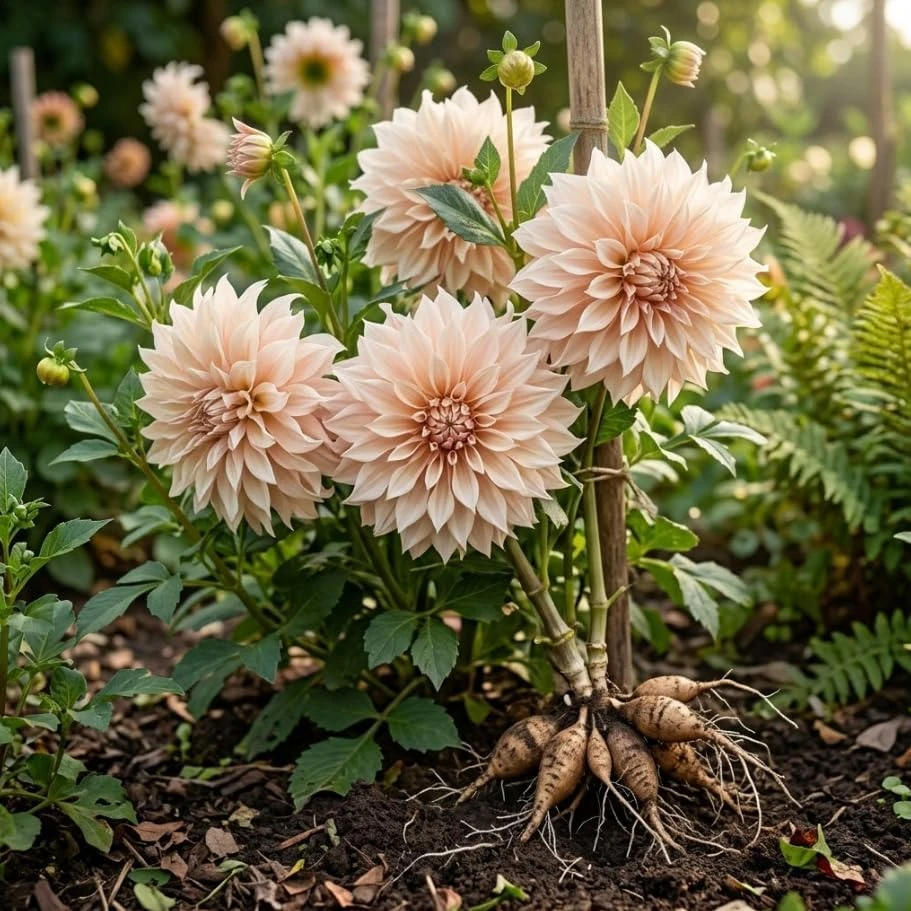
Staking is often necessary for these large-flowered varieties to support the heavy blooms and prevent stems from breaking, especially during windy conditions. Install stakes at planting time to avoid damaging the tubers later. Deadhead spent flowers regularly to encourage continuous blooming throughout the season. In USDA zones where winter temperatures drop below freezing (generally below Zone 8), dahlia tubers should be dug up and stored indoors in a cool, dry, and dark place over winter to protect them from frost. Replant them the following spring for another season of magnificent beige dahlia bulbs. Understanding how to grow dahlias effectively ensures a rewarding and vibrant display.
Size & Details
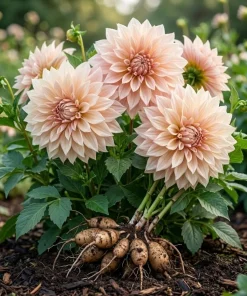
This offering includes 2 large dinnerplate dahlia tubers, carefully selected for their quality and potential to produce spectacular blooms. Each tuber is fresh and ready for planting upon arrival in spring. These dahlias are renowned for their impressive flower size, with individual blooms frequently measuring up to 10 inches wide, creating a truly magnificent display. When mature, the plants typically reach a height of 3-4 feet, making them an excellent choice for adding vertical interest to your garden. The creamy-beige flowers emerge from a late-summer bloomer, providing continuous color well into autumn.
These perennial dahlia roots are shipped as dormant tubers, ensuring they are in optimal condition for successful planting and growth. They are designed to thrive in full sun exposure, which is essential for maximizing bloom production and achieving the characteristic huge blooms. With a moderate growth rate, you can expect to see significant development and flowering within their first season after planting. The robust nature of these tubers ensures they are well-suited for various garden settings, from dedicated flower beds to large decorative containers, promising an abundance of large dahlia flowers.
Frequently Asked Questions
- Q: How big do these dinnerplate dahlia tubers get? A: These dahlias are known for their exceptionally large blooms, which can measure up to 10 inches in diameter. The plants themselves typically reach a height of 3-4 feet at maturity, making them a significant presence in the garden.
- Q: Is this an indoor or outdoor plant? A: These dinnerplate dahlia tubers are primarily grown as outdoor plants. They thrive in garden beds, raised beds, and large outdoor containers, requiring plenty of sunlight and space to flourish.
- Q: How much sunlight does it need? A: Dahlias are sun-loving plants and require a minimum of 6-8 hours of direct sunlight per day to produce the most abundant and largest blooms. Full sun exposure is crucial for optimal growth.
- Q: Is this plant easy to care for? Is it good for beginners? A: While dahlias require some attention to detail, especially regarding planting depth, watering, and staking, they are generally manageable for beginner to intermediate gardeners. Understanding how to grow dahlias successfully involves consistent care.
- Q: What condition will the tubers arrive in? A: The beige dahlia bulbs will arrive as fresh, dormant tubers. They are carefully packed to ensure they are in excellent condition and ready for planting in spring after the last frost.
- Q: Can I leave the dahlia tubers in the ground over winter? A: In colder climates (typically USDA Zones 7 and below), it’s recommended to dig up and store the perennial dahlia roots indoors in a cool, dry, and dark place after the first frost. In warmer zones (8 and above), they can often be left in the ground.
- Q: When is the best time to plant these dahlia tubers? A: The ideal time to plant these dahlia tubers is in the spring, after all danger of frost has passed and the soil has warmed up. This usually occurs from April to June, depending on your specific climate zone.
- Q: What color are the flowers? A: These dahlia tubers produce stunning creamy-beige flowers, offering a sophisticated and versatile color that complements a wide range of garden aesthetics.
- Q: Do these large dahlia flowers attract pollinators? A: While the primary appeal of dinnerplate dahlias is their dramatic size and beauty, their blooms can attract some pollinators, such as bees and butterflies, contributing to garden biodiversity.
- Q: What kind of soil do these dahlias prefer? A: They thrive in rich, well-draining soil with a slightly acidic to neutral pH. Amending heavy soils with organic matter like compost is beneficial for promoting healthy growth and abundant blooms.
Be the first to review “2 Dinnerplate Dahlia Tubers – Beige Blooms up to 10″ Wide – Perennial Flower Bulbs”
People Also Viewed




Reviews
There are no reviews yet.