
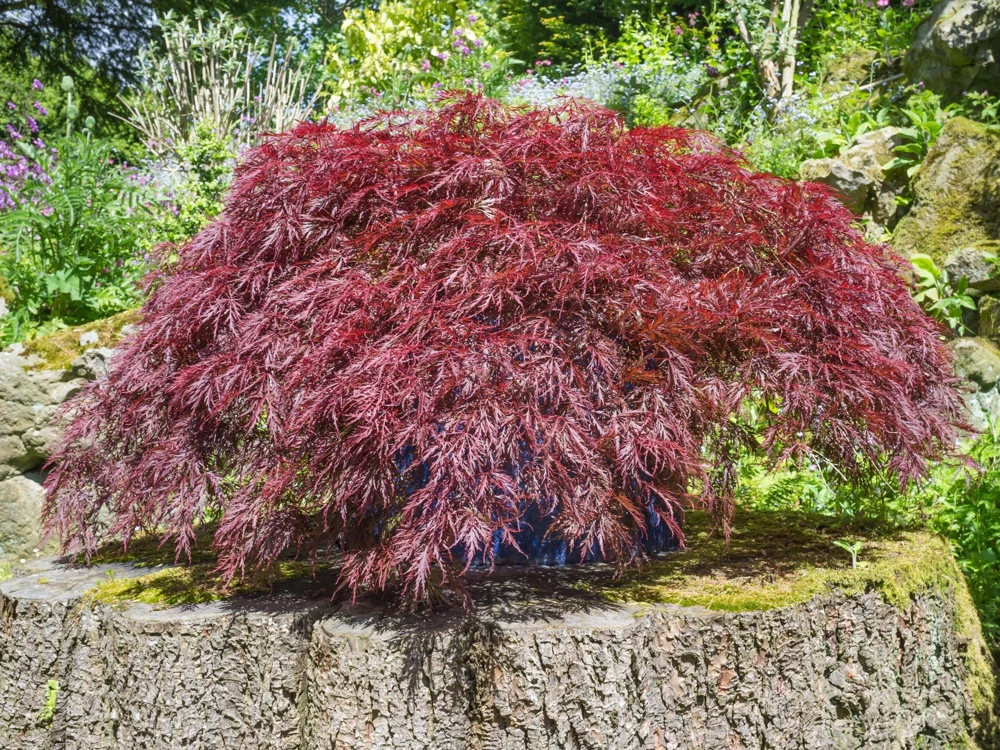
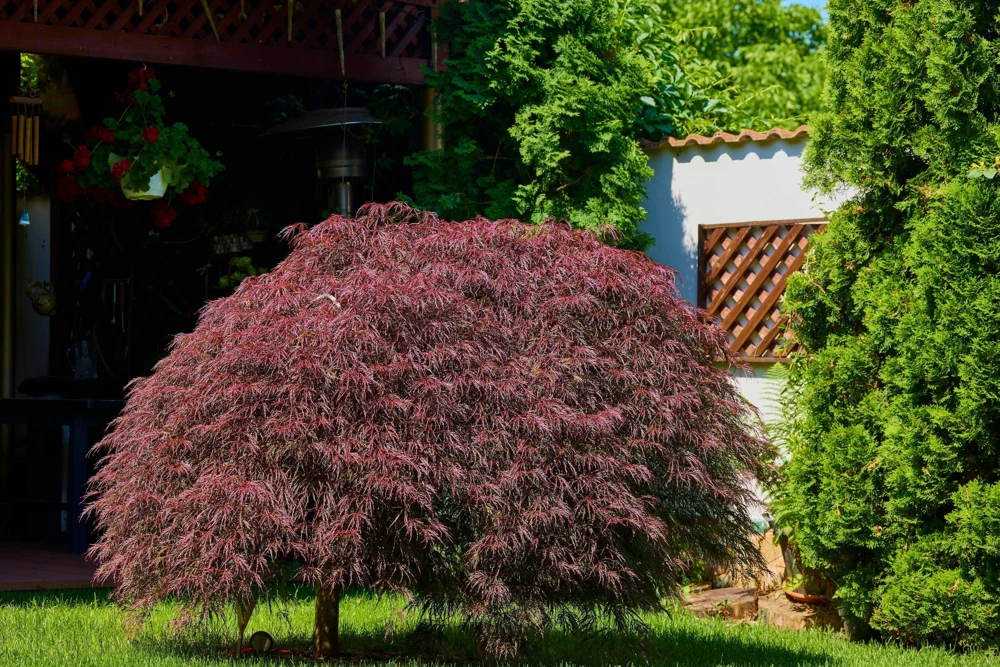
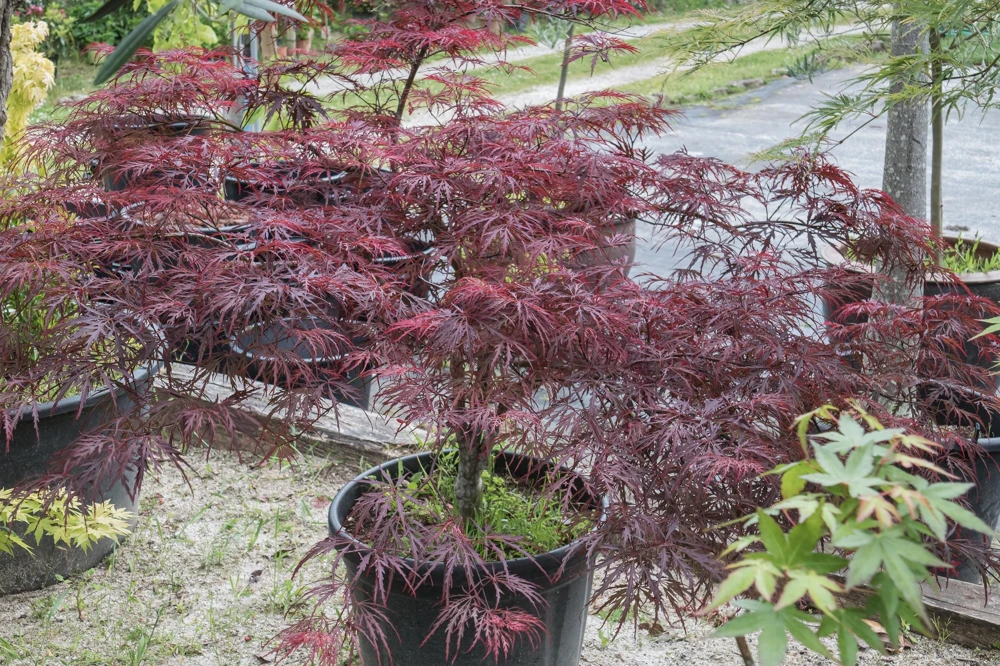
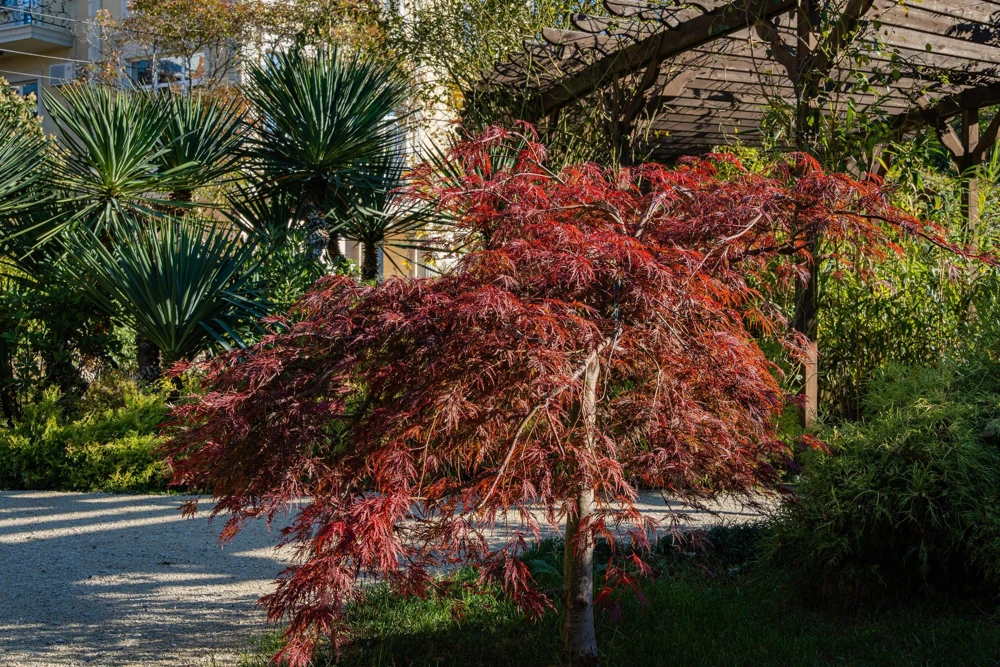
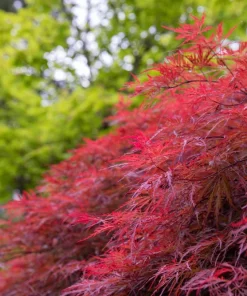
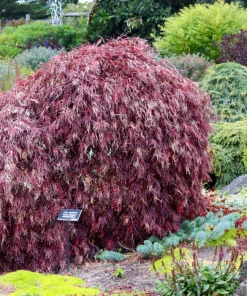
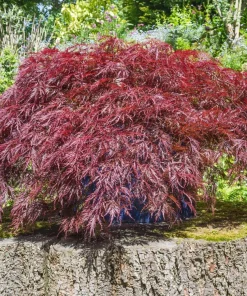
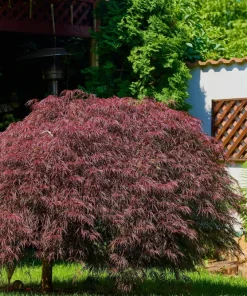
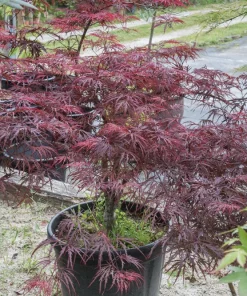
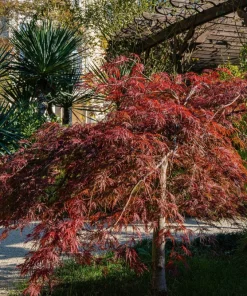
Inaba Shidare Japanese Maple Tree Seeds – Weeping Red Laceleaf Acer Palmatum Dissectum – 10 Seeds
Original price was: $39.09.$19.09Current price is: $19.09.
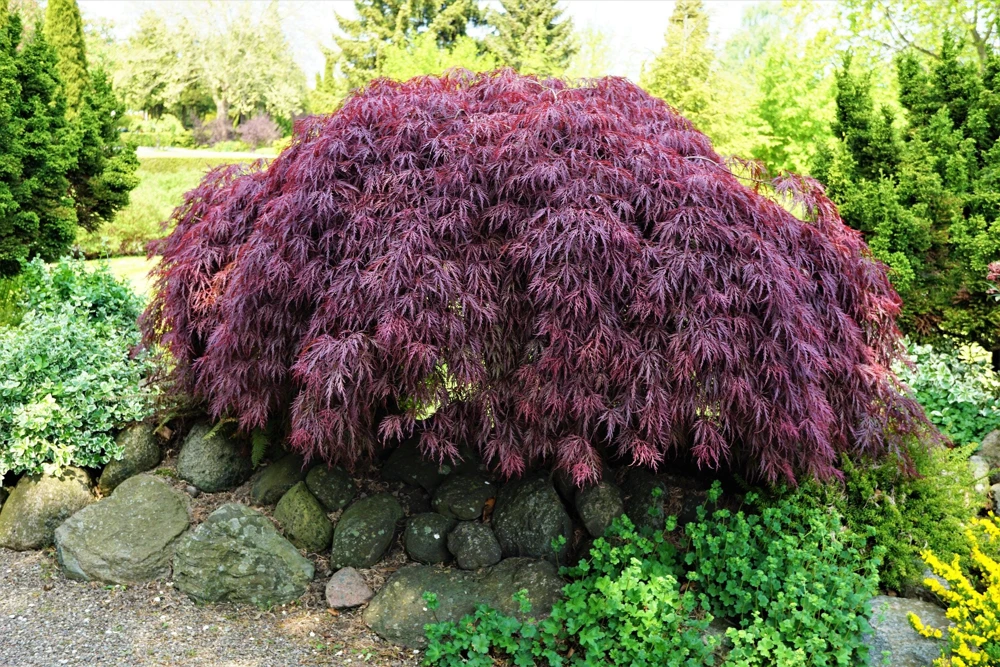
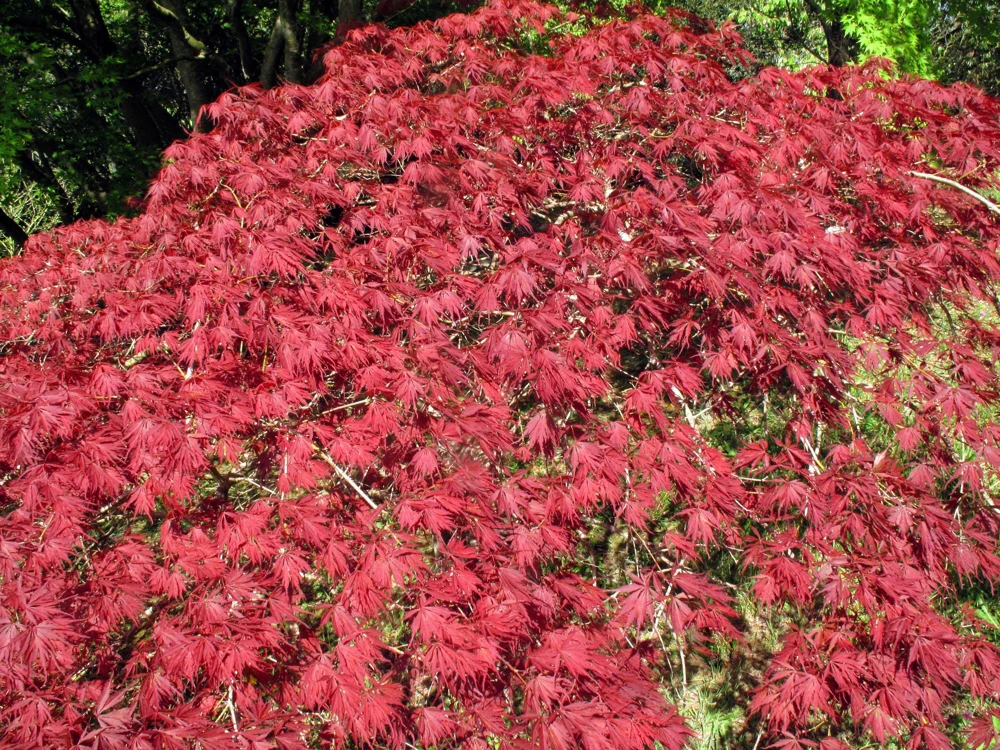
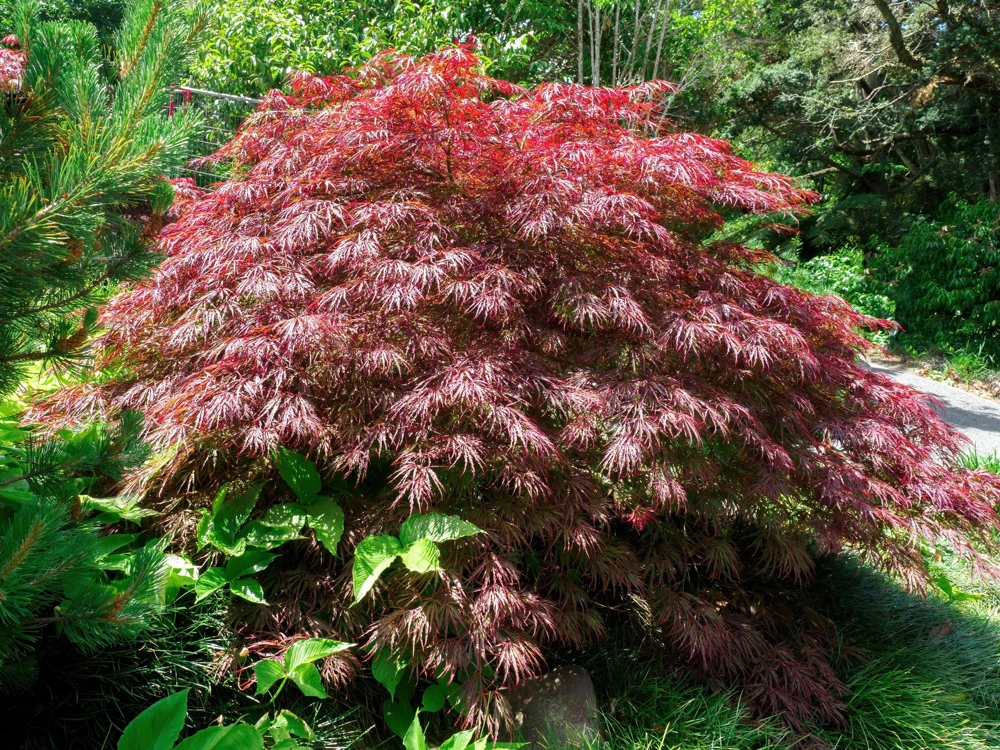
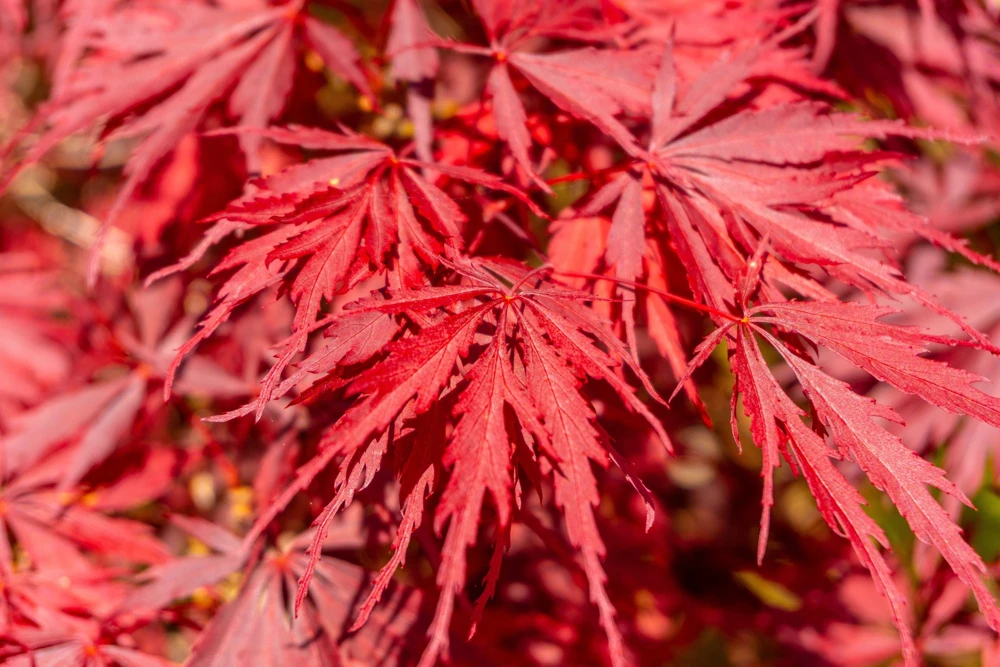
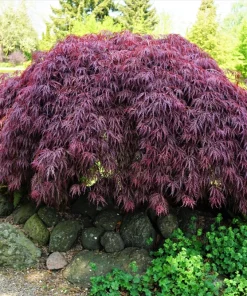
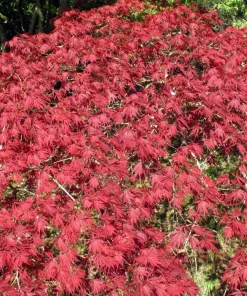
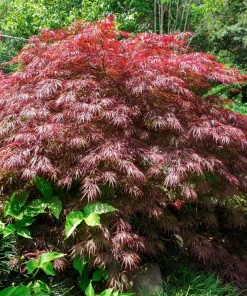
Discover the beauty of the Inaba Shidare Japanese Maple seeds. These weeping red maple seeds produce trees with deeply dissected, dark purple foliage that transforms to bright red and then fiery crimson. Ideal for zones 5-9.
Estimated arrival
Sep 15
Sep 20 - Sep 22
Sep 25 - Sep 29
Shop With Confidence
30-Day Plant Health Guarantee
Arrives damaged? We’ll replace it free — see our return policy.
Responsive Support
Email us anytime, we reply within 1 business day.
Expert Packaging
Temperature-controlled shipping to protect your plants in transit.
Secure Checkout
Pay safely with Visa, Mastercard, PayPal.
Plant Specifications
-
USDA Hardiness Zone
5 - 9 -
Soil Type
Well-draining, slightly acidic loam -
Sunlight Exposure
Sun - Part Shade -
Expected Planting Period
Outdoors after frost / Fall / Cold stratify / Indoors weeks before last frost
Overview
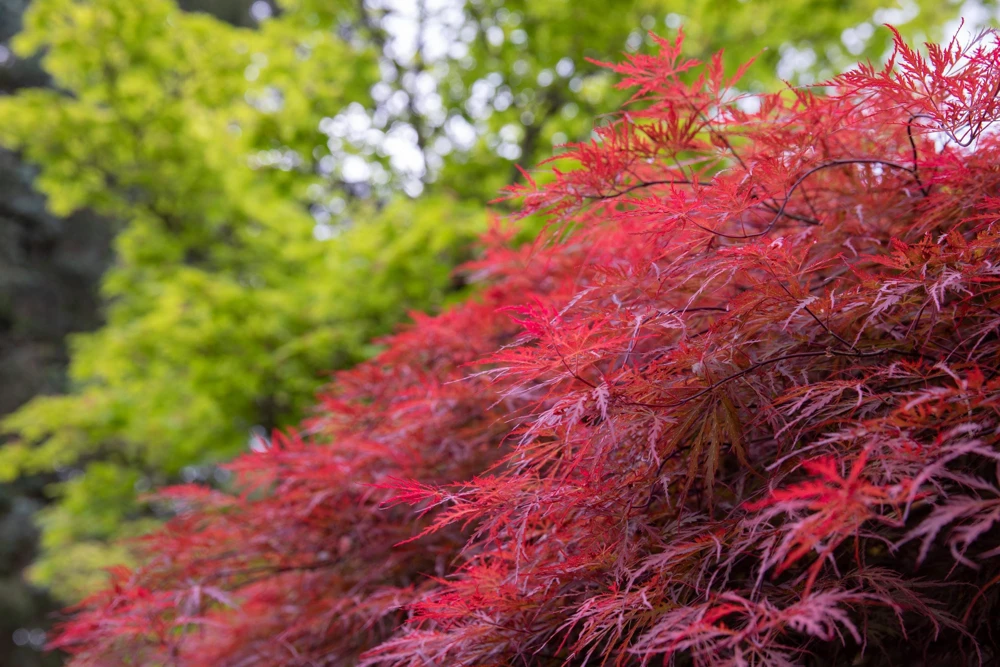
Cultivate your own breathtaking ornamental trees with our premium Inaba Shidare Japanese Maple seeds. This exquisite variety, scientifically known as Acer Palmatum var. Dissectum ‘Inaba Shidare’, is renowned for its elegant weeping form and stunning foliage. Starting as dark purple in spring, the deeply cut, lace-like leaves transition to a brilliant red in summer, culminating in a fiery crimson display in fall. Each packet contains 10 seeds, offering an opportunity to grow these magnificent specimens that add dramatic texture and vibrant color to any garden or landscape. Perfect for creating a focal point, planting near water features, or as a striking container plant, the ‘Inaba Shidare’ is a must-have for Japanese Maple enthusiasts and gardeners seeking unique beauty.
The ‘Inaba Shidare’ is a cultivar of the Japanese Maple (Acer palmatum), which is celebrated globally for its diverse forms and leaf colors. This particular variety stands out with its vigorous growth and ability to maintain its rich red coloration even in warmer climates, making it a highly sought-after choice. Growing Acer Palmatum Dissectum seeds allows you to experience the full life cycle of this remarkable tree, from germination to its mature, graceful weeping habit.
Key Benefits
The Inaba Shidare Japanese Maple seeds offer numerous advantages for any landscape, providing year-round interest and sophisticated charm. Here are some of the key benefits:
- Stunning Seasonal Color: Enjoy a dynamic color palette throughout the year, starting with dark purple leaves in spring, transitioning to vibrant red in summer, and finishing with a dramatic fiery crimson in fall. This continuous display ensures your garden remains captivating.
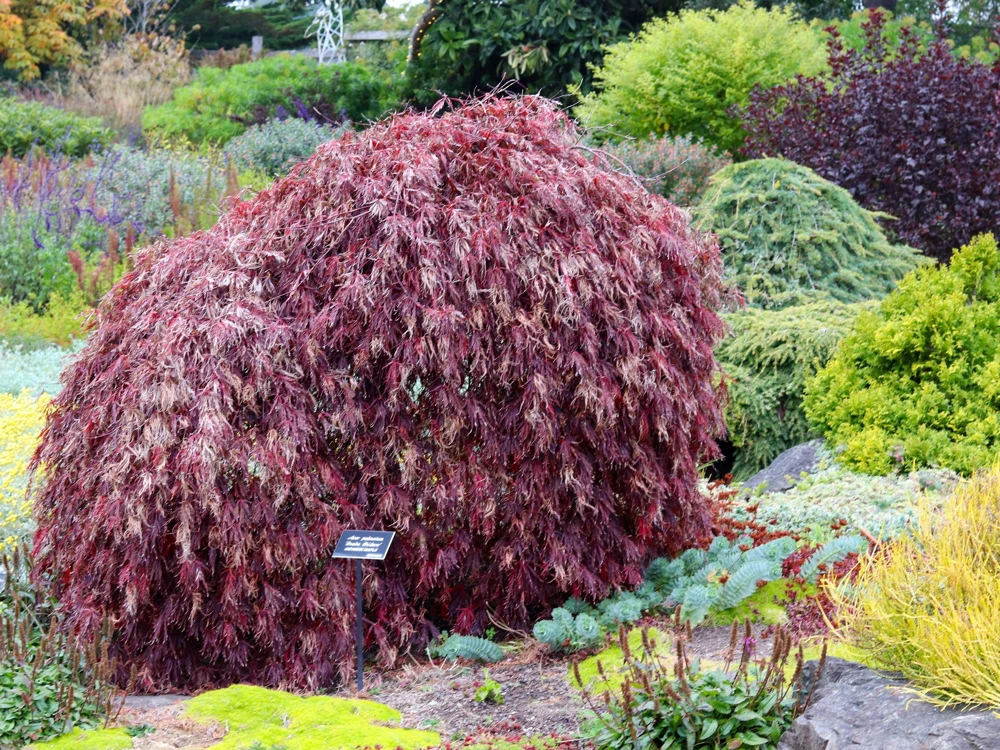
- Elegant Weeping Form: The graceful, cascading branches create a beautiful architectural silhouette, making it an ideal specimen plant or focal point in gardens, rockeries, or alongside ponds. Its unique shape adds depth and character to any setting.
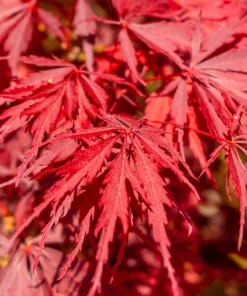
- Deeply Dissected Foliage: The finely cut, lace-like leaves provide intricate texture and visual interest, enhancing the overall aesthetic of the tree. This delicate foliage is a hallmark of the ‘Dissectum’ varieties, offering unparalleled beauty.
- Versatile Landscape Use: With a mature height of 6-10 feet and a spread of 15-20 feet, this maple is suitable for various garden sizes. It can be grown as a standalone specimen, in mixed borders, or even in large containers, making it a versatile choice for different design needs. The successful cultivation of weeping red maple seeds opens up a world of landscaping possibilities.
- Hardy and Adaptable: Thriving in USDA Hardiness Zones 5-9, the ‘Inaba Shidare’ is a robust tree that can adapt to a range of climates. It prefers sun to part shade conditions, providing flexibility in planting locations and ensuring successful growth with proper care.
- Long-Term Investment: Growing a Japanese Maple from seed is a rewarding long-term project. These trees are known for their longevity, often living for decades, becoming cherished heirlooms that add increasing value and beauty to your property over time.
- Unique Garden Specimen: Stand out from the ordinary with this distinct cultivar. Its unique color progression and form ensure it will be a conversation starter and a highlight in your garden, offering a sophisticated touch that few other trees can match.
Plant Care & Growing Tips
Successfully growing Inaba Shidare Japanese Maple seeds requires patience and specific care, particularly during germination and the early stages of development. These seeds benefit from a process called cold stratification to break dormancy. You can achieve this by placing the 10 seeds in a moist medium (like peat moss or sand) in a sealed bag and refrigerating them for 90-120 days. After stratification, sow the seeds outdoors after the last frost in spring, or indoors several weeks before the last expected frost. Plant them about 1/4 inch deep in well-draining soil, covering lightly with soil or fine sand.
Once germinated, young seedlings require consistent moisture but should not be waterlogged. Protect them from harsh direct sunlight initially, gradually introducing them to more light as they mature. The mature Inaba Shidare Japanese Maple thrives in a location with sun to part shade. In hotter climates, afternoon shade is crucial to prevent leaf scorch and help maintain the vibrant red coloration. The ideal soil is a well-draining, slightly acidic loam. Avoid heavy clay soils or those that retain too much moisture, as this can lead to root rot. Amend compacted soils with organic matter to improve drainage and aeration.
Watering should be regular, especially during dry periods and for young trees. Aim for deep watering sessions that saturate the root zone, allowing the top few inches of soil to dry out slightly between waterings. Mature trees are more drought-tolerant but will benefit from supplemental watering during extended dry spells. Fertilize sparingly in spring with a balanced, slow-release fertilizer formulated for trees and shrubs, or an organic option. Pruning is generally minimal, focused on removing dead, damaged, or crossing branches to maintain the tree’s graceful weeping form. Understanding growing Japanese Maple from seed is a journey that yields magnificent results.
Size & Details
The Inaba Shidare Japanese Maple is a deciduous tree known for its moderate growth rate and relatively compact size for a maple, making it suitable for various garden settings. When mature, it typically reaches a height of 6 to 10 feet with an impressive spread of 15 to 20 feet, creating a wide, cascading silhouette. This particular product provides 10 seeds, allowing you to start your own cultivation journey. Each seed holds the potential to grow into a beautiful specimen that will become a focal point in your landscape.
These trees are hardy in USDA Zones 5-9, tolerating a range of temperatures from cold winters to warm summers, provided they receive appropriate light and soil conditions. They prefer a location with sun to part shade. Bloom time typically occurs in spring, around April, although the flowers are inconspicuous compared to the stunning foliage. The seeds are best planted outdoors after the last frost or after cold stratification. With proper care, you can expect these Acer Palmatum Dissectum seeds to develop into magnificent trees that enhance your outdoor living space for many years.
Frequently Asked Questions
- Q: How big does the Inaba Shidare Japanese Maple get? A: This beautiful weeping maple typically grows to a height of 6 to 10 feet, with a mature spread of 15 to 20 feet, creating a wide, cascading form that is perfect as a specimen plant.
- Q: Is this an indoor or outdoor plant? A: The Inaba Shidare Japanese Maple is an outdoor tree, best suited for gardens and landscapes where it can fully develop its weeping habit and vibrant seasonal foliage. It thrives in USDA Hardiness Zones 5-9.
- Q: How much sunlight does it need? A: This maple prefers a location that receives sun to part shade. In hot climates, providing afternoon shade is beneficial to protect its delicate leaves from scorching and to maintain its rich red color.
- Q: Is this plant easy to care for? A: While starting from Inaba Shidare Japanese Maple seeds requires a bit of initial effort, including cold stratification, mature trees are relatively low-maintenance. They primarily need consistent watering, well-draining soil, and minimal pruning.
- Q: What condition will the seeds arrive in? A: You will receive 10 seeds in a packet, ready for you to begin the stratification and planting process. The seeds are carefully harvested and packaged to ensure viability.
- Q: How long until it blooms or shows its true color? A: Japanese Maples are primarily grown for their foliage, not their inconspicuous spring blooms. The distinctive leaf color will become apparent as the tree matures, typically within the first few years after germination, with colors intensifying each season.
- Q: Will it survive winter in my zone? A: The ‘Inaba Shidare’ is hardy in USDA Zones 5-9. If you are within these zones, your tree should successfully survive winter, especially once established. For zones at the colder end, providing winter protection for young trees can be beneficial.
- Q: What is cold stratification and why is it needed for these Acer Palmatum Dissectum seeds? A: Cold stratification is a process that mimics natural winter conditions, breaking the dormancy of the seeds. It’s essential for many tree seeds, including Japanese Maples, to signal to the seed that it’s time to germinate after a period of cold.
- Q: Can I grow this variety in a container? A: Yes, the Inaba Shidare Japanese Maple can be successfully grown in a large container. Ensure the container has excellent drainage and use a high-quality potting mix. Container-grown trees may require more frequent watering and protection in extreme winter conditions.
- Q: What is the ideal soil type for growing Japanese Maple from seed? A: These maples prefer well-draining, slightly acidic soil. Amending heavy clay soils with organic matter can improve drainage, while sandy soils may benefit from added compost to retain moisture.
Be the first to review “Inaba Shidare Japanese Maple Tree Seeds – Weeping Red Laceleaf Acer Palmatum Dissectum – 10 Seeds”
People Also Viewed
Houseplants
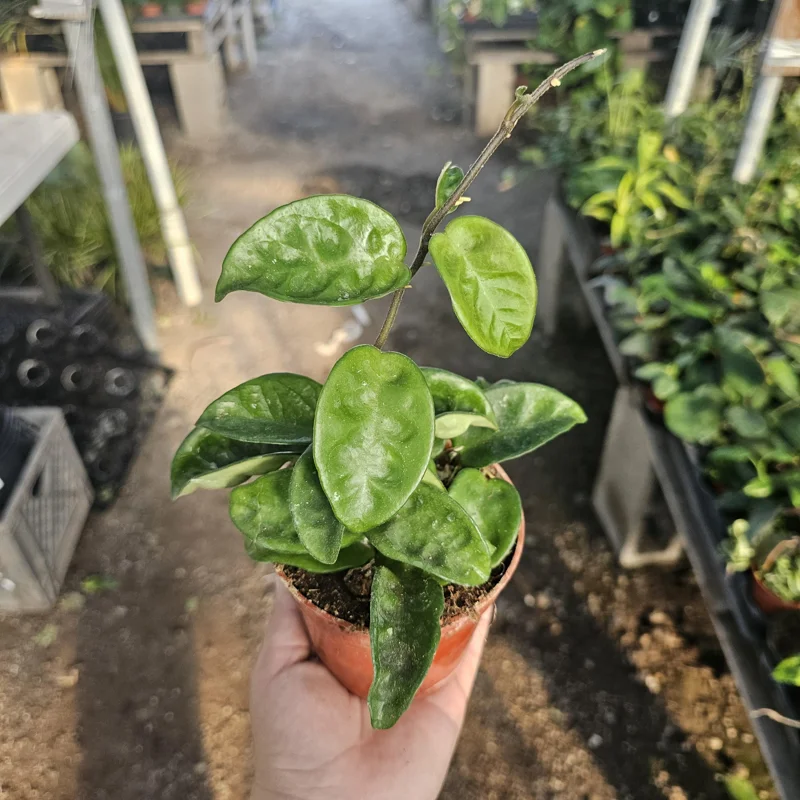
Hoya Krinkle Live Plant – Ripple Hoya Carnosa – Multiple Sizes 2in 4in Pot – Indoor Houseplant
Reviews
There are no reviews yet.