
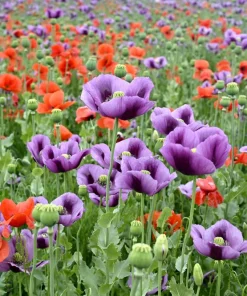
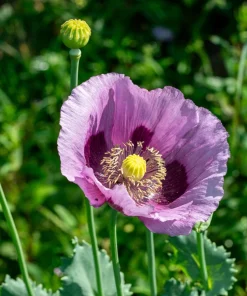
1000 Lavender Poppy Seeds – Purple Papaver Somniferum Flower Seeds
Original price was: $36.99.$16.99Current price is: $16.99.
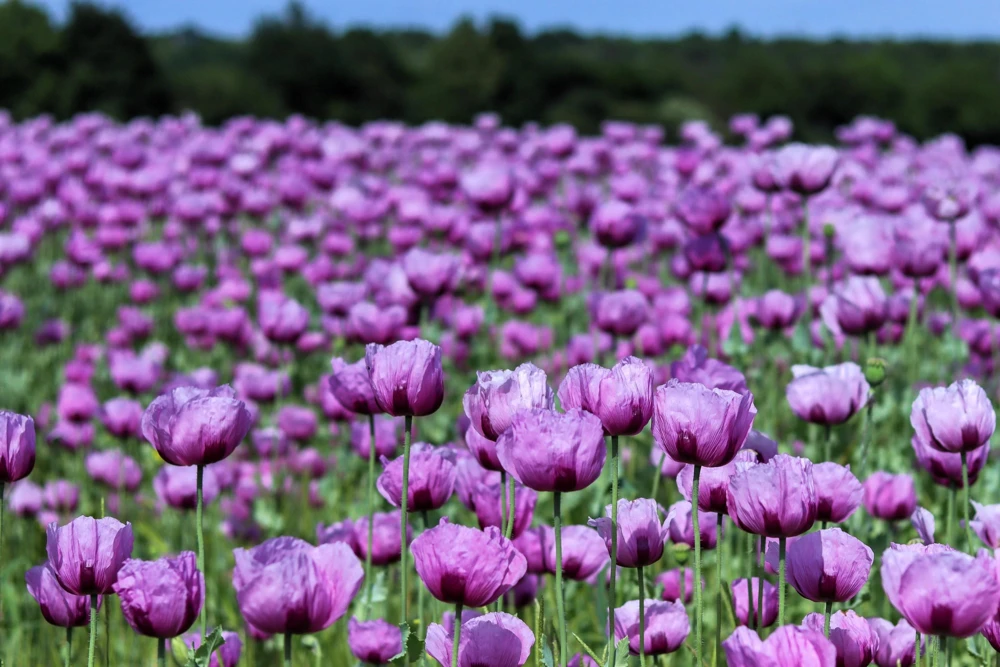
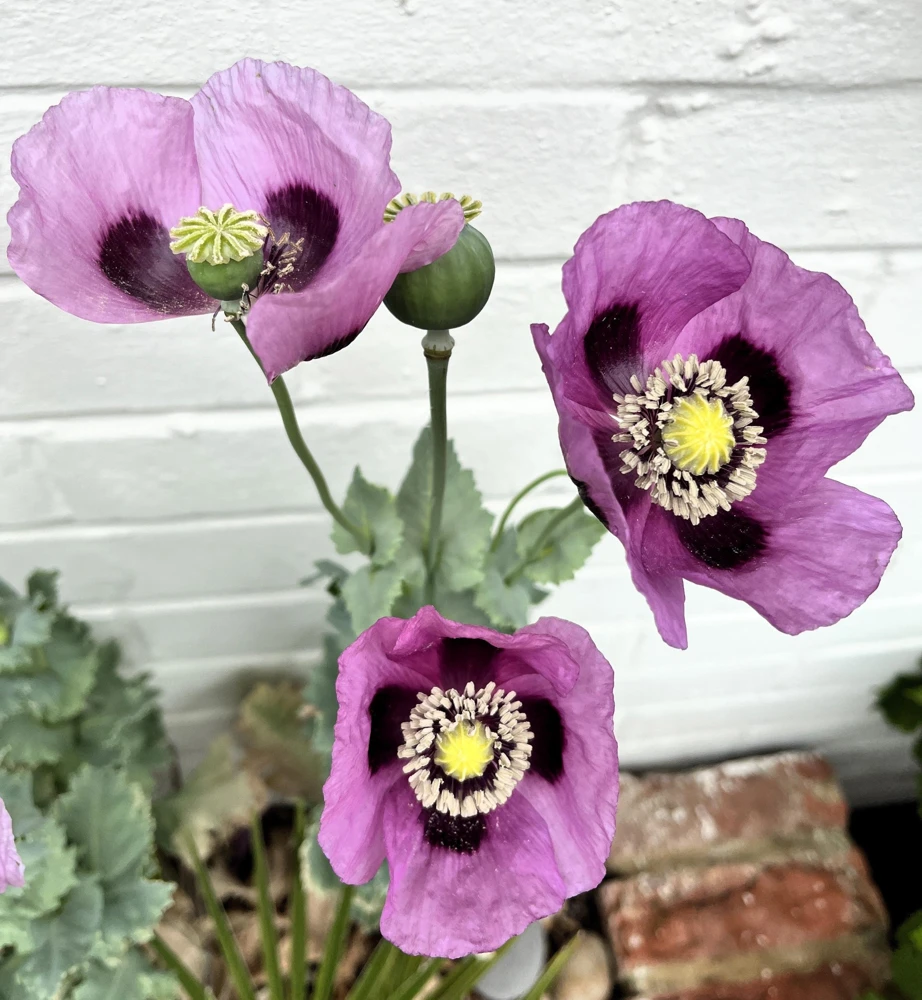
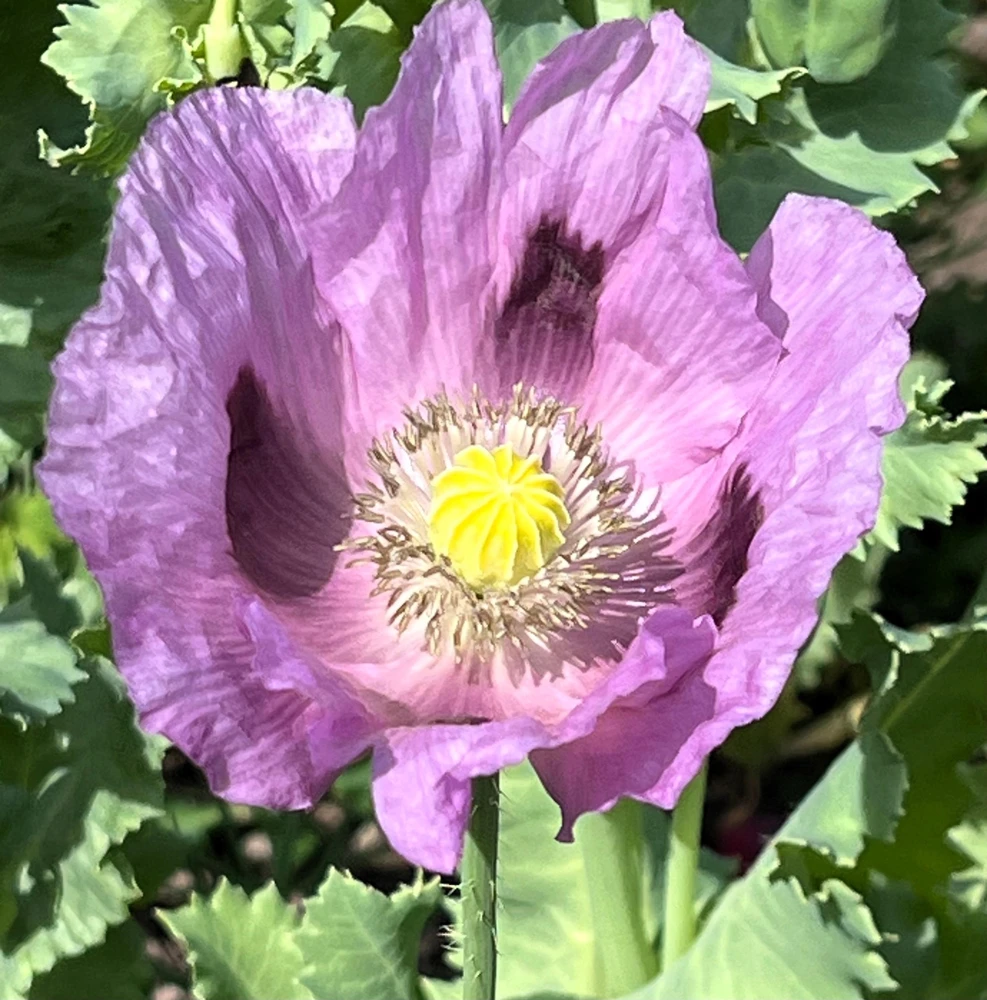
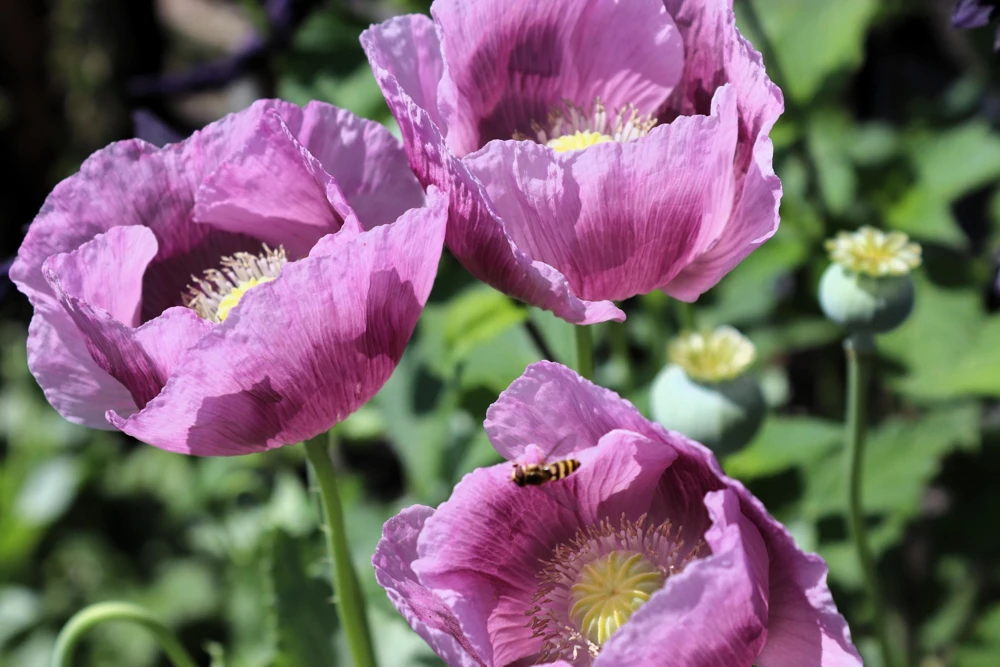
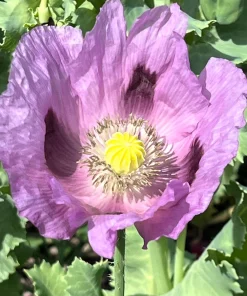
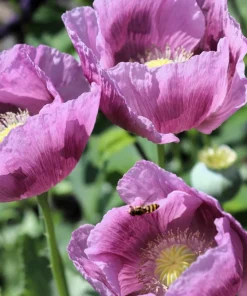
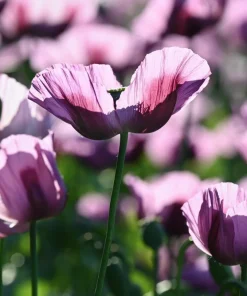
Cultivate stunning lavender poppy seeds with this pack of 1000 Papaver Somniferum flower seeds. These beautiful purple blooms attract bees and butterflies, making them an excellent addition to any garden or cut flower arrangement. Ideal for full sun exposure.
Estimated arrival
Sep 14
Sep 19 - Sep 21
Sep 24 - Sep 28
Shop With Confidence
30-Day Plant Health Guarantee
Arrives damaged? We’ll replace it free — see our return policy.
Responsive Support
Email us anytime, we reply within 1 business day.
Expert Packaging
Temperature-controlled shipping to protect your plants in transit.
Secure Checkout
Pay safely with Visa, Mastercard, PayPal.
Plant Specifications
-
USDA Hardiness Zone
N/A (acts like a perennial in all zones due to reseeding) -
Soil Type
Average, well-draining soil -
Sunlight Exposure
Full Sun -
Expected Planting Period
Fall / Early Spring
Overview
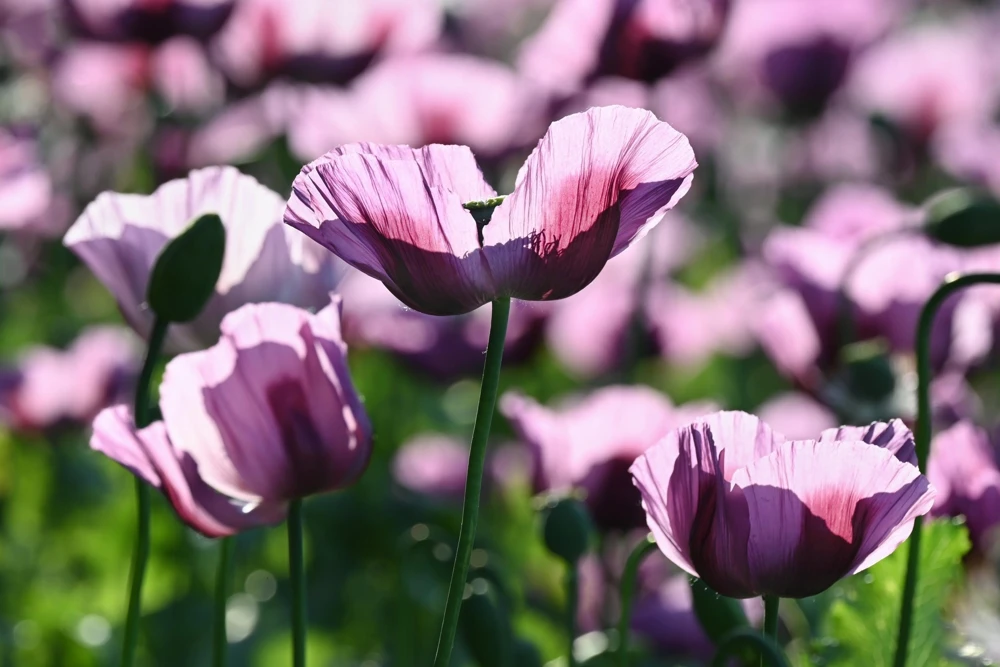
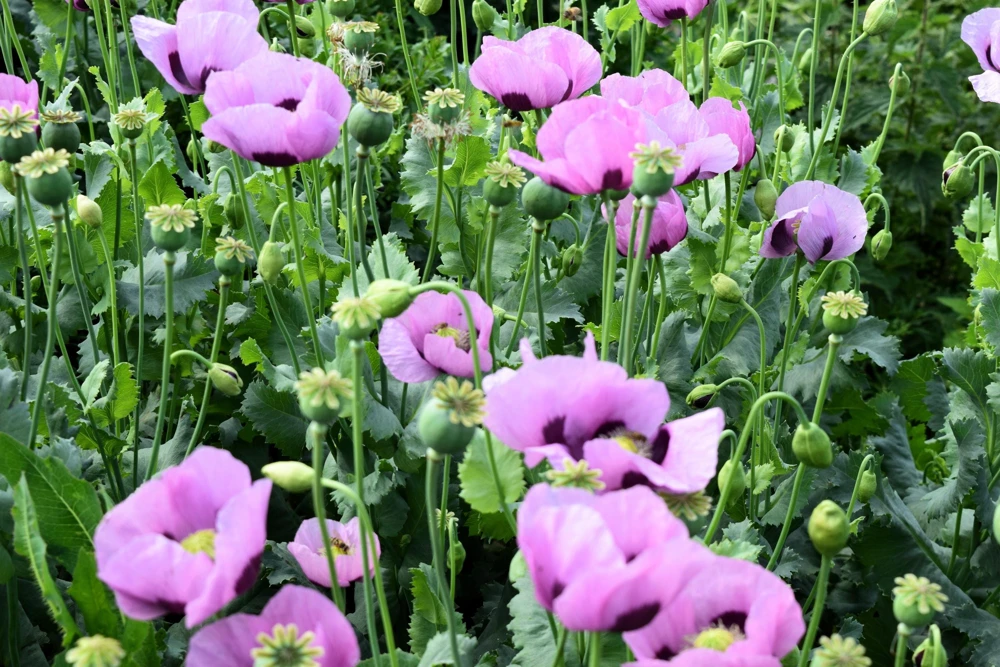
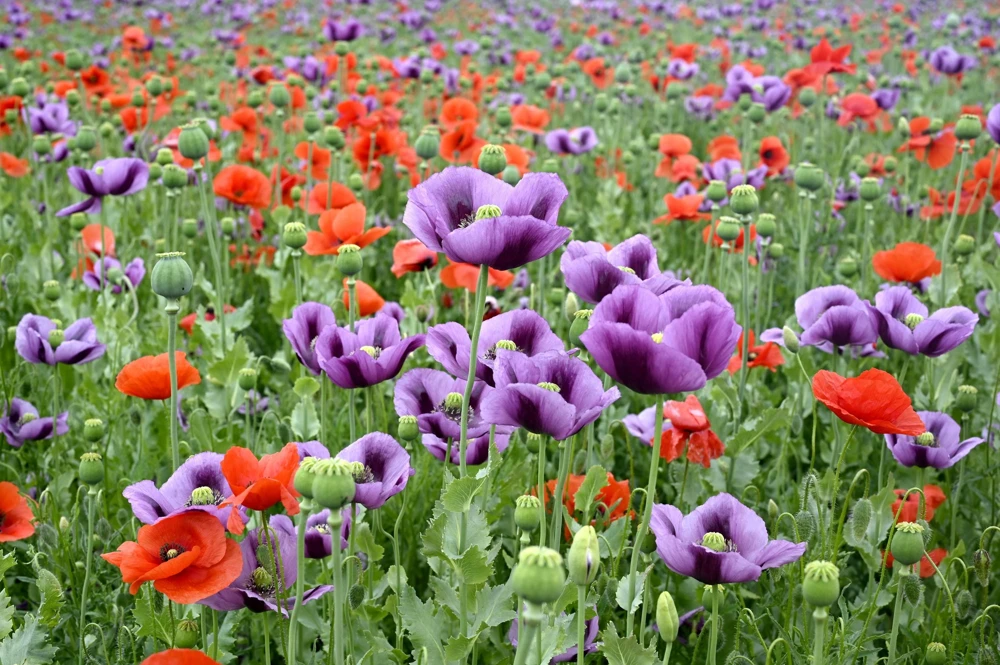
Transform your garden into a vibrant spectacle with these exquisite lavender poppy seeds. Each packet contains 1000 high-quality Papaver Somniferum flower seeds, offering a generous quantity to create a breathtaking display of purple blooms. Known for their striking beauty and ease of growth, these poppies are a favorite among gardeners seeking to add a touch of elegance and natural charm to their outdoor spaces. The scientific name, Papaver Somniferum, refers to the opium poppy, though these seeds are typically sold for ornamental purposes. These annual flowers readily reseed themselves, often behaving like perennials in various climates, ensuring a continuous show of color year after year. Perfect for mass plantings, borders, or as a focal point, growing lavender poppy seeds is a rewarding experience for both novice and experienced gardeners.
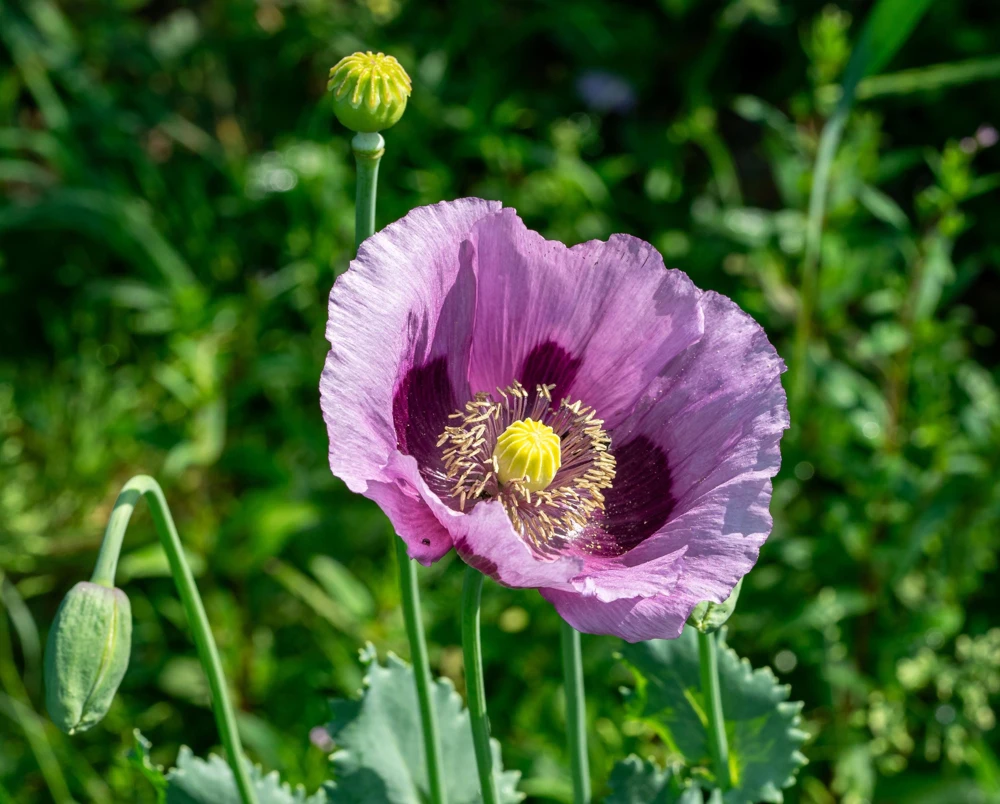
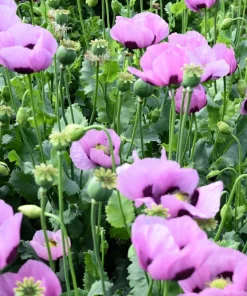
These magnificent flowers are cherished not only for their captivating color but also for their impressive size, reaching up to 24 inches in height. The substantial blooms, measuring 2-4 inches across, create a dramatic visual impact. Beyond their aesthetic appeal, lavender poppy seeds are a fantastic choice for supporting local ecosystems, as their rich nectar and pollen attract a variety of beneficial insects, including bees, butterflies, and even birds. The unique seed pods that follow the blooms are equally appealing, making them a popular choice for dried arrangements and various craft projects, extending their beauty well beyond the flowering season.
Key Benefits
Planting lavender poppy seeds offers a multitude of advantages for your garden and local environment. Their stunning appearance and adaptability make them a standout choice for any landscape. Here are some of the key benefits:
- Vibrant Floral Display: These seeds will produce a profusion of beautiful lavender-colored flowers, creating a stunning visual impact in your garden from early summer through fall. The rich, soft purple hue adds a calming yet striking element to any garden design.
- Attracts Pollinators: The nectar-rich blooms are a magnet for essential pollinators such as bees and butterflies, contributing to the health and biodiversity of your garden ecosystem. They also attract birds, bringing more life to your outdoor space.
- Excellent Cut Flowers: The large, showy 2-4 inch blooms make for exceptional cut flowers, allowing you to bring the beauty of your garden indoors. Their delicate petals and vibrant color create elegant bouquets.
- Unique Seed Pods for Crafts: After the flowering period, the distinctive seed pods can be harvested and dried, providing unique elements for floral arrangements, crafts, and decorative displays. This extends the plant’s usability beyond its blooming phase.
- Reseeds Easily: Although technically an annual, these Papaver Somniferum varieties are known for their prolific self-seeding, often returning year after year and acting like perennials in many climates. This reduces the need for annual replanting.
- Low Maintenance: Once established, these poppies require minimal care, thriving in average soil conditions and full sun. They are a relatively fuss-free option for gardeners seeking beauty without extensive effort.
- Adds Garden Structure: With a height of up to 24 inches, these poppies add vertical interest and structure to garden beds and borders, complementing shorter plants and creating engaging layers.
Plant Care & Growing Tips
Growing lavender poppy seeds is a relatively straightforward process, rewarding gardeners with abundant blooms with minimal effort. These resilient flowers thrive in conditions that mimic their natural habitat. For optimal growth, choose a location that receives ample sunlight. Poppies prefer a position with full sun exposure, meaning at least 6 hours of direct sunlight per day. While they can tolerate some partial shade, too little light can result in leggy growth and fewer blooms. Ensure good air circulation around the plants to prevent fungal issues, especially in humid environments.
When it comes to soil and water, lavender poppy seeds are not overly demanding. They prefer average, well-draining soil. Avoid heavy clay soils that retain too much moisture, as this can lead to root rot. If your soil is heavy, amend it with organic matter like compost or sand to improve drainage. Consistent moisture is important during germination and early growth, but once established, poppies are quite drought-tolerant. Water deeply but infrequently, allowing the top inch or two of soil to dry out between waterings. Overwatering is a common mistake and should be avoided. These poppies are typically grown as annuals, but their strong self-seeding habit means they often return year after year, especially in suitable climates. While they don’t have a specific USDA hardiness zone as annuals, they effectively act as perennials by reseeding in all zones.
Planting time is crucial for successful cultivation of purple poppy seeds. For best results, sow seeds directly outdoors in late fall or very early spring, after the last frost. Poppies do not transplant well, so direct sowing is highly recommended. Light is required for germination, so barely cover the tiny seeds with a fine layer of soil or simply press them onto the soil surface. Space plants about 12-18 inches apart to allow for mature growth and good air circulation. Fertilization is generally not necessary in rich soil; however, if your soil is poor, a balanced, all-purpose fertilizer can be applied sparingly at the beginning of the growing season. Deadheading spent flowers can encourage more blooms, but if you wish for the plants to reseed, allow some flowers to go to seed. The unique seed pods are a characteristic feature of Papaver Somniferum and can be harvested for dried arrangements.
Size & Details
This offering includes 1000 Lavender Poppy Seeds, providing a generous quantity for extensive planting. Each seed packet contains enough seeds to create a significant display, whether you’re filling a large garden bed or creating multiple smaller groupings. The plants typically grow to an impressive height of approximately 24 inches, adding vertical interest and a striking presence to your garden landscape. The individual blooms are quite substantial, measuring between 2 to 4 inches in diameter, showcasing their vibrant lavender color prominently. These seeds are designed for direct outdoor sowing, making them an easy addition to most garden settings.
When mature, these purple poppy seeds plants will develop a spreading habit, requiring a spacing of 12 to 18 inches between individual plants to ensure proper growth and air circulation. The bloom time extends from early summer through fall, offering a long season of color and beauty. While technically annuals, their strong tendency to reseed means they can provide continuous blooms in subsequent years, acting like a perennial in various climates. The seeds are best planted in fall or after the last frost in spring. Expect to see germination within a few weeks, followed by vigorous growth leading to an early summer bloom.
Frequently Asked Questions
- Q: How big do these lavender poppy plants get? A: These lavender poppy seeds typically grow into plants that reach an approximate height of 24 inches. The individual flowers are quite large, usually measuring between 2 to 4 inches in diameter, making them a prominent feature in the garden.
- Q: Is this an indoor or outdoor plant? A: These papaver somniferum seeds are best suited for outdoor cultivation. They thrive when directly sown into garden beds and prefer full sun exposure in an outdoor environment. They do not typically perform well as indoor container plants.
- Q: How much sunlight do these poppies need? A: For optimal growth and prolific blooming, these poppies require full sun exposure. This means they should receive at least 6 hours of direct sunlight per day. Adequate sunlight is crucial for healthy development and vibrant flowers.
- Q: Are these poppy seeds easy to care for? A: Yes, these poppies are generally considered easy to care for once established. They require well-draining soil and full sun, and their self-seeding nature means they often return without much intervention, making them a great choice for beginners interested in growing poppy seeds.
- Q: When is the best time to plant lavender poppy seeds? A: The best time to plant these lavender flower seeds is in the fall or very early spring, after the last frost. Direct sowing is recommended as poppies do not transplant well. Light is needed for germination, so cover very lightly or press onto the soil surface.
- Q: What kind of soil do these poppies prefer? A: These poppies prefer average, well-draining soil. They are not particular about soil type but will struggle in heavy, waterlogged conditions. Amending heavy soils with organic matter can improve drainage.
- Q: Will these poppies attract pollinators to my garden? A: Absolutely! The beautiful purple poppy seeds produce flowers that are highly attractive to beneficial pollinators such as bees, butterflies, and even some bird species, contributing to a healthy and active garden ecosystem.
- Q: How long until these lavender poppies bloom? A: After planting in early spring, you can generally expect these poppies to bloom from early summer through fall. The exact timing can vary slightly depending on your climate and planting conditions.
- Q: Do I need to reseed these every year? A: While technically annuals, these Papaver Somniferum poppies are known for their strong self-seeding capabilities. In many climates, they will drop seeds that germinate the following year, effectively acting like a perennial and reducing the need for annual replanting.
- Q: Can I use the seed pods for crafts? A: Yes, the unique and attractive seed pods that form after the blooms fade are excellent for dried floral arrangements and various craft projects. They add an interesting textural element to any display.
Be the first to review “1000 Lavender Poppy Seeds – Purple Papaver Somniferum Flower Seeds”
People Also Viewed

Vegetable Seeds
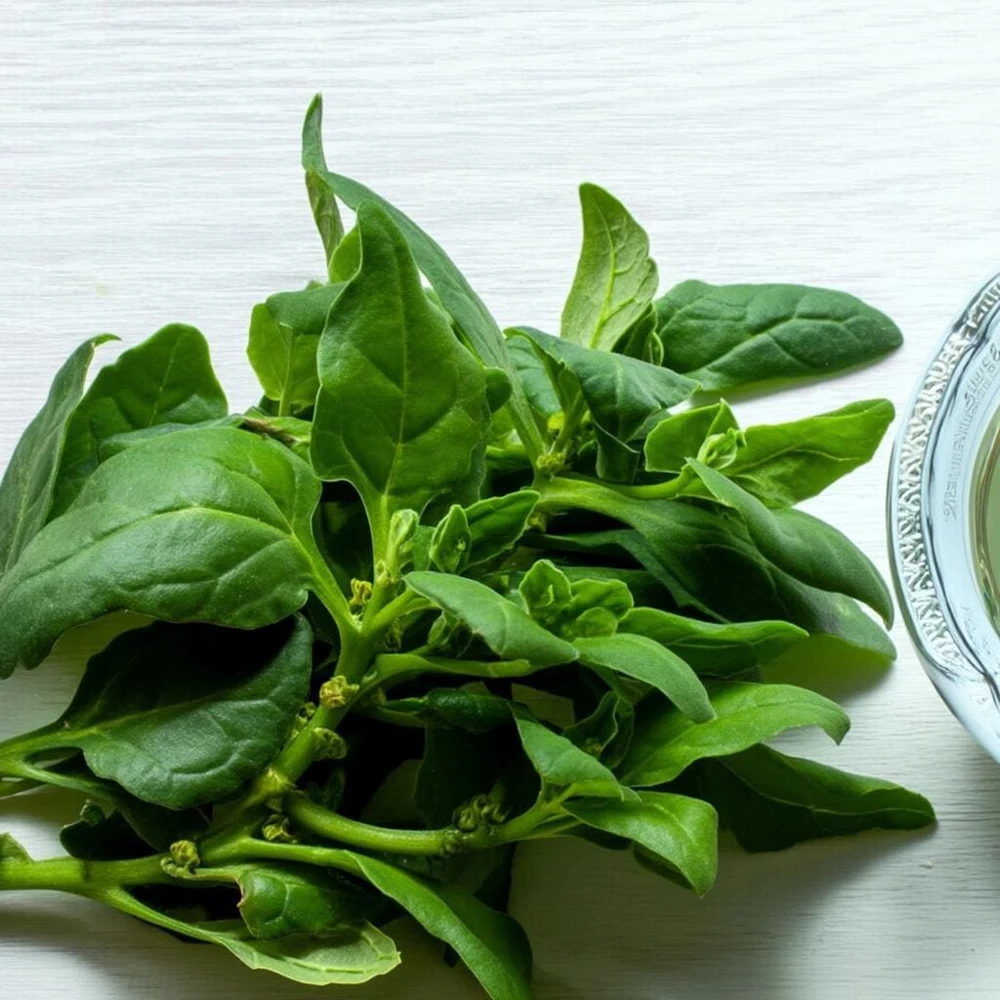
New Zealand Spinach Seeds – 50 Count – Heat-Tolerant Vegetable
Flower Seeds
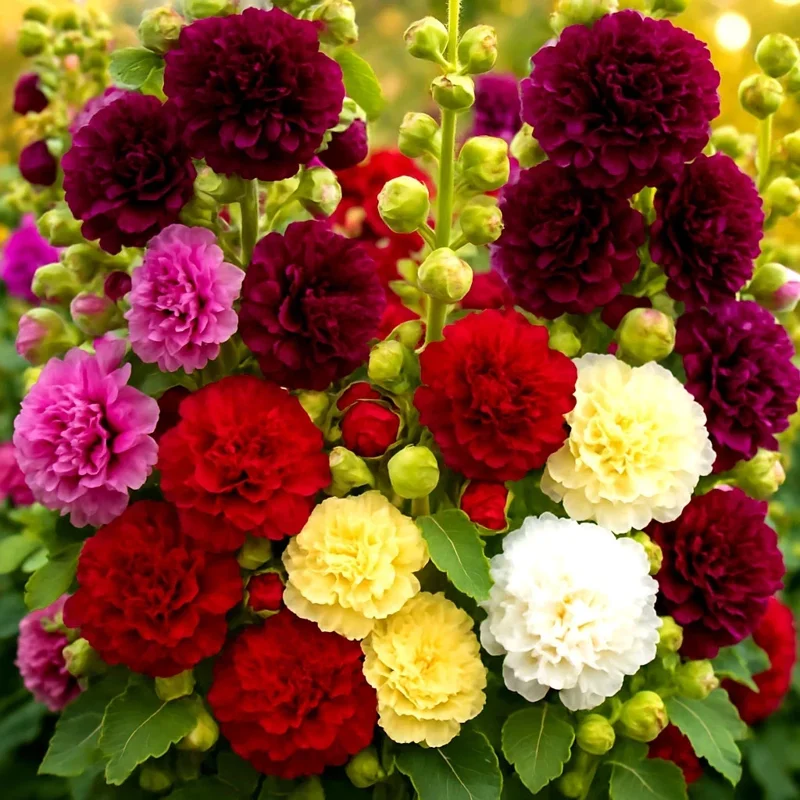
200+ Hollyhock Autumn Mix Flower Seeds – Attracts Hummingbirds, Bees – Multicolor Biennial
Reviews
There are no reviews yet.