

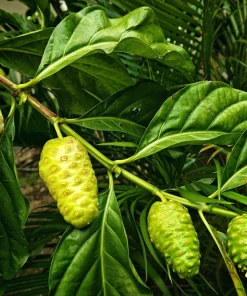
Noni Fruit Tree Seeds – Morinda Citrifolia – 20 Seeds – Indian Mulberry
Original price was: $39.09.$19.09Current price is: $19.09.
Cultivate your own exotic noni fruit tree seeds with this pack of 20 Morinda Citrifolia seeds. Enjoy the unique flavor and numerous health benefits of noni fruit, also known as Indian Mulberry, grown right in your garden or indoors.
Estimated arrival
Sep 14
Sep 19 - Sep 21
Sep 24 - Sep 28
Shop With Confidence
30-Day Plant Health Guarantee
Arrives damaged? We’ll replace it free — see our return policy.
Responsive Support
Email us anytime, we reply within 1 business day.
Expert Packaging
Temperature-controlled shipping to protect your plants in transit.
Secure Checkout
Pay safely with Visa, Mastercard, PayPal.
Plant Specifications
-
USDA Hardiness Zone
10-12 -
Soil Type
Average, well-draining soil -
Sunlight Exposure
Sun - Part Shade -
Expected Planting Period
Year-round indoors, after last frost outdoors
Overview
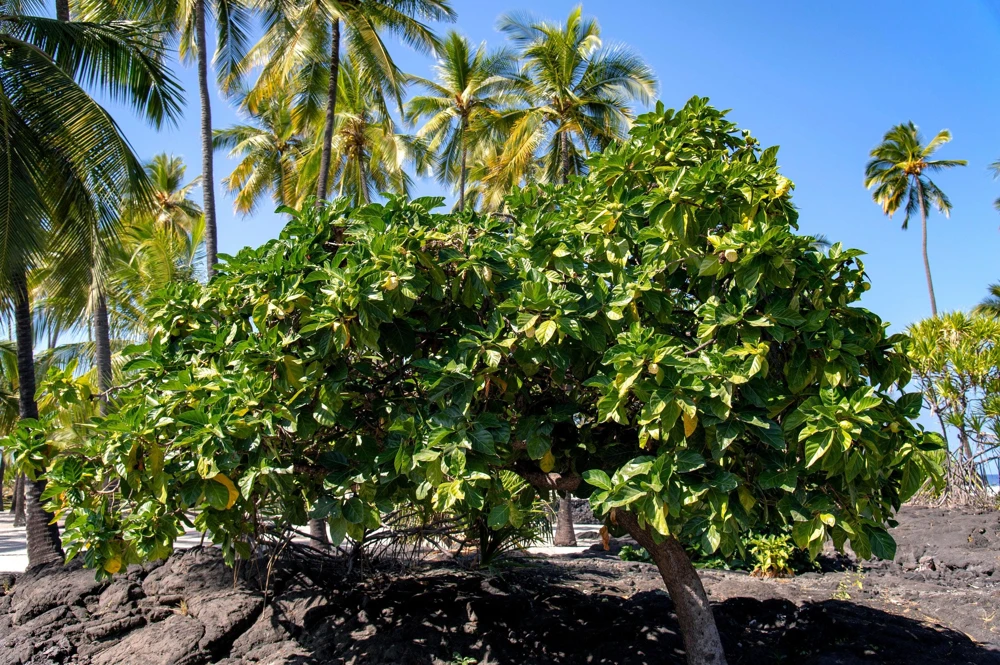
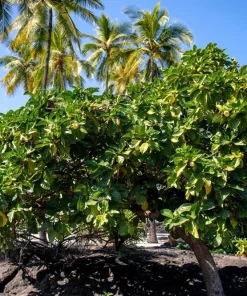
Embark on a rewarding gardening journey with these premium noni fruit tree seeds. The Noni tree, scientifically known as Morinda Citrifolia, is an incredibly versatile and beneficial plant gaining popularity worldwide for its unique fruit. Also referred to as Cheese Fruit, Indian Mulberry, or Beach Mulberry, this evergreen shrub or small tree is native to Southeast Asia, Australia, and Polynesia. It thrives in tropical climates but can also be successfully grown indoors in cooler regions, making it accessible to many gardeners. These noni fruit tree seeds offer an exciting opportunity to cultivate a plant celebrated for its continuous fruit production and numerous wellness properties.
The Noni plant is a fast-growing species, reaching maturity in just 1.5 years and producing fruit year-round once established. Its resilience to various growing conditions, including poor soil and drought, makes it a rewarding choice for both novice and experienced gardeners. The fruit, leaves, and even the seeds of the Noni plant have been utilized for centuries in traditional practices and culinary dishes. Growing your own Morinda Citrifolia seeds allows you to experience the freshness and potential health advantages of this remarkable fruit firsthand.
Key Benefits
Growing your own noni fruit tree seeds offers a multitude of advantages, from the satisfaction of cultivating an exotic plant to enjoying its practical uses and health potential. These benefits contribute to a sustainable and enriching gardening experience.
- Continuous Fruit Production: Once mature, the Noni tree produces fruit every month, providing a continuous supply of fresh noni for consumption or juicing. Each tree can yield between 9-18 pounds of fruit monthly, ensuring a bountiful harvest year-round.
- Rich in Health Benefits: The noni fruit is renowned for its wide array of potential health benefits, having been consumed for thousands of years. It’s a popular ingredient in health drinks and supplements, making it a valuable addition to a wellness-focused lifestyle.
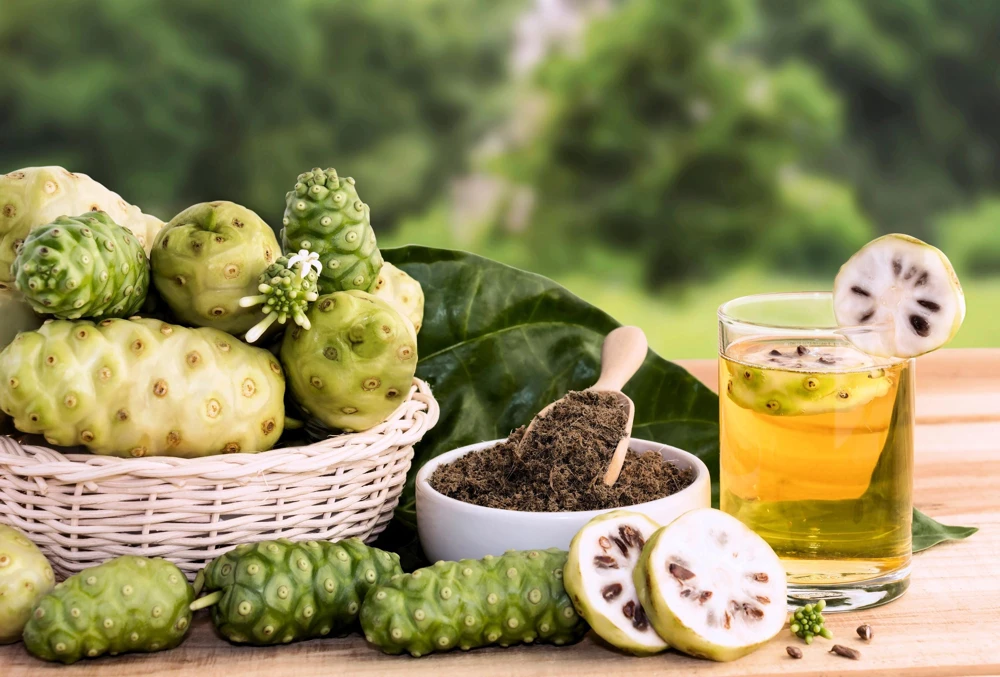
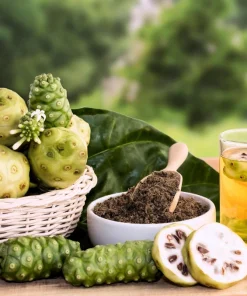
- Versatile Culinary Uses: Beyond its health aspects, the noni fruit can be eaten raw, cooked, added to salads and curries, or dried and powdered. The leaves and seeds are also traditionally used in various dishes, offering diverse culinary possibilities.
- Adaptable Growth: Noni trees are incredibly tolerant of adverse growing conditions, including poor soil, coastal environments, and drought. They can even tolerate partial shade, though they fruit best in sunnier locations, making them adaptable to various garden settings.
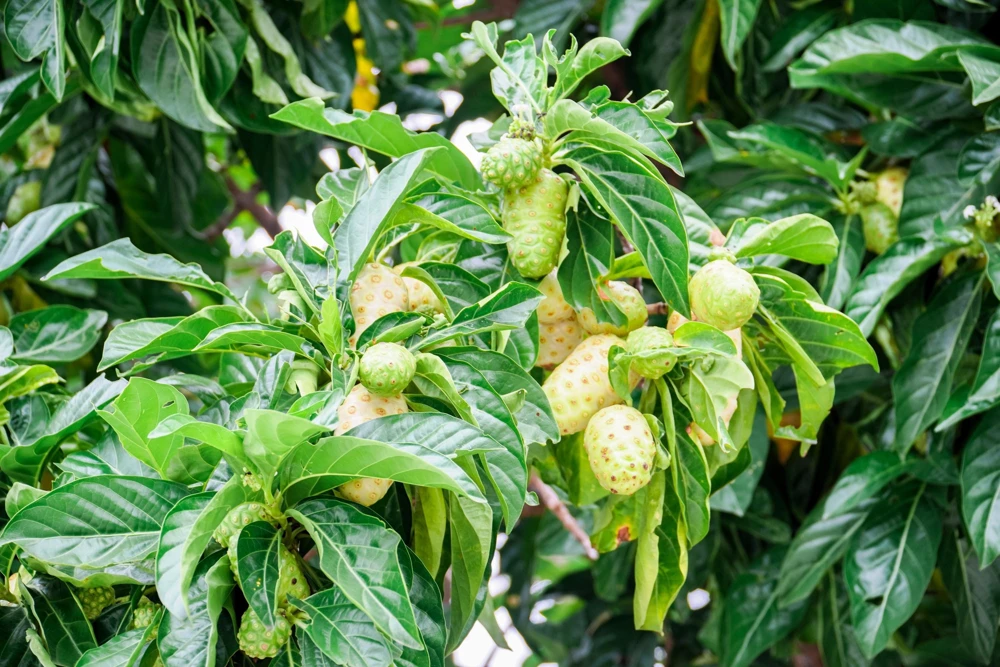
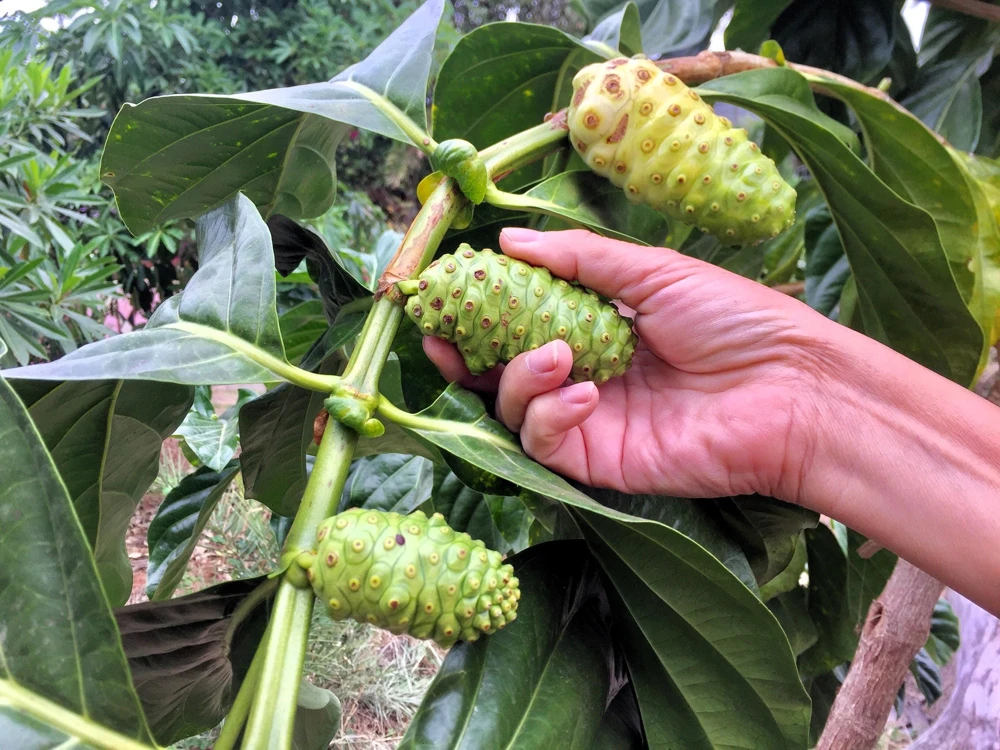
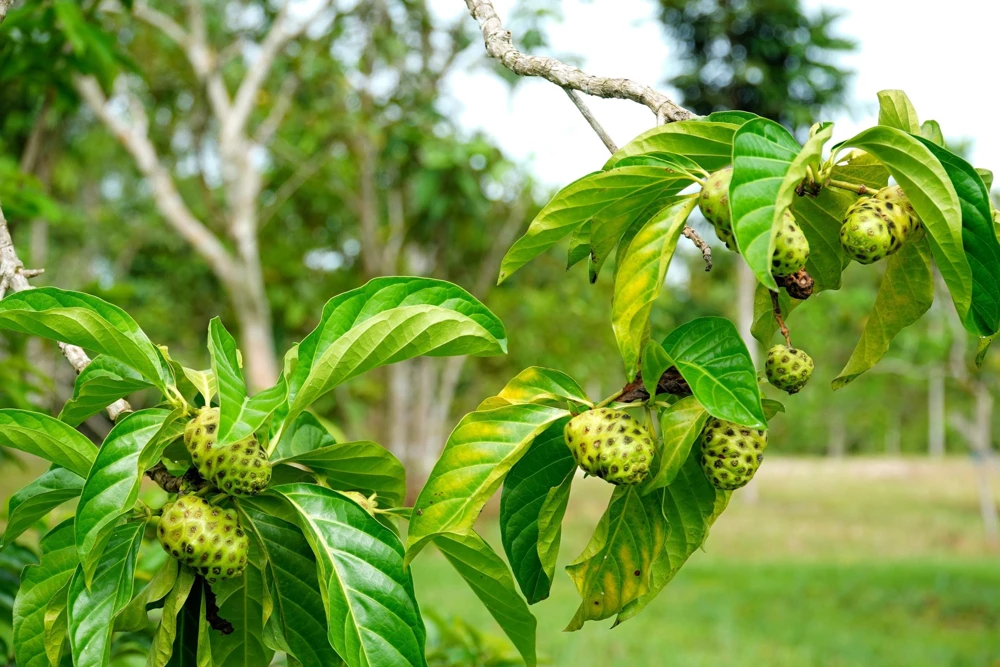
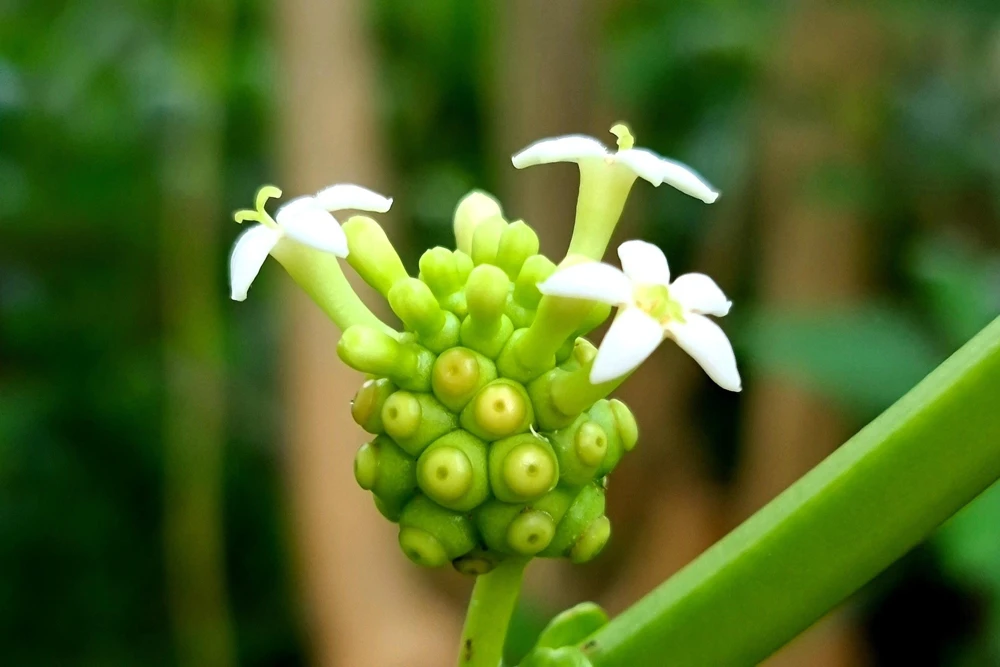
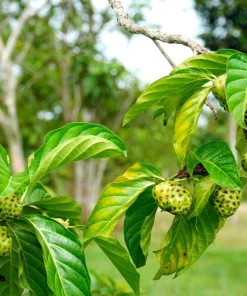
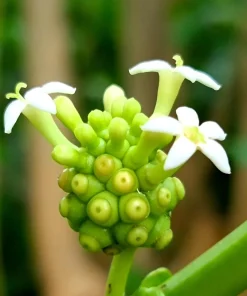
- Attractive Evergreen Foliage: The plant features large, shiny dark green leaves, measuring between 6-20 inches long, which remain evergreen. Its white flowers bloom in clusters, adding an ornamental touch to your garden or indoor space.
- Easy to Grow from Seeds: These noni fruit tree seeds are relatively straightforward to germinate and grow, offering a cost-effective way to establish a Noni plant collection. With proper care, you can successfully cultivate your own indian mulberry seeds into thriving trees.
- Potential for Indoor Cultivation: For those in cooler climates, Noni can be successfully grown indoors, allowing you to enjoy this tropical plant regardless of your local weather conditions. This makes the dream of growing noni fruit accessible to more enthusiasts.
Plant Care & Growing Tips
Caring for your noni fruit tree seeds and subsequent plants is a rewarding process that requires attention to specific environmental conditions to ensure optimal growth and fruit production. Noni (Morinda Citrifolia) thrives in warm, tropical environments, but its adaptable nature allows for cultivation in diverse settings with proper care.
For germination, plant noni fruit tree seeds outdoors after the last frost or indoors several weeks before. Noni prefers full sun to partial shade; while it can grow in full shade, fruit production will be significantly reduced. Aim for at least 6-8 hours of direct sunlight daily for the best results. The plant is quite tolerant of various soil types but performs best in average, well-draining soil. It can even tolerate poor soil and coastal conditions, highlighting its resilience. Regular watering is important, especially for young plants, but mature Noni trees are drought-tolerant. Ensure the soil remains consistently moist but not waterlogged to prevent root issues. When considering how to grow noni fruit, remember that consistent moisture during fruiting periods will enhance yield.
Noni trees are hardy in USDA Zones 10-12, requiring warm temperatures. They begin to struggle at temperatures below 55°F and typically will not survive below 35°F. If you’re in a cooler climate, growing your noni fruit tree seeds indoors is a viable option, protecting them from cold snaps. Fertilization can be done with a balanced, slow-release fertilizer during the growing season to support continuous fruiting. Watch out for common pests, though Noni is generally robust. Good air circulation and proper watering can prevent most fungal issues. Understanding these care tips will help you successfully grow noni fruit and enjoy its many benefits.
Size & Details
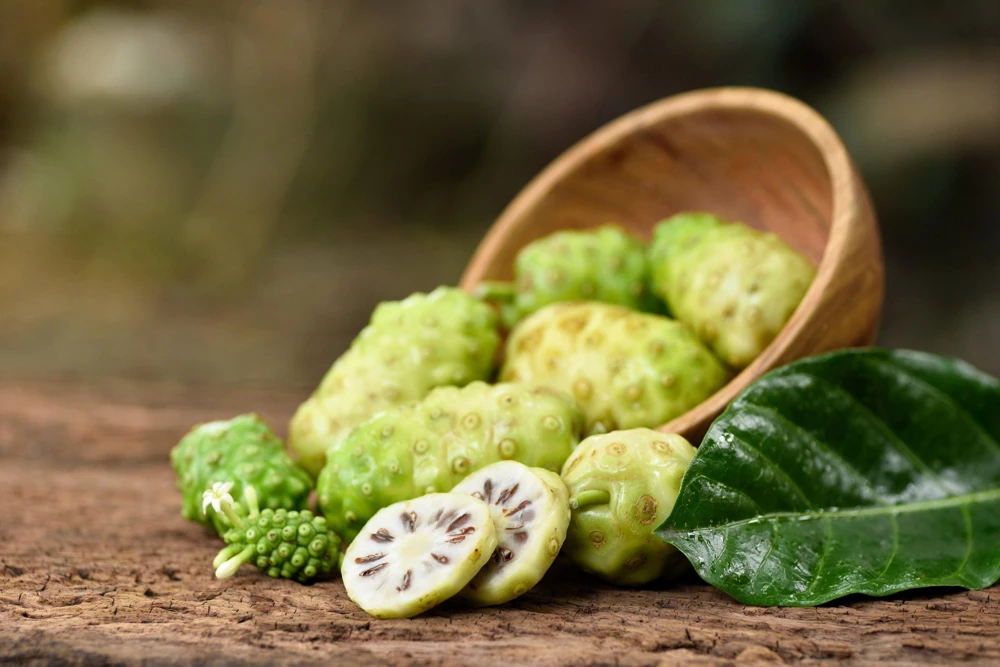
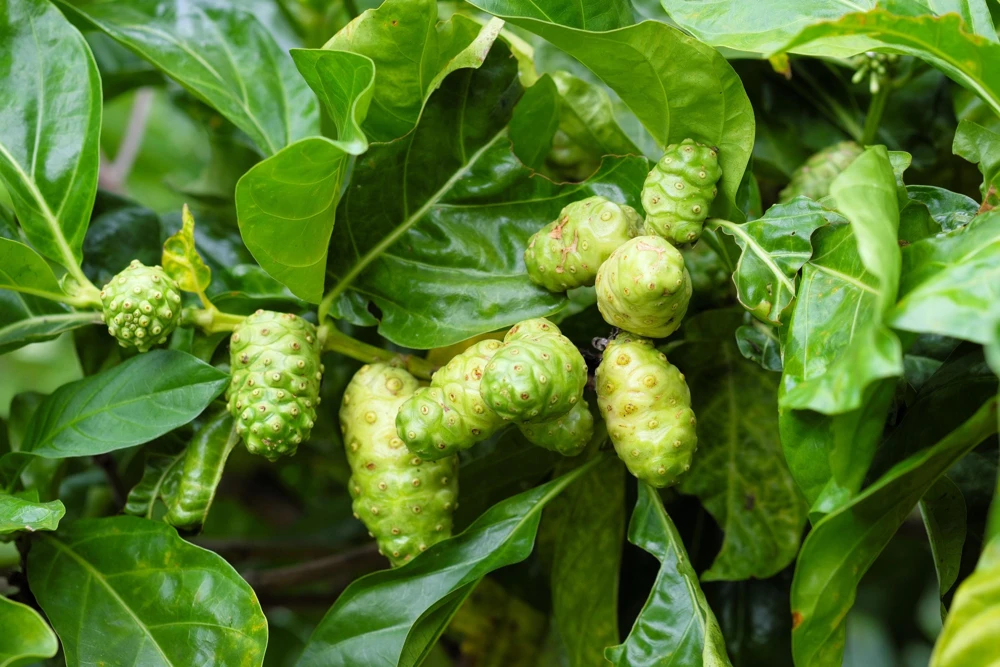
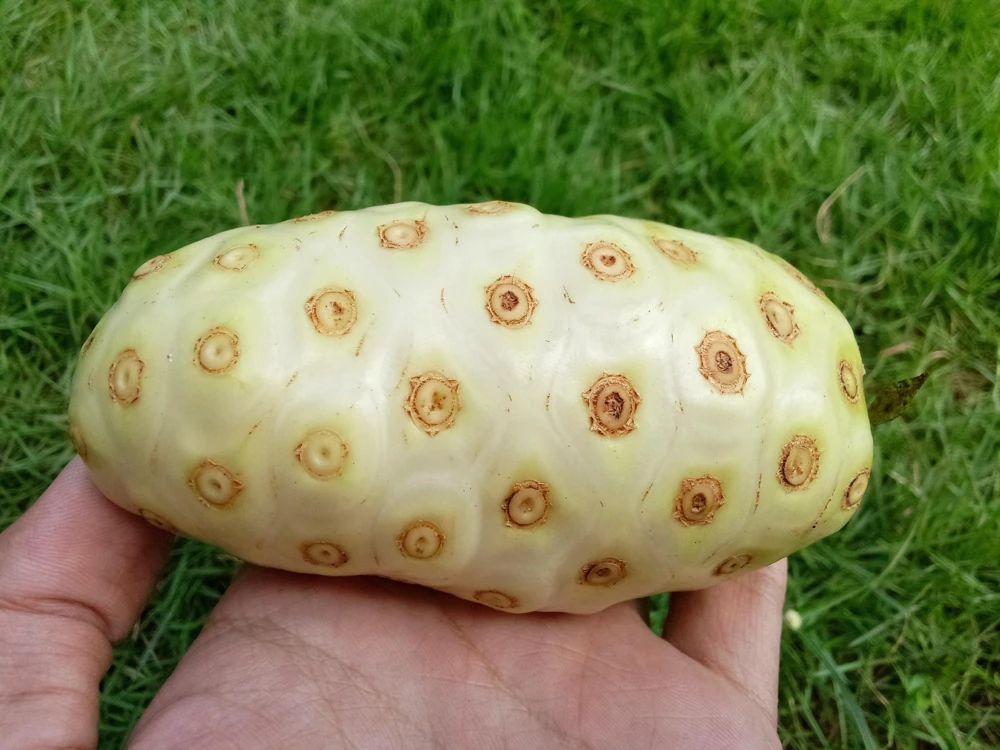
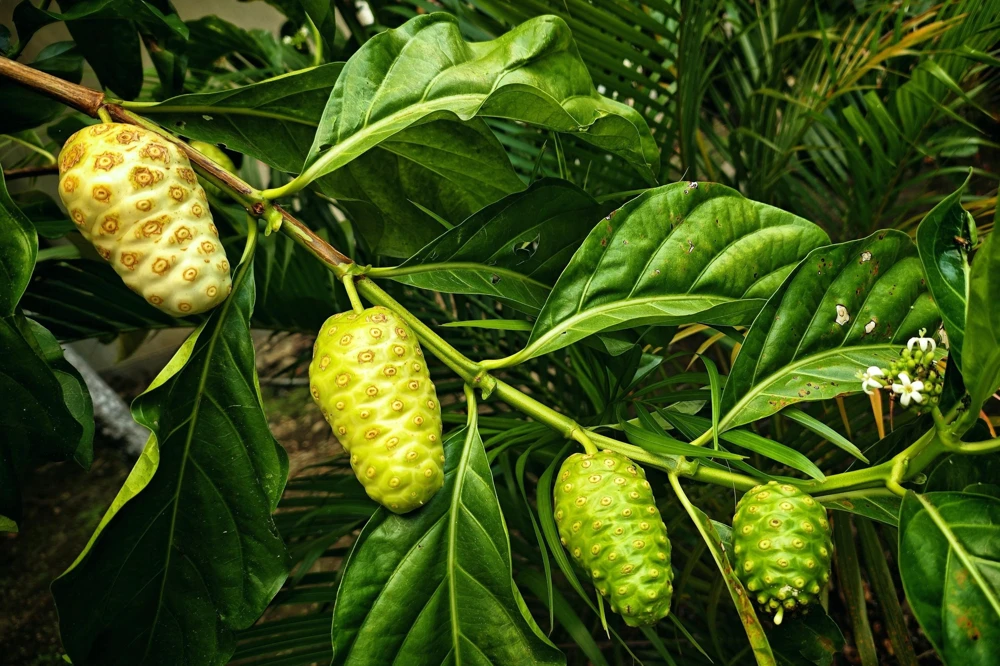
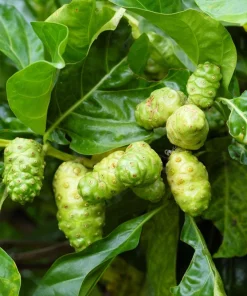
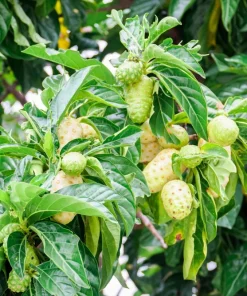
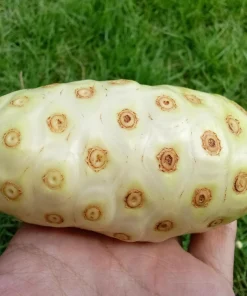
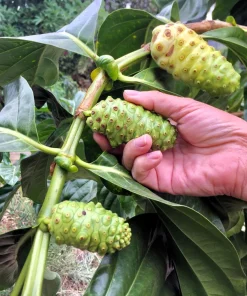
This offering includes 20 Noni fruit tree seeds, ready for planting. The Noni plant, or Morinda Citrifolia, typically grows as a small evergreen tree or shrub, reaching a height of 10-20 feet with a similar spacing requirement of about 20 feet when mature. These fast-growing trees can reach maturity and begin fruiting in as little as 1.5 years from seed. Once established, they are known for year-round blooming and harvesting, providing a consistent supply of fruit. The oval, lumpy fruits measure between 4-6 inches long, starting green and maturing to yellow and then white. The large, shiny dark green leaves contribute to its attractive appearance.
The seeds are shipped in a protective packet, ensuring their viability upon arrival. With an appropriate growing environment, these indian mulberry seeds will develop into robust plants capable of producing abundant fruit. The resilience of the Noni plant to various conditions, including drought and poor soil, makes it a rewarding species to cultivate for its edible fruit and ornamental value. Indoor cultivation is also an excellent option for those in cooler climates, allowing you to enjoy the benefits of noni fruit year-round.
Frequently Asked Questions
- Q: How big does a Noni tree get? A: A Noni tree typically grows to a height of 10-20 feet and requires about 20 feet of spacing. It can be kept smaller with regular pruning, especially when grown in containers indoors.
- Q: Is this an indoor or outdoor plant? A: Noni is primarily an outdoor plant in USDA Zones 10-12. However, it can be successfully grown indoors in cooler climates as long as it receives adequate light and warmth.
- Q: How much sunlight does a Noni tree need? A: For optimal fruit production, a Noni tree prefers full sun, meaning at least 6-8 hours of direct sunlight daily. It can tolerate partial shade but may produce less fruit.
- Q: Is growing Noni from seeds difficult? A: Growing noni fruit tree seeds is relatively straightforward. They require warm temperatures and consistent moisture for germination. Detailed planting instructions are usually included to guide you through the process.
- Q: What condition will the seeds arrive in? A: The noni fruit tree seeds will arrive carefully packaged to ensure their protection and viability during transit, ready for you to plant.
- Q: How long until the Noni tree produces fruit? A: Noni trees are fast growers. From these Morinda Citrifolia seeds, you can expect the tree to reach maturity and begin producing fruit in approximately 1.5 years.
- Q: What is the minimum temperature for a Noni plant? A: Noni plants struggle when temperatures drop below 55°F and generally will not survive temperatures of 35°F or lower. Protection from cold is crucial in non-tropical zones.
- Q: Can I use Noni fruit in cooking? A: Yes, the noni fruit is edible and can be eaten raw, cooked, added to salads or curries, or dried for powders. The leaves and seeds are also used in various dishes, offering many culinary applications.
- Q: What are the benefits of noni plant benefits? A: Noni is widely recognized for its potential health benefits, including boosting immunity, providing antioxidants, and supporting overall well-being. It has been used in traditional medicine for centuries.
- Q: What kind of soil does Noni prefer? A: Noni is adaptable and can grow in average, well-draining soil. It’s tolerant of poor soil conditions and even coastal environments, making it a resilient plant.
Be the first to review “Noni Fruit Tree Seeds – Morinda Citrifolia – 20 Seeds – Indian Mulberry”
People Also Viewed
Vegetable Seeds
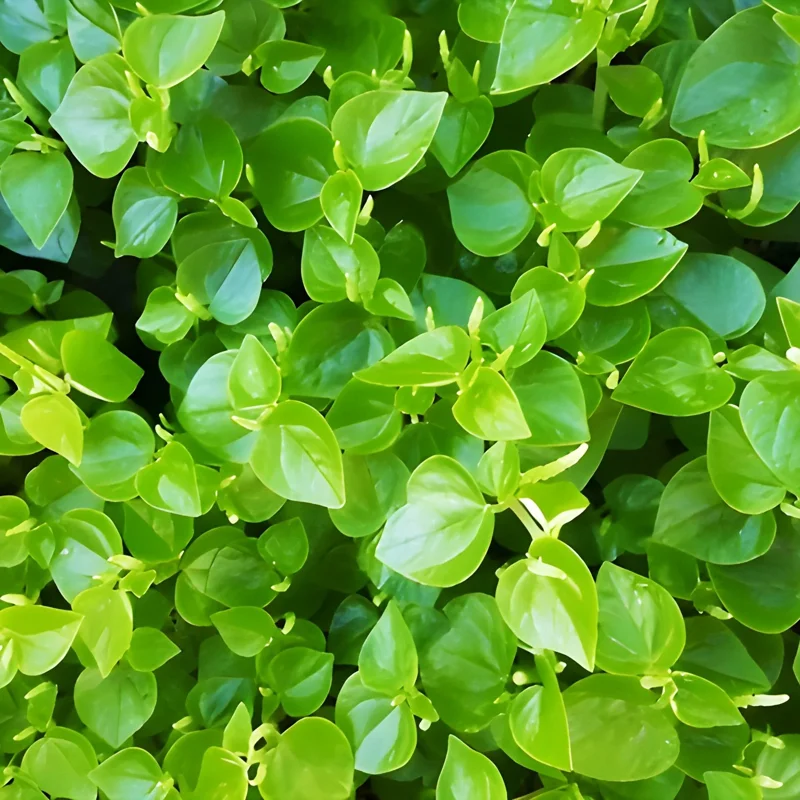
400+ Crab Claw Seeds (Peperomia Pellucida) – Rau Cang Cua Vegetable Seeds, Outdoor, Easy Grow
Reviews
There are no reviews yet.