

Anise Persian Basil Seeds – 500 Count Herb Seeds, Ocimum Basilicum
Original price was: $36.99.$16.99Current price is: $16.99.
Cultivate flavorful anise basil seeds in your garden or indoors. This variety, also known as persian basil (Ocimum Basilicum), offers a distinctive licorice-like taste perfect for a variety of culinary uses. Each pack contains 500 high-quality seeds to start your own aromatic herb patch.
Estimated arrival
Sep 14
Sep 19 - Sep 21
Sep 24 - Sep 28
Shop With Confidence
30-Day Plant Health Guarantee
Arrives damaged? We’ll replace it free — see our return policy.
Responsive Support
Email us anytime, we reply within 1 business day.
Expert Packaging
Temperature-controlled shipping to protect your plants in transit.
Secure Checkout
Pay safely with Visa, Mastercard, PayPal.
Plant Specifications
-
USDA Hardiness Zone
N/A (typically grown as an annual) -
Soil Type
Average, well-draining soil -
Sunlight Exposure
Full sun -
Expected Planting Period
Outdoors after frost / Indoors weeks before last frost
Overview
Discover the delightful taste and aroma of anise basil seeds, a must-have for any herb enthusiast or culinary gardener. This variety, scientifically known as Ocimum Basilicum, is also commonly referred to as Persian Basil due to its origins and unique characteristics. Unlike traditional sweet basil, Anise Basil boasts a pronounced licorice-like flavor, making it a fantastic addition to a wide range of dishes. These high-quality seeds allow you to cultivate your own fresh supply of this aromatic herb, bringing a gourmet touch to your home cooking. Growing your own anise basil seeds is a rewarding experience, providing both fresh ingredients and the satisfaction of nurturing a plant from seed.
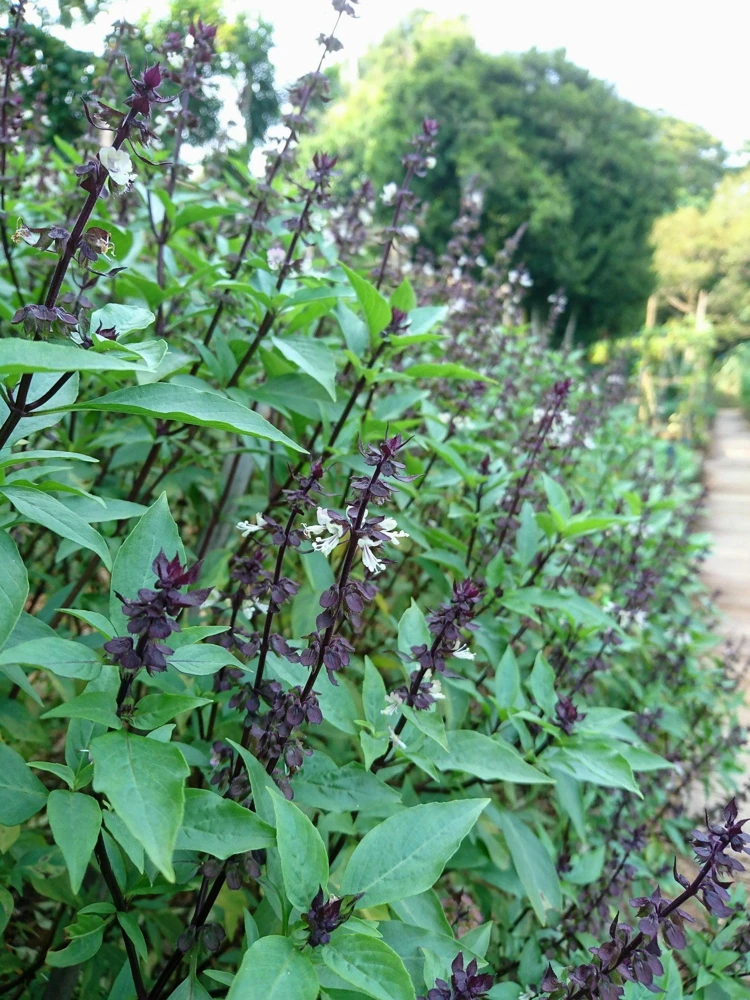
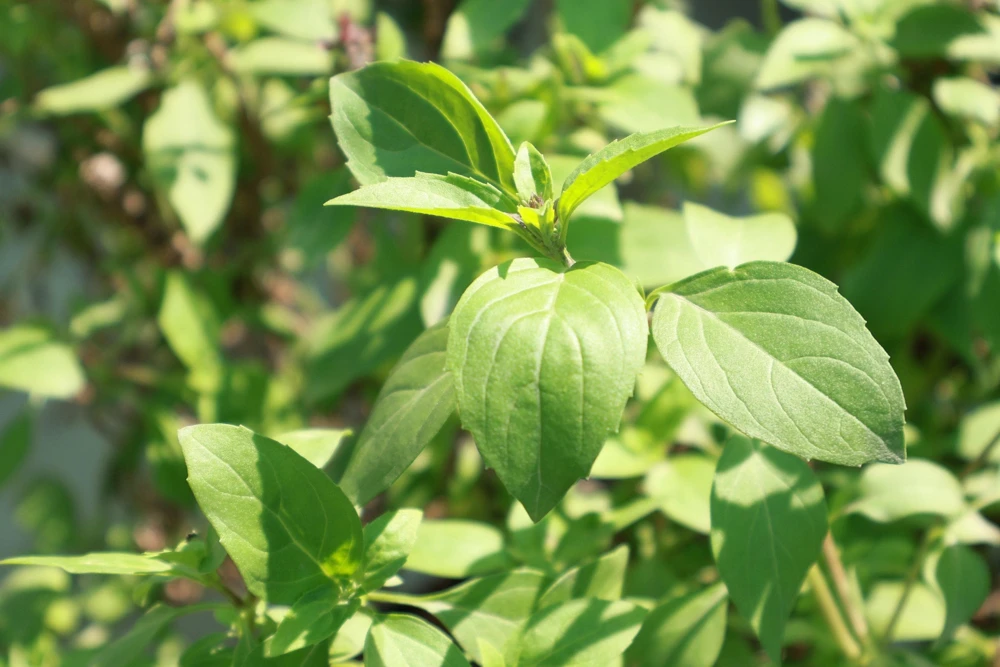
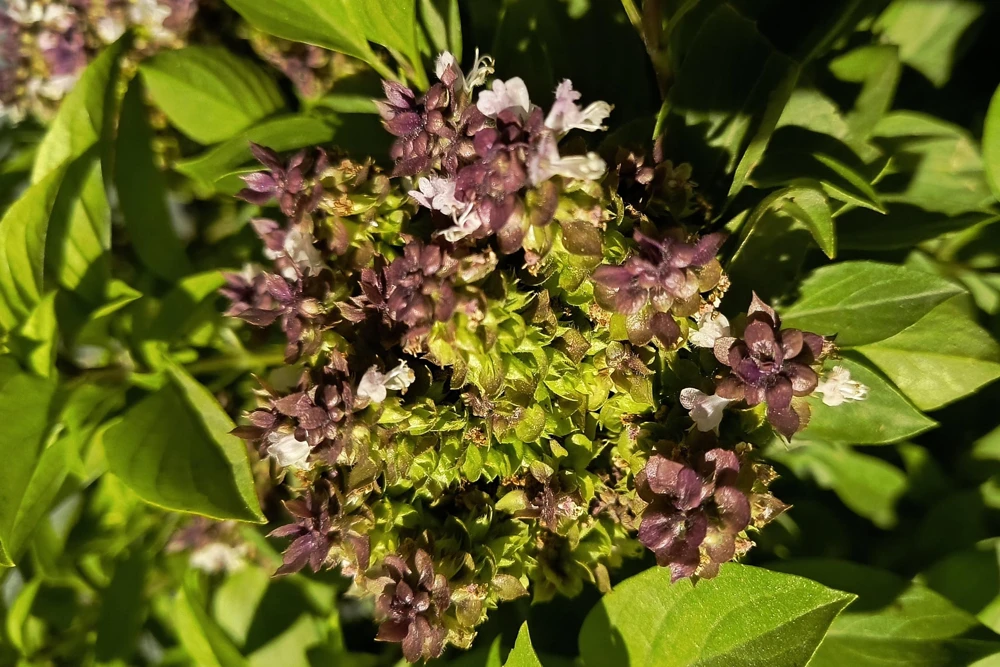
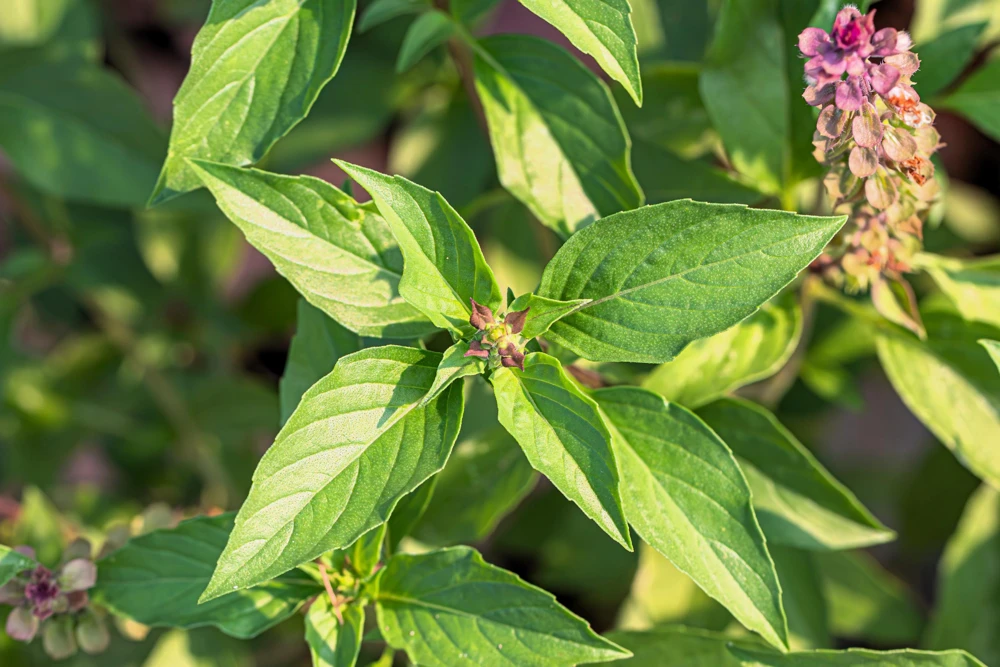
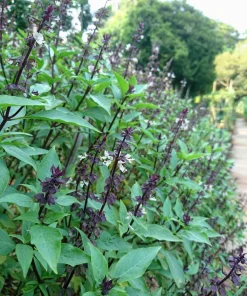
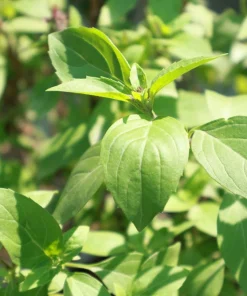
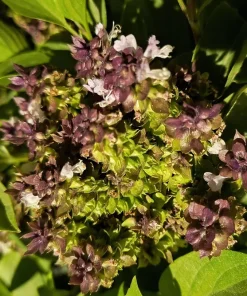
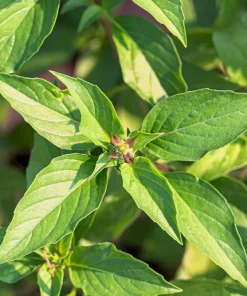
The plant itself is visually appealing, with leaves that often display a subtle purplish flush and stems that can take on a rose-colored hue, adding aesthetic value to your herb garden. With approximately 500 seeds per pack, you’ll have plenty to establish a robust crop, whether you’re planting outdoors after the last frost or starting indoors several weeks prior. This herb is not just for cooking; its fragrant blossoms also attract beneficial pollinators like bees, butterflies, and even birds, contributing to a vibrant and healthy garden ecosystem. Embark on your gardening journey with these versatile and flavorful anise basil seeds.
Key Benefits
Growing anise basil seeds offers a multitude of advantages for both your kitchen and your garden. This exceptional herb provides a unique flavor profile and contributes to a healthier environment.
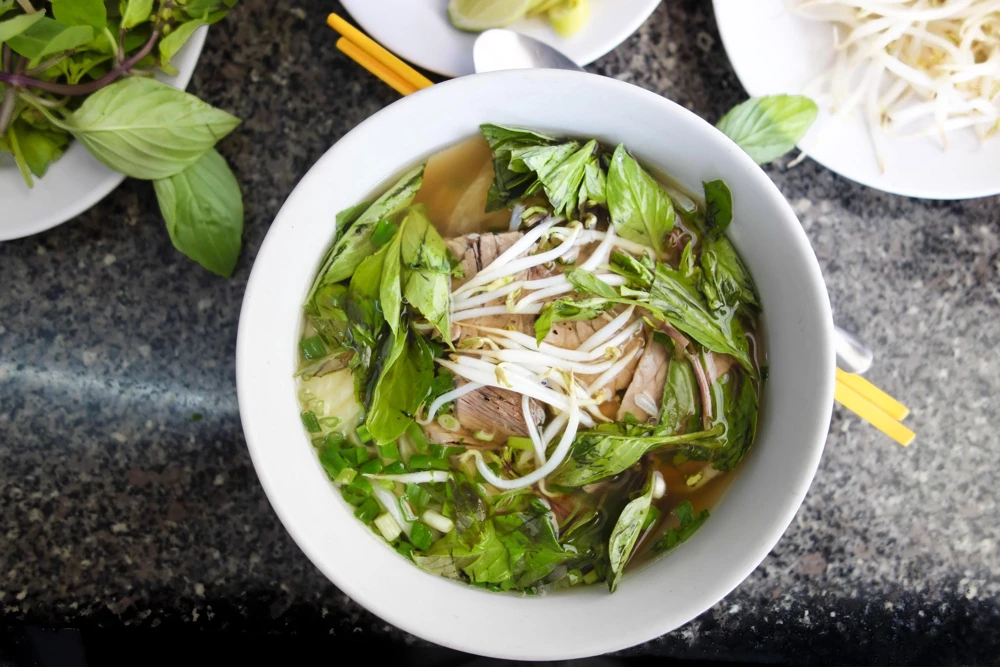
- Unique Culinary Flavor: Enjoy the distinct anise/licorice notes that elevate your cooking. This persian basil is perfect for fish, tomato dishes, fruit salads, and authentic Italian or Thai cuisine, offering a versatile culinary ingredient.
- Attracts Pollinators: The plant’s flowers are a magnet for bees, butterflies, and birds, promoting biodiversity and aiding in the pollination of other plants in your garden. This makes your garden a more lively and productive space.
- Aromatic Foliage: Beyond its flavor, the leaves of Ocimum Basilicum release a pleasant, spicy aroma, enhancing the sensory experience of your garden or indoor herb collection.
- Easy to Grow from Seed: These anise basil seeds are relatively straightforward to cultivate, making them suitable for gardeners of all experience levels. With proper care, you can expect a bountiful harvest.
- Freshness at Your Fingertips: Having fresh basil readily available means you can harvest exactly what you need, ensuring maximum flavor and nutritional value in your meals.
- Supports Healthy Eating: Incorporating fresh herbs like licorice basil into your diet can boost flavor without relying on excessive salt or fats, contributing to a healthier lifestyle.
- Garden Aesthetic Appeal: The purplish flush of the leaves and rose-colored stems add a decorative element to your herb beds or containers.
Plant Care & Growing Tips
Cultivating anise basil seeds into a thriving herb plant requires attention to a few key environmental factors. This herb, also known as Ocimum Basilicum seeds, thrives in conditions that mimic its natural habitat. For optimal growth, ensure your basil receives ample sunlight. It prefers full sun exposure, meaning at least 6-8 hours of direct sunlight per day. If growing indoors, place it in a south-facing window or under grow lights. When planting outdoors, wait until all danger of frost has passed, typically in late spring. For an earlier start, you can sow seeds indoors several weeks before the last expected frost date, transplanting them once established.
Persian basil prefers average soil conditions that are well-draining. A rich, loamy soil with a neutral pH is ideal. Avoid heavy, compacted soils that retain too much moisture, as this can lead to root rot. Water regularly, keeping the soil consistently moist but not waterlogged. Allow the top inch of soil to dry out slightly between waterings. Basil is sensitive to cold, so protect it from temperatures below 50°F (10°C). While a specific hardiness zone is often not applicable for annual herbs grown from herb garden seeds, it generally performs best in warmer climates. Fertilize sparingly with a balanced liquid fertilizer every 2-4 weeks during the growing season. Pinch back the top sets of leaves regularly to encourage bushier growth and prevent the plant from flowering too early, which can diminish leaf production and flavor. Watch out for common pests like aphids and spider mites, and treat with organic insecticidal soap if necessary to ensure a healthy yield of your anise basil seeds.
Size & Details
These anise basil seeds are offered in a generous quantity of approximately 500 seeds, providing ample opportunity to establish a robust herb patch. When mature, the Persian basil plants typically reach a height of 18 to 24 inches, with a similar spread of 15 to 18 inches, creating a bushy and abundant plant. The harvest period for this variety is relatively quick, usually around 73 days from planting, allowing for multiple harvests throughout the growing season. The seeds are packaged to ensure viability and are ready for planting upon arrival. Whether you’re aiming to grow Persian basil for culinary use or to attract beneficial insects, these seeds will yield healthy, productive plants. Expect a moderate growth rate, allowing you to enjoy fresh leaves over several months.
Frequently Asked Questions
- Q: How many anise basil seeds come in a pack? A: Each pack contains approximately 500 high-quality anise basil seeds, providing a generous quantity for your gardening needs. This allows for a substantial harvest or multiple planting cycles.
- Q: Is this an indoor or outdoor plant? A: Persian basil can be grown both indoors and outdoors. It thrives outdoors in warm weather after the last frost, but can also be successfully cultivated indoors year-round with adequate sunlight or grow lights.
- Q: How much sunlight does Anise Basil need? A: This herb requires full sun exposure, meaning at least 6-8 hours of direct sunlight per day, to achieve optimal growth and flavor. Insufficient light can lead to leggy growth and reduced aroma.
- Q: Is this plant easy to care for? A: Yes, growing Ocimum Basilicum seeds is considered relatively easy, making it suitable for beginner gardeners. Consistent watering, adequate sunlight, and occasional pinching are the main requirements for success.
- Q: What condition will the seeds arrive in? A: The herb garden seeds will arrive in a protective packet, ensuring they are dry and viable for planting. They are ready to be sown directly into your chosen growing medium.
- Q: How long until I can harvest the basil? A: You can typically begin harvesting your licorice basil in about 73 days after planting. Regular harvesting by pinching off leaves will encourage continuous growth throughout the season.
- Q: What is the ideal soil for growing Anise Basil? A: Anise basil prefers average, well-draining soil. A good quality potting mix enriched with compost is ideal for container growing, while garden beds should have loose, fertile soil.
- Q: Can I use this basil in cooking? A: Absolutely! This anise basil seeds variety is specifically prized for its unique anise/licorice flavor, making it excellent for a wide range of culinary applications, from salads to stir-fries and sauces.
- Q: Will these plants attract pollinators to my garden? A: Yes, the flowers of the Persian basil plant are known to attract beneficial pollinators such as bees, butterflies, and even some birds, contributing to a healthy garden ecosystem.
- Q: What is the mature height of the Anise Basil plant? A: When fully grown, anise basil seeds plants can reach a height of 18 to 24 inches, forming a bushy and productive herb.
Be the first to review “Anise Persian Basil Seeds – 500 Count Herb Seeds, Ocimum Basilicum”
People Also Viewed
Reviews
There are no reviews yet.