
25 Coralberry Shrub Seeds – Pink Indian Currant Symphoricarpos Orbiculatus
Original price was: $36.99.$16.99Current price is: $16.99.
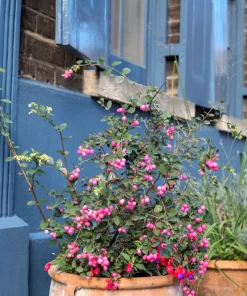
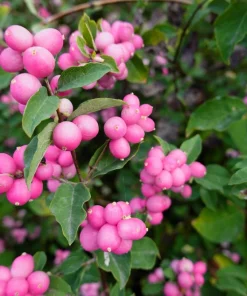
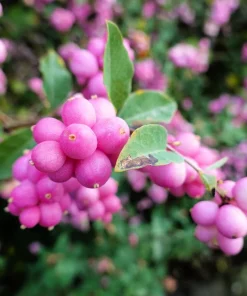
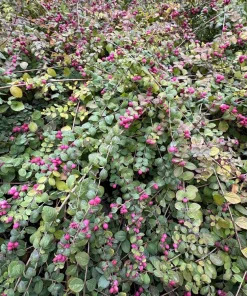
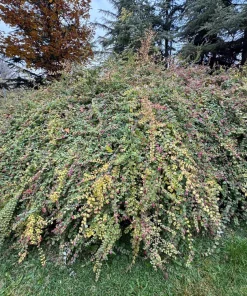
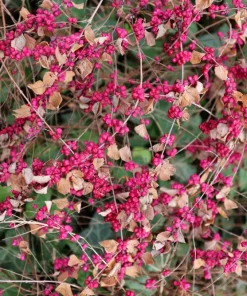
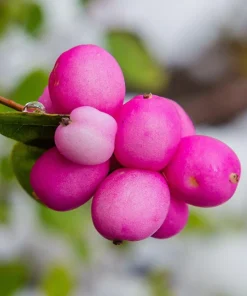
Cultivate charming coralberry shrub seeds to grow the resilient Symphoricarpos orbiculatus. These seeds produce plants known for their delicate pink flowers and striking coral-red berries, offering beauty and sustenance for local wildlife. Ideal for hedges, borders, or naturalized areas, these shrubs provide year-round visual appeal and are easy to establish.
Estimated arrival
Sep 14
Sep 19 - Sep 21
Sep 24 - Sep 28
Shop With Confidence
30-Day Plant Health Guarantee
Arrives damaged? We’ll replace it free — see our return policy.
Responsive Support
Email us anytime, we reply within 1 business day.
Expert Packaging
Temperature-controlled shipping to protect your plants in transit.
Secure Checkout
Pay safely with Visa, Mastercard, PayPal.
Plant Specifications
-
USDA Hardiness Zone
USDA Zones 3-7 -
Soil Type
Well-draining soil -
Sunlight Exposure
Full sun to partial shade -
Expected Planting Period
Early spring after stratification
Overview
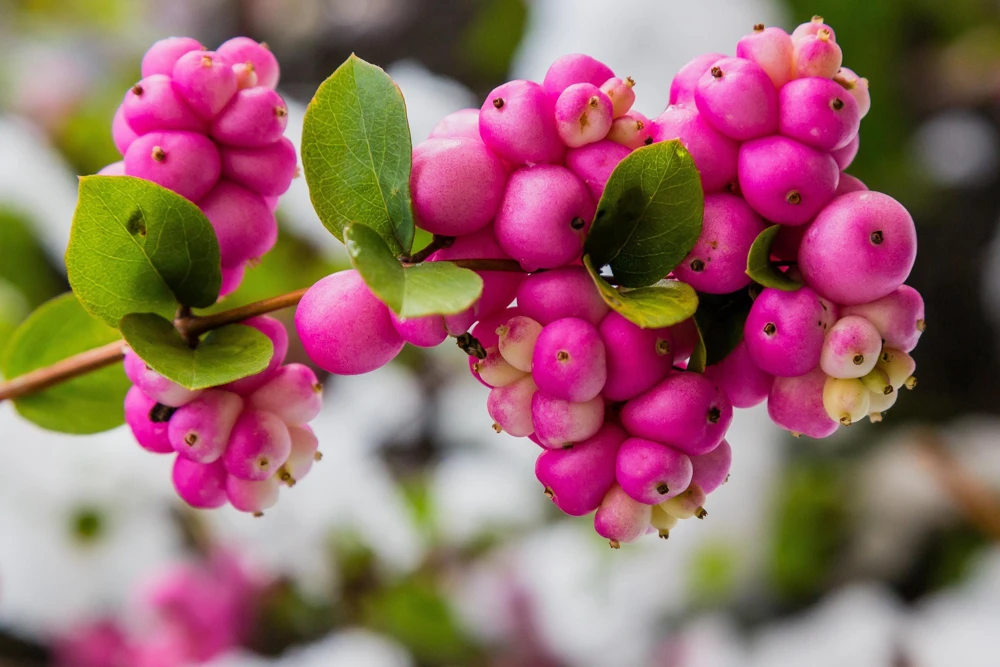
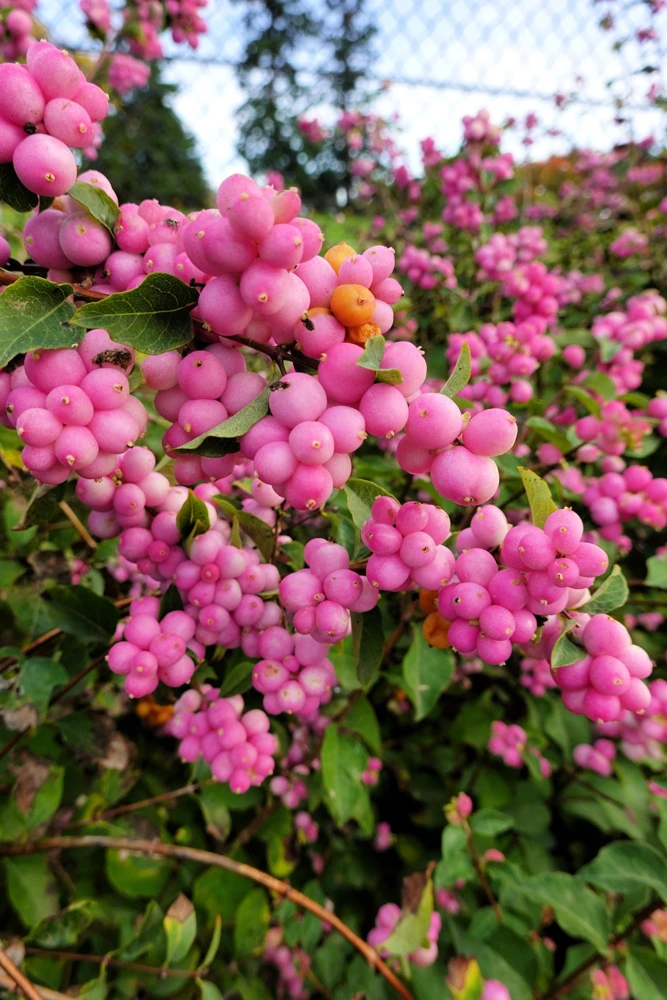
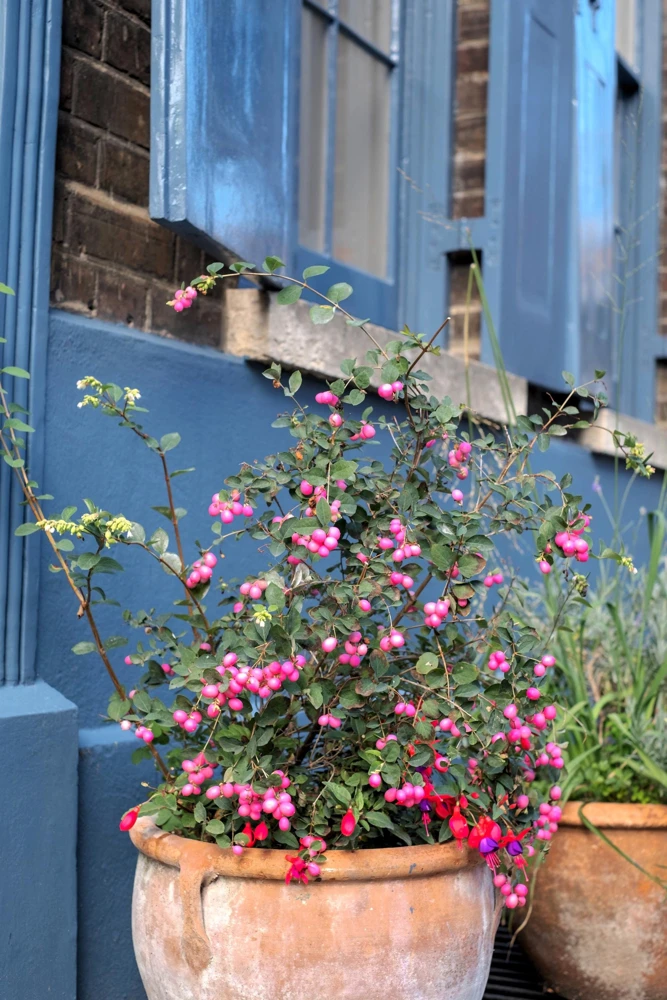
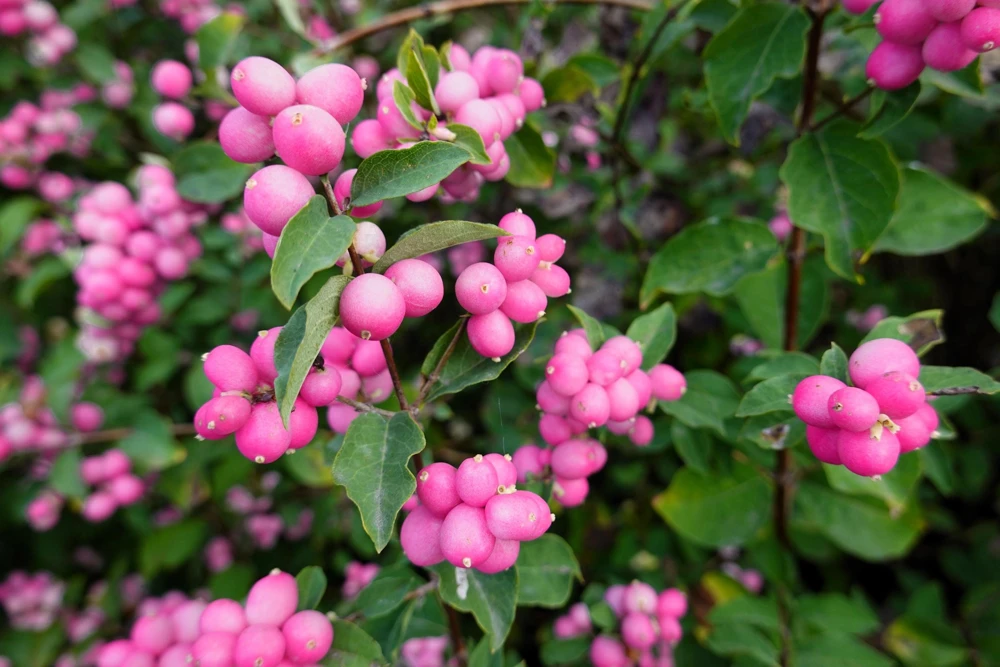
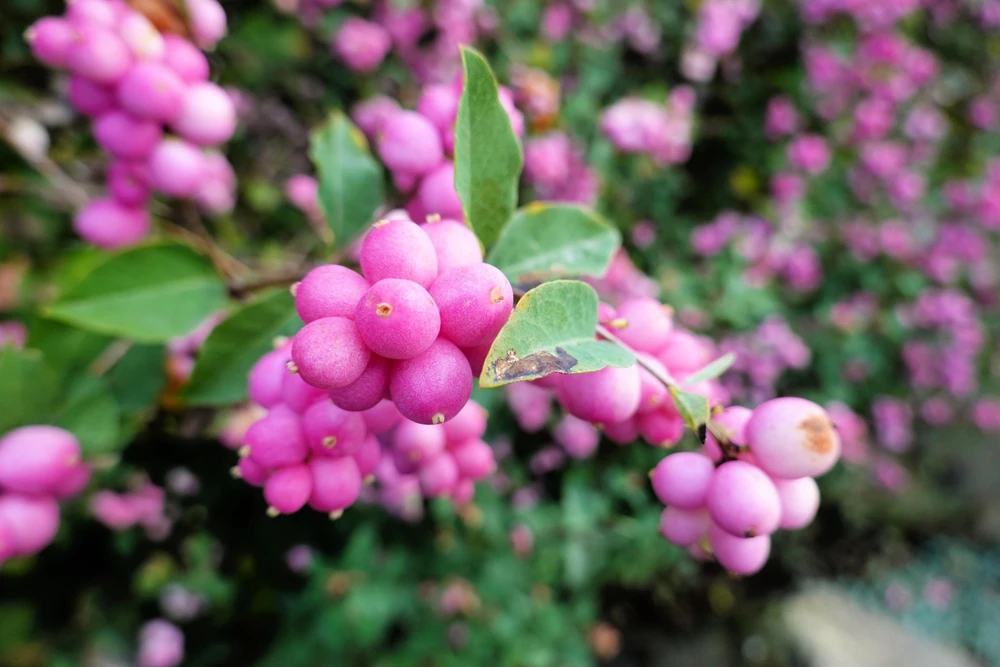
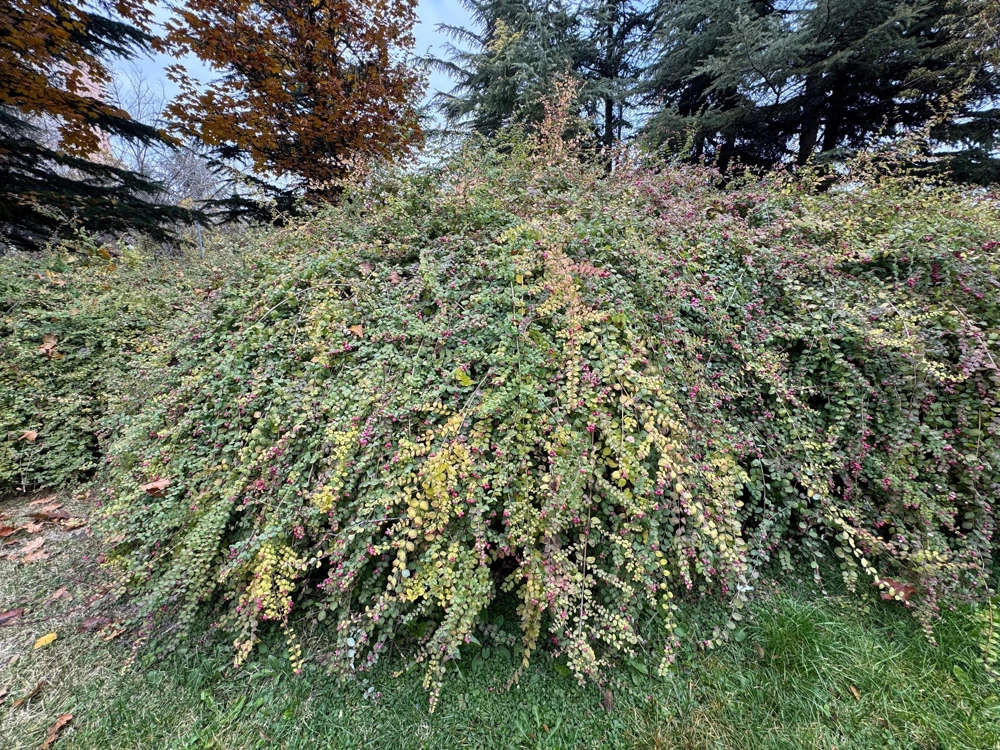
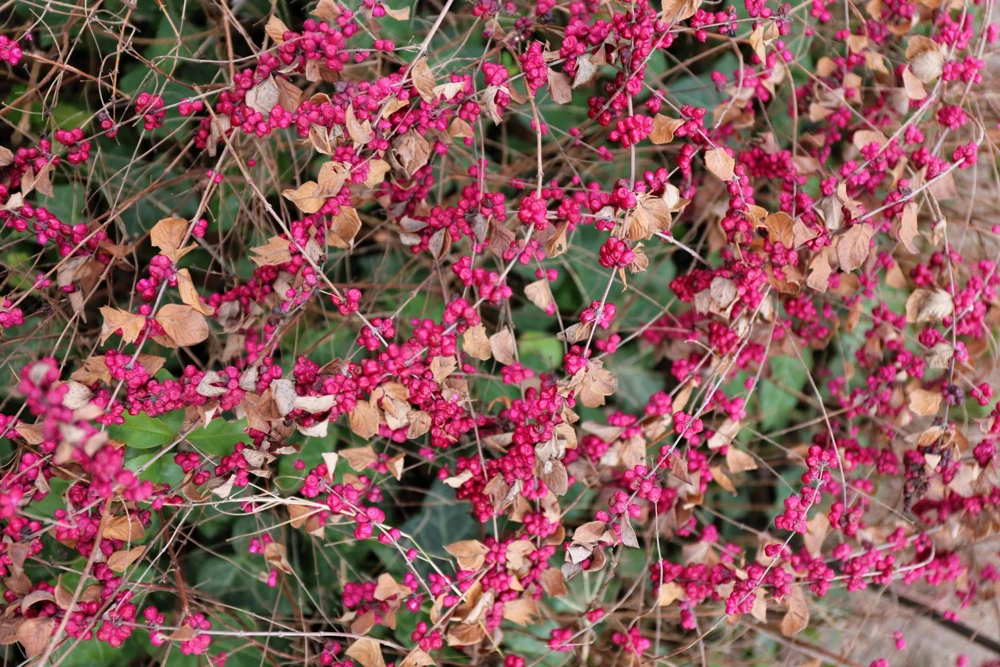
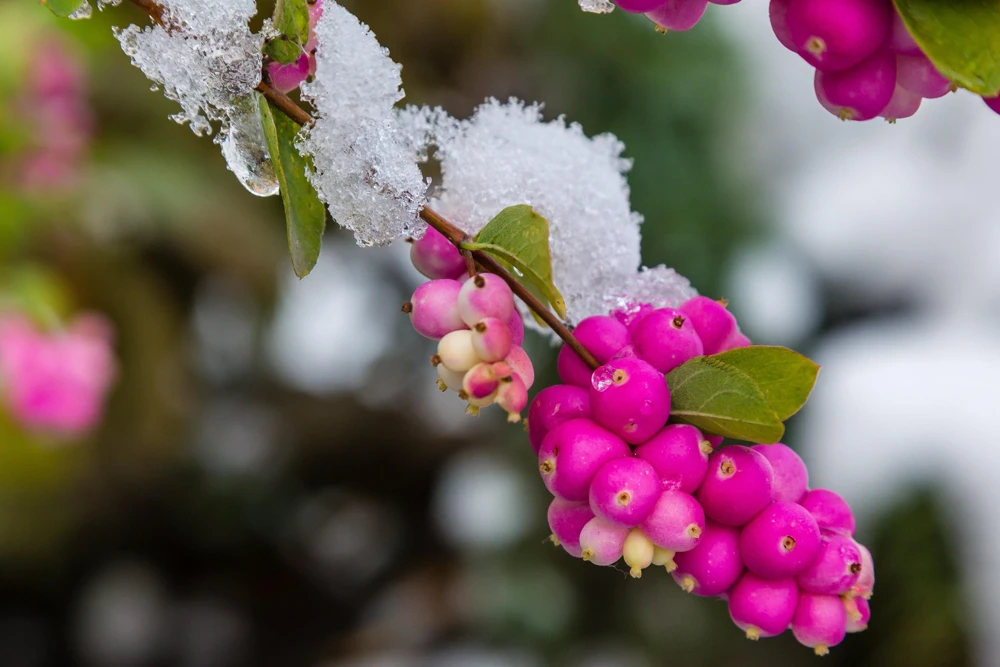
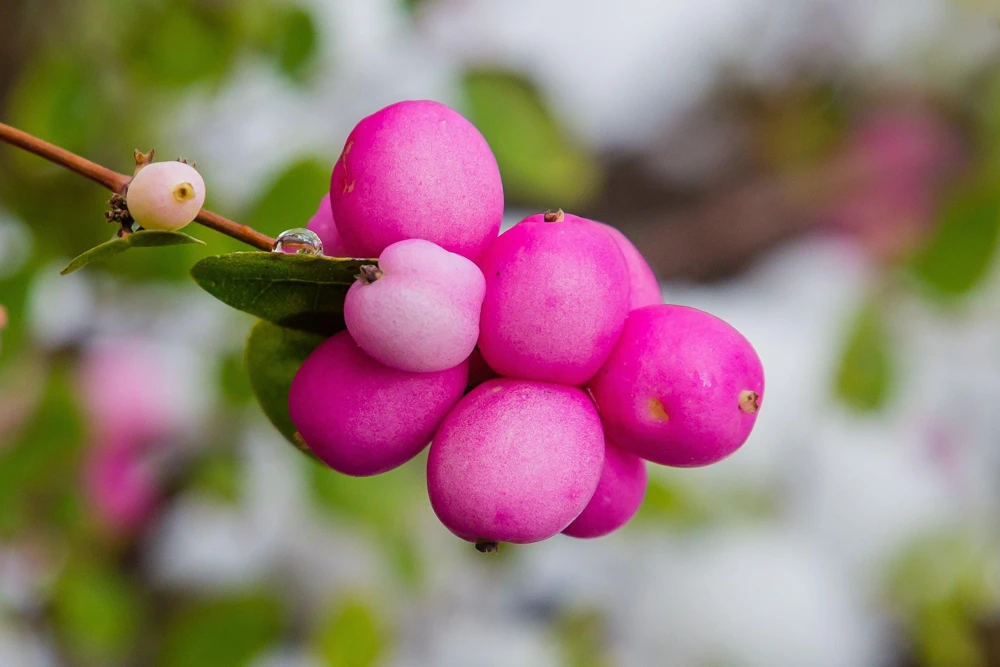
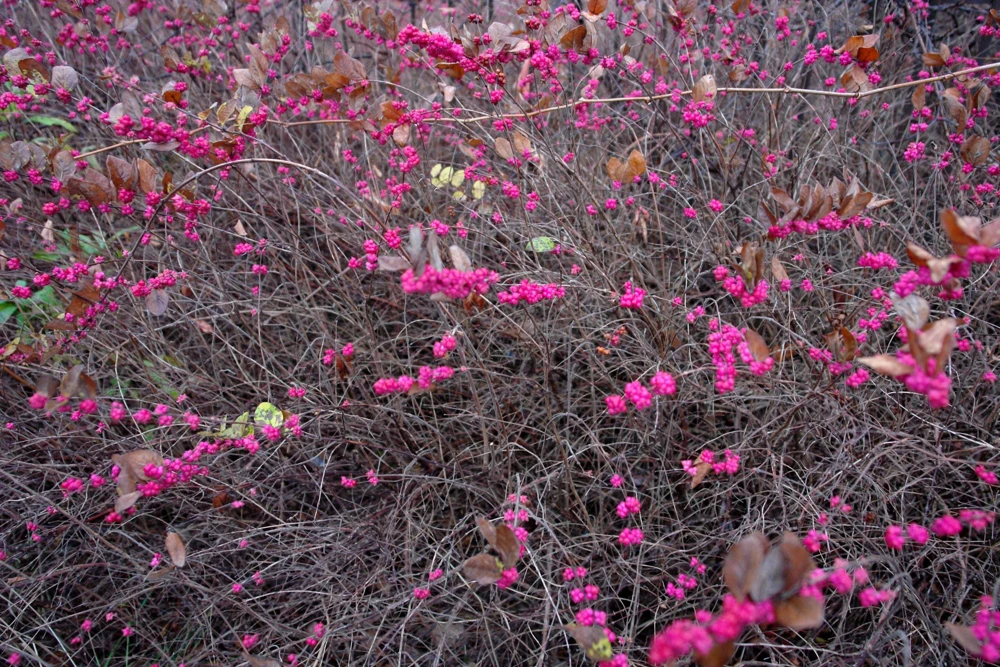
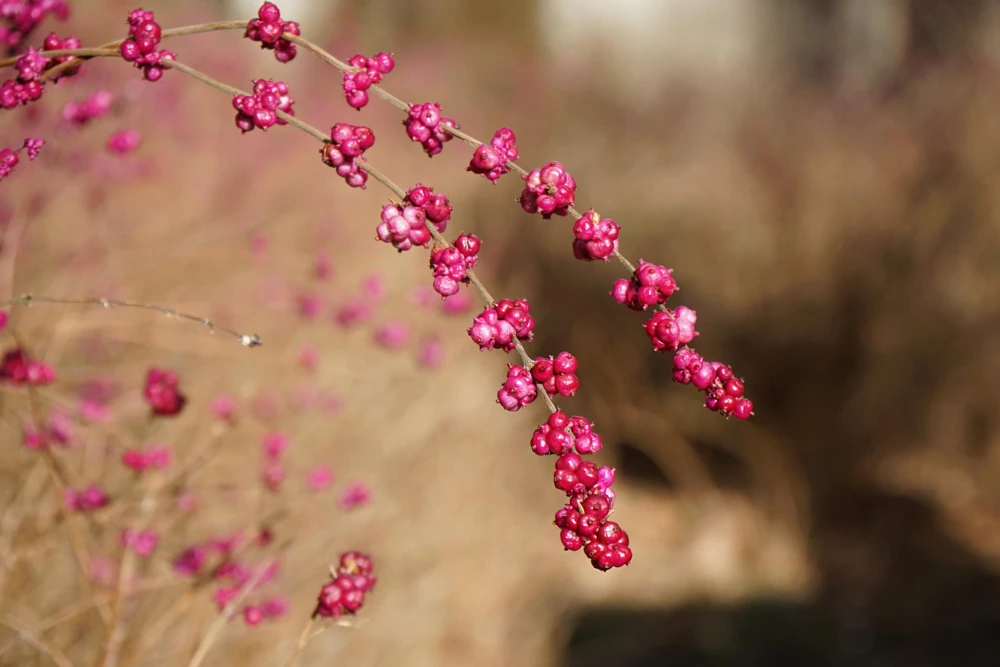
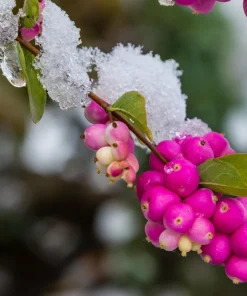
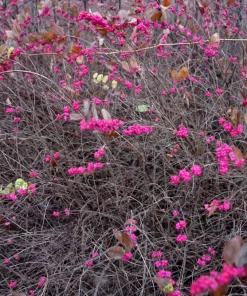
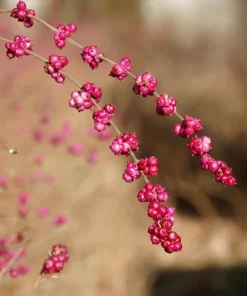
Embark on a rewarding gardening journey with our premium coralberry shrub seeds. These seeds allow you to cultivate the distinctive Symphoricarpos orbiculatus, commonly known as Indian Currant or Coralberry. This deciduous shrub is celebrated for its unique aesthetic appeal, featuring small, bell-shaped pink flowers in summer, followed by abundant, long-lasting coral-red berries that persist well into winter. The coralberry shrub seeds are an excellent choice for gardeners looking to add vibrant color and texture to their landscapes, while also providing a valuable food source and habitat for birds and other wildlife, making your garden a lively sanctuary.
The Coralberry shrub is a native North American plant, renowned for its hardiness and adaptability. It can thrive in a variety of soil conditions and light exposures, making it a versatile addition to many garden styles, from formal borders to informal naturalistic plantings. Growing from Symphoricarpos orbiculatus seeds offers the satisfaction of nurturing a plant from its earliest stage, eventually witnessing its transformation into a mature shrub that provides seasonal interest and ecological benefits. Whether you’re creating a new garden or enhancing an existing one, these seeds are a fantastic starting point for a resilient and beautiful shrub.
Key Benefits
Planting coralberry shrub seeds brings a multitude of advantages to your garden and local ecosystem. These shrubs are not only visually appealing but also contribute significantly to biodiversity and garden health. Here are some of the key benefits:
- Year-Round Visual Interest: The Coralberry shrub offers beauty across all seasons. Delicate pink flowers bloom in summer, followed by a spectacular display of bright coral-red berries in fall and winter, providing a splash of color when most other plants are dormant.
- Attracts Wildlife: The persistent berries are a vital food source for various bird species during the colder months, while the flowers attract pollinators. Planting Indian currant seeds helps support local wildlife.
- Low Maintenance & Hardy: Once established, these shrubs are incredibly resilient. They tolerate a range of soil types, light conditions, and are relatively drought-tolerant, requiring minimal care.
- Erosion Control: Their fibrous root systems make them excellent for stabilizing slopes and preventing soil erosion, particularly in naturalized areas or along banks.
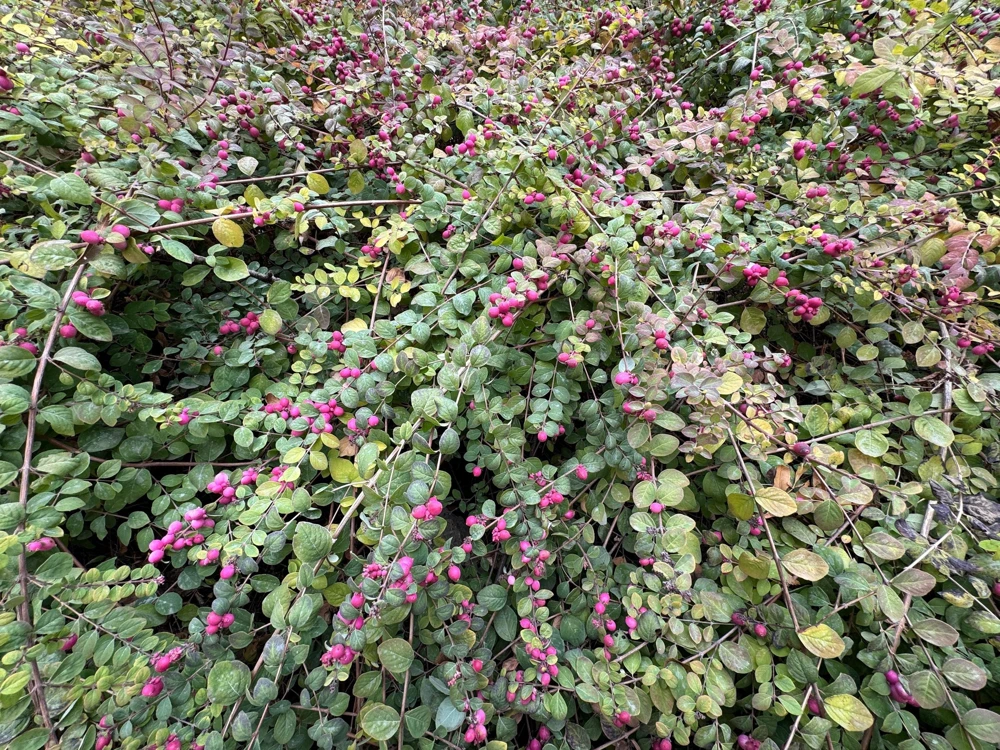
- Versatile Landscaping: Suitable for hedges, mass plantings, groundcover, or as an accent plant. The unique berry display makes them a standout in any garden design.
- Adaptable to Various Conditions: These shrubs are tolerant of urban pollution and can grow in partial shade to full sun, making them adaptable to many challenging garden environments.
- Sustainable Choice: Growing from coralberry shrub seeds promotes sustainable gardening practices by cultivating native plants that are well-suited to the local climate.
Plant Care & Growing Tips
Growing Coralberry from coralberry shrub seeds is a straightforward process, largely due to the plant’s inherent hardiness. For optimal germination, stratification is often recommended. This involves mimicking winter conditions by placing the seeds in a moist medium (like sand or peat moss) in a refrigerator for 60-90 days before planting. Once stratified, sow the seeds in well-draining soil, either directly outdoors after the last frost or indoors 6-8 weeks before transplanting.
When it comes to sunlight, the Coralberry shrub is quite adaptable. It will perform best in a location that receives full sun to partial shade. In full sun (6+ hours of direct sunlight), you’ll likely see the most abundant berry production. In partial shade (3-6 hours of direct sunlight), the plant will still grow well but may produce fewer berries. Once established, these plants are relatively drought-tolerant, but regular watering during prolonged dry spells, especially in their first year, will promote stronger growth. The ideal soil for Symphoricarpos orbiculatus seeds is well-draining, though they can tolerate clay, sandy, and rocky soils. A slightly acidic to neutral pH (6.0-7.0) is preferred. These shrubs are hardy in USDA Zones 3-7, indicating their ability to withstand cold winters.
Fertilization is generally not essential for mature Coralberry shrubs, especially if grown in fertile soil. However, a light application of a balanced, slow-release granular fertilizer in early spring can benefit young plants or those in very poor soil. Pruning can be done in late winter or early spring to maintain shape, remove dead or damaged branches, or to rejuvenate older plants by cutting them back to about 6-12 inches from the ground. While generally pest and disease resistant, watch out for common issues like powdery mildew in humid conditions or aphids, which can typically be managed with organic pest control methods. The resilience of the pink coralberry plant is one of its most appealing characteristics for gardeners seeking low-maintenance beauty.
Size & Details
This package contains 25 coralberry shrub seeds, providing a generous quantity to start a new planting or expand an existing one. Each seed holds the potential to grow into a resilient and beautiful shrub. Once mature, Symphoricarpos orbiculatus typically reaches a height of 3 to 6 feet with a similar spread, forming a dense, rounded shape. The growth rate is moderate, meaning you can expect noticeable development within a few seasons. The shrubs produce delicate pink flowers in summer, which then transition into their signature coral-red berries in late summer to early fall, remaining attractive throughout the winter months. These Indian currant seeds are shipped in a protective packet, ensuring their viability upon arrival, ready for stratification and planting. The vibrant berries are a key feature, providing continuous interest for many months.
Frequently Asked Questions
- Q: How big does the Coralberry shrub get? A: A: Once mature, the pink coralberry plant typically reaches a height and spread of 3 to 6 feet, forming a dense, rounded shrub. Its moderate growth rate means it will establish well within a few seasons, providing ample coverage and berry production.
- Q: Is this an indoor or outdoor plant? A: The Coralberry shrub (Symphoricarpos orbiculatus) is an outdoor plant, best suited for gardens, hedges, and naturalized areas. It is very hardy and thrives in various outdoor conditions.
- Q: How much sunlight do these seeds need? A: For optimal growth and berry production, Coralberry shrubs prefer full sun (at least 6 hours of direct sunlight daily) but can also tolerate partial shade (3-6 hours of direct sunlight).
- Q: Is this plant easy to care for? A: Yes, the Coralberry shrub is known for its low maintenance and hardiness. Once established, it is quite drought-tolerant and adaptable to various soil types and light conditions, making it an excellent choice for beginners and experienced gardeners alike.
- Q: What condition will the seeds arrive in? A: The coralberry shrub seeds will arrive carefully packaged in a protective envelope or small bag, ensuring their integrity and viability for planting.
- Q: How long until it blooms and produces berries? A: While germination can take some time, especially with stratification, you can typically expect the shrub to begin flowering and producing berries within 2-3 years after planting the Symphoricarpos orbiculatus seeds, with more abundant displays as the plant matures.
- Q: Will it survive winter in my zone? A: The Coralberry shrub is very cold-hardy, thriving in USDA Zones 3-7. It is well-equipped to survive cold winters in these regions, with its berries often persisting through the snow.
- Q: What’s the best time to plant coralberry shrub seeds? A: After stratification, you can sow the Indian currant seeds directly outdoors in early spring after the last frost, or start them indoors 6-8 weeks before the last expected frost date for transplanting.
- Q: Can I use these seeds to attract birds to my garden? A: Absolutely! The vibrant coral-red berries produced by the pink coralberry plant are a favorite food source for many bird species, especially during the fall and winter months when other food sources are scarce, making them ideal for a wildlife garden.
- Q: What kind of soil does the Coralberry prefer? A: Coralberry shrubs are adaptable but prefer well-draining soil. They can tolerate a range of soil types, including clay, sand, and rocky soils, and a pH from slightly acidic to neutral.
Be the first to review “25 Coralberry Shrub Seeds – Pink Indian Currant Symphoricarpos Orbiculatus”
People Also Viewed
Reviews
There are no reviews yet.