
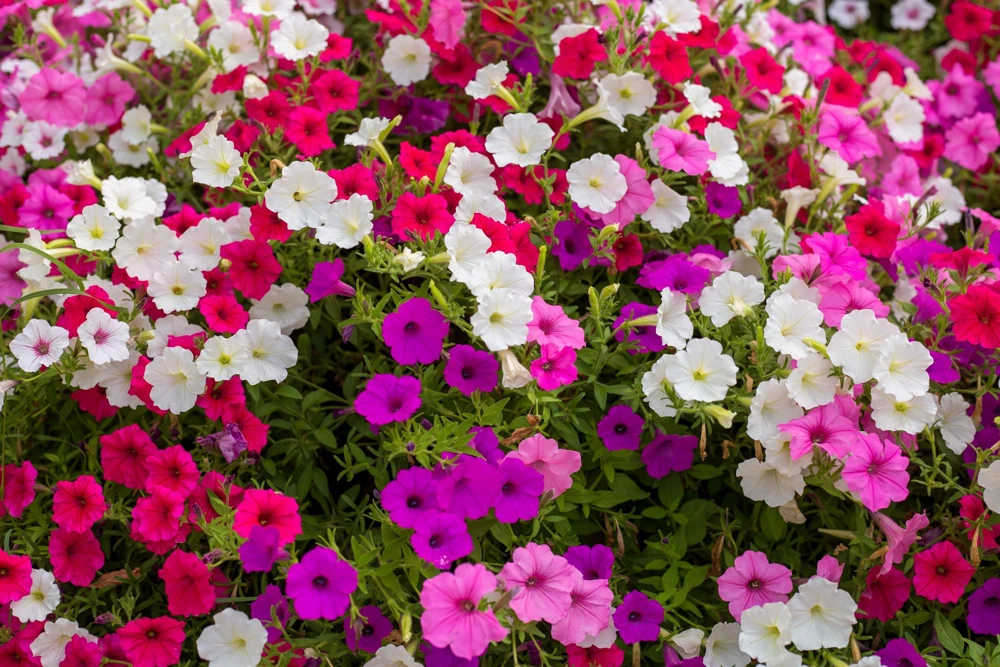
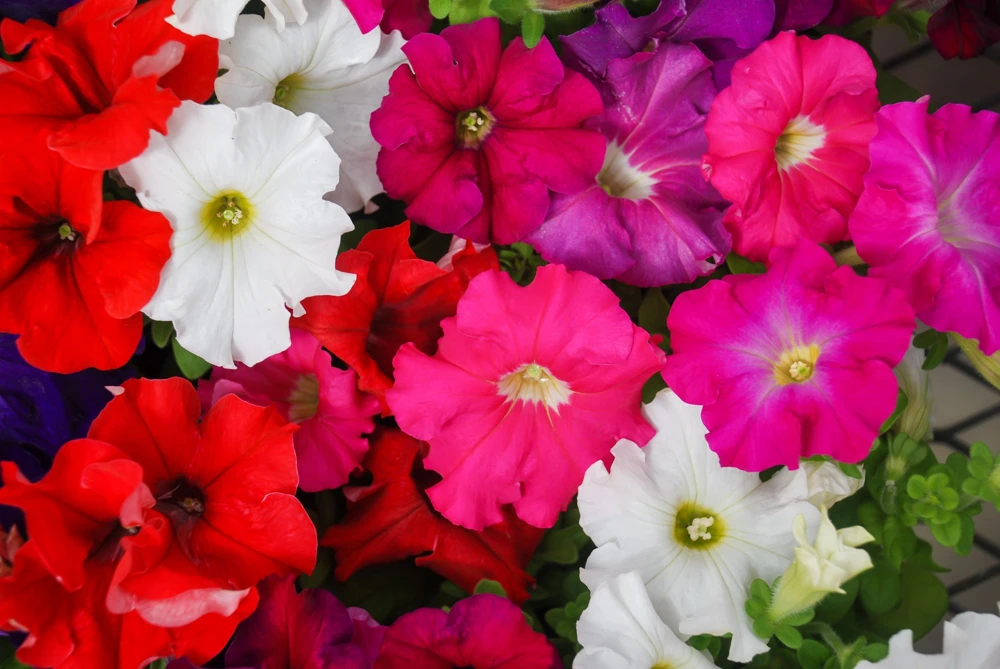
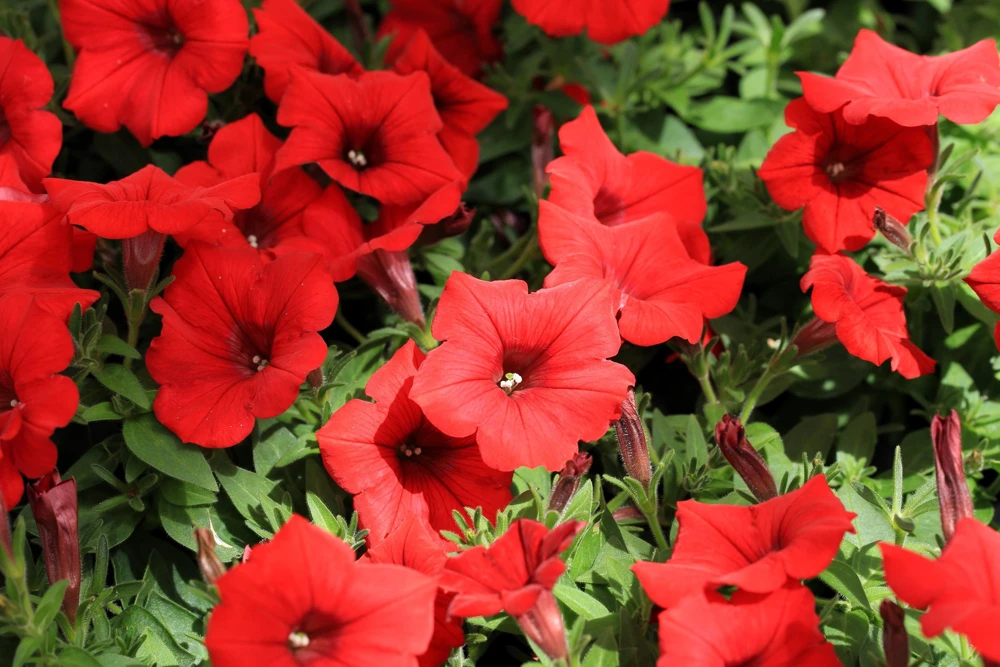
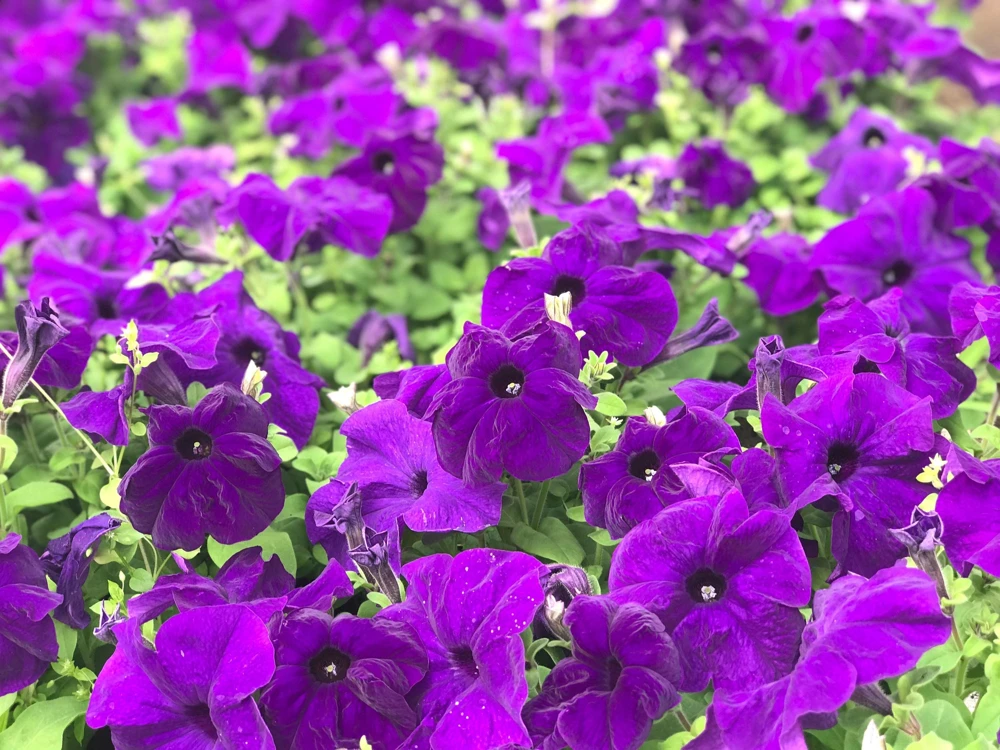
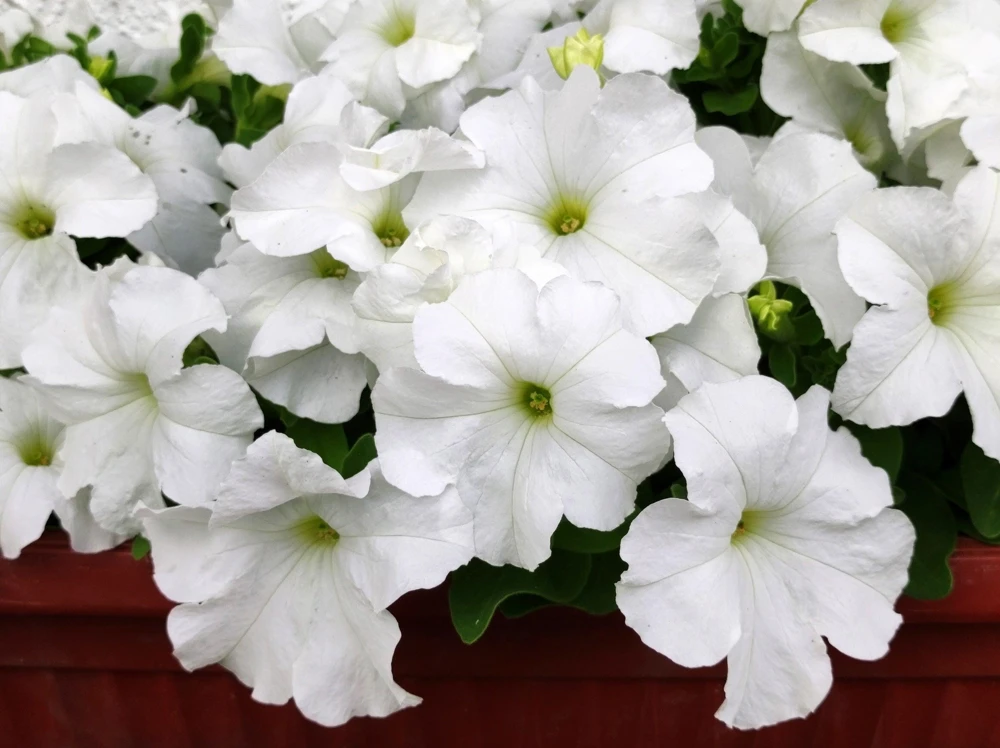
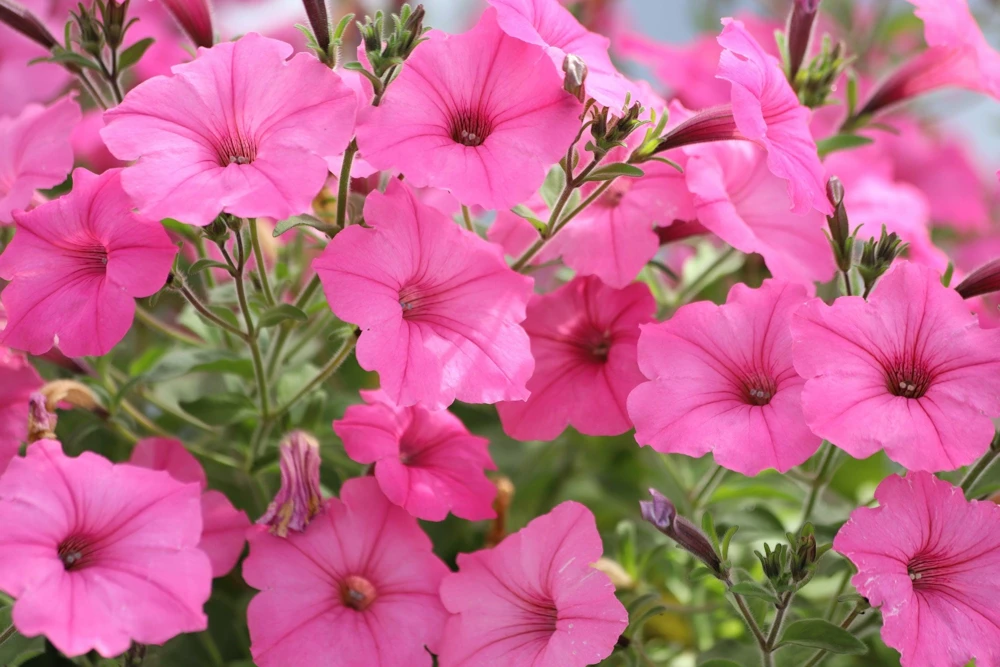
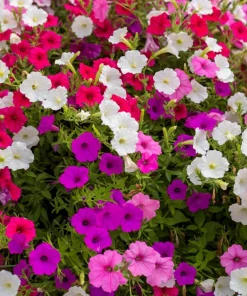
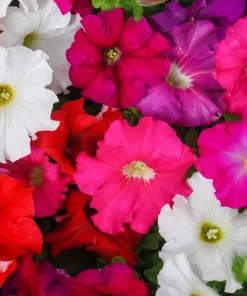
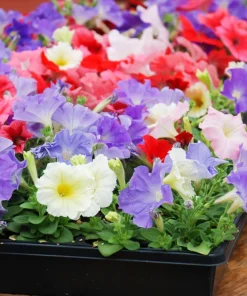
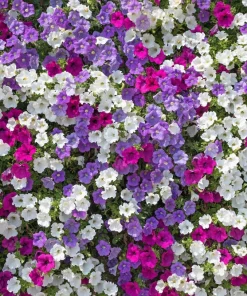
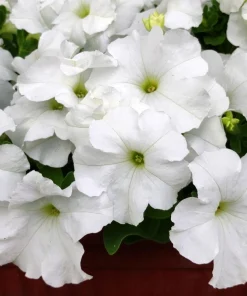
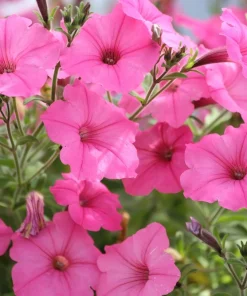
Dwarf Petunia Flower Seeds – 250 Mixed Colors Pink Red Purple White Bicolor
Original price was: $36.99.$16.99Current price is: $16.99.
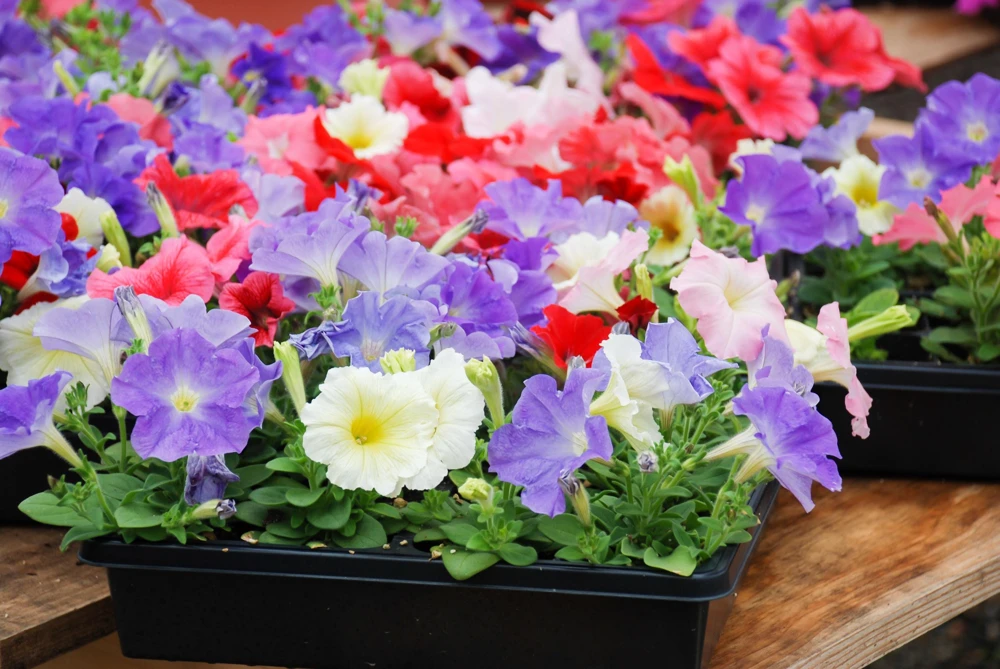
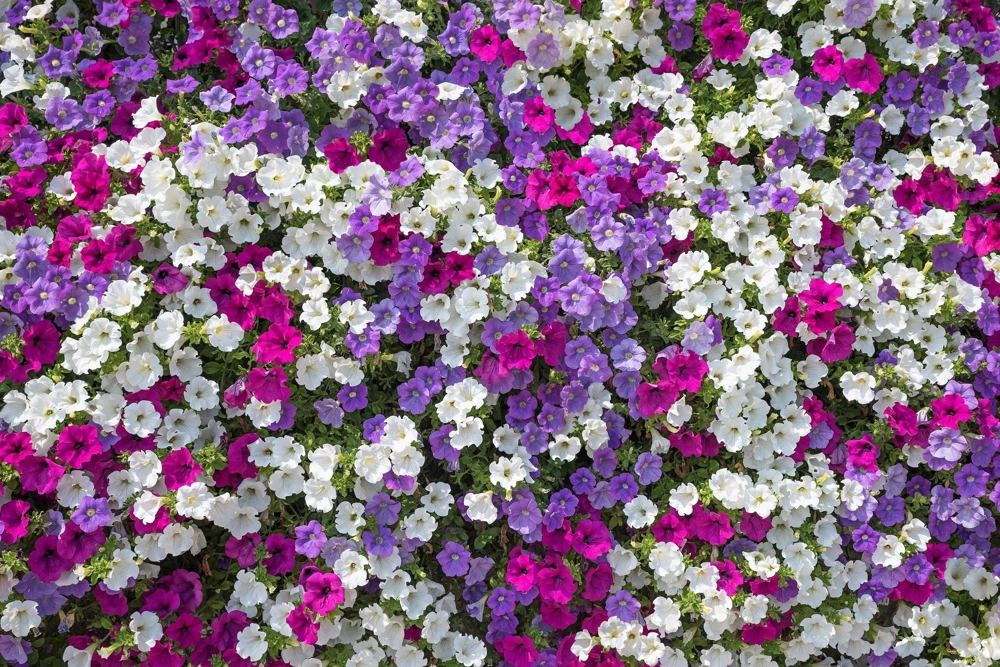
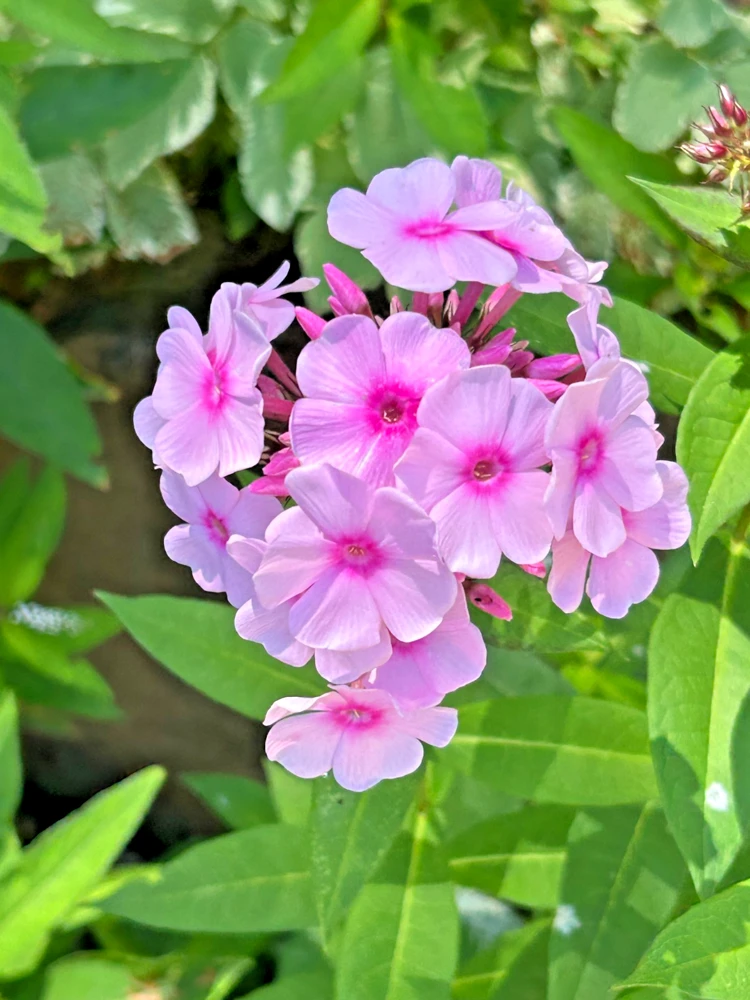
Cultivate a dazzling display with these dwarf petunia seeds, offering a vibrant mix of pink, red, purple, white, and bicolored blooms. Perfect for garden beds, borders, and containers, these easy-to-grow flowers will provide continuous color all summer long.
Estimated arrival
Sep 14
Sep 19 - Sep 21
Sep 24 - Sep 28
Shop With Confidence
30-Day Plant Health Guarantee
Arrives damaged? We’ll replace it free — see our return policy.
Responsive Support
Email us anytime, we reply within 1 business day.
Expert Packaging
Temperature-controlled shipping to protect your plants in transit.
Secure Checkout
Pay safely with Visa, Mastercard, PayPal.
Plant Specifications
-
USDA Hardiness Zone
N/A (grown as annuals) -
Soil Type
Average, well-draining soil -
Sunlight Exposure
Full sun -
Expected Planting Period
Spring, after last frost
Overview
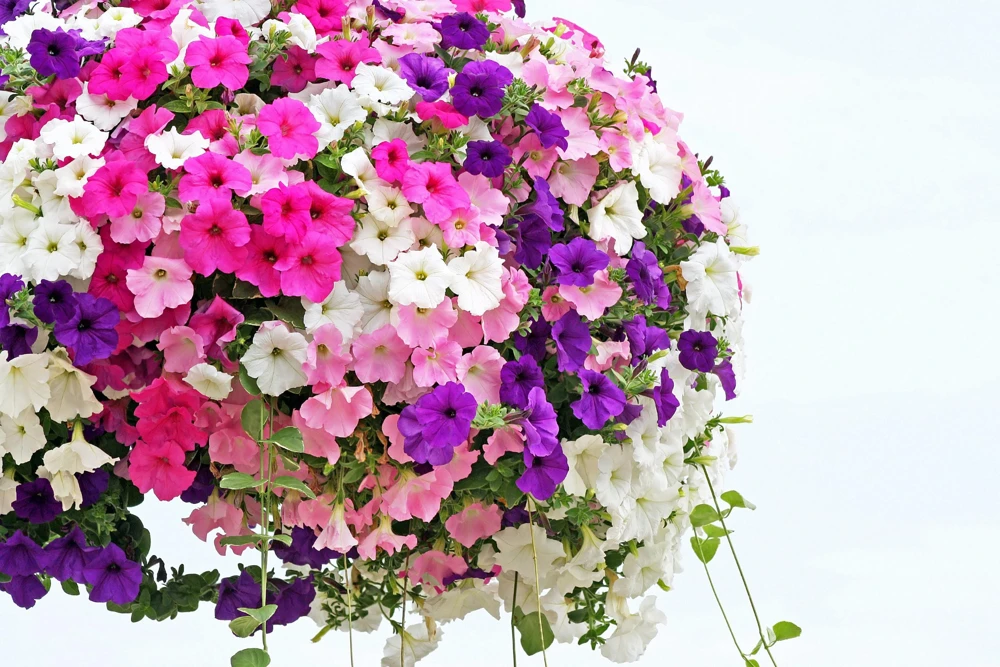
Transform your garden into a kaleidoscope of color with our premium dwarf petunia seeds. This generous pack contains 250 seeds, promising an abundance of beautiful blooms in a stunning array of mixed colors, including vibrant pinks, classic reds, rich purples, pure whites, and charming bicolored varieties. Petunias, scientifically known as Petunia x hybrida, are beloved annuals renowned for their prolific flowering and ease of care, making them a top choice for both novice and experienced gardeners. These dwarf varieties are specifically bred to grow compactly, reaching heights of 8-12 inches, making them ideal for edging, ground cover, hanging baskets, and container gardening. Enjoy a season-long spectacle of blossoms that will attract beneficial pollinators like bees, butterflies, and even hummingbirds to your outdoor space. Growing dwarf petunia seeds is a rewarding experience that yields continuous beauty from early summer until the first frost.
Our mixed petunia flower seeds offer an exceptional opportunity to create dynamic and eye-catching arrangements with minimal effort. Each seed carries the potential for a unique and beautiful flower, contributing to a diverse and harmonious color palette in your garden. These petunias are known for their robust growth and ability to thrive in various conditions, provided they receive adequate sunlight and water. Whether you’re planning a small balcony garden or a sprawling landscape, these seeds provide the foundation for a truly spectacular floral display. Embrace the joy of gardening and watch as these tiny seeds unfurl into magnificent, colorful blooms.
Key Benefits
These dwarf petunia seeds offer numerous advantages for any gardener looking to add vibrant color and charm to their outdoor spaces. Their compact growth habit and continuous blooming make them an excellent choice for a variety of landscaping and container applications.
- Continuous Summer Blooms: Enjoy a spectacular display of flowers from early summer all the way through to the first frost. These petunias are known for their non-stop flowering, ensuring your garden remains vibrant for months.
- Attracts Pollinators: The bright, inviting blooms are a magnet for bees, butterflies, and even hummingbirds, contributing to a healthy garden ecosystem and enhancing biodiversity.
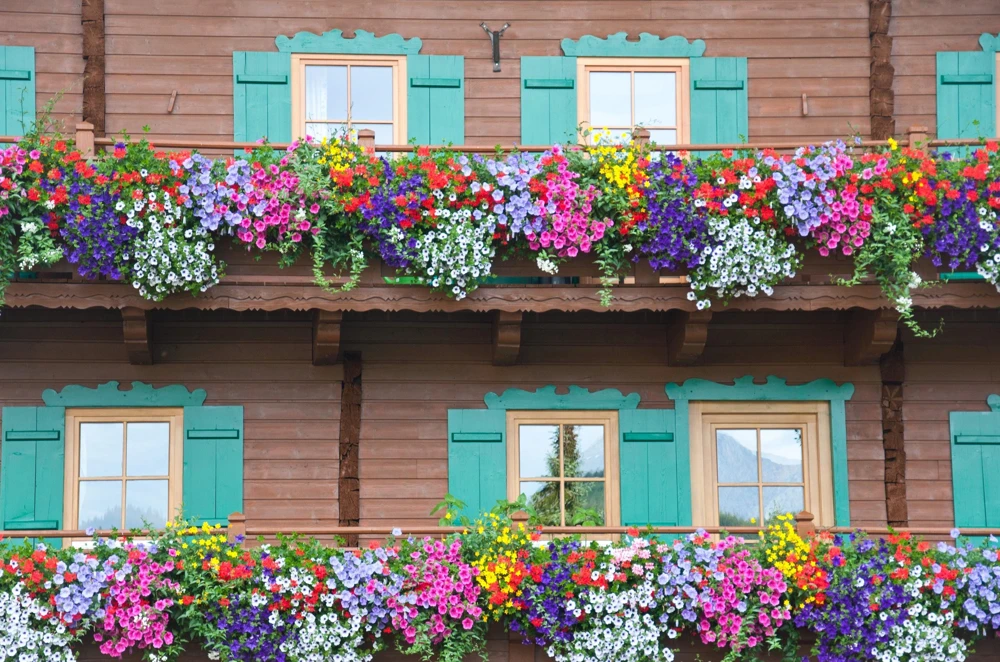
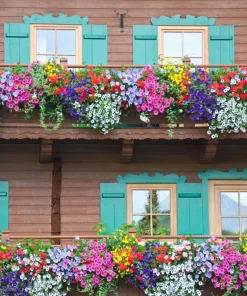
- Versatile Garden Use: Ideal for hanging baskets, window boxes, garden beds, borders, and containers due to their compact 8-12 inch height and spreading habit. They create a lush, colorful carpet wherever they are planted.
- Easy to Grow from Seed: Petunias are relatively straightforward to start from seed, making them accessible for gardeners of all skill levels. Follow simple instructions to successfully grow these beautiful flowers.
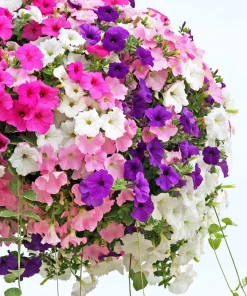
- Vibrant Mixed Colors: This mix provides a stunning array of colors including pink, red, purple, white, and unique bicolored blooms, offering endless possibilities for creative garden designs and a truly dynamic visual impact.
- Drought Tolerant Once Established: While they appreciate regular watering, established petunia plants exhibit good drought tolerance, making them a resilient choice for various climates.
- Low Maintenance: Once established, these dwarf petunia seeds grow into plants that require minimal fuss, primarily needing deadheading to encourage more blooms and occasional feeding for optimal performance.
Plant Care & Growing Tips
Growing dwarf petunia seeds successfully requires attention to a few key environmental factors to ensure robust growth and abundant flowering. Petunias thrive in full sun, meaning they need at least 6 hours of direct sunlight per day. In hotter climates, some afternoon shade can be beneficial to prevent wilting, but too little sun will result in leggy plants and fewer blooms. For optimal results, start your dwarf petunia seeds indoors 6-8 weeks before the last expected frost date. Sow seeds on the surface of a well-draining seed-starting mix, as they require light to germinate. Do not cover the seeds; instead, gently press them onto the soil surface. Keep the soil consistently moist using a fine mist sprayer and maintain a temperature of 70-75°F (21-24°C). Germination typically occurs within 7-14 days.
Once seedlings have developed a few true leaves, they can be transplanted into individual pots. Harden off the young plants over a week or two before transplanting them outdoors after all danger of frost has passed. Space your petunia plants 9-12 inches apart to allow for proper air circulation and growth. Petunias prefer average, well-draining soil. While they can tolerate a range of soil types, amending heavy clay soils with organic matter will improve drainage and fertility. Water regularly, especially during dry spells, ensuring the soil remains consistently moist but not waterlogged. Allow the top inch of soil to dry out between waterings. Fertilize petunias every 2-4 weeks with a balanced liquid fertilizer to support their continuous blooming. Deadheading spent flowers regularly will encourage the plant to produce more blooms and maintain a tidy appearance. Watch out for common pests like aphids and whiteflies; address any infestations promptly with an appropriate organic insecticide or horticultural soap. These tips will help you grow petunia from seed into spectacular, healthy plants.
Size & Details
This package contains 250 mixed petunia flower seeds, providing ample opportunity to cultivate a vibrant and extensive display. The dwarf petunia varieties typically grow to a compact height of 8-12 inches, with a similar spread, making them perfect for filling out containers, creating colorful borders, or acting as a vibrant ground cover. Each seed holds the potential for a beautiful flower in a mix of purple, red, pink, white, and bicolored blooms, ensuring a diverse and visually appealing garden. These plants are annuals, meaning they complete their life cycle within one growing season, providing a spectacular show of color from summer until the first hard frost. The bloom time is extensive, lasting all summer long with proper care and deadheading.
The seeds are suitable for planting outdoors after the last frost or can be started indoors several weeks prior for an earlier bloom. While petunias are generally grown as annuals, their ability to self-seed in favorable conditions can sometimes lead to volunteer plants in subsequent years. The quantity of 250 seeds ensures you have enough to experiment with different planting locations or to succession plant for an even longer blooming season. With their moderate growth rate, you can expect established plants to begin flowering within several weeks of outdoor planting, offering a quick reward for your gardening efforts.
Frequently Asked Questions
- Q: How big do these dwarf petunia plants get? A: These dwarf petunia plants typically reach a compact height of 8-12 inches and have a similar spread, making them ideal for containers, borders, and ground cover.
- Q: Is this an indoor or outdoor plant? A: Petunias are primarily grown as outdoor annuals. While you can start the dwarf petunia seeds indoors, the mature plants thrive in full sun outdoors during the warmer months.
- Q: How much sunlight do petunias need? A: Petunias require at least 6 hours of direct sunlight per day to produce the most abundant blooms. In very hot climates, some afternoon shade can be beneficial.
- Q: Is this plant easy to care for? A: Yes, petunias are considered relatively easy to care for, especially once established. They require regular watering, occasional feeding, and deadheading to encourage continuous blooms.
- Q: How long until these petunia seeds bloom? A: If started indoors, you can expect blooms approximately 8-12 weeks after sowing. When planted directly outdoors, they will typically start blooming several weeks after the last frost.
- Q: What condition will the seeds arrive in? A: You will receive 250 mixed petunia flower seeds in a protective packet, ready for planting.
- Q: Will these petunias attract pollinators? A: Absolutely! The vibrant and colorful blooms of these petunias are known to attract beneficial pollinators such as bees, butterflies, and hummingbirds to your garden.
- Q: When is the best time to plant dwarf petunia seeds? A: The best time to plant petunia seeds for sale is indoors 6-8 weeks before your last expected frost date, or directly outdoors after all danger of frost has passed in spring.
- Q: What kind of soil do petunias prefer? A: Petunias prefer average, well-draining soil. They can tolerate a variety of soil types, but good drainage is crucial to prevent root rot.
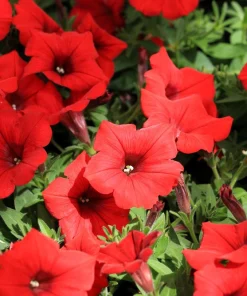
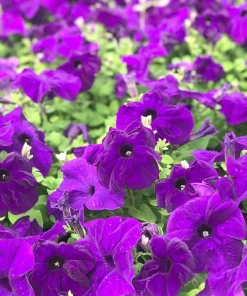
- Q: What colors are included in the mixed petunia flower seeds? A: This mix includes a beautiful assortment of colors such as pink, red, purple, white, and various bicolored blooms, providing a diverse and colorful display.
Be the first to review “Dwarf Petunia Flower Seeds – 250 Mixed Colors Pink Red Purple White Bicolor”
People Also Viewed
Vegetable Seeds
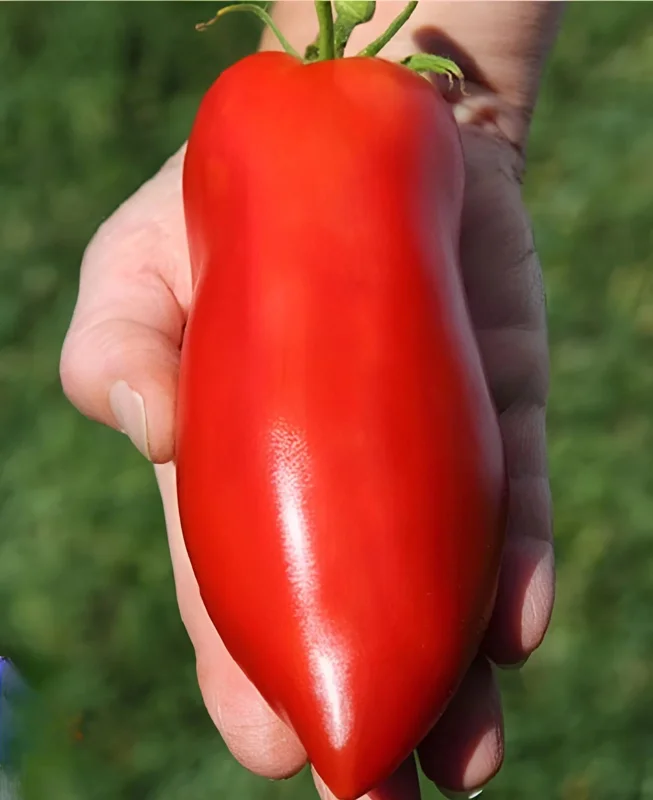
Heirloom Super Italian Paste Tomato Seeds – 100 Seeds – Large 6-10 oz Fruit – High Yield
Reviews
There are no reviews yet.