
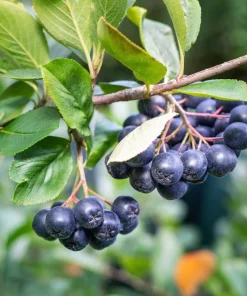
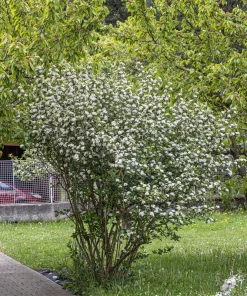
Black Chokeberry Seeds – Aronia Melanocarpa Shrub, White Flowers, 50 Seeds
Original price was: $36.99.$16.99Current price is: $16.99.
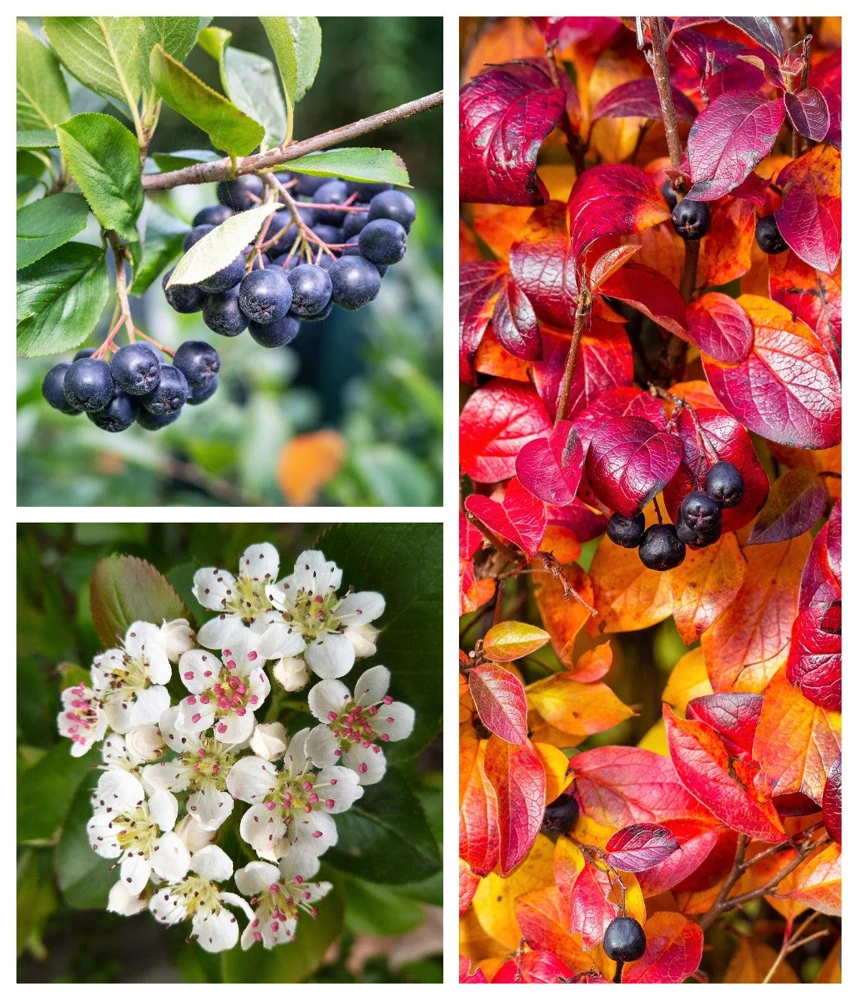
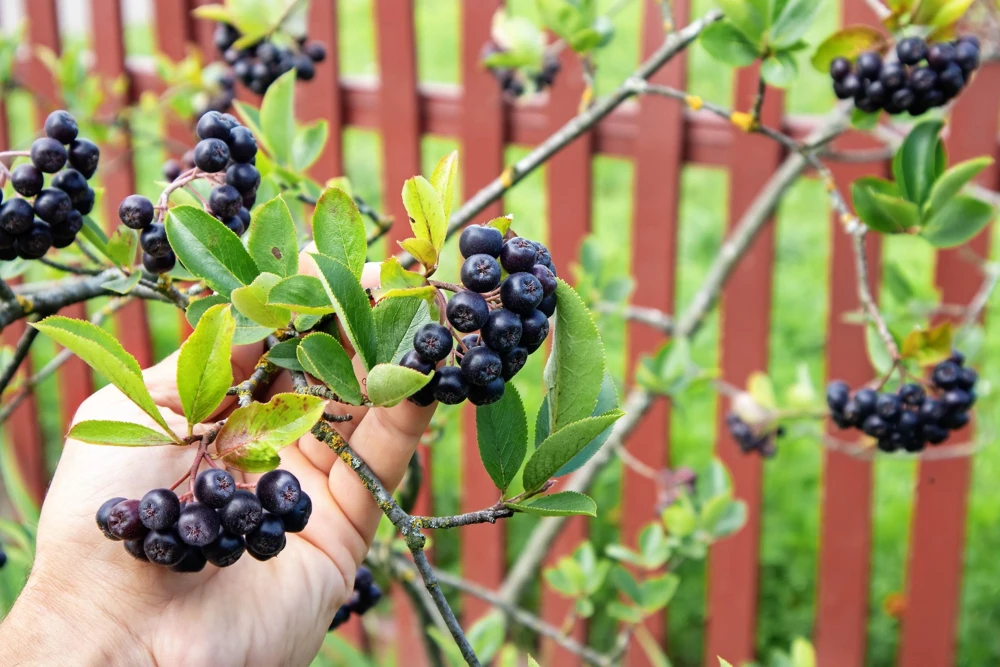
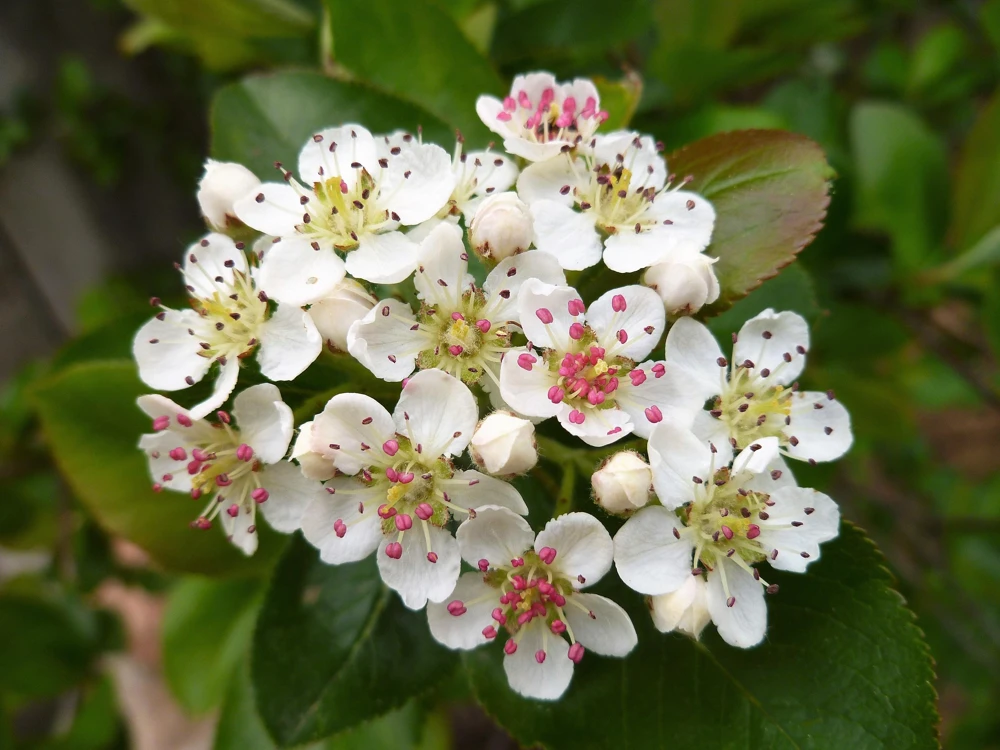
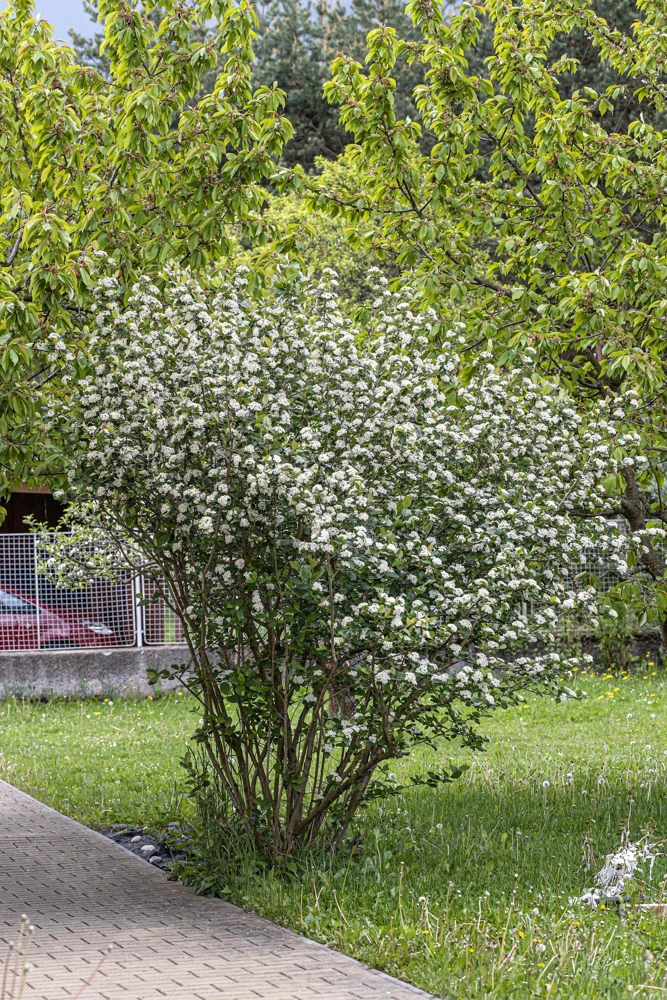
Discover the beauty and versatility of black chokeberry seeds. These aronia melanocarpa seeds grow into resilient shrubs featuring delicate white flowers in spring and abundant purplish-black berries in fall. Ideal for edible landscaping, wildlife gardens, and erosion control, this hardy shrub thrives in USDA Zones 3-8, offering year-round interest and benefits.
Estimated arrival
Sep 14
Sep 19 - Sep 21
Sep 24 - Sep 28
Shop With Confidence
30-Day Plant Health Guarantee
Arrives damaged? We’ll replace it free — see our return policy.
Responsive Support
Email us anytime, we reply within 1 business day.
Expert Packaging
Temperature-controlled shipping to protect your plants in transit.
Secure Checkout
Pay safely with Visa, Mastercard, PayPal.
Plant Specifications
-
USDA Hardiness Zone
3 - 8 -
Soil Type
Average - Moist, well-draining -
Sunlight Exposure
Full Sun - Partial Shade -
Expected Planting Period
Fall sow or cold stratify for Spring planting
Overview
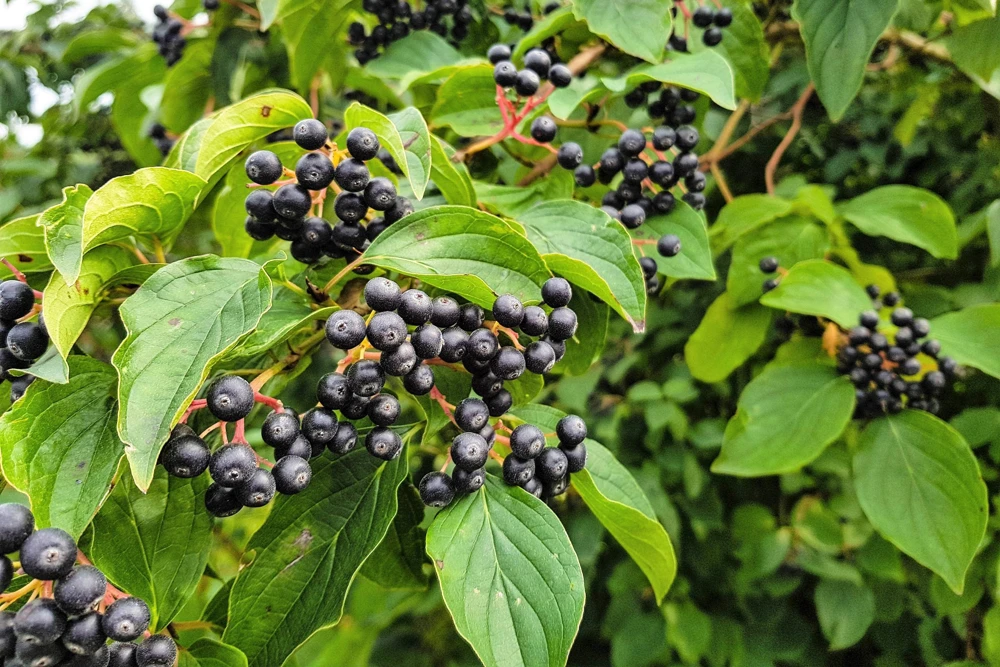
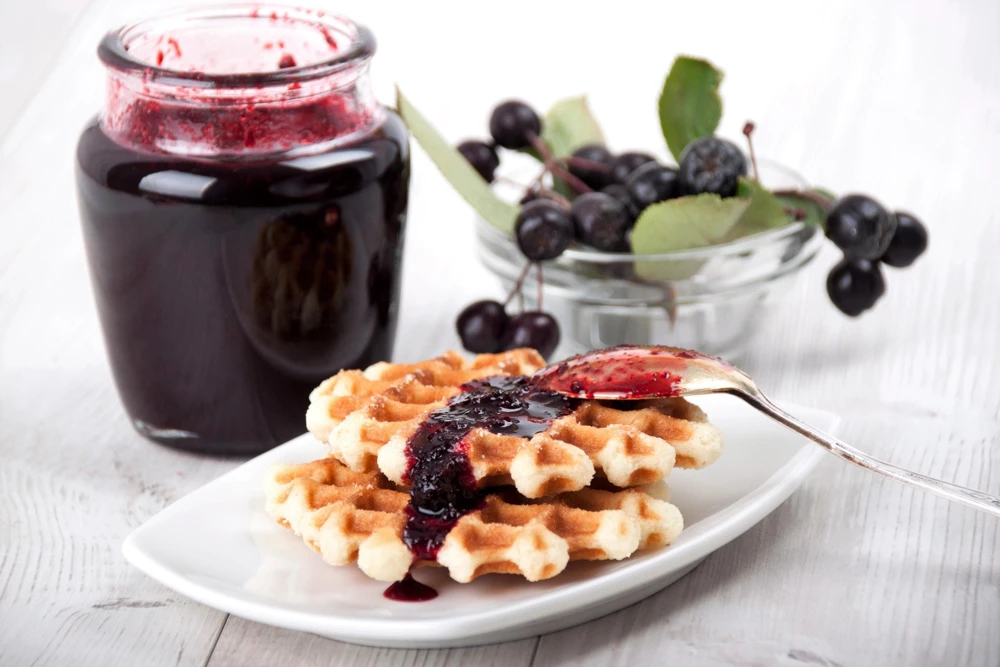
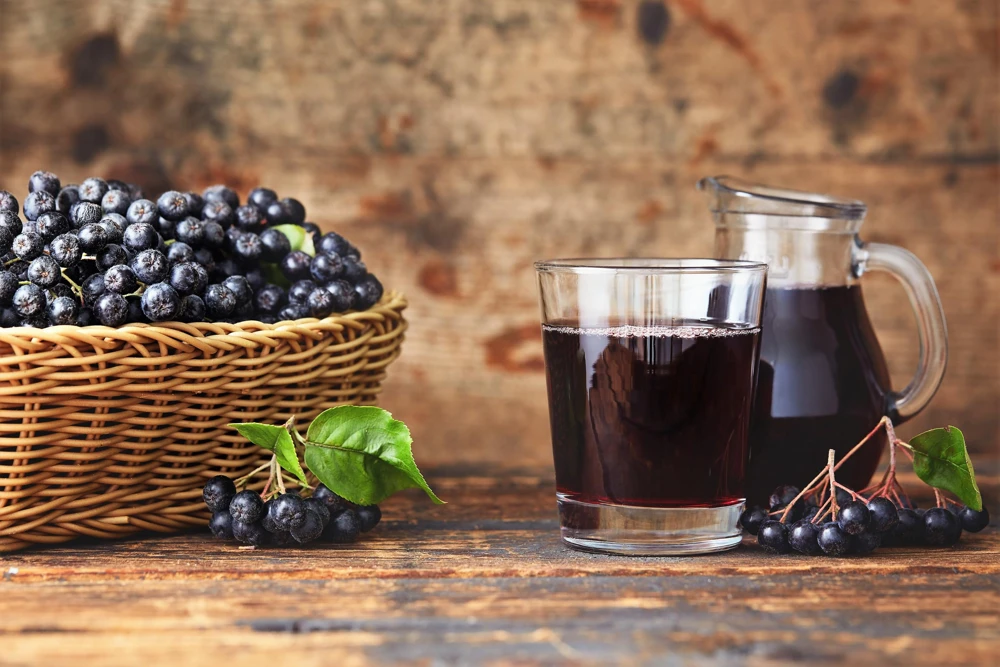
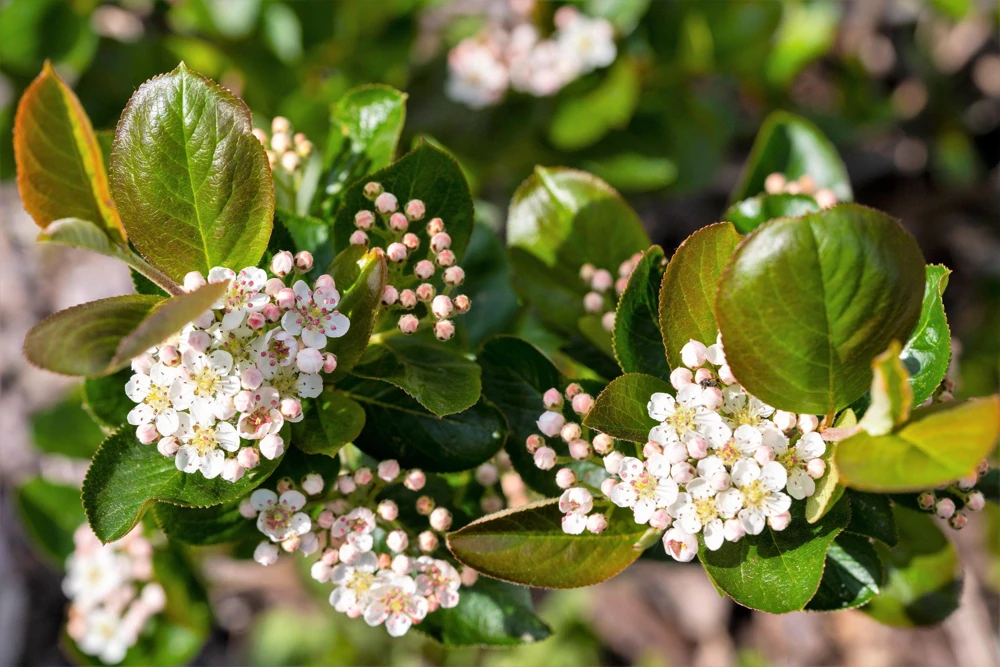
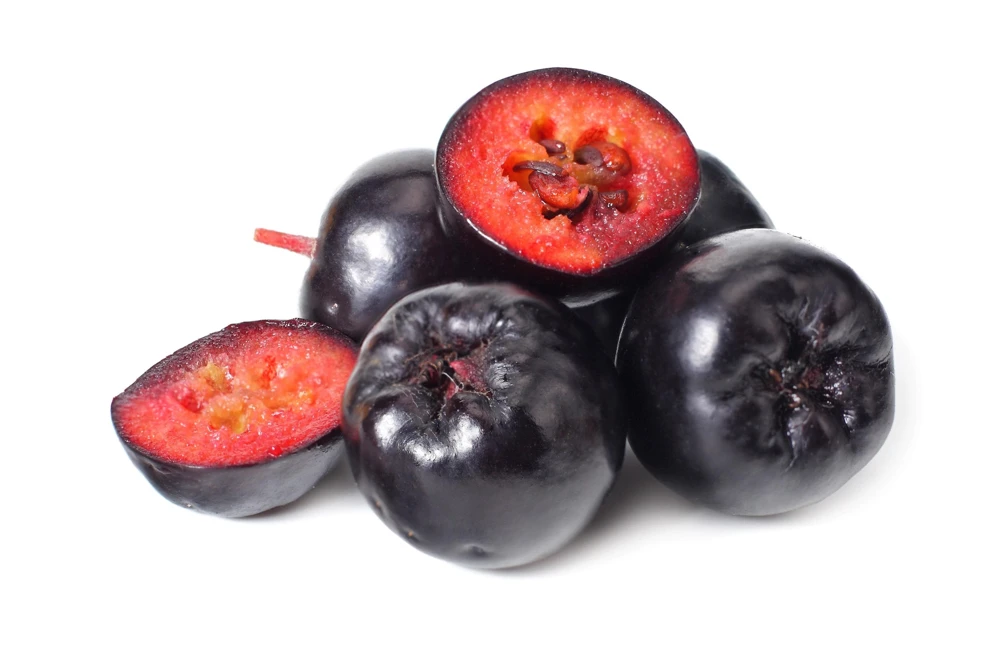
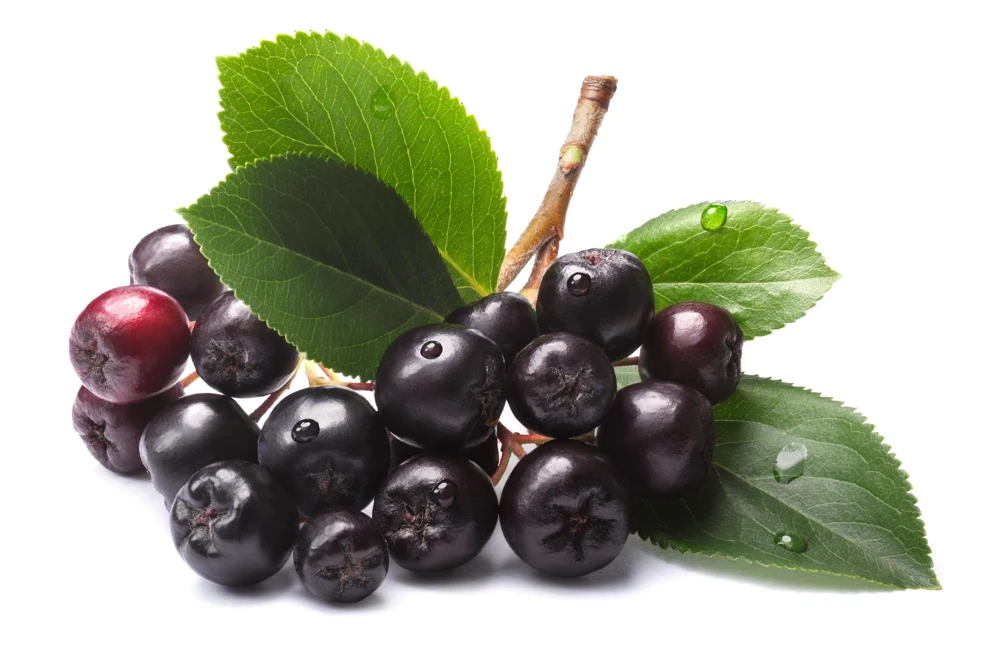
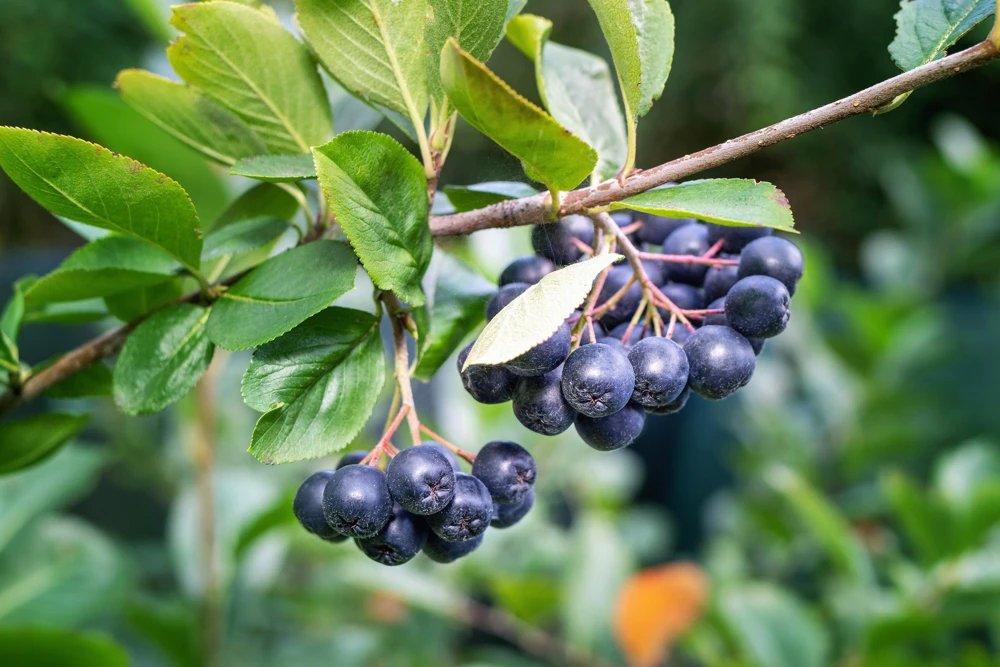
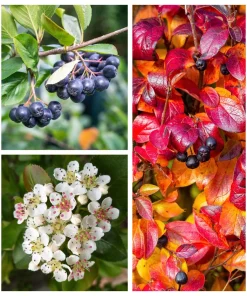
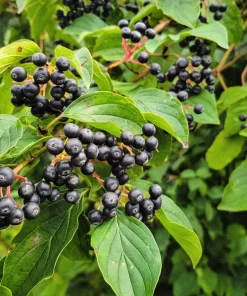
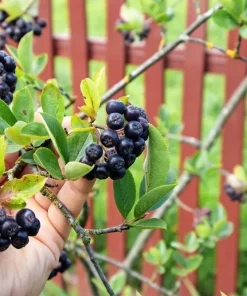
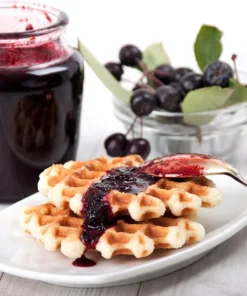
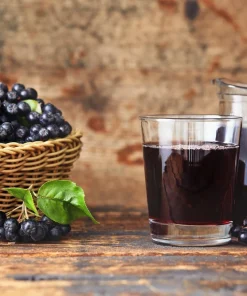
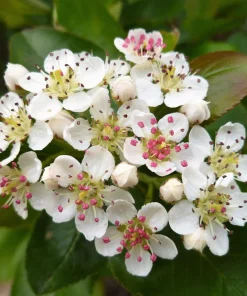
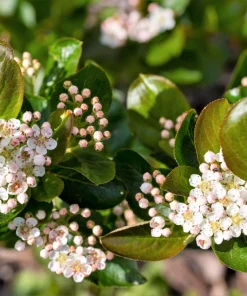
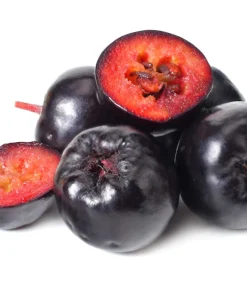
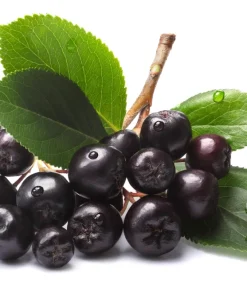
Embark on a rewarding gardening journey with black chokeberry seeds. The Aronia Melanocarpa, commonly known as the black chokeberry shrub seeds, is a North American native celebrated for its ornamental appeal and ecological benefits. These resilient shrubs produce exquisite white flowers in mid-spring, followed by clusters of attractive purplish-black berries that ripen from summer to fall. While the berries are known for their astringent taste when raw, they are highly prized for making delicious jams, jellies, and juices, earning them a place in edible landscapes. Growing black chokeberry from seed allows you to cultivate a robust and adaptable plant that offers both beauty and utility to your garden.
Aronia Melanocarpa is a fantastic choice for gardeners seeking low-maintenance, high-impact plants. Unlike its red counterpart, the black chokeberry has a more refined growth habit, making it a preferred option for structured garden designs. It’s incredibly versatile, thriving in a wide range of conditions from consistently moist to average and even tolerating dry spells once established. This makes it an excellent candidate for areas prone to occasional wetness or as a foundational shrub in diverse garden settings. These aronia melanocarpa seeds are your first step towards establishing a vibrant and productive part of your outdoor space, attracting pollinators and birds alike.
Key Benefits
Cultivating black chokeberry seeds offers a multitude of advantages for gardeners and nature enthusiasts. These shrubs are not only visually appealing but also contribute significantly to local ecosystems and provide a harvest of nutritious berries. Enhance your garden with these remarkable benefits:
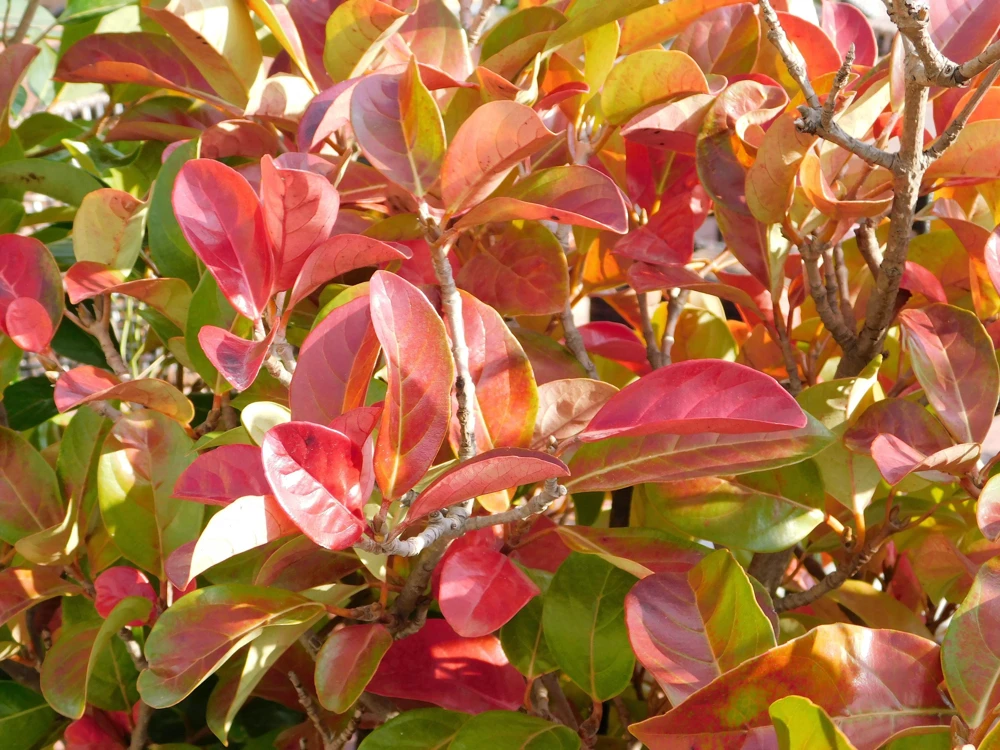
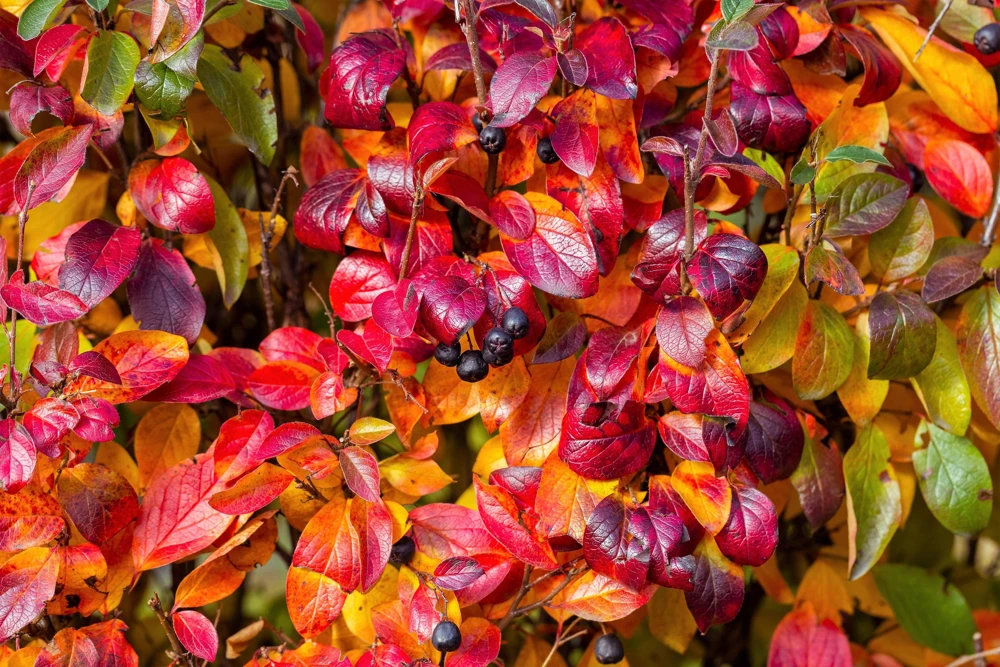
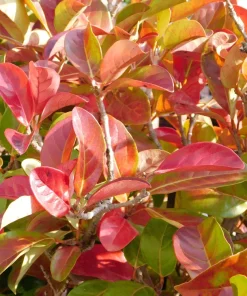
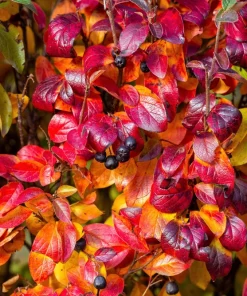
- Exceptional Ornamental Value: The black chokeberry shrub seeds mature into plants renowned for their showy clusters of white flowers in spring and glossy purplish-black berries in fall. The foliage also provides beautiful autumn color, adding multi-seasonal interest to your landscape.
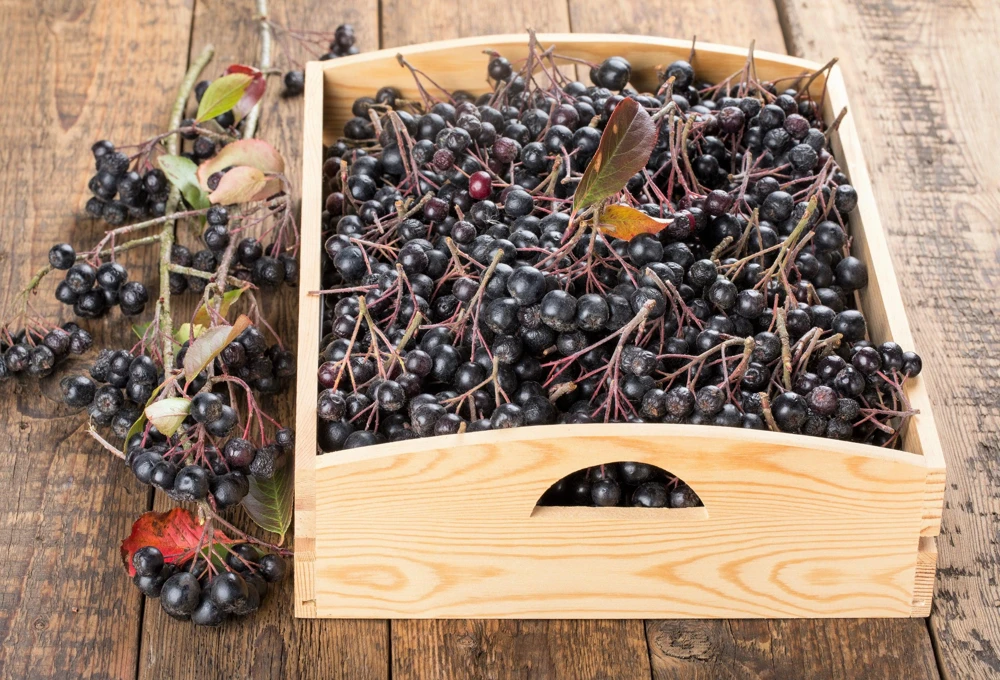
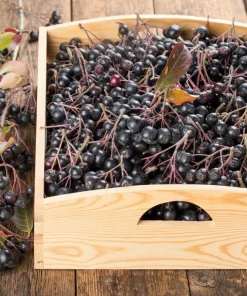
- Edible & Nutritious Berries: Although tart when fresh, the berries are packed with antioxidants and are perfect for processing into jams, jellies, pies, and juices. Growing chokeberry shrub seeds provides a healthy, homegrown food source.
- Wildlife Attraction: The berries serve as a valuable food source for various bird species and other wildlife, especially later in the season when other food sources become scarce. The flowers also attract pollinators, supporting local biodiversity.
- Adaptable & Hardy: Thriving in USDA Zones 3-8, Aronia Melanocarpa is incredibly resilient to a range of environmental conditions, including varying soil moisture levels and light exposures. This makes it a robust choice for many climates.
- Low Maintenance: Once established, black chokeberry seeds grow into shrubs that require minimal care, making them ideal for busy gardeners or those seeking an easy-to-manage landscape plant.
- Erosion Control: Their fibrous root systems make black chokeberry plants excellent for stabilizing soil on slopes or in areas prone to erosion.
- Versatile Landscaping: Suitable for hedges, mass plantings, rain gardens, or as specimen plants, the aronia melanocarpa seeds offer flexibility in garden design.
Plant Care & Growing Tips
Successfully growing black chokeberry seeds requires understanding their basic needs, though they are quite forgiving once established. For optimal germination, black chokeberry seeds benefit from a period of cold stratification. This mimics natural winter conditions, breaking dormancy and encouraging sprouting. You can achieve this by placing the seeds in a moist medium (like peat moss or sand) in a sealed bag in your refrigerator for 60-90 days, or by fall sowing them directly outdoors. Once germinated, plant seedlings in a location that receives full sun to partial shade. While they can tolerate some shade, more sun generally leads to better flowering and fruiting.
Regarding soil, black chokeberry plants are highly adaptable. They prefer average to moist soil conditions but are remarkably tolerant of both wet and dry soils once established. Well-draining soil is always beneficial, but these shrubs can even thrive in areas that stay consistently wet, making them excellent candidates for rain gardens or low-lying spots. Water regularly during the first growing season to help establish a strong root system. After establishment, they are quite drought-tolerant. Fertilization is generally not heavily required; a light application of a balanced, slow-release fertilizer in early spring can promote vigorous growth. Pruning is minimal, primarily for shaping or removing dead/damaged branches. These hardy shrubs are generally pest and disease resistant, making them a low-effort addition to your garden. If you’re looking to grow chokeberry from seed, patience and proper stratification are key.
Size & Details
This offering includes 50 seeds of Aronia Melanocarpa, commonly known as black chokeberry. These seeds will grow into mature shrubs typically reaching a height of 4 to 8 feet and a similar spread of 4 to 8 feet, creating a dense and attractive presence in your landscape. The plant’s growth rate is moderate, allowing for gradual establishment and development. The seeds should be fall-sown or cold-stratified for best germination results. Expect white flowers to bloom in mid-spring, usually May, followed by purplish-black berries that mature from summer into fall. The berries measure approximately 2 to 2 1/2 inches in diameter. These shrubs are hardy in USDA Zones 3-8, making them suitable for a wide range of climates. When you buy chokeberry seeds, you are investing in a long-lasting and beneficial plant for your garden.
Frequently Asked Questions
- Q: How many seeds are included in this packet? A: This packet contains 50 black chokeberry seeds, providing ample opportunity to grow multiple shrubs for your garden or landscape project.
- Q: Is this an indoor or outdoor plant? A: The black chokeberry (Aronia Melanocarpa) is an outdoor deciduous shrub. It is not suitable for indoor cultivation and requires outdoor conditions to thrive and produce flowers and berries.
- Q: How much sunlight does the black chokeberry need? A: These shrubs perform best in full sun to partial shade. More sunlight generally leads to a denser plant with more abundant flowers and berries.
- Q: Is it easy to grow chokeberry from seed? A: Growing chokeberry from seed is relatively straightforward, but it requires cold stratification to break dormancy. Once this step is completed, the seeds germinate readily, and the plants are quite low-maintenance.
- Q: What condition will the seeds arrive in? A: The aronia melanocarpa seeds will arrive as dry, dormant seeds, ready for stratification or direct fall sowing according to your climate and preferences.
- Q: When is the best time to plant black chokeberry seeds? A: The best time to plant black chokeberry seeds is in the fall, allowing them to naturally cold stratify over winter. Alternatively, you can artificially cold stratify them and plant in early spring.
- Q: Will black chokeberry survive winter in my zone? A: Black chokeberry is highly cold-hardy, thriving in USDA Hardiness Zones 3 through 8. It is well-adapted to survive cold winters within this range.
- Q: Can I eat the berries from the black chokeberry? A: Yes, the berries are edible, though they are very astringent when raw, which is why they are called “chokeberry.” They are excellent for making jams, jellies, juices, and other cooked preparations.
- Q: What kind of soil does black chokeberry prefer? A: Black chokeberry is adaptable to various soil types, preferring average to moist, well-draining soil. It can tolerate both wetter and drier conditions once established.
- Q: How tall do black chokeberry shrubs get? A: Mature black chokeberry shrubs typically reach a height of 4 to 8 feet and can spread similarly wide, making them a medium-sized shrub for most landscapes.
Be the first to review “Black Chokeberry Seeds – Aronia Melanocarpa Shrub, White Flowers, 50 Seeds”
People Also Viewed
Houseplants
Reviews
There are no reviews yet.