

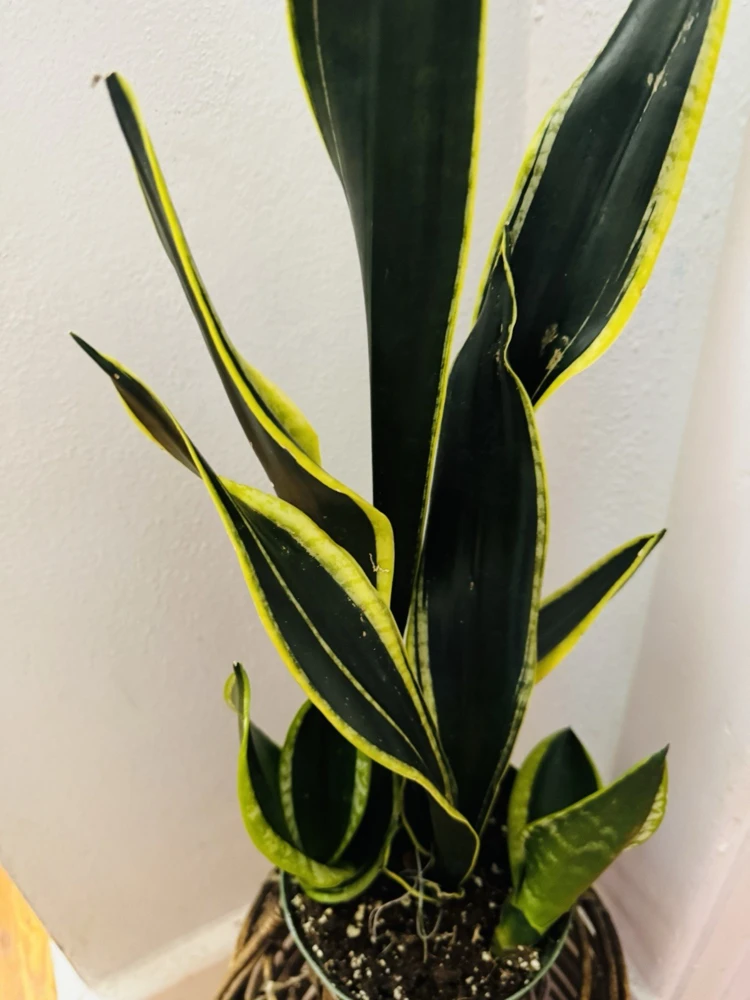
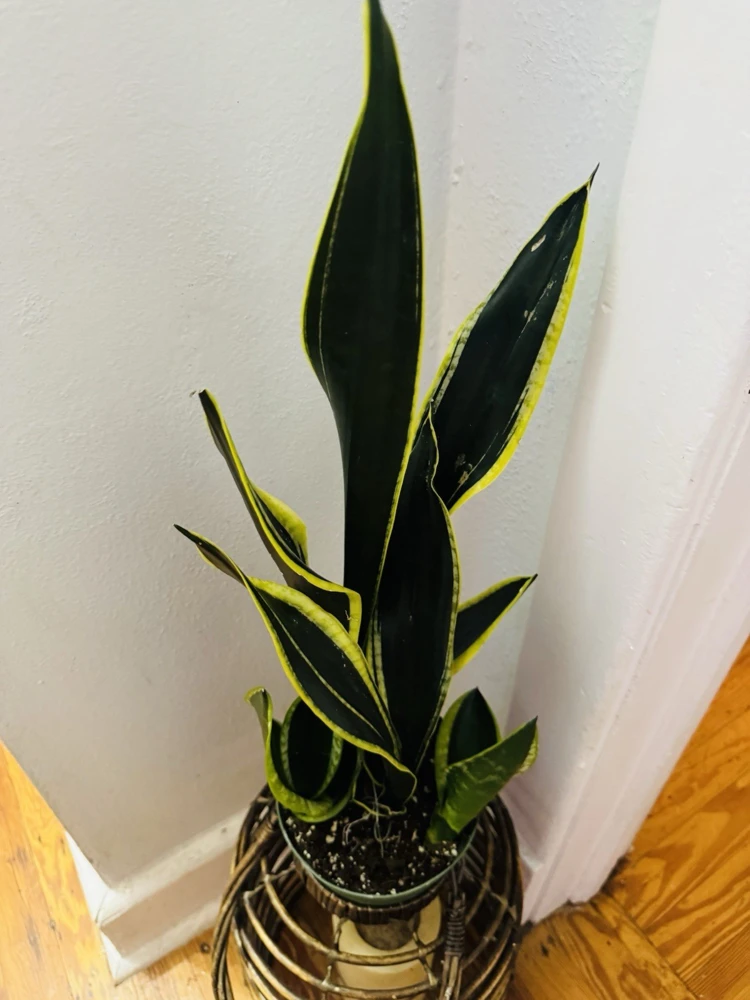
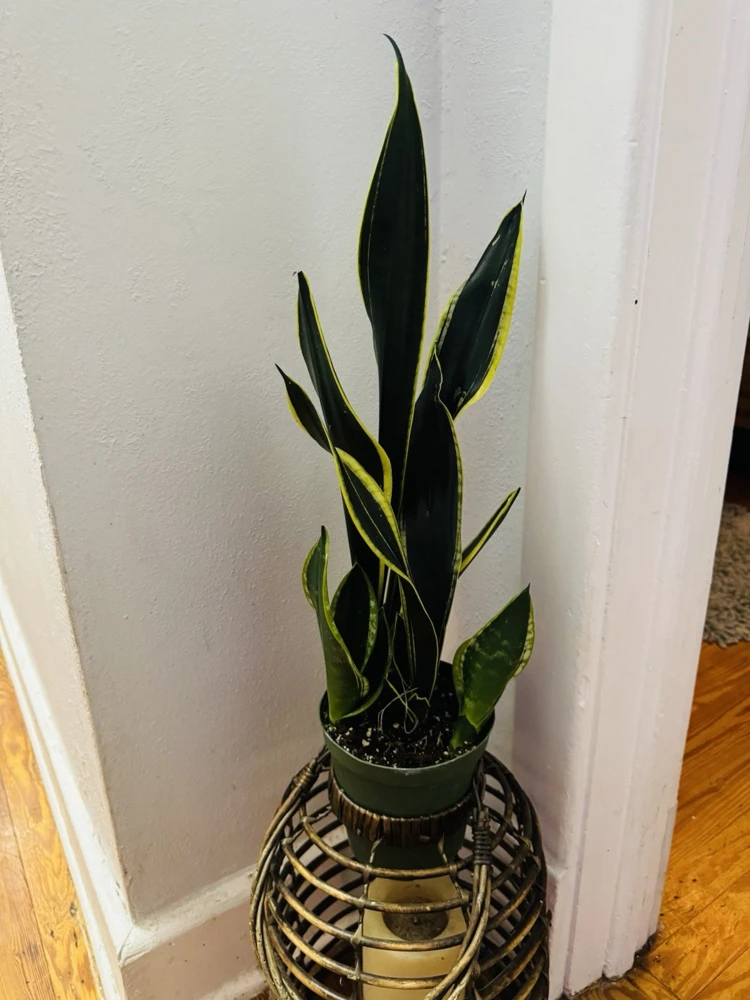
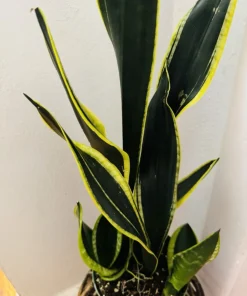
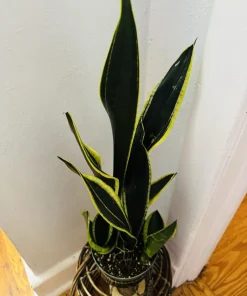
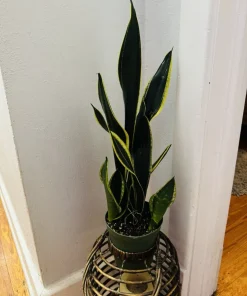
Black Snake Plant Live Plant – Elegant Indoor Houseplant
Original price was: $64.99.$44.99Current price is: $44.99.
Elevate your indoor decor with the striking black snake plant. This beautiful and resilient houseplant is known for its deep, dark foliage and exceptional air-purifying abilities. Perfect for beginners and busy plant parents, it thrives with minimal care, making it an ideal easy care houseplant for any home or office environment.
Estimated arrival
Oct 27
Nov 01 - Nov 03
Nov 06 - Nov 10
Shop With Confidence
30-Day Plant Health Guarantee
Arrives damaged? We’ll replace it free — see our return policy.
Responsive Support
Email us anytime, we reply within 1 business day.
Expert Packaging
Temperature-controlled shipping to protect your plants in transit.
Secure Checkout
Pay safely with Visa, Mastercard, PayPal.
Plant Specifications
-
USDA Hardiness Zone
USDA zones 9-11 (outdoors), year-round indoors -
Soil Type
Well-draining potting mix, cactus/succulent blend -
Sunlight Exposure
Bright indirect light to low light -
Expected Planting Period
Year-round indoors
Overview
Introduce a touch of sophisticated greenery into your living space with the stunning black snake plant. Also known as Sansevieria trifasciata ‘Black Coral’ or ‘Black Gold’, this distinctive cultivar of the popular snake plant family stands out with its exceptionally dark, almost black-green leaves, often edged with a subtle, contrasting band. As a live plant, it is not only an aesthetic marvel but also a powerhouse of air purification, making it a highly sought-after addition to any indoor plant collection. The black snake plant is renowned for its architectural form, upright growth, and robust nature, requiring very little fuss to flourish.
Originating from West Africa, snake plants have long been cherished for their resilience and adaptability. The ‘Black Coral’ variety inherits these hardy traits while offering a unique color palette that complements modern and minimalist interiors beautifully. Whether you’re a seasoned plant enthusiast or just starting your green journey, this plant offers a rewarding and low-stress ownership experience. Its ability to thrive in various light conditions and tolerate periods of neglect makes it a truly forgiving plant.
Key Benefits
The black snake plant offers a multitude of benefits, extending beyond its striking appearance, making it a top choice for indoor environments. Its robust nature and air-purifying capabilities contribute to a healthier and more visually appealing space.
- Exceptional Air Purification: NASA studies have shown that snake plants effectively remove toxins like formaldehyde, benzene, xylene, and trichloroethylene from the air, significantly improving indoor air quality. This makes the black snake plant a natural air filter for your home or office.
- Low Maintenance & Drought Tolerant: This plant is incredibly forgiving, thriving on neglect rather than constant attention. It requires infrequent watering and can withstand dry conditions, making it an ideal choice for busy individuals or those new to plant care.
- Striking Aesthetic Appeal: With its deep, dark green to almost black leaves, often with subtle banding, the ‘Black Coral’ variety adds a dramatic and elegant touch to any decor. Its upright, sword-like foliage provides a strong architectural element.
- Adaptable to Various Light Conditions: While it prefers bright, indirect light, the black snake plant can tolerate low light conditions, making it versatile for placement in almost any room, even those with limited natural light.
- Improves Humidity: Like many houseplants, it releases moisture into the air through transpiration, which can slightly increase humidity levels in dry indoor environments, benefiting both people and other plants.
- Resilient and Long-Lived: Known for its hardiness, this plant is resistant to most common pests and diseases. With proper, albeit minimal, care, a snake plant can live for many years, becoming a lasting feature in your home.
- Enhances Well-being: Having plants indoors has been shown to reduce stress, boost mood, and increase focus and productivity. The calming presence of an indoor snake plant can contribute to a more peaceful and pleasant atmosphere.
Plant Care & Growing Tips
Caring for your black snake plant is remarkably straightforward, making it an excellent choice even for those without a green thumb. Understanding its basic needs will ensure it thrives and continues to enhance your indoor space. One of the most important aspects of snake plant care is managing its watering schedule.
For sunlight requirements, the black snake plant is highly adaptable. It will thrive in bright, indirect light, which encourages more vibrant growth and color. However, it can also tolerate low light conditions, making it suitable for less illuminated rooms. Direct, harsh sunlight should be avoided as it can scorch the leaves. When it comes to watering, less is often more. Allow the soil to dry out completely between waterings. Overwatering is the most common cause of problems for snake plants, leading to root rot. During winter months, reduce watering frequency even further. The ideal soil type is a well-draining potting mix. A cactus or succulent mix is often perfect, or you can amend regular potting soil with perlite or coarse sand to improve drainage. Good drainage is crucial to prevent waterlogging.
Temperature-wise, these plants prefer consistent warm temperatures, ideally between 65-80°F (18-27°C). They are not frost-tolerant, so protect them from cold drafts and keep them away from open windows during winter. The USDA hardiness zone for outdoor planting is typically 9-11, but as an indoor snake plant, it will flourish in controlled indoor environments year-round. Fertilize sparingly, if at all. A balanced liquid fertilizer diluted to half strength can be applied once during the spring or summer growing season, but it is not strictly necessary for healthy growth. Common problems include yellowing leaves from overwatering or brown tips from underwatering or low humidity. Pests are rare, but mealybugs or spider mites can occasionally appear; treat with neem oil or insecticidal soap if needed. Providing proper snake plant care ensures a robust and beautiful plant.
Size & Details
The black snake plant typically grows upright, forming a cluster of sword-like leaves that emerge from a central rosette. Mature plants can reach heights of 2 to 4 feet, with individual leaves growing 1 to 2 feet long and several inches wide. The growth rate is moderate, with new leaves appearing throughout the growing season under optimal conditions. This plant is typically shipped as a well-rooted live plant, often in a nursery pot, ready for you to place in your decorative container. While exact dimensions vary by individual plant, you can expect a healthy, established specimen that will continue to grow and develop its striking dark foliage.
When selecting a pot, ensure it has drainage holes to prevent water accumulation. A pot that is slightly wider than the plant’s root ball is usually sufficient, as snake plants prefer to be somewhat root-bound. Expected time to maturity depends on growing conditions, but these plants are long-lived and will continue to grow and produce new offsets (pups) over many years, allowing you to propagate and expand your collection. The unique dark coloration of this variety makes it a standout choice for any plant enthusiast.
Frequently Asked Questions
- Q: How big does this plant get? A: A mature black snake plant can typically reach heights of 2 to 4 feet, with its sword-like leaves growing 1 to 2 feet long. Its size makes it an impressive focal point in any room.
- Q: What size pot does it come in? A: The plant usually ships in a standard nursery pot, ready for transplanting into your preferred decorative container. The exact pot size will vary, but it will be appropriate for the plant’s current growth stage.
- Q: Is this an indoor or outdoor plant? A: While it can be grown outdoors in USDA zones 9-11, the black snake plant is primarily cultivated as an indoor houseplant in most climates due to its sensitivity to cold. It thrives in typical indoor temperatures.
- Q: How much sunlight does it need? A: This plant prefers bright, indirect light but is highly tolerant of low light conditions. Avoid direct sunlight, which can scorch its dark leaves.
- Q: Is this plant easy to care for? A: Yes, the black snake plant is considered one of the easiest houseplants to care for, making it perfect for beginners and those who appreciate low-maintenance greenery. Its resilience is a key aspect of snake plant care.
- Q: Is it good for beginners? A: Absolutely! Its tolerance for varied light and infrequent watering makes it an ideal choice for new plant owners looking for an easy care houseplant.
- Q: What condition will it arrive in? A: Your live plant will arrive carefully packaged, healthy, and well-rooted, ready to be introduced to its new home. We take great care to ensure safe transit.
- Q: Is it shipped in soil? A: Yes, live plants are typically shipped in their nursery pots with appropriate soil to maintain their health during transit.
- Q: Is the black snake plant pet-safe? A: No, snake plants are considered mildly toxic if ingested by pets. It’s best to keep them out of reach of curious animals.
- Q: What’s the best way to water my black snake plant? A: Allow the soil to dry out completely between waterings. When you do water, water thoroughly until it drains from the bottom, then discard any excess water.
Be the first to review “Black Snake Plant Live Plant – Elegant Indoor Houseplant”
People Also Viewed
Vegetable Seeds
Black Spanish Round Radish Seeds – 250 Heirloom Winter Radishes for Crisp, Spicy Flavor
Reviews
There are no reviews yet.