
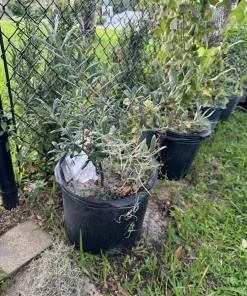
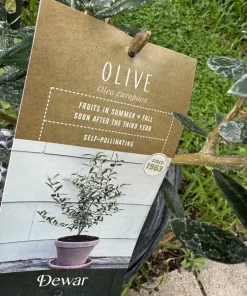
Olive Tree Live Plant – Mediterranean Olive Tree for Indoor/Outdoor
Original price was: $81.99.$61.99Current price is: $61.99.
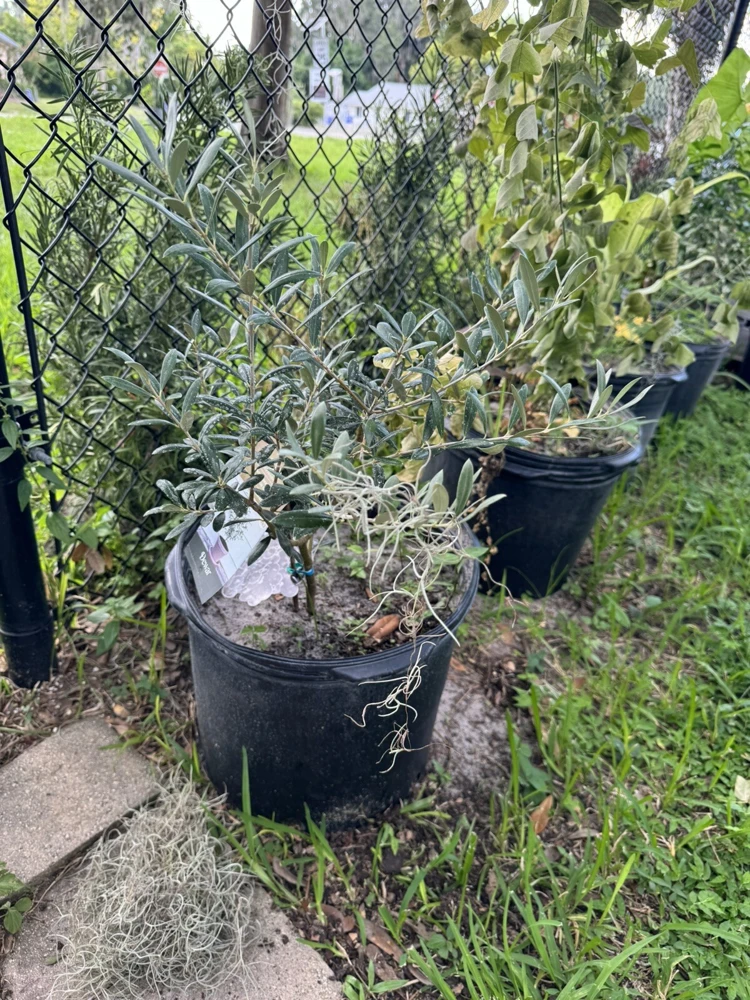
Cultivate a piece of the Mediterranean with this elegant olive tree live plant. Known for its silvery-green foliage and classic appeal, this resilient tree thrives both indoors and outdoors, making it a versatile choice for any gardener. Perfect for adding a touch of rustic beauty and potential fruit production to your space.
Estimated arrival
Oct 28
Nov 02 - Nov 04
Nov 07 - Nov 11
Shop With Confidence
30-Day Plant Health Guarantee
Arrives damaged? We’ll replace it free — see our return policy.
Responsive Support
Email us anytime, we reply within 1 business day.
Expert Packaging
Temperature-controlled shipping to protect your plants in transit.
Secure Checkout
Pay safely with Visa, Mastercard, PayPal.
Plant Specifications
-
USDA Hardiness Zone
USDA zones 8-10 (outdoor), adaptable indoors -
Soil Type
Well-draining sandy loam or potting mix -
Sunlight Exposure
Full sun (6-8+ hours direct light) -
Expected Planting Period
Year-round indoors, spring for outdoor planting
Overview
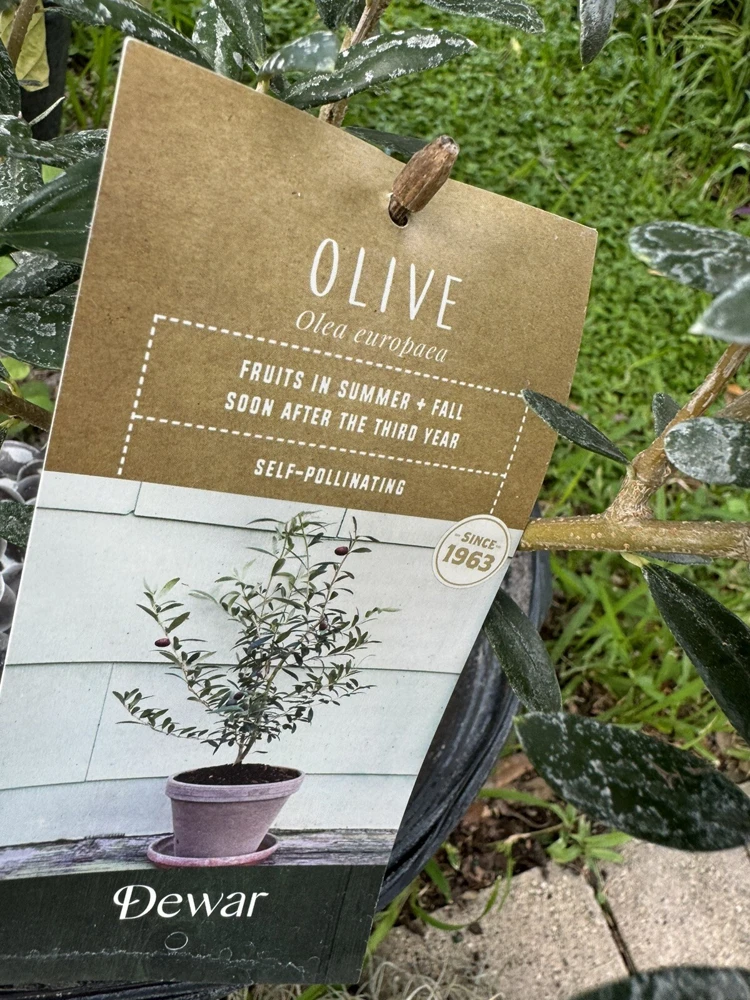
Transform your living space or garden into a serene Mediterranean retreat with a beautiful olive tree live plant. Revered for centuries for its beauty, resilience, and symbolic significance, the olive tree (Olea europaea) is a timeless addition to any home. This particular specimen offers the classic charm of an authentic mediterranean olive tree, making it a focal point wherever it’s placed. Whether you dream of harvesting your own olives or simply appreciate its graceful appearance, this live plant is ready to thrive under your care. Its distinctive silvery-green leaves and gnarled trunk, even in young trees, add a sophisticated touch to patios, balconies, or sunny indoor spots.
Our olive tree live plant is carefully cultivated to ensure it arrives healthy and ready to flourish. Known for its longevity and adaptability, the olive tree can be a rewarding plant for both novice and experienced gardeners. It’s an excellent choice for those looking to introduce a touch of ancient history and natural elegance into their environment. With proper care, your olive tree can become a cherished part of your landscape for many years to come.
Key Benefits
Beyond its aesthetic appeal, an olive tree live plant offers a host of benefits, making it a highly desirable addition to any plant collection:
- Elegant Aesthetics: The olive tree’s distinctive silvery-green foliage and often sculptural form provide year-round beauty, adding a sophisticated and calming presence to any setting. It evokes a sense of tranquility and timelessness.
- Versatile Growing: This plant is remarkably versatile, thriving as an indoor olive tree in bright, sunny rooms or as an outdoor specimen in warmer climates. It adapts well to container living, allowing for flexibility in placement.
- Drought Tolerance: Once established, olive trees are known for their impressive drought resistance, requiring less frequent watering compared to many other plants, making them a low-maintenance option.
- Symbolic Value: The olive tree is rich in history and symbolism, representing peace, longevity, and prosperity. Owning one connects you to ancient traditions and natural heritage.
- Potential for Fruit: With proper care and pollination, mature olive trees can produce edible olives, offering the unique satisfaction of harvesting your own fruit. This adds a rewarding functional aspect to its ornamental value.
- Air Purification: Like many plants, olive trees contribute to a healthier indoor environment by naturally filtering airborne toxins and releasing oxygen, improving air quality.
- Low Maintenance: Generally, olive trees are not overly demanding. They appreciate consistent care but forgive occasional neglect, making them suitable for busy individuals.
Plant Care & Growing Tips
Successful olive plant care involves understanding its specific needs for light, water, and soil. Olive trees thrive in bright, sunny conditions. For outdoor cultivation, choose a spot that receives at least 6-8 hours of direct sunlight per day. If grown as an indoor olive tree, place it near a south-facing window or in the brightest room available. Insufficient light is the most common reason for an indoor olive tree to struggle, leading to leggy growth and poor health. Consider supplemental grow lights during darker winter months.
When it comes to watering, olive trees prefer deep, infrequent watering. Allow the top 2-3 inches of soil to dry out completely between waterings to prevent root rot. Overwatering is detrimental, especially for container-grown plants. During cooler months, reduce watering frequency significantly. Good drainage is crucial; plant your olive tree in well-draining soil, ideally a sandy loam mix. A potting mix formulated for citrus or cacti can also work well for container plants. Ensure pots have drainage holes.
Olive trees are relatively hardy, tolerating temperatures down to about 20°F (-6°C) for short periods, depending on the variety. They are best suited for USDA zones 8-10 for outdoor planting. If you live in a colder climate, it’s best to grow your mediterranean olive tree in a pot and bring it indoors before the first frost. Fertilize sparingly; a balanced, slow-release fertilizer can be applied in spring and mid-summer. Pruning is beneficial for shaping the tree, encouraging fruit production, and removing dead or diseased branches. Common issues include scale insects and fungal diseases, which can often be managed with horticultural oil or appropriate fungicides.
Size & Details
This olive tree live plant arrives as a healthy, young specimen, typically ranging from 1 to 2 feet in height, measured from the base of the pot. It is shipped in its nursery pot, providing a stable environment for its journey to your home. While the exact growth rate can vary based on growing conditions and cultivar, olive trees are generally slow to moderate growers. When grown in containers, they can be maintained at a manageable size through regular pruning, often reaching 4-6 feet tall indoors. Outdoors, a mature olive tree can eventually reach heights of 15-20 feet or more. Expect lush, evergreen foliage that adds year-round interest. This plant is ready to be transplanted into a larger pot or directly into the ground upon arrival, where it will continue its journey to becoming a stately mediterranean olive tree.
Frequently Asked Questions
- Q: How big does this olive tree get? A: This olive tree live plant typically arrives 1-2 feet tall. When grown in a container indoors, it can be kept at 4-6 feet with pruning. Outdoors in suitable climates, it can grow much larger, up to 15-20 feet or more.
- Q: Is this an indoor or outdoor plant? A: This olive tree is versatile and can thrive both indoors as an indoor olive tree in a bright, sunny location, or outdoors in USDA zones 8-10. In colder climates, it’s best to bring it inside during winter.
- Q: How much sunlight does it need? A: Olive trees require at least 6-8 hours of direct sunlight per day. For indoor growing, place it in the brightest possible spot, ideally near a south-facing window.
- Q: What condition will it arrive in? A: Your olive tree live plant will arrive carefully packaged in its nursery pot, healthy and ready for transplanting. We take great care to ensure safe delivery.
- Q: Is it pet-safe? A: While the olive tree (Olea europaea) is generally considered non-toxic to pets, consuming large quantities of leaves or fruit could cause mild digestive upset. It’s always best to monitor pets around new plants.
- Q: When is the best time to plant an olive tree? A: For outdoor planting, spring is generally the best time, allowing the tree to establish itself before summer heat or winter cold. Indoor planting can be done year-round.
- Q: What kind of soil is best for olive plant care? A: Olive trees prefer well-draining soil. A sandy loam mix is ideal. For container planting, use a good quality potting mix designed for citrus or cacti, ensuring excellent drainage.
- Q: How often should I water my olive tree? A: Allow the top 2-3 inches of soil to dry out completely between waterings. Olive trees are drought-tolerant once established and are more susceptible to overwatering than underwatering.
- Q: Can I grow this olive tree for olives? A: Yes, with proper care, sufficient sunlight, and often cross-pollination (depending on the variety), your mediterranean olive tree can produce olives. Fruit production typically begins when the tree is several years old.
- Q: Is this plant easy to care for? A: Olive trees are relatively low-maintenance once their basic requirements for sunlight and drainage are met. They are quite forgiving, making olive plant care manageable for many gardeners.
Be the first to review “Olive Tree Live Plant – Mediterranean Olive Tree for Indoor/Outdoor”
People Also Viewed
Flower Seeds
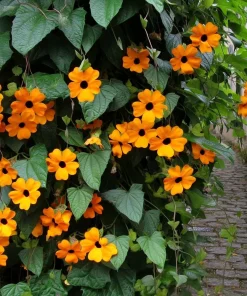
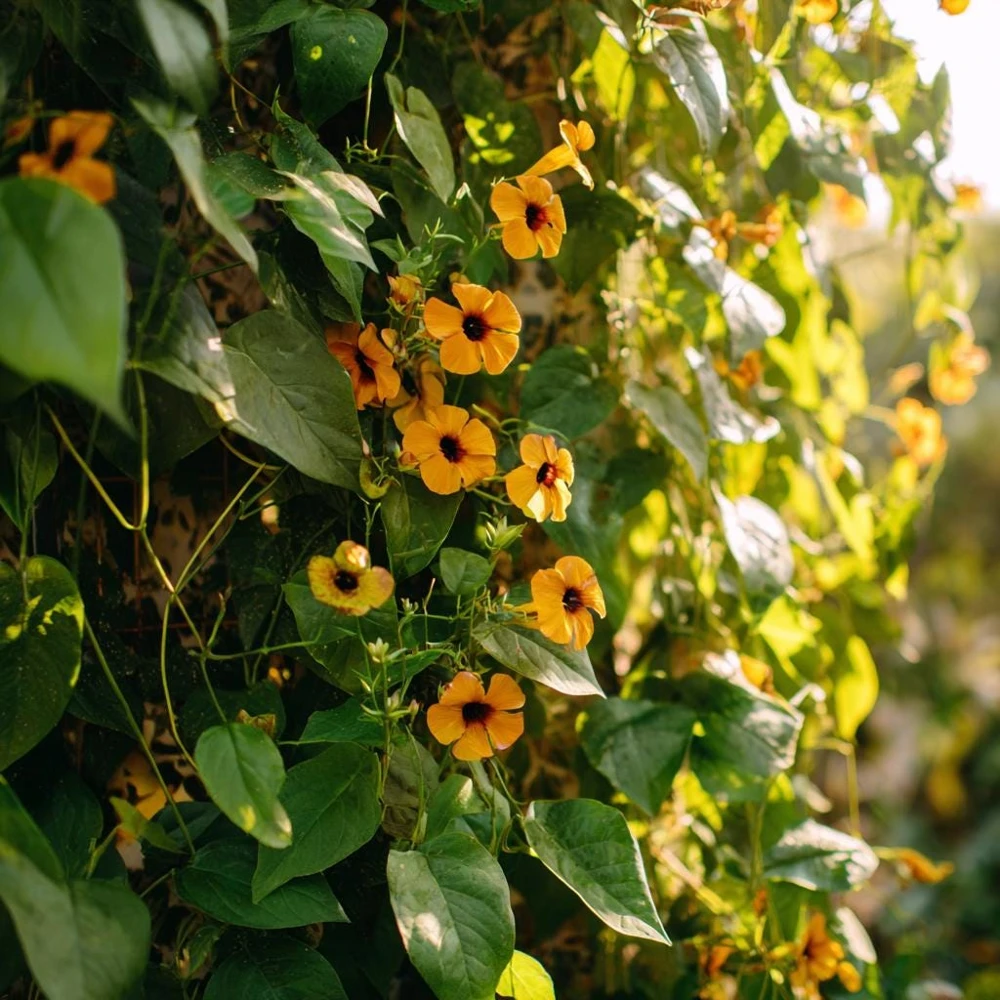
Black Eyed Susan Vine Seeds – Heirloom Thunbergia alata – 50 Seeds for Vines & Trellises
Reviews
There are no reviews yet.