
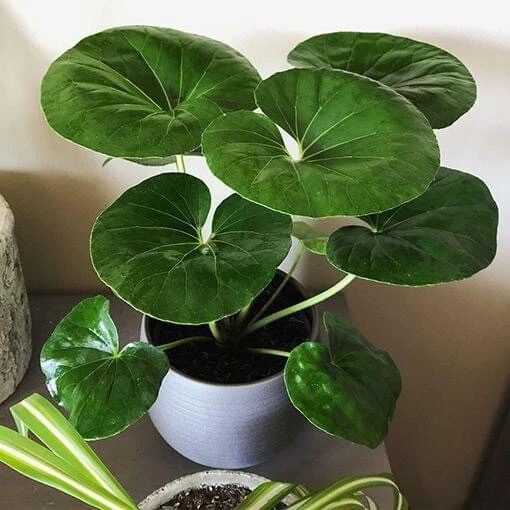
Tractor Seat Plant Farfugium Japonicum Gigantea Live Plant – Unique Foliage
Original price was: $60.99.$40.99Current price is: $40.99.
Bring unique charm to your garden or home with the Tractor Seat Plant. This striking Farfugium Japonicum Gigantea features exceptionally large, glossy green leaves, creating a bold, architectural statement. Ideal for shaded areas, it’s a resilient and captivating unique foliage plant.
Estimated arrival
Oct 27
Nov 01 - Nov 03
Nov 06 - Nov 10
Shop With Confidence
30-Day Plant Health Guarantee
Arrives damaged? We’ll replace it free — see our return policy.
Responsive Support
Email us anytime, we reply within 1 business day.
Expert Packaging
Temperature-controlled shipping to protect your plants in transit.
Secure Checkout
Pay safely with Visa, Mastercard, PayPal.
Plant Specifications
-
USDA Hardiness Zone
USDA zones 7-10 -
Soil Type
Rich, organic, well-draining soil -
Sunlight Exposure
Partial to full shade -
Expected Planting Period
Year-round indoors, Spring to Summer outdoors
Overview
The Tractor Seat Plant, scientifically known as Farfugium Japonicum Gigantea, is a truly remarkable live plant that captures attention with its distinctive appearance. Originating from East Asia, this perennial is celebrated for its oversized, glossy, kidney-shaped leaves that can reach impressive diameters, often resembling a tractor seat, hence its common name. As a spectacular unique foliage plant, it adds a dramatic, tropical feel to any shaded garden or serves as an elegant, architectural houseplant. Its vibrant green leaves provide a lush backdrop or a stunning focal point, thriving in conditions where many other plants might struggle. This particular cultivar, ‘Gigantea’, boasts even larger leaves than the standard species, making it an exceptional choice for those seeking a bold visual impact.
Perfect for gardeners looking for something out of the ordinary, the Tractor Seat Plant is surprisingly easy to care for once established. It prefers consistently moist soil and dappled light, making it an excellent candidate for woodland gardens, shady borders, or container planting on a covered patio. Its robust nature and striking form make it a favorite among landscape designers and plant enthusiasts alike. Beyond its visual appeal, the plant is relatively pest-resistant, adding to its allure as a low-maintenance yet high-impact specimen. Whether you’re a seasoned gardener or a beginner, this Giant Leopard Plant offers an exotic touch with minimal fuss.
Key Benefits
The Tractor Seat Plant offers a multitude of benefits, making it a highly desirable addition to various garden settings and indoor spaces. Its unique attributes contribute to both aesthetic appeal and ease of care, ensuring a rewarding experience for plant lovers.
- Dramatic Foliage: The most striking feature of the Farfugium Japonicum Gigantea is its large, glossy, dark green, kidney-shaped leaves. These can grow up to 12 inches across, providing an instant tropical and architectural statement in any setting.
- Shade Tolerance: Thrives in partial to full shade, making it an ideal plant for those challenging, low-light areas in the garden where other plants might struggle to flourish. It brings life and vibrancy to dimly lit corners.
- Low Maintenance: Once established, the Tractor Seat Plant requires minimal care. It’s relatively pest-free and disease-resistant, providing stunning beauty without constant attention, perfect for busy gardeners.
- Year-Round Interest: In warmer climates (USDA zones 7-10), it remains evergreen, offering continuous lush greenery throughout the year. In cooler zones, it can be grown as an indoor plant or overwintered indoors.
- Versatile Use: Excellent for mass plantings in shaded borders, as a specimen plant in containers, alongside ponds, or as a striking houseplant. Its bold texture contrasts beautifully with finer-leaved plants.
- Unique Texture and Form: The substantial size and unique shape of its leaves create a strong textural element, adding depth and interest to garden designs. It’s truly a unique foliage plant.
- Air Purifying Qualities: Like many broad-leaved plants, the Tractor Seat Plant can contribute to improved indoor air quality when grown as a houseplant, by absorbing common airborne toxins.
Plant Care & Growing Tips
Caring for your Tractor Seat Plant (Farfugium Japonicum Gigantea) is relatively straightforward, especially when its preferred conditions are met. This robust plant thrives in environments that mimic its natural woodland habitat, primarily focusing on consistent moisture and protection from harsh sun. For optimal growth and the most impressive foliage, understanding its specific needs is key to cultivating a healthy and vibrant specimen. Whether you’re growing it as a shade garden plant outdoors or an exotic houseplant indoors, these tips will help you succeed.
Sunlight requirements: The Tractor Seat Plant prefers partial to full shade. Direct, harsh sunlight, especially during the hot afternoon, can scorch its large, delicate leaves, causing them to turn yellow or brown. In cooler climates, it can tolerate a bit more morning sun. When grown indoors, place it near a window that receives bright, indirect light, or in a north-facing room. Avoid south-facing windows unless filtered by sheer curtains. Watering schedule and soil moisture preferences: This plant loves consistently moist soil. Do not allow the soil to dry out completely between waterings, particularly during warmer months. However, it’s crucial to ensure good drainage to prevent root rot. Reduce watering slightly in cooler temperatures or during its dormant period. Soil type and drainage requirements: A rich, organic, well-draining soil mix is ideal. Amend garden beds with compost or other organic matter to improve fertility and moisture retention while ensuring good drainage. For container plants, use a high-quality potting mix with added perlite or bark for aeration. Temperature range and USDA hardiness zone: The Farfugium Japonicum Gigantea is hardy in USDA zones 7-10. It can tolerate light frost but may suffer damage in prolonged freezing temperatures. In colder zones, it can be grown as an annual or brought indoors for winter. Indoors, maintain average room temperatures between 60-75°F (15-24°C). Fertilization schedule and type: Fertilize sparingly. A balanced liquid fertilizer diluted to half strength can be applied once a month during the growing season (spring and summer). Avoid over-fertilizing, which can lead to leggy growth or salt buildup. Common problems and solutions: Watch out for slugs and snails, which are attracted to its lush foliage. Use organic baits or handpicking. Yellowing leaves can indicate too much sun or overwatering, while crispy brown edges suggest underwatering or low humidity. Adjust care as needed. This Giant Leopard Plant is generally quite resilient.
Size & Details
The Tractor Seat Plant, specifically the ‘Gigantea’ cultivar, is renowned for its substantial size and robust growth habit. When mature, its individual leaves can span an impressive 8 to 12 inches (20-30 cm) in diameter, creating a truly grand display. The plant itself typically forms a dense clump, reaching a height of 1-3 feet (30-90 cm) and spreading 2-3 feet (60-90 cm) wide. Its growth rate is moderate, establishing quickly to form a significant presence in the landscape or as a potted specimen. It is usually shipped as a live plant, often in a nursery pot, ready for immediate planting or repotting.
While the exact pot size upon arrival may vary, it will be appropriately sized for a young, healthy specimen, typically a 4-6 inch nursery pot. The plant is evergreen in warmer climates, providing continuous interest. In cooler regions, it may die back to the ground but often regrows from the crown in spring if mulched. This Farfugium Japonicum Gigantea will continue to increase in size and majesty year after year, especially when provided with ideal growing conditions and enough space to spread its impressive foliage. Expect it to fill out its space within a couple of growing seasons, becoming a magnificent feature. This is truly a shade garden plant that makes an impact.
Frequently Asked Questions
- Q: How big does this plant get? A: The Tractor Seat Plant (Farfugium Japonicum Gigantea) typically grows 1 to 3 feet tall and spreads 2 to 3 feet wide. Its individual leaves can reach an impressive 8 to 12 inches in diameter, making it a truly striking plant.
- Q: Is this an indoor or outdoor plant? A: It can be grown both indoors and outdoors. Outdoors, it thrives in shaded gardens in USDA zones 7-10. Indoors, it makes a wonderful houseplant, preferring bright, indirect light.
- Q: How much sunlight does it need? A: This plant prefers partial to full shade. Direct afternoon sun can scorch its leaves. When grown indoors, place it in a location with bright, indirect light, such as a north-facing window.
- Q: Is this plant easy to care for? A: Yes, the Tractor Seat Plant is considered relatively easy to care for once established. Its main requirements are consistent moisture, well-draining soil, and protection from harsh direct sunlight.
- Q: What condition will it arrive in? A: Your Farfugium Japonicum Gigantea will typically arrive as a healthy, live plant in a nursery pot, carefully packaged to ensure its safe journey. It will be ready for planting or repotting upon arrival.
- Q: Is it good for beginners? A: Absolutely! Given its moderate care requirements and robust nature, the Giant Leopard Plant is an excellent choice for beginner gardeners looking for a unique and impactful foliage plant.
- Q: What kind of soil does it prefer? A: It thrives in rich, organic, and consistently moist but well-draining soil. For container planting, a good quality potting mix amended with compost or perlite works well.
- Q: Will it survive winter in my zone? A: If you are in USDA zones 7-10, it is typically evergreen or returns reliably from the roots. In colder zones, it should be brought indoors or treated as an annual unless heavily mulched.
- Q: Does this plant have any special pest issues? A: The Tractor Seat Plant is generally pest-resistant, but slugs and snails can occasionally be an issue due to their love for its large, tender leaves. Regular inspection and appropriate organic controls can manage this.
- Q: What makes this a “unique foliage plant”? A: Its exceptionally large, glossy, kidney-shaped leaves and its preference for shade make it stand out. The ‘Gigantea’ cultivar’s impressive leaf size adds a bold, almost tropical, architectural element to any garden or interior space, truly setting it apart.
Be the first to review “Tractor Seat Plant Farfugium Japonicum Gigantea Live Plant – Unique Foliage”
People Also Viewed

Vegetable Seeds
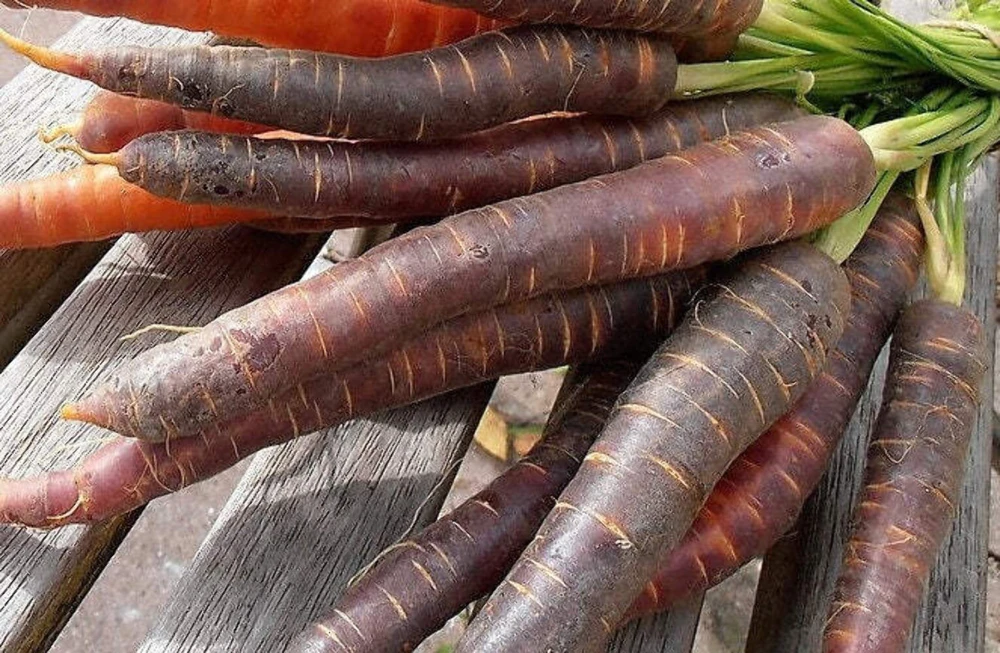
300 Black Nebula Carrot Seeds – Dark Purple Root Vegetable Seeds
Reviews
There are no reviews yet.