
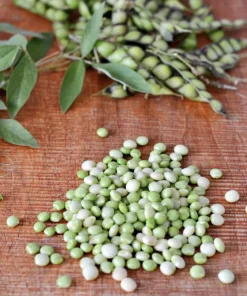
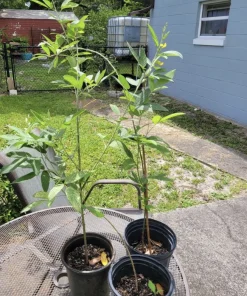
Gandules Tree Live Plant – Organic Pigeon Pea Tree, Medium Size
Original price was: $54.99.$34.99Current price is: $34.99.
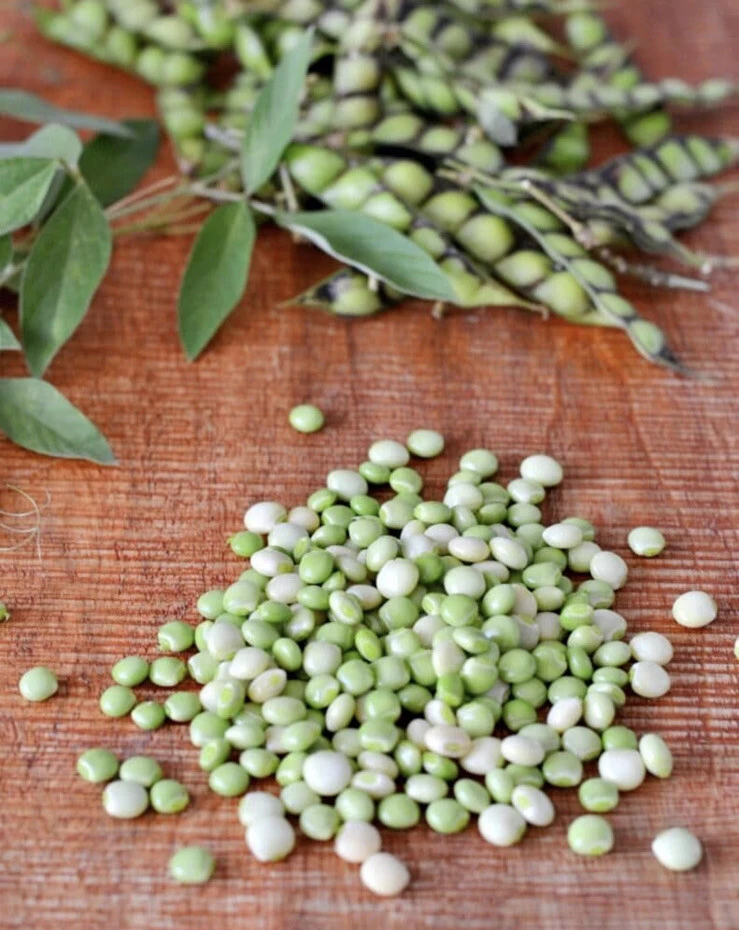
Cultivate your own fresh supply of gandules tree live plant, also known as Pigeon Pea (Cajanus cajan). This organic gandules tree arrives as a medium-sized specimen, ready to thrive in your garden. Enjoy nutritious pods and a beautiful, productive addition to your landscape.
Estimated arrival
Oct 27
Nov 01 - Nov 03
Nov 06 - Nov 10
Shop With Confidence
30-Day Plant Health Guarantee
Arrives damaged? We’ll replace it free — see our return policy.
Responsive Support
Email us anytime, we reply within 1 business day.
Expert Packaging
Temperature-controlled shipping to protect your plants in transit.
Secure Checkout
Pay safely with Visa, Mastercard, PayPal.
Plant Specifications
-
USDA Hardiness Zone
USDA Zones 9-11 (perennial), suitable as annual in colder zones -
Soil Type
Well-draining sandy loam or loamy soil -
Sunlight Exposure
Full sun (6-8+ hours direct sunlight) -
Expected Planting Period
Spring, after last frost
Overview
Introducing the gandules tree live plant, a magnificent and highly productive addition to any home garden. Also known as Pigeon Pea (Cajanus cajan), this versatile legume is cherished for its delicious, protein-rich pods and its ability to enrich soil. Our organic gandules tree is carefully nurtured to ensure a healthy start in your garden. Whether you’re an experienced gardener or just beginning, this medium-sized live plant offers a rewarding growing experience, providing a continuous harvest of fresh gandules for your culinary adventures. The Pigeon Pea plant is a robust grower, known for its resilience and adaptability to various climates, making it a popular choice for sustainable gardening and food production.
The organic gandules tree is more than just a food source; it’s a beautiful shrub or small tree that can enhance the aesthetics of your outdoor space. Its vibrant green foliage and attractive flowers add a touch of tropical charm, while the developing pods provide visual interest. The gandules tree live plant is a fantastic way to connect with nature and enjoy the freshest produce straight from your backyard, supporting a healthy and sustainable lifestyle. Embrace the joy of growing pigeon peas with this exceptional live specimen.
Key Benefits
Adding an organic gandules tree to your garden offers a multitude of advantages, from nutritional value to ecological benefits. This versatile plant is a true garden hero:
- Nutrient-Rich Harvest: The pods from your gandules tree live plant are packed with protein, fiber, and essential vitamins, making them a healthy and delicious addition to stews, soups, and rice dishes. Enjoy fresh, homegrown nutrition.
- Soil Improvement: As a legume, the Pigeon Pea plant is a natural nitrogen fixer, enriching your garden soil and benefiting other plants around it. This enhances overall garden health and reduces the need for synthetic fertilizers.
- Drought Tolerance: Once established, the pigeon pea plant care is relatively low-maintenance due to its impressive drought resistance, making it suitable for various climates and water-conscious gardening practices.
- Continuous Production: This plant offers a long harvesting season, providing you with a steady supply of fresh gandules over several months, ensuring a consistent yield for your kitchen.
- Attractive Garden Addition: Beyond its edible benefits, the cajanus cajan plant features attractive foliage and often produces lovely yellow and red flowers, adding ornamental value to your landscape.
- Supports Biodiversity: The flowers of the organic gandules tree attract pollinators like bees, contributing to the health of your local ecosystem and supporting biodiversity in your garden.
- Versatile Culinary Use: Fresh, dried, or canned, gandules are a staple in many cuisines, particularly Caribbean and Latin American dishes, offering a unique flavor profile to your cooking.
Plant Care & Growing Tips
Caring for your gandules tree live plant is straightforward, making it an excellent choice for gardeners of all skill levels. To ensure your organic gandules tree thrives, consider these important tips. Pigeon Peas prefer a location with full sun, meaning at least 6-8 hours of direct sunlight per day. While they can tolerate some partial shade, abundant sunshine is crucial for optimal growth and pod production. Position your plant where it will receive ample light throughout the day, avoiding deeply shaded areas that might hinder its development.
When it comes to watering, the cajanus cajan plant is quite resilient. During its establishment phase, water regularly to keep the soil consistently moist but never waterlogged. Once mature, it becomes very drought-tolerant and can withstand dry periods, requiring less frequent watering. However, for the best yield and healthiest growth, provide moderate watering during dry spells, especially when the plant is flowering and setting pods. Ensure your soil is well-draining; sandy loam or loamy soils are ideal. Good drainage is key to preventing root rot, which can be a common issue in overly wet conditions. If your soil is heavy clay, amend it with organic matter to improve drainage and aeration, creating an optimal environment for growing pigeon peas.
The pigeon pea plant care also involves considering its temperature and hardiness. It thrives in warm, tropical, and subtropical climates. It is typically grown as an annual in cooler regions but can be a perennial in USDA zones 9-11 where it doesn’t experience frost. Protect young plants from cold snaps. Fertilization is generally not heavily required for this nitrogen-fixing plant. However, a balanced, slow-release fertilizer can be applied at planting or early in the growing season if your soil is particularly poor. Watch out for common pests like aphids or spider mites, which can be managed with organic insecticidal soaps. Pruning can encourage bushier growth and more pods; simply pinch back terminal growth as needed. With proper pigeon pea plant care, your tree will provide a bountiful harvest.
Size & Details
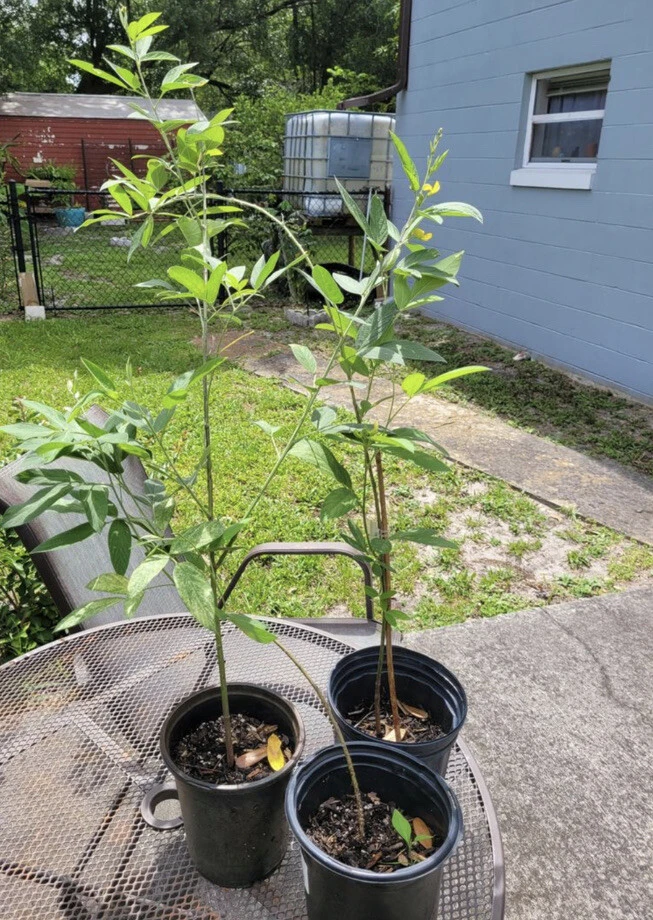
This gandules tree live plant is provided as a medium-sized, established specimen, ready to be transplanted and continue its growth in your garden. While exact dimensions can vary based on individual growth, a medium-sized plant typically stands between 12-24 inches tall upon arrival, with a healthy root system developed in its nursery pot. Upon maturity, the organic gandules tree can reach heights of 6-10 feet, forming a bushy shrub or a small, multi-stemmed tree, depending on pruning and environmental conditions. It will arrive carefully packaged to minimize stress during transit, ensuring a smooth transition to your home. Expect your plant to begin producing pods within 6-12 months after planting, with continuous harvests possible in warmer climates.
The plant is shipped in a nursery container, with its roots securely wrapped to maintain moisture and integrity. This ensures that the cajanus cajan plant is well-prepared for its new environment. The growth rate is moderate to fast, allowing you to enjoy fresh gandules relatively quickly. The lifespan of the gandules tree live plant can be several years in frost-free zones, providing a long-term source of food and beauty for your garden. For successful growing pigeon peas, ensure you have adequate space for its mature size and provide the necessary sunlight and well-draining soil conditions.
Frequently Asked Questions
- Q: How big does this gandules tree live plant get? A: Upon arrival, it’s a medium-sized plant, typically 12-24 inches tall. When mature, an organic gandules tree can grow to 6-10 feet tall, forming a bushy shrub or small tree.
- Q: Is this an indoor or outdoor plant? A: The organic gandules tree is primarily an outdoor plant thriving in warm, sunny conditions. In colder climates (below USDA Zone 9), it is often grown as an annual or overwintered indoors in a pot.
- Q: How much sunlight does the cajanus cajan plant need? A: For optimal growth and pod production, your pigeon pea plant care requires full sun, meaning at least 6-8 hours of direct sunlight per day.
- Q: Is this plant easy to care for? A: Yes, the gandules tree live plant is considered relatively easy to care for, especially once established. It’s known for its drought tolerance and resilience, making growing pigeon peas a rewarding experience for beginners and experienced gardeners alike.
- Q: What condition will the plant arrive in? A: Your organic gandules tree will arrive as a healthy, medium-sized live plant, carefully packaged in a nursery pot with its roots protected to ensure it reaches you in the best possible condition, ready for planting.
- Q: How long until it starts producing gandules? A: You can typically expect your gandules tree live plant to begin producing pods within 6-12 months after planting, with continuous harvests possible in ideal warm climates.
- Q: Can I use the gandules in cooking? A: Absolutely! The gandules (pigeon peas) are highly prized in many cuisines, particularly Caribbean and Latin American. They can be used fresh, dried, or canned in stews, rice dishes, and soups.
- Q: What’s the best time for growing pigeon peas? A: The best time to plant is in the spring after all danger of frost has passed, allowing the plant ample time to establish itself and grow during the warm season.
- Q: Does this plant help improve soil? A: Yes, as a legume, the cajanus cajan plant is a natural nitrogen fixer, which means it enriches the soil with nitrogen, benefiting surrounding plants and improving overall soil health.
- Q: What USDA hardiness zones is the gandules tree live plant suitable for? A: This plant is best suited for USDA Zones 9-11 as a perennial. In colder zones, it can be grown as an annual or brought indoors during winter.
Be the first to review “Gandules Tree Live Plant – Organic Pigeon Pea Tree, Medium Size”
People Also Viewed

Green Bundle

Reviews
There are no reviews yet.