
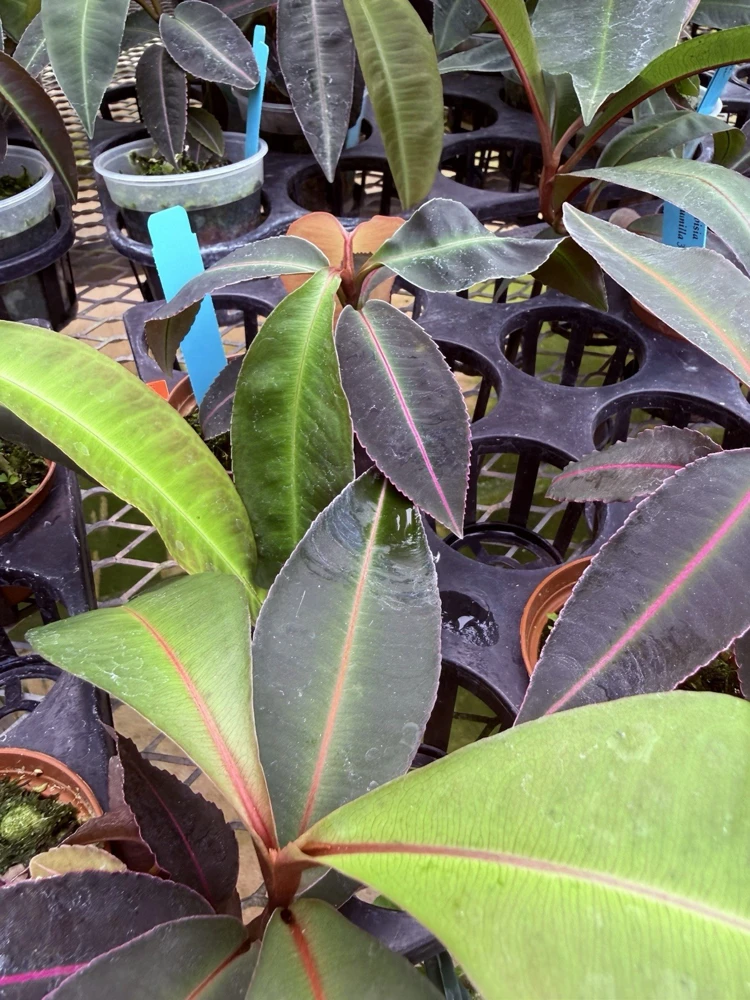
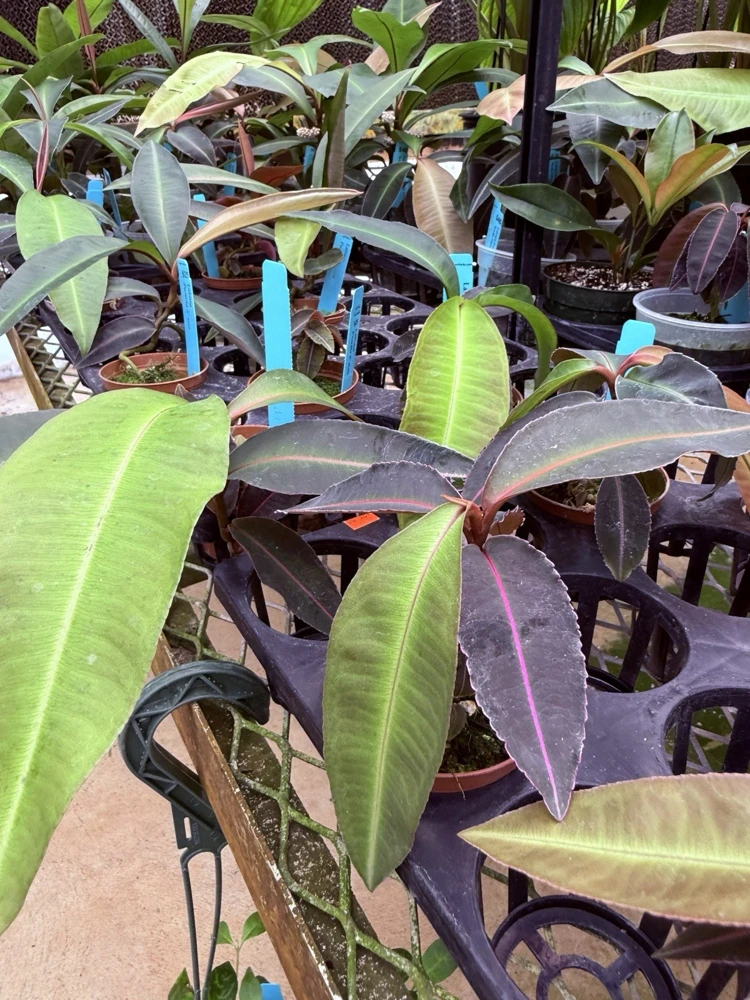
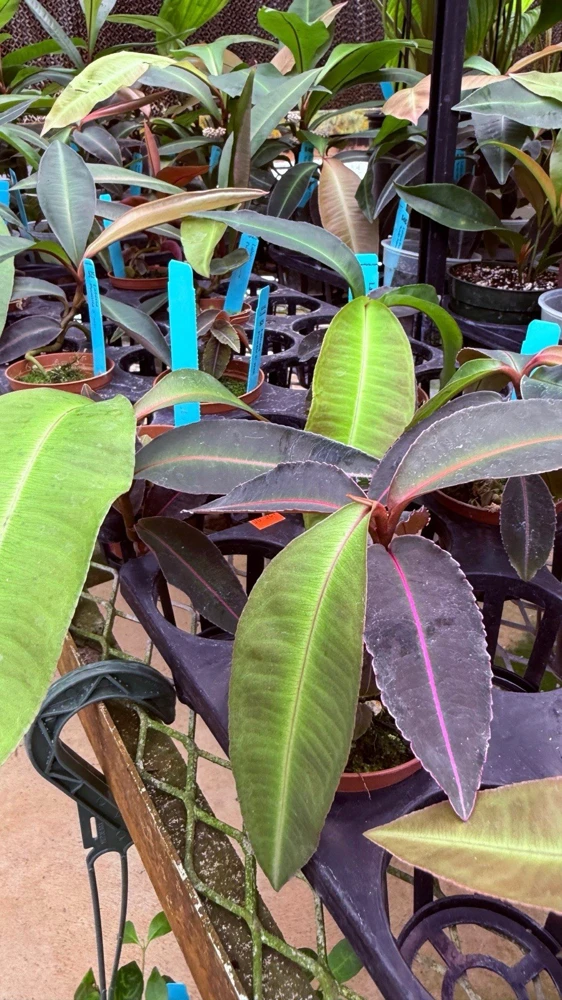
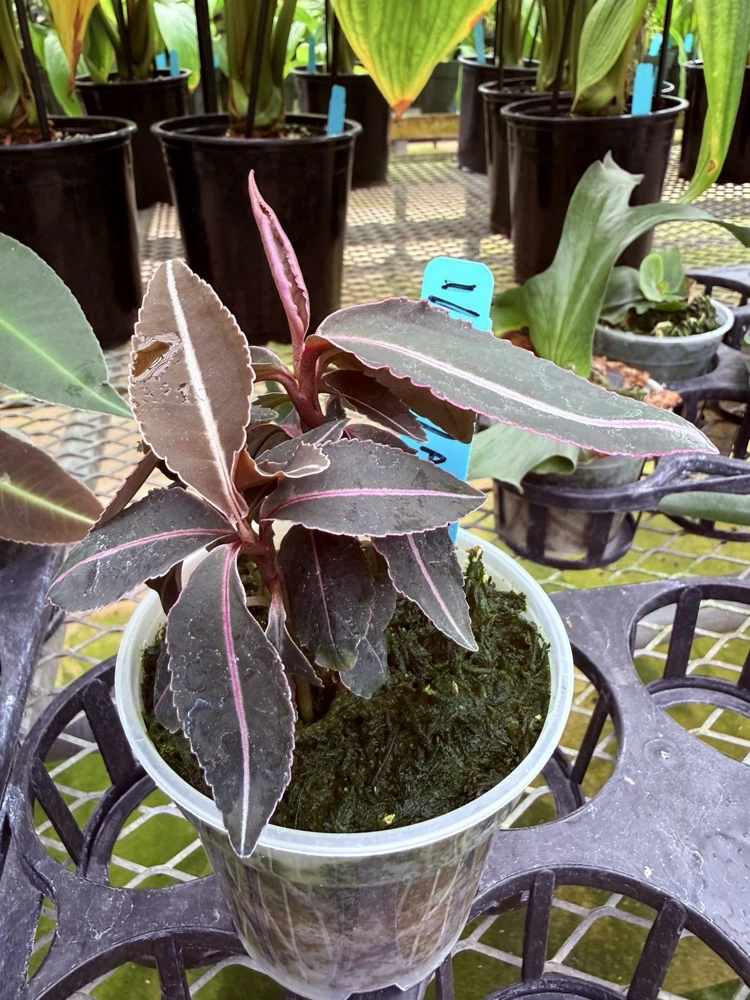
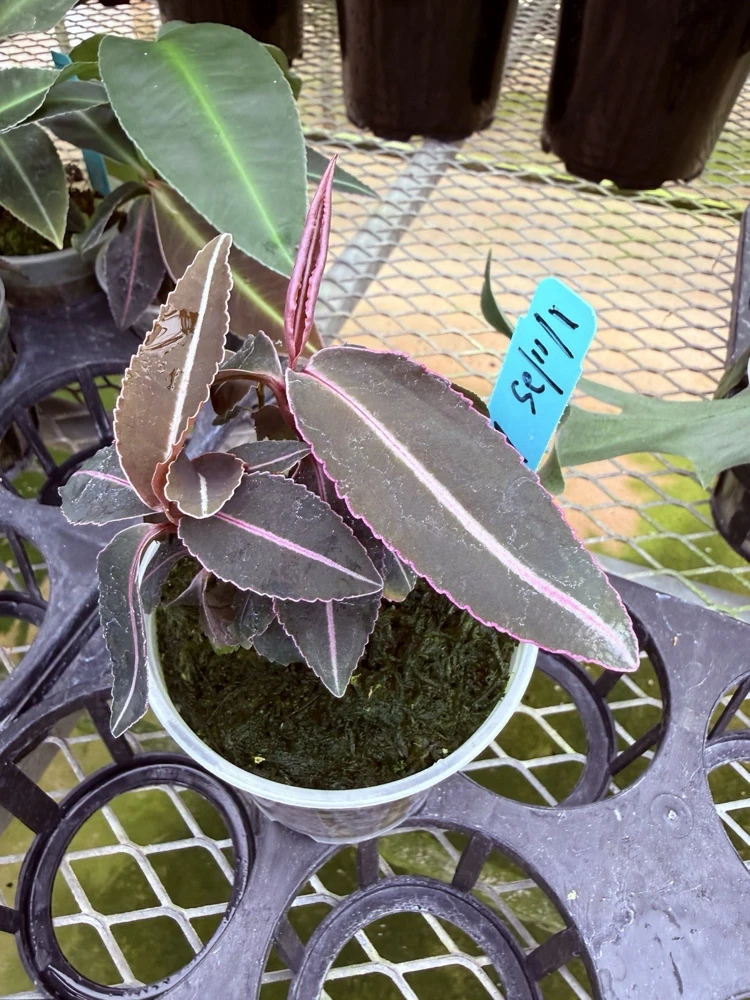
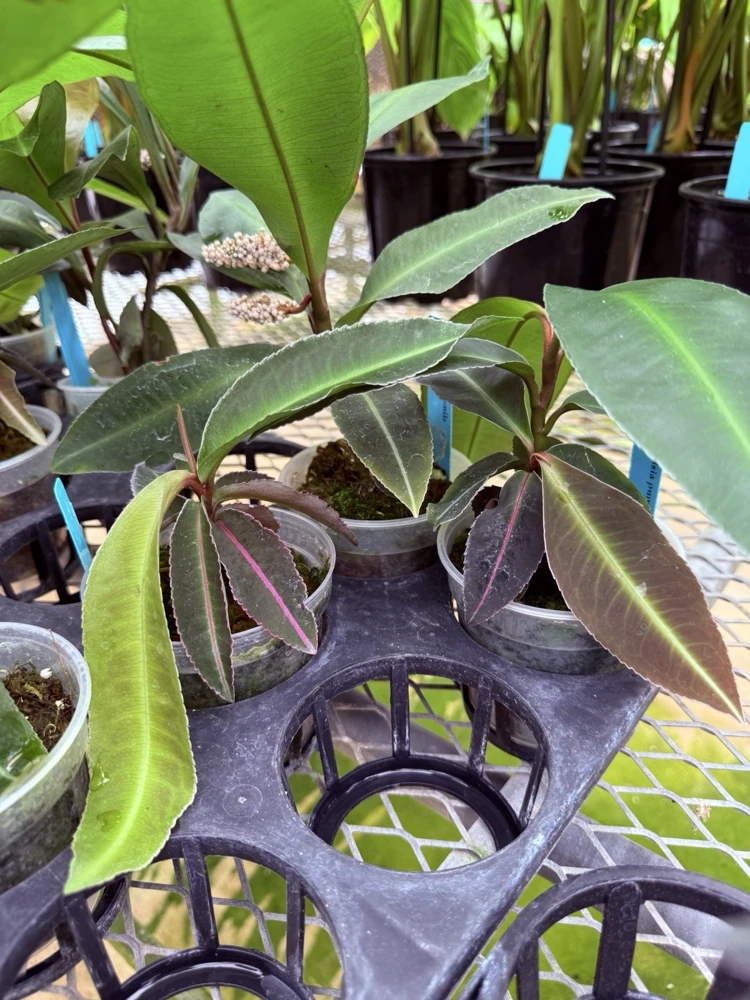
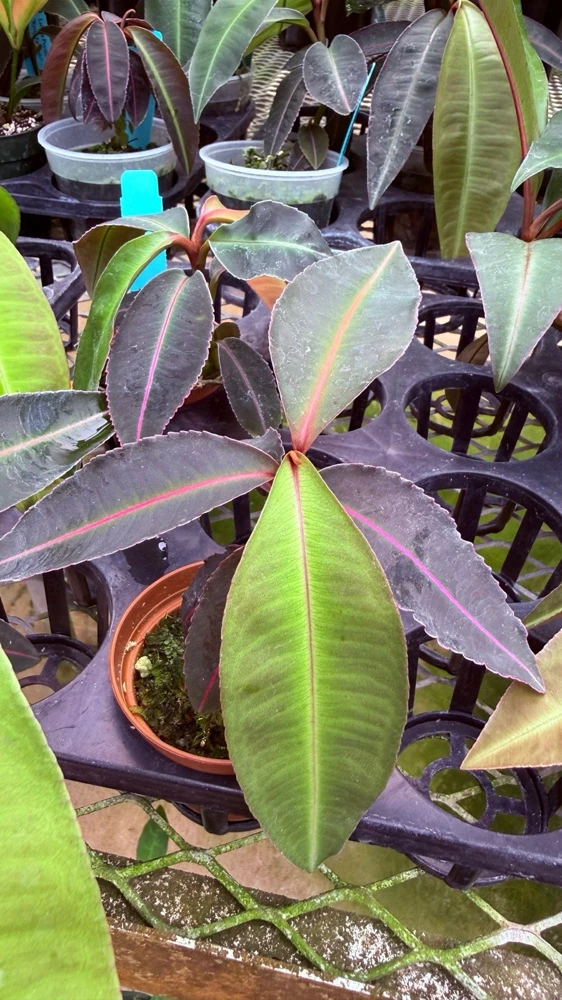
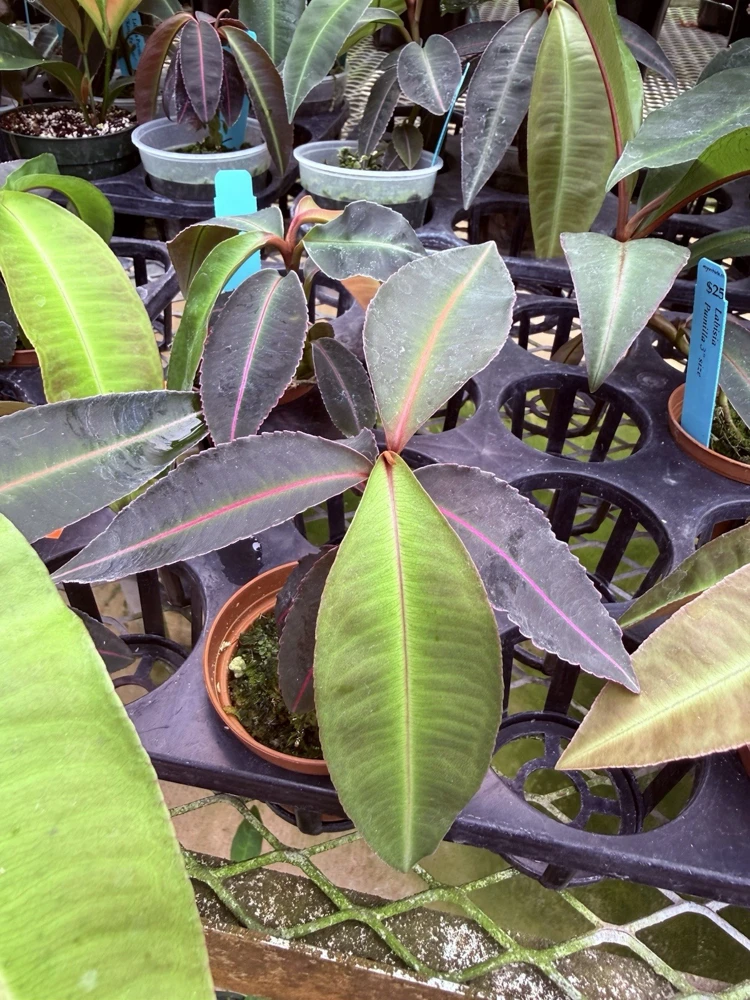
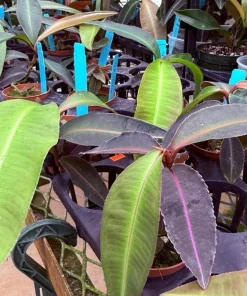
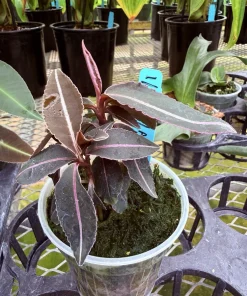
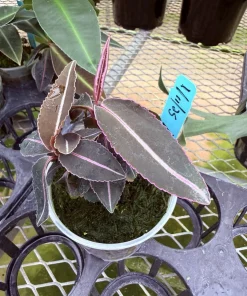
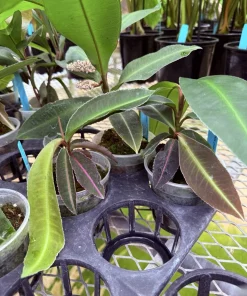
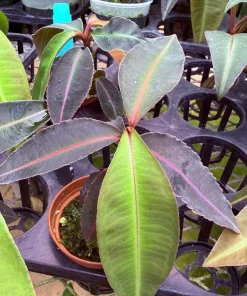
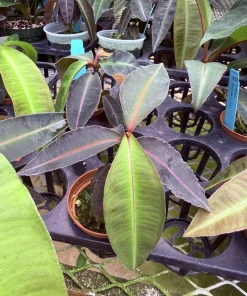
Labisia Pumila Live Plant – Rare Tropical Houseplant for Indoor Display
Original price was: $91.99.$71.99Current price is: $71.99.
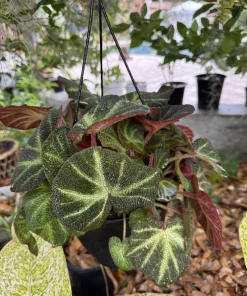
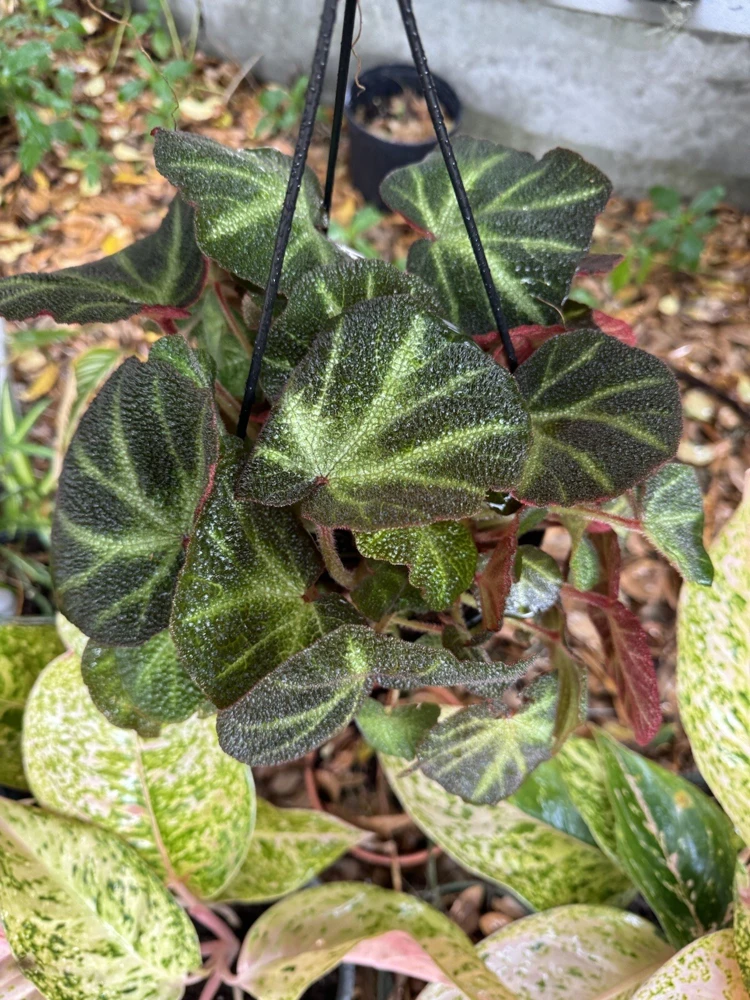
Bring exotic beauty into your home with the stunning Labisia pumila live plant. This rare tropical houseplant features captivating foliage, perfect for adding a unique touch to any indoor space. Its distinctive leaves make it a focal point for plant enthusiasts and collectors.
Estimated arrival
Oct 27
Nov 01 - Nov 03
Nov 06 - Nov 10
Shop With Confidence
30-Day Plant Health Guarantee
Arrives damaged? We’ll replace it free — see our return policy.
Responsive Support
Email us anytime, we reply within 1 business day.
Expert Packaging
Temperature-controlled shipping to protect your plants in transit.
Secure Checkout
Pay safely with Visa, Mastercard, PayPal.
Plant Specifications
-
USDA Hardiness Zone
USDA zones 11-12 (indoors in most regions) -
Soil Type
Well-draining, airy potting mix (e.g., aroid mix) -
Sunlight Exposure
Bright indirect light -
Expected Planting Period
Year-round indoors
Overview
Introducing the exquisite Labisia pumila live plant, a true jewel among tropical houseplants. Known for its striking and often iridescent foliage, Labisia pumila is a captivating addition for any indoor plant enthusiast or collector. This unique plant, native to the rainforests of Southeast Asia, is celebrated for its intricate patterns and varying shades of green, red, and sometimes even purple, depending on the specific cultivar and light conditions. Unlike many common houseplants, the allure of Labisia pumila live plant lies primarily in its ornamental leaves, which can display a mesmerizing metallic sheen. It thrives in conditions that mimic its natural jungle habitat, making it an rewarding challenge for those looking to expand their plant collection with a truly distinctive specimen. Its relatively compact size also makes it suitable for terrariums or smaller display areas, allowing you to create a miniature tropical ecosystem right in your home.
The botanical genus Labisia belongs to the Primulaceae family, and pumila is one of its most popular and sought-after species. Often referred to by its scientific name, the Labisia pumila live plant is more than just a decorative item; it’s a conversation starter. Its slow growth habit ensures that it maintains its elegant form over time, providing long-lasting beauty. This rare tropical houseplant is ideal for those who appreciate the subtle artistry of nature and wish to cultivate a piece of the rainforest indoors. Its unique aesthetic makes it stand out from more common foliage plants, offering a sophisticated touch to any interior decor. If you’re searching for an indoor exotic plant that combines beauty with botanical interest, Labisia pumila is an excellent choice.
Key Benefits
The Labisia pumila live plant offers a range of benefits beyond its stunning appearance, making it a highly desirable addition to your indoor garden. Its unique characteristics contribute to a more vibrant and interesting living space.
- Exotic Aesthetic Appeal: The primary benefit of this plant is its unparalleled beauty. With its unique leaf patterns, textures, and often iridescent colors, it serves as a natural work of art, instantly elevating the aesthetic of any room. It’s an excellent choice for creating a focal point in your plant collection.
- Rare Collector’s Item: For plant enthusiasts and collectors, the Labisia pumila live plant is a prized possession. Its rarity and distinctive features make it a valuable addition, offering the satisfaction of owning something truly special and uncommon.
- Compact Growth Habit: Unlike some larger tropical plants, Labisia pumila maintains a relatively compact size. This makes it perfect for smaller spaces, desktops, shelves, or even terrariums, allowing you to enjoy its beauty without requiring extensive room.
- Unique Foliage Interest: While many plants are grown for their flowers, the charm of Labisia pumila lies entirely in its foliage. Its leaves can display fascinating metallic sheens, intricate venation, and a range of colors from deep green to reddish-brown, providing year-round visual interest.
- Enhances Indoor Ambiance: Bringing a piece of the rainforest indoors can create a calming and serene environment. The presence of a vibrant, exotic plant like Labisia pumila can improve mood and add a touch of natural tranquility to your home or office.
- Low-Key Maintenance: Once its specific environmental needs are met, Labisia pumila care is relatively straightforward, making it a rewarding plant for those who enjoy observing its slow and steady growth without constant intervention.
- Conversation Starter: Its unusual appearance means that your ornamental foliage plant will undoubtedly catch the eye of visitors, sparking conversations and allowing you to share your passion for rare plants.
Plant Care & Growing Tips
Proper Labisia pumila care is essential to ensure this rare tropical houseplant thrives and maintains its stunning appearance. Mimicking its natural rainforest environment is key to success. This plant prefers consistent conditions and attention to detail, but once established, it can be a relatively stable and rewarding indoor companion.
Sunlight Requirements:Labisia pumila thrives in bright, indirect light. Direct sunlight, especially harsh afternoon sun, can scorch its delicate leaves, causing discoloration and damage. An east-facing window or a few feet away from a south or west-facing window is ideal. If natural light is insufficient, it can also do well under artificial grow lights, which can help bring out the vibrant colors in its foliage. Aim for several hours of consistent, filtered light daily.
Watering Schedule and Soil Moisture: This plant prefers consistently moist, but not waterlogged, soil. Allow the top inch of soil to dry out slightly between waterings. Overwatering can lead to root rot, so ensure good drainage. Use filtered or rainwater if possible, as Labisia pumila can be sensitive to chemicals in tap water. Reduce watering slightly in colder, darker months. High humidity is crucial for this ornamental foliage plant; consider placing it near a humidifier, using a pebble tray, or grouping it with other plants to create a microclimate.
Soil Type and Drainage: A well-draining, airy potting mix is vital. A good blend would be a mix of sphagnum moss, perlite, and orchid bark, or a high-quality aroid mix. This provides both moisture retention and excellent aeration, preventing compaction and ensuring healthy root development. Avoid heavy, dense soils that retain too much water. The pot should always have drainage holes.
Temperature Range and USDA Hardiness Zone:Labisia pumila is a tropical plant and prefers warm temperatures, ideally between 65-80°F (18-27°C). Avoid temperatures below 60°F (15°C) and sudden temperature fluctuations. As an indoor exotic plant, it is not suitable for outdoor cultivation in most US climates, placing it in USDA zones 11-12 if grown outdoors in a consistently tropical environment. Protect it from cold drafts from windows or air conditioning vents.
Fertilization Schedule and Type: During the growing season (spring and summer), feed your Labisia pumila monthly with a balanced liquid fertilizer diluted to half strength. Reduce or cease fertilization during fall and winter when the plant’s growth naturally slows down. Over-fertilization can lead to nutrient burn, so always err on the side of caution.
Common Problems and Solutions: Yellowing leaves can indicate overwatering or nutrient deficiency. Brown, crispy edges often point to low humidity or underwatering. Pests like spider mites or mealybugs can occur, especially in dry conditions. Inspect your plant regularly and treat any infestations promptly with insecticidal soap or neem oil. Ensure good air circulation to prevent fungal issues.
Size & Details
The Labisia pumila live plant is typically sold as a young, established plant, often in a small nursery pot, ready for repotting or placement in a decorative container. Its growth rate is generally slow to moderate, allowing it to maintain an elegant, manageable size for indoor environments. Mature plants can reach heights of approximately 6-12 inches (15-30 cm) and spread to a similar width, creating a lush, compact bush of foliage. The exact size will depend on the specific cultivar and growing conditions provided.
This ornamental foliage plant is shipped as a well-rooted specimen, carefully packaged to ensure its safe arrival. While it won’t produce large, showy flowers, its foliage offers year-round visual interest with its intricate patterns and often iridescent sheen. The leaves themselves can vary in size but typically range from 2-5 inches in length. With proper Labisia pumila care, you can expect this plant to be a long-term, beautiful addition to your collection, gradually maturing into a stunning display of tropical elegance.
Frequently Asked Questions
- Q: How big does this plant get? A: The Labisia pumila live plant typically grows to a compact size, reaching about 6-12 inches (15-30 cm) in both height and spread when mature, making it suitable for shelves, desks, or terrariums.
- Q: Is this an indoor or outdoor plant? A: Labisia pumila is primarily an indoor exotic plant due to its tropical requirements. It thrives in consistent indoor temperatures and high humidity, making it unsuitable for most outdoor climates in the US.
- Q: How much sunlight does it need? A: This rare tropical houseplant prefers bright, indirect light. Avoid direct sunlight, which can scorch its leaves. An east-facing window or filtered light from a south/west window is ideal.
- Q: Is this plant easy to care for? A: While it has specific humidity and light requirements, Labisia pumila care is considered moderate. Once its environmental needs are met, it’s a relatively stable and rewarding plant for enthusiasts.
- Q: What condition will it arrive in? A: Your Labisia pumila live plant will arrive as a well-rooted, healthy specimen, carefully packaged to minimize stress during transit, ready for its new home.
- Q: Is it shipped in soil? A: Yes, the plant is typically shipped in a small nursery pot with its growing medium to ensure its roots remain protected and hydrated during delivery.
- Q: What type of soil is best for Labisia pumila? A: A well-draining, airy potting mix is recommended, such as a blend of sphagnum moss, perlite, and orchid bark, or a high-quality aroid mix, to ensure proper moisture retention and aeration.
- Q: How often should I water my Labisia pumila? A: Water when the top inch of soil feels dry to the touch. It prefers consistent moisture but never waterlogging. Adjust frequency based on humidity and temperature in your home.
- Q: Will it survive winter in my zone? A: As a tropical plant, it will not survive outdoor winters in most temperate zones. It must be kept indoors in a warm environment, ideally above 60°F (15°C).
- Q: Is the foliage always iridescent? A: The iridescence of Labisia pumila foliage can vary depending on the specific cultivar and the light conditions it receives. Brighter, indirect light often enhances this metallic sheen.
Be the first to review “Labisia Pumila Live Plant – Rare Tropical Houseplant for Indoor Display”
People Also Viewed
Reviews
There are no reviews yet.