

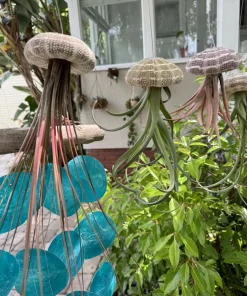
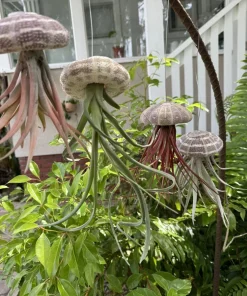
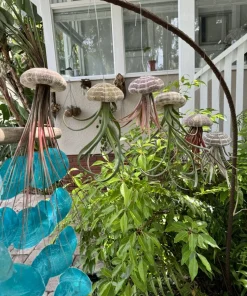
Giant Air Plant Live Plant – Tillandsia for Shelves – Easy Care Houseplant
Original price was: $75.99.$55.99Current price is: $55.99.
Elevate your indoor decor with a striking giant air plant. This captivating Tillandsia is perfect for displaying on shelves, requiring no soil and minimal watering. Enjoy its unique beauty and air-purifying qualities as an easy-care houseplant.
Estimated arrival
Oct 28
Nov 02 - Nov 04
Nov 07 - Nov 11
Shop With Confidence
30-Day Plant Health Guarantee
Arrives damaged? We’ll replace it free — see our return policy.
Responsive Support
Email us anytime, we reply within 1 business day.
Expert Packaging
Temperature-controlled shipping to protect your plants in transit.
Secure Checkout
Pay safely with Visa, Mastercard, PayPal.
Plant Specifications
-
USDA Hardiness Zone
USDA zones 9-11 (outdoors), or year-round indoors -
Soil Type
No soil required (epiphytic) -
Sunlight Exposure
Bright indirect light -
Expected Planting Period
Year-round indoors
Overview
Introducing the magnificent giant air plant, a true botanical marvel that brings a touch of exotic elegance to any indoor space. Known scientifically as Tillandsia, these unique plants are epiphytes, meaning they absorb nutrients and moisture from the air, requiring no soil to thrive. Our giant air plant varieties are carefully selected for their impressive size and robust health, making them a stunning focal point whether nestled on a bookshelf, displayed in a terrarium, or suspended as a living sculpture. These fascinating plants are incredibly versatile and offer a low-maintenance way to introduce living greenery into your home or office. Perfect for plant enthusiasts and beginners alike, this large air plant promises to be a captivating addition to your collection, offering both aesthetic appeal and natural charm.
Tillandsias are renowned for their diverse forms and textures, from silvery-green foliage to more vibrant hues, especially when preparing to bloom. The “giant” designation refers to their impressive size, often larger than typical air plant specimens, making them ideal for creating a dramatic statement. They are not only beautiful but also contribute to a healthier indoor environment by naturally filtering the air. Embrace the simplicity and unique beauty of these remarkable plants, and transform your living space with a piece of living art.
Key Benefits
Our giant air plant offers numerous advantages that make it a highly desirable addition to any home or office. These benefits range from their aesthetic appeal to their ease of care and positive environmental impact, making them a wise choice for diverse lifestyles.
- Unique Decorative Element: This large air plant provides an unparalleled aesthetic, serving as a dynamic and living piece of decor that instantly draws attention. Its sculptural form and fascinating textures make it a conversation starter.
- Extremely Low Maintenance: Unlike traditional potted plants, air plants require no soil, meaning no messy repotting or concerns about soil-borne pests. Their watering needs are simple, typically involving a weekly soak or misting.
- Air Purifying Qualities: Like many houseplants, Tillandsias contribute to improved indoor air quality by absorbing pollutants and releasing oxygen, promoting a fresher and healthier living environment.
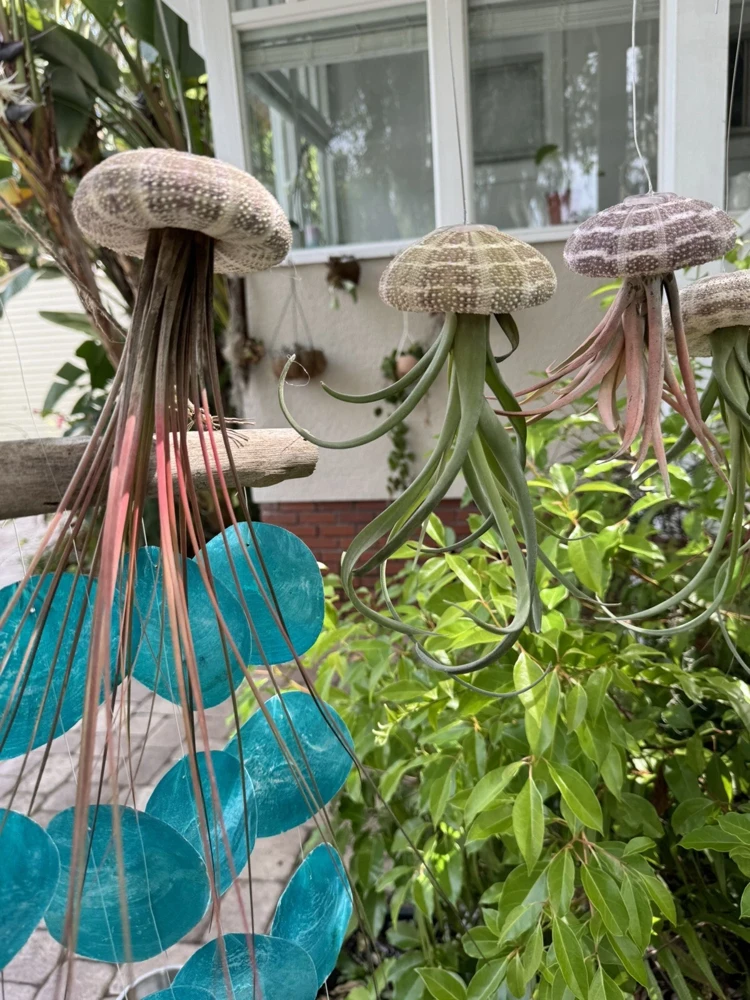
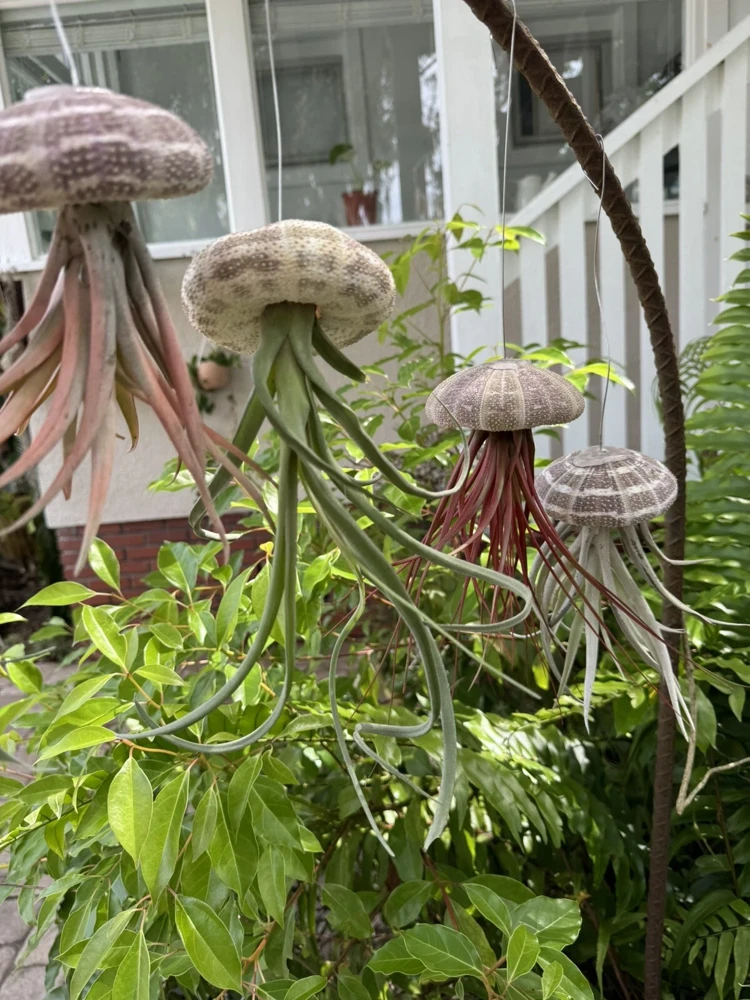
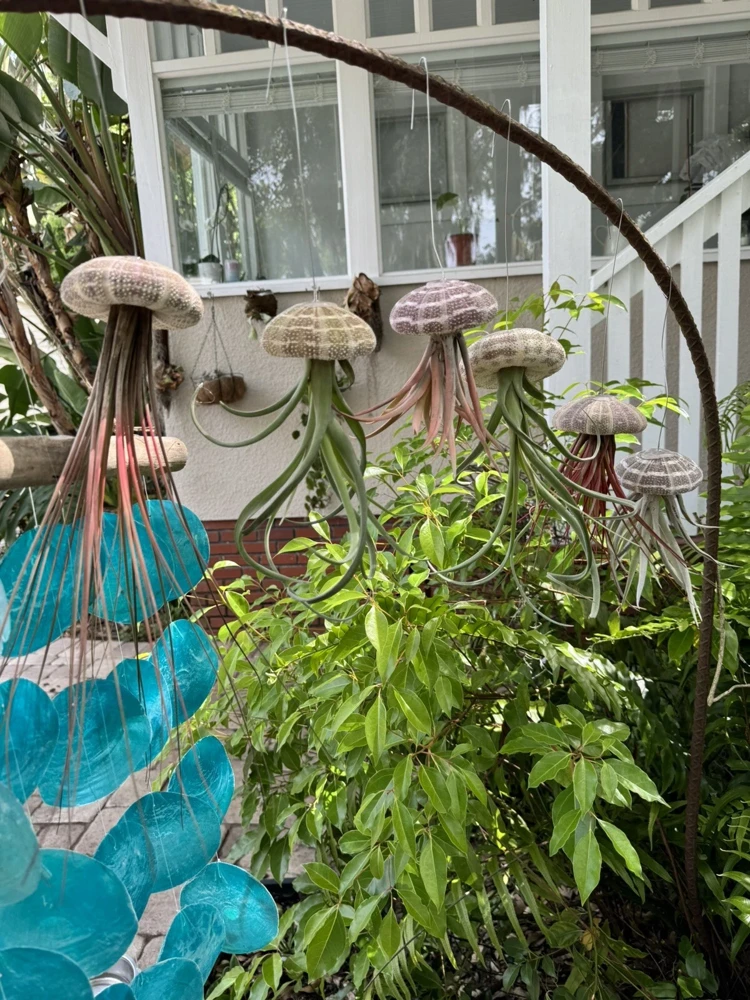
- Versatile Display Options: The absence of soil allows for creative display possibilities. Hang them, place them in decorative holders, arrange them on shelves, or integrate them into terrariums and living walls, offering endless design flexibility.
- Pet-Friendly Plant: Air plants are generally non-toxic to pets, making them a safe choice for households with cats, dogs, or other animals, providing peace of mind for pet owners.
- Drought Tolerant: Tillandsias are naturally adapted to environments with intermittent moisture, making them forgiving if you occasionally forget to water. They store water in their specialized leaves.
- Natural Stress Reducer: Having living plants indoors has been shown to reduce stress and improve mood. The serene beauty of a giant air plant can create a calming atmosphere.
Plant Care & Growing Tips
Caring for your giant air plant is surprisingly simple, making it an excellent choice for both seasoned plant enthusiasts and beginners. The key is understanding their unique needs for light, water, and air circulation. For light, Tillandsias thrive in bright, indirect sunlight. A spot near a window with filtered light, or an east-facing window, is often ideal. Avoid direct, intense sun, especially during the hottest parts of the day, as this can scorch their leaves. If natural light is limited, a grow light can be used, ensuring it’s not too close to the plant.
Watering is crucial for a healthy large air plant. The most common method is to soak the plant in a bowl of room-temperature, filtered water for 20-30 minutes once a week. After soaking, gently shake off excess water and place the plant upside down on a towel in a well-ventilated area to dry completely. This step is vital to prevent rot, particularly in the plant’s core. Misting can supplement hydration between soaks, especially in dry environments, but it should not replace the weekly soaking. Air circulation is paramount; air plants need good airflow to prevent moisture from lingering and causing fungal issues. Ensure your tillandsia for shelves is not kept in enclosed, stagnant spaces immediately after watering. Fertilization is not strictly necessary but can encourage growth and blooming. Use a specialized air plant fertilizer, diluted to ¼ strength, once a month during the growing season (spring and summer).
Temperature-wise, air plants prefer moderate temperatures, typically between 50-90°F (10-32°C). They are not frost-tolerant, so protect them from cold drafts. While they don’t require soil, ensuring they are placed on surfaces that don’t retain too much moisture is important. Natural wood, rocks, or specialized air plant holders are excellent choices. With these simple guidelines, your indoor air plants will flourish and continue to be a beautiful and unique part of your home decor.
Size & Details
This giant air plant is a mature specimen, typically ranging from 6 to 12 inches in width and height, though individual plants may vary slightly in exact dimensions. Its impressive size makes it a significant visual presence, perfect for filling larger spaces on shelves, mantels, or as a centerpiece. Each plant is shipped as a bare root specimen, carefully packaged to ensure its safe arrival and ready for immediate display. The growth rate of these Tillandsias is moderate, and with proper care, they will continue to thrive and potentially produce offsets, known as ‘pups,’ which can be separated to propagate new plants. When mature, some varieties may produce beautiful, often vibrant, flower spikes, adding another layer of beauty to their unique form. Expect this large air plant to be a long-lasting and evolving element of your indoor garden.
Frequently Asked Questions
- Q: How big does this giant air plant typically get? A: Our giant air plants usually range from 6 to 12 inches in width and height, making them a substantial decorative piece. Their exact size can vary depending on the specific species and growing conditions.
- Q: Is this an indoor or outdoor plant? A: While air plants can tolerate outdoor conditions in very mild, humid climates (USDA zones 9-11), this tillandsia for shelves is primarily intended and best suited as an indoor plant for most US customers.
- Q: How much sunlight does my large air plant need? A: It thrives in bright, indirect light. Avoid direct, harsh sunlight, which can scorch its leaves. A north or east-facing window is often ideal, or a few feet away from a south or west-facing window.
- Q: Is this air plant easy to care for? Is it good for beginners? A: Yes, air plants are known for being very low-maintenance, making this indoor air plant an excellent choice for beginners. They require no soil and simple watering routines.
- Q: What condition will the air plant arrive in? A: Your air plant will arrive in a healthy, bare root condition, carefully packaged to ensure its safety during transit. It will be ready for you to display immediately upon arrival.
- Q: How often should I water my giant air plant? A: The most effective method is to soak the plant in water for 20-30 minutes once a week. Ensure it dries completely afterwards to prevent rot.
- Q: Can I place this air plant in a terrarium? A: Yes, a large air plant can be a beautiful addition to an open terrarium, provided there is good air circulation and it’s not kept in a completely sealed environment that traps too much humidity.
- Q: What’s the best way to display my tillandsia for shelves? A: You can place it directly on a shelf, in a decorative holder, on a piece of driftwood, or even hang it. Just ensure it has good airflow around it.
- Q: Will my air plant bloom? A: With proper care, many Tillandsia varieties will eventually bloom, producing unique and often colorful flowers. After blooming, the plant typically produces ‘pups’ or offsets.
- Q: Is this air plant toxic to pets? A: Air plants (Tillandsias) are generally considered non-toxic to pets, making them a safe choice for households with curious animals.
Be the first to review “Giant Air Plant Live Plant – Tillandsia for Shelves – Easy Care Houseplant”
People Also Viewed
Vegetables
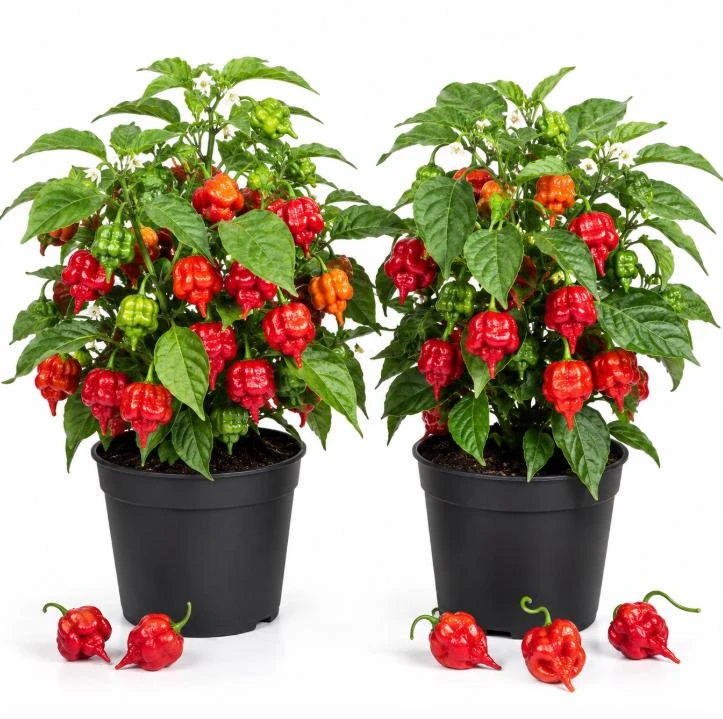
Trinidad Scorpion Pepper Plants – Set of 2 Live Starters, 4-6 Inch Tall, Hot Pepper for Home Garden
Reviews
There are no reviews yet.