
Caladium Live Plant – Vibrant Foliage Houseplant for Indoor & Outdoor
Original price was: $41.99.$21.99Current price is: $21.99.
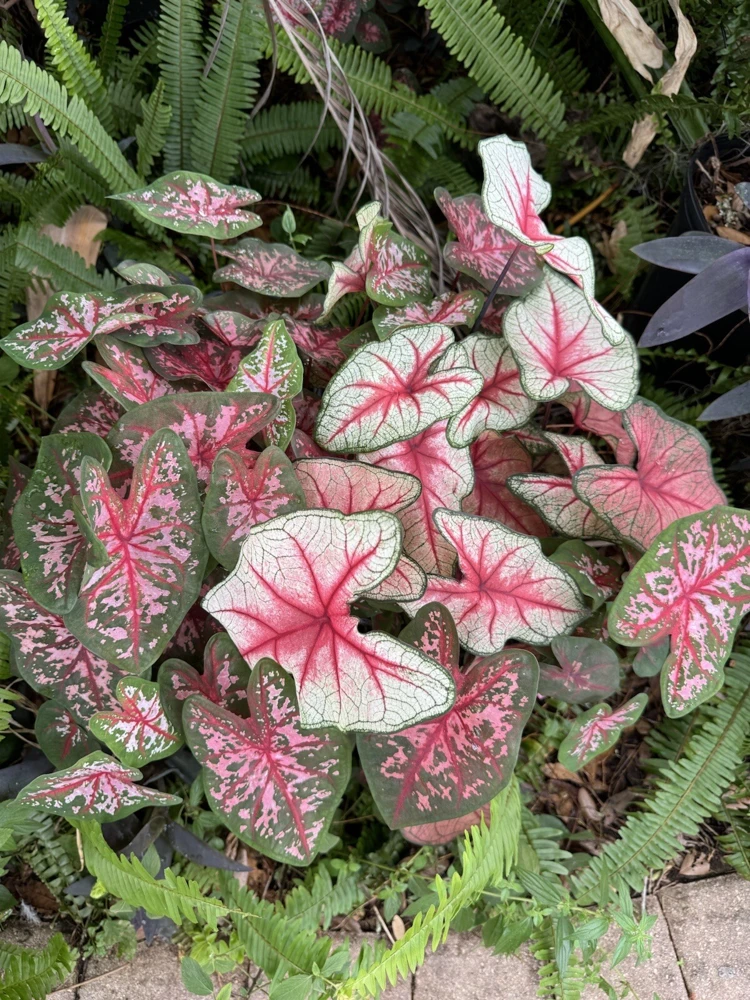
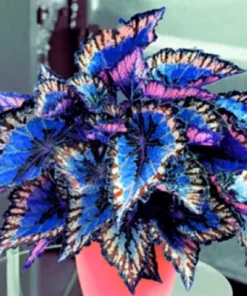
Bring a splash of vibrant color and tropical elegance to your space with a caladium live plant. Known for its striking, colorful leaves, this plant is perfect for adding visual interest indoors or outdoors in warmer climates. Enjoy its unique foliage and relatively easy care.
Estimated arrival
Oct 28
Nov 02 - Nov 04
Nov 07 - Nov 11
Shop With Confidence
30-Day Plant Health Guarantee
Arrives damaged? We’ll replace it free — see our return policy.
Responsive Support
Email us anytime, we reply within 1 business day.
Expert Packaging
Temperature-controlled shipping to protect your plants in transit.
Secure Checkout
Pay safely with Visa, Mastercard, PayPal.
Plant Specifications
-
USDA Hardiness Zone
USDA zones 9-11 (outdoors), suitable for all zones indoors -
Soil Type
Well-draining, rich potting mix -
Sunlight Exposure
Bright indirect light / Partial to full shade -
Expected Planting Period
Year-round indoors, spring to summer outdoors
Overview
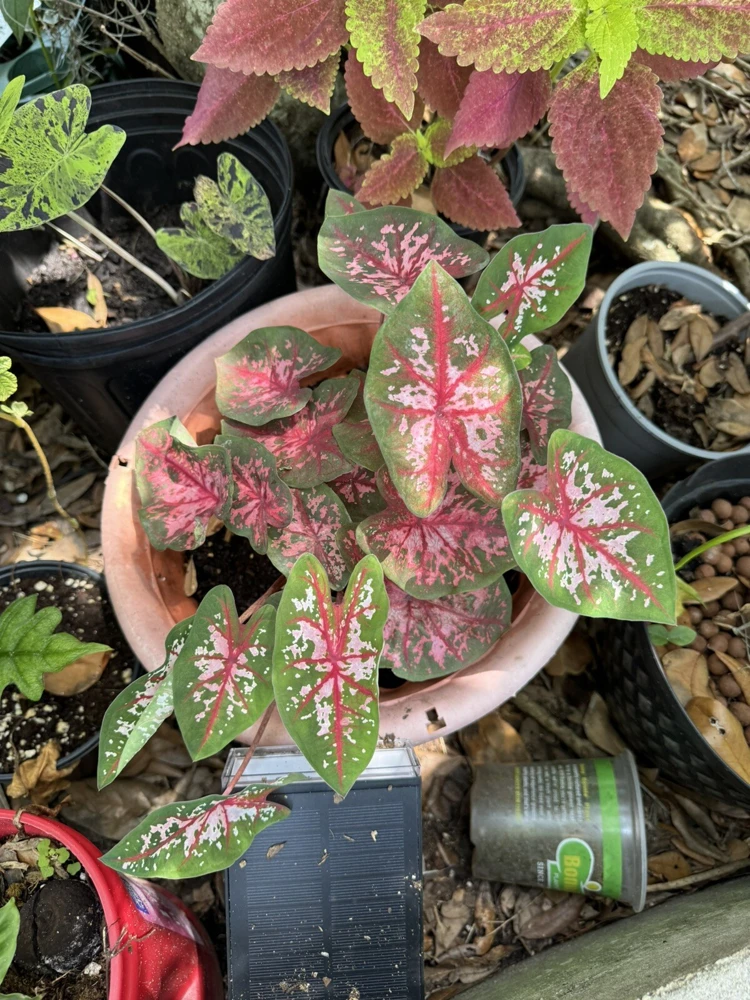
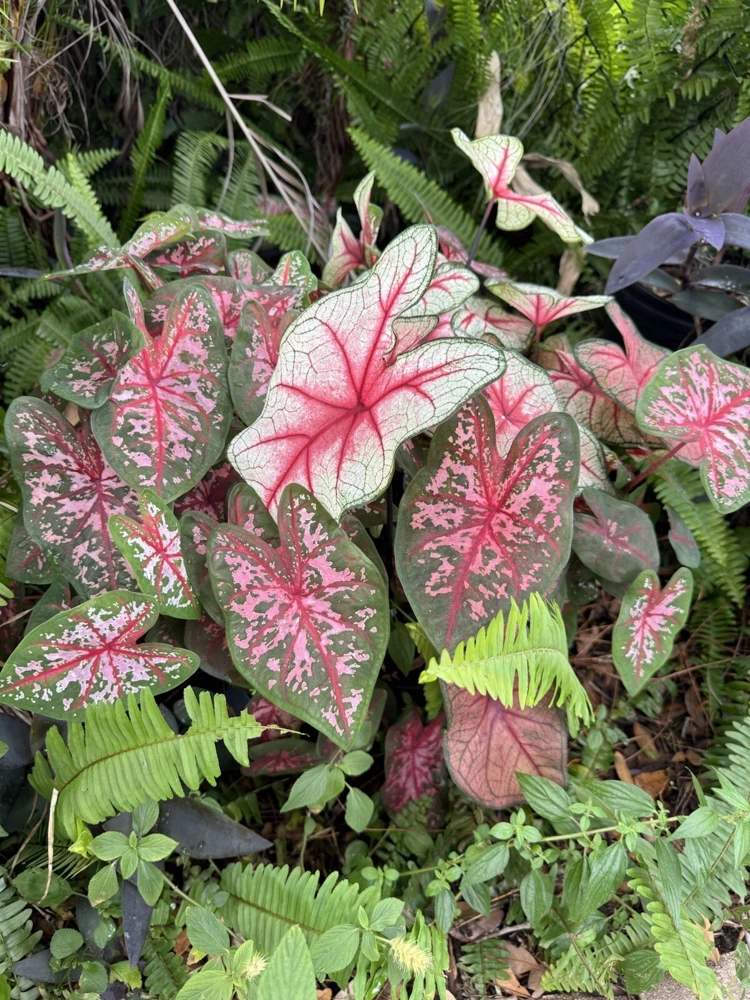
Welcome to the captivating world of the caladium live plant, a botanical marvel renowned for its breathtakingly colorful foliage. Often referred to as ‘Angel Wings’ or ‘Heart of Jesus’ due to its heart-shaped leaves, Caladium is a genus of flowering plants in the family Araceae. While it does produce flowers, it’s primarily cultivated for its spectacular leaves, which come in an incredible array of colors, patterns, and sizes. This tropical beauty thrives in warm, humid conditions and can be a stunning addition to both indoor settings as a houseplant or outdoor gardens in suitable climates. Whether you’re looking to brighten a shady corner of your garden or add a vibrant accent to your living room, a caladium live plant offers unparalleled visual appeal and a touch of the exotic.
Originating from the tropical rainforests of South America, particularly Brazil, Caladiums are tuberous plants that go dormant during cooler months, only to re-emerge with renewed vigor when conditions are right. Their dramatic leaves feature intricate patterns of green, white, pink, and red, making each plant a living work of art. They are relatively easy to care for once their basic needs are met, making them a rewarding choice for both novice and experienced plant enthusiasts alike. Enhance your home or garden with the unparalleled beauty of a caladium live plant.
Key Benefits
A caladium live plant offers numerous benefits, making it a highly desirable choice for enhancing any space. Its vibrant appearance and unique characteristics contribute significantly to its popularity and value.
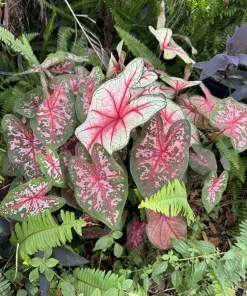
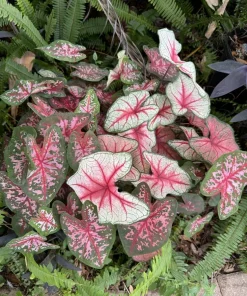
- Stunning Visual Appeal: Caladiums are famous for their incredibly colorful leaves, which can feature intricate patterns of red, pink, white, and green. They provide a dramatic splash of color that can instantly brighten any room or garden bed, offering a unique alternative to traditional flowering plants.
- Versatile Decor: These plants are highly adaptable, thriving as houseplants in bright, indirect light or as outdoor accents in shaded garden areas. Their versatility allows them to complement various design aesthetics, from tropical to contemporary.
- Foliage Focus: Unlike many plants grown for their blooms, the caladium live plant is celebrated for its foliage, providing consistent color and interest throughout its growing season. This ensures continuous beauty without waiting for specific flowering periods.
- Relatively Low Maintenance: Once established and given the right conditions, caladiums are not overly demanding. They require consistent watering and appropriate light, but generally steer clear of complex care routines, making caladium plant care manageable.
- Air Purification: Like many houseplants, caladiums contribute to improving indoor air quality by absorbing certain airborne toxins and releasing oxygen, creating a healthier living environment.
- Unique Heart-Shaped Leaves: The distinctive heart or arrow-shaped leaves add an elegant and charming touch, making them stand out in any plant collection. This unique leaf shape is part of their widespread appeal.
- Seasonal Interest: For outdoor growers, caladiums provide fantastic seasonal interest, emerging in spring and gracing the garden with color through summer and into fall before their natural dormancy.
Plant Care & Growing Tips
Proper caladium plant care is essential to ensure your plant thrives and displays its most vibrant colors. Caladiums prefer warm, humid environments, mimicking their native tropical habitat. For light, they perform best in bright, indirect sunlight. Direct sun can scorch their delicate leaves, causing discoloration and damage. If growing indoors, place them near a window with filtered light, or in an east-facing window. Outdoors, choose a location with dappled shade or morning sun and afternoon shade.
When it comes to watering, consistency is key. Keep the soil consistently moist but never waterlogged. Allow the top inch of soil to dry out slightly before watering again. Overwatering can lead to tuber rot, while underwatering can cause the leaves to wilt and the plant to go dormant prematurely. Caladiums also appreciate high humidity. You can increase humidity for indoor plants by misting the leaves regularly, placing the pot on a pebble tray with water, or using a humidifier. A good quality, well-draining potting mix rich in organic matter is ideal. During the growing season (spring and summer), fertilize every 2-4 weeks with a balanced liquid fertilizer diluted to half strength. As temperatures drop in late fall, the plant will naturally begin to go dormant. Reduce watering and stop fertilizing. Once the foliage dies back, you can dig up the tubers if grown outdoors, clean them, and store them in a cool, dry place until spring. Indoor plants will also go dormant; simply reduce watering and wait for new growth.
Size & Details
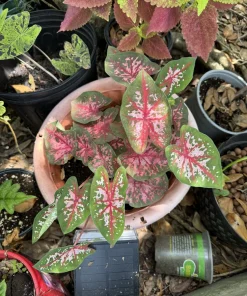
This offering is for a healthy caladium live plant, typically shipped as a well-rooted plant in its nursery pot, ready for immediate display or transplanting. While exact dimensions can vary, most caladium plants will arrive with several established leaves, generally reaching an initial height of 6-12 inches, with the potential to grow up to 18-24 inches tall and wide within a single growing season under optimal conditions. The size of the leaves is a defining characteristic, often spanning 6-12 inches across. The plant will display the characteristic vibrant, variegated foliage that makes fancy leaf caladium varieties so sought after. Growth rate is moderate to fast during the active growing season, with new leaves unfurling regularly. This plant is perfect for adding a dynamic and colorful element to your indoor plant collection or a shaded outdoor garden bed, offering continuous visual interest throughout its active growth period.
Frequently Asked Questions
- Q: How big does this caladium live plant get? A: A caladium live plant typically arrives established, and can grow to an average height of 18-24 inches and spread similar widths in a single growing season. Leaf size can vary but often reaches 6-12 inches across, contributing to its lush appearance.
- Q: Is this an indoor or outdoor plant? A: Caladiums are versatile. They thrive as houseplants in bright, indirect light, making them an excellent indoor caladium. In warmer climates (USDA Zones 9-11), they can also be grown outdoors in shaded areas as a beautiful seasonal accent or perennial.
- Q: How much sunlight does a caladium need? A: Caladiums prefer bright, indirect light. Direct sunlight can scorch their delicate leaves, causing them to fade or burn. For an outdoor caladium, choose a spot with dappled shade or morning sun only.
- Q: Is this plant easy to care for? A: Yes, caladium plant care is relatively straightforward. They require consistent moisture, high humidity, and protection from direct sun. Once you understand their basic needs, they are quite rewarding and low-fuss.
- Q: What condition will the caladium arrive in? A: Your caladium live plant will arrive as a healthy, well-rooted plant in its nursery pot. It will be carefully packaged to ensure minimal stress during transit, ready for you to unbox and enjoy.
- Q: How long until it blooms or shows full color? A: While caladiums do produce flowers, they are primarily grown for their stunning foliage. The plant will display its vibrant colors from the moment it unfurls its leaves, which typically happens as it emerges from dormancy in spring and continues through summer.
- Q: What’s the minimum temperature a caladium can tolerate? A: Caladiums are tropical plants and are sensitive to cold. They prefer temperatures above 60°F (15°C). Temperatures below 50°F (10°C) can cause them to go dormant or suffer damage.
- Q: Can I grow a caladium in a pot? A: Absolutely! Caladiums are excellent container plants, both indoors and outdoors. Growing them in pots allows for easy relocation to adjust light conditions or to bring them indoors for winter.
- Q: How often should I water my caladium plant? A: Water your caladium live plant when the top inch of soil feels dry to the touch. Keep the soil consistently moist but never soggy. Reduce watering significantly when the plant enters its dormant phase.
- Q: Is this a fancy leaf caladium variety? A: Yes, this plant is a fancy leaf caladium, known for its intricate patterns and vibrant color combinations that make each leaf a unique piece of natural art.
Be the first to review “Caladium Live Plant – Vibrant Foliage Houseplant for Indoor & Outdoor”
People Also Viewed
Reviews
There are no reviews yet.