


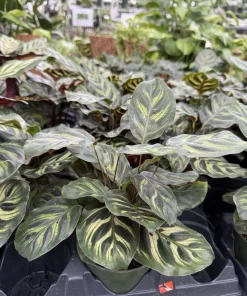
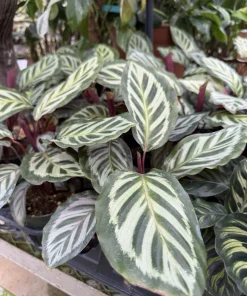
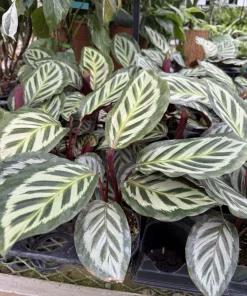
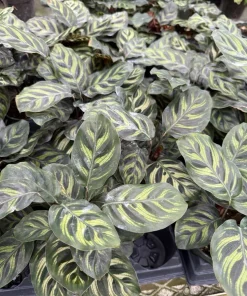
Peacock Plant Live Indoor Plant Calathea makoyana – Unique Foliage Houseplant
Original price was: $81.99.$61.99Current price is: $61.99.
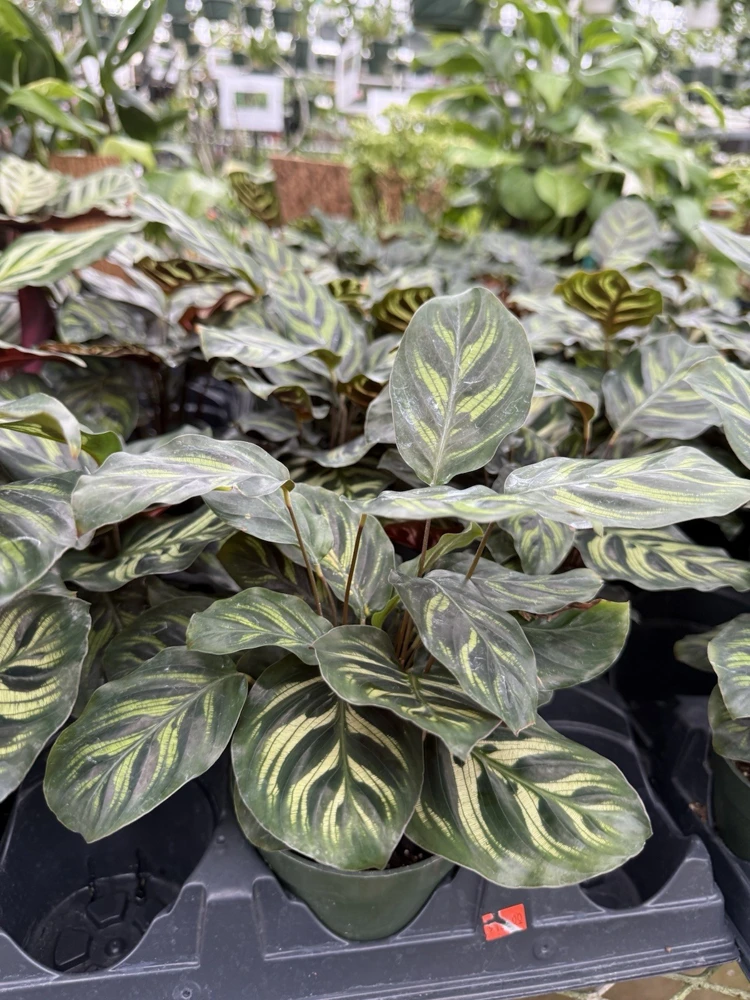
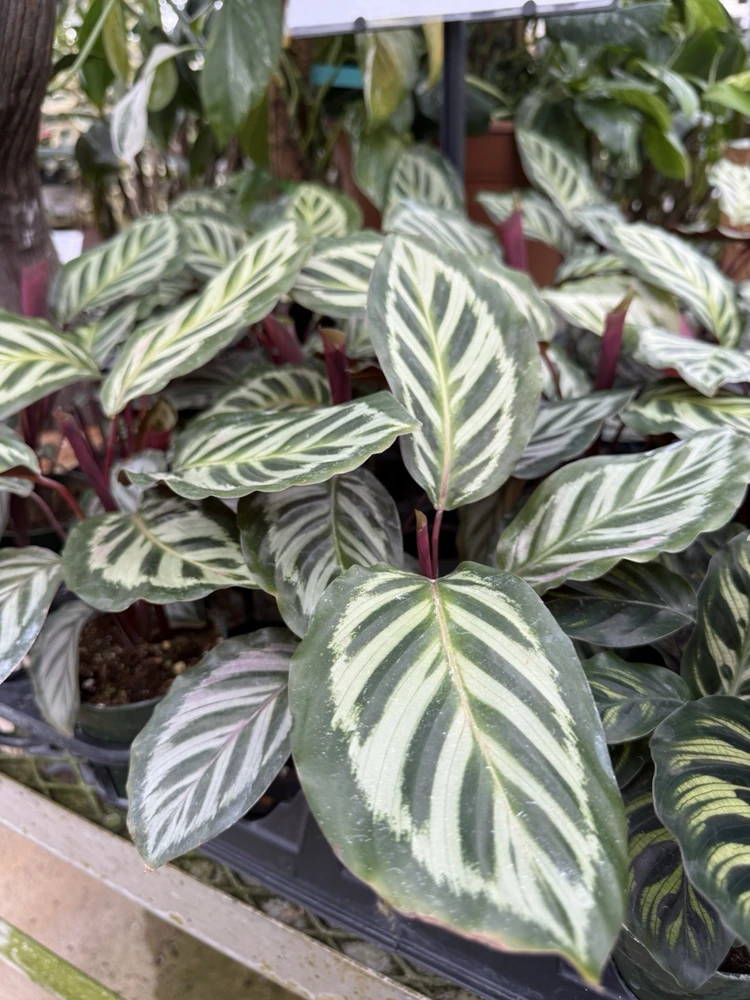
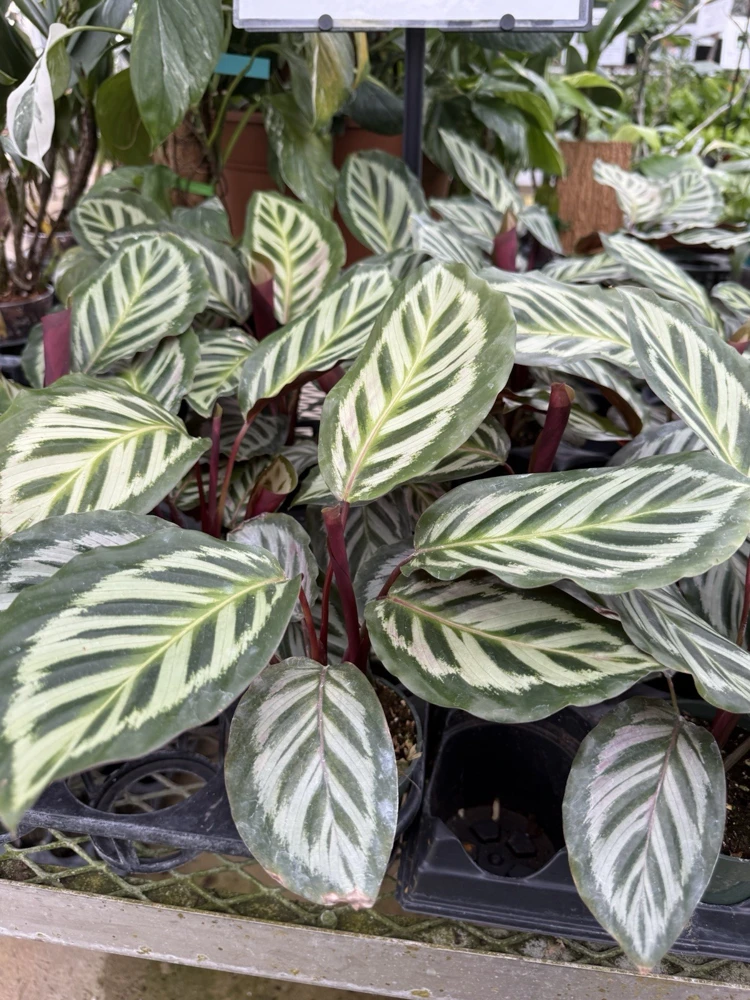
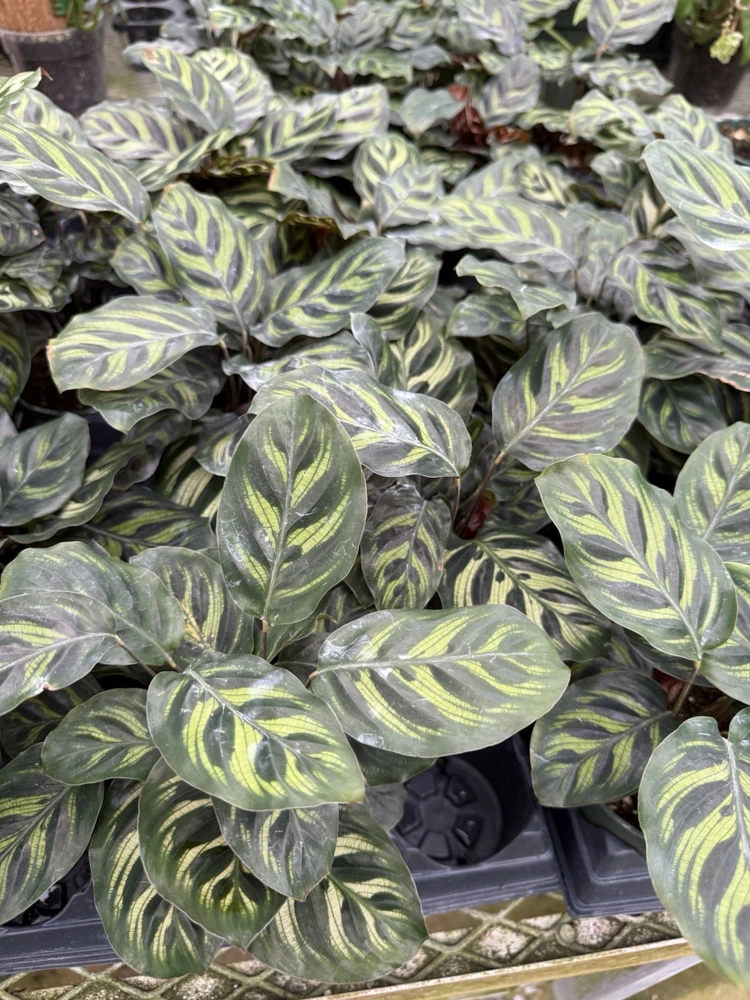
Bring exotic beauty indoors with the peacock plant live plant, also known as calathea makoyana care. This stunning houseplant features vibrant, feather-like patterns on its leaves, creating a captivating display. Ideal for adding a tropical flair, it thrives in indirect light and adds elegance to any room.
Estimated arrival
Oct 27
Nov 01 - Nov 03
Nov 06 - Nov 10
Shop With Confidence
30-Day Plant Health Guarantee
Arrives damaged? We’ll replace it free — see our return policy.
Responsive Support
Email us anytime, we reply within 1 business day.
Expert Packaging
Temperature-controlled shipping to protect your plants in transit.
Secure Checkout
Pay safely with Visa, Mastercard, PayPal.
Plant Specifications
-
USDA Hardiness Zone
USDA zones 10-11 (outdoors), typically grown indoors -
Soil Type
Well-draining, peat-based potting mix -
Sunlight Exposure
Bright indirect light -
Expected Planting Period
Year-round indoors
Overview
Introduce a touch of the tropics to your indoor oasis with the magnificent peacock plant live plant, scientifically known as Calathea makoyana. This captivating houseplant is celebrated for its truly unique and ornate foliage, resembling the intricate patterns found on a peacock’s tail feathers. Each leaf boasts a delicate, feather-like design in varying shades of green, with a contrasting purplish-red underside that adds an extra layer of visual interest. As a member of the Marantaceae family, also known as the prayer plant family, the Calathea makoyana exhibits nyctinasty, meaning its leaves fold upwards at night, much like hands in prayer, and unfurl again with the morning light. This dynamic characteristic makes it not just a beautiful decor piece but also a living, breathing marvel that responds to its environment. The indoor peacock plant is an excellent choice for plant enthusiasts looking to add vibrant color and natural artistry to their living spaces.
The Calathea makoyana is more than just a pretty face; it’s a living work of art that can transform any room into a lush, tranquil retreat. Its striking appearance makes it a popular choice for interior decorators and plant collectors alike. Often sought after by those looking for unique houseplants, the peacock plant live plant provides continuous visual engagement. Its rich green and purple hues complement a wide range of decor styles, from minimalist to bohemian. This plant thrives in conditions that mimic its native Brazilian rainforest habitat, requiring consistent humidity and warmth to truly flourish. Understanding calathea makoyana care is essential for maintaining its vibrant leaf patterns and ensuring its healthy growth.
Key Benefits
Owning a peacock plant live plant offers a multitude of benefits beyond its undeniable beauty, making it a valuable addition to any home. Its unique characteristics contribute to a healthier and more aesthetically pleasing environment, enhancing your daily living experience.
- Stunning Ornamental Foliage: The primary appeal of the Calathea makoyana lies in its breathtaking leaves. Each leaf is adorned with intricate, dark green feather-like patterns on a lighter green background, complemented by a rich purple underside. This vibrant display brings a constant source of natural artistry into your home, making it a focal point in any room.
- Air Purification: Like many houseplants, the indoor peacock plant contributes to improved indoor air quality by absorbing common airborne toxins and releasing oxygen. This natural air-filtering ability helps create a fresher and healthier living environment for you and your family.
- Unique Nocturnal Movement: Experience the fascinating phenomenon of nyctinasty as the leaves of your peacock plant live plant fold up at night and spread open during the day. This ‘prayer-like’ movement is a captivating natural spectacle that adds a dynamic element to your plant collection.
- Enhances Home Decor: With its exotic and sophisticated appearance, the Calathea makoyana effortlessly elevates the aesthetic of any interior space. It’s perfect for adding a pop of color and a tropical vibe to living rooms, bedrooms, or offices, creating a serene and inviting atmosphere.
- Non-Toxic to Pets: For pet owners, finding beautiful houseplants that are also safe is crucial. The indoor peacock plant is known to be non-toxic to cats and dogs, offering peace of mind while enjoying its lush beauty.
- Therapeutic Presence: The act of caring for plants like the Calathea makoyana can be a calming and meditative activity. Observing its growth and unique movements can reduce stress and enhance overall well-being, providing a natural connection to nature indoors.
- Conversation Starter: Its distinct patterns and movements make the peacock plant live plant a fantastic conversation piece. Guests will be intrigued by its beauty and natural behavior, allowing you to share your passion for unique houseplants.
Plant Care & Growing Tips
Proper calathea makoyana care is crucial to ensure your plant thrives and maintains its vibrant, detailed foliage. These tropical beauties prefer conditions that mimic their native rainforest environment, so attention to humidity, light, and watering is key. When considering how to grow calathea successfully, start with the right placement. They flourish in bright, indirect light. Direct sunlight can scorch their delicate leaves and cause the vibrant patterns to fade, so an east or north-facing window is often ideal. If you notice the leaves looking dull or crispy, it might be getting too much light. Conversely, too little light can lead to leggy growth and less pronounced patterns.
Watering is another critical aspect of indoor peacock plant care. Keep the soil consistently moist but never waterlogged. Allow the top inch or two of soil to dry out slightly before watering again. Overwatering can lead to root rot, while underwatering can cause the leaf edges to crisp and curl. Use filtered or distilled water, as Calatheas are sensitive to the chlorine and fluoride often found in tap water, which can cause brown leaf tips. High humidity is paramount for these plants; they thrive in environments with 50-70% humidity. You can achieve this by misting regularly, placing the pot on a pebble tray filled with water, or using a humidifier. Grouping it with other plants also helps create a microclimate of higher humidity. The ideal temperature range is between 65-80°F (18-27°C); avoid sudden temperature drops or cold drafts.
For soil, a well-draining, peat-based potting mix is best. A mix formulated for African Violets or general houseplants with added perlite or bark works well to ensure good aeration and drainage. Fertilize sparingly during the growing season (spring and summer) with a balanced liquid fertilizer diluted to half strength, approximately once a month. Reduce or stop fertilization during fall and winter. Repotting is generally needed every 1-2 years, or when the plant becomes root-bound, preferably in spring. Watch out for common pests like spider mites, which thrive in dry conditions; regular misting can help deter them. Understanding these nuances of calathea makoyana care will help you cultivate a healthy and beautiful peacock plant live plant.
Size & Details
Our peacock plant live plant (Calathea makoyana) is typically shipped as a young, established plant, ready to thrive in your home. It usually arrives in a nursery pot, ensuring its roots are well-protected during transit. The initial size can vary, but most plants will be approximately 6-10 inches tall from the base of the pot, with several healthy leaves already displaying their characteristic vibrant patterns. This plant has a moderate growth rate and can reach an mature height of 1-2 feet indoors, with a similar spread, creating a lush, bushy appearance.
With proper calathea makoyana care, your plant will continue to develop its stunning foliage. The leaves themselves can grow to be 8-12 inches long, showcasing the intricate feather-like designs. This tropical beauty is perfect for tabletops, shelves, or as a vibrant floor plant as it matures. It is shipped carefully packaged to minimize stress and ensure it arrives in optimal condition, ready for you to enjoy its unique beauty. Expect a vibrant, healthy specimen that will quickly adapt to its new environment and continue to grow into a spectacular indoor peacock plant.
Frequently Asked Questions
- Q: How big does the peacock plant live plant get? A: A: Typically, the Peacock Plant (Calathea makoyana) can grow to an indoor height of 1 to 2 feet and achieve a similar spread. Its leaves can reach lengths of 8-12 inches, creating a full and vibrant display.
- Q: Is this an indoor or outdoor plant? A: The peacock plant live plant is primarily an indoor plant in most climates, as it requires consistent warmth and high humidity. It can be placed outdoors in shaded areas during warm summer months in tropical or subtropical regions (USDA Zones 10-11), but should be brought inside before temperatures drop below 60°F (15°C).
- Q: How much sunlight does the Peacock Plant need? A: This plant thrives in bright, indirect light. Direct sunlight can scorch its delicate leaves and cause the vibrant patterns to fade. An east or north-facing window is often ideal for optimal calathea makoyana care.
- Q: Is this plant easy to care for? A: While not the most difficult, the peacock plant live plant requires consistent attention to its specific needs, particularly regarding humidity and watering. It’s considered moderately challenging for beginners but very rewarding for those who can provide the right environment.
- Q: What condition will it arrive in? A: Your peacock plant live plant will arrive as a healthy, established plant in a nursery pot, carefully packaged to ensure its safety during transit. It will be ready to be placed in its new home upon arrival, though some acclimatization may be needed.
- Q: Is the Peacock Plant pet-safe? A: Yes, the Calathea makoyana is known to be non-toxic to cats and dogs, making it a safe choice for households with pets. This is a common concern for those wondering how to grow calathea safely at home.
- Q: What kind of soil is best for calathea makoyana care? A: A well-draining, peat-based potting mix is ideal. You can use a mix formulated for African Violets or a general houseplant mix amended with perlite or orchid bark to ensure good drainage and aeration.
- Q: How often should I water my indoor peacock plant? A: Keep the soil consistently moist but not waterlogged. Water when the top 1-2 inches of soil feel dry to the touch. It’s best to use filtered or distilled water to avoid leaf tip browning.
- Q: What are the best humidity levels for this plant? A: High humidity, ideally between 50-70%, is crucial for the peacock plant live plant. You can increase humidity by misting, using a pebble tray, or placing a humidifier nearby.
- Q: Why are the leaves of my Peacock Plant curling? A: Curling leaves are often a sign of low humidity or underwatering. Ensure you are providing adequate humidity and consistent moisture to the soil as part of your calathea makoyana care routine.
Be the first to review “Peacock Plant Live Indoor Plant Calathea makoyana – Unique Foliage Houseplant”
People Also Viewed

Houseplants
Rainbow Vine Pellionia Daveauana Live Plant – 2.5″ Pot – Terrarium & Fairy Garden Houseplant



Flower Plants
Fall Obedient Plant Live Plant – Physostegia virginiana Perennial Flower, 1 Gallon Pot


Reviews
There are no reviews yet.