
Bromeliad Live Plant in Vase – Exotic Houseplant Full Sun
Original price was: $62.99.$42.99Current price is: $42.99.
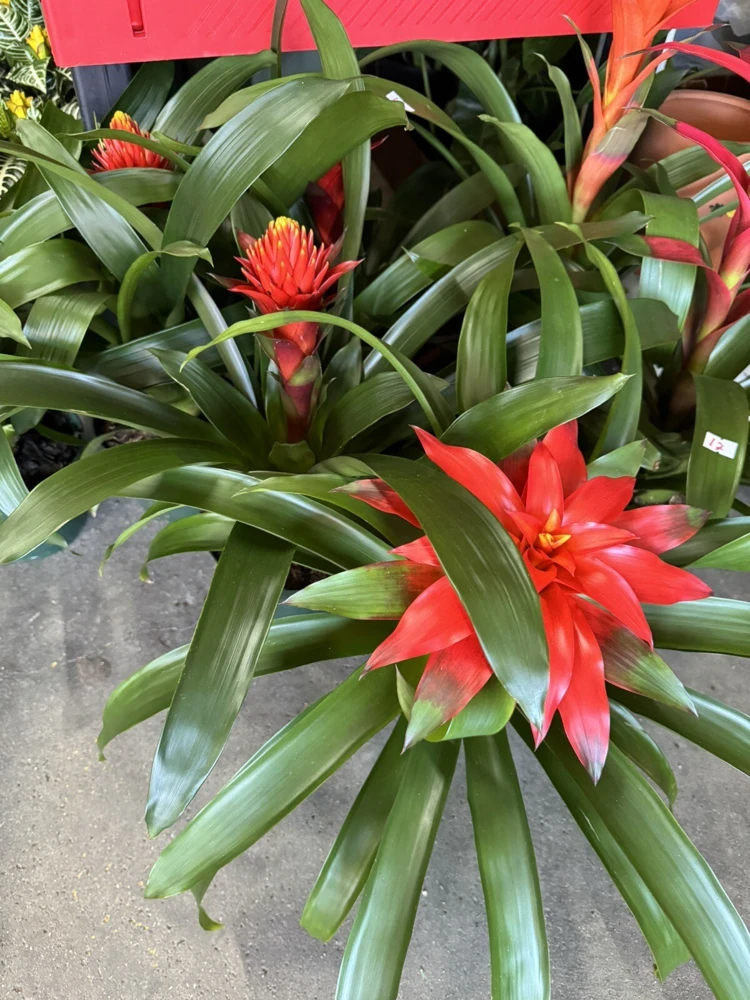
Bring a touch of the tropics indoors with this stunning bromeliad live plant, presented elegantly in a vase. Known for its vibrant foliage and unique flower spikes, this exotic houseplant is a beautiful addition to any space. It prefers bright, full sun conditions, making it an ideal choice for sunny windowsills or well-lit rooms.
Estimated arrival
Oct 27
Nov 01 - Nov 03
Nov 06 - Nov 10
Shop With Confidence
30-Day Plant Health Guarantee
Arrives damaged? We’ll replace it free — see our return policy.
Responsive Support
Email us anytime, we reply within 1 business day.
Expert Packaging
Temperature-controlled shipping to protect your plants in transit.
Secure Checkout
Pay safely with Visa, Mastercard, PayPal.
Plant Specifications
-
USDA Hardiness Zone
USDA zones 9-11 (for outdoor consideration, otherwise year-round indoors) -
Soil Type
Well-draining, airy potting mix (e.g., orchid mix) -
Sunlight Exposure
Full Sun -
Expected Planting Period
Year-round indoors
Overview
Transform your living space into a tropical paradise with a spectacular bromeliad live plant. These fascinating plants, belonging to the Bromeliaceae family, are renowned for their striking, often colorful foliage and dramatic flower spikes that can last for months. Our bromeliad comes pre-potted in a stylish vase, ready to display and instantly enhance your home decor. While commonly referred to as simply ‘bromeliad,’ this particular variety is a fantastic choice for an indoor bromeliad, offering a low-maintenance yet high-impact decorative solution. Bromeliads are epiphytic in nature, meaning they naturally grow on other plants in their native rainforest habitats, absorbing nutrients and moisture through their leaves. This unique characteristic makes them distinct from many other houseplants and contributes to their resilience and adaptability in home environments. They are a perfect choice for those seeking an exotic houseplant that adds a splash of color and texture without demanding constant attention.
Key Benefits
Adding a bromeliad to your home offers numerous advantages, from aesthetic appeal to ease of care. This bromeliad live plant is not just a decorative item; it brings life and a vibrant atmosphere to any room.
- Stunning Visual Appeal: Bromeliads feature intricate leaf patterns and brilliant hues, ranging from deep greens to fiery reds, oranges, and purples. Their unique flower spikes emerge from the center, creating a focal point that captures attention. The presentation in a vase further elevates its decorative value, making it a ready-to-display piece of living art.
- Low Maintenance: Despite their exotic appearance, bromeliads are remarkably easy to care for. They are tolerant of varying conditions and do not require frequent watering or complex feeding schedules, making them suitable for busy individuals or novice plant enthusiasts. This ease of care contributes to the popularity of the indoor bromeliad.
- Long-Lasting Blooms: Unlike many flowering plants with short bloom cycles, a bromeliad’s colorful inflorescence can last for several months, providing extended enjoyment and continuous beauty. Even after the bloom fades, the attractive foliage continues to offer visual interest.
- Air Purification: Like many houseplants, bromeliads contribute to a healthier indoor environment by purifying the air. They absorb certain airborne toxins and release oxygen, improving air quality and promoting a fresher atmosphere in your home or office.
- Versatile Decor: The compact size and striking appearance of a bromeliad live plant make it incredibly versatile for interior design. It can be placed on desks, shelves, windowsills, or as a centerpiece, effortlessly complementing various decor styles from modern to bohemian. Its adaptability ensures it fits seamlessly into almost any room.
- Conversation Starter: The unusual form and vibrant colors of this exotic houseplant are sure to spark curiosity and admiration from guests. It’s a unique botanical specimen that stands out from more common houseplants.
- Pet-Friendly Option: While it’s always best to keep plants out of reach of pets, bromeliads are generally considered non-toxic to cats and dogs, offering a safer choice for pet owners compared to some other popular houseplants. However, ingestion in large quantities can still cause mild digestive upset.
Plant Care & Growing Tips
Caring for your bromeliad live plant is straightforward, ensuring it thrives and continues to bring beauty to your home. Understanding its basic needs will help you maintain its vibrant colors and health. One of the most crucial aspects of bromeliad plant care is managing its light and water requirements effectively.
Sunlight Requirements: This bromeliad variety thrives in Full Sun. This means it needs at least six hours of direct sunlight per day to produce its most vibrant colors and encourage healthy growth. Place it near a south or west-facing window where it can receive ample bright, unfiltered light. While it appreciates bright light, direct scorching midday sun in extreme heat might be too intense, so observe your plant for any signs of leaf burn. If leaves start to look bleached or yellow, move it to a slightly less intense spot. For an indoor bromeliad, a bright, sunny spot is key.
Watering Schedule and Soil Moisture: Bromeliads have a unique watering style. Their central cup, or ‘tank,’ should always contain water. Fill this cup with filtered water or rainwater, flushing it out every few weeks to prevent stagnation and bacterial growth. The soil should be kept consistently moist but never soggy. Water the soil thoroughly when the top inch feels dry to the touch, ensuring good drainage. Avoid letting the plant sit in standing water, as this can lead to root rot. Good drainage is essential for proper bromeliad plant care.
Soil Type and Drainage: Bromeliads prefer a well-draining, airy potting mix that mimics their natural epiphytic environment. A mix designed for orchids or a blend of peat moss, pine bark, and perlite works well. This type of soil ensures adequate aeration for the roots and prevents waterlogging, which is crucial for the health of your bromeliad live plant.
Temperature Range: Bromeliads prefer warm temperatures, ideally between 65-80°F (18-27°C). Avoid exposing them to temperatures below 50°F (10°C), as they are sensitive to cold. Keep them away from cold drafts from windows or air conditioning vents. They also appreciate high humidity, which can be provided by misting occasionally or placing the plant near a humidifier.
Fertilization: Fertilize sparingly. Bromeliads are light feeders. You can use a balanced liquid fertilizer diluted to half or quarter strength, applied to the soil once every 2-4 months during the growing season (spring and summer). Alternatively, you can mist the leaves with a very diluted foliar feed, or add a tiny amount to the central cup when flushing it. Over-fertilization can harm the plant, so less is often more. This minimal feeding is another aspect that makes it a low-maintenance exotic houseplant.
Common Problems: Watch out for scale insects or mealybugs, which can sometimes affect bromeliads. Treat with insecticidal soap or neem oil. Yellowing leaves can indicate overwatering or insufficient light, while brown leaf tips might suggest low humidity or too much direct sun. Adjust care practices accordingly to keep your bromeliad in vase healthy.
Size & Details
This bromeliad live plant is thoughtfully presented in a decorative vase, making it an instant centerpiece or accent piece for your home or office. While specific dimensions can vary slightly by individual plant, bromeliads typically reach a height of 12 to 24 inches (30-60 cm) and a width of 10 to 20 inches (25-50 cm) when mature. The vase provides a stable and attractive base, complementing the plant’s vibrant aesthetics. This indoor bromeliad is shipped as a fully rooted plant, carefully packaged to ensure it arrives in excellent condition, ready to flourish in its new environment. Expect the colorful inflorescence to last for several months, providing long-term decorative value. After the primary bloom fades, the mother plant will typically produce ‘pups’ or offsets at its base, which can be separated and grown into new plants, allowing you to propagate your collection of this beautiful exotic houseplant.
Frequently Asked Questions
- Q: How big does this bromeliad plant get? A: This bromeliad live plant typically grows to be about 12 to 24 inches tall and 10 to 20 inches wide, making it a compact yet impactful addition to your indoor space. Its size makes it ideal for tabletops or shelves.
- Q: Is this an indoor or outdoor plant? A: This bromeliad is primarily an indoor bromeliad. While it enjoys bright light, it prefers the stable temperatures and humidity of an indoor environment, especially in most US climates. It can be moved outdoors in warm, humid conditions during summer but should be brought inside before temperatures drop.
- Q: How much sunlight does it need? A: This bromeliad thrives in full sun, requiring at least six hours of direct sunlight daily. Place it near a south or west-facing window for optimal growth and vibrant color. Proper light is crucial for effective bromeliad plant care.
- Q: Is this plant easy to care for? A: Yes, bromeliads are considered very easy to care for, making them an excellent choice for beginners and experienced plant enthusiasts alike. They are quite forgiving and require less frequent watering than many other houseplants, especially when kept as a bromeliad in vase.
- Q: What condition will it arrive in? A: Your bromeliad live plant will arrive as a healthy, fully rooted plant in its decorative vase, carefully packaged to minimize stress during transit. It will be ready to be placed and enjoyed immediately upon arrival.
- Q: How do I water a bromeliad in a vase? A: Fill the central cup of the bromeliad with water, flushing it out every few weeks. Additionally, keep the soil lightly moist but ensure good drainage, as the vase will not have drainage holes. Avoid letting water sit around the roots for extended periods.
- Q: How long do bromeliad blooms last? A: The vibrant flower spike of a bromeliad live plant can last for several months, providing a long period of color and beauty. Once the bloom fades, the mother plant will eventually decline but will produce ‘pups’ for new growth.
- Q: Is this bromeliad considered an exotic houseplant? A: Absolutely! Bromeliads are native to tropical and subtropical regions of the Americas, giving them their distinctive exotic appearance and making them a popular choice for those seeking unique and vibrant indoor plants.
- Q: Can I repot the bromeliad from the vase? A: While it is possible to repot, the plant is designed to be kept in the vase for aesthetic purposes. If you choose to repot, select a pot with drainage holes and use a well-draining orchid mix. The vase acts as a decorative outer container for the plant.
- Q: Is this plant pet-safe? A: Bromeliads are generally considered non-toxic to pets like cats and dogs. However, it’s always recommended to supervise pets around plants and prevent them from ingesting large quantities, which could cause mild stomach upset.
Be the first to review “Bromeliad Live Plant in Vase – Exotic Houseplant Full Sun”
People Also Viewed
Houseplants
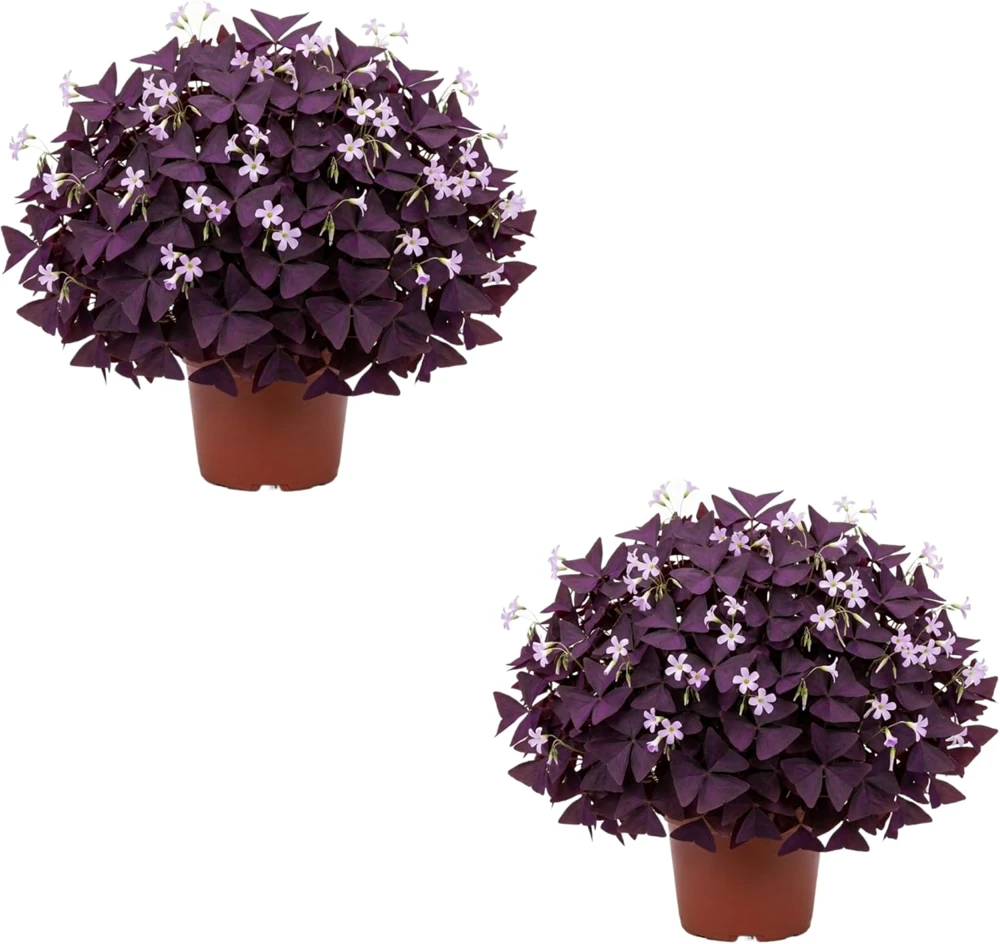
Oxalis Purple Shamrock Live Plant Set – 2 Plants, 4-6 Inch Tall, Dark Purple Foliage, Indoor/Outdoor
Reviews
There are no reviews yet.