
Red Prayer Plant Live Houseplant – Potted Indoor Plant with Striking Foliage
Original price was: $62.99.$42.99Current price is: $42.99.
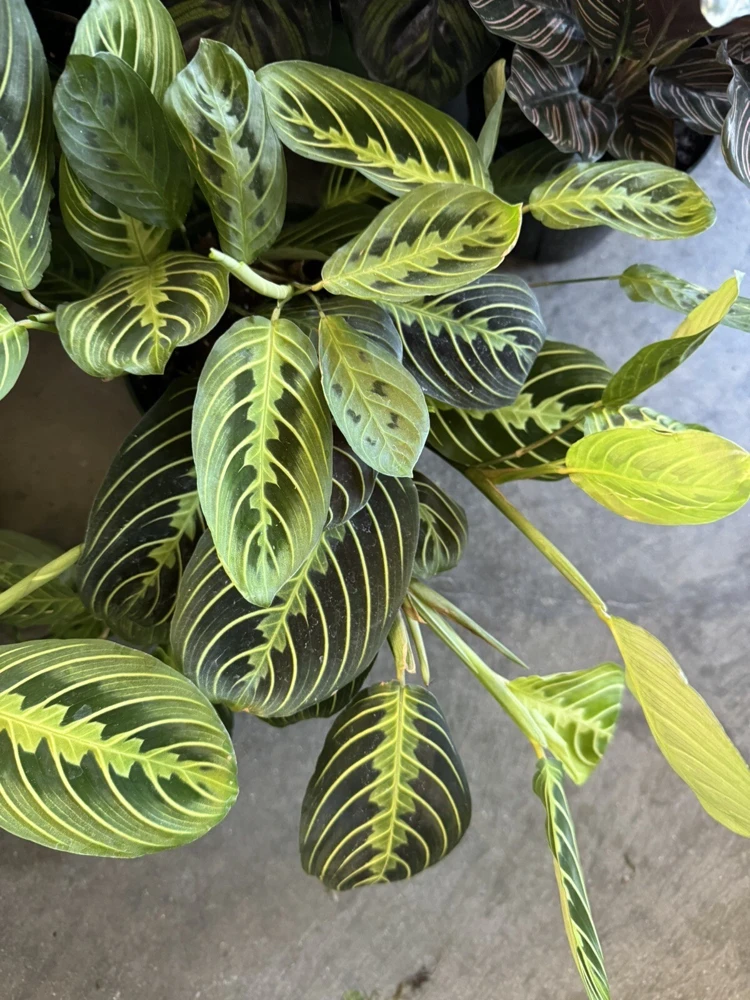
Bring vibrant color and unique texture into your home with this beautiful red prayer plant. Known for its striking red-veined leaves that fold up at night, this red prayer plant indoor variety is a captivating addition to any collection. It’s a perfect choice for adding natural elegance and a touch of the tropics to your living space.
Estimated arrival
Oct 27
Nov 01 - Nov 03
Nov 06 - Nov 10
Shop With Confidence
30-Day Plant Health Guarantee
Arrives damaged? We’ll replace it free — see our return policy.
Responsive Support
Email us anytime, we reply within 1 business day.
Expert Packaging
Temperature-controlled shipping to protect your plants in transit.
Secure Checkout
Pay safely with Visa, Mastercard, PayPal.
Plant Specifications
-
USDA Hardiness Zone
year-round indoors -
Soil Type
well-draining potting mix -
Sunlight Exposure
bright indirect light -
Expected Planting Period
year-round indoors
Overview
Introduce a splash of vibrant color and dynamic foliage to your home with the exquisite red prayer plant, scientifically known as Maranta leuconeura ‘Erythroneura’. This stunning live houseplant is celebrated for its distinctive leaves, which feature a captivating pattern of deep red veins against a rich green background, often with a lighter green or yellowish-green midrib. The common name, red prayer plant, comes from its fascinating nyctinastic movement; its leaves fold upwards at night, resembling hands clasped in prayer, and then unfurl again with the morning light. This captivating behavior, combined with its striking visual appeal, makes it a truly unique and engaging addition to any indoor plant collection. Originating from the tropical rainforests of Brazil, this plant thrives in conditions that mimic its natural humid environment, making it an excellent choice for bathrooms, kitchens, or terrariums.
The Maranta ‘Erythroneura’ is a relatively compact plant, making it ideal for shelves, desks, or hanging baskets where its beautiful foliage can be admired up close. It’s not just a decorative plant; it brings a touch of living art into your home, constantly changing and interacting with its environment. If you’re looking for a plant that offers both aesthetic beauty and intriguing behavior, the red prayer plant is an unparalleled choice. Its moderate care requirements make it suitable for both novice and experienced plant parents eager to explore the world of tropical houseplants.
Key Benefits
The red prayer plant offers a multitude of benefits that extend beyond its striking appearance, making it a highly desirable indoor plant for various reasons.
- Exceptional Ornamental Value: The vibrant red veins and unique leaf patterns make this plant a stunning focal point in any room. Its dynamic leaf movement adds an element of living art to your home, ensuring it’s always a conversation starter. This makes the red prayer plant indoor a truly captivating houseplant.
- Air Purifying Qualities: Like many houseplants, the Maranta leuconeura contributes to a healthier indoor environment by helping to filter airborne toxins and improve air quality, promoting a more refreshing living space.
- Pet-Friendly: Unlike some popular houseplants, the red prayer plant is generally considered non-toxic to cats and dogs, offering peace of mind for pet owners who want to enjoy greenery without worry.
- Unique Leaf Movement: The daily folding and unfolding of its leaves is a fascinating natural phenomenon that adds an interactive and captivating dimension to your plant collection. This distinctive trait is what makes the how to care for prayer plant experience so rewarding.
- Adaptable to Various Settings: Its compact size and preference for indirect light make it suitable for a wide range of indoor locations, from brightly lit offices to cozy bedroom corners, as long as humidity requirements are met.
- Enhances Indoor Humidity: As a tropical plant, it naturally releases moisture into the air, contributing to increased humidity, which can be beneficial for both other plants and human well-being, especially in dry indoor environments.
- Relatively Low Maintenance: While it appreciates consistent attention to its specific needs, learning about prayer plant care is straightforward, making it a rewarding plant for those willing to provide the right conditions.
Plant Care & Growing Tips
Caring for your red prayer plant, or maranta leuconeura, is a rewarding experience that requires understanding its tropical origins. These plants thrive in conditions that mimic their native rainforest habitat. For optimal growth, provide bright, indirect light. Direct sunlight can scorch its delicate leaves, causing them to fade or develop brown spots, so place it a few feet away from a west or south-facing window, or near an east-facing window. Insufficient light, conversely, can lead to less vibrant leaf coloration and reduced leaf movement. A good indicator of proper lighting is healthy, richly colored leaves with distinct red veins.
Watering is crucial for a healthy red prayer plant. Keep the soil consistently moist but never soggy. Allow the top inch of soil to dry out slightly before watering again. Overwatering can lead to root rot, while underwatering will cause the leaves to curl and crisp. Use filtered, distilled, or rainwater, as prayer plants are sensitive to the chemicals found in tap water, such as chlorine and fluoride, which can cause leaf tip burn. Humidity is another vital factor; aim for high humidity levels (above 50%). You can achieve this by misting regularly, placing the pot on a pebble tray with water, or using a humidifier. Grouping it with other plants also helps create a more humid microclimate. Understanding how to care for prayer plant involves paying close attention to these environmental factors.
The ideal soil for a red prayer plant indoor is a well-draining, peat-based potting mix that retains some moisture. A mix designed for African violets often works well. Fertilize sparingly during the growing season (spring and summer) with a balanced liquid fertilizer diluted to half strength, once every 2-4 weeks. Reduce or stop fertilizing during fall and winter. Maintain consistent temperatures between 65-80°F (18-27°C) and avoid sudden temperature fluctuations or cold drafts. Repotting is generally needed every 1-2 years, or when the plant becomes root-bound, preferably in spring. Common issues include brown leaf tips (due to low humidity or chemical sensitivity in water), yellowing leaves (overwatering), or crispy leaves (underwatering or low humidity). Addressing these issues promptly is key to successful prayer plant care.
Size & Details
Your red prayer plant is a vibrant live houseplant, carefully nurtured to bring its distinctive beauty into your home. It typically arrives in a grower’s pot, ready to be displayed or repotted into your preferred decorative container. The plant’s height can vary, generally reaching between 6 to 12 inches tall with a similar spread, making it a perfect size for tabletops, shelves, or hanging baskets. Its growth rate is moderate, allowing you to enjoy its development without it quickly outgrowing its space. Each plant is selected for its healthy foliage and strong root system, ensuring a robust start in its new environment. The striking red veins and unique leaf movement will be evident from day one, offering an immediate visual impact.
This particular maranta leuconeura is shipped as a fully rooted, established plant, not as seeds or bare roots, ensuring a higher success rate for indoor cultivation. With proper prayer plant care, you can expect its lush foliage to continue to unfurl and display its captivating daily rhythm. While individual plant sizes may vary slightly due to natural growth patterns, each specimen is chosen to represent the best qualities of the ‘Erythroneura’ variety. This red prayer plant indoor specimen is designed to thrive and bring lasting beauty to your living space.
Frequently Asked Questions
- Q: How big does this red prayer plant get? A: A red prayer plant typically grows to about 6 to 12 inches in height and spread, making it a compact and manageable size for most indoor spaces. Its moderate growth rate means it won’t quickly outgrow its spot.
- Q: Is this an indoor or outdoor plant? A: The red prayer plant is primarily an indoor houseplant in most climates. It thrives in stable indoor temperatures and high humidity, mimicking its tropical origins. It can be moved outdoors in very warm, humid, and shaded conditions during summer, but generally prefers to stay indoors.
- Q: How much sunlight does my maranta leuconeura need? A: Your maranta leuconeura prefers bright, indirect light. Direct sunlight can scorch its leaves, causing fading or browning. An east-facing window or a few feet away from a south or west-facing window works best.
- Q: Is this plant easy to care for? A: The red prayer plant is considered moderately easy to care for. It requires consistent attention to humidity and watering, but once its needs are understood, prayer plant care is straightforward and rewarding for most plant enthusiasts.
- Q: What condition will the red prayer plant arrive in? A: Your red prayer plant will arrive as a healthy, live potted plant, carefully packaged to ensure its safe journey. It will be fully rooted and ready to be placed in your home or repotted.
- Q: How often should I water my red prayer plant indoor? A: Water your red prayer plant indoor when the top inch of soil feels dry. It prefers consistently moist, but not soggy, soil. Always use filtered or distilled water to prevent leaf tip burn from tap water chemicals.
- Q: Is the red prayer plant pet-safe? A: Yes, the red prayer plant is generally considered non-toxic to cats and dogs, making it a safe choice for pet owners who want to enjoy beautiful houseplants without worry.
- Q: What is the best way to increase humidity for my prayer plant? A: To increase humidity for your red prayer plant, you can mist its leaves regularly, place its pot on a pebble tray filled with water, or use a room humidifier. Grouping it with other plants also helps create a more humid microclimate.
- Q: Why are the leaves of my prayer plant curling? A: Curling leaves on a red prayer plant often indicate a lack of sufficient moisture, either from underwatering or very low humidity. Check the soil moisture and increase humidity levels if needed.
- Q: What kind of soil is best for how to care for prayer plant? A: A well-draining, peat-based potting mix that retains some moisture is ideal. Many growers find success with mixes formulated for African violets when considering how to care for prayer plant.
Be the first to review “Red Prayer Plant Live Houseplant – Potted Indoor Plant with Striking Foliage”
People Also Viewed
Vegetable Seeds

Reviews
There are no reviews yet.