
Polka Dot Plant Live Plant – Hypoestes Phyllostachya Indoor Houseplant
Original price was: $39.99.$19.99Current price is: $19.99.
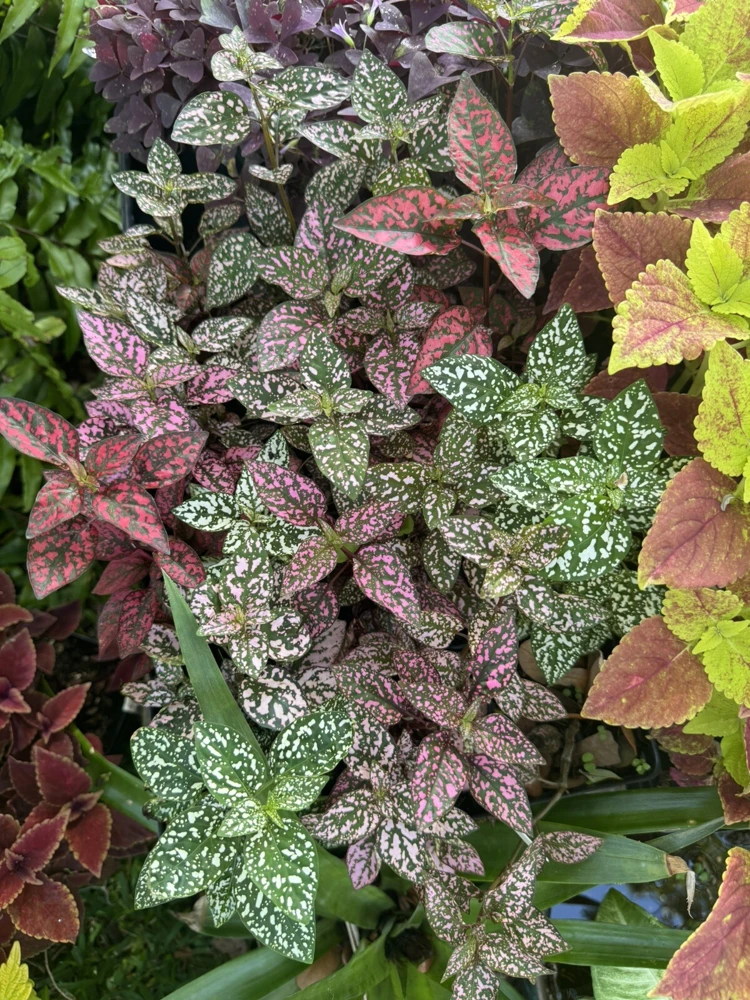
Bring a burst of color into your home with this stunning polka dot plant live. The Hypoestes phyllostachya is a vibrant indoor polka dot plant known for its unique spotted foliage, making it a perfect decorative accent for any room.
Estimated arrival
Oct 27
Nov 01 - Nov 03
Nov 06 - Nov 10
Shop With Confidence
30-Day Plant Health Guarantee
Arrives damaged? We’ll replace it free — see our return policy.
Responsive Support
Email us anytime, we reply within 1 business day.
Expert Packaging
Temperature-controlled shipping to protect your plants in transit.
Secure Checkout
Pay safely with Visa, Mastercard, PayPal.
Plant Specifications
-
USDA Hardiness Zone
USDA zones 10-11 (can be grown as annual outdoors or indoors year-round) -
Soil Type
Well-draining, peat-based potting mix -
Sunlight Exposure
Bright indirect light -
Expected Planting Period
Year-round indoors
Overview
Introduce a touch of whimsical charm to your indoor space with the captivating polka dot plant live. Also known by its botanical name, Hypoestes phyllostachya, this delightful houseplant is celebrated for its distinctive foliage adorned with vibrant spots. Originating from tropical regions, the polka dot plant is a popular choice for plant enthusiasts seeking to add a splash of color and texture to their homes or offices. Its lively patterns, often in shades of pink, white, or red against a green background, make it a focal point in any plant collection. This particular offering is a healthy, established indoor polka dot plant, ready to thrive in its new environment. It’s an excellent choice for both seasoned gardeners and beginners, offering relatively straightforward polka dot plant care while providing continuous visual interest. The unique appearance of the pink polka dot plant varieties, in particular, adds a soft yet striking aesthetic.
The polka dot plant live thrives in consistent indoor conditions, mimicking its natural tropical habitat. It’s a fast-growing plant that can quickly fill out a pot, creating a lush and bushy appearance. Its compact size makes it suitable for desks, shelves, or as part of a larger plant arrangement. Beyond its aesthetic appeal, caring for a Hypoestes phyllostachya can be a rewarding experience, as it responds well to proper attention, rewarding you with continuous vibrant growth. This plant is a fantastic way to introduce dynamic color without the need for flowers, relying instead on its beautifully patterned leaves.
Key Benefits
The polka dot plant live offers numerous advantages, making it a beloved addition to any indoor garden. Its unique visual characteristics and manageable care requirements contribute to its widespread appeal, ensuring it brings joy and beauty to its surroundings. Here are some of the key benefits this charming plant provides:
-
Vibrant Decorative Foliage: The most striking benefit of the Hypoestes phyllostachya is its eye-catching, spotted leaves. These vibrant patterns, often pink, red, or white on green, instantly brighten up any room and add a playful touch to your decor. Unlike flowering plants, its color is consistent year-round.
-
Compact & Versatile Size: This indoor polka dot plant remains relatively small and bushy, making it ideal for various indoor settings. It fits perfectly on windowsills, desks, shelves, or as a charming accent in terrariums or mixed plant arrangements.
-
Easy to Grow:Polka dot plant care is generally considered straightforward, making it an excellent choice for beginner plant parents. With consistent watering and adequate light, it thrives with minimal fuss, providing a rewarding gardening experience.
-
Adds Texture and Interest: Beyond color, the unique leaf texture and pattern of the polka dot plant live add significant visual interest to your plant collection. It stands out from more common green foliage plants, creating dynamic contrast.
-
Boosts Mood & Well-being: Studies show that having plants indoors can improve mood, reduce stress, and increase feelings of well-being. The cheerful appearance of a pink polka dot plant can particularly contribute to a positive atmosphere.
-
Fast Growing: The Hypoestes phyllostachya is a relatively fast-growing plant, allowing you to quickly see results from your care. This rapid growth can be very satisfying for those who enjoy nurturing plants and watching them flourish.
Plant Care & Growing Tips
Proper polka dot plant care is essential to maintain its vibrant foliage and ensure a healthy, thriving plant. This Hypoestes phyllostachya prefers bright, indirect light. Direct sunlight can scorch its delicate leaves and fade its vibrant colors, while too little light can cause the spots to diminish and the plant to become leggy. An east-facing window is often ideal, providing gentle morning sun, or a few feet away from a south or west-facing window. Rotate the plant regularly to ensure even growth and color development across all its leaves. Consistent moisture is key for this indoor polka dot plant; do not let the soil dry out completely between waterings. Water thoroughly when the top inch of soil feels dry to the touch, allowing excess water to drain from the bottom of the pot. Overwatering can lead to root rot, so ensure your pot has good drainage.
The polka dot plant live thrives in high humidity, mimicking its tropical origins. You can provide this by misting the leaves regularly, placing the pot on a pebble tray filled with water, or using a humidifier nearby. A well-draining, peat-based potting mix is recommended to retain moisture while preventing waterlogging. Fertilize every 2-4 weeks during the growing season (spring and summer) with a balanced liquid fertilizer diluted to half strength. Reduce feeding in fall and winter when growth slows. Pinching back the stems regularly encourages bushier growth and prevents the plant from becoming leggy, especially for a pink polka dot plant which can sometimes stretch for light. Watch out for common pests like aphids and whiteflies; treat with insecticidal soap if necessary. Maintaining consistent conditions will ensure your polka dot plant care routine is effective.
Size & Details
This polka dot plant live is typically shipped as a young, established plant in a nursery pot, ready for transplanting or to be enjoyed as is. While exact dimensions can vary, you can generally expect a plant that is 4-6 inches tall, with a similar spread, making it a perfect desk-friendly size or an addition to a small plant collection. The plant is well-rooted and actively growing, ensuring a smooth transition to its new home. It will continue to grow and fill out, potentially reaching heights of up to 12 inches indoors with proper polka dot plant care and regular pinching.
The Hypoestes phyllostachya is known for its relatively fast growth rate, especially during warmer months. With optimal conditions and consistent moisture, you’ll observe new leaves and increased bushiness quickly. It arrives as a vibrant indoor polka dot plant, showcasing its characteristic colorful spots. While it doesn’t flower prominently, its foliage provides year-round beauty. The plant is carefully packaged to minimize stress during transit, ensuring it arrives healthy and ready to thrive.
Frequently Asked Questions
-
Q: How big does this polka dot plant get? A: A polka dot plant live typically grows to about 6-12 inches tall and wide indoors with proper care and regular pruning. Its compact size makes it ideal for tabletops and shelves.
-
Q: Is this an indoor or outdoor plant? A: The Hypoestes phyllostachya is primarily grown as an indoor polka dot plant in most climates. It can be moved outdoors in shaded areas during warm summer months, but it is not frost-tolerant.
-
Q: How much sunlight does it need? A: This polka dot plant live thrives in bright, indirect light. Direct sun can scorch its leaves, while too little light can cause its colorful spots to fade and lead to leggy growth.
-
Q: Is this plant easy to care for? A: Yes, polka dot plant care is considered relatively easy, making it a good choice for beginners. Consistent watering, adequate light, and occasional pinching are the main requirements for a healthy plant.
-
Q: What condition will it arrive in? A: Your polka dot plant live will arrive as a healthy, established plant in its nursery pot, carefully packaged to ensure minimal stress during shipping. It will be ready to be placed in your desired location or repotted.
-
Q: Is the pink polka dot plant pet-safe? A: Unfortunately, the Hypoestes phyllostachya is considered mildly toxic to pets if ingested. It’s best to keep it out of reach of curious cats and dogs.
-
Q: How often should I water my polka dot plant? A: Water your indoor polka dot plant when the top inch of soil feels dry. Keep the soil consistently moist but never soggy. You may need to water every few days, depending on your environment.
-
Q: Why are the spots on my polka dot plant fading? A: Fading spots on your polka dot plant live typically indicate insufficient light. Move your plant to a brighter location with indirect sunlight to encourage more vibrant coloration.
-
Q: Do I need to fertilize my Hypoestes phyllostachya? A: Yes, during the spring and summer growing seasons, fertilize your Hypoestes phyllostachya every 2-4 weeks with a balanced liquid fertilizer diluted to half strength. Reduce fertilization during fall and winter.
-
Q: When is the best time to prune my polka dot plant? A: You can prune or pinch back your polka dot plant anytime during the growing season to encourage bushier growth and prevent it from becoming leggy. This is an important part of good polka dot plant care.
Be the first to review “Polka Dot Plant Live Plant – Hypoestes Phyllostachya Indoor Houseplant”
People Also Viewed

Reviews
There are no reviews yet.