
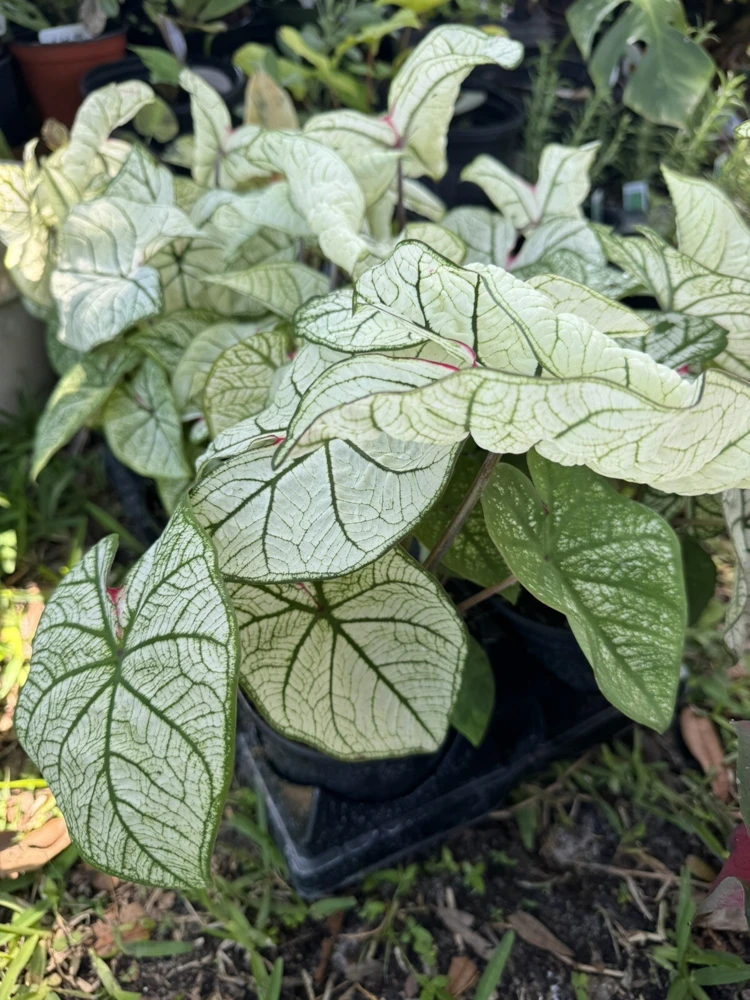
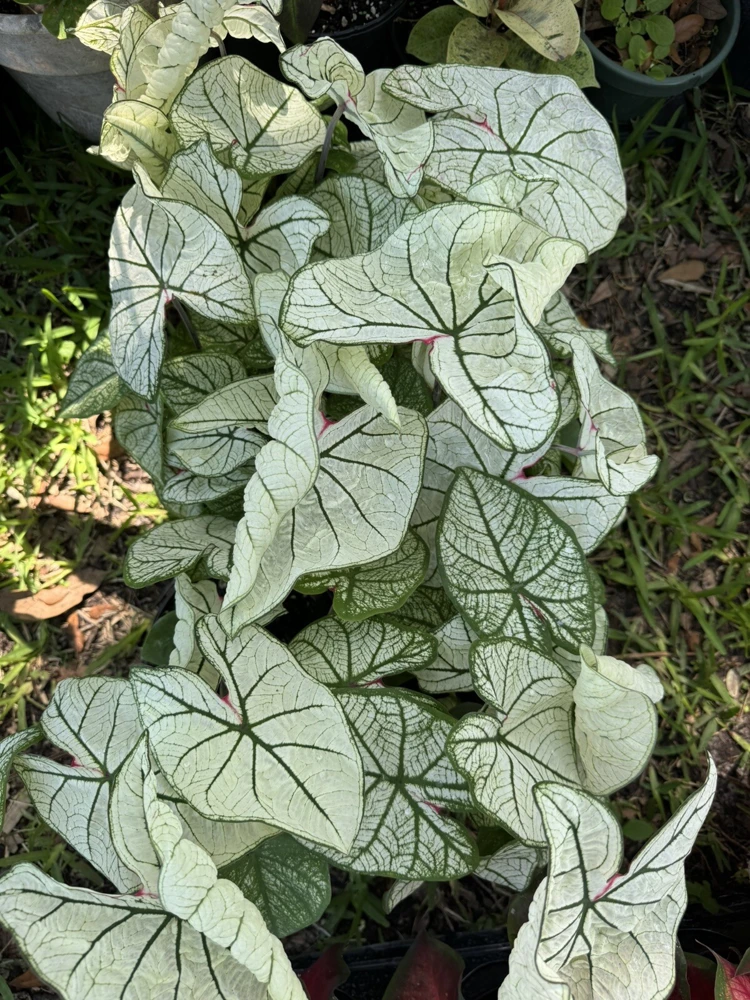
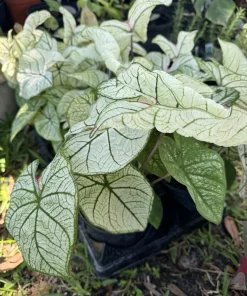
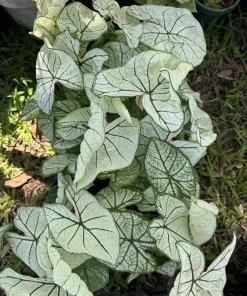
Caladium Live Plants – Full & Vibrant Foliage – Potted Houseplant
Original price was: $60.99.$40.99Current price is: $40.99.
Enhance your home or garden with a stunning caladium live plant. Known for their vibrant, heart-shaped leaves, these plants offer a splash of color and tropical appeal. Ideal as a captivating houseplant or for shaded outdoor beds.
Estimated arrival
Oct 27
Nov 01 - Nov 03
Nov 06 - Nov 10
Shop With Confidence
30-Day Plant Health Guarantee
Arrives damaged? We’ll replace it free — see our return policy.
Responsive Support
Email us anytime, we reply within 1 business day.
Expert Packaging
Temperature-controlled shipping to protect your plants in transit.
Secure Checkout
Pay safely with Visa, Mastercard, PayPal.
Plant Specifications
-
USDA Hardiness Zone
USDA zones 9–11 (perennial outdoors), all zones (indoor) -
Soil Type
Well-draining, rich potting mix -
Sunlight Exposure
Bright indirect light / Partial shade -
Expected Planting Period
Year-round indoors, spring to early summer outdoors
Overview
Introduce a splash of tropical vibrancy to your living space with a beautiful caladium live plant. These stunning foliage plants, often referred to as ‘Angel Wings’ or ‘Elephant Ear’ plants due to their distinctive heart-shaped leaves, are celebrated for their dazzling array of colors and intricate patterns. Each leaf is a work of art, featuring captivating combinations of red, pink, white, and green. Caladiums are primarily grown for their ornamental leaves, which can transform any dull corner into a lively display. While typically cultivated as houseplants in cooler climates, they thrive outdoors in shaded garden beds in warmer regions, bringing an exotic touch to your landscape.
The genus Caladium comprises several species, with Caladium bicolor being the most commonly cultivated, leading to numerous cultivars with unique leaf characteristics. Whether you’re a seasoned plant enthusiast or a beginner looking to add some flair, a caladium live plant offers an accessible way to enjoy spectacular botanical beauty. Their relatively compact size makes them versatile for various settings, from windowsills to patios, ensuring they can fit seamlessly into your existing decor.
Key Benefits
Bringing a caladium live plant into your home or garden offers numerous advantages beyond just their aesthetic appeal. These plants are truly exceptional:
- Stunning Visual Impact: Caladiums are unmatched in their ability to provide vibrant, long-lasting color through their foliage, far outshining many flowering plants during their peak growing season. Their striking patterns and hues create an instant focal point.
- Versatile Decor: Perfect for indoor settings as a dazzling houseplant, they also excel in shaded outdoor containers or garden beds, making them highly adaptable to various design schemes.
- Air Purifying Qualities: Like many houseplants, caladiums contribute to a healthier indoor environment by naturally filtering toxins from the air, improving air quality in your home.
- Relatively Low Maintenance: Once their basic needs for warmth, humidity, and indirect light are met, caladium plant care is straightforward, making them suitable for busy individuals.
- Unique Leaf Shapes: The distinctive heart-shaped or lance-shaped leaves add an interesting textural element to your plant collection, offering a break from more common foliage types.
- Seasonal Interest: While many caladiums go dormant in cooler months, their vibrant display during the growing season provides intense seasonal beauty, and with proper care, they return year after year.
- Non-Flowering Beauty: For those who prefer foliage over flowers, caladiums are an ideal choice, providing continuous color without the ephemeral nature of blooms.
Plant Care & Growing Tips
Proper caladium plant care is essential to ensure your plant thrives and displays its most vibrant colors. Caladiums prefer warm, humid conditions and bright, indirect light. Avoid direct sunlight, which can scorch their delicate leaves. If growing indoors, place them near a north or east-facing window, or a few feet back from a south or west-facing window. Outdoors, plant them in a location that receives dappled shade or morning sun with afternoon shade. The ideal temperature range for caladiums is between 65-80°F (18-27°C); they are sensitive to cold and will go dormant or die if temperatures drop below 60°F (15°C).
Watering should be consistent during the growing season. Keep the soil consistently moist but never waterlogged. Allow the top inch of soil to dry out slightly before watering again. Reduce watering significantly when the plant enters dormancy, typically in late fall or winter. High humidity is crucial for caladiums; misting regularly, using a pebble tray, or placing a humidifier nearby can help. They prefer a well-draining, rich potting mix. A good quality indoor potting mix amended with some peat moss or compost works well. Fertilize every 2-4 weeks during the growing season with a balanced liquid fertilizer, diluted to half strength. When considering growing caladiums indoors, remember to protect them from cold drafts and sudden temperature changes.
Common problems include leaf scorch from too much sun, yellowing leaves from overwatering or nutrient deficiency, and sometimes spider mites in dry conditions. Regular inspection and prompt action can keep your plant healthy. While many caladiums are known for their ornamental leaves, understanding caladium bulb care is also important for their perennial return. When the leaves start to die back, typically in fall, reduce watering. Once dormant, you can either leave the bulbs in the pot if you live in a warm climate (USDA zones 9-11) or dig them up, clean them, and store them in a cool, dry, dark place until spring.
Size & Details
This caladium live plant typically arrives as a well-rooted specimen, ready to grow into a spectacular display. Depending on the variety, caladiums can reach a height of 12 to 24 inches and spread up to 18 inches, forming a lush, full mound of colorful foliage. The exact size will depend on growing conditions and specific cultivar. Our plants are shipped in a nursery pot, ensuring they are protected during transit and ready for immediate placement or transplanting upon arrival. With proper care, you can expect your caladium to exhibit vigorous growth and vibrant coloration throughout the warmer months, providing continuous visual pleasure. The growth rate is moderate to fast during its active growing season.
Frequently Asked Questions
- Q: How big does this caladium plant get? A: A caladium live plant typically grows to a height of 1-2 feet (12-24 inches) and can spread up to 18 inches wide, depending on the specific variety and growing conditions.
- Q: Is this an indoor or outdoor plant? A: Caladiums are versatile. They thrive as stunning houseplants in bright, indirect light, and can also be grown outdoors in shaded garden beds or containers in warmer climates (USDA zones 9-11).
- Q: How much sunlight does it need? A: This fancy leaf caladium prefers bright, indirect light. Direct sunlight can scorch its delicate leaves, so ensure it’s protected from harsh afternoon sun, especially outdoors.
- Q: Is this plant easy to care for? A: Yes, caladium plant care is relatively easy once you understand its basic needs for warmth, humidity, and indirect light. It’s a great choice for both beginners and experienced plant enthusiasts.
- Q: What condition will it arrive in? A: Your caladium will arrive as a healthy, well-rooted live plant in a nursery pot, carefully packaged to ensure its safety during shipping and ready for you to enjoy.
- Q: When is the best time to plant caladiums? A: If you are planting caladium bulb care, the best time is in spring after all danger of frost has passed and soil temperatures are consistently above 65°F. For potted plants, you can introduce them any time indoors.
- Q: Will it survive winter in my zone? A: In USDA zones 9-11, caladiums can often be left in the ground to return. In colder zones, they are typically grown as annuals or the bulbs must be dug up and stored indoors for winter.
- Q: What kind of soil is best for caladiums? A: Caladiums prefer a rich, well-draining potting mix. A blend that retains some moisture but allows excess water to drain freely is ideal for healthy root development.
- Q: How often should I water my caladium? A: During the active growing season, keep the soil consistently moist but not soggy. Allow the top inch of soil to dry out slightly between waterings. Reduce watering significantly when the plant enters dormancy.
- Q: Can I propagate caladiums? A: Caladiums are typically propagated from their tubers (bulbs). You can divide larger tubers before planting in spring to get more plants. Understanding caladium bulb care is key to successful propagation.
Be the first to review “Caladium Live Plants – Full & Vibrant Foliage – Potted Houseplant”
People Also Viewed

Vegetable Seeds
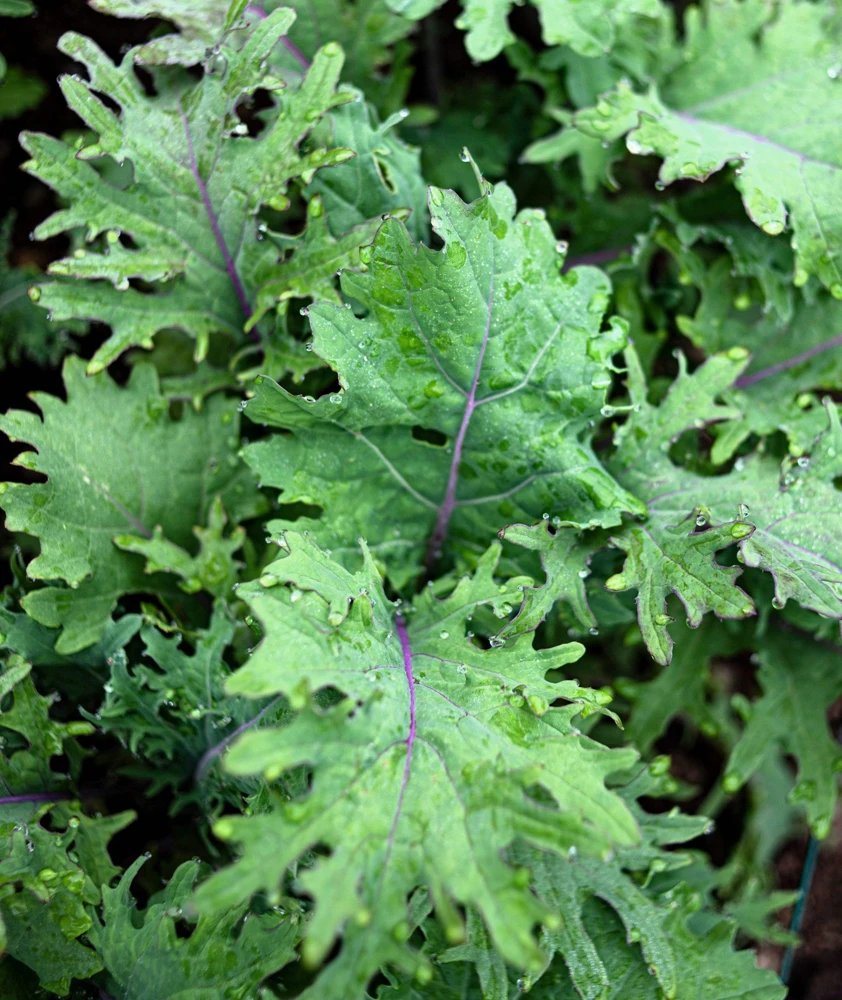
500 Red Russian Kale Seeds – Brassica Oleracea Vegetable Seeds

Reviews
There are no reviews yet.