
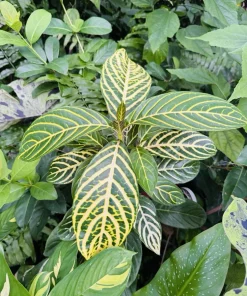
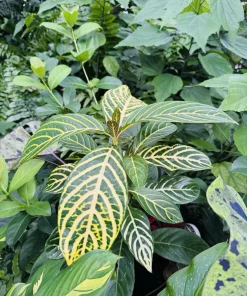
Aphelandra Zebra Plant Live Houseplant – Vibrant Foliage – Indoor
Original price was: $64.99.$44.99Current price is: $44.99.
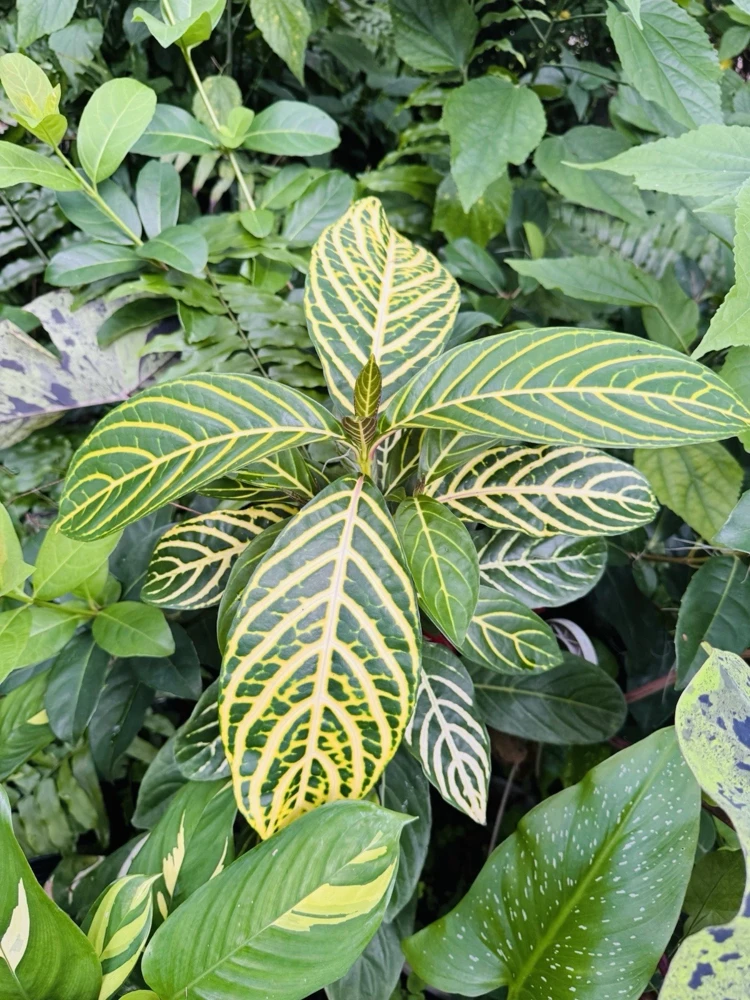
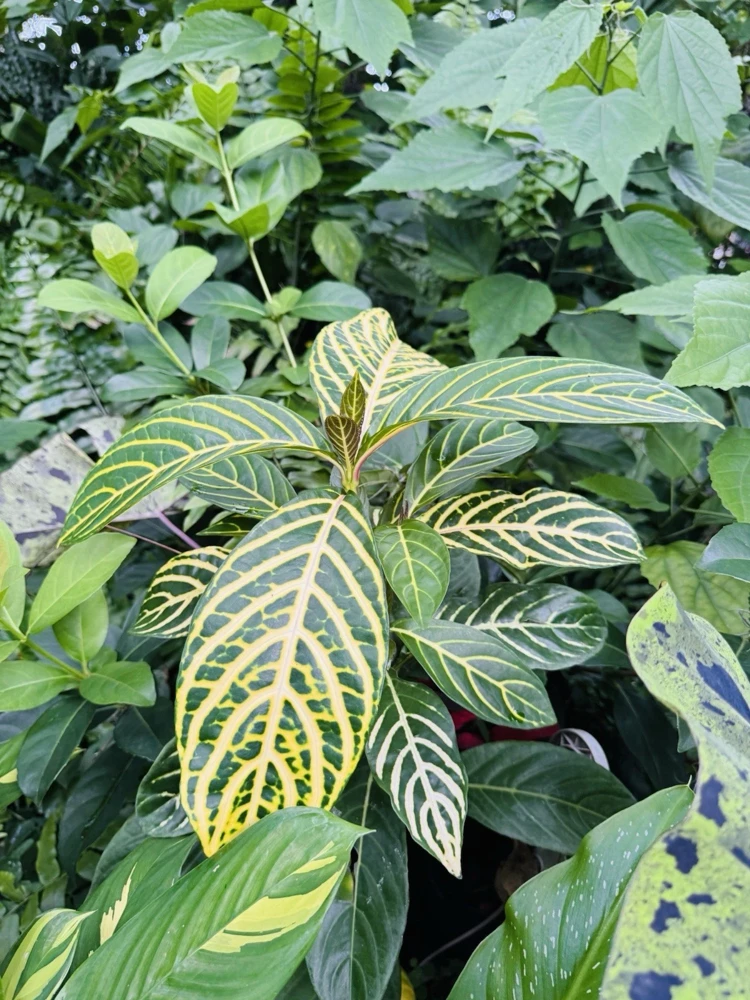
Bring a touch of the tropics indoors with the stunning aphelandra zebra plant. This vibrant houseplant features striking dark green leaves with prominent white or yellow veins, creating a dramatic zebra-like pattern. An excellent choice for adding a pop of color and unique texture to your indoor garden, the aphelandra squarrosa thrives in bright, indirect light and makes a captivating focal point.
Estimated arrival
Oct 27
Nov 01 - Nov 03
Nov 06 - Nov 10
Shop With Confidence
30-Day Plant Health Guarantee
Arrives damaged? We’ll replace it free — see our return policy.
Responsive Support
Email us anytime, we reply within 1 business day.
Expert Packaging
Temperature-controlled shipping to protect your plants in transit.
Secure Checkout
Pay safely with Visa, Mastercard, PayPal.
Plant Specifications
-
USDA Hardiness Zone
USDA zones 10-11 (indoors elsewhere) -
Soil Type
Well-draining, rich potting mix -
Sunlight Exposure
Bright indirect light -
Expected Planting Period
Year-round indoors
Overview
The aphelandra zebra plant, scientifically known as Aphelandra squarrosa, is a truly captivating indoor houseplant renowned for its distinctive and vibrant foliage. Native to the tropical forests of Brazil, this plant stands out with its glossy, deep green leaves dramatically striped with bright white or yellow veins, creating a mesmerizing ‘zebra’ pattern. It’s not just the leaves that impress; under optimal conditions, the aphelandra zebra plant also produces striking, long-lasting yellow or orange cone-shaped flower bracts, adding an extra layer of exotic beauty to your home. This plant is a fantastic choice for anyone looking to introduce a touch of the jungle’s lushness and unique visual appeal into their living space, making it a popular option for both seasoned plant enthusiasts and beginners.
Often referred to simply as the zebra plant care, this tropical beauty is a relatively compact grower, making it suitable for various indoor settings, from desktops to shelves. Its bold appearance ensures it becomes an instant focal point, drawing attention with its intricate leaf patterns. The Aphelandra is a live plant that arrives ready to be integrated into your home decor, offering immediate visual impact and a refreshing green presence.
Key Benefits
The aphelandra zebra plant offers numerous benefits beyond its undeniable beauty, making it a valuable addition to any indoor plant collection. Its unique characteristics contribute to a more vibrant and engaging indoor environment.
- Stunning Visual Appeal: The primary benefit is its highly decorative foliage. The contrasting dark green and bright veins make it a natural conversation starter and a magnificent centerpiece. This vibrant indoor houseplant instantly elevates the aesthetic of any room.
- Air Purification: Like many houseplants, the aphelandra zebra plant contributes to improved indoor air quality by absorbing common household toxins and releasing fresh oxygen, creating a healthier living environment.
- Compact Growth Habit: This plant typically maintains a manageable size, making it ideal for smaller spaces, apartments, or as a desk plant. It provides significant visual impact without requiring extensive room.
- Year-Round Interest: While known for its foliage, the potential for colorful flower bracts ensures that the aphelandra squarrosa provides interest throughout the year, unlike some seasonal bloomers.
- Tropical Ambiance: Its exotic appearance effortlessly transforms any space into a more tropical and serene haven, perfect for creating a relaxing atmosphere.
- Engaging Challenge: For plant lovers who enjoy a bit of a challenge, mastering the specific care requirements of a tropical foliage plant like the zebra plant can be very rewarding, leading to lush growth and beautiful blooms.
- Unique Gift Idea: The distinctive look of the aphelandra zebra plant makes it a memorable and thoughtful gift for friends, family, or colleagues who appreciate unique greenery.
Plant Care & Growing Tips
Proper zebra plant care is crucial to ensure your Aphelandra thrives and maintains its striking appearance. This tropical plant requires consistent attention to light, water, and humidity to flourish indoors. Providing the right conditions will reward you with vibrant foliage and potential blooms.
Sunlight Requirements: The aphelandra zebra plant thrives in bright, indirect light. Place it near an east or north-facing window where it can receive ample light without direct, harsh sun exposure, which can scorch its delicate leaves. If natural light is insufficient, a grow light can supplement its needs. Insufficient light can lead to leggy growth and duller foliage colors, while too much direct sun will cause leaf burn. Aim for at least 6 hours of bright, indirect light daily for optimal growth and to encourage the development of its vibrant flower bracts.
Watering Schedule and Soil Moisture Preferences: This plant prefers consistently moist soil but not waterlogged conditions. Water thoroughly when the top inch of soil feels dry to the touch. Allow excess water to drain completely from the pot to prevent root rot. Reduce watering slightly in the cooler, darker months of winter. Wilting leaves are usually a sign that the plant is thirsty, but prolonged wilting can also indicate overwatering. Use filtered or distilled water if possible, as Aphelandra can be sensitive to chemicals in tap water.
Soil Type and Drainage Requirements: A well-draining, rich potting mix is essential for the aphelandra squarrosa. A mix designed for tropical plants or a general houseplant mix amended with perlite or orchid bark for improved drainage works well. Good drainage is paramount to prevent water from sitting around the roots, which can quickly lead to fungal issues and root decay. Ensure your pot has drainage holes.
Temperature Range and USDA Hardiness Zone: As a tropical plant, the aphelandra zebra plant prefers warm temperatures, ideally between 65-75°F (18-24°C). Avoid sudden temperature fluctuations and cold drafts, which can stress the plant and cause leaf drop. It is not cold-hardy and should be kept indoors year-round in most climates; its outdoor USDA hardiness zone is typically 10-11, where temperatures rarely drop below freezing. Humidity is also key; aim for 60-70% humidity. You can increase humidity by misting daily, placing the pot on a pebble tray with water, or using a humidifier.
Fertilization Schedule and Type: Feed your vibrant indoor houseplant every 2-4 weeks during the growing season (spring and summer) with a balanced liquid fertilizer diluted to half strength. Reduce or stop fertilizing during the fall and winter months when the plant’s growth slows down. Over-fertilization can lead to nutrient burn, so always follow product instructions.
Common Problems and Solutions: Yellowing leaves can indicate overwatering or nutrient deficiency. Brown leaf tips often point to low humidity. Pests like spider mites and mealybugs can sometimes be an issue; inspect your plant regularly and treat with insecticidal soap if necessary. Drooping leaves can be a sign of thirst, but also overwatering or cold drafts. Consistent zebra plant care and observation will help you quickly address any issues.
Size & Details
The aphelandra zebra plant is typically sold as a young, actively growing specimen, ready to bring immediate beauty to your home. When mature, it can reach a height of 1-2 feet (30-60 cm) and a similar spread, making it a medium-sized houseplant suitable for various indoor settings. Growth rate is moderate under ideal conditions, allowing you to enjoy its development without it quickly outgrowing its space. Our live plants are shipped in a nursery pot, ensuring they arrive healthy and established, minimizing transplant shock. The specific pot size will vary, but they are generally supplied in 4-6 inch diameter growers’ pots, providing ample room for initial growth.
This tropical foliage plant is cherished for its year-round appeal; while the distinct foliage is always present, the vibrant yellow or orange flower bracts typically appear in late summer or fall, lasting for several weeks. With proper aphelandra squarrosa care, you can encourage regular blooming. The plant is valued for its dense, upright growth habit, which makes it an excellent choice for adding vertical interest to plant arrangements or as a standalone specimen. Expect a robust plant that is well-rooted and ready to thrive in your indoor environment.
Frequently Asked Questions
- Q: How big does this plant get? A: The aphelandra zebra plant typically grows to a height of 1 to 2 feet and can have a similar spread when fully mature, making it a medium-sized houseplant perfect for most indoor spaces.
- Q: Is this an indoor or outdoor plant? A: The aphelandra zebra plant is primarily an indoor houseplant in most climates. It can be moved outdoors in warm, humid conditions during summer but must be brought inside before temperatures drop below 60°F (15°C).
- Q: How much sunlight does it need? A: This vibrant indoor houseplant requires bright, indirect light. Avoid direct sunlight, which can burn its leaves, and too little light, which can cause dull foliage and inhibit flowering.
- Q: Is this plant easy to care for? A: While not the easiest houseplant, with consistent attention to its light, water, and humidity needs, zebra plant care is manageable for intermediate plant enthusiasts. It rewards careful attention with stunning beauty.
- Q: What condition will it arrive in? A: Your aphelandra zebra plant will arrive as a healthy, live plant in its nursery pot, carefully packaged to ensure minimal stress during transit. We take great care to protect your plant.
- Q: How often should I water my Aphelandra? A: Water when the top inch of soil feels dry. It prefers consistently moist soil but never waterlogged. Monitoring the soil regularly is key to successful aphelandra squarrosa care.
- Q: Does the Aphelandra Zebra Plant bloom? A: Yes, it can produce striking yellow or orange cone-shaped flower bracts, usually in late summer or fall, under optimal growing conditions and good light.
- Q: Is this plant pet-safe? A: The aphelandra zebra plant is generally considered to be mildly toxic if ingested, so it’s best to keep it out of reach of pets and small children.
- Q: What is the best soil for this plant? A: A rich, well-draining potting mix is best. You can use a standard houseplant mix amended with perlite or orchid bark to enhance drainage and aeration for your tropical foliage plant.
- Q: How can I increase humidity for my plant? A: To boost humidity, you can mist the leaves daily, place the pot on a pebble tray filled with water, or use a room humidifier, especially during dry seasons.
Be the first to review “Aphelandra Zebra Plant Live Houseplant – Vibrant Foliage – Indoor”
People Also Viewed

Reviews
There are no reviews yet.