
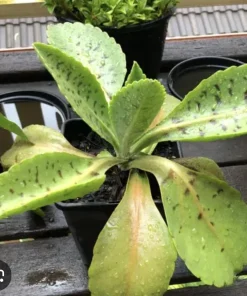
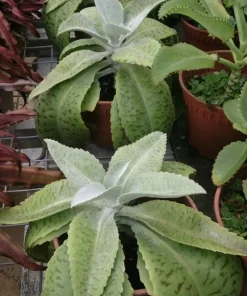
Donkey Ears Plant Live – Kalanchoe Gastonis-Bonnieri Succulent Houseplant
Original price was: $74.99.$54.99Current price is: $54.99.
Add unique charm to your home with a beautiful Donkey Ears Plant. This striking Kalanchoe gastonis-bonnieri succulent is known for its distinctive foliage and easy-care nature, making it a perfect succulent houseplant for any enthusiast.
Estimated arrival
Oct 27
Nov 01 - Nov 03
Nov 06 - Nov 10
Shop With Confidence
30-Day Plant Health Guarantee
Arrives damaged? We’ll replace it free — see our return policy.
Responsive Support
Email us anytime, we reply within 1 business day.
Expert Packaging
Temperature-controlled shipping to protect your plants in transit.
Secure Checkout
Pay safely with Visa, Mastercard, PayPal.
Plant Specifications
-
USDA Hardiness Zone
USDA zones 9-11 (outdoors); year-round indoors -
Soil Type
Well-draining succulent or cactus potting mix -
Sunlight Exposure
Bright, indirect light -
Expected Planting Period
Year-round indoors
Overview
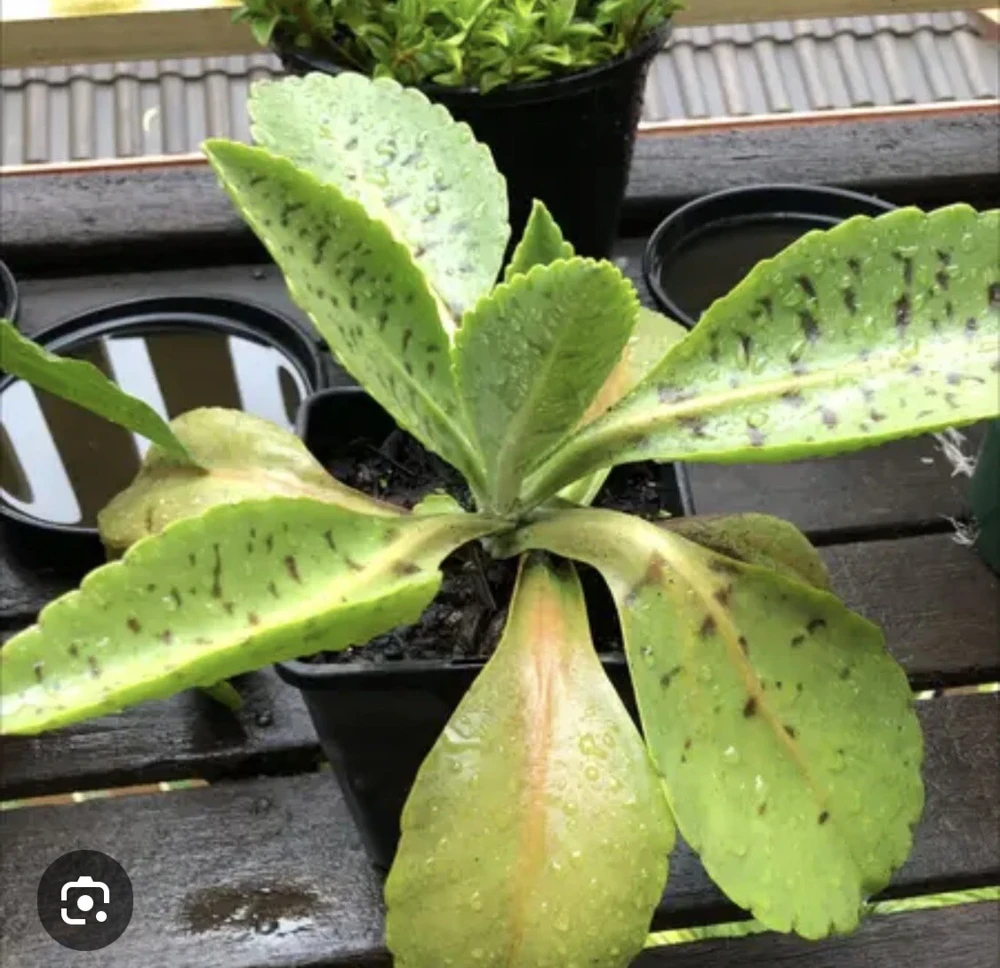
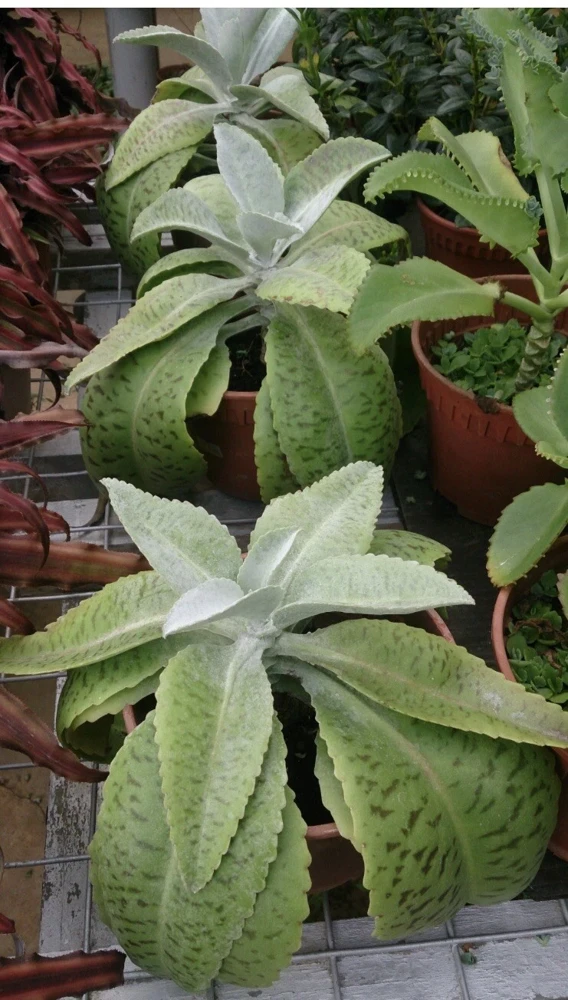
Introduce an exotic touch to your indoor garden with the captivating Donkey Ears Plant, scientifically known as Kalanchoe gastonis-bonnieri. This distinctive succulent is celebrated for its large, paddle-shaped leaves that resemble donkey ears, often displaying attractive mottling and reddish-brown edges. As a succulent houseplant, it’s a fantastic choice for those seeking a unique and relatively low-maintenance addition to their plant collection. Native to Madagascar, this perennial succulent is prized for its architectural form and ability to thrive in various indoor conditions, making it a popular choice for both novice and experienced plant parents. Its unique appearance and ease of growth contribute to its growing popularity among succulent enthusiasts.
The Donkey Ears Plant is also known as Leaf of Life or Sprout Leaf Plant, referring to its ability to produce plantlets along the leaf margins, which can be easily propagated. This fascinating characteristic adds another layer of appeal, allowing you to easily expand your collection or share with friends. Its robust nature and striking visual appeal make it a standout specimen in any bright room, adding a touch of the tropics to your living space. Discover the joy of growing this remarkable plant and experience the vibrant beauty it brings to your home.
Key Benefits
The Donkey Ears Plant offers numerous advantages that make it a desirable addition to any home. Its unique aesthetics and hardy nature contribute to its widespread appeal, providing both beauty and ease of care.
- Unique Ornamental Appeal: The large, distinctly shaped leaves with their mottled patterns and reddish margins create a stunning visual focal point. This plant’s unusual form makes it a conversation starter and a captivating decor piece, standing out from more common houseplants.
- Low Maintenance: As a succulent, the Donkey Ears Plant is incredibly forgiving and requires minimal attention. It thrives on neglect, making it an ideal choice for busy individuals or those new to plant care. Its resilience ensures it remains beautiful with little effort.
- Easy Propagation: One of the most fascinating features is its ability to produce plantlets along the leaf edges. These miniature plants can be easily detached and grown, allowing for effortless propagation and sharing, making it simple to expand your collection.
- Drought Tolerant: This succulent stores water in its thick leaves, enabling it to withstand periods of drought. This characteristic means less frequent watering is needed, reducing the risk of overwatering, which is a common issue for many houseplants.
- Air Purification: Like many houseplants, the Kalanchoe gastonis-bonnieri contributes to a healthier indoor environment by helping to filter airborne toxins and improve air quality, promoting a fresher living space.
- Versatile Decor: Its distinctive appearance makes it suitable for various interior design styles, from modern minimalist to bohemian. It can be a stunning standalone plant or part of a larger succulent arrangement, adding texture and interest.
- Resilient and Hardy: This plant is known for its robustness and ability to adapt to different conditions, making it a hardy choice that can thrive even with occasional fluctuations in environmental factors, ensuring long-term enjoyment.
Plant Care & Growing Tips
Caring for your Donkey Ears Plant is straightforward, ensuring it remains a vibrant and healthy addition to your home. Understanding its basic needs will help it thrive and display its unique beauty. Proper care for Kalanchoe gastonis-bonnieri care involves paying attention to light, water, soil, and temperature.
For optimal growth, provide your Donkey Ears Plant with plenty of bright, indirect light. A south or west-facing window with some protection from harsh afternoon sun is ideal. While it can tolerate some direct sun, too much intense light can scorch its leaves. If growing indoors, rotate the plant periodically to ensure even growth. Outdoors, a spot with morning sun and afternoon shade is best. Watering should be done thoroughly but infrequently. Allow the soil to dry out completely between waterings to prevent root rot, which is a common issue for succulents. During winter, reduce watering significantly as the plant enters a period of slower growth.
The ideal soil for a succulent houseplant like the Donkey Ears Plant is a well-draining mix, such as a cactus or succulent potting mix. This ensures that excess water drains away quickly, preventing waterlogged roots. Good drainage is crucial for the health of your plant. Temperatures between 60-75°F (15-24°C) are perfect, but it can tolerate slightly warmer or cooler conditions. Protect it from frost, as it is not cold-hardy. Fertilize sparingly during the growing season (spring and summer) with a balanced, diluted liquid fertilizer formulated for succulents. Common problems include overwatering leading to root rot or mealybugs; ensure good air circulation and inspect regularly for pests. With these simple Kalanchoe gastonis-bonnieri care tips, your plant will flourish.
Size & Details
The Donkey Ears Plant typically grows to a moderate size, making it suitable for a variety of indoor settings. When mature, it can reach heights of 18-36 inches (45-90 cm) tall with a spread of 12-24 inches (30-60 cm) wide, though growth can vary based on light, care, and pot size. This live plant is shipped in a nursery pot, ready for you to transplant into your preferred decorative container upon arrival. Its growth rate is moderate, allowing you to enjoy its development over time without it becoming unruly too quickly.
Expect your donkey ears plant for sale to arrive healthy and well-packaged, ready to acclimate to its new home. The distinctive foliage will develop its full coloration and mottling as it matures under proper light conditions. The plantlets that form along the leaf margins are a unique feature, indicating the plant’s health and readiness for propagation. These can be easily removed and planted to create new individuals. This resilient plant is an excellent choice for adding lasting beauty and an exotic touch to your home or office environment.
Frequently Asked Questions
- Q: How big does this plant get? A: A mature Donkey Ears Plant can typically grow between 18-36 inches tall and 12-24 inches wide, depending on growing conditions and care. Its size makes it a striking feature in any room without being overly large.
- Q: Is this an indoor or outdoor plant? A: While it can be grown outdoors in warm, frost-free climates (USDA zones 9-11), the Donkey Ears Plant is most commonly cultivated as a succulent houseplant in the US, thriving in bright indoor environments.
- Q: How much sunlight does it need? A: It prefers bright, indirect light for several hours a day. A few hours of direct morning sun is acceptable, but protect it from intense afternoon sun, which can scorch its leaves.
- Q: Is this plant easy to care for? A: Yes, the Donkey Ears Plant is considered an easy care succulent. It is very drought-tolerant and forgiving, making it suitable for beginners and those with busy schedules.
- Q: What condition will it arrive in? A: Your donkey ears plant for sale will arrive as a live, healthy plant, carefully packaged in a nursery pot, ready for you to unbox and care for.
- Q: How often should I water my Donkey Ears Plant? A: Water thoroughly only when the soil has completely dried out. This plant is very susceptible to root rot if overwatered, so err on the side of underwatering.
- Q: Is the Donkey Ears Plant pet-safe? A: Like many Kalanchoe species, the Donkey Ears Plant can be toxic to pets if ingested. It’s best to keep it out of reach of curious animals.
- Q: When is the best time to propagate this plant? A: The best time to propagate plantlets from your Kalanchoe gastonis-bonnieri care is during the spring or summer growing season when the plant is most active.
- Q: What kind of soil is best for a Donkey Ears Plant? A: A well-draining cactus or succulent potting mix is ideal. This ensures proper aeration and prevents water from sitting around the roots.
- Q: Will it bloom indoors? A: While primarily grown for its foliage, the Donkey Ears Plant can produce tall flower stalks with bell-shaped flowers, typically in late winter to early spring, given optimal conditions and maturity.
Be the first to review “Donkey Ears Plant Live – Kalanchoe Gastonis-Bonnieri Succulent Houseplant”
People Also Viewed
Flower Seeds
50 Purple Teddy Bear Sunflower Seeds – Rare Enchanting Giant Helianthus Seeds, Annual, Outdoor
Shrubs
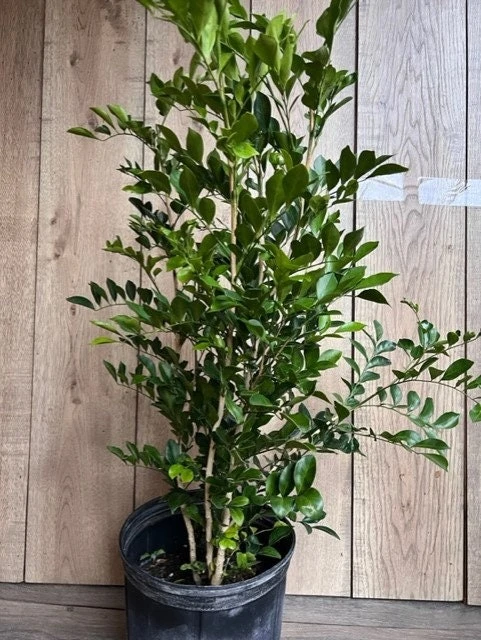
Large Orange Jasmine in 10″ Pot, Murraya paniculata No ship to CA, Hi, Az, La, TX, Pr, Al, VI
Reviews
There are no reviews yet.