


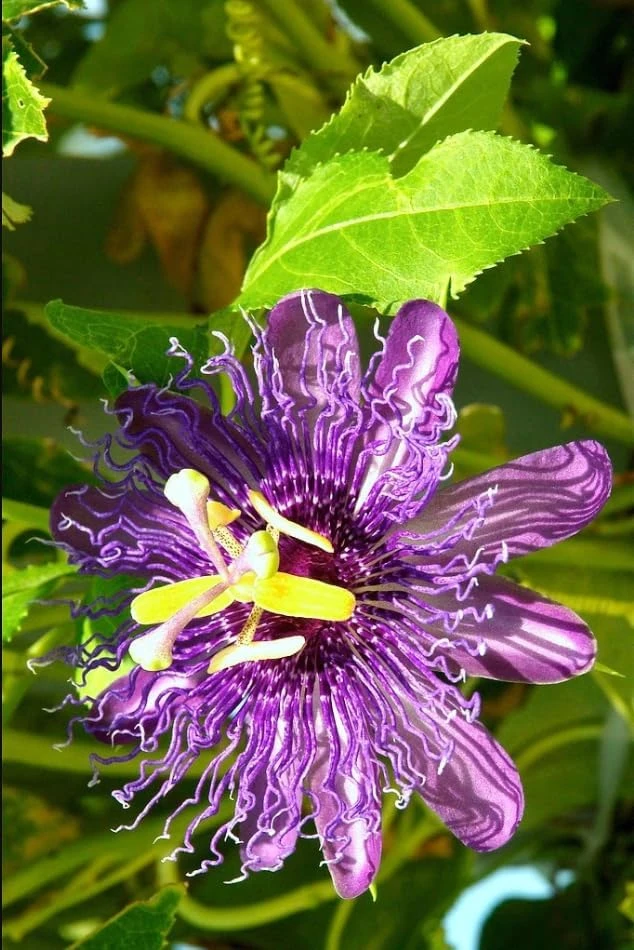
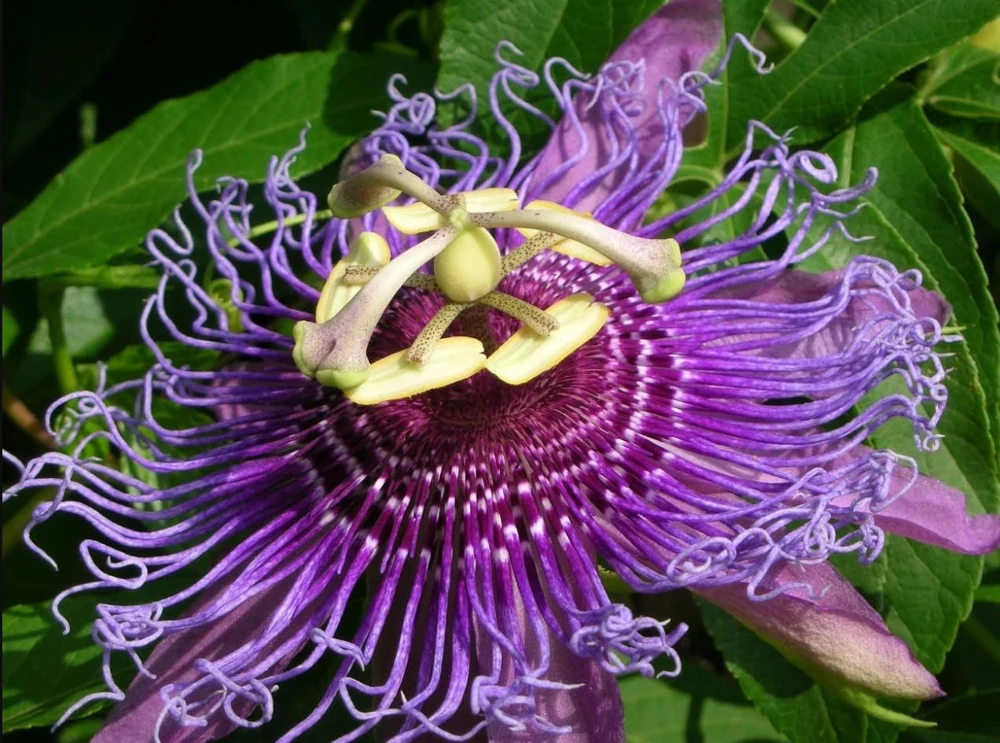

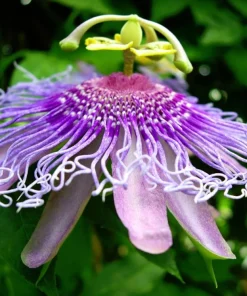
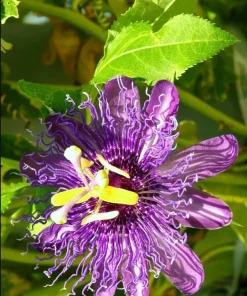
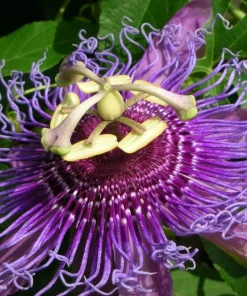
Maypop Passion Flower Live Plant – Passiflora Incarnata Vine, 4-6 Inch Tall
Original price was: $42.99.$17.99Current price is: $17.99.
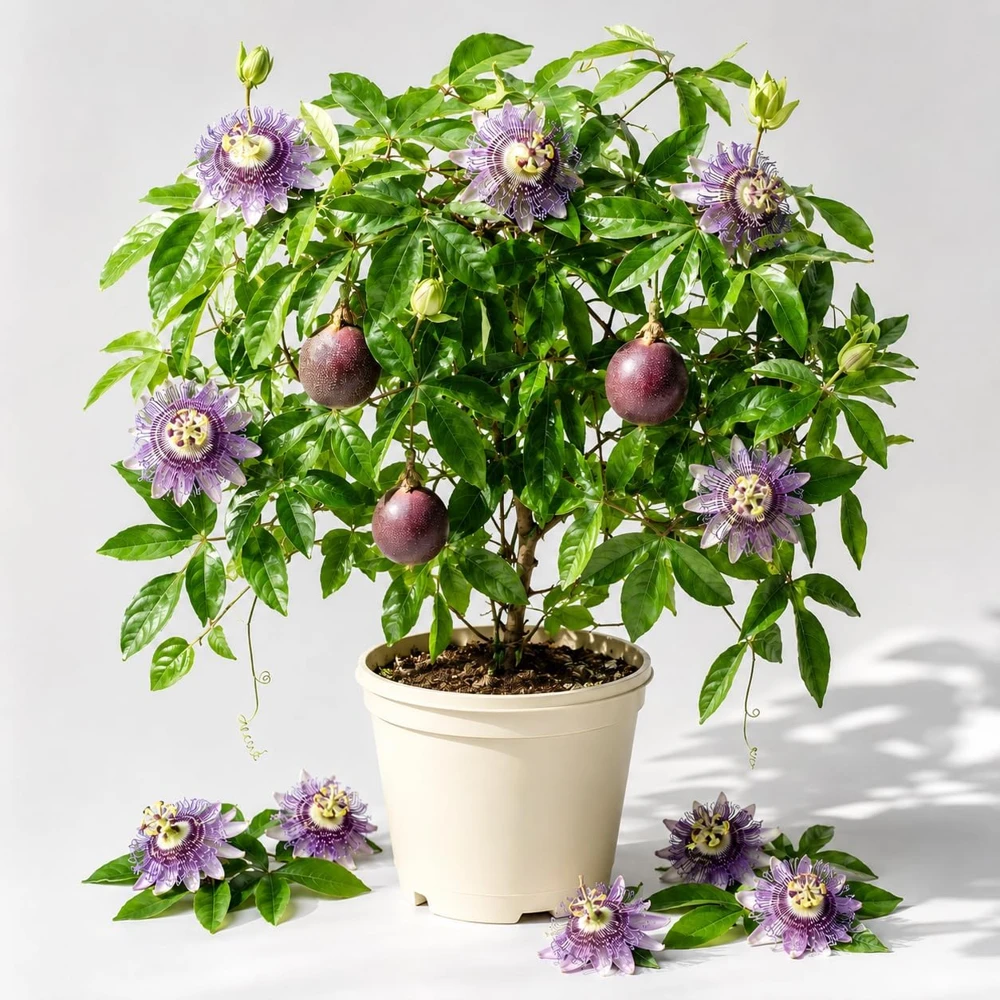
Bring the beauty of the tropics to your garden with a maypop passion flower live plant. This vibrant purple passionflower vine offers striking blooms and edible fruits, thriving as a perennial passion fruit vine in USDA Zones 6-10. Attracts pollinators and adds a unique touch to trellises or fences.
Estimated arrival
Oct 27
Nov 01 - Nov 03
Nov 06 - Nov 10
Shop With Confidence
30-Day Plant Health Guarantee
Arrives damaged? We’ll replace it free — see our return policy.
Responsive Support
Email us anytime, we reply within 1 business day.
Expert Packaging
Temperature-controlled shipping to protect your plants in transit.
Secure Checkout
Pay safely with Visa, Mastercard, PayPal.
Plant Specifications
-
USDA Hardiness Zone
6–10 -
Soil Type
Well-draining soil -
Sunlight Exposure
Full sun -
Expected Planting Period
Late spring through summer
Overview
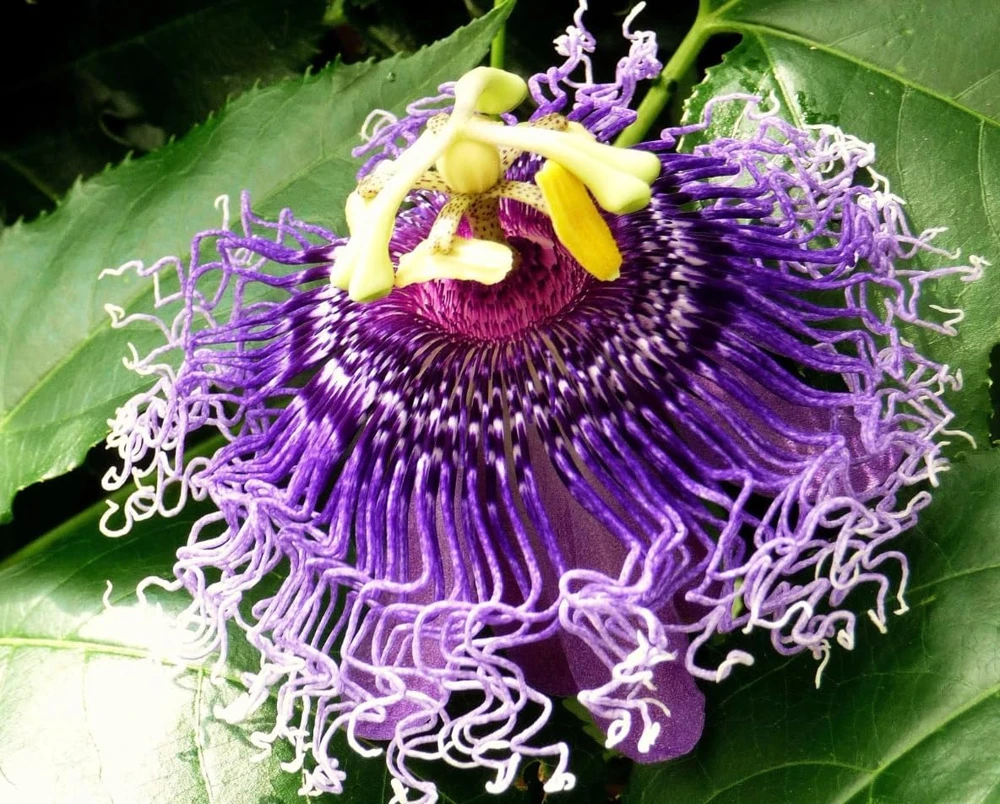
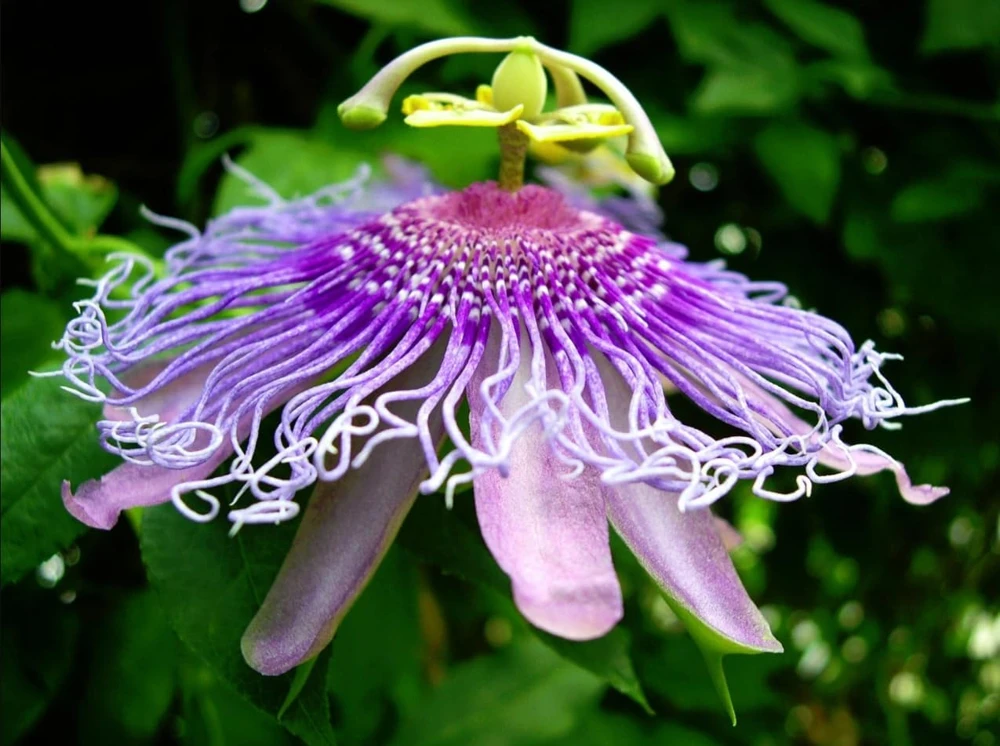
Transform your garden into a vibrant oasis with a maypop passion flower live plant. This remarkable perennial, scientifically known as Passiflora incarnata, is celebrated for its intricate purple and white blooms and its ability to produce delicious, edible fruits. Often referred to as the maypop passion flower live plant or purple passionflower vine, it’s a fast-growing, vigorous vine that can quickly cover fences, trellises, or arbors, providing both ornamental beauty and a source of native fruit. Originating from the southeastern United States, this plant is not only visually stunning but also a fantastic attractor for various pollinators, including bees and butterflies, making it an excellent choice for a biodiversity-friendly garden. Our plants arrive as healthy, ready-to-grow specimens, typically 4-6 inches tall, prepared to establish quickly in their new home.
The passiflora incarnata care is relatively straightforward, making it a rewarding plant for both novice and experienced gardeners. Its resilience and striking appearance make it a favorite for those looking to add an exotic flair with minimal fuss. The common name ‘Maypop’ is thought to derive from the sound the fruit makes when crushed, or from its tendency to ‘pop up’ from the ground in May. This makes it a fascinating plant with a rich history and unique characteristics, sure to be a conversation starter in any landscape.
Key Benefits
The maypop passion flower live plant offers a multitude of benefits, from its stunning aesthetics to its ecological contributions and edible yields. It’s a truly versatile plant for any garden setting.
- Exotic Beauty: Features uniquely intricate, fragrant purple and white flowers that are a true spectacle, adding a tropical touch to any outdoor space. Each bloom is a miniature work of art, drawing the eye and captivating observers.
- Edible Fruit Production: Produces delicious, golf-ball-sized fruits known as maypops, which can be enjoyed fresh, in jellies, or desserts. This makes the perennial passion fruit vine a dual-purpose plant, offering both beauty and a tasty harvest.
- Pollinator Magnet: Attracts a wide array of pollinators, including various bee species and butterflies, significantly boosting the biodiversity of your garden environment. It’s an essential plant for a thriving ecosystem.
- Vigorous Growth & Coverage: A fast-growing vine that quickly establishes itself, providing excellent coverage for trellises, fences, arbors, or ground cover. This rapid growth ensures quick establishment and visual impact.
- Low Maintenance & Drought Tolerant: Once established, it is notably easy to care for and exhibits moderate drought tolerance, reducing the need for constant attention. This makes passiflora incarnata care manageable for busy gardeners.
- Hardy Perennial: Thrives as a perennial passion fruit vine in USDA Zones 6-10, returning year after year with increasing vigor and bloom production. It reliably withstands colder temperatures within its hardiness range.
- Natural Charm: Adds a wild, naturalized beauty to gardens, perfect for cottage gardens, native plant landscapes, or informal settings. The purple passionflower vine brings an untamed elegance.
Plant Care & Growing Tips
Caring for your maypop passion flower live plant is relatively simple, and with proper attention, it will reward you with abundant blooms and fruits. This hardy vine is forgiving, but understanding its basic needs will ensure optimal growth and health. For successful growth, focus on providing adequate sunlight, well-draining soil, and consistent watering, especially during its establishment phase.
The passiflora incarnata care regimen begins with light requirements. This vine thrives in full sun, meaning it needs at least 6-8 hours of direct sunlight per day to produce the most flowers and fruits. While it can tolerate partial shade, flowering may be reduced. Ensure your planting location offers ample sunshine. For soil, a well-draining soil is crucial. It prefers a rich, loamy soil but can adapt to various soil types as long as drainage is good. Avoid heavy, waterlogged soils, which can lead to root rot. When watering, keep the soil consistently moist during the plant’s establishment period. Once mature, the perennial passion fruit vine becomes moderately drought tolerant, but regular watering during dry spells will encourage better flowering and fruit set. The ideal temperatures for growth are between 65°F and 85°F, though it is hardy in USDA Zones 6–10, meaning it can withstand winter temperatures down to 0°F to -10°F with appropriate mulching in colder zones.
Fertilization is best done in spring with a balanced, all-purpose fertilizer to support vigorous growth and blooming. Avoid high-nitrogen fertilizers, which can promote leafy growth at the expense of flowers and fruit. Pruning can be done in late winter or early spring to remove dead or weak growth and to manage the plant’s size and shape. The purple passionflower vine can be quite vigorous, so don’t be afraid to prune it back hard if it becomes unruly. Common problems are generally few, but keep an eye out for common garden pests like aphids or spider mites, which can typically be managed with organic insecticidal soaps. Providing a sturdy trellis or support structure is essential as this climbing vine will need something to cling to as it grows.
Size & Details
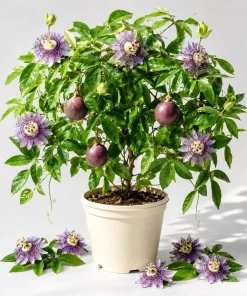
Your maypop passion flower live plant will arrive as a healthy, young specimen, typically measuring 4-6 inches tall. These plants are shipped without a pot, as a bare-root or well-rooted cutting, ensuring they are ready for immediate planting in your garden. This initial size allows for easy transplanting and quick establishment. Once planted, this vigorous perennial passion fruit vine can grow rapidly, often reaching lengths of 15-20 feet in a single growing season under ideal conditions. It will spread by rhizomes, forming a dense patch if not contained.
The blooming season for the purple passionflower vine extends from late spring through summer, with fruits developing shortly after flowering. You can expect to see the first flowers and fruits within the first year or two after planting. The mature fruits are round to oval, about the size of a golf ball, and turn yellow when ripe. This particular variety, Passiflora incarnata, is known for its hardiness and ability to return year after year in its designated USDA zones, offering a long season of enjoyment and harvest. The strong root system developed by the maypop passion flower live plant ensures its resilience and continued growth for many years.
Frequently Asked Questions
- Q: How big does this plant get? A: The maypop passion flower live plant is a vigorous vine that can reach lengths of 15-20 feet in a single growing season. It will spread by rhizomes, forming a dense patch if not managed.
- Q: What size pot does it come in? A: These plants are typically shipped as healthy, well-rooted cuttings or bare-root plants, approximately 4-6 inches tall, and are not shipped in a pot. They are ready to be planted directly into your garden or a larger container upon arrival.
- Q: Is this an indoor or outdoor plant? A: The maypop passion flower live plant is primarily an outdoor plant, thriving in full sun. It is hardy in USDA Zones 6-10 and is best grown outdoors where it can climb and spread.
- Q: How much sunlight does it need? A: For optimal growth, flowering, and fruit production, your perennial passion fruit vine requires full sun, meaning at least 6-8 hours of direct sunlight per day.
- Q: Is this plant easy to care for? A: Yes, passiflora incarnata care is considered relatively easy. Once established, it is low-maintenance and moderately drought tolerant, making it suitable for gardeners of all experience levels.
- Q: What condition will it arrive in? A: Your plant will arrive as a healthy, live specimen, typically 4-6 inches tall, ready for planting. We ensure careful packaging to protect the plant during transit.
- Q: Can I eat the fruit from this plant? A: Yes, the maypop passion flower live plant produces edible fruits known as maypops. They are delicious when ripe and can be eaten fresh or used in various culinary applications.
- Q: How long until it blooms? A: You can typically expect your purple passionflower vine to start blooming and producing fruit within the first year or two after planting, especially with proper care and adequate sunlight.
- Q: Will it survive winter in my zone? A: This plant is a hardy perennial passion fruit vine in USDA Zones 6-10. In colder parts of its range, mulching the base in fall can help protect the roots for winter survival.
- Q: What type of soil does it prefer? A: It prefers well-draining soil. While adaptable, rich, loamy soil is ideal. Avoid heavy, waterlogged conditions to prevent root issues.
Be the first to review “Maypop Passion Flower Live Plant – Passiflora Incarnata Vine, 4-6 Inch Tall”
People Also Viewed
Trees
Golden Nugget Jack Fruit in 3 Gallons Pot, Grafted, Artocarpus heterophyllus, no ship to CA and HI

Reviews
There are no reviews yet.