
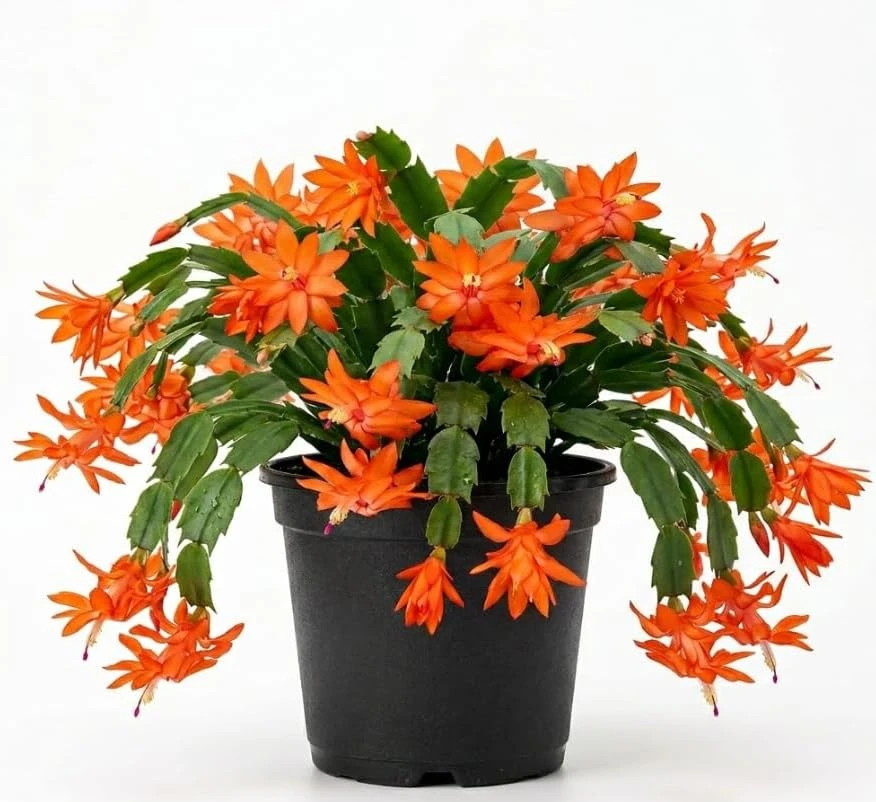
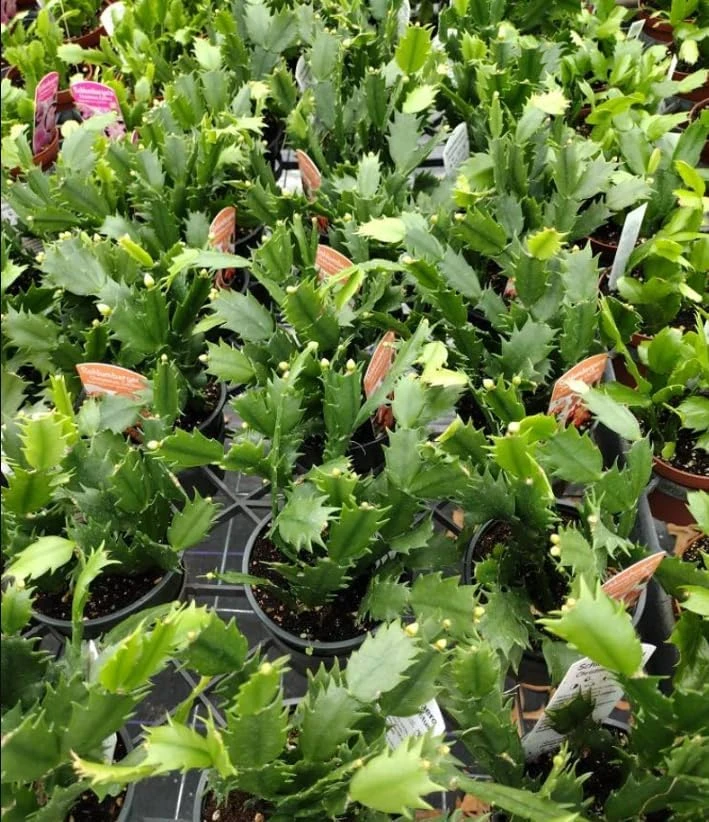
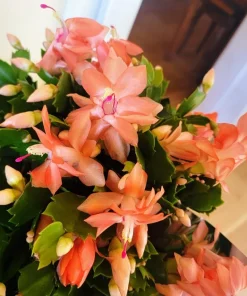
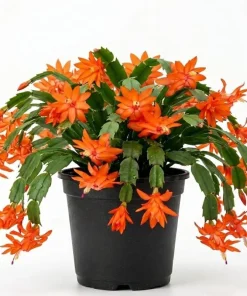
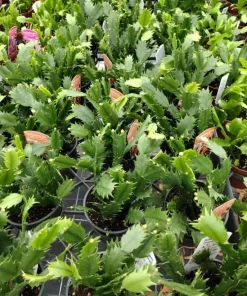
Orange Christmas Cactus Live Plant – Holiday Blooming Succulent 4-6 Inch Tall Indoor Outdoor
Original price was: $41.99.$16.99Current price is: $16.99.
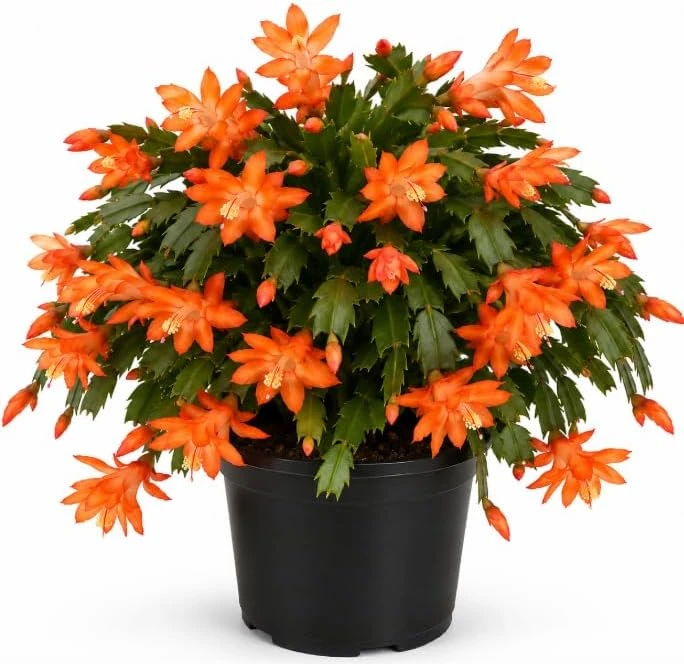
Add a splash of vibrant color to your home with this beautiful orange Christmas cactus live plant. Perfect for holiday decor, this 4-6 inch tall succulent offers stunning blooms and is suitable for both indoor and outdoor settings, bringing festive cheer to any space.
Estimated arrival
Oct 14
Oct 19 - Oct 21
Oct 24 - Oct 28
Shop With Confidence
30-Day Plant Health Guarantee
Arrives damaged? We’ll replace it free — see our return policy.
Responsive Support
Email us anytime, we reply within 1 business day.
Expert Packaging
Temperature-controlled shipping to protect your plants in transit.
Secure Checkout
Pay safely with Visa, Mastercard, PayPal.
Plant Specifications
-
USDA Hardiness Zone
USDA Zones 10 to 12 -
Soil Type
Well-draining soil -
Sunlight Exposure
Bright indirect light -
Expected Planting Period
Year-round indoors; Fall to Winter blooming
Overview
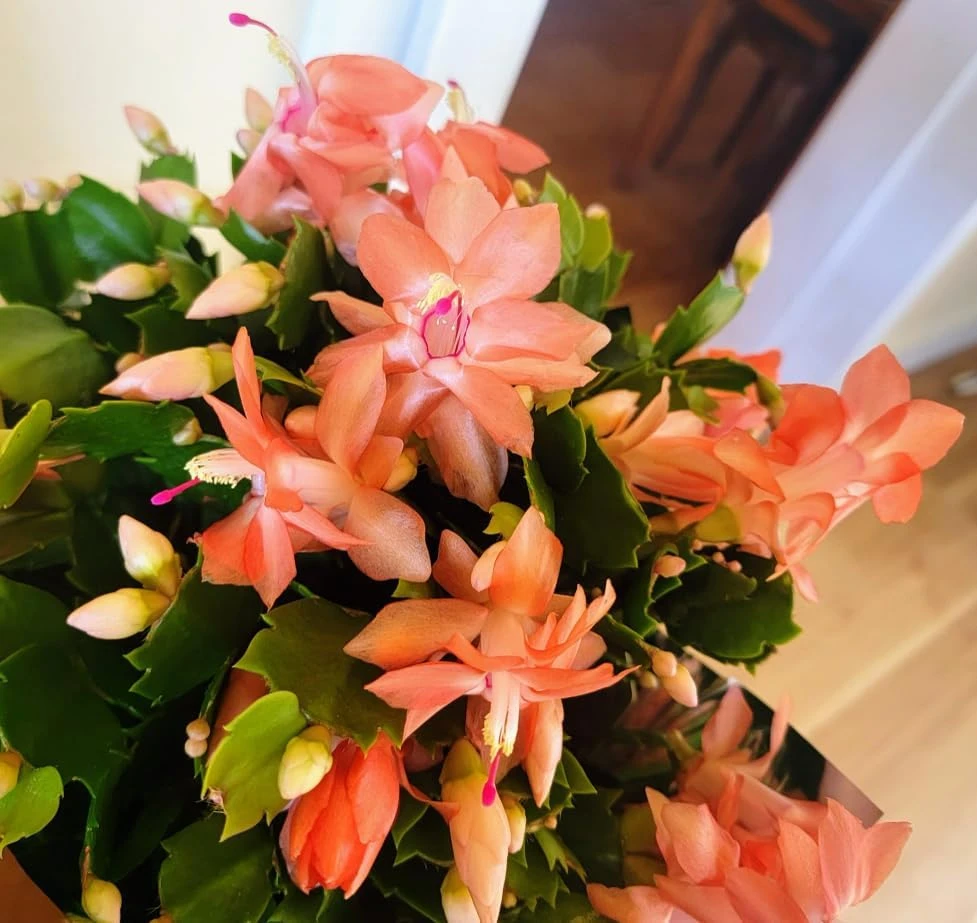
Introduce a burst of festive color to your home or garden with this stunning orange Christmas cactus live plant. Known for its spectacular late fall and winter blooms, this succulent is a true holiday delight. Unlike desert cacti, the Christmas cactus (Schlumbergera spp.) is an epiphyte, naturally growing on trees in tropical rainforests. This particular variety showcases vibrant orange blossoms, making it a perfect centerpiece for seasonal decorations or a cheerful addition to your plant collection. Measuring approximately 4 to 6 inches tall, this live plant arrives ready to thrive, offering beautiful, pendulous flowers that can last for several weeks. It’s an ideal choice for gifting or for simply enhancing your own living space with its unique charm and easy-care nature. Its distinctive segmented stems and bright blooms make it a visually appealing and low-maintenance indoor plant.
The orange Christmas cactus live plant is highly sought after for its ability to bloom during the colder months, providing much-needed color when other plants are dormant. Its unique growth habit and striking flowers make it a conversation starter, perfect for holiday gatherings. This plant is not only beautiful but also relatively easy to care for, making it suitable for both novice and experienced plant enthusiasts. Enjoy the beauty of a holiday blooming succulent that promises to brighten your home year after year with proper care.
Key Benefits
The orange Christmas cactus live plant offers numerous benefits, making it a popular choice for plant lovers, especially during the festive season. Its unique characteristics contribute to its appeal and ease of integration into various home environments:
- Stunning Seasonal Blooms: This holiday blooming succulent is renowned for its vibrant orange flowers that typically appear from late fall through winter, coinciding perfectly with the holiday season. These cheerful blossoms provide a beautiful contrast to winter landscapes and indoor decor, adding a festive touch.
- Easy to Care For: Christmas cacti are generally low-maintenance plants, making them an excellent choice for beginners or those with busy schedules. They do not require constant attention and can thrive with basic care.
- Versatile Placement: Suitable for both indoor and outdoor cultivation in appropriate climates (USDA Zones 10-12), this plant can adorn windowsills, patios, hanging baskets, or even shaded garden spots, offering flexibility in its display.
- Long-Lived Plant: With proper care, a Christmas cactus can live for many years, becoming a cherished part of your home and blooming reliably each holiday season. Some plants have been known to thrive for decades.
- Unique Appearance: Beyond its flowers, the segmented, flat green stems of the Christmas cactus offer an interesting textural element to any plant collection. Its trailing habit also makes it ideal for hanging planters.
- Air Purifying Qualities: Like many houseplants, the Christmas cactus contributes to a healthier indoor environment by helping to filter common airborne toxins, improving air quality in your home.
- Pet-Friendly Option: The Christmas cactus is considered non-toxic to cats and dogs, making it a safer choice for households with pets compared to many other holiday plants.
Plant Care & Growing Tips
Caring for your orange Christmas cactus live plant is straightforward, allowing you to enjoy its vibrant blooms for many seasons. Understanding its specific needs will ensure a healthy and flourishing plant. This holiday blooming succulent thrives with consistent, yet not excessive, attention.
Sunlight Requirements: This plant prefers bright, indirect light. Avoid direct, intense sunlight, especially during the hottest parts of the day, as this can scorch its leaves. An east-facing window is often ideal, providing gentle morning sun. If grown outdoors, place it in a shaded or partially shaded location. Insufficient light can lead to a lack of blooms, while too much sun can cause the stems to turn reddish and become stressed.
Watering Schedule and Soil Moisture: Water thoroughly when the top inch of soil feels dry to the touch. Allow excess water to drain completely from the pot. Do not let the plant sit in standing water, as this can lead to root rot. During its blooming period, consistent moisture is beneficial, but reduce watering slightly during its dormant period after flowering. Moderate watering is key to a healthy Christmas cactus care routine. Humidity is also appreciated; consider placing the pot on a pebble tray with water or misting occasionally.
Soil Type and Drainage Requirements: Your Christmas cactus thrives in well-draining soil. A good quality potting mix designed for succulents or cacti, or a regular potting mix amended with perlite or coarse sand, will provide the necessary drainage. The soil should be slightly acidic. Ensure the pot has drainage holes to prevent waterlogging, which is detrimental to this plant’s health. Good drainage is crucial for preventing root issues and promoting robust growth.
Temperature Range and USDA Hardiness Zone: These plants prefer temperatures between 60°F (15°C) and 75°F (24°C). They can tolerate slightly cooler temperatures, especially to encourage blooming, but should be protected from frost. For outdoor planting, they are best suited for USDA Zones 10 to 12. If temperatures drop below 50°F (10°C), bring outdoor plants indoors. A slight dip in temperature (around 50-55°F or 10-13°C) in fall, combined with shorter days, helps induce bud formation for a spectacular bloom.
Fertilization Schedule and Type: Feed your Christmas cactus with a balanced liquid fertilizer (e.g., 20-20-20) diluted to half strength every 2-4 weeks during its active growing season (spring and summer). Stop fertilizing in late summer or early fall to encourage blooming. Resume fertilization after the plant has finished flowering. Over-fertilization can lead to lush foliage but fewer blooms.
Common Problems and Solutions: Yellowing leaves can indicate overwatering or nutrient deficiency. Dropping buds might be due to sudden changes in temperature, light, or over/under-watering. Pests like mealybugs or spider mites can be treated with insecticidal soap. Proper Christmas cactus care involves vigilance and timely adjustments to environmental conditions.
Size & Details
This vibrant orange Christmas cactus live plant is shipped as a well-rooted specimen, typically measuring between 4 to 6 inches tall from the base of the soil. It arrives in a nursery pot, ready for planting into your desired decorative container or for placement in a suitable outdoor garden spot within its recommended hardiness zones. The plant’s segmented stems will gradually trail and cascade as it matures, eventually reaching lengths of 12 to 24 inches or more, making it an excellent choice for hanging baskets or elevated planters. Expect its first spectacular blooms during the fall and winter seasons following its establishment, bringing a cheerful display of orange flowers. The growth rate is moderate, allowing for steady development into a mature and floriferous specimen.
Each Thanksgiving cactus plant is carefully selected and packaged to ensure it arrives in optimal health, ready to adapt to its new environment. The plant will continue to grow and develop its characteristic trailing form, producing an abundance of holiday blooms each year with appropriate care. Its compact size initially makes it perfect for windowsills, desks, or as a thoughtful gift. Over time, it will fill its space beautifully, offering a continuous display of its unique segmented foliage and brilliant flowers.
Frequently Asked Questions
- Q: How big does this plant get? A: This orange Christmas cactus live plant ships at 4 to 6 inches tall. With maturity, its trailing stems can reach lengths of 12 to 24 inches or more, making it ideal for hanging baskets or shelves where it can cascade gracefully.
- Q: What size pot does it come in? A: The plant typically arrives in a standard nursery pot, sized appropriately for its initial height of 4-6 inches, ready for you to transplant into a decorative container.
- Q: Is this an indoor or outdoor plant? A: It thrives as an indoor plant in most climates. It can be grown outdoors in USDA Zones 10 to 12, provided it’s in a shaded or partially shaded location and protected from frost.
- Q: How much sunlight does it need? A: The holiday blooming succulent prefers bright, indirect light. Avoid direct, harsh sunlight, which can scorch its leaves. An east-facing window is usually ideal.
- Q: Is this plant easy to care for? A: Yes, the Christmas cactus is considered relatively easy to care for, making it suitable for beginners. Consistent watering and appropriate light are key to successful Christmas cactus care.
- Q: Is it good for beginners? A: Absolutely! Its forgiving nature and clear care requirements make it an excellent choice for those new to houseplants, offering rewarding blooms with minimal fuss.
- Q: What condition will it arrive in? A: Your orange Christmas cactus live plant is carefully packaged to ensure it arrives healthy and ready to thrive, with secure potting and protective wrapping.
- Q: Is it shipped in soil? A: Yes, it is shipped as a live, potted plant in its nursery soil to minimize transplant shock and ensure its immediate health upon arrival.
- Q: When is the best time for blooming? A: This plant is a holiday blooming succulent, typically flowering from late fall through winter, often around Thanksgiving and Christmas, hence its common name.
- Q: Will it survive winter in my zone? A: If you live in USDA Zones 10 to 12, it can survive winter outdoors in a protected location. In colder zones, it must be brought indoors before temperatures drop below 50°F (10°C).
- Q: What’s the minimum temperature it can tolerate? A: The Christmas cactus needs protection when temperatures fall below 50°F (10°C). While it can tolerate brief dips, consistently cold temperatures will harm the plant.
- Q: Is this a Thanksgiving cactus plant or a Christmas cactus? A: While often used interchangeably, this specific plant is commonly referred to as a Christmas cactus due to its typical blooming period closer to Christmas. The care requirements are very similar for both types.
Be the first to review “Orange Christmas Cactus Live Plant – Holiday Blooming Succulent 4-6 Inch Tall Indoor Outdoor”
People Also Viewed
Reviews
There are no reviews yet.