



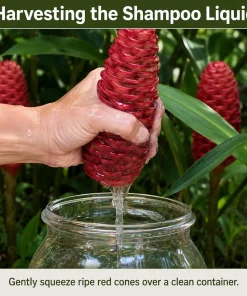
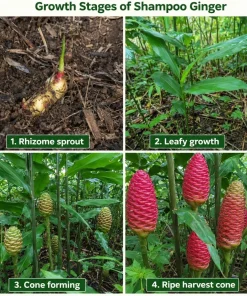
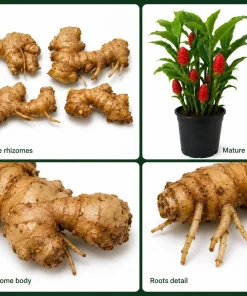
10 Awapuhi Shampoo Ginger Rhizomes – Zingiber Zerumbet Pinecone Roots
Original price was: $46.99.$21.99Current price is: $21.99.
Grow your own exotic awapuhi shampoo ginger rhizomes! These Zingiber Zerumbet roots, also called pinecone ginger plants, are perfect for adding a tropical touch to your garden beds, patios, or containers. Easy to grow and low maintenance, they thrive in warm climates.
Estimated arrival
Oct 28
Nov 02 - Nov 04
Nov 07 - Nov 11
Shop With Confidence
30-Day Plant Health Guarantee
Arrives damaged? We’ll replace it free — see our return policy.
Responsive Support
Email us anytime, we reply within 1 business day.
Expert Packaging
Temperature-controlled shipping to protect your plants in transit.
Secure Checkout
Pay safely with Visa, Mastercard, PayPal.
Plant Specifications
-
USDA Hardiness Zone
USDA Zones 9-11 -
Soil Type
Well-draining, rich in organic matter -
Sunlight Exposure
Partial shade to full sun -
Expected Planting Period
Spring
Overview
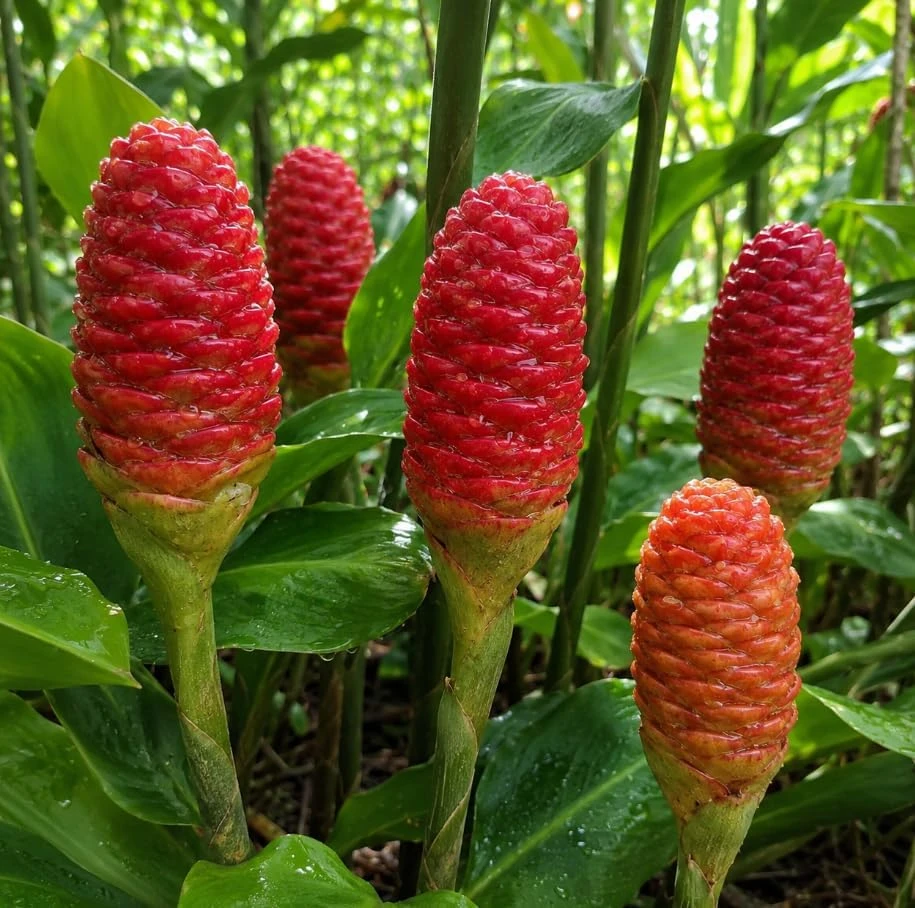
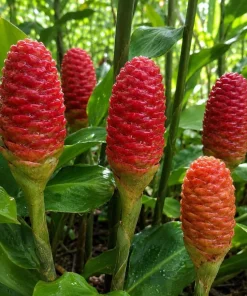
Experience the joy of cultivating your own exotic and aromatic awapuhi shampoo ginger rhizomes. This offering includes 10 Awapuhi Shampoo Ginger Rhizomes, providing a fantastic opportunity to establish a vibrant tropical presence in your garden or patio. Known scientifically as Zingiber Zerumbet roots, this unique plant is also widely recognized as Pinecone Ginger due to its distinctive, cone-shaped inflorescence that gradually fills with a fragrant, sudsy liquid. These rhizomes are the underground stems from which new plants will sprout, making them an ideal and straightforward way to grow this beautiful and beneficial perennial. Perfect for gardeners looking to add a touch of the tropics, these roots promise a rewarding growing experience, culminating in striking blooms and a natural hair care ingredient.
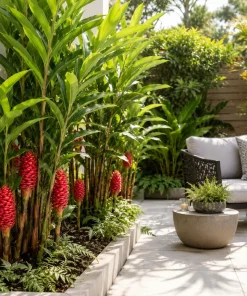
The awapuhi shampoo ginger rhizomes are a true conversation starter, offering both visual appeal and practical uses. Originating from Southeast Asia, this plant has adapted to various warm climates, thriving in conditions that mimic its native habitat. Whether you’re an experienced horticulturist or a budding enthusiast, planting these rhizomes will introduce you to the fascinating world of tropical gingers. Their robust nature and relatively easy care make them a popular choice for enhancing outdoor spaces, creating lush garden beds, or providing a dramatic accent in large patio containers. Get ready to enjoy the impressive foliage and the intriguing ‘shampoo’ cones that emerge as the season progresses.
Key Benefits
Growing awapuhi shampoo ginger rhizomes offers a multitude of benefits, transforming your garden into a lush, tropical paradise while providing natural resources. These rhizomes are not just decorative; they are a versatile addition to any warm-climate landscape.
- Exotic Tropical Appeal: The large, lush green foliage and distinctive pinecone-like blooms of the Zingiber Zerumbet roots bring an undeniable tropical flair to any garden, patio, or outdoor container. They create a focal point with their unique structure and vibrant appearance.
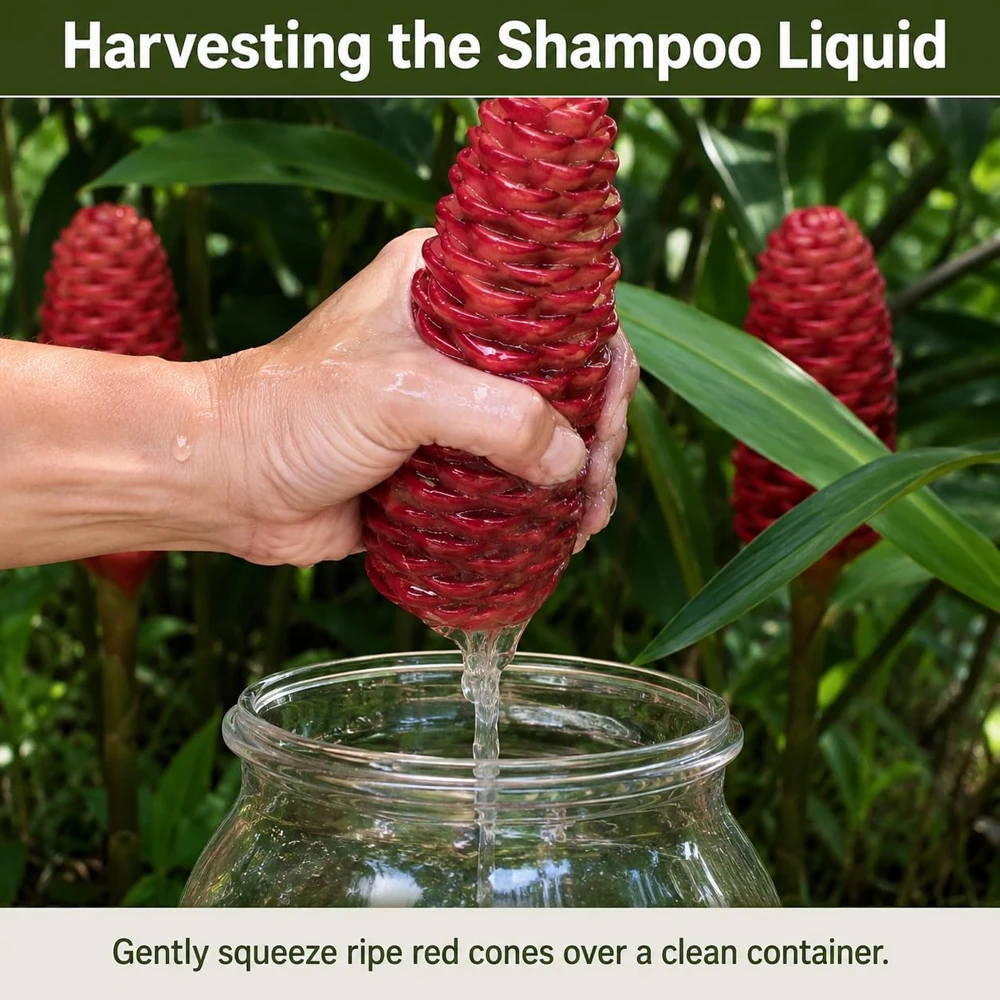
- Natural Shampoo Source: The mature ‘pinecones’ of this ginger plant produce a natural, fragrant, and sudsy liquid, traditionally used for hair conditioning and shampoo. This makes them a unique and sustainable personal care resource right in your backyard.
- Easy to Grow and Low Maintenance: Once established, these pinecone ginger plants are remarkably hardy and require minimal attention. They are resilient perennials that will return year after year, offering continuous beauty with little effort, making shampoo ginger care straightforward.
- Versatile Planting Options: Ideal for a variety of settings, these rhizomes can be planted directly in garden beds, used as a striking accent in large patio pots, or integrated into tropical-themed landscapes. Their adaptability allows for creative garden design.
- Attractive to Pollinators: While primarily grown for their foliage and unique inflorescences, the flowers, when they emerge, can attract beneficial pollinators to your garden, contributing to a healthier ecosystem.
- Long-Lasting Blooms: The distinctive ‘pinecones’ maintain their vibrant appearance for an extended period, providing continuous interest throughout the growing season and adding long-lasting beauty to your outdoor space.
- Hardy Perennial Growth: As a perennial, once planted, these tropical ginger rhizomes will re-emerge each year from their underground rhizomes, providing a reliable and enduring display without the need for annual replanting in appropriate zones.
Plant Care & Growing Tips
Caring for your awapuhi shampoo ginger rhizomes is a rewarding experience, leading to lush foliage and unique inflorescences. To ensure successful growth, understanding their specific needs is crucial. These plants thrive in conditions that mimic their native tropical environment. For optimal growth, plant your rhizomes in well-draining soil that is rich in organic matter. A slightly acidic to neutral pH (6.0-7.0) is generally preferred. When planting, bury the rhizomes horizontally about 1-2 inches deep, ensuring any visible ‘eyes’ or growth points are facing upwards. Space them approximately 12-18 inches apart to allow for proper spread.
Sunlight requirements for Zingiber Zerumbet roots are quite flexible; they prefer partial shade to full sun. In hotter climates, some afternoon shade is beneficial to prevent leaf scorch. Aim for at least 4-6 hours of direct sunlight, or bright indirect light throughout the day. Watering should be consistent, especially during the active growing season. Keep the soil evenly moist but not waterlogged. Reduce watering in cooler months when the plant may go dormant. These pinecone ginger plants are suited for USDA Zones 9-11, where they can be left outdoors year-round. In colder zones, the rhizomes can be dug up before the first frost and stored indoors in a cool, dry place over winter, then replanted in spring. Regular fertilization with a balanced, slow-release fertilizer during the growing season will promote vigorous growth and abundant blooms. For specific shampoo ginger care, ensure good air circulation to prevent fungal issues, especially in humid environments.
Size & Details
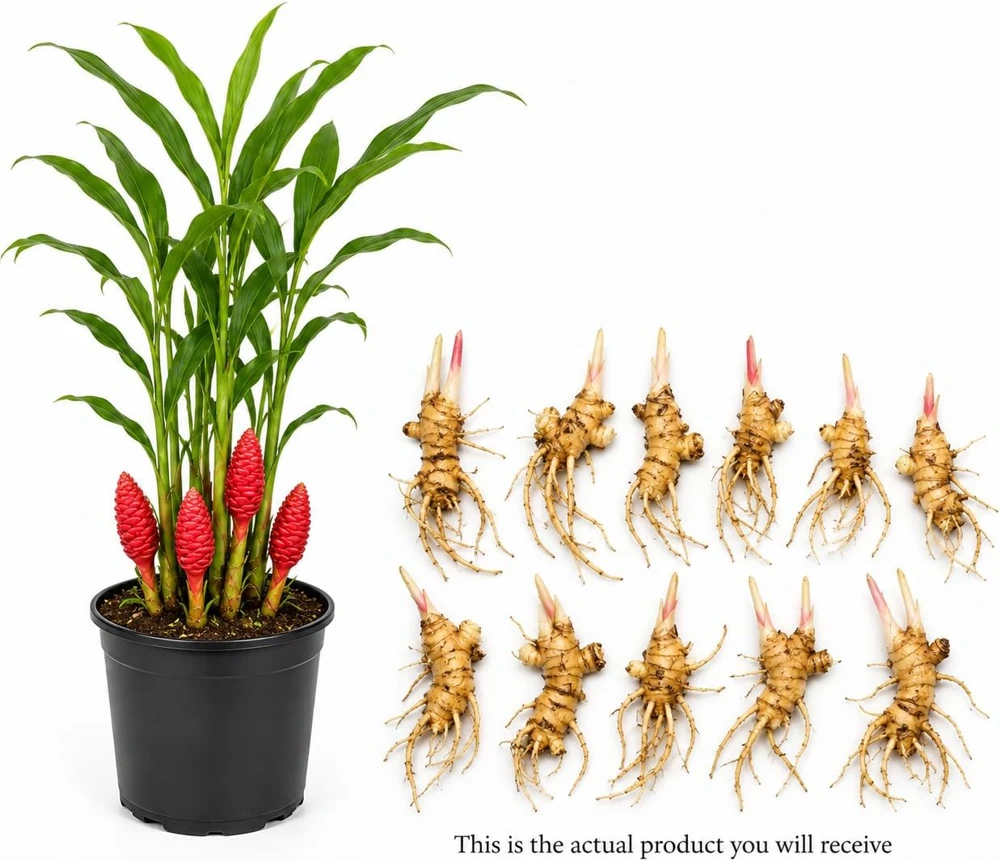
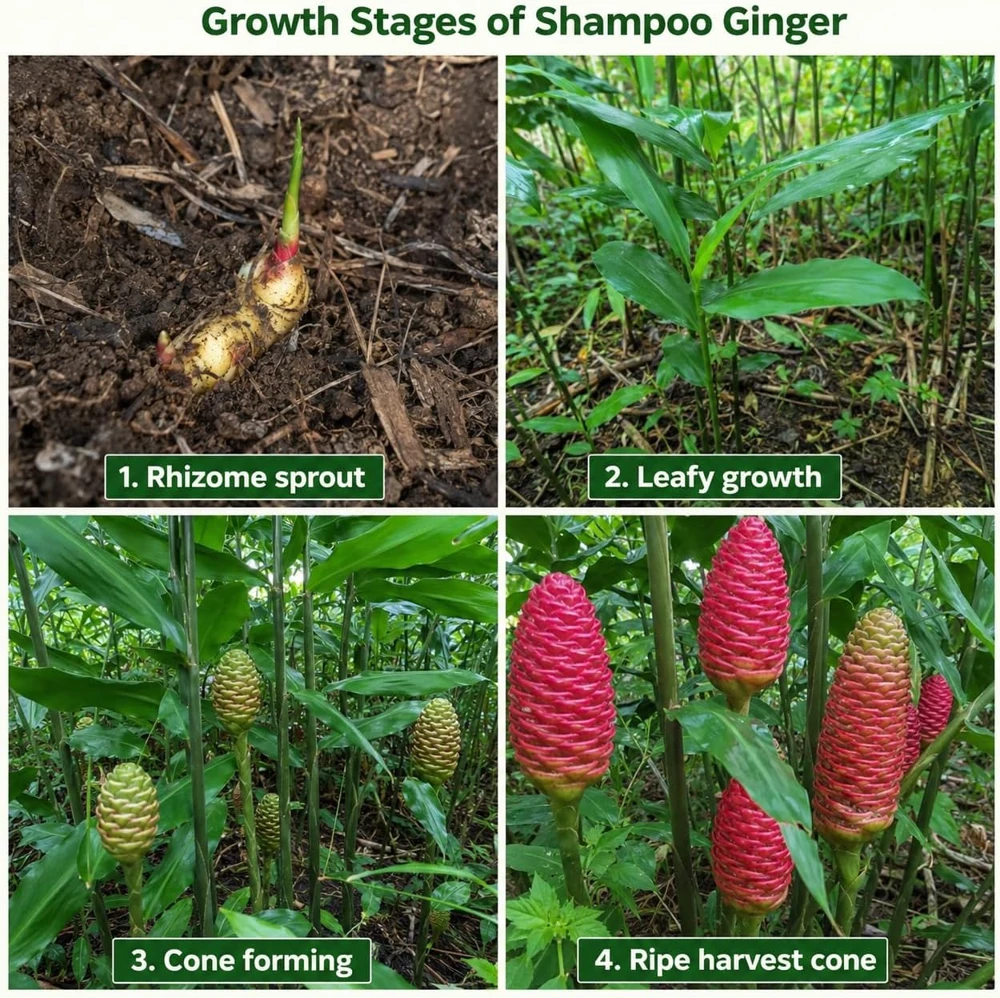
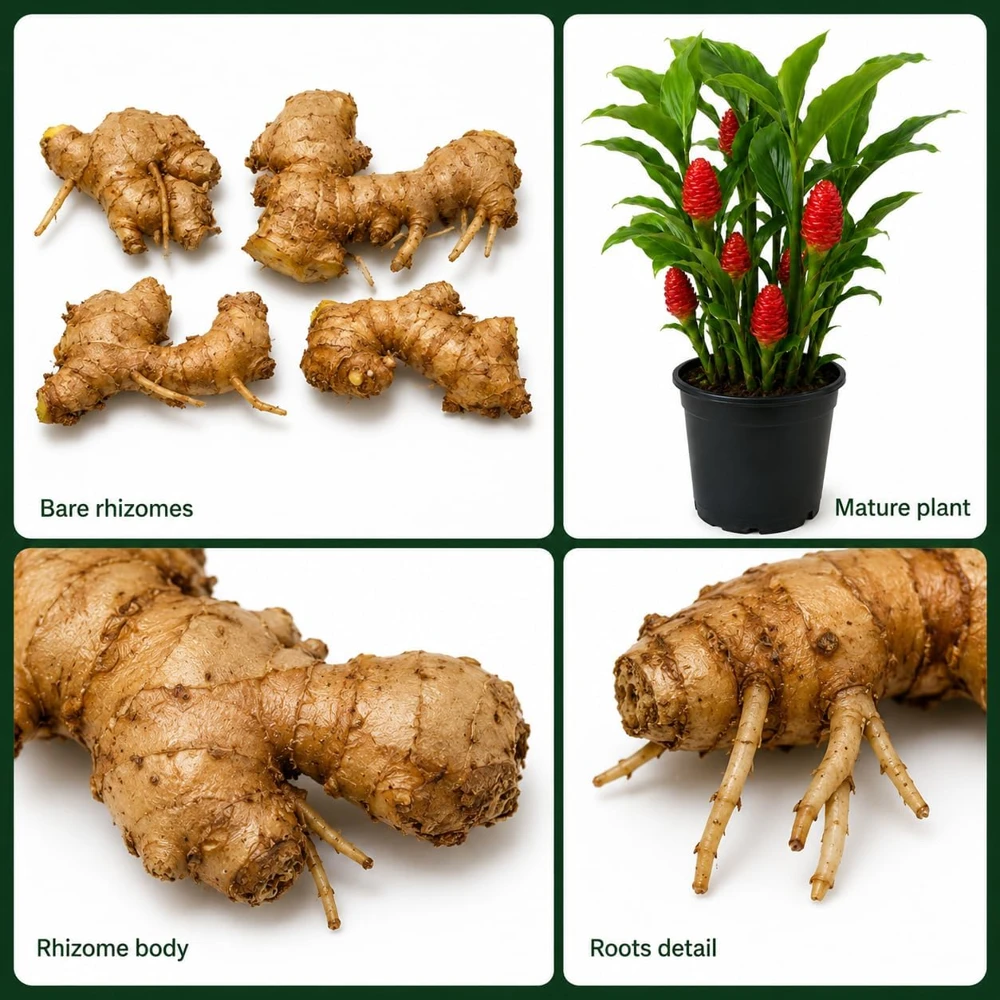
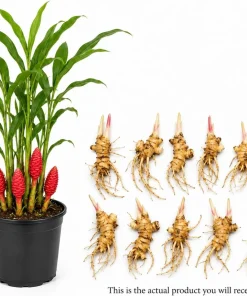
This offering includes 10 Awapuhi Shampoo Ginger Rhizomes, ready for planting. Each rhizome is carefully selected to ensure viability and potential for robust growth. Once established, these tropical ginger rhizomes typically grow to a height of 3-5 feet with a spread of 2-3 feet, forming a dense clump of foliage. The distinctive ‘pinecone’ inflorescences usually emerge in mid to late summer, starting green and gradually turning red as they mature and fill with their characteristic liquid. The growth rate is moderate, and you can expect significant foliage development within the first growing season. These rhizomes are shipped bare, without soil or pot, allowing for easy planting upon arrival. They are mature enough to produce strong plants and potentially bloom in their first year under ideal conditions, providing immediate impact to your garden space.
Frequently Asked Questions
- Q: How big do these awapuhi shampoo ginger rhizomes get? A: Once established, pinecone ginger plants typically reach a height of 3-5 feet and can spread 2-3 feet wide, forming an attractive, dense clump of foliage. Their size makes them excellent for garden beds or large containers.
- Q: Is this an indoor or outdoor plant? A: These Zingiber Zerumbet roots are primarily outdoor plants, thriving in warm, tropical climates (USDA Zones 9-11). In colder regions, they can be grown in containers and brought indoors during winter, or their rhizomes can be stored dormant.
- Q: How much sunlight does it need? A: Shampoo ginger care requires partial shade to full sun. In areas with intense summer heat, providing some afternoon shade will help protect the foliage from scorching, ensuring healthy growth and vibrant blooms.
- Q: Is this plant easy to care for? A: Yes, once established, these tropical ginger rhizomes are considered low maintenance. They are hardy perennials that require consistent moisture and occasional feeding during the growing season, making them suitable for gardeners of various skill levels.
- Q: What condition will the rhizomes arrive in? A: The 10 Awapuhi Shampoo Ginger Rhizomes will arrive as bare rhizomes, carefully packaged to ensure freshness and readiness for planting. They will not be in soil or a pot, allowing you to plant them directly upon arrival.
- Q: How long until it blooms? A: Under optimal growing conditions, you can expect the distinctive ‘pinecone’ inflorescences to emerge in mid to late summer of the first growing season. The maturation and color change of the cones will follow.
- Q: Will it survive winter in my zone? A: These awapuhi shampoo ginger rhizomes are hardy in USDA Zones 9-11, where they can remain in the ground year-round. In colder zones, the rhizomes should be dug up and stored indoors in a cool, dry place to protect them from frost.
- Q: What is the best time to plant these rhizomes? A: The best time to plant your Zingiber Zerumbet roots is in spring after the last danger of frost has passed and soil temperatures have warmed up. This gives them ample time to establish before the peak growing season.
Be the first to review “10 Awapuhi Shampoo Ginger Rhizomes – Zingiber Zerumbet Pinecone Roots”
People Also Viewed


Vegetable Seeds


Vegetable Seeds
Cipollini Bianca Di Maggio Onion Seeds – 250 Sweet Flat Onions

Vegetable Seeds
Hot Portugal Pepper Seeds – 20 Seeds – Very Hot, Early Maturing
Reviews
There are no reviews yet.