
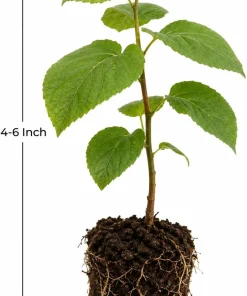
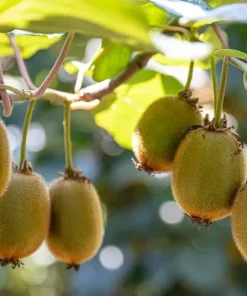
Hardy Kiwi Plants Live – Set of 2 Starter Vines 4-6 Inch, Fruit Vine for Garden
Original price was: $49.99.$24.99Current price is: $24.99.
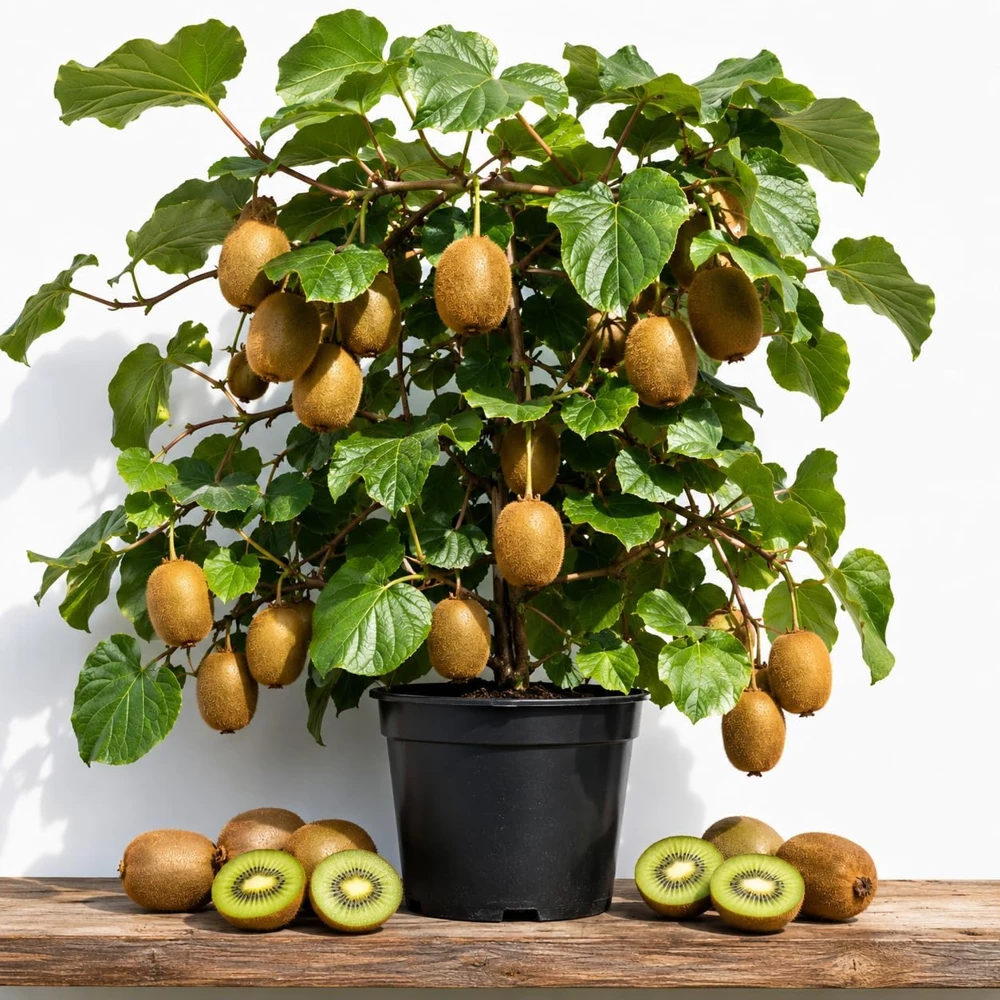
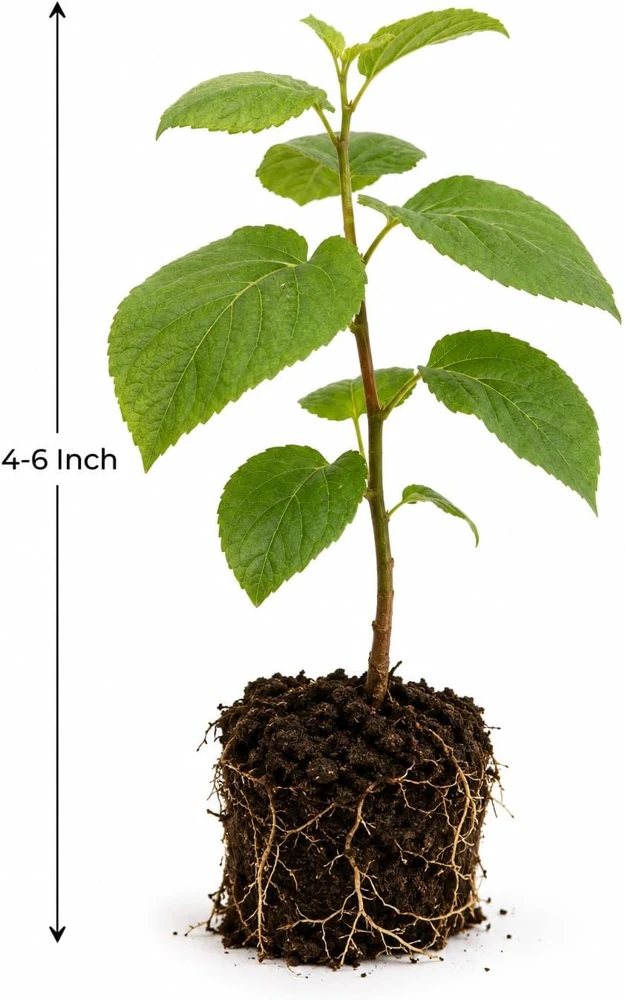
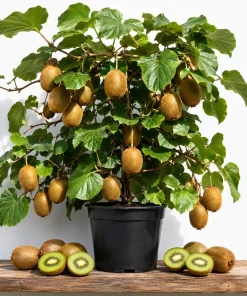
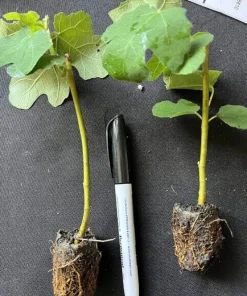
Cultivate your own sweet and tart kiwi berries with this hardy kiwi live plant set. You’ll receive Set of 2 Hardy Kiwi Plants Live, well-rooted starter vines, each measuring 4-6 inches tall. These vigorous climbing fruit vines are ideal for trellises, arbors, or patio containers.
- Produces delicious small kiwi berries
- Suitable for USDA Zones 4-9
- Easy-to-grow kiwi vine for garden or patio
Estimated arrival
Oct 27
Nov 01 - Nov 03
Nov 06 - Nov 10
Shop With Confidence
30-Day Plant Health Guarantee
Arrives damaged? We’ll replace it free — see our return policy.
Responsive Support
Email us anytime, we reply within 1 business day.
Expert Packaging
Temperature-controlled shipping to protect your plants in transit.
Secure Checkout
Pay safely with Visa, Mastercard, PayPal.
Plant Specifications
-
USDA Hardiness Zone
USDA Zones 4-9 -
Soil Type
Well-draining, rich, loamy soil -
Sunlight Exposure
Full sun to partial shade -
Expected Planting Period
Early spring to early fall
Overview
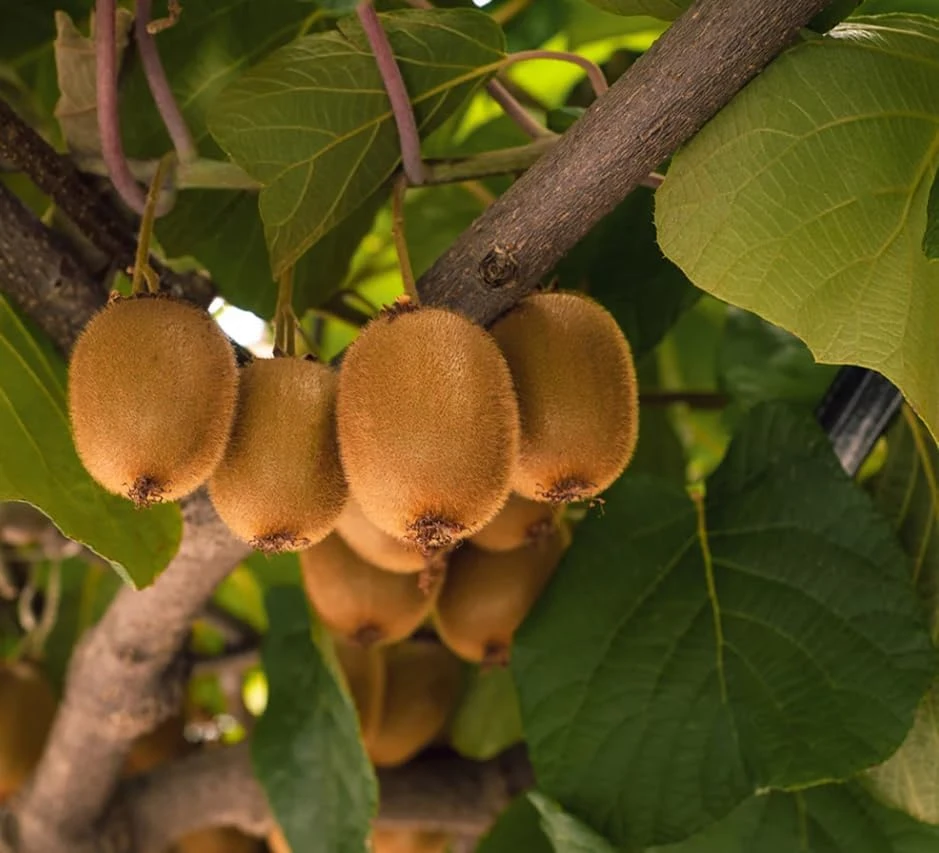
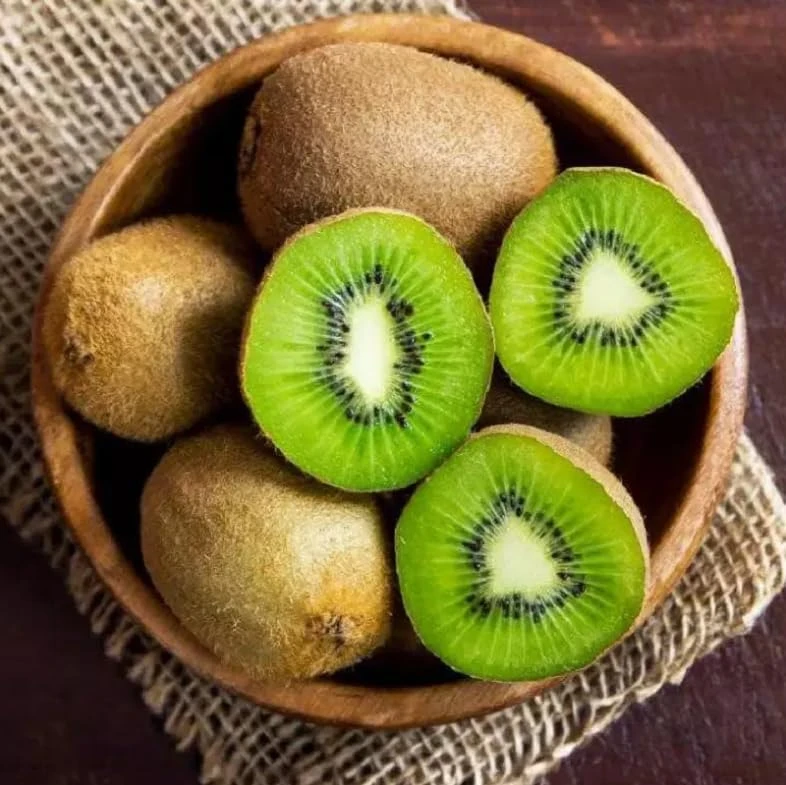
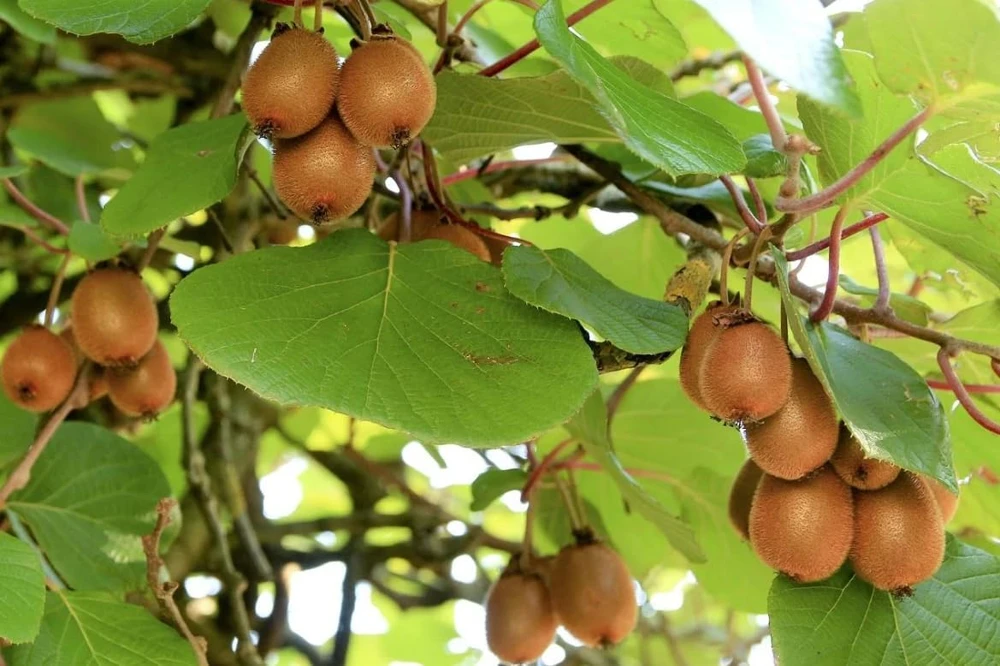
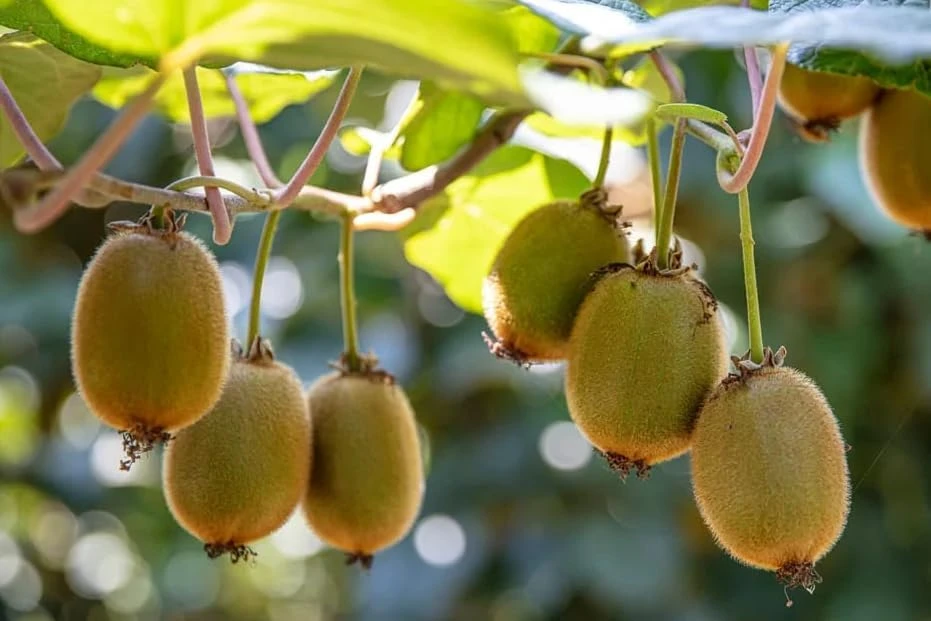
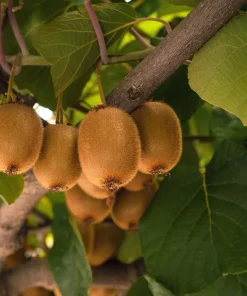
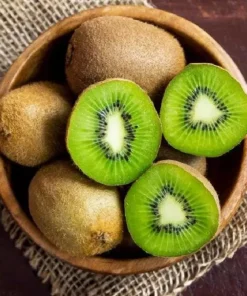
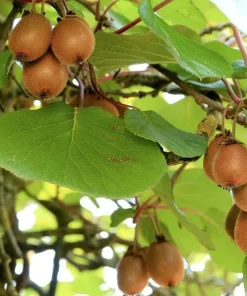
Embark on a delightful gardening journey with this hardy kiwi live plant set. These vigorous and resilient vines are perfect for home gardeners looking to cultivate their own delicious kiwi berries. Unlike the larger, fuzzy kiwis found in supermarkets, hardy kiwis (Actinidia arguta) produce smaller, smooth-skinned fruits that can be eaten whole. This offering includes a Set of 2 Hardy Kiwi Plants Live, each a well-rooted starter vine measuring approximately 4-6 inches tall, ready to establish quickly in your garden or patio. Known for their robust nature and cold hardiness, these fruit vines are an excellent choice for adding an edible and ornamental element to your outdoor space. They are a fantastic way to enjoy fresh, homegrown fruit with a sweet and tart flavor.
These particular hardy kiwi live plant specimens are selected for their strong root systems, ensuring a higher success rate for new growers. Whether you’re an experienced gardener or just starting out, growing your own kiwi can be a rewarding experience. The plants are perennial, meaning they will return year after year, providing bountiful harvests once mature. With proper care, these vines will transform into productive fruit producers, offering a continuous supply of nutritious and tasty berries.
Key Benefits
Growing a hardy kiwi live plant offers a multitude of advantages, from aesthetic appeal to the joy of harvesting your own fruit. These vines are not only productive but also add a unique visual interest to your landscape.
- Homegrown Delights: Enjoy the unparalleled flavor of fresh, homegrown kiwi berries. These small, sweet-tart fruits are perfect for snacking, desserts, or adding to smoothies.
- Vigorous Growth: These are vigorous climbing vines that quickly cover trellises, arbors, fences, or pergolas, providing both shade and beauty.
- Cold Hardy Perennial: Suitable for a wide range of climates, thriving in USDA Zones 4-9. This means they can withstand cold winters and return year after year.
- Ornamental Value: Beyond their fruit, the lush foliage and climbing habit of the kiwi vine for garden make it an attractive addition to any landscape design.
- Easy to Grow: Once established, actinidia arguta plant varieties are relatively low-maintenance, making them a great choice for gardeners of all skill levels.
- Nutrient-Rich Fruit: Hardy kiwi berries are packed with vitamins and antioxidants, offering a healthy and delicious snack directly from your garden.
- Compact Fruit: The small size of the fruit means no peeling is required, making them a convenient and easy-to-eat treat.
Plant Care & Growing Tips
Caring for your hardy kiwi live plant is straightforward, and with a few key considerations, you can ensure a healthy and productive vine. These plants thrive in full sun to partial shade, ideally receiving at least 6-8 hours of direct sunlight per day for optimal fruit production. While they tolerate some shade, more sun generally leads to more abundant harvests. Ensure they have a sturdy support structure like a trellis, arbor, or fence, as they are vigorous climbers and need something to twine around as they grow. Proper pruning is essential to manage their growth and encourage fruiting.
When it comes to watering, consistent moisture is key, especially during dry spells and the fruiting season. The soil should be kept evenly moist but not waterlogged. Well-draining soil is crucial; a rich, loamy soil with a slightly acidic to neutral pH (6.0-7.0) is ideal. Amend heavy clay soils with compost or other organic matter to improve drainage. Fertilize your kiwi vine for garden in early spring with a balanced fertilizer, and again in mid-summer if growth seems slow. Protect young plants from extreme temperatures, though mature vines are quite resilient. Watch out for common pests like aphids or spider mites, and treat with organic solutions if necessary.
These actinidia arguta plant specimens are cold hardy perennial vines, meaning they are well-suited for outdoor garden settings in USDA Zones 4-9. This robust nature makes them a reliable choice for many regions. Provide a good layer of mulch around the base of the plant to help retain soil moisture, regulate soil temperature, and suppress weeds. Remember, hardy kiwis typically require both male and female plants for fruit production, so ensure you have a compatible pair or a self-fertile variety if you only purchase one. This fruit vine starter will benefit greatly from consistent care in its early stages of development.
Size & Details
This offering includes a Set of 2 Hardy Kiwi Plants Live, each a well-rooted starter vine. Each young plant measures approximately 4-6 inches in height from the top of the soil to the tip of the foliage. These are young, actively growing plants, shipped in a nursery pot with their root system intact, ready for transplanting. While they start small, these vines are known for their fast growth rate and can reach impressive mature sizes. Under suitable growing conditions, mature vines can grow to about 15-25 feet long, requiring ample space and a strong support structure.
These cold hardy kiwi plants will typically begin to produce fruit within 2-4 years of planting, with increasing yields as they mature. They are shipped in a manner that protects their delicate foliage and root system, ensuring they arrive healthy and ready to thrive. The compact size of these starter plants makes them easy to handle and establish in your chosen location, whether it’s a garden bed, a large container on a patio, or integrated into an existing landscape design. Expect robust growth during the spring and summer months as they establish their root systems and begin their climbing journey.
Frequently Asked Questions
- Q: How big does this hardy kiwi live plant get? A: A mature hardy kiwi live plant can reach lengths of 15-25 feet, depending on growing conditions and support. They are vigorous climbers and will require a sturdy trellis, arbor, or fence to support their growth.
- Q: Is this an indoor or outdoor plant? A: This hardy kiwi live plant is an outdoor perennial vine. It is cold hardy and thrives in garden settings within USDA Zones 4-9, making it unsuitable for long-term indoor cultivation.
- Q: How much sunlight does a kiwi vine for garden need? A: A kiwi vine for garden requires at least 6-8 hours of direct sunlight per day for optimal growth and fruit production. While it can tolerate partial shade, full sun is highly recommended.
- Q: What condition will the hardy kiwi plants arrive in? A: The Set of 2 Hardy Kiwi Plants Live will arrive as well-rooted starter vines, approximately 4-6 inches tall, carefully packaged to ensure their health and integrity during transit. They will be in a nursery container with soil.
- Q: Is this fruit vine starter easy to care for? A: Yes, once established, this fruit vine starter is relatively easy to care for. It primarily needs consistent watering, sunlight, a good support structure, and annual pruning.
- Q: What is the best time to plant a cold hardy kiwi? A: The best time to plant a cold hardy kiwi is in early spring after the last frost, or in early fall before the ground freezes. This allows the plant to establish its root system before extreme temperatures.
- Q: Will these plants produce fruit on their own? A: Most hardy kiwi varieties require both a male and female plant for fruit production. While some self-fertile varieties exist, it’s generally recommended to plant at least one male and one female vine to ensure pollination and fruit set.
- Q: What kind of soil does an actinidia arguta plant prefer? A: An actinidia arguta plant thrives in well-draining, fertile soil with a slightly acidic to neutral pH (6.0-7.0). Amending heavy soils with organic matter like compost will improve drainage and nutrient content.
- Q: How long until these starter plants produce berries? A: These starter plants typically begin to produce their delicious kiwi berries within 2-4 years after planting, with yields increasing as the vines mature and become more established.
- Q: How much water does this hardy kiwi live plant need? A: Your hardy kiwi live plant needs consistent moisture, especially during dry periods and when the fruit is developing. The soil should be kept evenly moist, but avoid overwatering or soggy conditions.
Be the first to review “Hardy Kiwi Plants Live – Set of 2 Starter Vines 4-6 Inch, Fruit Vine for Garden”
People Also Viewed
Uncategorized
Vegetable Seeds
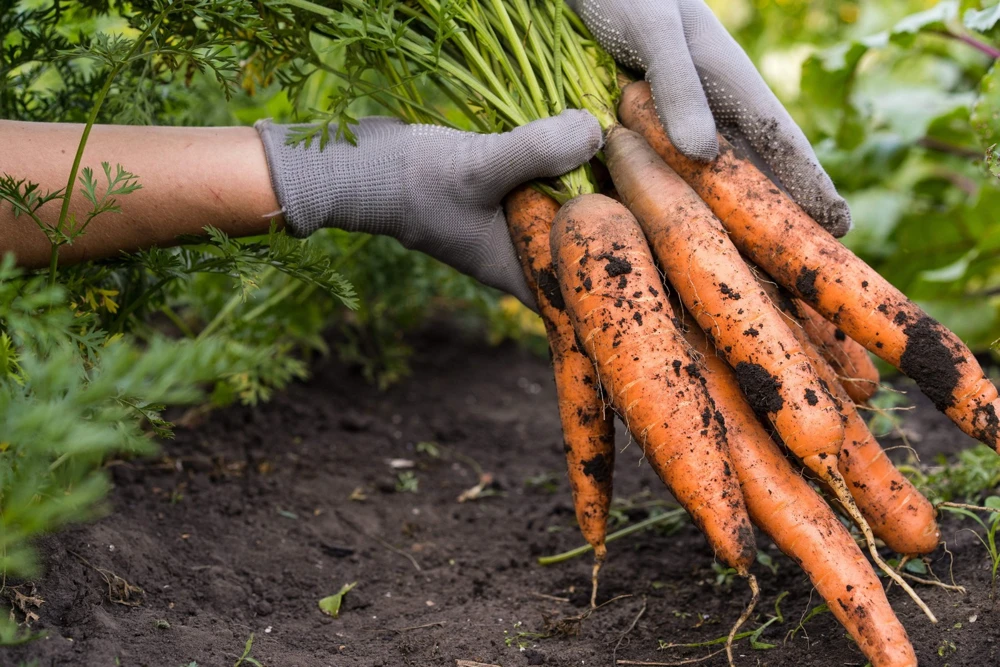
Tendersweet Carrot Seeds – 1500 Deep Orange Red Daucus Carota

Reviews
There are no reviews yet.