


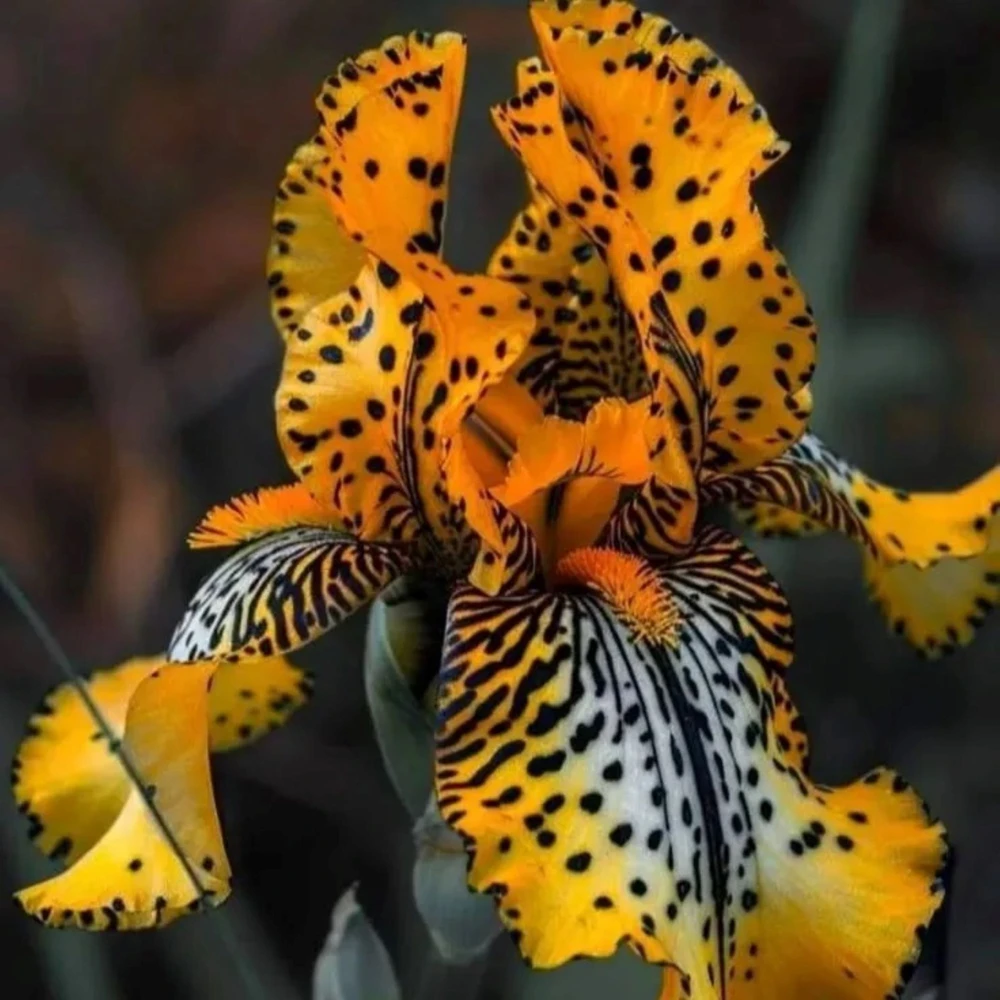
100 Yellow Amber Iris Seeds – Flowering Plant Seeds for Garden
Original price was: $55.99.$30.99Current price is: $30.99.
Discover the joy of growing beautiful yellow amber iris seeds to create a stunning floral display in your garden. These fresh seeds are ready to sprout into vibrant flowering plants, offering a unique opportunity to cultivate elegant irises from scratch. Ideal for gardeners seeking to add a touch of sophistication to their outdoor spaces.
Estimated arrival
Oct 27
Nov 01 - Nov 03
Nov 06 - Nov 10
Shop With Confidence
30-Day Plant Health Guarantee
Arrives damaged? We’ll replace it free — see our return policy.
Responsive Support
Email us anytime, we reply within 1 business day.
Expert Packaging
Temperature-controlled shipping to protect your plants in transit.
Secure Checkout
Pay safely with Visa, Mastercard, PayPal.
Plant Specifications
-
USDA Hardiness Zone
USDA zones 3-9 -
Soil Type
Well-draining sandy loam -
Sunlight Exposure
Full sun -
Expected Planting Period
Fall to early spring (after stratification)
Overview
Embark on a rewarding gardening journey with these high-quality iris seeds. Cultivating your own irises from seed allows for a truly unique and satisfying experience, watching them transform from tiny seeds into magnificent flowering plants. This offering includes 100 fresh seeds, ready to bring vibrant yellow and amber hues to your landscape. Irises, known for their elaborate and striking blooms, are a classic choice for perennial gardens, borders, and cutting gardens. These particular seeds are selected to produce plants with captivating yellow and amber flowers, adding warmth and brightness wherever they are planted. Growing irises from seed can also introduce genetic variations, potentially resulting in unique color patterns or slightly different bloom characteristics, making each plant a delightful surprise.
Beyond their aesthetic appeal, irises are relatively low-maintenance once established, making them a fantastic addition for both novice and experienced gardeners. The process of growing from seed offers a deeper connection to nature and a greater sense of accomplishment. These yellow iris seeds are a fantastic way to expand your garden’s diversity and enjoy the beauty of these iconic flowers. Imagine a spring or early summer garden filled with the elegant, ruffled petals of freshly bloomed irises, all grown from your own efforts. The robust nature of irises ensures a long-lasting display, year after year, with proper care and attention.
Key Benefits
Planting these iris seeds offers numerous benefits, transforming your garden into a haven of natural beauty and vibrant color:
- Stunning Floral Display: Cultivate a breathtaking array of yellow and amber irises, renowned for their intricate petals and captivating colors. These flowers are sure to be a focal point in any garden.
- Cost-Effective Gardening: Growing iris seeds is a significantly more economical way to acquire a large number of iris plants compared to purchasing mature bulbs or plants, allowing for extensive landscaping projects.
- Rewarding Growing Experience: Experience the profound satisfaction of nurturing plants from seed to bloom. Watching your irises flourish from tiny beginnings is an incredibly fulfilling aspect of gardening.
- Attracts Pollinators: The vibrant blooms of irises are a magnet for beneficial pollinators like bees and butterflies, contributing to a healthier and more biodiverse garden ecosystem.
- Versatile Garden Use: Perfect for perennial borders, rock gardens, mass plantings, or as elegant cut flowers to adorn your indoor spaces. Their versatility makes them suitable for various garden designs.
- Drought Tolerance: Once established, many iris varieties, including those grown from these amber iris seeds, exhibit good drought tolerance, making them a resilient choice for various climates.
- Long-Lasting Blooms: Enjoy a prolonged blooming period in late spring to early summer, providing consistent beauty and color when many other plants are just beginning to emerge.
Plant Care & Growing Tips
Successfully growing iris seeds requires attention to specific environmental conditions and care practices. Start by preparing a well-draining seed-starting mix in trays or small pots. Iris seeds often benefit from a period of cold stratification to break dormancy and encourage germination. This can be achieved by placing the seeds in a moist medium (like peat moss or sand) in a sealed bag in the refrigerator for 4-8 weeks before planting. After stratification, sow the seeds about 1/4 inch deep and keep the soil consistently moist but not waterlogged. Germination can be erratic and may take several weeks to months, so patience is key.
Once seedlings emerge, provide them with plenty of bright, indirect light. As they grow, gradually acclimate them to outdoor conditions before transplanting. For mature plants, irises thrive in full sun, meaning at least 6 hours of direct sunlight per day. Good drainage is crucial, as irises are susceptible to rot in overly wet conditions. A sandy loam soil with a neutral to slightly acidic pH is ideal. Water regularly during dry spells, especially during the first year after transplanting, but allow the soil to dry out between waterings. Fertilize sparingly with a balanced fertilizer in early spring, avoiding high-nitrogen formulas which can encourage leaf growth over blooms. Divide clumps every 3-5 years to maintain vigor and prevent overcrowding. Understanding how to grow iris from seed effectively will ensure robust and beautiful plants.
Pest and disease management for irises typically involves monitoring for iris borer, which can be a significant threat. Early detection and removal are important. Fungal diseases like leaf spot can also occur in humid conditions; ensuring good air circulation and appropriate spacing helps. For optimal health and continued bloom production, spent flower stalks should be removed, but the foliage should be left intact until it naturally yellows and dies back, as this allows the plant to store energy for the next season. Proper iris plant care ensures a vibrant display year after year.
Size & Details
This product includes 100 iris seeds, providing an abundant supply for cultivating a significant number of plants. When mature, iris plants grown from these seeds typically reach a height of 18 to 36 inches (45-90 cm) and spread about 12 to 24 inches (30-60 cm) wide, forming attractive clumps. The seeds will produce flowering plants with stunning yellow and amber blooms. While the initial growth from seed to bloom can take 1-2 years, the resulting perennial plants will provide beauty for many seasons to come. They are shipped as fresh, viable seeds, ready for planting according to the provided care instructions. The growth rate is moderate, establishing well within the first year and blooming in subsequent seasons.
The exact shade of yellow and amber can vary slightly due to the natural genetic diversity within seed-grown plants, adding a unique charm to each bloom. These seeds are perfect for gardeners looking to create large sweeps of color or to fill gaps in existing perennial beds. The mature plants will form sturdy rhizomes beneath the soil, from which new growth emerges each spring. Expect the first blooms to appear in late spring to early summer, transforming your garden with their elegant presence. These yellow amber iris seeds are a fantastic investment for long-term garden beauty.
Frequently Asked Questions
- Q: How big do iris plants get from these seeds? A: Iris plants grown from these seeds typically reach a height of 18 to 36 inches (45-90 cm) and spread 12 to 24 inches (30-60 cm) wide at maturity, forming attractive clumps.
- Q: Is this an indoor or outdoor plant? A: While you can start the iris seeds indoors, irises are primarily outdoor perennial plants that thrive in garden settings, enjoying full sun exposure.
- Q: How much sunlight do iris plants need? A: Iris plants require full sun, meaning at least 6 hours of direct sunlight per day, to produce the best blooms and maintain healthy growth.
- Q: Is this plant easy to care for? A: Yes, once established, irises are relatively easy to care for. They require well-draining soil and consistent moisture during dry periods but are generally low-maintenance. They are good for beginners interested in how to grow iris from seed.
- Q: What condition will the seeds arrive in? A: The product consists of 100 yellow amber iris seeds that are fresh and viable, ready for planting upon arrival. They will be packaged to ensure their integrity during transit.
- Q: How long until iris plants bloom from seed? A: It typically takes 1 to 2 years for iris plants grown from seed to reach blooming maturity, though some may bloom sooner depending on growing conditions and specific varieties.
- Q: What is the best time to plant iris seeds? A: The best time to plant iris seeds is in the fall or very early spring, after they have undergone a cold stratification period, which helps with germination.
- Q: Will these irises survive winter in my zone? A: Most iris varieties are hardy perennials. It’s important to check the specific hardiness zone for bearded irises, but generally, they are resilient and can tolerate cold winters with appropriate care.
- Q: What kind of soil do these amber iris seeds prefer? A: Irises prefer well-draining soil, ideally a sandy loam with a neutral to slightly acidic pH. Good drainage is crucial to prevent rhizome rot.
- Q: Do I need to stratify these iris seeds? A: Yes, iris seeds generally benefit from cold stratification (a period of cold, moist conditions) to encourage germination. Refer to the care tips for detailed instructions on this process.
Be the first to review “100 Yellow Amber Iris Seeds – Flowering Plant Seeds for Garden”
People Also Viewed
Shrubs
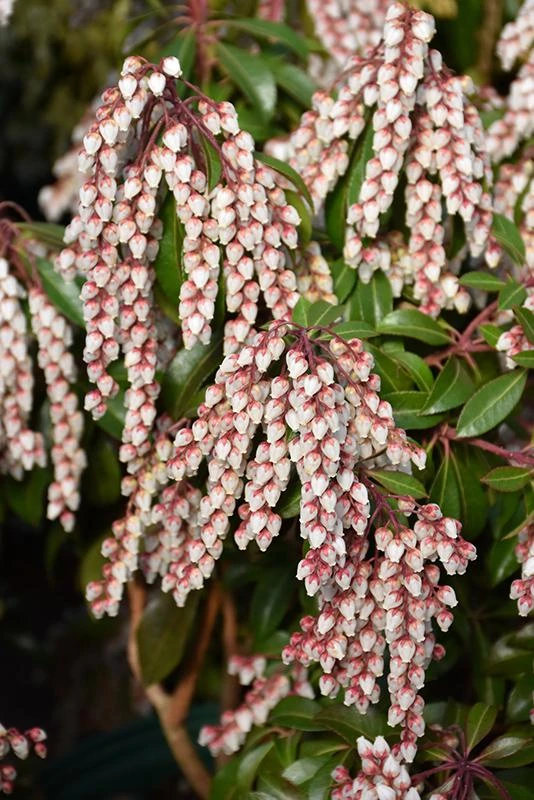
Dorothy Wycoff Pieris Japanese Andromeda Live Plant #1 Container Grown 6-12″ Tall Hardy to -25F
Reviews
There are no reviews yet.